Loading...

Simplify Going to the Dentist: 5 Key Benefits of Seeing a Family Dentist

Blog Summary:

If you’re looking for a truly family-friendly dental experience, seeing a local family dentist is a smart idea. But not all family dentists are created equal.

Many general dentists and even family dentists can treat all ages, but that doesn’t mean they offer the specialized pediatric expertise, orthodontic care, or advanced technology that makes dental visits more convenient and comfortable.

At The Super Dentists, San Diego’s top-rated family dental provider, we do. Benefits of choosing our family dentists office or potentially, others like us, include:

  • Convenience: One Dentist for Your Entire Family – One provider for all ages, fewer appointments, less hassle.
  • Expert & Compassionate Pediatric Care: Specialized care for kids in a fun, stress-free environment.
  • Advanced Technology for Increased Comfort: Including painless anesthesia, digital scanners, and low-radiation X-rays.
  • Orthodontics for the Whole Family: Braces, Invisalign®, and other orthodontics in the same place you have dentistry done!
  • Family-Friendly Hours & Emergency Care: Extended weekday hours and weekend hours for busy families.

Are family dentists the same as dentists for all ages? Not necessarily. The best family dentists in San Diego, and anywhere for that matter, are more than just generalists.

All too often, the phrase “family dentist” is used to describe any old dentist. When you think about it, this isn’t completely misleading, because generalist dentists with no specialized training apart from dental school (which is, of course, intense) can treat patients across the age spectrum, from kids to adults to teens.

But the fact that a dentist can treat you doesn’t necessarily mean you should make them your first choice. We’ll cover this more later in the section “Benefits of a Family Dentist with Pediatric Specialization”.

1. Convenience: One Dentist for Your Entire Family

Family life gets busy. Between sports games, carpools, weeknight meal prep, and catching up on extra office work during after-hours, the last thing you need is to be carting one kid off to one dentist and yourself off to another one at different times, adding complexity to your schedule and extra things to do.

Seeing a family dentist takes all this hassle away, allowing you and your entire brood to be seen at the same convenient location, and very possibly during the same general time window.

2. Expert & Compassionate Pediatric Care

Let’s say you drive a fancy imported luxury car that requires repairs. You could bring it to any mechanic, and they might be able to fix the issue. But were you to bring it to a mechanic that specializes in your brand of vehicle, the mechanics will most likely immediately know what’s wrong.

The point? Expertise matters. All dentists are usually trained well in treating adults. But kids and teens? Not so much.

The benefits of choosing a family dentist in San Diego, like The Super Dentists, that not only can treat adults, but also has 20+ years of knowledge & expertise with pediatric dentistry, is that you and your whole family can all get the same high level of specialized care you deserve.

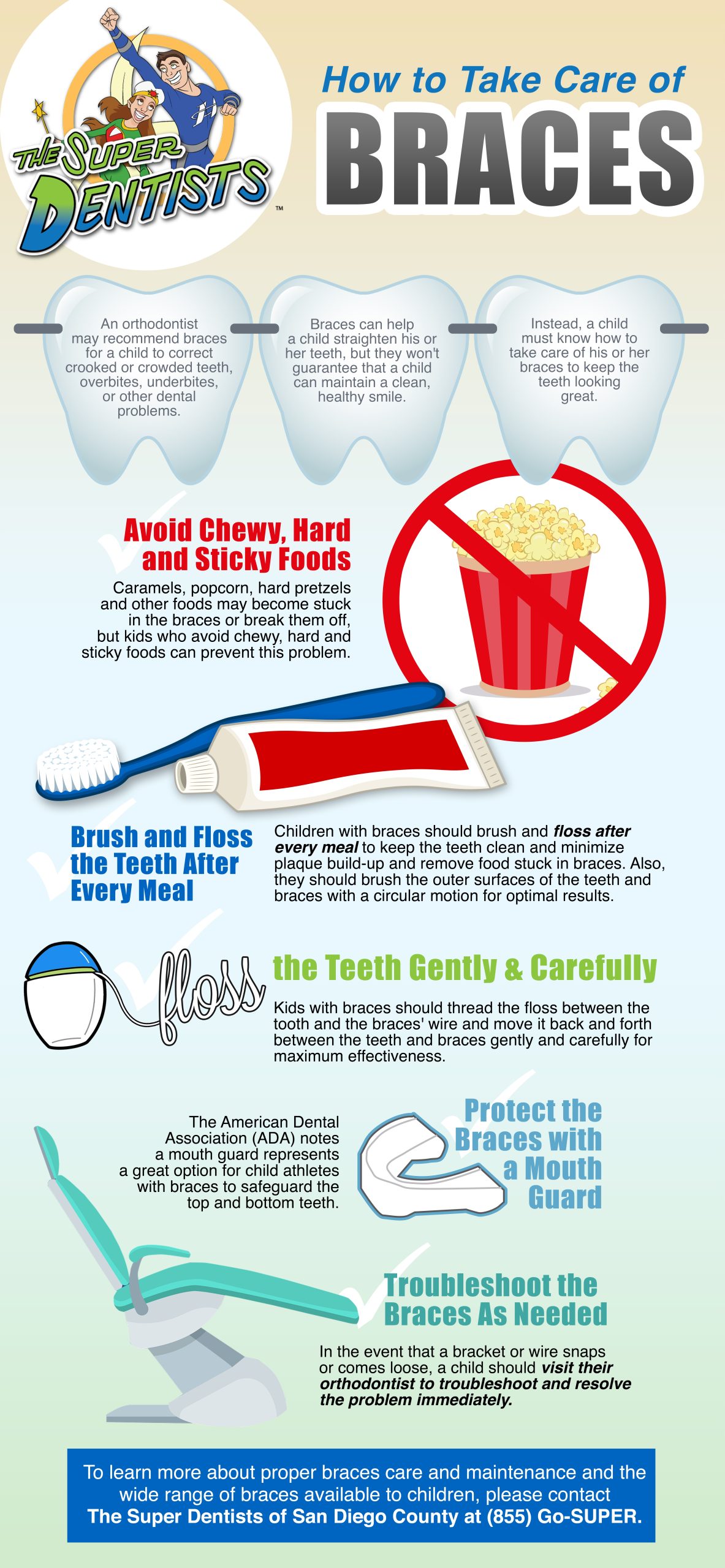
Younger kids and infants, children with special needs, and kids and teens with fear of the dentist may especially benefit from seeing a family dentist with pediatric specialization. If you have kids in sports, they can get mouthguards at a family dentist. Meanwhile, your teens can get their wisdom teeth removed or have braces put on.

Bonus: At The Super Dentists, our offices are laid out like a theme park, with interactive games, augmented reality, and a Superhero mascot team that makes visits exciting – especially for the littlest members of your family.

Same-sex female couple smiles holding baby after a pleasant experience at a local family dentist’s office in San Diego

3. Advanced Technology for Increased Comfort

The days of painful injections, goopy impressions, and unnecessarily long treatments are over. Some family dentists still use traditional techniques, but many, including The Super Dentists, embrace cutting-edge technology for an efficient and comfortable experience.

We also offer same-day crowns, inlays, and retainers at our on-site lab, which we know makes parents happy!

4. Orthodontics for the Whole Family

Not all family dentists are also orthodontists. But some, including The Super Dentists, are.

For practices that offer both general dentistry and orthodontics, families can save even more time and hassle, requiring no referrals, no trips to extra offices, and tons of time saved!

5. Family-Friendly Hours & Emergency Dental Care

Family dentists usually offer hours that are designed to work with families’ hectic schedules and conflicting calendars – not to mention emergency situations.

At The Super Dentists, for example, we offer extended hours from 7am-7pm plus Saturdays at most locations, and we have 6 locations across San Diego County so you never have to drive too far for an appointment:

  • Carmel Valley
  • Chula Vista
  • Eastlake
  • Escondido
  • Kearny Mesa
  • Oceanside

Save Time & Get Top-Tier Care at a Super Dentists Location Near You

Ready to experience the difference a local family dentist can make? Choose the Super Dentists. When you do, you can:

  • Skip the hassle of multiple providers for dentistry and orthodonture.
  • Give your kids (and yourself) a dental experience you’ll all love rather than fear.
  • Take advantage of family-friendly hours & locations.

Make dental care easy for the whole family—schedule your appointment at The Super Dentists location closest to you now!

How Often Should You Go to the Dentist?

Blog Summary:

How often should you see the dentist? It depends on your oral health. While the standard recommendation is every six months, some people may need more frequent visits, while low-risk individuals might wait longer. Here’s a quick breakdown:

  • General Recommendation: Most people should visit the dentist every 6 months for a checkup and cleaning.
  • High-Risk Patients (Every 3 Months or Sooner): Those with gum disease, diabetes, weakened immune systems, or tobacco/alcohol use.
  • Low-Risk Patients (Up to 2 Years): Some may wait longer, but skipping visits isn’t advised & more frequent checkups with health screenings may help catch dental diseases early, contributing to more favorable health outcomes.
  • Preventative Care: Regular checkups help prevent decay, gum disease, and serious conditions like oral cancer.
  • At-Home Care: Brush, floss, avoid excess sugar, and use safe oral care products.
  • Braces & Orthodontics: Visits every 6-10 weeks + 2-3 cleanings per year recommended.
  • Signs You Need a Dentist ASAP: Pain, bleeding gums, dry mouth, trouble eating, jaw issues, or 6+ months since your last visit.

Is there a difference between how often you should get your teeth cleaned versus how often you should go to the dentist for a routine checkup appointment? Not necessarily. In most cases, routine checkups will also include professional teeth cleaning services.

So just how often should you book a routine checkup, then? You may have heard that you should go to the dentist every 3 months, 6 months, or every 12 months. The truth is that all of these recommendations are true depending on the context.

Dentists agree that routine appointments are important, especially for little ones who are still developing. While every dentist offers different advice, the American Academy of Pediatric Dentistry (AAPD) recommends that children 6 months old and up see a dentist every six months.

How Often to Visit the Dentist: 3 vs. 6 vs. 12 Months Guidelines Explained

If the AAPD recommends children see the dentist every six months, is the same true for adults? Not necessarily. The AAPD simply says “At an age determined by patient, parent, and pediatric dentist, refer the patient to a general dentist for continuing oral care.”.

The American Dental Association (ADA), meanwhile, no longer recommends set intervals for dental care, instead stating “There is no one-size-fits-all dental treatment. Some people need to visit the dentist once or twice a year; others may need more visits. You are a unique individual, with a unique smile and unique needs when it comes to keeping your smile healthy.”

So you might be able to skip routine visits, right? Not so fast! While that might seem true on paper, in reality, you’re far better off seeing the dentist at regular intervals than not at all.

Here’s what experts say about how often teeth cleaning and routine oral care appointments should be made:

CDC

Visit your dentist at least once a year, even if you wear dentures and have lost some or all of your teeth. Your dentist will check your mouth for cancers, oral health problems, and cavities.”

Penn Health

“The short answer to the question “How often should you go to the dentist?” is, for most people, at least once a year, per CDC recommendations. However, many dentists encourage their patients to visit at least every six months. Why? Because twice-yearly appointments give you and your dentist the best advantage in keeping your teeth clean and healthy.”

Also according to Penn Health, many individuals should see a dentist every three months or more. These include people who:

  • Have tooth decay and gum disease, or a history of these conditions.
  • Use alcohol and tobacco products on a regular basis.
  • Have weakened immune systems.
  • Have diabetes or other chronic health conditions.
  • Are pregnant.

Hand with pen writing on calendar marking off a date for a routine dental checkup appointment

Can I Wait Two Years Between Dentist Visits?

According to one study conducted by the UK’s National Institute for Health and Care Research (NIHR), some low-risk individuals might be able to safely wait two years between dental checkups.

The study found that “no dental health benefits to 6-monthly check-ups compared to risk-based intervals or 2-yearly check-ups (for people at low-risk)”.

That being said, the study also noted that only about 30% of individuals qualified as “low risk”, meaning chances are you’ll need to see your dentist sooner.

What’s more, the study neither specifically addressed checkups as inclusive of cleanings or exclusive of cleanings, meaning that it’s unclear whether the NIHR recommends different guidelines for how often dental cleanings should be completed.

The takeaway? If in doubt about whether it’s time to see the dentist for a cleaning or checkup, you should always defer to your dentist’s individualized advice and err on the side of caution. Going to the dentist more often is almost never bad. But going to the dentist less often certainly can be.

Why is Routine Dental Care Important?

According to one study on the Effect of Different Frequencies of Dental Visits on Dental Caries and Periodontal Disease, “people who make routine dental visits (routine attenders) have a better self-reported oral health with lower levels of dental caries and fewer teeth missing due to caries than problem-oriented visitors who attend sporadically for dental problems only”.

In other words, while guidelines for just how often to see the dentist may vary based on the individual and their specific health conditions, the evidence is clear: going to the dentist regularly – at the very least once a year – is crucially important.

This is because routine dental appointments are more than just prescriptive, solving existing issues (such as removing plaque via routine dental cleaning). They’re also preventative, helping stop dental diseases from developing further, if at all, catching serious issues like cancer early, and more.

When you add in the link between oral health and overall health, understanding just how impactful stopping the development or progression of dental disease can be toward stopping the development of other health issues, the relative importance of regular preventative dental care only increases.

Don’t Forget to Take Care of Your Teeth & Mouth Daily at Home

Regular visits to the dentist for health evaluations and professional cleanings are important, but regular at-home dental self-care is also crucial. In other words, seeing a dentist is just half the battle. You also need to be doing all that you can to take care of your teeth at home, which means:

  • Establishing a daily brushing and flossing routine
  • Avoiding excess sugar and eating healthily
  • Avoiding tobacco, alcohol, and substances harmful to oral health as much as possible
  • Using safe and effective oral care products that are formulated for a healthy mouth pH

How Often Should You Go to the Orthodontist?

For people with braces, seeing an orthodontist – a specialized type of dentist – routinely is also extremely important. As the American Association of Orthodontists notes, most people with braces should see their orthodontist every 6-10 weeks.

This is both so that the orthodontist can evaluate how effective your treatment is progressing and so that they can assess the general health of the teeth and gums. Because braces present added challenges to effectively cleaning the teeth and in between the gums, these regular visits are essential.

How often should you get your teeth cleaned with braces? We recommend teeth cleaning for braces patients at least 2-3 times a year.

12 Signs It’s Time to Make a Dental Appointment

Routine checkups are important, but if any of these 12 things are true, you should make a dental appointment as soon as possible according to the ADA:

  • Pain – Tooth, jaw, or facial pain can indicate an issue that needs attention.
  • Bleeding or Swollen Gums – Puffy, bleeding gums could signal gum disease.
  • Hiding Your Smile Away – Whether due to discoloration, missing teeth, or other concerns, your dentist can help.
  • Recent Dental Work – Fillings, crowns, implants, or dentures need regular checkups to stay in top shape.
  • Medical Conditions – Diabetes, heart disease, and other conditions can impact your oral health.
  • Pregnancy – Hormonal changes during pregnancy can increase the risk of gum disease.
  • Trouble Eating – Difficulty chewing or swallowing isn’t normal—see your dentist.
  • Dry Mouth – Constant dryness can be a sign of medication side effects or a health issue.
  • Tobacco Use – Smoking and chewing tobacco increase the risk of gum disease and oral cancer.
  • Jaw Pain or Popping – Clicking, pain, or an uneven bite could indicate TMJ issues.
  • Mouth Sores or Spots – Persistent sores or unusual patches need a professional evaluation.
  • 6+ Months Since Your Last Checkup – Preventive care is key to avoiding bigger dental problems.

Schedule a Dental Checkup or Teeth Cleaning Today

Make dental care easy for the whole family at The Super Dentists! Schedule your next teeth cleaning at one of our six locations throughout San Diego. Find a location near you now.

Early Tooth Decay in Children: Signs, Symptoms & Prevention Tips

TL;DR:

Early tooth decay in children can begin sooner than most parents realize—but when caught early, it’s often manageable and sometimes even reversible. Knowing what early tooth decay looks like can help stop tooth decay progression before cavities form.

In this guide, you’ll discover:

  • The first signs of a cavity (including tooth decay white spots on teeth)
  • The most common causes of tooth decay in children
  • Whether early tooth decay is reversible
  • How to fix early tooth decay and prevent further damage

Tooth decay, especially in children, can turn into long-term oral health issues. The U.S. Centers for Disease Control and Prevention (CDC) regards tooth decay in children as a widespread (though often ignored) epidemic. Consider the CDC’s sobering statistics regarding oral health problems and tooth decay in children:

  • About 1 in 7 U.S. adolescents have at least one decayed tooth.
  • Approximately 1 in 5 U.S. children (aged 5-11) show signs of early tooth decay.
  • For families without a non-fluoridated water supply, tooth decay in children is twice as likely as families with fluoridated water.
  • 52 percent of children (aged 6-8) have had tooth decay in their baby teeth.

There is plenty of bad news regarding tooth decay in children. The good news? If you know how to detect signs of tooth decay early on, your entire family will enjoy better oral (and superior) overall health! You may even be able to prevent further tooth decay progression.

The Super Dentists offers superior pediatric, orthodontics and parent dentistry services for your entire family. Regular visits will help prevent tooth decay in children.

What Is Tooth Decay in Children?

Tooth decay is the breaking down and destruction of tooth enamel, which is the hard outer surface of the tooth. If a child has tooth decay, it can lead to the early signs of cavities and cause holes to form in their teeth.

What Causes Tooth Decay in Children?

The presence of harmful bacteria is the most direct cause of tooth decay in children, but other things can contribute to its development. A child may develop tooth decay if their teeth are not properly cleaned after eating foods, carbohydrates, or foods that mostly contain starches or sugars. (Decay-causing bacteria feed on these substances).

Some examples of foods that contain an abundance of sugars or starches include soda, milk, raisins, fruit juices, cake, bread, and cereals. Bacteria that typically live in the mouth change these foods on the teeth, making them acidic. The combination of food, acid, bacteria, and saliva in the mouth creates plaque, which sticks to the teeth.

Over a period of time, the acid that formed within the child’s mouth eats away at their tooth enamel, causing cavities to form.

There are also other risk factors for tooth decay in children. These include but are not limited to conditions that cause dry mouth (mouth breathing, medical issues or meds, etc.), imbalance of the oral microbiome, and lack of certain nutrients such as vitamin D and vitamin K2 that are required for absorption of calcium.

What Does Early Tooth Decay Look Like?

What are the early signs of tooth decay? Tooth decay can begin in children as young as six months to one year of age, so it is important to know how to help identify tooth decay as soon as possible. If you’re interested in knowing how to prevent tooth decay, you have to know what to look for. These signs and symptoms of early tooth decay often include:

  • Gums and teeth sensitive to hot or cold foods. Sensitivity can be an early sign of decaying teeth When cavities start to form, they’re undetectable to the naked eye – but not for the teeth and gum nerve endings. Cavities start as small pits in the teeth, and as the enamel wears down, the interior nerves are subject to and react to certain foods and beverages.
  • Bleeding gums. Gum disease often accompanies tooth decay and is a sign of rotting teeth. Bleeding gums are common with tooth decay in children. See your pediatric dentist if your child’s gums bleed for any reason.
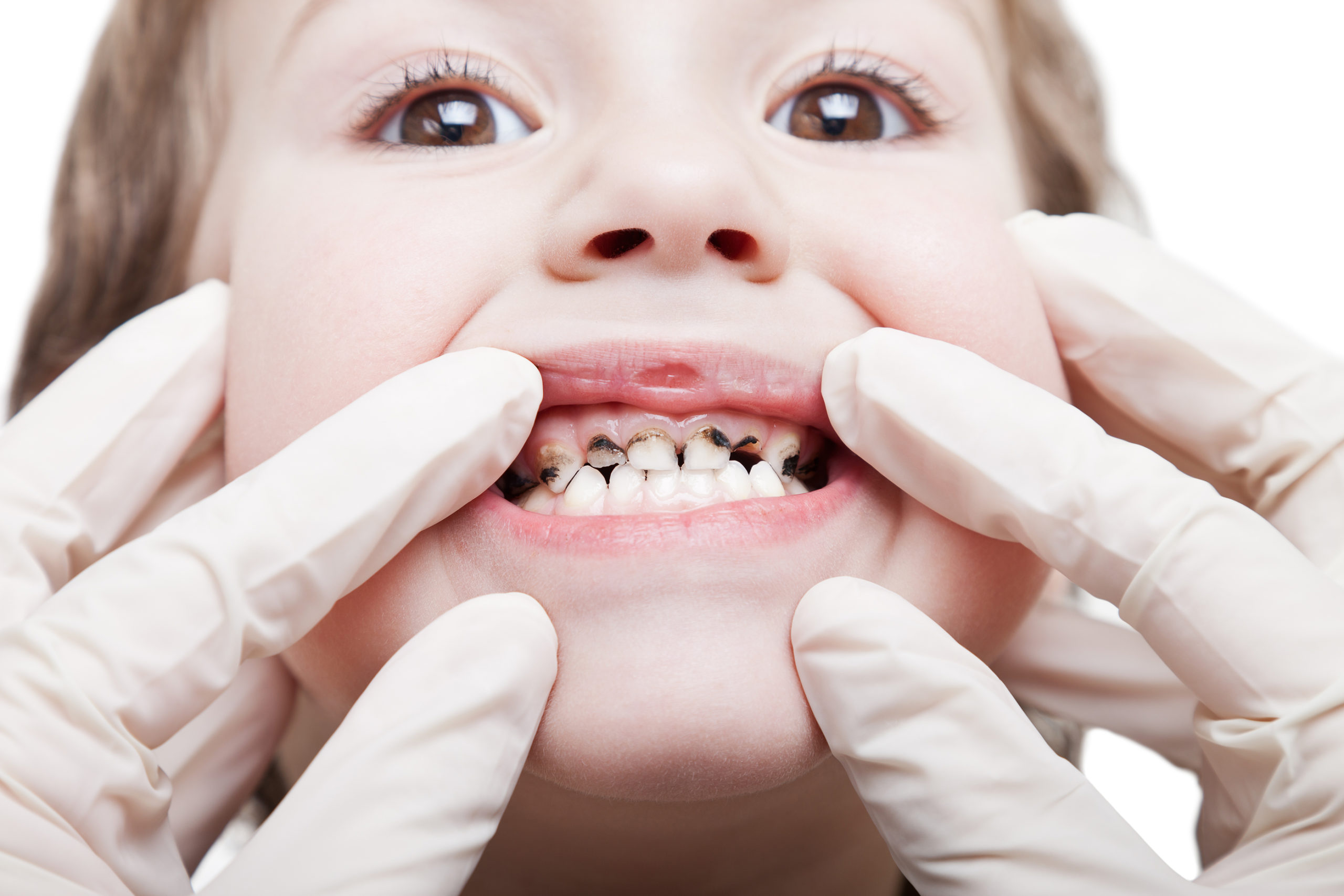
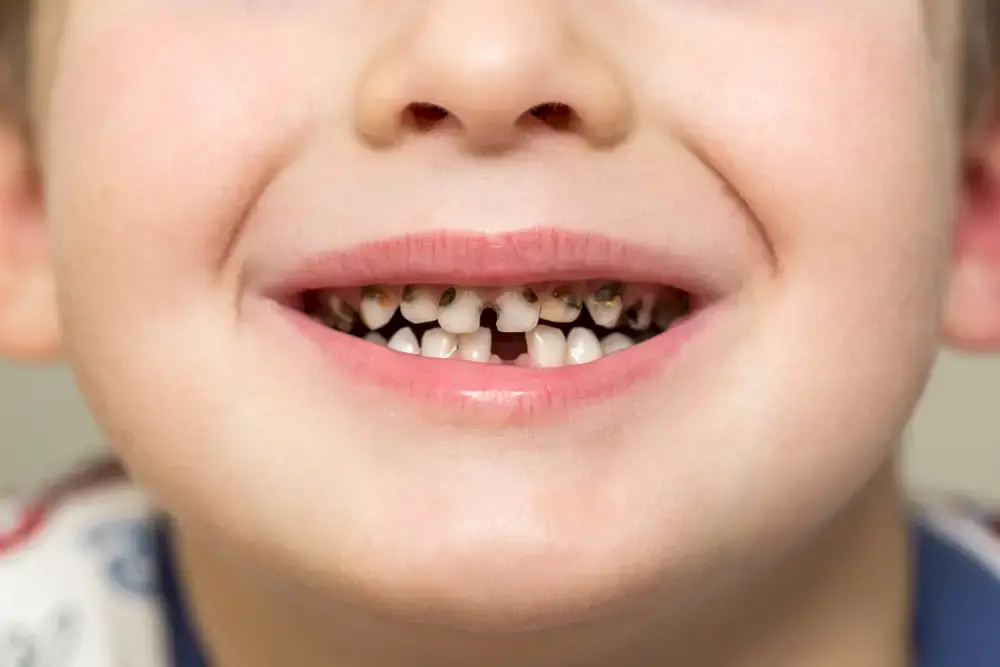
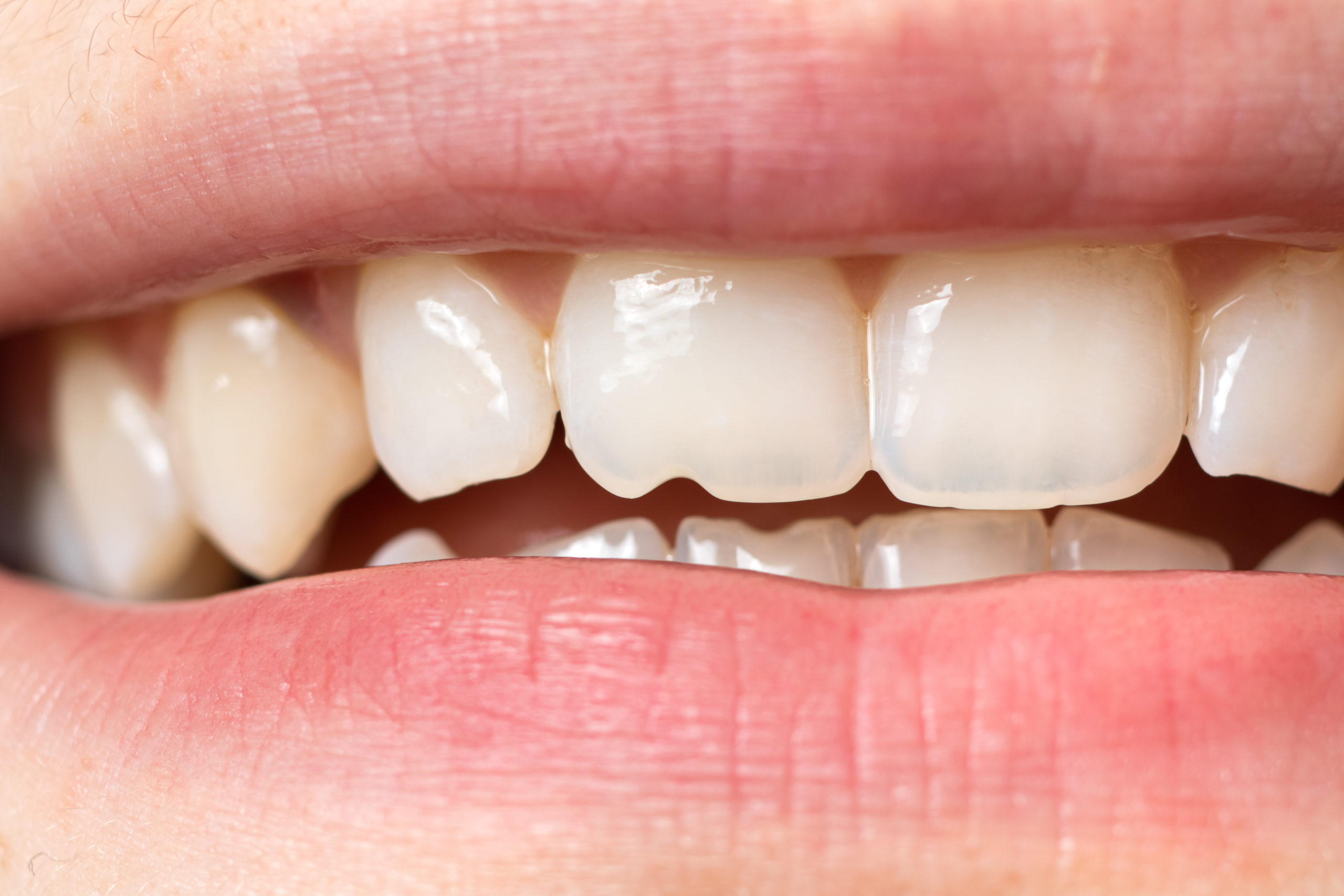
  • Discolored teeth. Small brown or black spots are often the sign of cavities and an early sign of tooth rot. You may also notice a dull white band on the surface of the tooth, close to the gum line, which is usually an early sign of rotting teeth.
  • Foul breath. Foul breath is one of the early signs of teeth rotting. When too much bacteria builds up in the mouth, bad breath soon follows. And not long after that, tooth decay as well. Think of bad breath as an early warning sign of tooth decay.
  • Toothache. A toothache is one of the most classic signs of early tooth decay in children. If a child complains of a toothache for several days, it can likely be due to tooth decay. Toothaches can come on without a warning, or they can occur after eating or drinking.

Tooth Decay Progression: From Healthy Tooth to Cavity

Understanding tooth decay progression helps parents act fast. Here’s an overview of the steps that dentists usually observe along the course of tooth decay, from healthy teeth to advanced decay:

  1. Healthy enamel
  2. White spot lesions (early tooth decay)
  3. Enamel breakdown
  4. Dentin involvement
  5. Advanced cavity with pain or infection

Catching decay at the white spot stage can make all the difference.

How to Prevent Tooth Decay

Want to prevent tooth decay in children? Follow these four simple guidelines:

  • Brush at least twice per day. SuperMouth has the right toothbrush for every age with cool features such as augmented reality and music to make brushing enjoyable.
  • Mind the diet. Excessive sugar consumption is the main culprit for tooth decay in children. Incorporate more veggies into your child’s diet. Sure, that’s easier said than done, but with creative & healthy recipes and snack ideas, anything is possible.
  • Rinse after meals. This simple suggestion eliminates bacteria and plaque buildup.
  • Floss on a regular basis. Have your child floss at least once every day. This habit is critical for lifelong dental health.
  • Get enough hydroxyapatite and/or fluoride in your oral care products. Using a toothpaste and mouthwash with hydroxyapatite and/or fluoride regularly helps to toughen the enamel, making it difficult for acid to penetrate. Many toothpastes contain fluoride, and it is common for tap water to be fluoridated. Just make sure your child is able to spit the toothpaste out.
  • Go for regular dental check-ups. Children should see their dentist every six months for a regular exam, as well as teeth cleanings. Regular dental check-ups not only help prevent tooth decay, but they can also help prevent gum disease.

How Is Tooth Decay Treated in a Child?

Tooth decay (particularly early tooth decay) can be treated in children, but treatment depends on your child’s tooth decay symptoms, general health, age, and severity of the tooth decay. Most of the time, treatment involves removing the decayed part of the child’s tooth and replacing it with a filling.

Fillings, also known as restorations, are materials that are placed into the child’s teeth to help repair any damage from tooth decay. There are different types of fillings that can be suitable for children:

  • Direct Restorations. This type of filling requires one visit to the dentist to place a filling directly into the prepared dhole. Direct restorations can be made out of resin, silver, acrylic acids, or fine glass powders. Most of the time, they match the color of the child’s teeth.
  • Indirect Restorations. This type of filling requires at least two visits to the dentist. These fillings include onlays, inlays, crowns, veneers, and bridges. Indirect restorations can be made of gold, ceramics, base metal alloys, or composites and often look like natural tooth enamel.

Visit The Super Dentists – We’ll Help Prevent Tooth Decay in Children

If you detect early signs of tooth decay, schedule an appointment today at any of The Super Dentists six locations in San Diego. You can also call (855) GO SUPER or text us at (844) 765-1234. Thanks for visiting The Super Dentists, San Diego’s premier pediatric dentists!

FAQs

What does early tooth decay look like?

Early tooth decay often looks like dull white or chalky spots on the enamel. These spots signal mineral loss and are the earliest visible stage of tooth decay progression. Catching them early makes treatment much simpler.

Is early tooth decay reversible?

Yes, early tooth decay is often reversible if it’s caught at the white spot stage. At this point, the enamel is weakened but hasn’t formed a cavity. With improved brushing, fluoride or hydroxyapatite toothpaste, diet changes, and professional dental care, the tooth can remineralize and strengthen.

How do I know if tooth decay is early?

Early tooth decay usually appears as chalky white spots on teeth, mild sensitivity, or slight discoloration near the gumline. These are often the first signs of a cavity forming. A dental exam can confirm whether the decay is still in its early stage.

How do I fix early tooth decay?

You can fix early tooth decay by brushing twice daily, flossing every day, limiting sugary snacks, and visiting your pediatric dentist regularly. Professional fluoride treatments or sealants may help stop tooth decay progression before a cavity develops. Using products that help with enamel remineralization such as fluoride or hydroxyapatite may also help.

Can You Chew Gum With Braces?: This Sticky Situation is Best Avoided

TL;DR:

  • Chewing gum with braces isn’t recommended. It can stick to brackets and wires, causing damage and delaying treatment.
  • Risks include broken brackets, loose wires, pain, and tooth decay.
  • If you choose to chew gum, stick to soft, sugar-free options and chew gently for short periods only.
  • Avoid sugary, fruity, or bubble gums, which are more likely to cause damage.
  • Prioritize oral hygiene and regular orthodontic visits and consider safer breath-freshening alternatives instead of gum.

Can you chew gum with braces? Well, it is physically possible, so technically, yes. The more important question, and probably the one you’re really looking for an answer to, is “Should you chew gum with braces?” Truthfully? No. You should not chew gum with braces.

It’s important that if your kids or teens have braces, they understand why they’re being told “no”, and what their alternatives are.

Can I Chew Gum With Braces?

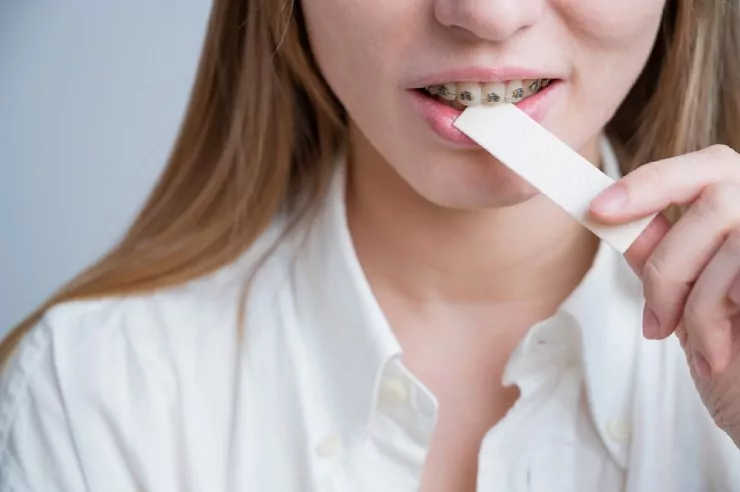
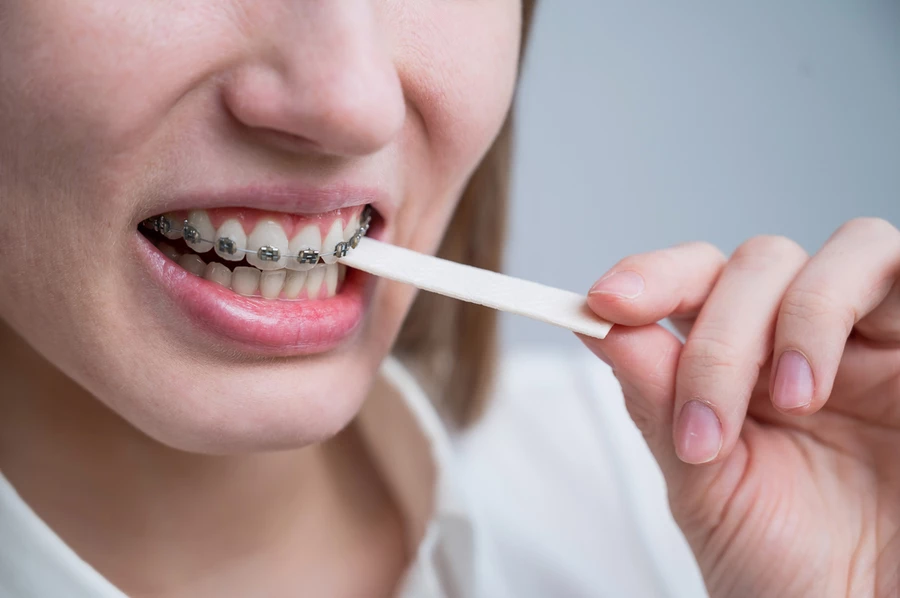
Chewing gum with braces is physically possible, but it’s not recommended. At The Super Dentists, we typically don’t recommend chewing gum with braces, in accordance with ADA guidance. Why exactly shouldn’t you chew gum with braces? Aside from the fact that gum is often on “foods to avoid with braces” lists, chewing gum and braces do not play well together. This often leads to a sticky situation. In other words, as orthodontists, it’s common for us to see patients with chewing gum stuck in braces. Not only that, gum often leads to popped or broken wires and other issues that can cause pain or delay treatment.

For those that eschew the typical advice regarding foods to avoid with braces (including gum), ensure that at the very least, these guidelines are followed:

  • Make sure you only chew sugar-free gum that doesn’t contain any orthodontically damaging ingredients. Some examples are Orbit sugar-free and Trident sugar-free. These two brands have a soft texture, and the sugar-free nature makes them the safest choice for kids with braces.
  • To reduce the risk of damaging your braces and wires, break the gum into small pieces and chew gently and mindfully.
  • Avoid excessive force and be conscious of the pressure you apply when chewing.

Can You Chew Sugar-Free Gum With Braces?

For those who choose to chew gum with braces, as mentioned above, sugar-free is best.

It’s essential to avoid sugary gum, sticky or hard gums, and remember to remove gum before eating. If you experience any pain or discomfort while chewing gum with braces, consult your orthodontist for guidance.

What Types of Sugar Free Gum Are Best?

These are common options:

Orbit Sugar-Free Gum: Orbit is known for its soft texture and sugar-free options, making it a popular choice among people with braces.

Trident Sugar-Free Gum: Trident offers a variety of sugar-free gum flavors and is generally considered safe for those with braces.

Dentyne Ice Sugar-Free Gum: Dentyne Ice is another brand that offers sugar-free options and is often recommended for its soft texture.

Eclipse Sugar-Free Gum: Eclipse is known for its breath-freshening properties and is available in sugar-free varieties that are suitable for braces wearers.

We strongly recommend against chewing any fruity or child-minded gums like Bubble Yum or anything like that. Those are incredibly sugary and designed to be more tacky to aid in bubble blowing.

How Does Chewing Gum Affect Braces?

Is gum bad for braces? Generally speaking, the consensus is yes. Here’s why:

Broken Brackets or Loose Wires: Gum can get stuck in places it shouldn’t. Not only is this a problem in and of itself, but it can also lead to broken brackets or loose wires. This can create dental emergencies.

Pain and Discomfort: In the event that your child gets gum stuck in their braces or the brackets get bent, this will almost always lead to discomfort. These issues can cause soreness, which only creates more severe long-term issues.

Tooth Decay: Chewing gum that contains sugar when wearing braces increases the risk of tooth decay because the sugar can get stuck around your braces and cause cavities. This can lead to future pain and discomfort as well.

Important Tips for Gum and Braces Care

Here are some important tips to keep in mind if you or your child is chewing gum while wearing braces:

Have The Right Tools

Taking care of your braces is just as important as having them. That said, it requires a bit more effort to care for your teeth when you have braces.

We recommend using an orthodontic toothbrush and a water pick to help with cleaning around your braces and wires.

Flossing can be challenging with braces, so a floss threader or superfloss (a special type of dental floss with a stiff end) helps you navigate around wires and brackets.

Get Regular Checkups

Continue with your scheduled orthodontic appointments for adjustments and check-ups. Your orthodontist can also provide guidance on effective cleaning techniques and make any necessary adjustments to your braces.

It’s important that you stay on a consistent schedule to prevent long-term issues from arising with your braces.

Educate Yourself About the Risks of Chewing Gum

Most importantly, educate yourself and your children about the risks of chewing gum with braces. There are many other options on the market, like breath spray and mouthwash, to help get rid of bacteria and freshen breath. While gum may not always hurt you, it’s never necessary, and it could lead to more issues than it’s worth.

Final Thoughts

So, can you chew gum with braces? It is possible – but you probably shouldn’t.

Remember that maintaining excellent oral hygiene is crucial during orthodontic treatment to prevent issues like cavities and gum disease. Caring for your braces is just one step towards optimal oral health.

Are you or your child inquiring about braces or orthodontic treatment? We’re here to help in any way possible!

Contact The Super Dentists today to learn more about our pediatric dentistry services!

FAQs

What Will Happen If I Chew Gum with Braces?

Chewing gum with braces is not recommended. The American Dental Association (ADA) advises avoiding sticky foods like gum because they can cling to brackets and wires, making them harder to clean and more likely to break. This can lead to loose brackets, bent wires, and longer treatment time.

What Kind of Gum Can You Chew With Braces?

Orthodontists and the ADA recommend avoiding all gum while wearing braces. Even sugar-free gum can stick to appliances and cause damage. The safest choice is to wait until your braces come off.

Will Chewing Gum Loosen My Braces?

Yes, it can. Gum’s sticky texture can pull on brackets and wires, causing them to loosen or detach. When that happens, you’ll need a repair visit—and it may extend your overall treatment timeline.

How Do I Clean Gum Off My Braces?

If gum gets stuck, stop chewing immediately and rinse thoroughly with warm water. Gently brush with a soft toothbrush and use a water flosser to remove small pieces. If anything feels loose or damaged, contact your orthodontic office as soon as possible.

Foods You Can and Can’t Eat with Braces: Here’s Everything You Need to Know

TL;DR:

This blog will guide you through:

  • Foods to avoid with braces
  • Braces-friendly junk food, snacks, and fast food
  • What to eat after adjustments
  • Common questions like: Can I bite into pizza with braces?, Do braces cause indigestion?, and What is the best food to eat with braces?

Let’s dig into the best foods to enjoy (and what to avoid) during your smile journey.


Braces help us achieve healthy, straight smiles. But they do come with some lifestyle modifications, including dietary dos and don’ts. So what are the foods you can and can’t eat with braces, exactly? Here’s what you need to know so you can protect your investment, decrease your chances of feeling pain or discomfort, and avoid prolonging your treatment longer than necessary.

What Can You Not Eat with Braces?

Hard, sticky, and chewy foods can all too easily damage the delicate wires of braces or even worse, dislodge brackets, increasing treatment time and discomfort.

While some of these foods can still be enjoyed if you make sure to cut them into small, manageable bites (noted below), others are simply best avoided altogether to be safe.

As MouthHealthy.org, an ADA site, notes, here’s what you should avoid:

  • Ice
  • Popcorn
  • Hard pretzels
  • Nuts
  • Chewy candies like caramel or gummi bears
  • Gum
  • Whole apples and pears (unless sliced)
  • Raw carrots (unless chopped or steamed)
  • Corn on the cob
  • Pizza crust
  • Bagels and hard rolls
  • Ribs (unless meat is cut off the bone)
  • Peanut brittle and sticky snack bars

Why should you avoid these trigger foods, exactly? Because they can break or loosen your brackets or wires, leading to dental emergencies and setting the course of treatment back, meaning it takes longer (and costs more)

What’s more, these foods tend to get stuck between brackets, increasing the risk of plaque buildup and decay, while also potentially causing pressure or pain.

Speaking of pain, eating especially crunchy foods like raw carrots or peanut brittle—especially right after adjustments—can aggravate soreness. What’s more, chewy foods like pizza crust or gummi bears carry the same risk.

After all, avoiding the foods listed above is about more than just reducing the chance of causing damage. It’s also about keeping you as comfortable as possible and reducing braces-related pain/discomfort!

Young boy chews popcorn while wearing braces

The Best Braces-Friendly Snacks and Fast Food

Don’t be dismayed too much! There are plenty of tasty treats you can enjoy that are soft (and safe!) for your braces.

For instance, Penn Dental Medicine outlines a wide range of safe foods in their article, What You Can Eat With Braces. Here are some highlights:

Soft Fruits

Bananas, melons, grapes, blueberries, ripe pears, mangoes, and peaches are all braces-safe and loaded with nutrients. Choose fresh fruit over dried varieties, which tend to be sticky and sugary.

Cooked Vegetables

Steamed or roasted carrots, green beans, squash, and broccoli are easier to chew and won’t damage your brackets. If you’re craving crunch, try baking thin veggie slices into soft chips.

Grains and Breads

Soft tortillas, white or whole wheat sandwich bread, pancakes, rice, pasta, and couscous are all safe choices. Avoid crusty bread or bagels unless they’re steamed or very soft.

Proteins

Soft-cooked meats like shredded chicken, meatloaf, scrambled eggs, tofu, and tuna or chicken salad are easy to chew and offer valuable protein.

Braces-Friendly Fast-Food Options

Here are some real-world fast food picks that are typically safe for braces.

Note: these are not recommended choices, as they’re not necessarily the healthiest options from both a nutrition and whole health perspective. The point is that while there’s plenty you can’t eat with braces because of the consistency of the food, there are still plenty of soft/safe “braces friendly junk food options” that you can enjoy occasionally in limited quantities, including:

  • McDonald’s: Filet-O-Fish (soft bun), soft cheeseburgers (no pickles or crunchy lettuce), plain pancakes, applesauce
  • Chick-fil-A: Grilled nuggets, mac and cheese, chicken noodle soup, soft biscuits
  • Subway: Meatball marinara or tuna sub on soft bread (cut into small bites, skip the toasted option)
  • Taco Bell: Soft tacos, bean burritos, cheesy roll-ups, cheesy rice and beans
  • Starbucks: Egg bites, yogurt parfaits, soft banana bread
  • Panera Bread: Creamy mac & cheese, soups, soft sandwiches (no crusty ciabatta), fruit cups

Snacks for People with Braces

Looking for something quick to gnosh on between meals? Try some of these healthier alternatives:

  • Yogurt
  • Applesauce
  • Mashed avocado
  • Cottage cheese
  • Pudding
  • Refried beans
  • Soft cheeses.

These foods are nutrient-dense and gentle on sore teeth.

Pro Tip: When snacking, aim to eat at regular mealtimes or rinse and brush afterward to avoid constant sugar exposure, which can harm both your teeth and your braces.

Conclusion

Figuring out what you can and can’t eat with braces doesn’t have to feel daunting. As you probably are beginning to realize, although braces do necessitate some lifestyle adjustments, they hardly require a total dietary overhaul.

That’s especially true if you choose clear aligners, which are removable!

Curious to learn more about the dos and don’ts of life with braces? Read our blog post “How to Take Care of Braces: Most Important Tips” now for additional tips related to diet and oral care.

Is Open Mouth Breathing in Children During Sleep Bad?

TL;DR:

Is mouth breathing in kids bad? While not always catastrophic, the simple answer is yes.

Open mouth breathing in children isn’t just a habit. It can affect sleep, facial development, behavior, and dental health. Chronic mouth breathing may signal airway obstruction, enlarged adenoids, or structural concerns that deserve evaluation.

In this guide, you’ll discover:

  • The most common causes of mouth breathing
  • Whether mouth breathing can cause nasal congestion
  • How enlarged adenoids affect breathing
  • The connection between chronic mouth breathing and behavior
  • Treatment options to help your child breathe better and grow healthier

Open-mouth breathing is breathing through the mouth instead of the nose. In babies, toddlers, and children, open-mouth breathing is most common at night, but it can also occur during the day.

While most of the time, mouth breathing occurs on occasion because your child is sick or has allergies, it can occur regularly due to more severe issues. If regular mouth breathing doesn’t resolve during childhood, your child could be at risk of developing several serious medical conditions.

Why Is My Child Breathing Through Their Mouth?

There are a number of reasons mouth breathing could be occurring, but child mouth breathing typically occurs at night when the child is sleeping, often indicating a problem in the nasal passages. If left unchecked, open-mouth breathing over many years could lead to the development of orofacial myofunctional disorders.

This is why it is extremely important that if your child is not sick, they see a pediatric dentist ASAP to help resolve why they experience regular mouth breathing at night.

Whether your newborn sleeps with their mouth open or your older toddler does, it’s most likely happening because there is an obstruction in their nasal passage. Some common underlying issues your child may have that cause them to breathe through their mouth include:

  • Deviated septum
  • Enlarged vessels, bones, or tissue in their nasal passage
  • Tongue tie

If your child is mouth breathing and does not have a blocked nasal passage, it could be due to problems with their bite and mouth structure. The shape of your child’s jaw may prevent them from correctly closing their mouths.

Therefore, they breathe out of the mouth because it cannot shut properly.

If your toddler sleeps with their mouth open but breathes through the nose, they do not have an issue with their mouth or bite structure. Instead, they have a blockage in the upper airway, such as their throat or nose.

What to Do

If you notice your child mouth breathing, it could be because of various things. The best thing to do is to make an appointment with a pediatric dentist for an evaluation.

baby sleeping with mouth open

My Baby Sleeps with Their Mouth Open/Is This Bad?

Occasional mouth breathing due to congestion or allergies usually resolves on its own.

When children continuously breathe through their mouths, however, you may begin to notice symptoms such as irritability, cracked lips, and excessive crying in younger children or newborns.

When children display frequent open-mouth breathing, which most commonly happens during mouth breathing at night, it can cause numerous dental health concerns. These dental health concerns include:

  • Enlarged tonsils
  • Enlarged adenoids
  • Temporomandibular disorder of the jaw
  • Erosion of the teeth
  • Teeth grinding
  • Myofascial pain
  • Periodontal disease
  • Impacted teeth
  • Malocclusion
  • Tooth decay
  • Chronic bad breath

In addition to dental health concerns, open-mouth breathing can cause a wide range of other overall health issues

Can Mouth Breathing Cause Behavior Problems?

Open-mouth breathing can cause behavioral problems in children, contributing to their inability to focus, irritability, and lack of sleep. Open-mouth breathing can cause problems in your child’s mental development because if they cannot properly breathe, their brain cannot function correctly.

Some common behavioral health concerns your children might experience due to mouth breathing include:

  • Slower cognitive development
  • Difficulty concentrating and solving problems
  • Disturbed social and emotional development
  • Possibility of being diagnosed incorrectly with ADHD or ADD
  • Poor school performance

A Note on Mouth Breathing in Babies

Open-mouth breathing can occur in babies as young as three to four months old, as they do not develop the reflex to breathe through their mouth until that point. If your baby or young child is mouth breathing at night, it can become a regular habit even when they are awake.

It is especially important to be aware of mouth breathing in babies since it can affect the development of their brains if left untreated.

Your child is at risk of breathing through the mouth if they suck their thumb or have prolonged use of pacifiers, or if they stop breastfeeding or bottle feeding before three months of age.

How Do You Stop Mouth Breathing in Children?

If you notice signs of chronic mouth breathing, the first step is scheduling an evaluation with a pediatric dentist who understands airway development. Mouth breathing is usually a symptom rather than the underlying problem, so identifying the cause is key.

Depending on what’s contributing to your child’s open-mouth breathing, treatment may include:

  • Allergy management
  • Breathing retraining or myofunctional therapy
  • Orthodontic treatment to guide jaw growth and improve airway space
  • Removal of enlarged tonsils or adenoids
  • Tongue tie release, if indicated
  • Addressing nasal or throat obstruction
  • Habit correction (such as thumb sucking)
  • Evaluating healthy weight for airway support

Because airway growth impacts facial development, sleep quality, and behavior, early intervention is a super important step toward healthier breathing and a thriving smile!

Final Thoughts

Open-mouth breathing in children can be reversed, but it is essential to take steps to prevent it from happening. If you notice that your child breathes through their mouth and they are not sick, make an appointment at The Super Dentists to help determine the cause.

Learn more about our Pediatric Dental Services at The Super Dentists. Learn more about our Kids and Teen Dental Services at The Super Dentists. Schedule an appointment today and bring your family to a Super Dentists location near you!

FAQs

Can Mouth Breathing Affect My Child’s Facial Development?

Yes, chronic mouth breathing can lead to many types of changes in facial structure, such as:

  • A longer face
  • A narrower jaw
  • A high-arched palate

How Can I Tell if My Child Has Sleep Apnea?

Loud snoring, pauses in breathing during sleep, restless sleep, and daytime sleepiness can be signs of sleep apnea. Consult a doctor if you notice these symptoms.

Will My Child Outgrow Mouth Breathing?

It depends.

Some issues, such as enlarged adenoids, may be resolved with age. Others require intervention. It’s important to have your child evaluated to see what is causing their mouth breathing in order to recommend the appropriate course of action, if any.

Can Mouth Breathing Cause Bad Breath or Dental Issues?

Yes, mouth breathing can dry out the mouth.

This can lead to a decrease in saliva production, which in turn can contribute to not only bad breath but also other issues over time, like tooth decay.

Can Mouth Breathing Affect a Toddler’s Speech?

If your child breathes through their mouth most of the time, it can affect their speech. Your child is likely to struggle with certain speech sounds or develop a lisp. If your child develops a lisp, they may have difficulty saying the letter “s” properly.

Their speech may be affected by mouth breathing because it can cause a tongue thrust swallowing pattern. This typically occurs during late childhood, but it is due to your child breathing through their mouth for a long period of time. In severe circumstances, this can also cause trouble with swallowing and make your child more prone to choking.

Does mouth breathing cause nasal congestion?

Yes, it can. While nasal congestion often causes mouth breathing in the first place, the reverse can also happen. When a child regularly breathes through their mouth, the nasal passages don’t get the normal airflow they need to stay clear and healthy. Over time, this can lead to swelling and inflammation inside the nose, creating a cycle of chronic mouth breathing and stuffiness. Supporting proper nasal breathing helps maintain healthy airway function and protects your child’s developing smile.

Do enlarged adenoids cause mouth breathing?

Yes. Enlarged adenoids are one of the most common causes of mouth breathing in children. Adenoids sit behind the nose, and when they become swollen—often from allergies or frequent infections—they can partially block the nasal airway. If air can’t move easily through the nose, children naturally switch to breathing through their mouths. Persistent mouth breathing may affect sleep, facial development, and dental health, so an airway-focused evaluation is a Super important next step if symptoms continue.

When Should Kids Get Braces? Look for These 7 Telltale Signs

TL;DR:

Wondering if your little one’s smile is on the right track? In this guide, we cover the most common signs your child may need braces and when to schedule an orthodontic evaluation.

You’ll learn what to watch for, the best timing for treatment, and how braces support long-term oral health. Here are some specific highlights:

  • Why early or late loss of baby teeth could signal orthodontic issues
  • How habits like thumb sucking and mouth breathing impact jaw development
  • The difference between cosmetic concerns and medically necessary braces
  • When to schedule your child’s first orthodontic evaluation (hint: age 7)
  • Treatment options and what to expect at the first ortho visit

Why Braces Matter More Than You Might Think

Think braces are all about creating a picture-perfect smile? Think again!

While getting braces does, of course, straighten your teeth, the benefits of orthodontic care extend far beyond simple appearances. As Delta Dental notes, braces can also correct bite issues, support jaw growth and ensure that it happens normally, improve speech, and even decrease the risk of developing tooth decay or gum disease.

But how do you know it’s time to schedule an orthodontic evaluation for your kid? In other words, how do you know that the signs point to your little one needing braces? Let’s explore the signs. We’ll also discuss the right age for orthodontic treatment and touch upon what to expect at your child’s first orthodontic appointment.

When Should Kids Get Braces?

Truthfully, there’s no one-size-fits-all answer to this question. Every child is unique. That being said, the American Association of Orthodontists (AAO) recommends that every child get their first orthodontic evaluation done by age 7.

This age is ideal because orthodontists can check for subtle or developing issues with everything from tooth eruption to bite alignment and jaw growth. That said, most children will begin orthodontic treatment somewhere between the ages of 9 and 14, depending on their needs.

Read more about why that is in our related blog post “When Do Kids Get Braces and What’s the Best Age for Them?

NOTE: Your child might need braces even before the age of 9 or even the age of 7. Getting braces before all baby teeth are out is what’s commonly referred to as two-phase orthodontic treatment, a practice that has been growing in popularity in recent years.

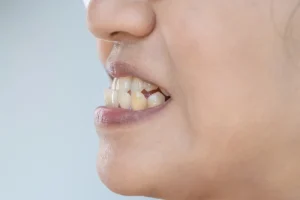
Close-up of a young girl who exhibits an overbite and may need braces

7 Top Signs Your Child May Need Braces

Now that you have a general idea of the age range that kids normally get braces and why they’re important, you’re ready to learn seven common signs of needing braces in kids:

  1. Early, Late, or Irregular Loss of Baby Teeth: Baby teeth help guide permanent teeth into place. But if they fall out too early, too late, or out of order, then permanent teeth may not have the space they require to grow in properly.
  2. Thumb-Sucking or Tongue Thrusting: Prolonged thumb-sucking and finger-thrusting can lead to bite issues or adversely affect jaw development.
  3. Crowded Teeth: Crowded teeth in children commonly require braces. So if your child’s teeth overlap, twist, or erupt out of place, these are all clear signs that braces will likely be in their future.
  4. Difficulty Chewing or Biting: Does your child struggle to eat certain foods? Misaligned bites can cause issues with chewing and can even affect digestion or nutrition over time. For these reasons, getting braces might be in their best interest, if so.
  5. Overbites, Underbites, Crossbites, or Open Bites: All of these bite problems, which are, as a group, called malocclusions, affect how the teeth and jaws align. The good news? Correcting underbites, crossbites, open bites, or overbites in kids with braces helps to decrease the risk of long-term speech, jaw, and tooth wear problems.
  6. Mouth Breathing & Jaw Sounds: Mouth breathing, which is especially common during sleep, can impact both overall oral health and facial structure. Meanwhile, clicking, popping, or shifting jaws are other signs that your child may require an orthodontic evaluation.
  7. Facial Imbalance or Protruding Teeth: Does your child’s jaw appear too far forward or backward? Braces can help balance their facial structure.

What Happens During an Orthodontic Evaluation?

When you visit The Super Dentists for an orthodontic evaluation, our team will:

  • Assess your child’s jaw development, facial balance, and emerging teeth.
  • Identify and check for specific concerns like tooth crowding, bite irregularities, or excessive spacing.
  • Discuss important oral habits, such as grinding or thumb-sucking, that could affect treatment.
  • Establish whether this is the ideal moment to begin treatment or if a ‘watch and wait’ approach is best.

The Bottom Line

Braces are about far more than simply straight teeth. They can:

  • Improve your child’s ability to chew, bite, and speak
  • Lower their risk of cavities and gum disease
  • Prevent enamel wear, jaw pain, and injury
  • Build confidence in their smile and themselves
  • Set the stage for a lifetime of healthy oral habits

What’s more, orthodontic treatment has evolved over the years. Traditional braces, while still one of the most effective options, are hardly the only ones. Kids can now choose from such choices as:

  • Traditional metal braces with colorful bands
  • Ceramic braces that blend with tooth color
  • Clear aligners for older kids and teens

Ready to see if your child could benefit from braces? Take our free Super Smile Personality quiz now or book an appointment online. Healthier smiles are just around the corner!

Research & Compare the Top Invisible Braces

TL;DR:

Choosing the best invisible braces means balancing cost, convenience, and clinical supervision. This guide compares Invisalign, hybrid, and at-home aligners to help you decide what’s safest and most effective for your smile.

  • Invisible braces cost typically ranges from around $1,100 to $7,000 + depending on complexity and oversight.
  • Invisalign is the most established, doctor-supervised option for mild to complex cases.
  • At-home aligners may work for minor relapse cases but lack in-person exams and attachments.
  • A professional consultation and X-rays are strongly recommended before starting treatment.
  • Retainers and addressing root causes are essential to maintain long-term results.

Straightening your teeth has always been associated with metal braces, but advancements in dental technology and health care have given people a new option: “invisible braces” or clear aligners. Today, people have more choices than ever in deciding what company to choose and which direction to take their teeth-alignment journey.

Invisible Braces & Clear Aligners Vary Drastically

Clear aligners or invisible braces vary drastically in price, medical oversight, and treatment plans. They do have a few big caveats to be aware of also. Namely, there’s a difference between companies like Invisalign, which require some in-office appointments with a dental professional, and direct-to-consumer sites that take molds remotely and ship aligners to your house without any check-ups. Mostly, direct-to-consumer sites are more affordable, but they are generally not recommended by many dental and orthodontic professionals, including the American Dental Association.

What Are the Best Clear Braces: Compare Direct to Consumer & Orthodontist-Prescribed Options

After SmileDirectClub shut down, leaving many customers in the middle of their treatment, the ADA issued a general statement (which did not name any particular company) about the potential dangers of straightening your teeth at home without medical oversight. In some cases, moving teeth without knowing the full picture of someone’s oral health can cause bone loss, teeth loss, gum issues, bite problems, pain in the jaw and permanent issues, the ADA asserted.

This isn’t meant to scare you out of a treatment you want, but it’s an important reminder that our teeth are an important part of our body — the head — and safely straightening your teeth needs to be considered in the context of your gum health, bone health, the roots of your teeth, your jaw and more. That’s according to our very own Dr. Kami Hoss, orthodontist and founder of SuperMouth, an oral care company. The bottom line? You really can’t understand that context without an examination by a doctor and some X-rays.

Dr. Hoss doesn’t recommend direct-to-consumer aligners for the majority of people (more on that below), but people who are interested in straightening their teeth solely at home should be sure to get an exam of their oral health before they go ahead. It’s important to understand that most orthodontists already offer free consultations, so there’s a chance you’ll be able to finesse a no-cost dental exam before you make your decision. (Here’s a provider-finder link from the American Association of Orthodontists, or you can call your local dentist.)

“If you are gonna be in that group where you absolutely want to do this at home, at least get the orthodontic consultation,” Hoss said. “Get a feel for how complex your case is.”

‘Appointment-Required’ Aligners vs. ‘At-Home Only’ Aligners: Here’s What to Know

In-office aligners route

An exam of your mouth and X-rays of your teeth should be included by the company’s care plan and whichever doctor’s office you’re working with. Dentists and orthodontists can become providers with different aligner companies, including the likes of Invisalign, Spark, Reveal, and Candid. You’ll have appointments along the way to check your progress, but the frequency of your appointments and what your care plan will look like depends.

In addition to having oversight by a doctor who can adjust treatment if something isn’t working, Hoss said another plus of these clear aligner companies is that they offer attachments in many cases. Attachments are small, often unnoticeable little nubs attached to some teeth that hook to the aligner and help them move. He compared attachments to handles on furniture.

“If you want to open a cabinet or move it around, it’s a lot easier to have a handle on that cabinet,” he explains.

Clear Aligner treatment from home (direct-to-consumer)

You’ll normally sign up through the company’s website and wait for your shipment of an at-home mold to provide an impression of your teeth. Then, the company’s medical network will review the results of your mold to determine whether you can go forward with treatment. You’ll be shipped new aligners every couple weeks or so, depending on the company and your individual plan. Because at-home only companies are just that — at home — you won’t get attachments.

According to Hoss, people who could benefit from a direct-to-consumer alignment option include what he calls “minor relapse cases.” These are people who may’ve already had braces, but their bottom teeth have moved a little, and they need some minor aligner treatment in straightening them back up again.

Different Invisible Braces for different needs

Again, he stressed the importance of having confirmation that your teeth and everything else is healthy. In some cases, evidence of damage caused by unsafe teeth alignment may show up years later when someone goes to the dentist for another problem, according to Hoss. Also, he said, straightening your teeth with aligners — even if effective at first — may miss the root of the issue, and ignoring the cause of the problem may cause problems or cause teeth to revert back after initial treatment.

Wherever you get your clear aligners, they’ll typically need to be worn throughout the day, unless you’re eating. Some people may also choose a “night-time only” plan.

While what’s best for you will depend on your needs, here are some companies to consider.

A screen shot of a clear aligner from Invisalign

What Are the Best Invisible Braces?

Invisalign

Invisalign is the name that kicked the whole idea of invisible braces into the mainstream. It works similarly to “traditional” braces in that you’ll need to find a doctor to start your treatment and work alongside for your entire treatment plan. You’ll find a provider in your area, come up with your treatment plan, get fitted for attachments or whatever you need, and then be on your way to straighter teeth.

The cost is comparable to regular braces, Invisalign says, though how much you’ll end up paying will depend on your specific needs. Depending on your plan, dental insurance may cover up to $3,000 of the cost, according to Invisalign, and you can use your FSA/HSA dollars. Because you’ll be working with a doctor, you may also be able to work out some sort of payment or installment plan.

After treatment, your doctor may recommend you use a retainer to keep your teeth in place. How that looks will depend on your treatment plan.

Reveal

Reveal is similar to companies like Invisalign and Spark because it requires check-ups and appointments with a dentist or orthodontist to keep you on track throughout your treatment.

We’re including it on this list because the claims the company makes on its website may make it a good aesthetic option for people more concerned about the clarity of their aligner. Reveal says that its aligners are guaranteed to maintain their clarity after two weeks of wear and drinking things like coffee. The company also says it’ll minimize its use of attachments, which are typically used for clear aligners since they help teeth move, but some people may want to minimize them.

To get started, find a provider in your area by searching your ZIP code. Reveal says its prices are between $2,000 and $5,000, and the company has a monthly payment option.

AlignerCo

AlignerCo is a direct-to-consumer company, so it’s best to get a clean bill of oral health from your dentist — and ideally a consultation with an orthodontist — before going this route so you can make sure you’re the right candidate for this treatment.

If you get the all-clear for at-home aligners, AlignerCo seems to be one of the most affordable options out there. The company offers a flat rate of $1,095 (or a discounted price) for a one-time payment, which includes the cost of the impression kit and retainers. AlignerCo also offers the option to divide the cost into 12 monthly payments with Affirm. There’s also a six-month plan.

The company isn’t working with any insurance providers, but you can use your FSA/HSA. You can always try to submit a claim after the fact to your insurance company.

If you have concerns about your treatment along the way, AlignerCo says you can contact your “Smile Crew Member,” which is a designated person who will pass along your requests to a dentist. If you want direct contact with a health care provider leading your treatment plan, this may not be ideal.

On its refund and return policy page, AlignerCo says you need to go through your entire treatment and follow your treatment plan’s rules in order to be eligible for “additional aligners.” While it doesn’t appear to give refunds for its treatment once you’re approved and started on your plan, you’ll get a refund for your impression kit if it turns out you’re not a candidate.

Candid

Candid started out as a strictly direct-to-consumer company but made the switch to requiring some doctor involvement. The result is a pretty cool model which may help chip at some doctors’ fears of unmonitored or hands-off teeth alignment while blending in the benefits of telehealth, like virtual check-ins and a majority at-home approach.

To start, you’ll need to find a provider to meet with you to start your treatment. Then, you’ll share updates on your progress through an app, and your provider may have you come in again if they sense something is going off track.

For information on price, ask your provider, but Candid’s hybrid model is meant to make the aligners cheaper than traditional braces. Candid also sells retainers in a similarly hybrid model, for which you can use your HSA/FSA dollars.

How We Chose the Best Invisible Braces

We selected clear aligner companies with different models by taking into account concerns people may have over medical oversight, affordability, type of care needed, and how well-known the brand of aligners is. When applicable, we also took into account what makes a company different.

FAQs

Are Invisible Braces Worth It?

Yes, invisible braces are worth it for many teens and adults who want a discreet, comfortable way to straighten their teeth. They’re removable, easier to clean than traditional braces, and often more convenient. However, results depend on wearing them consistently and being a good candidate for treatment.

What is the best brand of invisible aligners?

The best brand of invisible aligners depends on your individual needs. Invisalign is often considered the gold standard because it’s doctor-supervised and capable of treating mild to complex cases. Other strong options include Reveal, Spark, and Candid. For minor relapse cases, some at-home brands may work — but a professional exam is always recommended first.

What is the best invisible braces company?

The best invisible braces company is one that matches your oral health condition, budget, and treatment goals.

Invisible Braces vs Invisalign: What’s the Difference?

The main difference between invisible braces vs Invisalign is that Invisalign is a specific brand of clear aligners, while “invisible braces” is a general term that includes many companies. Invisalign treatment is doctor-supervised and can address more complex bite issues, while some at-home invisible braces are best suited for mild alignment cases.

Is $6,000 normal for Invisalign?

Yes, $6,000 is within the normal range for Invisalign treatment. The average invisible braces cost for Invisalign typically ranges from $3,000 to $7,000, depending on case complexity, length of treatment, and location. Many dental insurance plans contribute toward orthodontic treatment, and HSA/FSA funds can often be used.

What are the best discreet braces?

The best discreet braces include clear aligners like Invisalign and Reveal, as well as clear ceramic braces. Clear aligners are removable and nearly invisible, making them popular for teens and adults. Ceramic braces are less noticeable than traditional metal braces but remain fixed to the teeth.

Baby Lip Tie vs. Normal Lip Structure: What You Need to Know

TL;DR:

Lip tie in babies happens when the tissue connecting the lip to the gums is too tight or thick, potentially affecting feeding, comfort, and oral development.

In this blog, you’ll learn how to recognize the signs, understand the difference between baby lip tie vs normal anatomy, and explore treatment options.

  • Lip tie can affect breastfeeding and bottle feeding, causing latch issues, gassiness, and slow weight gain.
  • There are different types of lip ties, ranging from mild to more restrictive.
  • Comparing lip tie vs normal pictures can help parents spot structural differences.
  • Untreated lip ties may contribute to speech, dental, or orthodontic concerns later.
  • A simple, gentle procedure may improve feeding and comfort when necessary.

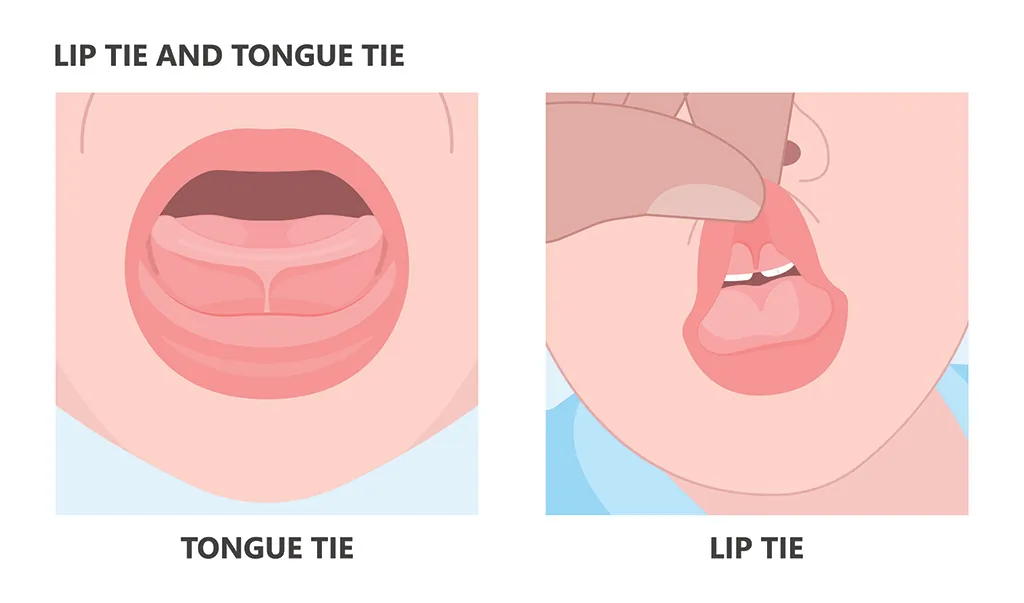
Lip tie in babies occurs when the labial frenulum, a piece of connective tissue that attaches your lip to your gums, is too closely attached (is too tight). Lip ties can create issues with breastfeeding or bottle feeding, as well as other dental issues, such as overbites. Therefore, it’s important to be sure that your baby is examined by a pediatric dentist to ensure that their labial frenulum is normal and not overly tight, especially if they exhibit some of the most common symptoms associated with lip tie.

When comparing baby lip ties vs normal anatomy, the key difference is mobility. In normal lip structure, the upper lip can gently flare outward during feeding. With a lip tie, on the other hand, the tissue may appear thick, tight, or extend lower toward the gum line, thereby limiting natural movement.

Many parents search for things like “lip tie vs normal pictures” to better understand what they’re seeing. Truthfully, while online images can offer general information, a professional evaluation is always the most reliable way to determine whether your baby’s lip structure is functioning normally or whether they have a lip tie.

Lip Tie in Babies: An Overview

Upper lip tie in babies is more common than lower lip tie, but it is possible for either the superior (upper) labial frenulum or the inferior (lower) labial frenulum to exhibit lip tie.

In either case, lip tie happens when the frenulum is either too tight, too thick, or both. While this is usually not painful for the baby experiencing lip tie, it can cause various issues with both feeding and oral development.

There are different types of lip ties, often classified based on how far the frenulum extends toward the gum line:

  • Class I: Mild attachment with minimal restriction
  • Class II: Attachment extends further down the gum
  • Class III: Tight attachment near the edge of the gum ridge
  • Class IV: Thick, restrictive attachment that may significantly limit lip mobility

It’s important to remember that appearance alone doesn’t determine whether treatment is necessary. Rather, function, or the loss of function, is what matters most.

Signs & Symptoms of Lip Tie

Recognizing the signs of a lip tie in your baby could help ensure early intervention. Some common indicators include:

Feeding Challenges: Can a lip tie affect bottle feeding or breastfeeding? It sure can. Difficulty latching, prolonged feeding sessions, and frequent gassiness or fussiness during or after feeding are common feeding-related symptoms associated with lip tie in babies. Your baby may also make clicking sounds when feeding with lip tie.

Oral Development Issues: What about the impact on oral development? Simply put, limited lip movement can impact a baby’s ability to suck effectively, which can lead to oral development issues like overbites.

If you notice any of these symptoms, it’s best to contact a trusted pediatric dentist to conduct a medical examination of your baby and determine if the lip tie should be removed to free up movement and prevent further issues.

In one study, parents concerned about lip tie cited the following as the most common symptoms associated with lip tie, in descending order:

  • Breastfeeding problems
  • Speech problems
  • Bottle feeding problems
  • Orthodontic problems
  • Feeding problems in older children
  • Reflux
  • Snoring/sleep problems
  • Dental decay
  • Nasal problems

Impact of Lip Tie in Babies

Lip ties can cause a number of issues for both baby and mama in both the short-term and long-term. Here are some of the most common:

  • Slow Weight Gain: A lip tie can make it hard for your baby to get enough milk, which can make them constantly hungry and cranky. This can, in turn, lead to abnormal weight gain, so keeping a log of your baby’s weight, especially if you suspect lip tie, could be smart.
  • Pain for Nursing Moms: Lip ties can make breastfeeding uncomfortable and even lead to sore or cracked nipples. If you notice excess pain after nursing, lip tie could be contributing.
  • Tummy Troubles: Lip ties can cause babies to swallow a lot of air, which can lead to abnormal levels of gas or spit up. If you’ve been burping your baby religiously but gas continues to be an issue, this could be to blame.
  • Future Issues: In some cases, lip ties might even contribute to speech difficulties or dental problems, including dental decay or orthodontic issues down the road.

Treatment for Lip Tie in Babies: What to Expect

Not every lip tie in babies requires treatment. Many mild cases are monitored rather than corrected. At The Super Dentists, we take a conservative, function-first approach, weighing the risks and benefits before recommending any procedure.

If it is corrected, normal anatomy is usually restored via a relatively painless procedure called a lingual frenotomy.

During a lingual frenotomy, local anesthesia is usually applied, then the lip is held taught and the lip tie is cut, freeing up movement in the affected area.

During the recovery process, your baby might experience minor pain and swelling for a few days, but in most cases, healing begins in a day or two.

To avoid re-attachment of the frenulum, there are a number of post-surgical stretches and exercises you can perform on your baby to enhance the long-term outcome of success.

Get Your Baby Evaluated for Lip Tie Issues

Concerned about your baby’s lip tie? Wondering if what your baby is experiencing is, in fact, lip tie, or something else? We invite you to schedule a consultation with The Super Dentists today to ensure your baby gets the expert care they deserve.

FAQs About Lip Tie in Babies

Does a lip tie need to be corrected?

Not always. Many lip ties cause no functional problems and do not require treatment. Correction is typically recommended only if feeding, growth, or oral development is affected. It is important to get a professional diagnosis to understand whether your little one’s lip tie requires only monitoring or surgical correction.

Should I be worried if my baby has a lip tie?

In most cases, there’s no need to panic. Many lip ties are mild and harmless. The most important factor is whether your baby is feeding comfortably and gaining weight appropriately. A pediatric dental evaluation or medical evaluation can provide clarity and peace of mind.

What does a lip tie do?

A lip tie can restrict upper lip movement, potentially impacting latch during feeding, causing air intake and gassiness, and in some cases contributing to spacing or orthodontic concerns later in childhood.

What age is best for lip tie release?

If feeding is significantly impacted, lip-tie release can be performed in infancy. However, timing depends on symptoms and function, not just age. Some children never require treatment.

What is a Tongue Tie? Everything for Parents to Know

TL;DR:

A tongue tie (ankyloglossia) is a common condition babies are born with that can affect feeding, speech, and oral development. Some tongue ties are mild and need monitoring, while others may benefit from a simple procedure.

  • Tongue tie types describe where the tissue attaches (anterior vs. posterior tongue tie).
  • Grades or classes describe how severe the restriction is (for example, grade 3 tongue tie = severe limitation).
  • Signs in babies often include breastfeeding difficulty, poor latch, or long feeding times.
  • Not all tongue ties require treatment — function matters more than appearance.
  • When needed, treatment is typically a quick, safe procedure like a frenotomy.

The most important step? A functional evaluation by a pediatric dentist or tongue-tie specialist to determine what’s best for your child’s Super smile and healthy development.


A tied tongue is a condition in which the tongue remains attached to the bottom of the mouth, causing potential difficulties with breastfeeding and speech. A tongue tie is common in newborns, infants, and young children, and adults can have it too.

It is considered a congenital condition, as it is something you can be born with, and it is also a hereditary condition. Dentists can diagnose a tongue tie, as can pediatricians or ENTS. A lactation consultant may even notice the tongue tie before a parent since it is common in babies.

What is a Tongue Tie?

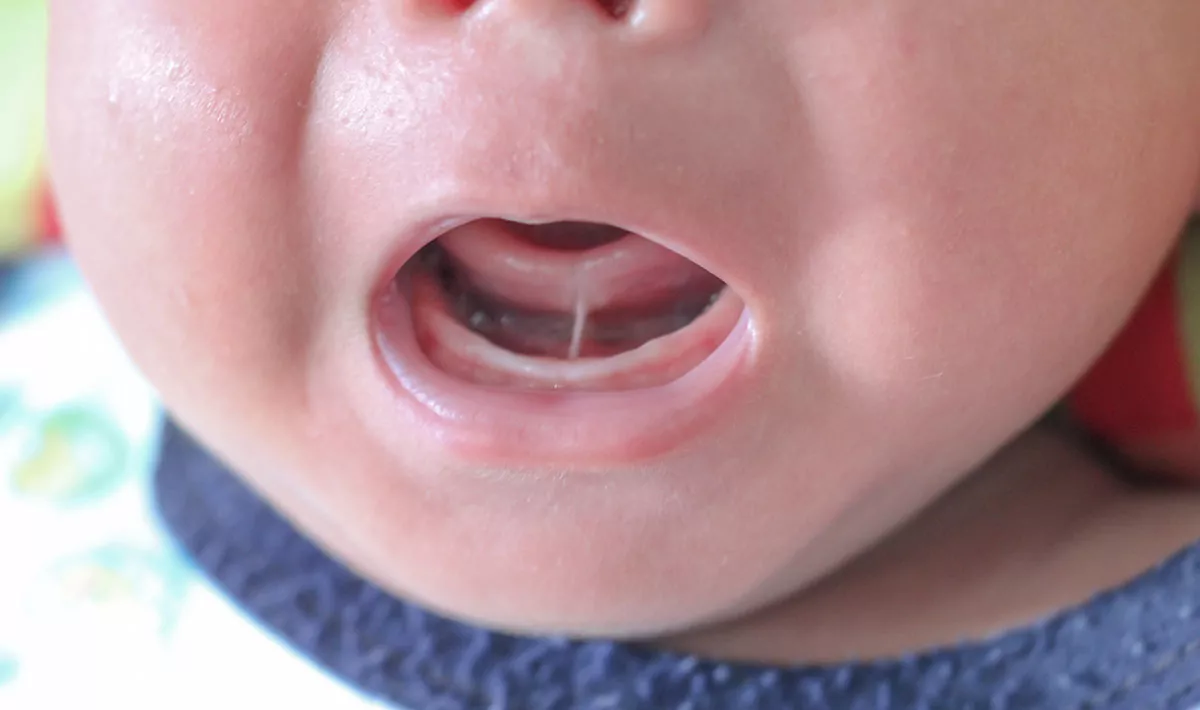
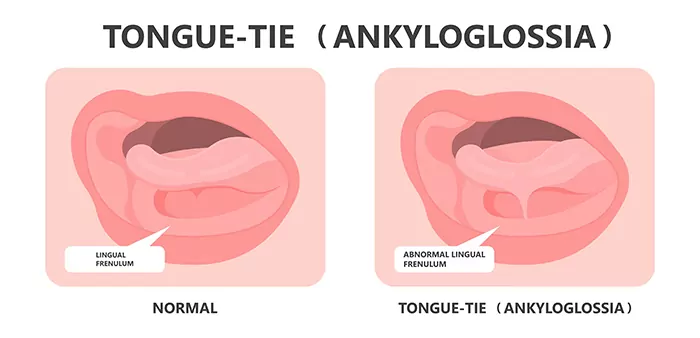
A tongue tie, also known as ankyloglossia, is a condition that presents at birth. It is when a band of tissue connects the underside of the tongue to the bottom of the mouth, restricting the tongue’s motion range.

What Does Tongue Tie Look Like?

Since everybody’s tongues are slightly different, it can be challenging to diagnose a tongue tie based on appearance. However, there are several different types of tongue ties that can help to diagnose the condition properly.

Type 1

With a class 1 tongue tie, the ties are attached to the tip of the tongue. This is what most people think of when they refer to tongue ties. A class 1 tongue tie is also known as an anterior tie.

Type 2

A class 2 tongue tie, also known as an anterior tie, is further behind the tip of the tongue.

Type 3

A class 3 tongue tie is closer to the base of the tongue and is also known as an anterior tie.

Type 4

Class 4 tongue ties are also known as posterior ties. Submucosal, underneath the mucous membrane’s covering, must be felt. Many babies are misdiagnosed with a short tongue.

Understanding Tongue Tie Types vs. Grades

When researching tongue tie types, you will learn about different types, as discussed above. “Type” in relation to tongue ties refers to the Coryllos system, which describes the anatomical location of the frenulum.

On the other hand, “Grade” or “Class” typically refers to the Kotlow system, which measures severity based on how much the tongue can move (a grade 3 tongue tie indicates severe restriction measuring 3–7 mm, while a grade 4 tongue tie is very severe).

How to Tell if a Baby is Tongue Tied?

A tied tongue can affect between 4 and 11 percent of newborns and infants. Parents may be able to tell that their baby has a tongue tie if the tip of their tongue is shaped like a small heart, but that is not always the case in every baby. It can appear to look like a heart because the tissue that attaches the baby’s tongue to the bottom of his mouth is too thick or too short.

It pulls down on the area of the tongue, which can make the tip appear to be heart-shaped. Parents typically notice the first signs that their baby may be tongue-tied while breastfeeding. You can tell what is a tongue tie in a baby, as babies that have a tongue tie might display these signs and symptoms:

  • Have trouble latching while breastfeeding
  • Does not suck during breastfeeding, but compresses
  • Has loud feeding sessions due to swallowing too much air
  • Require long feeding times
  • Cause pain for their mother while breastfeeding
  • Does not produce enough dirty or wet diapers

Some other ways to tell that your baby may be tongue-tied are if your baby cannot do the following:

  • Move their tongue from side to side
  • Lift their tongue to the mouth’s roof
  • Move their tongue past their gum line, where their teeth will grow
  • Keep a binky in their mouth (many babies do not like binkies, so this isn’t always a symptom)

Does Tongue Tie Affect Speech?

A tongue tie can affect speech, as the tongue is necessary to form certain sounds. When a child has a tongue tie, their ability to move their tongue to form specific sounds may be impaired. Children with a tongue tie may have trouble enunciating these sounds:

  • D
  • L
  • R
  • S
  • T
  • Th
  • Z

These specific sounds require the tongue’s full range of motion. If your child has a tongue tie, they might still be able to pronounce these sounds slightly, but they can sound slurred. However, it is essential to understand that not every child with a tongue tie struggles with speech.

Does Tongue Tie Go Away?

Tongue tie does not go away, but it may not cause any problems for your child as they get older. Sometimes, any tightness can resolve naturally as the child grows older and the mouth develops. However, some children may experience speech difficulties or difficulty chewing their food.

How to Address Tongue Tie

To address a tongue tie, minor surgery is typically required. Two types of surgeries can correct the tongue tie: a frenotomy or a frenuloplasty.

What a tongue tie looks like

Frenotomy

A frenotomy is a minor surgical procedure to address a tongue tie. It can be performed with or without the use of anesthesia in the doctor’s office. The doctor will examine the lingual frenulum and use sterile surgery scissors to clip the frenulum.

This procedure is minimal and quick since there are few blood vessels or nerve endings in the lingual frenulum. If there is any bleeding, it will most likely be a couple of drops of blood. Babies will be able to breastfeed immediately following the surgery.

While a frenotomy’s complications are rare, some complications can occur. These complications can include tongue damage, damage to the salivary glands, infection, or bleeding.

Frenuloplasty

A frenuloplasty is recommended for those whose lingual frenulum is too thick to perform a frenotomy or if additional repairs are needed. A frenuloplasty requires the use of general anesthesia and surgical tools.

Once the frenulum is freed, the wound will be closed using sutures. The sutures are designed to absorb themselves while the tongue heals itself. Like all minor surgeries, there is a possibility of complications.

While complications are rare, they include infection, bleeding, and damage to the salivary glands and the tongue. Reactions to anesthesia can also concur. Simple exercises for the tongue might be helpful after a frenuloplasty to enhance the full motion of the tongue.

Final Thoughts

While a tongue tie can initially seem scary, it can be addressed by performing minor surgery.

At The Super Dentists, our amazing pediatric dental team takes a balanced, personalized approach, carefully evaluating types of tongue tie, differentiating posterior vs anterior tongue tie, and diagnosing mild vs severe tongue tie to determine the approach that’s truly best for your child’s health and development.

Learn more about our Pediatric Dental Services at The Super Dentists. Schedule an appointment today and bring your family to a Super Dentists location near you!

FAQs

Does a tongue-tie need to be corrected?

Not always. Whether a tongue tie needs correction depends on function, not just appearance. If feeding, speech, oral development, or airway growth is affected, treatment may be recommended. In mild cases, monitoring may be the best approach.

What causes tongue-tie in babies?

Tongue tie is a congenital condition, meaning babies are born with it. The exact cause isn’t fully understood, but genetics may play a role since it can run in families.

Do tongue ties go away?

Tongue ties do not typically disappear, but symptoms may lessen as a child grows. Some children experience no long-term issues, while others may require treatment depending on severity and function.

At what age should a tongue-tie be cut?

If feeding difficulties are present, a frenotomy can be performed in infancy — sometimes within the first weeks of life. If speech or functional issues arise later, treatment may be considered in toddlerhood or childhood. The timing depends on individual needs and symptoms.

What is a Deep Dental Cleaning, and How Does it Differ from a Routine Dental Cleaning?

TL;DR:

Need a dental cleaning, but not sure what kind?

regular cleaning is preventive and removes plaque above the gums. A deep dental cleaning goes below the gumline to treat gum disease.

Read on to understand the difference between deep cleaning and regular cleaning, the benefits of deep cleaning teethhow often you should get a deep cleaning, and answers to FAQs like “Why are dentists recommending deep cleanings?”


Dental Deep Cleaning vs Regular Cleaning: What’s the Difference?

regular dental cleaning, also known as prophylaxis, is the standard treatment for creating healthy smiles, and it’s what you or your little ones have most likely experienced in the past. During a regular or routine dental cleaning, your dentist or dental hygienist removes plaque and tartar from the surface of your teeth. This helps prevent cavities, ward off bad breath, and keep gingivitis (gum inflammation) at bay. What’s more, as Delta Dental notes, most dental insurance plans cover 100% of the cost of routine cleanings when you visit an in-network provider.

deep cleaning, on the other hand, otherwise known as a scaling and root planing, is often the go-to choice when a patient already exhibits significant gum inflammation or infection. It is more involved than a routine cleaning, involving removing bacteria below the gumline, smoothing out the roots of teeth, and helping gums reattach. Usually, a deep cleaning cannot be completed in just one visit, and it may require local anesthesia.

Benefits of Deep Cleaning

Deep cleaning can:

  • Stop gum disease from getting worse
  • Prevent tooth and bone loss
  • Improve bad breath
  • Help gums heal and reattach
  • Save you from more costly treatments later on

There are no “cons” to deep cleaning, but there are side effects, including possible sensitivity, gum soreness, or mild swelling. The long-term benefits of deep cleaning far outweigh the temporary discomfort it can create.

How Often Should You Get a Deep Cleaning vs Regular Cleaning?

Deep cleaning is not something that you should regularly have done. Rather, deep cleaning is for gum disease. Your dentist will likely recommend it if they notice gum pockets over 4 mm deep, bleeding, or signs of periodontitis.

After the first round of deep cleaning, however, it’s common for your dentist to recommend maintenance cleanings every 3-4 months.

Most people who don’t need deep cleaning, on the other hand, should get routine (“regular”) cleanings completed once to twice a year, or every 6-12 months.

Ready to Learn More or Schedule a Cleaning?

If you’re curious about the cost of deep cleaning, we’ve broken it down for you here.

Ready to schedule a dental cleaning for your family? Visit our Kids’ Teeth Cleaning page now.

Meet the Team at The Super Dentists: A Day in the Life of a Melo-D

TL;DR: The Super Dentists are revolutionizing what it means to go to the dentist. In this fun and imaginative blog, readers will explore how The Super Dentists use superheroes, storytelling, and state-of-the-art care to transform dental visits from scary to spectacular.

Learn why this fun kids’ dentist has become a favorite among families—and why kids actually beg to come back.

Specifically, you’ll discover:

  • A day in the life of Melo-D, a beloved Super Dentist character who helps ease anxiety and spark joy
  • How The Super Dentists use characters like Dr. Have One Super Smile and The Tooth Keri to educate and entertain
  • Cavitar’s origin story and how he helps teach kids the dangers of sugar and poor oral hygiene
  • Why parents and kids love the interactive, theme-park-style dental offices
  • How The Super Dentists locations combine comfort, tech, and fun to create an unforgettable experience

What if going to the dentist made your kid excited? Imagine how much easier it would be to get them to appointments. No more pleading or bribes. No more meltdowns and anxiety.

At The Super Dentists, that’s the reality! Every appointment you make for your kids at The Super Dentists is like a trip to their favorite theme park. All of our locations boast a one-of-a-kind cast of characters, state-of-the-art technology, and themed offices that spark joy even in adults!

We’re on a quest to transform what it means to visit the dentist, and you’re invited. Our aim? To defeat sugar bugs, outsmart Cavitar, and ultimately, slay the fear of dental visits once and for all while saving smiles, one family at a time.

Here, kids don’t just tolerate their appointments—they beg to beg to come back for more superhero-themed fun!

To show you just how magical a visit can be, we’re taking you inside a day in the life of one of our most beloved heroes: Melo-D. Along the way, you’ll meet our full cast of characters, learn how our environment turns anxiety into excitement, and discover why families across San Diego and Riverside Counties call us their favorite pediatric dentist. But first, let us regale you with the tale of how The Super Dentists came to be in the first place.

From Two Lands Not Far Away: The Super Dentists Origin Story

Long ago, in two lands not far away, a pair of young heroes were developing their dental superpowers in tandem.

The Tooth Keri, with her magical dental wand, and Dr. Have One Super Smile, armed with turbo treatment and x-ray vision, crossed paths in the most powerful of settings: dental school.

They trained side by side, memorizing mountains of information, and emerged stronger than ever. As their knowledge grew, so too did their powers. Then, they joined forces, forming The Super Dentists and setting out to redefine dental care, defending kids’ teeth from sugar bugs, cavities, and fear.

But that’s not nearly the end of the story…Not everyone in dental school shared their vision. A former classmate, Cavitar, turned to the dark side instead of joining the fight against cavities.

With his sugar-fueled plans for dental destruction, Cavitar now serves as the Super Dentists’ main villain—reminding kids what happens when you don’t brush your teeth or floss regularly!

To bring their mission to life, The Super Dentists set out to be not just any fun dentist for kids… but the most fun family and kids’ dentist in California. And so the dental offices were strengthened in their commitment to providing the empathetic, evidence-based care, and they increased in number daily, resolute in their mission to do away with cavities once and for all…

(For the full story, check out our animated short, The Super Dentists Movie.)

A Day in the Life of Melo-D: The Face of the Fun Kids’ Dentist

Now it’s time for a peek into the day in the life of one of The Super Dentists’ main heroes, Melo-D.

She’s much more than just a character. She’s a fan-favorite hero hailing from the Do-Re-Mi Galaxy who sings, dances, and turns dental anxiety into joy.

Known for her bright voice, sparkling personality, and musical magic that puts even the most anxious of kids at ease, Melo-D is often the first face kids recognize from our social media and videos.

Every day, Melo-D arrives ready to guide kids through their appointments with songs and smiles. Whether she’s leading a singalong in the Super Lounge, helping teach brushing techniques through rhythm, or taking selfies with new patients, her positive energy and sense of purpose are contagious.

She reminds every child that going to the dentist can be a positive, empowering, and fun experience!

Melo-D also stars in our in-office tour video, guiding families through the entire Super Dentists experience. From flavored gloves to laser treatments using “The Wand,” the video offers a behind-the-scenes look at how The Super Dentists combine care and creativity. You can watch that full tour here: The Super Dentists Experience Video.

Melo-D and helping staff around the office

Meet the Super Dentists’ Characters

Melo-D may be the face of The Super Dentists, but she’s surrounded by a supportive sugar-slaying, cavity-busting team, including:

  • Dr. Have One Super Smile: Our resident orthodontist was born on the Tooth Star Planet. With the power to make braces go invisible and straighten teeth in record time, he’s a leader in both dental care and superhero action.
  • The Tooth Keri: A gentle but fierce pediatric dentist from Tooth Keri Land. Her powers include flying, creating force-field sealants, and making dental pain disappear. She is beloved by children and parents alike.
  • Flossosaurus: The Tooth Keri’s dinosaur sidekick, they’re known for protecting kids from sugar bugs and spreading joy in every office with his larger-than-life hugs and flossing skills.
  • Turbo: Dr. Have One Super Smile’s high-tech spaceship. He helps deliver care with lightning-fast speed and advanced technology that kids love.
  • Denion: Our “Super Assistant,” Denion graduated top of the class and now supports the dental team in real-time superhero fashion.

Then there’s Cavitar, the anti-hero of the Super Dentists’ story. Once a dental student himself, he now dedicates his time to spreading sugar and chaos.

Alongside his sidekick Molar, Cavitar constantly tries to sabotage dental health. But like all forces of evil, he never wins. You can watch Cavitar in action in this fun video: Cavitar Attacks.

Why Do Kids Beg to Come Back?

These characters aren’t just for show. They’re part of how we turn routine dental and orthodontic visits into unforgettable moments and help children form long-lasting positive associations with their oral health.

It starts with our themed offices, where waiting rooms are transformed into Super Lounges complete with movie screens, video games, dress-up stations, and interactive tech. Kids can trade candy for prizes, take selfies with superheroes, and even visit our in-office toy store.

It continues through our storytelling. Our characters and videos help kids build emotional connections and understand the value of dental care. When children see that the heroes have fun taking care of their teeth, they want to do the same.

And it ends with the parents, who love our flexible scheduling, advanced orthodontic treatments, and comforting techniques. Parents can even run errands during appointments, thanks to our paging system, or receive treatment themselves while their children are being cared for.

Dr. Hoss explains it best: “In their minds, they’re not going to the dentist. They’re going to a theme park.”

Watch the full interview here: Dr. Hoss on Getting Kids Excited About the Dentist.

The Super Dentists Locations and Experience

The Super Dentists has six locations across San Diego County—Carmel Valley, Chula Vista, Eastlake, Escondido, Kearny Mesa, and Oceanside—plus an office in Moreno Valley, Riverside County.

Each office is designed with kids and families in mind, from the Super Lounge to the Tooth Castle, where patients learn that going to the dentist can be both fun and comforting.

We combine the latest technology with a patient-first approach. This includes self-tightening braces, invisible orthodontics, laser treatments, and age-specific products through SuperMouth, our line of custom oral care solutions designed to keep kids healthy between visits.

Whether you’re looking for a pediatric dentist, orthodontist, or a place that understands the whole family’s needs, The Super Dentists deliver an extraordinary experience that’s unlike anything else.

Ready to See What All the Excitement is About?

Schedule an appointment at a Super Dentists location near you and discover why kids can’t wait to come back.

Need more reason to check us out? Check Out The Super Dentists’ reviews here.

National Children’s Dental Health Month Facts, Statistics, & Suggestions for How to Celebrate

TL;DR: February is National Children’s Dental Health Month (NCDHM), a time to raise awareness about kids’ oral health and inspire families to build lifelong dental care habits. In this blog, you’ll discover why this month matters and how to celebrate with fun, science-backed tips and activities.

  • Learn why children’s dental health is a national concern with key facts and statistics
  • Explore creative ways to celebrate with your kids, from art projects to healthy snacks
  • Get 8 actionable tips to help your child develop lasting oral hygiene habits
  • Discover expert advice from The Super Dentists and Dr. Kami Hoss on daily care routines

The month of February is probably best known for being a time of sharing love with each other during Valentine’s Day. But the entire month is important for another reason; it’s National Children’s Dental Health Month (NCDHM). The brainchild of the American Dental Association, NCDHM, or as it’s often called, Children’s Dental Health Month, is all about raising awareness about the importance of pediatric oral health, as well as helping the little ones in our lives develop lasting healthy habits.

Children’s Dental Health Month Facts: Why This Month Matters

The most common chronic disease among most kids is dental disease, but 95% of dental disease is preventable by establishing healthy oral care habits at home and going to the dentist twice a year!

Moreover, in California alone,

  • Over 70% of third graders exhibit signs of dental decay
  • 1 in 5 kindergartners has an excess of 7 cavities
  • Nearly 40% of children brush their teeth less than twice a day
  • Children requiring dental care were three times more likely to miss school compared to those who didn’t

Nationally, the situation isn’t much better. In fact, according to the American Centers for Disease Control (CDC), more than half of children from ages 6-8 have had a cavity in at least one of their baby teeth, and over half of teens from ages 12-19 have had a cavity in at least one of their permanent teeth.

Thankfully, you and your family don’t have to be statistics. That’s where National Children’s Dental Health Month comes in. Held every February, this campaign empowers families, schools, and communities to:

  • Promote daily brushing and flossing
  • Support healthy food choices
  • Encourage regular dental visits
  • Make oral care fun and memorable for kids of all ages

Need a better understanding of what constitutes good oral health habits? Want a better understanding of what constitutes good oral health habits? Check out Dr. Kami Hoss’ blog post “Establish Good Oral Health with These Habits” now!

Mother and son floss their teeth together during February; Children’s Dental Health Month

Tips and Activities for Children’s Dental Health Month: How to Celebrate with Your Family

Looking for some creative children’s dental health month activities to engage your little ones and get them to understand why taking care of their teeth and gums is so vital?

Try these suggestions from the Seattle YMCA on for size!:

  1. The “Egg-Periment”: Witness the power of protecting your teeth firsthand! Soak eggs in dark soda or vinegar overnight to mimic how acids and sugars attack enamel. The next morning, let your little one “save” the eggs by brushing away the stains with a toothbrush and paste. It’s a visual way to show how brushing keeps their real smile bright and strong.
  2. Toothbrush Masterpiece: Turn dental hygiene into an art project! Use a large tooth cutout as a canvas and let your child “paint” it white using an old toothbrush. It’s a fun, low-pressure way to practice those important circular brushing motions while creating a work of art.
  3. Healthy “Apple Smiles: Stack up some tooth-friendly fun! Use two apple slices for lips, a swipe of nut butter for “gums,” and mini marshmallows or blanched almonds for teeth to create a silly snack. While they crunch away, you can chat about how healthy foods like apples help keep their real teeth happy (and why sugar should be enjoyed only in moderation).
  4. DIY Tooth Fairy Pouch: Get ready for the Tooth Fairy’s visit with a handmade, no-sew felt pillow. Crafting a special spot for lost teeth is the perfect time to share a little secret: the Tooth Fairy gives the biggest rewards for teeth that have been brushed and flossed every single day!
  5. Storytime for Smiles: Ease those “dentist jitters” with a cozy reading session. Choose classics like The Berenstain Bears Visit the Dentist or Just Going to the Dentist to turn the unknown into an adventure. Books are a great way to build excitement and curiosity about their next checkup.

Eight Ways to Encourage Your Little One to Embody Healthy Oral Hygiene Habits

Now you know the relevant Children’s Dental Health Month fun facts and statistics, some of them less fun than others! And you have some ideas about how to encourage your child to understand the importance of good oral health and hygiene. But how in the world do you get them to walk the walk and take care of their teeth and gums?

Here are 8 concrete ways to instill good dental health habits in your child:

  1. Model good brushing and flossing behavior, and let your kid watch
  2. Promote healthy eating habits
  3. Use the “Brush Your Teeth Sing-Along Song”
  4. Incentivize them
  5. Choose the right oral care products (those designed specially for kids)
  6. Take the lead! Remember, you’re the parent and the role model
  7. Combine brushing, flossing, and play

Your Kids’ Oral Health Starts with You!

For more details, check out our associated blog post.

Alternatively, take our free mouthcare quiz to find out about you or your child’s Super Smile Personality and get them on the road to better oral health.

Teen Dental Survival Guide: Braces, Hygiene, and Beyond

Blog Summary: Navigating the teen years comes with a lot of changes—especially when it comes to your smile. From braces to wisdom teeth, this guide shares essential oral health tips to help teens (and parents of teens) feel informed, confident, and prepared.

In this guide, you’ll learn:

  • When teens should get braces—and how to plan around school photos and prom
  • What to pack in your backpack to keep your breath fresh and help with oral hygiene
  • How to choose the right rubber band colors for braces (hint: go seasonal!)
  • Which sports require mouthguards and why they’re a must with braces
  • The early signs of wisdom teeth coming in—and when removal might be needed

Being a teen comes with a lot of changes. Between selfies to sports, school photos to braces, there’s a lot to navigate. This is also true when it comes to dental health.

From deciding when to get braces and how to rock braces at prom to figuring out the signs of wisdom teeth coming in, there’s a lot of oral care info you need to know as a teen or parent of a teen.

With that said, let’s dive into our list of top teen oral health tips now!

Braces, Hygiene, & Tips for Living Your Best Life

Whether you’re a teen wondering how to navigate senior pictures with braces or what to keep in your backpack to keep your smile looking fresh, or a parent of a teen wondering whether it’s time to have their wisdom teeth extracted, we hope this section offers key insights and tips that prove helpful.

When to Get Braces

The ideal age to get braces is between 9 and 14, falling squarely into the teenage years. The exact age at which you or your teen should get braces depends on various factors. That said, many kids who’d benefit from braces and don’t get them by middle school wind up getting them as a pre-teen or teen in early high school.

Truthfully, while every adolescent is unique, often, the earlier you get braces, the better! The only way to know for sure if braces are required is to have a consultation with an orthodontist.

Braces Survival Tips for School & Socializing

Getting ready for senior pictures or wondering how in the world you’ll take care of your braces when not at home? Curious about whether you really can rock braces at prom confidently? These tips are for you.

What to Keep in Your Backpack

Whether wearing braces or not, daily oral care is an absolutely essential part of everyday life as a teen.

Here’s what to bring with you on the go so you can take care of your teeth and gums the right way, whether at practice, school, or a friend’s house.

  • Travel toothbrush or braces toothbrush + fluoride toothpaste
  • Ortho floss
  • Orthodontic wax (for wire pokes!)
  • Xylitol gum (for those not wearing braces) or sugar-free mints (for those who are)
  • Mini mouthwash
  • Mirror & lip balm

The Fun Side of Braces: What Colors Should You Get?

One of the best things about having braces for teens is getting to pick different color rubber bands at each meeting.

From orange and black and purple and green for Halloween to red and green for Christmas or blue and white for Hannukkah, your options to show off your seasonal spirit or personal style are endless.

Is prom coming up? A great way to embrace braces during this time is to coordinate your colors with your prom outfit. This tip also works with school pictures! The key to wearing braces around friends – especially when at special occasions like prom – is to lean in and wear them with confidence.

A young male teenage lacrosse player wears a mouth guard

Play Hard, Smile Safely: Sports & Mouthguards as a Teen

From shredding on a halfpipe to scoring goals on the field, to playing clarinet in the school band, there are various situations when teens should protect their teeth and braces with a mouthguard.

If you or your teen plays a contact sport like football, basketball, soccer, or even a sport like skating or martial arts, a mouthguard is a must. Not only do mouthguards offer much-needed protection for teens, they also may help save parents money, given that the cost of a knocked-out tooth is usually around $1,100…ouch! Even in non-dental emergencies, they act as a physical barrier to braces, helping them stay intact and preventing situations like broken brackets.

For more info on which sports require mouthguards, check out our blog post “Mouth Guards for Kids: Which Sports Require Extra Protection?”.

If you or your teen is a musician, especially one who plays a brass or woodwind instrument, then mouthguards are equally important to help protect the lips, cheeks, and mouth from repeated contact with the braces, brackets, and wires.

What to Know About Wisdom Teeth

Wisdom teeth, also commonly referred to as “third molars”, show up most often in teens and young adults ages 17-25. But signs of wisdom teeth crowning might appear sooner.

Did You Know: Some teens won’t ever need their wisdom teeth removed. The reason that most teens do is that they often get impacted, which can lead to serious issues like crowding, cysts, and infections.

Signs that your teen’s wisdom teeth may be getting impacted and require removal include:

  • Pain that’s getting worse instead of better
  • Red, swollen gums at the back of the mouth
  • Noticeably worsening breath or a sudden change in breath odor
  • Pain or discomfort while chewing, yawning, or talking

For more information, read our comprehensive blog post on this topic entitled “Signs of Wisdom Teeth Coming In & When to See a Dentist”.

Need More Help? Schedule an Appointment With The Super Dentists!

From braces to wisdom teeth, The Super Dentists is here for every stage of your teen smile journey, ranging from the eruption of baby teeth to dealing with impacted wisdom teeth and orthodontic treatment.

Regardless of whether you or your teen is wondering whether wisdom teeth are cause for concern, braces are warranted, or ordering a mouthguard is in order, the best way to be sure is to schedule an appointment with a pediatric and family dentist like The Super Dentists.

Ready to get the care you or your teen needs? Find a location near you and schedule your visit today.

How Does Dental Insurance Work?: Common Questions for Families

Blog Summary: Navigating dental insurance in California can feel complex, but understanding the basics makes it easier to protect your family’s smiles:

  • Dental insurance works like health insurance: you pay a monthly premium and share costs through deductibles, copays, or coinsurance.
  • Plans usually include preventive care at 100% coverage, with cost-sharing for basic and major procedures.
  • PPO, HMO, and indemnity plans are the three main types of dental insurance.
  • Key terms like premiums, deductibles, copays, coinsurance, annual maximums, and waiting periods are essential to know.
  • Most plans cover preventive services and fillings, but braces, implants, and cosmetic treatments are often excluded or partially covered.
  • Pediatric coverage often lasts through age 18, with some plans extending to age 26 for dependents.
  • Proactive understanding of your plan helps avoid surprise bills and ensures your family gets the care they need.

Navigating the world of dental insurance can seem like an impossible task as an individual, let alone a family. But it doesn’t have to be.

Taking the time to understand the complex web of types of insurance, coverages, and exclusions, and common terms is worth it. After all, care that ensures the health of you and your little ones is what you’re hoping to have covered, and taking care of those we love is almost always worth the effort!

In that spirit, we’ve created this guide with the objective of helping you understand how dental insurance in California works, what it covers and what it doesn’t, and how to make the most of your benefits.

Whether you’re new to dental insurance or are just looking for a refresher, we hope you’ll find this handy guide to dental insurance in CA helpful!

How Does Dental Insurance Coverage Work?: Breaking Down the Basics

There are a ton of insurers out there, and each provides various types of coverage. It can be overwhelming to navigate. But we mention this primarily to note that you might hear things about dental insurance from well-meaning friends or family members in other states or with different plans (even from the same insurer). But their coverage is probably not the same as yours.

With that out of the way, let’s take a step back and discuss what dental insurance is and how it works in California.

Dental insurance works similarly to health insurance. You pay a monthly premium that keeps your coverage active. With active coverage, when you make a dentist’s appointment, all or part of that appointment is either fully covered, covered partially, or, in some cases, not covered. When you pay part, you usually do so through a copayment, deductible, or coinsurance. Many plans also come with an annual maximum, or total amount the insurance company will pay per year.

There are three main types of dental insurance plans, plus discount dental plans/dental savings plans, which are often a good option for those who are uninsured or cannot obtain dental insurance, but are not technically a type of dental insurance.

Here, we’ll focus on the three main types of insurance only. Here’s what you should know about each, generally speaking:

  1. PPOs/DPPOs: Dental preferred provider organization plans allow those who sign up for them to choose between a variety of dentists and dental specialists, making them a popular choice for those who want flexibility.
  2. HMOs/DHMOs: Dental health maintenance organization plans include only specific dentists under contract with the insurance company to offer services at set rates, making them a popular choice with those who want more monthly savings and don’t mind some rigidity.
  3. Dental Indemnity Insurance: With this type of coverage, insureds pay dentists directly instead of going through insurance first. Then, they submit claims to receive compensation later. These plans aren’t as popular due to the more involved claims process.

For more high-level information on dental insurance, we recommend the National Association of Insurance Commissioners’ (NAIC) consumer insight guide.

Pro Tip: It may be helpful to remember that the main goal of all types of dental insurance is to cover some mix of preventative dental care, basic dental care, and major dental care.

Little girl holds large tooth set against a bright blue background

6 Key Dental Insurance Terms to Know

How does a deductible work for dental insurance? Do you know the difference between a copay and coinsurance? We recently mentioned a few terms when explaining dental insurance, and now we’d like to back up and explain them in greater detail:

  1. Premium: The recurring payment you make to maintain your dental insurance.
  2. Deductible: The amount you’re responsible for paying for your dental care before your insurance benefits kick in. For example, if your deductible is $50, you’ll pay the first $50 of your dental costs each year.
  3. Copayment: A fixed amount you pay for a specific service at the time of your visit. For instance, you might pay a $20 copay for a routine cleaning, with your insurance covering the rest.
  4. Coinsurance: The portion of the cost you’re responsible for after you’ve met your deductible. It’s often expressed as a percentage, such as paying 20% of the cost for a filling while your insurance covers the remaining 80%.
  5. Annual Maximum: The most your dental insurance will pay for your care within a single year. After this limit is reached, you are responsible for any additional costs.
  6. Waiting Period: The amount of time you must wait after enrolling in a plan before certain treatments are covered. For example, some plans might have a 6-12 month waiting period for major procedures like crowns or braces.

Looking for other definitions? Check out this exhaustive NAIC glossary of insurance terms.

What Does Dental Insurance Usually Cover for Kids & Families?

Most – but not all – dental plans are designed to encourage preventative care since doing so is associated with less need for costly repairs later down the line.

Why? It costs insurance companies less money in the long run. (It also generally costs individuals – even those uninsured – less in the long run to get preventative care done routinely before small issues turn into issues that cost thousands).

That said, here’s an overview of what most plans cover.

Note: This is not meant to be exhaustive, since plans vary greatly in their coverages, exclusions, and amounts. So if in doubt, always:

  • Review your insurance’s Summary of Benefits and Coverage (SBC)
  • Log in to your insurer’s website or app
  • Call your insurance provider directly
  • Ask your dentist’s office! (At The Super Dentists, our Super Agents are happy to help decode your plan)

What’s Typically Covered

  • Preventive Care (Usually 100% Covered): This includes things like cleanings, exams, X-rays, and fluoride treatments.
  • Basic Procedures: Expect coverage for fillings, extractions, and space maintainers.
  • Some Major Treatments: Depending on your plan, you may also have coverage for root canals and crowns.

What’s Not Always Covered or Only Partially Covered

  • Braces and Other Orthodontic Treatments: Coverage for these can vary widely and may require an extra or supplemental plan.
  • Cosmetic Procedures: Things like teeth whitening are often not covered.
  • Dental Implants: These are frequently excluded, or only partially covered, even with higher-tier plans.

Wondering how much care costs without insurance, or dubious about the benefits of preventative care? Our blog post “How Much is a Dental Cleaning Without Insurance?” covers both topics and is worth a read.

In Conclusion

Dental insurance can help you save money, decrease stress over bills, and keep your whole family in tip-top health! Don’t wait for a surprise bill or avoid going to the dentist because you thought something wasn’t covered. Instead, seek to understand your coverage, ask questions, and stay proactive about regular visits!

The Super Dentists is in-network with all major insurance providers. Still need help? Visit our insurance page, check out our additional FAQs below, or reach out anytime for assistance!

Dental Insurance FAQs

Does dental insurance cover braces for children?

Some do. Many plans offer partial coverage, often through an orthodontic rider, and may have lifetime benefit limits.

Does dental insurance cover dental implants?

Typically, no. Implants are often considered elective, though some premium or supplemental plans may offer assistance.

What is the age limit for pediatric dental coverage?

Most plans provide coverage for children up to age 18, and some extend this to age 26 for dependents.

How does dental insurance for children function?

Preventive care is usually fully covered, while other treatments involve cost-sharing. Plans like those on Covered California have a limit on out-of-pocket costs for children.

How does a dental insurance deductible operate?

It’s the annual amount you pay for your care before your insurance begins to contribute. Preventive services are usually exempt from the deductible.

Preparing Your Child for A Cavity Filling: What to Expect with Their First Cavity

Blog Summary:

This blog provides a practical and supportive guide for parents preparing their child for their first cavity filling. It covers what cavities look like in kids, why they form, how pediatric dentists treat them, and how to help your child feel more at ease.

Highlights:

  • What cavities look like in kids: Cavities often appear as white chalky spots, brown or black marks, or visible holes. Children may also report sensitivity or tooth pain even if the cavity isn’t visible.
  • What causes cavities in kids: Poor brushing habits, excess sugar and starch intake, lack of fluoride, mouth breathing, and certain medical conditions or medications can all contribute to tooth decay.
  • How pediatric dentists fill cavities: Dentists numb the area with a child-safe anesthetic, gently remove decay, and fill the hole with a suitable material. The process is safe, quick, and designed for small mouths and growing teeth.
  • How to prepare your child: Stay calm yourself, validate their feelings, explain the procedure in a kid-friendly way, and choose a pediatric dentist who specializes in treating children gently and effectively.
  • Top parent FAQs answered: The blog answers common questions like how to prevent cavities, whether fillings hurt, what happens if cavities are untreated, how dentists fill them, and why they occur in children.

Preparing your child for a cavity filling can be a nerve-wracking experience as a parent. After all, getting a filling is rarely fun. But, as we all know, neither is having a cavity caused by tooth decay! But you’re not alone.

To help you get your child ready for their first cavity filling, we put together this guide. It’s full of information you can share with your child, and tips for you to help them feel at ease, calm, and confident about the procedure. The bottom line is this: pediatric cavity fillings are fairly common, and the procedure to fill cavities is, thankfully, usually fairly routine. With the right prep, your kiddo can breeze through it all like a true dental superhero!

What do cavities look like in kids’ teeth?

Cavities in children often are so small you might not even be able to see them without a dental exam! In cases where you can see them, they usually look like one of the following:

  • White chalky spots on the enamel (demineralization)
  • Brown or black spots that don’t brush away
  • Visible holes or pitting in the teeth

Sometimes, even when cavities aren’t visible, your little one will complain of tooth pain, especially when chewing, or sensitivity to hot, cold, or very sweet foods.

What is a cavity, anyway?

A cavity is caused by bacteria in the mouth. Without proper oral hygiene, these bacteria create acids from unhealthy foods such as sugary or processed foods.. The acid eats away at teeth until eventually a hole is formed. This hole is called a cavity.

Cavities in a child’s mouth are very common. In fact, the CDC says, “Among children aged 6 to 8 years, over half (52%) have had a cavity in their primary (baby) teeth. Children from low-income families are twice as likely to have untreated cavities as higher-income children. Among adolescents aged 12 to 19, more than half (57%) have had a cavity in their permanent teeth.”

When a tooth is fractured or damaged due to decay or trauma, dental fillings can replace and restore the tooth’s structure. No one wants to hear that they have a cavity; however, cavity filling is a routine procedure that can fix the tooth, remove the decay, and help the child feel more comfortable.

Looking for information on how to explain a cavity to a kid?: “A cavity is like a tiny hole in your tooth that happens when ‘sugar bugs’ (bacteria) make your tooth sick. But don’t worry! The dentist can fix it with a special material that makes your tooth strong again!”

What causes cavities in children?

Cavities are usually formed in a child’s teeth when they are not properly brushed. Some other common causes include

  • Consuming too many sugars and starches
  • Public water supply without fluoride
  • High levels of the bacteria that cause cavities
  • Less saliva flow than normal
  • Mouth breathing
  • Medical conditions or medications
  • Poor oral care routines or products


A child at the dentist

How do dentists fill cavities in toddlers and children?

Baby teeth are filled much the same way an adult tooth is, so if you are familiar with that process, it’s a good place to start. If you are new to the idea of filling a cavity, the procedure for filling a child’s cavity is fairly straightforward:

  • First, the dentist removes the decay,
  • Next, the dentist fills the hole with composite or metal material,
  • Lastly, the dentist adheres the filling material to the tooth.

Your dentist will work hard to make the procedure as comfortable as possible. A local anesthetic is used to numb the area via a small needle prior to the procedure. A topical anesthetic jelly is applied first to the child’s cheek and gums so they will not feel the needle. Dentists may also offer nitrous oxide to help children relax during the filling.

So, as you can see, the process is similar to what you may have seen for yourself. There are a few differences in what happens when a child gets a filling:

  • A pediatric dentist will use pain management that is safe for children
  • The dentist will use tools that are specially sized to treat cavities in baby teeth and small mouths
  • The dentist will assess your child’s situation and determine which filling is best suited to them specifically (is the filling in a baby tooth that will fall out soon, or in a permanent adult tooth?)

Tips for preparing a child for cavity filling

As you can see, getting a filling is an easy procedure, but it does tend to cause some anxiety. Here are a few ways that you can help them feel more comfortable.

Stay calm yourself

If you are nervous about the dentist yourself, make sure you don’t project that anxiety onto your child. To put it simply, if you show them you are nervous, it’s an invitation for them to feel the same way!

Understanding Your Child’s Fear and Anxiety

That said, it’s also important to recognize and legitimize your child’s anxiety. Remember that this is a new experience for them, and that new experiences are full of mystery. They may not have been to the dentist many times, so this might be a place full of relatively new sights, sounds, and even smells.

Some pediatric dentistry offices, like The Super Dentists, are experts at calming little nerves. You can help, too. Perhaps let your child bring a favorite comfort item (like a teddy bear).

Consider the advice that Today’s Parent Magazine suggests:

“That bright light the dentist shines on your kid’s mouth might bother her eyes and could make her want to bolt. Bring along a pair of fun sunglasses, or call ahead to see if your dentist already provides them.”

Explain the procedure

While sunglasses are a fun tool, we suggest that you DON’T keep your child in the dark about what they should expect. Talk them through the procedure–though be careful of “scary” words. If they want specifics, we suggest that you “Let the dentist answer the detailed or complex questions your child may have. Pediatric dentists learn the non-threatening way to explain procedures to children in an easy-to-understand language.”

Choose the right dentist

Picking the right dentist is the very best way to prepare your child for cavity filling. The Super Dentists is the leading pediatric dental services provider in San Diego, and we boast comprehensive experience in working with kids and parents alike.

We’re here to make the entire process of treating kids’ teeth with cavities as easy and comfortable as possible for everyone involved, especially your kiddo! At the end of the day, we want to be here to help prevent cavities in kids, if possible, with the right care tips and advice, but we get that sometimes, that’s just not possible. In those instances where cavities have developed, we happily fill them, making the entire experience as fun, painless, and empathetic as we can!

Are you concerned about gingivitis or cavities in your child? Schedule a visit at a The Super Dentists location near you!

FAQs About Pediatric Cavity Fillings & Cavities in Kids

How can I prevent cavities in kids?

Good brushing and flossing habits, a healthy diet, and regular checkups with your pediatric dentist are the best ways to keep cavities away.

What happens if a cavity in a baby tooth is left untreated?

It can lead to bigger problems like pain, swelling, infections, and damage to permanent teeth underneath.

Do pediatric cavity fillings hurt?

Not usually. Pediatric dentists use gentle numbing techniques and fun distractions to make the experience easy for kids.

How do pediatric dentists fill cavities?

They gently remove the decay, clean the area, and fill the space with a safe material to protect the tooth and stop the cavity from getting worse.

What causes cavities in kids?

Cavities are caused by bacteria in the mouth that feed on sugars and starches, producing acids that damage tooth enamel over time.

Do Braces Hurt? If So, How Much Do They Hurt? & How Long Do They Hurt?: Your Questions Answered

If you’re considering braces, you’re probably concerned about how much they may hurt. You might also be wondering, “How long do braces hurt?” The anticipation of pain can be daunting, but don’t worry! Most of our patients tell us that the process hurts less than they expected. Stick around to learn why braces hurt, how much pain to expect, and how to relieve braces pain.

Does Getting Braces Hurt?

Braces are important for your overall oral health. Don’t let the fear of pain prevent you from getting the smile of your dreams!

Braces pain is usually experienced shortly after getting your braces attached. Getting braces installed is typically the most time-consuming part of the process; however, it does not hurt to get braces put on.

Instead, you can expect a little tightness or minor discomfort. Here’s how traditional braces are installed:

  • We attach brackets to each tooth with enamel-colored dental cement.
  • We then feed wires through tiny holes in the brackets.
  • After the wires are all laced through, we trim the ends.

Afterward, you can select the bands that hold your wires in place. The Super Dentists also offer cool, kid-friendly designs to express your personality. During the entire process, braces, pain, and discomfort are limited and kept in check. We’ll ask if there is any pain, check that your tongue isn’t obstructed, and ensure there is no rubbing with your new braces.

A few days to a week after your appointment, you may experience some slight pain or discomfort as your teeth adjust. However, we have a plan for braces pain relief

We realize many patients experience anxiety when it comes to braces. Our orthodontists at The Super Dentists do everything necessary to ensure each patient receives the best possible care. Our method includes practical methods to lessen any fear before, during, and after your appointment. Our team provides the best care possible for patients of all ages who decide to get braces!

! Keep reading to learn more about what kind of pain to expect and how to relieve it.

A Braces Pain Timeline: What to Expect Day by Day

Day 1

Do braces hurt when you get them on? Simply put, no. But most people feel tenderness and pressure a few hours later as their teeth start to shift. This pressure can feel “weird” or “uncomfortable”.

Days 2-3

For many people, this is the peak period of soreness. But this isn’t true for every person, as your pain tolerance may be different than others’ pain tolerance. It’s not uncommon to feel irritation of the cheeks or tongue, or even get canker sores from braces during this time period. Using dental wax during this period and keeping your mouth clean can both help in that regard.

Days 4-7

When do braces stop hurting? For most people, discomfort and pain start to ease up around day 4-7. So if your braces hurt so bad you can’t sleep right now, and that’s not due to a protruding wire or broken braces bracket, take heart! It will get better soon – usually by the end of your first week wearing braces!

Later (Monthly Visits)

You should continue to expect some mild soreness lasting for about a day or two after each adjustment appointment. This is normal. As your mouth adjusts, you may feel residual pressure and occasional tenderness that is periodic or lasts longer. This is also normal.

Final Week (Braces Off)

The process of removing braces is a relatively quick and easy one! You might feel some pressure or discomfort as your braces are removed, but that should go away.

A child wearing glasses and braces smiles while holding a large wedge of watermelon.

How Much Do Braces Hurt?

Because pain is relative, it’s very hard to answer this question! Even patients with very similar mouths and treatment schedules will experience discomfort differently. Braces don’t hurt when you get them, but minor discomfort is common. Some patients have pain while their mouth adjusts to their braces, and they describe it as a sore or achy jaw.

Mild over-the-counter pain relievers and home remedies like saltwater rinses are very effective at soothing braces pain. Although it can be uncomfortable, the pain is manageable. You can do it!

After braces are first placed or adjusted, it’s common to experience soreness and discomfort for a few days. This discomfort is caused by the pressure exerted on the teeth and the adjustment of the wires and brackets.

As your teeth gradually shift into their new positions, you may experience occasional episodes of discomfort after each tightening appointment. The intensity and duration of this pain typically decrease as your treatment progresses.

We want to remind you that everyone experiences pain in their own way. Everyone’s pain threshold is different, so what may be tolerable for one person could be more uncomfortable for another. Rest assured that there are many ways to soothe braces-related pain!

Does Brace Tightening Hurt?

During regular checkups for your braces, bands and wires will need adjustment, which makes the teeth feel “tight.” This is totally normal and expected. Pain during adjustment is one of the most common concerns about wearing braces.

As your teeth gradually shift into proper alignment, periodic adjustments will be necessary to ensure progress. During these tightening appointments, we may apply pressure to the braces, encouraging the teeth to move in the desired direction.

Just keep in mind that the mild discomfort is minimal and temporary. It will subside in a few days and might feel like a slight ache around the teeth and gums. Over-the-counter pain medications can be used during this time.

However, at The Super Dentists, we use the highest quality self-adjusting braces, which means we don’t have to do the traditional “tightening” of the braces. Instead, these braces self-adjust gradually and over time to maximize comfort while also significantly reducing office visits and treatment times.

Does It Hurt to Get Your Braces Off?

For many patients, getting braces off includes mild pain, but it’s not that uncomfortable. The Super Dentists’ orthodontists remove the bands and wires, then gently pry off the brackets from each tooth. Patients report that this is an even easier experience than getting braces installed or tightened.

Once the braces are removed, we’ll do a thorough teeth cleaning and possibly take X-rays to confirm how effective the braces were. You also may receive a retainer to wear at certain times during the day, which helps keep your teeth properly positioned while your gums and teeth heal.

Along with getting braces on, this will probably be your longest orthodontist appointment. That said, it’s also the most exciting one. Before you know it, your braces are off and you’re ready to show off your new smile!

Braces Pain Relief

Unfortunately, there is no way to stop braces pain immediately. Although there are no instant fixes, you have many options for pain relief!

With pain relievers (Tylenol, not anti-inflammation medication such as Aspirin and Advil), warm saltwater rinses, and oral anesthetics, any minor pain should be eliminated. Ensuring you take care of your braces will also help keep discomfort to a minimum.

Pro Tip: Avoid crunchy, sticky, or hard foods, especially during the first week or right after an adjustment. Stick to soft foods like smoothies, yogurt, mashed potatoes, or oatmeal.

When to Contact The Super Dentists

If you experience extreme discomfort that interferes with your sleep or daily life (such as saying, “My braces hurt so bad I can’t sleep”), don’t hesitate to reach out to our team right away. We can check your braces for issues like protruding wires or excessive pressure that may need an adjustment.

If you have any questions about braces pain or would like to discuss orthodontic treatments with the Super Dentists, feel free to visit or reach out to us. Check out our area locations, call us at 1 (855) GO SUPER, or send a text message to 1 (844) 765-1234. You can always schedule an appointment online as well!

Thanks for considering The Super Dentists for your complete orthodontic needs. Visit us today and see why 1 in 5 San Diego children is a Super Dentists kid!

FAQs About Braces Pain

Do braces hurt the whole time you have them?

Most patients only feel discomfort for a few days after each adjustment or during the first week of getting braces.

Can braces give you canker sores?

Yes, irritation from new brackets or wires can lead to a canker sore from braces, especially during the first few weeks. Dental wax and rinses can help.

What should I do if my braces hurt at night?

If you’re thinking, “My braces hurt so bad I can’t sleep,” try using wax, taking OTC pain meds, and sticking to soft foods. If it persists, contact us!

When do braces stop hurting after getting them?

Typically, within 3 to 7 days after getting them or a couple of days after an adjustment.

Do braces hurt when you get them on?

The installation doesn’t hurt, but mild soreness may develop a few hours later.

How long do braces hurt after an adjustment?

You may feel discomfort for 1 to 3 days after tightening, but it usually fades quickly.

Is it normal to be in pain a week after braces tightening?

It can happen, especially if it was a major adjustment. But if pain continues beyond 7 days, it’s best to contact your orthodontist to make sure everything is progressing normally.

What’s the best pain relief for sores from braces?

Try using orthodontic wax to cover any sharp areas, rinse with warm saltwater, and apply an over-the-counter oral gel to numb the sore area.

What if the braces pain gets worse instead of better after an adjustment?

Worsening pain may be a sign of an issue, like a loose bracket or a wire poking your cheek. Contact us so we can check and adjust if needed.

What can I do if pain medicine isn’t helping?

If OTC pain relievers aren’t enough, call us. We may need to adjust your braces or check for an underlying issue like an ulcer or bent wire.

Brushing Baby’s Teeth & Gums: When to Start and How to Do It

TL;DR:

  • Start early: Clean your baby’s gums soon after birth to reduce bacteria and build healthy habits.
  • First teeth: Begin brushing as soon as teeth appear (around 3–6 months) with gentle, circular motions.
  • Daily routine: Brush twice a day and start flossing once teeth touch.
  • Toothpaste use: Water or fluoride-free paste for infants, tiny smear of fluoride under age 3, pea-sized after 3.
  • Toothbrush choice: Use a small, soft-bristled, BPA-free brush; skip electric brushes until age 3.

Brushing your child’s baby teeth may seem like a waste of time since those teeth are not permanent. But do you brush infants’ gums? Yes, and we’ll tell you why!

The truth is that good oral hygiene habits must start young for a lifetime of good brushing habits. If you aren’t brushing your baby’s teeth, those teeth can quickly decay and interfere with your child’s nutrition, speech development, and social life.

Your child’s mouth is the gateway to their whole body! Because of this, oral care isn’t just a physical health issue. The mouth can impact everything from self-esteem to intellectual development to poor nutrition. Although baby teeth aren’t permanent, they serve multiple purposes:

  • Holding space for adult teeth
  • Developing speech and social skills
  • Promoting physical and psychological wellbeing
  • Providing confidence and cuteness!

We aren’t trying to scare you; after all, brushing newborn gums and baby teeth doesn’t have to be difficult! Keep reading for The Super Dentists’ best tips for how to brush baby teeth, when to brush infant teeth, and how to protect your little one’s SUPER smile right from the start!

When to Start Brushing Baby’s Gums and Teeth

Cleaning newborn gums is a crucial step in nurturing their dental wellbeing right from the start. A baby’s mouth contains a well-developed microbiome, and defending that microbiome from bad bacteria is very important.

As your little one’s first teeth begin to emerge, gentle and effective brushing techniques are essential! Good oral hygiene will prevent cavities, ensure proper growth, and establish positive oral hygiene habits. It is also important to remove bottles or nipples from baby’s mouths while they sleep to prevent the growth of bad bacteria.

Most babies don’t have any teeth erupting between zero to three months of age. Some infants don’t get their first tooth until around six months.

Still, it is essential to clean baby’s gums because babies produce less saliva than adults. This can ultimately lead to more bacteria. Washing your baby’s gums removes bacteria that clings to them and can leave behind a plaque that damages teeth as they come in. Also, wiping baby gums can get your baby prepared for future tooth brushing.

So, when do you brush infant teeth, exactly? The Super Dentists recommends that parents start brushing baby gums shortly after birth. This is a great time to establish an oral hygiene routine!

But when it comes to teeth, the rules are a little less hard and fast. When you see that first tooth emerging from your child’s gums, it’s time to start brushing your baby’s teeth.

This usually happens when babies are between three and six months old. Teeth brushing is so important that it is never too early to begin the process of maintaining your baby’s oral health. Baby teeth form underneath the gums when the baby is still in the womb.

Mother brushing baby teeth

How to Brush Your Baby’s Teeth

When equipped with some good tips and skills, brushing your baby’s teeth doesn’t have to feel like going into battle. Here are a few best practices about how to brush baby teeth and make it a fun experience.

  • Allow your baby to play with their toothbrush to make your child feel comfortable with brushing.
  • Use one hand to gently lift the infant’s lips so that the teeth are completely visible. Use the other hand to brush the infant’s teeth gently.
  • Enlist another adult to hold the infant’s hands to prevent them from grabbing at the toothbrush.
  • Place the brush at a 45-degree angle and gently brush in a circular motion for 2 minutes.
  • Wondering what to brush your baby’s gums with? Use a clean, soft baby gum brush or a soft damp washcloth wrapped around your finger to gently wipe rather than scrub their delicate gums.

How Often to Brush Your Baby’s Teeth and Gums

It is very important to brush your child’s teeth twice a day, once in the morning and once before bed, just like adults. We recommend that parents help their children brush their teeth until they are around 7 or 8.

We encourage you to brush your baby’s teeth after they have their milk, especially before bedtime. Even breast milk contains natural sugar that will promote the growth of bacteria.

Use a soft-bristled baby toothbrush or silicone finger brush with a grain of rice sized amount of fluoride-free toothpaste (or water for pre-teething infants) to gently clean their teeth and gums.

When to Start Flossing Your Baby’s Teeth

If your child has touching teeth, it’s time to help them floss in between their teeth at least once a day. Parents should continue to brush their children’s teeth, or assist with tooth brushing, until their children can brush thoroughly on their own.

How to Choose Toothpaste for Baby Teeth

Toothpaste is an essential part of brushing for children with teeth! Fluoride is also an important part of your child’s dental hygiene routine, but you don’t want to overuse it. You also don’t want to use fluoride toothpaste at all if your child is younger than three years old. Use a pea-sized amount of fluoride toothpaste for children over three years of age, or a rice-grain-sized amount if they’re younger, as mentioned earlier. Also, be sure to have your child spit out the toothpaste instead of swallowing it.

Our Mouthpaste line provides all the ingredients your children need for clean teeth, and none that they don’t! You should start brushing baby’s teeth with toothpaste once they pop through the gums.

How to Choose Toothbrushes for Baby Teeth

One of the most important factors in choosing the correct toothbrush for baby teeth is the size of the head. We’ve explained that babies should start using a toothbrush when their first tooth begins to erupt, but what kind of toothbrush should you buy? The right toothbrush can help your child get on the right path for a lifetime of good oral hygiene.

Small mouths require smaller brushes to reach around the entire front and both sides of the child’s teeth.

When choosing a toothbrush for baby teeth and gums, look for one that has nice soft bristles to protect their sensitive gums from being damaged. The soft bristles will also help make brushing a more comfortable exercise for babies who are teething.

It can be harder to find this than you might think! Iin fact, our pediatric dentists at The Super Dentists had such a hard time finding the right toothbrush to recommend to parents that we made our own!

Here are the qualities to look for when choosing a toothbrush for baby:

  • A small toothbrush head that fits comfortably in your baby’s mouth.
  • Soft bristles to aid in comfortable brushing on teething gums.
  • Large handle so children can grab it to assist in their brushing.
  • BPA-free material.
  • No electric toothbrushes until age 3.

Now that you know how and when to start brushing baby’s teeth, don’t forget we’re here for you and your entire family, from your children’s first dental visit and well beyond!

Bleeding Gums in Babies & Toddlers: Causes, Teething Tips & How to Stop It

Blog Summary:

  • Bleeding gums in babies and toddlers can be caused by teething, plaque buildup, dry mouth, or improper brushing techniques.
  • Mild gum bleeding during teething is normal and often seen in 1-year-olds, especially around erupting molars.
  • Parents should continue gentle brushing with a soft-bristled toothbrush and avoid skipping oral hygiene, even if gums bleed.
  • Prevent gum issues by limiting sugar, using the right toothbrush, and encouraging healthy brushing habits early.
  • If bleeding lasts more than a few days or is paired with swelling or fever, consult your pediatric dentist for a checkup.

Bleeding gums in toddlers are nothing to be overly alarmed about, but it’s certainly not something you want to ignore. As Super Dentists, we pay attention to every little detail when it comes to your little one’s teeth, but an often neglected area of the mouth is the gums.

If your toddler’s gums are bleeding, it could be a sign of a more serious problem. There are many factors that can contribute to toddler gum bleeding, some are serious, while some are not.

In this guide, our goal is to help you understand why your toddler’s gums are bleeding, how to prevent it, and how to stop their gums from bleeding in the future.

What Causes Bleeding Gums in Toddlers?

Take a look in your toddler’s mouth. Do their gums look swollen or inflamed, and do they have pink-tainted saliva? If so, they might be experiencing gum bleeding without you even knowing it.

Here are some of the reasons your toddler’s gums are bleeding:

Plaque

No matter how much you brush your toddler’s teeth, they can still develop plaque. Plaque is a film that forms on your teeth due to sugary and starchy foods.

This can lead to gum bleeding because your toddler’s mouth bacteria will feed on these sugars and cause plaque. When the plaque hardens into tartar, it can start to irritate the gums, causing bleeding whenever they’re brushed or further irritated.

Your toddler’s bleeding gums and bad breath are not something you want to ignore because tartar can eventually turn into gingivitis and more serious gum diseases.

Too Much Sugar

As mentioned, sugar turns into plaque, which has a host of issues that come along with it. But the sugar your child is ingesting might not always be so obvious. Did you know that some fruit juices can have as much sugar as a can of soda?

Drinks can cause a lot of plaque buildup because they sit in our mouth and graze across our teeth, and for a developing toddler’s teeth, this is never a good thing. If your children’s gums are bleeding, you might want to take a look at their diet.

Dry Mouth

Toddlers can develop a dry mouth due to mouth breathing as a result of swollen tonsils or allergic reactions. Sometimes children with severe seasonal allergies will also breathe through their mouths more often than normal.

When this happens, the gums can become dry, cracked, and irritated. When you brush them, they bleed and cause further irritation. The best way to prevent this from happening is to make sure your child isn’t dealing with any allergies and pay attention to how they breathe. If it seems like they struggle to breathe through their nose, this might be something you’ll want to bring up.

Poor Quality Toothbrush

Keep in mind that not all toothbrushes are made for kids. It’s important that you check to make sure the toothbrush that you’re using isn’t causing bleeding gums for your toddler.

Make sure that the bristles of the toothbrush are not too hard, and feel free to ask for a recommendation on toothbrushes or a free one from your Super Dentist.

Bad Oral Hygiene

In some cases, bad oral hygiene is the cause of your toddler’s gums bleeding, but don’t feel bad. Not everyone knows how to properly care for a child’s dental hygiene, and you’re taking the right steps in fixing this problem.

Your child’s gums might be bleeding because of inflammation from their teeth not being brushed enough. This leads to an increase in plaque, which leads to gum disease and tooth decay.

The best way to prevent it is with twice-daily brushing, flossing, and careful dietary choices.

Can Bleeding Gums Be Caused by Teething?

Yes! One of the most common reasons for babies’ gums bleeding is teething. As those tiny little chompers break through the gums, they create a lot of pressure and tenderness that leads to teething bloody gums, especially in the front of the mouth.

You might notice things like:

  • Pink-stained drool
  • Blood on baby teethers or washcloths
  • Swollen gum tissue
  • A baby that’s generally irritable and cranky due to the pain


Mom helping baby brush their teeth

How To Prevent Bleeding Gums in Toddlers?

If your toddler’s gums are bleeding when brushing their teeth, you’ll want to do everything in your power to prevent this from happening in the future.

The best way to prevent toddler gum bleeding is by getting into the habit of brushing their teeth twice a day with a soft-bristle toothbrush. Make sure the toothbrush fits comfortably into their mouth and ensure they do not have any discomfort when you’re doing it.

Ideally, you want teeth brushing to be a happy time that they’re not scared or nervous to do. Brush after breakfast and before bedtime every day.

We also recommend that you brush after high-sugar or starchy foods.

Don’t avoid brushing your child’s gums either. A lot of parents think that if they’re bleeding, it means you should avoid them. That’s not true.

Be gentle and brush their gums because it will remove the plaque that is causing the bleeding.

1-Year-Old Gums Bleeding When Brushing: Should You Be Worried?

If your 1-year-old’s gums are bleeding when brushing, it could be due to teething, sensitivity, or even brushing too hard. Remember, your little one’s gums are delicate! Since many children are teething at this age, though, this is the most common culprit. What’s more, it’s completely normal in most cases to see mild bleeding of teething gums, especially around erupting molars.

Here’s what you can do to help:

  • Use an extra-sensitive baby toothbrush with super soft bristles
  • Don’t skip brushing; just brush more gently
  • Try brushing after a warm bath; your little one is likely to be more relaxed then
  • Massage your kiddo’s gums with a clean finger or a cool cloth

If bleeding continues for more than a few days, it’s time to consult your pediatric dentist.

Can a 2-Year-Old Have Gum Disease?

Yes, believe it or not, a two-year-old can have gum disease. Toddler gum bleeding from brushing teeth can be a signal of gum disease. The two most common types of gum disease in children are:

  • Gingivitis
  • Periodontitis

It’s important to understand that gingivitis is the first stage of periodontitis, which can cause more plaque to build up on their teeth, leading to periodontitis if untreated.

Is it Normal for a Toddler’s Teeth to Bleed?

If you notice blood in your child’s spit when you’re brushing their teeth, you don’t want to ignore it because it is the first sign of gum disease. Pay attention, see if their gums look swollen or tender, and talk to your Super Dentist about it next time you come in to see us.

Final Thoughts

Bleeding gums in toddlers is usually not a cause for alarm, but it’s certainly something you’ll want to pay attention to. Instilling good oral health habits at a young age is crucial to developing a child with a healthy mouth and a healthy body.

Remember that you play a major role in this, so if you notice that your toddler’s gums are bleeding, feel free to contact your pediatric dentist and get them in for a checkup just in case.

Learn more about our Pediatric Dental Services at The Super Dentists. Schedule an appointment today and bring your family to a Super Dentists location near you!

FAQs: Common Questions About Baby & Toddler Gum Bleeding

What causes baby gums bleeding during teething?

As teeth push through the gums, they may rupture small blood vessels, which can cause mild bleeding. This is a natural part of teething and typically resolves on its own.

Is it safe to keep brushing if my child’s gums are bleeding?

Yes, as long as you’re gentle. Bleeding can result from irritated or inflamed gums, often due to plaque buildup. Use a soft-bristle toothbrush and brush with light circular motions to keep their mouth clean and comfortable.

Can I use toothpaste on my baby’s gums?

Yes! Use a tiny smear about the size of a grain of rice for children under 3. Fluoride-free anticavity toothpaste (such as SuperMouth mouthpaste with Hydroxamin) is both safe and effective at helping prevent baby tooth decay.

What are the best home remedies for bleeding teething gums?

Try chilled silicone teethers, a clean, cold washcloth, or massaging their gums with a clean finger. These simple remedies help soothe discomfort and reduce inflammation during teething.

When should I call the dentist about gum bleeding?

If bleeding lasts more than a few days, is accompanied by swelling, fever, or refusal to eat, it’s best to contact your Super Dentist for a professional evaluation.

How Much is a Dental Cleaning Without Insurance?

Blog Summary:

  • Routine dental cleanings without insurance typically cost $100–$200, with San Diego prices on the higher end.
  • Deep cleanings (scaling and root planing) can cost $600–$1,200 for the full mouth.
  • Skipping cleanings may lead to costly issues like gum disease, root canals, or tooth loss.
  • Treatments for advanced dental problems can range from $800 to over $5,000 per tooth.
  • The Super Dentists offer a $99/year Super Smile Savings Plan to make preventive care affordable without insurance.

Are you 1 of 3 Americans who don’t have dental coverage? Has it been a while since your last teeth cleaning appointment? (We’ve all been there). Then you’re probably wondering how much a dental cleaning costs. The simple answer? Usually, somewhere between $100-$200+.

Let’s unpack that some more so you can understand just how much your budget will be impacted by routine dental work.

We’ll also compare the potential opportunity cost of avoiding dental work with the cost of getting that work done in the first place.

The Average Cost of Dental Cleaning with No Insurance

How expensive is a dentist without insurance? You might’ve heard horror stories of friends and family members who’ve gone in to have their pearly whites checked and walked out with a bill in the several-hundred-dollar or even several-thousand-dollar range.

Thankfully, when it comes to prophylaxis dental cleanings, specifically, the costs are often much more manageable. Are they expensive enough to prohibit some individuals from going to the dentist often? Sure. (We’ll explain why that’s a financial and health mistake later).

For now, here’s how much going to the dentist with no insurance typically costs for a cleaning, according to several sources:

  • GoodRx: $104 average nationally
  • Humana: $125 on average with a range of up to $200
  • Delta Dental: $100-$130, depending on location and services
  • Aflac: Up to $200

Averaging these figures together (using the higher value from Delta Dental data), we get an approximate mean cost of $139.75. Looking at extremes, you’re not likely to pay much less than $100, but you’re also not likely to pay much more than $200. This, of course, varies based on location. Here in the San Diego area, where prices are often higher relative to national averages, you’re likely to pay more towards the higher end of these ranges.

Also worth noting is the fact that a brand-new patient appointment (with cleaning, X-rays, exams, and more) usually will cost more than a standalone cleaning.

The Average Cost of Deep Cleaning Without Insurance

Prophylaxis dental cleanings, or preventative cleanings, are different than deep cleanings (also known as scaling and root planing).

If scaling and root planing are required, that normally costs around $150-$300 per quadrant. Given that there are four quadrants in the mouth (upper right, upper left, lower right, lower left), that puts the cost of a deep cleaning somewhere around the neighborhood of $600-$1,200, on average.

Learn more about what to expect during a cleaning at The Super Dentists’ Teeth Cleaning page.

Money burning

Deterred By Cleaning Costs? Here’s Why Skipping Cleanings Can Cost You More in the Long Run

When living paycheck-to-paycheck, especially in an area as expensive as San Diego, it can be tempting to skip routine dental cleanings. After all, what’s the impact, right?

This is the wrong approach. Skipping cleanings and avoiding daily brushing and flossing often leads to far more expensive and invasive procedures later on. Here’s what can happen if you skip cleanings:

  • Plaque hardens into tartar, which brushing doesn’t remove
  • Gum inflammation (Gingivitis) develops
  • Periodontitis may develop from unchecked Gingivitis, destroying bone and gum tissue and leading to irreversible damage
  • Tooth decay may go unnoticed for months or years
  • Tooth loss and infections may follow

Even deep cleaning seems cheap in contrast to the cost of treatments necessary to remedy some of the above issues.

  • Crowns often cost $800-$2,500 each
  • Periodontal surgery can run you as much as $3,000+
  • Dental implants can cost $3,000-$5,000+ each
  • Root canal often costs up to $1,500

In short, investing in a $100-$150 cleaning every 6-12 months could help you save thousands in the long run.

What’s more, money aside, regular checkups alongside cleanings are essential for early detection of issues. For example, a small cavity can be filled cheaply before it spreads and results in the necessity of a tooth extraction.

How to Save Money on Dental Cleaning Without Insurance

At The Super Dentists, we offer a Super Smile Savings Plan for patients without insurance, which includes:

  • Two dental cleanings per year
  • Comprehensive exams and X-rays for preventative maintenance
  • Discounts on additional treatments

For just $99 annually, our membership costs nearly 50% less than the average cost of a single dental cleaning, and you get double the value with two included cleanings! All with no insurance!

It’s truly a win-win. And we made it that way intentionally, to make dental care more affordable and more accessible to all Southern California families.

At the Super Dentists, Affording Dental Cleaning with No Insurance is Possible

Accessing dental care without any insurance often feels intimidating, but it doesn’t have to.

The reality is that routine dental cleaning is not only essential, but far more affordable than other procedures that often ensue from avoiding routine cleanings!

Plus, at The Super Dentists, we offer flexible subscription plans (along with payment plans if that’s not your thing) to make taking care of you and your family’s teeth easier to swallow.

Don’t wait until something hurts or your tooth falls out to go to the dentist. Schedule cleaning now.

How to Fix Receding Gums Without Surgery

Blog Summary:

  • More than 42% of adults over 30 have some form of gum disease, and gum recession is a common symptom that can lead to serious dental problems if left untreated.
  • Brushing too aggressively, using abrasive toothpaste, and skipping daily flossing are top contributors to gum recession—but all can be corrected with proper technique and products.
  • A healthy diet rich in vitamin C, CoQ10, and omega-3s supports gum tissue and may help reduce inflammation and prevent progression of gum disease.
  • Regular dental visits are essential to monitor gum health, catch recession early, and perform cleanings or treatments like scaling or root planing when needed.
  • By following five simple steps at home, you can fix a receding gum line without surgery and protect your smile for the long term.

Did you know that more than 42% of all adults ages 30 and up have some form of gum disease, and about 8% have severe gum disease?

Receding gums are often a symptom of periodontal disease, also known as gum disease, which is an infection that damages the soft tissue and bone around the teeth.

Gum disease starts with Gingivitis, or red, swollen, and bleeding gums. When left untreated, however, Gingivitis can progress into periodontal disease, leading to gum recession and even tooth loss.

The good news is that gum disease is usually highly preventable. If you do have it, chances are you can stop or slow its progression by integrating some simple oral care habits into your daily routine. But how much does it cost to fix receding gums? What’s involved? Specifically, what steps should you take?

We invite you to follow these five super steps to learn how to heal receding gums without surgery!

How to Fix a Receding Gum Line Without Surgery in 5 Steps

All you need is about 10 minutes a day, a soft-bristled toothbrush, fluoride or hydroxyapatite toothpaste, PFOA/PFAs-free dental floss, or a water flosser. If you act preventatively to avoid major surgery, fixing a receding gumline is a fairly low-cost endeavor!

1. Brush Gently Using a Soft-Bristled Toothbrush or Smart Toothbrush

Did you know that brushing your teeth too vigorously is a leading cause of gum recession? Both firm pressure and medium or hard bristles can contribute to gum recession that may eventually lead to tooth loss. Even in instances where tooth loss never occurs (which is most people), gum recession can still cause intense toothaches and unpleasant sensitivity.

So be sure to brush gently in small circular motions at a 45-degree angle to the gum line and avoid scrubbing side to side.

Pro Tip: Many people find that using a smart toothbrush with a pressure sensor helps them brush with the right amount of pressure!

2. Choose Your Toothpaste Wisely

The best toothpastes for receding gums are often labeled for sensitive teeth or antigingivitis. Avoid whitening pastes and abrasive formulations, which can cause more damage to delicate gum tissue.

Instead, choose a toothpaste with either fluoride or hydroxyapatite – or both – and make sure it has been formulated to protect your oral microbiome and support whole-mouth health as well (SuperMouth toothpaste is a great option).

Father and daughter floss their teeth together to help prevent receding gums

3. Floss at Least Once a Day, But Gently

As the National Institute of Dental and Craniofacial Research (NIDCR) notes, failure to remove plaque along the gumline and in between the teeth is a leading cause of gum recession. It works like this: plaque builds up and, over time, hardens, turning into tartar buildup. This causes periodontal disease, which in turn causes gum recession.

Brushing your teeth is good at helping remove plaque along the gumline. But flossing is essential for helping to remove plaque between the teeth. SO it’s important to do both every day!

When flossing, be sure to use the “C-shape” flossing method, curving the floss around each tooth and sliding it gently beneath the gumline, then lifting. Don’t “saw” the floss.

Pro Tip: Consider a water flosser as a gentler option if your gums and teeth are highly sensitive. Otherwise, use a floss with fluoride and prebiotics to support both gum health and overall mouth health.

4. Change Your Diet

Many people forget that there’s a link between diet and gum health! The fact is, like every part of your body, your teeth and gums require certain essential nutrients to stay healthy, not to mention potentially even stimulate regeneration.

Studies have linked poor gum health to a low intake of things like CoQ10, omega-3s, and vitamin C!

Consider talking to your doctor about adding more leafy greens, citrus fruits, berries, and omega-3-rich foods like flax or salmon to your diet. If deficient, supplements may also be recommended.

Meanwhile, try to cut back on excessive starchy/sticky carbs, sugar, and processed foods.

5. Visit the Dentist Regularly for Evaluations and Cleanings

Home care is essential, but it’s not a substitute for professional dental care. It is, therefore, important to visit a dentist regularly for routine preventative exams where your gum pockets will be measured, you’ll be checked for inflammation or infection, and you’ll often have X-rays taken to assess bone levels in the teeth and jaw.

After these assessments, your dentist might recommend everything from scaling and root planing to laser therapy.

Take Action to Protect Your Gum Health Now

Your teeth might be the superstars of your mouth, but your gums are the foundation of your smile! As noted by the NIDCR and ADA, periodontal disease and gum recession are serious business. But they’re also both highly preventable conditions!

By making small changes like switching out your toothbrush, using the right technique when brushing, flossing correctly and regularly, choosing the right products, and going to the dentist regularly for cleanings and checkups, you can potentially help prevent the development or further progression of gum disease and gum recession!

Take action today to get started! Book a consultation with The Super Dentists at one of our convenient locations near you and let our tooth-loving crew recommend the right care for a healthier smile!

Fluoride Toothpaste vs Non-Fluoride Toothpaste: What You’re Not Considering

Blog Summary:

  • The fluoride vs non-fluoride toothpaste debate has overshadowed more serious ingredient concerns.
  • Fluoride, when used properly, is a safe and effective cavity-fighting mineral.
  • Non-fluoride toothpastes may still contain harmful ingredients like triclosan, peppermint oil, and charcoal.
  • Common ingredients like PTFE (Teflon) and titanium dioxide carry serious health risks.
  • Many oral care products disrupt the oral microbiome, impacting digestion, immunity, and heart health.
  • The mouth is a living ecosystem; proper care supports whole-body wellness.
  • Choose products that remineralize enamel, are microbiome-friendly, and age-appropriate.
  • SuperMouth offers dentist-approved, science-backed oral care with or without fluoride.
  • All SuperMouth products feature Hydroxamin®: nano-hydroxyapatite + D3 & K2 for safe remineralization.

When it comes to toothpaste and other mouthcare products containing fluoride, there’s a lot of debate amongst the general population about which option is best. But truthfully, as the fluoride vs. non-fluoride debate has played out over the past several decades, toothpaste manufacturers and big box brands you may know well – and trust – have been filling their products with ingredients far more dangerous than fluoride, including everything from titanium dioxide to PFAS. Let’s dig up what’s been hiding in plain sight so you can make more informed decisions about your oral care and overall health.

The Truth About Fluoride: What it Does & Doesn’t Do

You may have heard things about fluoride being toxic. Truthfully, while fluoride can lead to a rare condition called dental fluorosis if used in excess or used improperly, fluoride is generally considered to be a safe and effective anticavity agent – an assertion backed by over 70 years of scientific research.

Did You Know? Fluoride is found naturally in foods you probably eat every day, including many vegetables, teas, and types of seafood. Before the baby teeth even erupt, fluoride taken in from foods and beverages helps create strong enamel. And, after eruption, fluoride helps rebuild (or “remineralize”) enamel by creating fluorapatite, which is up to ten times more acid-resistant than natural enamel!

In other words, when used properly in small doses, fluoride toothpaste offers fantastic protection against cavities, especially in kids and teens who are still building healthy oral care habits. But it should never be ingested.

That means, for little ones who may accidentally swallow their toothpaste, fluoride is generally not recommended.

What’s the verdict? While fluoride is hardly the villain it’s pictured to be, it’s also not a cure-all…which warrants a discussion of non-fluoride toothpaste.

Non-Fluoride Toothpaste: Cleaner or Just Unclear?

If you were to believe all the clever marketing you read, you might be led to think that “non-fluoride” equates to “guaranteed safe for use”. But that is simply not true. Choosing a non-fluoride toothpaste only tells you what isn’t in your tube of toothpaste – not what is inside.

Many non-fluoride toothpastes on the market are touted as “natural” or “clean,” but they still include ingredients that could be harmful for your teeth, including harsh ingredients like charcoal and peppermint oil.

This is also the problem with fluoride toothpaste, as it so happens. That is, knowing that a toothpaste does contain fluoride doesn’t necessarily clue you into what else is in it.

Did You Know? Many flosses also contain PTFE (Teflon), a class of “forever chemicals” that’s known to be associated with increased risks of cancer.

What’s Really in Your Toothpaste?

We’ve now established that comparing non-fluoride toothpaste vs fluoride toothpaste isn’t the only thing you should be doing to safeguard your health. You should also be looking at the toothpaste ingredients holistically.

But what ingredients, specifically, should you avoid? According to the EWG, which ranks ingredients by their relative toxicity, with scores of 1 being the safest and 10 being the most toxic, there are many toothpaste and oral care ingredients that you should avoid for a number of good reasons, ranging from genotoxicity concerns to oral microbiome disruption.

Ingredient Use EWG Score Risks
Fluoride Enamel Protection 2 Overexposure>Fluorosis
Titanium Dioxide Whitening Agent 3 Genotoxicity Concerns
Peppermint Oil Flavoring 4 Microbiome Disruption & Respiratory Issues in Kids
Triclosan (Banned in Some Countries) Antibacterial 7-8 Hormone Disruption
PTFE (Teflon) Found in Floss 10 “Forever Chemicals”: Immune/Hormonal Risks

Your Mouth is an Ecosystem

It’s easy to understand why you should avoid toxic chemicals like PTFE and Titanium Dioxide. But peppermint oil? (You might be thinking, Really?! Come on!).

Here’s the rub – to truly understand why it’s important to stay away from ingredients like peppermint oil or alcohol, you have to realize that the mouth is an ecosystem and maintaining the delicate balance of good to bad bacteria in your mouth helps support not just your oral health but also your immune system and overall health. More than that,

  • Your teeth are alive and need minerals like calcium and phosphorus
  • Your gums are a gateway to your bloodstream
  • Your oral microbiome plays a role in everything from digestion the heart health

So it’s important to look for products that are not only free of dangerous chemicals but also pH-balanced.

Failure to do so can result in everything from bad breath to increased risk of gum disease and digestive challenges (among other things).

Is Your Toothpaste Whole-Mouth Friendly?

Asking about fluoride vs non-fluoride toothpaste is a step in the right direction when it comes to taking care of your oral health and overall health. But it’s not perhaps the most effective question you could be asking. Instead, when choosing toothpaste, mouthwash, floss, and other mouthcare products, you should be asking: “Is this product whole mouth friendly?”. You should seek out products that:

  • Remineralize enamel
  • Support beneficial oral bacteria
  • Avoid harsh, toxic, or drying ingredients
  • Fit your age and cavity risk level

Experience Mouthcare in a Whole New Way

Looking for a toothpaste (or floss, or mouthwash for that matter) that’s formulated to help prevent cavities, rebuild enamel, AND support whole mouth health?

Look no further than SuperMouth. Formulated with OR without fluoride and with Hydroxamin – a proprietary blend of hydroxyapatite (another powerful remineralizing agent) plus vitamins D3 and K2 for calcium absorption, all SuperMouth products are safe, effective, and dentist-approved.

9 Foods & 6 Daily Habits That Could Be Causing Tooth Enamel Loss

Blog Summary:

  • Tooth enamel is strong but can’t regenerate once lost—only strengthened.
  • Acidic foods and drinks like citrus, soda, coffee, and vinegar-based sauces wear enamel down. This is called erosion.
  • Sticky and starchy snacks promote acid-producing bacteria that erode enamel.
  • Habits like brushing too hard, grinding teeth, mouth breathing, and overusing whitening strips can cause damage.
  • Signs of enamel loss include sensitivity, yellowing, rough edges, and frequent cavities.
  • Enamel can be protected with fluoride, calcium-rich foods, good hydration, and enamel-safe oral care.

Not all superheroes wear capes, but many do carry a shield. Enamel is kind of like a superhero shield for your teeth! Ranking at 5 on the Mohs scale, tooth enamel is ranked in-between steel and titanium for hardness.

But enamel is not indestructible. What causes enamel loss, exactly? There are a ton of foods and habits – some of which you probably know are bad and others which you might not even think twice about – that could be quietly destroying your enamel.

In this blog post, we list 9 expected and surprising foods as well as 6 daily habits that contribute to tooth enamel loss. We also share how to protect and strengthen your smile with several super tips, as well as answer some common questions about enamel that people often have, like whether it can be rebuilt.

What is Tooth Enamel – and Why Does it Matter?

Tooth enamel is the hard and mineral-rich layer that covers your teeth and gives them their white appearance. It’s also what protects the rest of the teeth from cavities, sensitivity, and tooth decay.

It’s composed of a compound called hydroxyapatite, a calcium phosphate crystal that helps protect against wear, decay, and bacteria.

People often wonder: “Can tooth enamel grow back?” The unfortunate truth is that once enamel is gone, it isn’t able to grow back. The good news is that you can remineralize and strengthen the enamel that you do have left.

But before we get to how to help remineralize enamel, let’s uncover what might be causing it to erode in the first place.

9 Foods That Can Often Cause Tooth Enamel Loss

Hard as enamel may be, it can get eaten at slowly over time by these common culprits:

  1. Citrus Fruits & Juices: From limes and lemons to grapefruits and oranges, all citrus fruits are high in acid, which softens enamel and makes it easier for it to get damaged.
  2. Soda: The acid and sugar in soda pose a double threat to enamel, but even diet soda often has enough acid to cause erosion.
  3. Black Coffee: Does black coffee erode tooth enamel? It absolutely does. (Sorry Java lovers!) It’s acidic and also dries out the mouth, reducing the protective supply of saliva.
  4. Sports & Energy Drinks: These have a ton of sugar and acid, just like soda, and are often a primary cause of tooth enamel loss and tooth decay in kids.
  5. Dried Fruit & Candy: Sticky snacks with sugar that cling to teeth feed bacteria that create enamel-eroding acids.
  6. Starchy Snacks (i.e., Chips): These convert to sugars and also often get stuck in the teeth, increasing acid production like dried fruit and candy.
  7. Sour Candies: Many of these are nearly as acidic as battery acid!
  8. Alcohol: This causes dehydration and reduces saliva flow, which leads to dry mouth and higher cavity risk.
  9. Vinegar-Based Foods: From pickles to salad dressings, hot sauces, and barbecue sauces, highly acidic vinegar-based foods often contribute to enamel loss.

6 Daily Habits That Harm Enamel

Yes, those OTC whitening strips damage tooth enamel. In fact, all of the following 6 habits could be slowly eating away at your enamel and harming your oral health:

  1. Brushing Too Hard
  2. Grinding Your Teeth
  3. Breathing through Your Mouth (Especially at Night)
  4. Overusing Whitening Strips
  5. Frequently Snacking & Sipping (Especially Acidic or Sugary Substances)
  6. Skipping Dental Visits

How to Know if Your Enamel is Damaged

If you experience any of the following regularly, then there’s a good chance that your tooth enamel is damaged or eroding:

  • Sensitivity to hot, cold, or sweet foods
  • Yellowing or dull teeth
  • Chips, pits, or rough edges
  • More frequent cavities

How to Promote Healthy Enamel & Remineralize Teeth

We know now that enamel can’t regenerate or “grow back”. But can existing tooth enamel be restored (strengthened)? Yes! This is called remineralization. Here’s what to do to help not only retain but also remineralize your existing enamel:

  • Using remineralizing agents such as fluoride and nano-hydroxyapatite.
  • Eating foods rich in calcium, like green leafy vegetables, almonds, and dairy products.
  • Staying hydrated and drinking water often, especially after eating trigger foods, to rinse acid and sugar off teeth.
  • Chewing sugar-free gum to help stimulate saliva (as long as you don’t have braces).
  • Waiting 30-60 minutes to brush your teeth after consuming acidic foods.
  • Using enamel-safe oral care products.

How to Promote Healthy Enamel & Remineralize Teeth

We know now that enamel can’t regenerate or “grow back”. But can existing tooth enamel be restored (strengthened)? Yes! This is called remineralization. Here’s what to do to help not only retain but also remineralize your existing enamel:

  • Using remineralizing agents such as fluoride and nano-hydroxyapatite.
  • Eating foods rich in calcium, like green leafy vegetables, almonds, and dairy products.
  • Staying hydrated and drinking water often, especially after eating trigger foods, to rinse acid and sugar off teeth.
  • Chewing sugar-free gum to help stimulate saliva (as long as you don’t have braces).
  • Waiting 30-60 minutes to brush your teeth after consuming acidic foods.
  • Using enamel-safe oral care products.

How Do Dentists Fix Severe Enamel Erosion?

If you’ve come here looking for information on how to rebuild tooth enamel, as you now know, that’s not possible. That being said, when enamel erosion is severe enough, dentists often are able to provide treatments like fluoride varnishes, dental bonding, veneers or crowns, or night guards for bruxism (teeth grinding).

Protect Your Smile with The Super Dentists

While tooth enamel loss is serious business, it’s usually preventable! By eating the right things, avoiding the wrong ones or consuming them in moderation, and avoiding certain habits, you can preserve and even strengthen your enamel.

Worried about tooth enamel loss in you or your children? Schedule an appointment with The Super Dentists now!

How Much is a Dental Cleaning Without Insurance?

Blog Summary:

  • Routine dental cleanings without insurance typically cost $100–$200, with San Diego prices on the higher end.
  • Deep cleanings (scaling and root planing) can cost $600–$1,200 for the full mouth.
  • Skipping cleanings may lead to costly issues like gum disease, root canals, or tooth loss.
  • Treatments for advanced dental problems can range from $800 to over $5,000 per tooth.
  • The Super Dentists offer a $99/year Super Smile Savings Plan to make preventive care affordable without insurance.

Are you 1 of 3 Americans who don’t have dental coverage? Has it been a while since your last teeth cleaning appointment? (We’ve all been there). Then you’re probably wondering how much a dental cleaning costs. The simple answer? Usually, somewhere between $100-$200+.

Let’s unpack that some more so you can understand just how much your budget will be impacted by routine dental work.

We’ll also compare the potential opportunity cost of avoiding dental work with the cost of getting that work done in the first place.

The Average Cost of Dental Cleaning with No Insurance

How expensive is a dentist without insurance? You might’ve heard horror stories of friends and family members who’ve gone in to have their pearly whites checked and walked out with a bill in the several-hundred-dollar or even several-thousand-dollar range.

Thankfully, when it comes to prophylaxis dental cleanings, specifically, the costs are often much more manageable. Are they expensive enough to prohibit some individuals from going to the dentist often? Sure. (We’ll explain why that’s a financial and health mistake later).

For now, here’s how much going to the dentist with no insurance typically costs for a cleaning, according to several sources:

  • GoodRx: $104 average nationally
  • Humana: $125 on average with a range of up to $200
  • Delta Dental: $100-$130, depending on location and services
  • Aflac: Up to $200

Averaging these figures together (using the higher value from Delta Dental data), we get an approximate mean cost of $139.75. Looking at extremes, you’re not likely to pay much less than $100, but you’re also not likely to pay much more than $200. This, of course, varies based on location. Here in the San Diego area, where prices are often higher relative to national averages, you’re likely to pay more towards the higher end of these ranges.

Also worth noting is the fact that a brand-new patient appointment (with cleaning, X-rays, exams, and more) usually will cost more than a standalone cleaning.

The Average Cost of Deep Cleaning Without Insurance

Prophylaxis dental cleanings, or preventative cleanings, are different than deep cleanings (also known as scaling and root planing).

If scaling and root planing are required, that normally costs around $150-$300 per quadrant. Given that there are four quadrants in the mouth (upper right, upper left, lower right, lower left), that puts the cost of a deep cleaning somewhere around the neighborhood of $600-$1,200, on average.

Learn more about what to expect during a cleaning at The Super Dentists’ Teeth Cleaning page.

Deterred By Cleaning Costs? Here’s Why Skipping Cleanings Can Cost You More in the Long Run

When living paycheck-to-paycheck, especially in an area as expensive as San Diego, it can be tempting to skip routine dental cleanings. After all, what’s the impact, right?

This is the wrong approach. Skipping cleanings and avoiding daily brushing and flossing often leads to far more expensive and invasive procedures later on. Here’s what can happen if you skip cleanings:

  • Plaque hardens into tartar, which brushing doesn’t remove
  • Gum inflammation (Gingivitis) develops
  • Periodontitis may develop from unchecked Gingivitis, destroying bone and gum tissue and leading to irreversible damage
  • Tooth decay may go unnoticed for months or years
  • Tooth loss and infections may follow

Even deep cleaning seems cheap in contrast to the cost of treatments necessary to remedy some of the above issues.

  • Crowns often cost $800-$2,500 each
  • Periodontal surgery can run you as much as $3,000+
  • Dental implants can cost $3,000-$5,000+ each
  • Root canal often costs up to $1,500

In short, investing in a $100-$150 cleaning every 6-12 months could help you save thousands in the long run.

What’s more, money aside, regular checkups alongside cleanings are essential for early detection of issues. For example, a small cavity can be filled cheaply before it spreads and results in the necessity of a tooth extraction.

How to Save Money on Dental Cleaning Without Insurance

At The Super Dentists, we offer a Super Smile Savings Plan for patients without insurance, which includes:

  • Two dental cleanings per year
  • Comprehensive exams and X-rays for preventative maintenance
  • Discounts on additional treatments

For just $99 annually, our membership costs nearly 50% less than the average cost of a single dental cleaning, and you get double the value with two included cleanings! All with no insurance!

It’s truly a win-win. And we made it that way intentionally, to make dental care more affordable and more accessible to all Southern California families.

At the Super Dentists, Affording Dental Cleaning with No Insurance is Possible

Accessing dental care without any insurance often feels intimidating, but it doesn’t have to.

The reality is that routine dental cleaning is not only essential, but far more affordable than other procedures that often ensue from avoiding routine cleanings!

Plus, at The Super Dentists, we offer flexible subscription plans (along with payment plans if that’s not your thing) to make taking care of you and your family’s teeth easier to swallow.

Don’t wait until something hurts or your tooth falls out to go to the dentist. Schedule cleaning now.

Yes, You Really Can Reverse Gingivitis. Here’s What to Know

Blog Summary:

  • Gingivitis is extremely common, affecting over 70% of children ages 6–11 in the U.S.
  • Fortunately, Gingivitis is reversible with early action, consistent at-home care, and regular dental visits.
  • The condition develops in clear stages—from invisible inflammation to visibly swollen, bleeding gums—but can still be reversed before it becomes advanced-stage gum disease (periodontitis).
  • Home care essentials include brushing twice daily, flossing, using alcohol-free mouthwash, and routine dental cleanings.
  • Mild Gingivitis often clears up within 1–3 weeks of improved oral hygiene.
  • While gingivitis can be cured, it can return quickly, too without lifelong oral care habits.
  • Kids need help brushing until at least age 7–8 and should be closely monitored for signs of early gum disease. If you do observe these signs, bring them to the dentist.

As far as dental issues experienced by American children and adults go, Gingivitis is among the most common. In fact, the National Institutes of Health found that an overwhelming majority, or over 70%, of American kids aged 6-11 show signs of Gingivitis.

But did you know that Gingivitis is maybe also the most reversible dental health issue? It’s true! If you’ve noticed that your gums bleed regularly or you have persistent bad breath, you might be wondering, “Can you cure Gingivitis?” and if so, “How long does it take to reverse Gingivitis?” or even “How is Gingivitis reversed?”.

Here’s the short answer: Gingivitis is reversible with a combination of daily care, early action, and dental intervention. Below, we’ll dive deeper into all of these things so you can keep yourself and your little ones happy and their mouths squeaky clean and inflammation-free!

What is Gingivitis & Why Does it Happen?

Simply put, Gingivitis refers to inflammation of the gum tissue, usually caused by bacterial plaque building up around the gumline and between the teeth (known as plaque-induced Gingivitis). But there are other types of Gingivitis too, including Nutritional Gingivitis, Hormonal Gingivitis, and Drug-Induced Gingivitis.

Technically, Gingivitis is the first stage of periodontitis (gum disease). But it can be seen as a precursor to periodontitis rather than the initial stage of it because, unlike gum disease, Gingivitis is reversible. This is because it hasn’t yet impacted the bones or surrounding tissues.

Probably the most common triggers of Gingivitis include:

  • Poor and/or inconsistent oral hygiene habits
  • Sugary diets and nutritional deficits
  • Hormonal shifts such as those occurring during puberty or pregnancy

The Stages of Gingivitis: A Gum Disease Progression Timeline

Gingivitis develops in stages. Early detection and intervention are key to reversing it completely! Here are the 3 stages of Gingivitis:

  1. Initial Lesion: Plaque builds up, and within 2-4 days of this buildup, it causes inflammation of the gums. Usually, this stage is not associated with any visible signs or tactile symptoms.
  2. Early Lesion: Within a week, the gums may begin to look red. They may bleed when brushed. In this stage, lymphocytes and macrophages dominate the immune response.
  3. Established Lesion: When left unchecked, inflammation gets worse, and immune cells such as B-lymphocytes and plasma cells begin accumulating. Gum pockets may also develop at this stage. But even at this stage, Gingivitis is still reversible!

While some include a stage 4, or Advanced Lesion (periodontitis) as a stage of Gingivitis, this stage marks the point of no return, where infection reaches the bone and connective tissue, causing permanent damage. Therefore, it’s arguably more accurate to demarcate stage 4 as the beginning of advanced gum disease as opposed to a state of Gingivitis, which definitionally, is reversible.

How to Reverse Gingivitis at Home

With a little help (and a lot of consistency), stopping Gingivitis’ progression in its tracks – and even fully reversing it – is possible. In some cases, it’s even possible to reverse it yourself with home remedies only, rather than with the help of others or professional cures.

The exception is little kids. As we covered in a previous blog post, “If a child has gingivitis, it is imperative for them to develop a consistent oral hygiene routine, supported by the parents. In addition, it can be treated with regular dental checkups. Remember that children still need help brushing their teeth until they are around age 7 to 8.”

If you’re an adult, though, you can likely reverse Gingivitis at home by taking the following four actions:

  1. Brush twice daily. Make sure to use an anticavity toothpaste with fluoride or nano-hydroxyapatite.
  2. Floss at least once daily or use a water flosser.
  3. Use alcohol-free mouthwash.
  4. While not technically an “at-home” remedy, it’s also important to supplement the above with routine dental cleanings.

How Long Does it Take to Reverse Gingivitis?

Most cases of mild Gingivitis can be healed completely in as little as one to two weeks with diligent at-home care. Even slightly worse cases often resolve in about three weeks to a month. If any of the following are true, then you should schedule a dental consultation to get help dealing with your or your little ones’ Gingivitis:

  1. You don’t see any improvement in symptoms after about a month of at-home treatment
  2. You’re not sure how to brush and floss correctly
  3. You need help choosing the right oral care products to reverse Gingivitis

Can Gingivitis Be Permanently Cured?

Yes! But only if you maintain lifelong oral hygiene. If you don’t, inflammation will come back. It’s also worth noting that if Gingivitis causes receding gums, you typically won’t be able to grow back the portion of your gums that has receded.

Final Thoughts: Don’t Overlook Gum Health, Especially in Kids

Gingivitis might be a relatively minor form of gum disease, but it’s not one you should ignore. Because if you catch Gingivitis early enough, you can fully reverse it! That’s good news, especially for your little ones!

So be sure to educate yourself about how to properly care for your whole mouth health and your little ones’ whole mouth health! Consider reading Dr. Kami Hoss’ book, “If Your Mouth Could Talk” for more information.

Want help kicking Gingivitis to the curb? Schedule an appointment with The Super Dentists now.

Saying No to Soft Drinks: Why is Soda So Bad for Teeth?

As a parent, you’ve probably found yourself in the grocery store with your child looking up at you, begging for you to get them a soda. While it might seem harmless to occasionally give in, understanding the impact of these sugary drinks on your child’s developing teeth can help you make more informed decisions about their oral health.

TL;DR

Soda may seem like an innocent treat, but it’s incredibly damaging to your child’s teeth. The acids and sugars erode enamel, cause cavities, and even stain teeth. Limiting soda, drinking it quickly through a straw, and rinsing afterward can reduce harm — but the best choice is always water.

Main Points:

  • Soda causes acid attacks that erode enamel and lead to cavities.
  • Both regular and diet sodas are harmful due to acidity.
  • Sipping slowly over time is worse than drinking quickly.
  • Brushing immediately after soda can worsen enamel damage.
  • Soda stains teeth — especially brightly colored ones.
  • Sports drinks and juices can also harm teeth but soda is typically worse.
  • Use straws, rinse with water, and avoid bedtime consumption.
  • Soda also contributes to broader health issues like obesity and diabetes.
  • Moderation and good oral hygiene can limit soda’s long-term effects.
  • Regular dental checkups are key to catching damage early.

The Science Behind Soda’s Impact on Teeth

When your child takes that first sip of soda, a complex chemical reaction begins in their mouth. The sugar in the beverage combines with naturally occurring bacteria to form acid, and this acid becomes the primary culprit in tooth damage.

Both regular and diet sodas contain their own acids, including citric acid and phosphoric acid, which directly attack teeth.

Each time your child sips their drink, this acid assault continues for about 20 minutes. If they’re slowly nursing that soda throughout the afternoon, their teeth remain under constant attack with little time to recover. Young children and teenagers face even greater risks since their tooth enamel hasn’t fully developed yet, so they are more susceptible to damage.

Understanding the Two Main Types of Dental Damage

The effects of soda on teeth show up in two main ways, erosion and cavities. Think of erosion like sandpaper slowly wearing down a piece of wood — that’s what acids do to your child’s tooth enamel.

The protective outer layer gets weaker and thinner, which is why kids might suddenly complain that ice cream or cold drinks hurt their teeth. Diet soda causes this too, even without any sugar.

Cavities work differently since they’re actual holes that form when bacteria feast on sugar and pump out acid as waste. While erosion stays on the surface, cavities go right through the enamel and can reach the softer dentin underneath.

When cavities are left untreated, your child could experience painful toothaches, expensive procedures, and sometimes even tooth loss in severe cases. What makes this especially troubling for parents is that soda and teeth problems don’t discriminate — even diet sodas pose significant risks due to their high acidity levels.

The Hidden Dangers Parents Often Miss

Many parents don’t realize that the timing and method of soda consumption can dramatically affect the damage it causes. Drinking soda before bedtime creates an especially dangerous situation because the sugar and acid have all night to attack your child’s teeth while saliva production decreases during sleep.

The way children typically consume soda — sipping slowly over extended periods — maximizes the exposure time and increases potential damage. Here’s something that surprises most parents…brushing your child’s teeth right after they drink soda can make things worse.

When enamel is soft from acid exposure, scrubbing it with a toothbrush is like rubbing sandpaper on already damaged paint. Soda stains on teeth create another headache for parents, especially when you’re dealing with teenagers who care about how they look.

Those bright red and orange sodas don’t just taste artificial — they contain dyes that can permanently stain teeth. Combined with the acids that rough up the tooth surface, these stains can become stubborn reminders of poor drink choices.

Comparing Soda to Other Drinks

Generally, soda is one of the most harmful drinks for dental health. It’s common to think of sports drinks as healthier alternatives, but they typically have similar levels of sugar and acid.

While fruit juices contain natural sugars and have some nutritional benefits, they’re still highly acidic and can cause significant tooth damage.

The pH scale can help you see just how acidic these beverages are. With pure water scoring a neutral 7, most sodas range between 2.4 and 4.5, making them highly acidic and capable of causing significant enamel erosion.

Practical Strategies for Concerned Parents

Let’s be honest — telling kids they can never have soda again isn’t realistic for most families. Instead, you can teach them smarter ways to drink it that won’t wreck their teeth. When your child does get a soda, encourage them to drink it fast rather than nurse it for an hour. Think of it like ripping off a band-aid — quick exposure causes less damage than prolonged contact.

Straws can help if you use them right. Position the straw toward the back of your child’s mouth so the soda bypasses most of their teeth. It’s not perfect protection, but it helps. After they finish drinking, have them swish some water around their mouth to rinse away the leftover sugar and acid that’s clinging to their teeth.

Timing matters too and avoiding soda consumption before bedtime gives teeth the best chance to recover overnight. When brushing after soda consumption, waiting 30 to 60 minutes allows saliva to naturally neutralize acids and remineralize enamel before introducing the mechanical action of brushing.

The Broader Health Picture

Tooth damage is just the tip of the iceberg when it comes to what soda does to kids’ bodies. The effects of soft drinks on teeth might be what you see first, but regular soda drinking also sets kids up for weight problems, diabetes, and a whole bunch of other health issues down the road.

When you teach your children to reach for water instead of soda, you’re not just protecting their teeth, but you’re helping them build habits that’ll keep them healthy for life. Don’t beat yourself up if your child has had soda before. Instead of panicking every time they ask for a Sprite at a restaurant, use it as a teaching moment about taking care of their teeth afterward.

Kids who drink sugary stuff occasionally need to see their dentist more often, but that’s not necessarily a bad thing and catching small problems early means avoiding big, expensive fixes later.

If you’re worried about what all that soda is doing to your child’s smile, schedule an appointment with The Super Dentists to talk about what you can do to protect their teeth going forward.

Why Is Soda Bad for Your Teeth? FAQs

Why is soda considered bad for your teeth?

Soda contains high levels of sugar and acid that work together to damage teeth in two ways. The sugar feeds harmful bacteria in the mouth, which produce acid that erodes tooth enamel. Additionally, sodas contain their own acids (like citric and phosphoric acid) that directly attack teeth, weakening enamel and making teeth more vulnerable to decay and sensitivity.

How can I drink soda without damaging my teeth?

While no method completely eliminates risk, drinking through a straw, consuming quickly, rinsing with water afterward, and waiting before brushing can reduce potential damage. The most effective approach remains limiting consumption frequency and quantity.

Is soda worse for your teeth than juice?

Generally, yes — soda typically contains more acid and sugar than most juices, and children tend to consume it more frequently. But both beverages pose significant risks to dental health when consumed regularly.

How much soda is OK for teeth?

Honestly? Zero is the answer dentists want to give, but we all know that’s not happening in the real world. If your kid’s going to have soda anyway, save it for birthdays, holidays, or other special treats instead of making it an everyday thing. And when they do indulge, make sure they’re brushing and flossing like they should.

Final Thoughts

Understanding why soda is bad for your teeth helps you to make better choices for your family. While occasional soda consumption won’t necessarily doom your child to a lifetime of dental problems, establishing patterns of moderation and proper oral care creates the foundation for lifelong oral health.

The goal isn’t perfection but it’s helping your children understand the consequences of their choices and giving them the tools to make informed decisions about their health. By explaining why soda is considered bad for your teeth in age-appropriate terms, you’re teaching valuable lessons about cause and effect that extend far beyond dental health.

Remember that preventing dental problems is always easier and less expensive than treating them. Regular dental visits, proper brushing and flossing techniques, and mindful beverage choices work together to protect your child’s smile for years to come.

The Super Dentists in San Diego have been recognized as leading pediatric dentists for over 20 years. Find a location near you and book an appointment for your child today.

When Do Babies’ Teeth Come In & How Long Does Teething Last? Everything to Know About First Teeth

When your baby begins the process of teething, it can be difficult for both you and your baby. The symptoms of teething can be stressful for babies and parents, as it is often misunderstood how to help relieve pain due to teething.

While the average age for a baby to begin teething and getting their first tooth is around six months old, babies can get their first teeth as early as three months old and as late as one year old.

To recognize the signs of teething in babies and understand how to help relieve teething pain, it is essential to know as much as possible about when do babies start getting their teeth.

When Do Babies Start Getting Teeth?

Your baby’s first teeth usually come in when they are about six months old. However, some babies are born with their first teeth. Some babies begin getting their teeth around four months old, while others take longer, getting their first teeth around one year old.

What Teeth Do Babies Get First?

As a parent, you likely wonder when do babies start to get teeth as you want to prepare for teething.

The bottom incisors are the first teeth to come in, located in the bottom front. The incisors first come through typically when babies are between five and seven months of age. The next teeth to come in are the top incisors in the mouth’s top front.

They enter when babies are between six and eight months old. The top lateral incisors come through. The top lateral incisors are the teeth located on either side of the top front teeth. They will appear between nine and eleven months of age.

Baby with a teething ring

What Are The Signs of Teething in Babies?

The signs of teething can be different for every baby, but generally, they include the following symptoms:

  • A slight fever, but less than 101 degrees Fahrenheit
  • Coughing
  • Tender and swollen gums
  • Putting their hands near their mouth
  • Changes in sleeping or eating patterns
  • Crying and fussiness
  • Trying to chew or gnaw on hard items
  • Excessive drool
  • Rubbing their cheeks
  • Restlessness
  • Reduced interest in solid foods
  • Sensitive or swollen gums
  • Pulling their ears
  • Irritability
  • Increased sucking

These are the most typical signs of teething in babies. However, babies can develop other symptoms of teething that are not as usual. These symptoms include vomiting, rashes, diarrhea, a high fever, or congestion and are signs that should be discussed with your child’s pediatrician as soon as possible.

In addition, you should call your pediatric dentist if your baby has facial swelling, bleeding gums, or swelling.

How Long Does Teething Pain Last For?

Babies will experience the pain from teething when they get their new tooth to a few days after it cuts through their gums.

Generally, the pain from a new tooth erupting will last for about a week per new tooth. While a week may not sound like a long time, it can be incredibly long for your baby if they get multiple new teeth at once.

What Do Gums Look Like When Teething?

When babies experience teething, their gums often become swollen, red, or appear to be bulging. They may also have flushed cheeks or a facial rash due to the irritation. You can tell a new tooth is coming in by examining its gums.

After washing your hands, gently touch your baby’s gums to see if you can feel a tooth growing underneath. If you see a blister, you should avoid touching it. Blisters are typical and will go away without treatment. A new tooth underneath the gums appears pink and bulging.

When it breaks through, the baby will have a small white portion of the tooth showing through the gums.

How Many Teeth Should a 1-Year-Old Have?

Most one-year-olds have two to four teeth, but that number can vary depending on the baby. Some one-year-olds might have one or two teeth, while others may have multiple teeth. The delay of tooth eruption in babies can be due to genetics, as it tends to run in the family.

How Many Teeth Should a 3-Year-Old Have?

When a child reaches three years old, they should have about 20 primary teeth. A three-year-old child will have their central incisors, lateral incisors, canines, first molars, and second molars. The central incisors are the front teeth that help bite food and break it into chewable pieces.

The lateral incisors are the teeth between the two front teeth and the canines. They also are responsible for helping chew food. The canines are the pointy and sharp teeth on the top and bottom, which are responsible for tearing and gripping food to chew.

The first molars and second molars have flat surfaces and are rectangular teeth in the back of the mouth. They are used to help grind food.

Does Teething Pain Stop Once the Tooth Cuts?

Yes, the teething pain stops once the tooth cuts through the gums. Babies experience pain while the tooth is trying to break through the gums. Once it cuts, there is no more pain. To help relieve pain from teething, there are some things you can do.


  • Gently massage or rub the gums with clean fingers
  • Allow the baby to suck on or chew a firm rubber teether (you can refrigerate the teether)
  • Introduce some hard foods, such as a peeled and chilled cucumber or carrot
  • Gently rub their gums with a cool washcloth
  • Try an over-the-counter remedy, such as acetaminophen or ibuprofen, to help relieve pain
  • Dry the drool to prevent skin irritation

Final Thoughts

Understanding all you can about when do babies teeth come in is essential, as it is important to know everything you can do to help your baby throughout the teething process. Within the first six months of your baby getting their first tooth, it is a good idea to schedule your child’s first dental appointment with The Super Dentists.

We will fully examine your child’s teeth, bite, jaws, oral tissues, and gums to check that they are on track with their development. In addition, we will gently clean their teeth. Schedule an appointment with the Super Dentists today.

Signs of Wisdom Teeth Coming In & When to See a Dentist

Summary: Wisdom teeth start coming in during the late teens and early twenties, and the early signs include jaw pain, swollen gums, and discomfort. If wisdom teeth are impacted, meaning they can’t erupt out of the gum or bone properly, they can lead to infections, tooth shifting, and more serious oral health problems. A dental consultation is needed to help determine if removal is necessary to prevent complications.

Superhero key takeaways:

  • Early signs of wisdom teeth coming in can include jaw soreness, swollen gums, and dull pain in the back of the mouth, often between the ages of 17-25.
  • Impacted wisdom teeth can’t erupt properly and may cause severe symptoms like persistent pain, gum infections, swelling, headaches, and even shifting teeth.
  • Not all wisdom teeth need removal, but if they are impacted, crowding other teeth, or causing repeated infections, a dental consultation is a must.
  • During a consultation, you can expect x-rays, symptom assessment, and a personalized treatment plan to help ensure proactive care before issues worsen.

Has your teen complained of jaw pain or soreness at the back of their mouth? It could be one of the first signs of wisdom teeth coming in. As a parent, it’s entirely natural to wonder: are these normal growing pains…or something more?

In this guide, the Super Dentists will walk you through what to expect, how to spot the signs and symptoms of wisdom teeth coming in, and when it’s time to consult a dentist, especially if those teeth begin causing trouble.

What Are Wisdom Teeth, and Why Do They Cause Problems?

Wisdom teeth are your third set of molars that typically appear between ages 17 and 25.

While not everyone has them, most people will develop at least one. These molars helped our ancestors chew through raw, tough meat and plants in prehistoric times. But today? They’re more likely to overcrowd your mouth and create oral health issues than help with chewing.

Our modern jaws are also much smaller, meaning there’s often not enough room for our wisdom teeth to grow correctly. That’s where the risk of them becoming impacted grows.

First Signs of Wisdom Teeth Coming In

Recognizing the first signs of wisdom teeth coming in is an excellent, proactive step in helping your teen avoid discomfort and, possibly, future complications. Here’s what to look for:

  • Mild jaw pain or tenderness toward the back of the mouth
  • Red or swollen gums near their back molars
  • A dull throbbing ache or pressure in the jaw or ear area
  • Visible white spots (the tops of emerging teeth) poking through the gums
  • Bad breath or odd tastes, which could be signs of trapped food or bacteria

These early symptoms can be easily overlooked as they may not be consistent. But if your child shows persistent discomfort or swelling, you could be dealing with something more serious: impacted wisdom teeth.

Why Are My Teen’s Wisdom Teeth So Painful Already?

This is a fantastic question and one we hear often from parents and teens alike. Pain from wisdom teeth can start even before the teeth break through the gums. This is due to the pressure they create as they push against surrounding teeth and bones.

In some cases, wisdom teeth create small pockets in the gum where bacteria love to hide, leading to pericoronitis infection. This can cause swelling, bad breath, and even fever.

Painful teeth and wisdom teeth should never be ignored by your teen. Early consultation can help prevent infections and avoid long-term damage to the surrounding teeth and jaw.

How Do I Know If My Wisdom Teeth Are Impacted?

While only dentists can definitively diagnose impacted wisdom teeth using either traditional or digital X-rays or digital imaging technologies like the CBCT (Cone-Beam Computed Tomography), there are a few common signs to keep an eye on at home:

  1. Is the pain getting worse, not better?
  2. Are the gums at the back of the mouth visibly red and swollen?
  3. Has your teen’s breath suddenly changed and worsened?
  4. Are they experiencing pain when chewing, yawning, or talking?

If you answered “yes” to any of these, this is your clear sign that there are wisdom teeth issues possibly impacted and that a dental consultation is the next right call.

Are There Other Impacted Wisdom Teeth Symptoms to Look Out For?

One of the most significant signs is that impacted wisdom teeth frequently create intense, consistent, and lasting pain more than usual after eruption. Here are a few more signs it’s time to schedule an appointment as soon as possible:

  1. The jaw pain begins radiating to the ear or neck
  2. The swollen, red gums near the back molars may bleed
  3. Persistent jaw stiffness and headaches in the morning
  4. Difficulty opening their mouth fully
  5. Visible crowding or their other teeth are shifting
  6. Recurring infections or cysts found in the back of the mouth

If your teen is experiencing any of these impacted wisdom teeth symptoms, it’s time to consult a dental professional. Left untreated, impacted teeth could lead to more severe complications later on.

How to Know if You Need Your Wisdom Teeth Pulled

If you’re here and wondering if your teen, or even: do I need my wisdom teeth removed? The answer is, well, complicated.

Not everyone will need them removed so long as the teeth come in straight, don’t crowd others, and aren’t causing pain and infection. If so, they may be safe to keep.

However, the only way to know for sure is, you guessed it—your dentist! In general, your dentists will suggest removal if:

  • The teeth are impacted or growing at an angle
  • They’re causing damage to your nearby, healthy teeth
  • You experience persistent gum infections
  • Cavities or cysts are forming
  • They are causing you to have bite alignment issues

Are Impacted Wisdom Teeth Harder to Remove?

Unfortunately, yes, they can. Impacted teeth often require surgical extraction rather than a simple pull. Since our wisdom teeth are buried under the gum or the bone, it takes a bit more skill, time, precision, and care to remove them safely.

Thankfully, The Super Dentists use today’s most innovative dental technology. These new leaps in technology and dental health make this process much quicker and more comfortable.

Are My Wisdom Teeth an Issue?

If you are experiencing discomfort, pain, or swelling, or even unsure if something is normal, it’s worth checking out early. Early identification helps prevent major issues later, allowing you to enjoy more proactive, gentler care.

What to Expect During a Wisdom Teeth Consultation?

What happens when you schedule a consultation for wisdom teeth at The Super Dentists?

  • X-rays to evaluate how the wisdom teeth are growing and whether they are impacted.
  • Oral examination of the gums and surrounding teeth.
  • A discussion about any symptoms your child may be experiencing.
  • A custom treatment plan with flexible payment options, including whether removal is recommended and when.
  • A walkthrough of the entire extraction process and what recovery would look like.

Not to mention, our dental Superhero team will make every second as wonderful and comfortable as possible, answering your questions and ensuring you and your teen feel safe, informed, and confident.

The Bottom Line? Don’t Ignore the Signs

Wisdom teeth don’t always arrive with so much drama, but when they do cause problems, it is best to act as fast as possible. Understanding the signs and symptoms of wisdom teeth coming in empowers you and your teen to take care of oral health before pain becomes hard to manage. If those third molars are causing discomfort or there are signs of possible impaction, don’t wait.

Why not come visit and see how we are reimagining dentistry for all stages of life? Please schedule a consultation for wisdom teeth evaluation at The Super Dentists and discover why our team is called Superheroes.

How to Choose a Dentist for Wisdom Teeth Removal in San Diego: What You Need to Know

How to Choose a Dentist for Wisdom Teeth Removal in San Diego: What You Need to Know

Blog Summary: In this blog, you’ll learn:

  • What wisdom teeth are and why they can cause pain, crowding, and infection.
  • Whether wisdom teeth removal is necessary, including both the pros and cons of preventative extraction.
  • Who can perform the surgery — yes, general dentists can remove wisdom teeth, not just oral surgeons!
  • How long the procedure takes — typically 40–90 minutes, with total visit time around 2 hours.
  • What kind of dentist removes wisdom teeth — general and family dentists often do, especially with proper experience.
  • How to choose the right provider in San Diego, with tips on credentials, reviews, sedation options, and pricing transparency.
  • How much it costs, and what options exist for patients without dental insurance.
  • Why The Super Dentists are a top choice for affordable, expert wisdom teeth removal in San Diego!

Ah, wisdom teeth. Those pesky little buggers that for most people, pop up from around ages 17-21 can cause a lot of pain!

Did you know? Wisdom teeth are called that because they usually are present only after a child matures into early adulthood, and, as the saying goes, “the older the wiser”. In other words, wisdom teeth have been named as a playful nod to their status as the late bloomers of the human adult mouth (the last teeth to erupt).

But do these teeth really make you wiser? Not necessarily. In fact, most people don’t have enough space in their mouths to accommodate them, and that’s when problems, like overcrowding, swelling, pain, and infections, can occur. Not fun, we know! This is why about 10,000,000 wisdom teeth are removed by dentists and oral surgeons every year, according to Vox.

Wondering if you should get your wisdom teeth out? Let’s cover the answer to that question – and more. Here’s everything you want to know about wisdom teeth surgery, including how long it lasts, who can perform it, how much it costs, and whether or not you can have it done without dental insurance.

Is Wisdom Teeth Removal Really Necessary?

It used to be the case that dentists and oral surgeons recommended wisdom teeth removal as a preventative measure. But in recent years, that has changed, as Vox notes. Today, dentists and oral surgeons are split on whether preventive removal should be a best practice. Why? As with most medical procedures, it’s a question of risk vs. reward.

Those in favor of preemptive wisdom teeth removal note that it can help patients avoid potential future complications such as impaction, infection, and crowding. They also note that wisdom teeth are normally removed while patients are fairly young, and young patients heal faster than older ones.

On the other hand, those who are against preventative removal note that if wisdom teeth aren’t causing problems, it’s safe to regularly monitor them over time by seeing a dentist every six months to a year. The costs and risks associated with surgery do not outweigh the benefits, in the view of these individuals.

Curious if you need your wisdom teeth out? The Super Dentists can help.

Can a Dentist Remove Wisdom Teeth?

Yes! It’s a common misconception that only oral surgeons can remove wisdom teeth. In fact, both dentists and oral surgeons hold the experience and training required to safely and successfully remove wisdom teeth.

What Type of Dentist Removes Wisdom Teeth?

General dentists are usually capable of removing wisdom teeth, but family dentists may also perform wisdom teeth removal surgeries.

How Long is Wisdom Teeth Surgery?

Just how long does wisdom teeth surgery take on average? Well, for most patients, extraction of wisdom teeth takes anywhere from around 40 minutes to around 90 minutes. Total time you’ll spend in the dentist’s or oral surgeon’s office, however, is usually closer to around 120 minutes, especially if you are administered general anesthesia.

How to Choose the Right Dentist for Wisdom Teeth Removal in San Diego

When comparing dentists or oral surgeons, be sure to consider these five factors.

  1. Credentials and Specialization: Where did the dentist or oral surgeon go to school, and what degrees did they receive? Do they specialize in any particular area of dentistry (i.e., pediatric dentistry)?
  2. Experience: How many wisdom teeth extractions have they done, and how long have they been practicing?
  3. Patient Reviews or Testimonials: Does the dentist, oral surgeon, or practice have generally positive reviews and patient testimonials?
  4. Office Technology & Sedation Options: What kind of technology does the office use? Is it cutting-edge? How about sedation – is general anesthesia an option? Only local numbing?
  5. Transparency About Pricing & Insurance: Does the provider take dental insurance, and if not, what are your options? Wisdom teeth removal costs in San Diego can vary, but average around $3,120 out of network. (At The Super Dentists, we offer affordable wisdom teeth removal in San Diego with no insurance via our Super Dentists Savings Plans.)

Rely on The Super Dentists for Affordable & Safe Wisdom Teeth Removal in San Diego

Planning wisdom teeth removal? Schedule a consultation at a Super Dentists location near you!

Adult Teeth Can Fall Out. Here’s How to Make Sure They Don’t

Adult Teeth Can Fall Out. Here’s How to Make Sure They Don’t

Blog Summary:

Wondering if adult teeth can really fall out? They can—and often for preventable reasons. Here’s what you need to know at a glance before diving into the full article.

  • Adult teeth can fall out due to trauma, gum disease, tooth decay, or smoking.
  • The top three causes of loose teeth in adults are untreated cavities, periodontitis, and tobacco use.
  • Avoid wiggling or pulling a loose tooth—see a dentist as soon as possible instead.
  • Rinsing with salt water, eating soft foods, and wearing a nightguard can help stabilize a loose tooth temporarily.
  • Prevent tooth loss with daily brushing and flossing, regular dental visits, and managing chronic health conditions like diabetes.
  • Tooth loss is linked to decreased quality of life and increased health risks—protect your smile with proactive care.

Your adult teeth are here to stay forever…usually, that is. Under certain circumstances, permanent teeth can and do fall out.

Sometimes, adults lose teeth due to injury-related trauma, such as falling and hitting the mouth while playing sports (this is a common cause of a loose front tooth in adults). Other times, they lose teeth due to advanced-stage gum disease (periodontitis), or bad oral health habits, like smoking.

So, how do you avoid this unfortunate situation? Let’s uncover why adults loose teeth and what to do about it.

Why is My Adult Tooth Loose?

The three most common reasons for a loose adult tooth, according to the CDC, are:

  1. Tooth Decay (Cavities): Cavities are a leading cause of tooth loss because when the tooth decays enough, without being treated with a filling, onlay, crown, or other method of stopping further progression, the pulp and roots of the tooth can eventually start to decay and become infected, loosening the tooth enough for it to fall out. This usually only happens when cavities are left untreated, however, which is why it’s so important to get annual dental exams and treat any cavities that have developed since your last visit.
  2. Periodontitis (Gum Disease with Associated Bone Loss): Gum disease happens in stages. The first stage is known as gingivitis, a mild and reversible form of periodontal disease found in 90% of the population. Periodontitis, on the other hand, which itself is classified into four stages (initial, moderate, severe with the potential for additional tooth loss, and severe with the potential for loss of dentition), is chronic and irreversible.
  3. Smoking: Smoking tobacco is one of the biggest risk factors for losing adult teeth because it damages both the gum tissue and weakens the bone structure of the teeth. Smokers have twice the risk of gum disease as non-smokers.

More often than not, tooth loss is caused by preventable factors, given that most cavities and gum disease occur from a long-term lack of good oral hygiene. Other modifiable risk factors associated with tooth loss are diabetes mellitus and pregnancy.

Meanwhile, non-modifiable risk factors, like age and heredity, including genetic diseases, do play a role in the development of tooth loss in adults, although a much smaller one.

What to Do About a Loose Tooth Before it Falls Out

Swelling and bleeding of the gums, wobbly teeth, and pain are common symptoms of a loose tooth. So, what do you do if you find yourself experiencing any of these things?

First off, don’t start Googling “how to remove a loose tooth in adults” or attempt to take the tooth out yourself. And don’t put off seeing a dentist ─ that will only make things worse.

Do avoid biting with the tooth if at all possible and avoid wiggling it. Try to eat soft foods. Rinse with salt water regularly to reduce inflammation. If you grind your teeth, wear a mouthguard, especially at night.

Suffering from what might be the beginning of a loose tooth or a tooth that is fully loose? Book an appointment at The Super Dentists now.

How to Keep Your Adult Teeth Strong (Preventative Care)

The link between dental health and overall health is incontrovertible. It’s been proven that people with more missing teeth have a poorer quality of life and even a higher risk of premature death than those with less or no missing teeth.

Thankfully, preventing tooth decay (cavities) and periodontitis (gum disease) is relatively easy by 1) developing consistent healthy oral hygiene habits at home, such as daily brushing and flossing, and 2) going to the dentist regularly for checkups and cleanings.

The CDC also recommends limiting intake of sugary foods and beverages and talking to your healthcare provider about any chronic conditions you may have (i.e. diabetes or HIV) that may increase your risk of tooth loss.

Get Super Care for Your Loose Adult Teeth

Noticing a loose adult tooth? Schedule an appointment with The Super Dentists! Find a location near you and book an appointment now.

First Braces Appointment: A Guide to Braces Consultations

Blog Summary: This blog post breaks down everything you need to know about your first braces consultation:

  • Learn what to expect during the appointment, including the initial examination, X-rays, treatment planning, and financial discussions.
  • Read answers to common questions like how long consultations take and whether you can get braces on the same day.
  • Discover the benefits of early orthodontic intervention and what happens at your first appointment after the consultation, so you can feel prepared and confident about your journey to a straighter smile.

Getting braces is something that many people used to dread.

Maybe that’s because kids and teens who have worn braces used to be teased or treated differently, being called names like “brace-face”. Thankfully, in today’s world, braces are a widely-accepted part of life, and “brace-ism” is on the decline – so much so that an estimated 3 million Canadian and American teens now wear braces!

With the reduced stigma of braces, not to mention the many options now available, including clear aligners, many more people are getting curious about braces and wondering what to expect during their initial consultation.

If you’re ready to embrace the best version of you with a whole new smile, then keep reading, because we’re going to let you in on everything you need to know about your first appointment for braces.

What is a Braces Consultation & When Should You Get One?

Simply put, a braces consultation is your first visit to the orthodontist. During a consultation, you’ll have your smile evaluated. Then, the orthodontist will create a customized treatment plan based on what they see.

According to the American Association of Orthodontists (AAO), kids should see an orthodontist by age 7 to check for early orthodontic concerns. This isn’t by mistake. Early orthodontic treatment has several benefits. It helps to:

  • Create space & symmetry – Guides jaw growth to prevent crowding and improve facial balance.
  • Protect teeth & reduce trauma – Lowers the risk of injuries to protruding front teeth.
  • Prevent extractions & surgery – Early treatment can reduce the need for tooth removal or jaw surgery.
  • Shorten braces time – Corrects bite issues early, making future orthodontic treatment faster and easier.

Did you know that many kids don’t get braces until they’re between 9 and 14 years old? If you or your kids are around that age, don’t worry – it’s not necessarily a bad thing. It’s just that getting braces earlier can offer additional benefits.

What Happens During a Braces Consultation?

In most braces consultations, there are 7 essential steps:

  1. Welcome & Registration: Upon arrival, you’ll register, fill out necessary health forms, and provide your insurance information.
  2. Preliminary Assessment: The orthodontist will perform a thorough examination of your teeth, bite, and jaw alignment. Digital scans, X-rays, and photographs will be taken to build a detailed picture for your personalized treatment.
  3. Analysis of Results: Your orthodontist will discuss their findings and outline any dental or skeletal issues.
  4. Treatment Options Explained: You’ll be presented with various treatment choices, such as braces or aligners, and learn about the anticipated duration.
  5. Financial Planning: A comprehensive review of treatment costs, insurance benefits, and flexible payment options will be conducted.
  6. Appointment Scheduling: If braces are recommended, your initial application appointment will be scheduled.
  7. Follow-Up: You may need to schedule follow-up appointments for more assessments, adjustments, or progress check-ins.

For more details, refer to the American Association of Orthodontists’ blog post “What Happens at Your First Orthodontic Appointment? A Step-by-Step Guide”.

How Long Does a Braces Consultation Take?

Usually, braces consultations last anywhere from half an hour to a little over an hour. The exact time may vary depending on a variety of factors including whether you fill out forms in advance, how many questions you have, how busy the office is, whether you need to schedule follow-ups, and more.

Can You Get Braces the Same Day as Your Consultation?

People often ask The Super Dentists “Do you get braces on your first orthodontist appointment?” Generally, no. This is true for several reasons:

  • Your orthodontist needs to study your mouth and x-rays to devise a customized treatment plan. This takes time.
  • Some patients might need to see a dentist before having braces put on for a tooth cleaning, extraction, or something else.
  • Braces have to be ordered and then the brackets and wires need to be custom-fitted to your teeth.

What Happens at the First Appointment After the Consultation?

During your first braces appointment following the consultation appointment, typically the orthodontist will clean and prep your teeth, apply brackets and wires, fitting them to your teeth, check comfort and make adjustments, and run through a demonstration of proper braces care (how to brush, floss, and even eat with braces).

Many orthodontists will also offer advice for what to do if a wire pops, provide wax for emergencies, and talk about the initial discomfort associated with braces and how to manage it. Usually, you’ll also receive information about how long you’re expected to wear braces and how following the orthodontist’s instructions can keep you to that timeline.

Reach Out to Learn More or Visit Us Today!

Ready to start the journey to a straighter smile for you or your child? Schedule a braces consultation today at The Super Dentists or visit a location near you.

Palate Expander Treatment Timeline: Here’s What to Expect

Blog Summary:

Palate expanders are used to address common dental issues like crossbites and crowding by gradually widening the upper jaw. But how long will you or your little one have to wear one?

Treatment timelines vary depending on factors such as age, severity of the condition, and patient compliance, but most patients wear an expander for 6-12 months—sometimes less for younger children and more for adults.

In this blog, we’ll break down:

  • What a palate expander is and why it’s used
  • The typical treatment process and timeline
  • The different types of palate expanders available
  • How to determine the right treatment for you or your child

At The Super Dentists, we specialize in providing families and pediatric patients with rapid palatal expanders for effective and comfortable treatment. Want to know exactly how long treatment might take you? Book an appointment today to get personalized insights!

Did you know that the American Association of Orthodontists (AAO) recommends orthodontic evaluations at the age of seven? It’s true! By that age, most kids have enough adult teeth for orthodontists to diagnose and treat both jaw and alignment issues, which palate expanders are often used to treat.

Given the chance, most teens & young adults would probably prefer their orthodontic treatment to be over and done with by the time they’re in middle school or high school. But there’s another more important reason to start early; early orthodontic treatment can prevent more expensive and invasive treatment later in life.

Palate expanders should be used during youth while the patient is still growing to help reduce the need for tooth removal, prevent impacted teeth, and potentially even eliminate the need for surgery in adulthood.

But just how long will a palate expander be on your kid, and what does the process of using one to correct issues look like? Let’s dive deeper.

What is a Palate Expander & Why is It Used?

Before we talk about how long palate expanders take to work, let’s discuss what they are and why they’re important.

Palate expanders, which the American Association of Orthodontics usually refer to as “palatal expanders”, and some refer to as simply “expanders”, are orthodontic appliances used to address oral malocclusions. That’s a fancy way of saying that palate expanders help fix teeth & jaw issues including:

  • Crossbite: A horizontal misalignment issue that occurs when upper teeth are behind the corresponding lower teeth when the mouth is closed.
  • Crowding: An alignment issue where a narrow jaw causes there to be inadequate space for teeth to align properly.

How Long Do Palate Expanders Stay In & What Is the Treatment Process Like?

Now, let’s cover treatment timelines. Remember when we talked about the importance of early intervention when it comes to treating orthodontic issues in kids? Let’s revisit that.

The truth is that there is no “typical” amount of time to wear a palate expander. While it’s true that a majority of patients wear palate expanders for 6-12 months, treatment times vary widely based on a number of factors, including:

  • The Patient’s Age: Younger kids without fully formed dental bone structures often require a lot less time than older kids or adults. A child who’s 8 or 9 might only need to wear a palate expander for 1-2 months.
  • The Patient’s Condition & Severity: The severity and type of malocclusion can impact treatment time considerably.
  • The Patient’s Compliance: For patients who wear removable palate expanders, regularly wearing the device as prescribed keeps treatment time in check. For patients with standard palette expanders, there’s usually a need to adjust the expander periodically with a special key. Avoiding this can prolong treatment time.

While timelines can vary, the treatment process usually involves these steps:

  1. Initial placement of the palate expander by the orthodontist.
  2. Activation by the patient by turning a special key. (Usually, this phase lasts for somewhere between 14-28 turns).
  3. Expansion of the teeth, usually over a few months, and sometimes years.
  4. Maintenance, which often occurs over a period of months & allows the jawbone to set.
  5. Removal, at which point a retainer is often provided for long-term maintenance.

What is the Difference Between an Expander & Palate Expander?

You might’ve heard the term “expander” used apart from the term “palate expander”, but “expander”, “palate expander”, and “palatal expander” all refer to the same appliance. In other words, there is no difference between an expander and palate expander or even a palatal expander.

What Types of Palate Expanders Exist?

According to the AAO, the three most common types of palate expanders available are:

  1. Rapid palate expanders: These are made of metal bands that are affixed to molars and connected by a metal framework with a screw in the center that helps expand the device to gently widen the upper jaw over time.
  2. Bonded palate expanders: These are similar to rapid palate expanders but they use an acrylic archment that’s affixed to the molars with dental cement or bonding material instead of metal bands.
  3. Removable palate expanders: Removable expanders are often used for milder cases of malocclusion, and they can be taken out for eating, cleaning, or other activities.

At The Super Dentists, we use rapid palatal expanders.

See How Long Palate Expander Treatment Might Last You

Wondering how long you or your little ones might have to wear a palate expander? Book an appointment at one of The Super Dentists’ locations closest to you and find out! It might just be less time than you think.

What You Need to Know About Overbites & Underbites, Plus How to Fix Them

Blog Summary: If you’ve ever wondered about the differences between an overbite and an underbite—or how to correct them—this blog covers everything you need to know.

Malocclusions, or misalignments of the teeth and jaw, often take the form of overbites or underbites. While minor bite variations are normal, excessive misalignment can cause complications such as jaw pain, tooth wear, and speech difficulties.

This comprehensive post explores the key differences between overbites and underbites, including their causes, potential complications, and treatment options.

Key highlights include:

  • Understanding Bite Types: Compare overbites vs underbites vs normal alignment
  • Causes of Malocclusions: From genetics to childhood habits like thumb-sucking
  • Effective Treatment Options: Braces, appliances, and whether Invisalign can help
  • The Importance of Early Intervention: How treating bite issues early can prevent complications

Plus, a dedicated FAQ section answers common questions like “Which is worse: overbite or underbite?” and “Can an overbite or underbite go away naturally?”

Overbites and underbites are two different types of dental malocclusions, which is a fancy way of saying misalignments of the teeth and jaw.

There are many types of malocclusions, ranging from spacing or crowing issues (Class I) to overbites & overjets (Class II), to underbites & crossbites (Class III). That said, overbites and underbites are the most common types of malocclusions.

So, what exactly defines underbites vs overbites, what causes them, and how do you treat them? Here’s what you need to know.

Comparing Overbites & Underbites

Technically speaking, everyone has a tiny overbite. In fact, in a typical bite, the upper teeth do slightly overlap the lower teeth. The key here is that, per the California Association of Orthodontics (CAO), when this overlap is more than 2-3 mm, it’s called an overbite. So what most people refer to as just an “overbite” is technically an “excessive overbite,” but no one commonly uses that terminology.

Per the CAO, underbites are pretty much the opposite of overbites. They’re not necessarily defined by a gap of a certain measurement, either. In the CAO’s words, “If the lower front row extends out in front of the upper row, you have an underbite.”

Why Malocclusions Like Overbites & Underbites Happen

There are a number of reasons why you or your kiddo might have an overbite or an underbite. These include habits and genetics. Some of the most common causes of malocclusions, according to the American Association of Orthodontics (AAO) are:

  • Excessive pacifier use
  • Thumb sucking
  • Tongue thrusting in children aged 1-3
  • Early loss of baby teeth
  • The eruption of extra teeth
  • Having abnormally shaped teeth

How to Fix an Overbite or Underbite

The solutions for how to fix underbites or overbites are generally the same. Orthodontics must be used to move the teeth and jaw to where they should be.

Wearing braces is the most common method of fixing overbites or underbites.

Other methods of fixing overbites & underbites include:

  • Herbst Appliances: Herbst appliances are used to move the lower jaw forward, so they can be used to fix overbites. They are attached to the back molars in the upper and lower jaws.
  • MARA Appliances: MARA is short for “mandibular anterior repositioning device”. The mandible is a bone that forms the lower jaw in the posterior (or back) of the mouth. And as these devices are used to reposition teeth, that’s where the name comes from. They can be used to fix overbites.
  • Twin Blocks: These removable appliances are generally used to assist in fixing overbites in kids who are still growing. They’re usually used with other orthodontic appliances like braces.
  • Elastics: These are used on braces, applying extra force to correct overbites/underbites that are on the more severe side.

People often wonder “Can Invisalign fix an overbite or underbite?”, and the answer is that they sometimes can, but not always. It depends on the patient and severity of the malocclusion.

Some people also ask our tooth-loving crew here at The Super Dentists about how to fix an underbite naturally, in other words, without orthodontics. Unfortunately, there is no “natural” method of fixing either type of issue. That’s because any treatment for an overbite or underbite must slowly move the teeth and jaw into their proper positions by applying pressure.

Why Early Intervention Matters

Overbites and underbites can be fixed at any age, but typically, you can avoid further complications from developing by tackling them when your little one is younger, during early jaw development. This is where Phase I orthodontics at The Super Dentists come in handy.

Phase II orthodontics, meanwhile, still addresses these issues, but is completed after most permanent teeth have come in.

Looking for more information? Check out our patient resources and FAQs below. Otherwise, if you’re ready to see how we can help correct an overbite or underbite, feel free to reach out at any time. We are here to help!

FAQs

Which is worse, an overbite or underbite?

Neither is worse than the other; overbites and underbites are just two different types of malocclusions.

Do overbites & underbites go away naturally?

Not usually, no.

Will Invisalign fix an overbite or underbite?

It’s possible depending on the severity & specifics of the overbite or underbite.

All About Primary Teeth (And Why They’re Important)

Primary teeth—also called baby teeth or deciduous teeth—might be small, but they are a big deal. These little teeth play an essential role in your child’s development and set the stage for a healthy, happy smile. Let’s dive into what primary teeth are, why they matter, and how to care for them.

What Are Primary Teeth?

Primary teeth are the first set of teeth that grow in a child’s mouth. These little teeth are an essential part of the primary teeth dentition, helping young children eat, speak, and smile confidently.

So, how many primary teeth do humans have? The answer is 20! These include:

  • Incisors: The flat teeth at the front of the mouth used for biting into food.
  • Canine teeth: The pointed teeth next to the incisors, perfect for tearing food.
  • Molars: The big, flat teeth in the back of the mouth that help grind food.

By the time your child is about three years old, they will have their complete set of primary teeth.

Why Are Primary Teeth Important?

While primary teeth eventually fall out, they’re crucial for your child’s growth and overall health. Here’s why:

1. Chewing and Digestion

Primary teeth make eating possible. Without them, kids can’t chew food properly, which is necessary for healthy digestion. Imagine trying to eat an apple with no teeth—it’s not easy!

3. Guiding Permanent Teeth

Primary teeth act as placeholders for the adult permanent tooth that will grow in later. Without them, permanent teeth might grow in crooked or crowded.

4. Healthy Habits Start Early

Learning to keep primary teeth brushed and flossed teaches children good oral hygiene habits. These habits will last a lifetime!

Why Are Primary Teeth Whiter Than Permanent Teeth?

If you’ve noticed that your child’s smile is brighter than yours, you’re not imagining things. Why are primary teeth whiter than permanent teeth? The answer lies in their enamel.

Primary teeth have thinner enamel than permanent teeth, making them appear whiter. However, this thin enamel also makes them more vulnerable to cavities, so regular dental checkups are crucial.

When Do Primary Teeth Start and Fall Out?

Teeth starting is an exciting milestone for babies and parents alike! Most children get their first tooth around six months old, and all 20 primary teeth typically erupt by age three.

But what age do primary teeth fall out? Children usually lose their baby teeth starting at age six. The process often begins with the lower front teeth and continues until age 12 when the molars fall out.

Fun Fact: The Tooth Fairy’s Role in Losing Baby Teeth

Losing a baby tooth can feel bittersweet for kids—it’s exciting, but sometimes a little scary. This is where the tooth fairy works her magic! By making the experience fun and rewarding, the tooth fairy helps kids embrace this big milestone with excitement.

Caring for Your Child’s Primary Teeth

Taking care of primary teeth is vital, even though they’re not permanent. According to the American Dental Association (ADA), cavities in baby teeth or deciduous teeth can lead to pain, infections, and even problems with the underlying permanent teeth.

Here’s how to keep those little pearly whites healthy:

  • Brush and Floss Daily: Start brushing your child’s teeth as soon as the first one appears. By age two, you can introduce a tiny amount of fluoride toothpaste. Don’t forget to floss once two teeth touch!
  • Visit a Pediatric Dentist Regularly: Routine dental visits are key. Pediatric dentistry focuses on the unique needs of young children.
  • Limit Sugary Snacks and Drinks: Sugar is a major cause of cavities in primary teeth. Encourage healthy snacks like fruits and vegetables instead.
  • Encourage Water Over Juice: Water helps wash away food particles and bacteria.

Why Are Primary Teeth Overlooked?

Sometimes, parents don’t realize how important primary teeth are because they’re temporary. But here’s the truth: unhealthy primary teeth dentition can lead to problems with eating, speaking, and even self-confidence.

Decayed baby teeth fall earlier than they should, which can cause the permanent tooth underneath to come in out of place. This might result in the need for braces or other orthodontic treatments down the road.

Common Questions About Primary Teeth

Here are some answers to questions parents often ask about primary teeth:

  • What age do primary teeth fall out? Most children start losing their primary teeth around age six, and the process continues until about age 12.
  • Why are primary teeth whiter than permanent teeth? Primary teeth have thinner enamel, which makes them appear whiter but also more prone to decay.

Making Primary Teeth a Priority

At The Super Dentists, we believe that every child deserves a healthy, happy smile. By teaching your kids the importance of taking care of their primary teeth, you’re setting them up for a lifetime of oral health.

From keeping their teeth brushed and flossed to regular visits with a pediatric dentistry professional, every little step helps. And don’t forget to make the experience fun—whether it’s a visit from the tooth fairy or celebrating when they lose their baby teeth, these moments can create positive memories around dental care.

The Bottom Line

Primary teeth might be temporary, but their impact is permanent. They help kids eat, speak, and smile while also paving the way for healthy permanent teeth. Taking care of them early on ensures that your child’s mouth stays healthy and strong.

So, the next time your child loses a baby tooth, celebrate the milestone! After all, these little teeth are the foundation of a lifetime of healthy smiles.

For expert advice and care, schedule a visit with The Super Dentists. We’ll help make your child’s dental journey fun, exciting, and tooth fairy-approved!

Fixing Crowded Teeth + Creating Space for Growing Smiles

Crowded teeth are a dental villain. They disrupt the harmony of your child’s smile and create serious challenges for their oral health. But fear not! The Super Dentists are here and ready to save the day!

We understand how worrying crowded teeth can be and want to reassure you that solutions exist. From understanding the causes to exploring braces and aligners, we’ll guide you every step of the way. Together, we’ll create space for your superhero’s smile and share tips to prevent future issues.

Dental Hero Parents, assemble! Put on your capes and discover how early intervention can transform your little champion’s smile.

What Does It Mean When a Child’s Teeth Are Crowded?

Teeth crowding is the term for what happens when there’s not enough room in your child’s jaw for their teeth to properly align. This dental dilemma can over result in overlapping, twisted, or teeth pushing against one another. Crowded teeth can happen in both the top and bottom jaw but are especially noticeable as crowded bottom teeth in children.

While crowded teeth can appear as just a cosmetic issue, there are chances it is far more than that.

Misaligned teeth can make brushing and flossing harder which leads to plaque buildup, cavities, and gum issues. Left untreated, teeth crowding can also affect bite function and jaw alignment. Issues with jaw alignment could lead to discomfort and speech challenges in the future.

What Causes Crowded Teeth?

The causes behind crowded teeth can vary, but the most common are:

1. Genetics

Just like hair color or height, your child’s jaw size and teeth alignment are often inherited. If you or another family member had crowded teeth, your child may, too.

2. Early to Late Loss of Baby Teeth

Think of baby teeth as the placeholders for your child’s future, adult teeth. When they are lost too early or too late, this can disturb the alignment of their incoming permanent adult teeth.

3. Thumb Sucking or Pacifier Use

Prolonged thumb-sucking or pacifier use can alter jaw development, increasing the likelihood of teeth crowding.

4. Jaw Growth Issues

If a child’s jaw doesn’t grow proportionally to accommodate all their teeth, overcrowding can occur.

When you learn and understand the causes behind crowded teeth, you can take the first steps to finding the right dental solutions.

Will Crowded Teeth Straighten Out or Get Worse?

The bad news? Crowded teeth very rarely resolve on their own. In most cases, they grow worse over time. Your little hero’s teeth are most likely to crowd the worst during the years between baby teeth and adult teeth.

Without expert intervention, crowded teeth could lead to:

Increased difficulty in maintaining good oral hygiene
A higher risk of cavities, gum disease, and enamel wear
Jaw pain or bite issues like underbites or overbites
Speech or chewing difficulties
No need to worry however—early detection and treatment will be the weapon of choice to protect your growing hero. By acting as early as possible, you can become proactive in managing your kid’s dental health. This can help you ensure they have the best chance at a healthy, confident smile.

How Do You Fix Crowded Teeth in Kids?

Treating teeth crowding doesn’t need to be a classified secret with The Super Dentists. When teeth crowding begins, treatment begins by creating space for proper tooth alignment. We have several super-human solutions to tackle this Villain, and all are tailored to your child’s unique needs, giving you confidence in the care and treatment they receive.

1. Crowded Teeth: Braces

Traditionally, braces remain a popular and effective choice for correcting crowded teeth. Braces gradually shift teeth into better alignment using brackets and wires, making space for a balanced bite and a beautiful smile. Braces can also address even severe cases of teeth crowding, such as crowded bottom teeth or overlap, and are still a go-to option when early intervention is needed.

2. Clear Aligners

For families that would like a less noticeable option, clear aligners offer a super-powered level solution. Aligners gently guide teeth into position over time and can be removed for meals and brushing. Aligners are also great for your older kids or teens experiencing mild to moderate teeth crowding.

3. Palatal Expanders

Sometimes, a palatal expander may be recommended to widen the upper jaw to create more space for incoming teeth. This is a particularly effective treatment for younger children, as their jaws are still developing and much easier to adjust.

4. Tooth Extraction

In the very rare case where overcrowding is severe, removing one or more baby teeth may be needed to make room for proper growth and alignment. The fantastic news is that should it ever come to that, our team can and will make this process as smooth and as stress-free as possible!

5. Early Orthodontic Treatment

Interceptive orthodontics, also known as Phase 1 treatment, can guide jaw development and create more space before permanent teeth emerge. Early treatment prevents more complex problems that can crop up later. So let us help you set the stage for healthy dental development by catching crowded teeth early and visiting us!

What Happens if You Don’t Treat Crowded Teeth?

Unfortunately, leaving crowded teeth untreated is like letting in a sneaky ninja that lingers in your child’s smile. Over time, untreated, teeth crowding could lead to:

Poor oral hygiene, increased gum disease, or tooth decay due to being unable to reach areas that need cleaning.
Chronic gum swelling and periodontal issues, like sore bleeding gums.
Uneven wear and tear on enamel, which can weaken teeth.
Painful jaw problems, like TMJ Disorders.
Lower confidence and self-esteem due to misaligned or crooked teeth.
Addressing crowded teeth goes far beyond aesthetics—it’s essential for your child’s long-term dental health and overall well-being!

Are There Alternative Solutions to Crowded Teeth?

While bracers and aligners are the most common solutions, there may be alternatives available to consider. This does depend on your child’s needs. Some alternatives include:

If your child loses a baby tooth far too soon, a space maintainer can open that spot for the permanent tooth to grow in properly.
A growth guidance appliance can encourage proper jaw development to create space naturally over time.
For mild cases, regular dental monitoring by The Super Dentists’ pediatric Super Agents (orthodontists) can help ensure no additional complications arise while your child’s jaw and smile develop.

Make Room for Their Growing Smiles with The Super Dentists!

Crowded teeth don’t stand a chance when The Super Dentists are on the job! With the power of early intervention and expert orthodontic care, we’re dedicated to helping your child’s smile flourish. Not only do we want to see their smile reach its full potential, but we also want the entire journey to be fun, stress-free, and most importantly safe.

Ensure your child’s smile has room to grow! Schedule a consultation with The Super Dentists, and let’s explore your child’s treatment options for crowded teeth. We’ll create a future filled with healthy, confident smiles—one tooth at a time!

What Causes a Gap in Teeth? 3 Surprising Reasons & 3 Fixes

Blog Summary:

Ever wondered why you or your child have gaps in your teeth? This blog post dives deep into the common and not-so-common causes of those spaces, known as diastema.

Here’s what you’ll learn:

  • Why gaps in kids’ teeth aren’t always a big deal: We explore how normal development plays a role.
  • The role of genetics & habits in creating gaps: It’s not just about thumb-sucking!
  • The link between gum disease & gaps: Learn how oral health impacts your smile.
  • How dentists fix gaps: We break down solutions like braces, cosmetic options, and more.

When you think of gaps in teeth, what comes to mind? Possibly an image of a kid, holding up a missing tooth and smiling widely. But while missing teeth can technically cause a gap, they’re not what is usually referred to as a gap in teeth, at least from a clinical perspective.

Clinically, gaps in teeth are known as “diastema”. So, what causes diastema, and is it something to be concerned about?

Below, we cover everything you need to know!

Gaps in Baby Teeth vs. Adult Teeth

Gaps in baby teeth are very common and they often close on their own when adult teeth grow in. For this reason, if your little one has a gap in their front teeth, usually, it’s not any type of cause for concern.

Gaps in adult teeth are still more common than you might think, and usually, they’re not a cause for concern, as they aren’t dangerous. However, many people find them to be uncomfortable or inconvenient because food often gets stuck in them. Just as many others wonder how they can close gap teeth because they dislike the way they look.

What’s more, while gaps due to gum disease may not be harmful themselves, gum disease itself is and must be treated.

What Causes Teeth Gaps?

Three major reasons for diastema include genetics, habits, and oral health issues. Let’s uncover more about each of these causes.

1. Genetics

Unlike other tooth problems, genetics do play a major role in teeth gaps. Many people have teeth that are too small relative to their jawbone, which causes the teeth to be spaced very far apart, resulting in gaps.

If you’re wondering what causes gaps in front teeth, there are several possible contributing factors, but one that is often genetic is an overgrowth of the tissue that borders your gum line and your two upper front teeth. If you’re wondering how to fix a gap in front teeth with this cause, typically, a type of surgery called frenectomy is required to remove the excess tissue. Most types of gaps in teeth (including front teeth) can be remedied via other means, though.

2. Habits

In kids, thumb sucking can often cause diastema, especially of the front teeth. This is because thumb-sucking puts pressure on the front teeth, causing them to shift.

Older adults can also experience tooth gaps due to a phenomenon known as tongue thrusting. When an adult thrusts their tongue, they may experience incorrect swallowing reflexes whereby the tongue pushes against the front of the teeth rather than the roof of the mouth. Like thumb sucking, this places pressure on the teeth that ultimately moves them and creates a gap.

3. Oral Health Issues

Did you know that gum disease (periodontis) can cause teeth gaps? Unfortunately, it’s true. Gum disease often starts as a result of poor oral hygiene, but it also has a hereditary factor. What’s more, conditions like diabetes, Crohn’s disease, immunodeficiency, and lack of vitamin C can also contribute to the development of gum disease.

Regardless of the cause of gum disease itself, once developed to advanced stages, it can cause the gums to pull back from the teeth, and can even cause the teeth to shift position, resulting in gaps, or even loss of teeth.

How to Fix Gaps in Teeth

The two most common remedies for gaps in teeth are orthodonture and cosmetic dentistry. For gaps in teeth caused by gum disease, as the Cleveland Clinic notes, other treatments may be necessary.

1. Orthodonture

Getting braces is the most common way to fix gaps in teeth, especially if they occur between more than two teeth. Braces slowly shift the teeth by applying pressure to them that moves them over time. At the Super Dentists, we offer a number of types of braces to work for the budgets and needs of various individuals.

2. Cosmetic Dentistry

Depending on the type of gap between teeth, it may be fixable via cosmetic methods like dental bonding or applying porcelain veneers.

3. Gum Treatments

For gaps in teeth that are caused by advanced gum disease, the gum disease must be treated first before the gaps are dealt with. This may require procedures like scaling and root planing, or in more advanced cases, gingival flap surgery.

Schedule an Appointment for Gap Teeth Today

As you can see, the pesky little gaps that you might notice when you look in the mirror aren’t normally too concerning on their own from a health perspective. But gum disease is concerning and is correlated with a number of other health issues.

If you notice gaps in your teeth or your little one’s teeth and you’re looking to investigate why that is and what to do about them, we invite you to book an appointment with us at The Super Dentists now! We can help you diagnose gap teeth with a routine dental exam and devise an appropriate treatment plan given your circumstances.

Special Needs Dental Care: Why Personalized Dental Care is Essential

Finding the right dental care for your loved one with special needs can feel overwhelming. You want a dentist who understands their unique requirements and can provide compassionate and effective care.

A special needs dentist offers specialized care and accommodations to allow your family members to receive the dental care they deserve in an environment that’s both welcoming and safe.

Who Needs Special Needs Dental Care?

Every person deserves access to quality dental care, but some need extra support or modifications to successfully receive treatment. Understanding who might benefit from special needs dental care can help families make informed decisions about their loved one’s dental health.

Physical Limitations

If your loved one uses a wheelchair or has limited mobility, you’ll need a dental office that’s fully accessible. Many special needs dentist offices have wider doorways, specialized equipment, and staff trained to help patients transfer safely to the dental chair.

We’ll work with you to make sure your family member or friend stays comfortable throughout their visit, using different positioning techniques and specialized support.

Cognitive Limitations

We all process information differently, and sometimes your loved one needs a bit more time to understand what’s happening during a dental visit.

That’s perfectly okay.

A dentist for special needs adults will take things at your family member’s pace, explaining each step of the treatment in a way that makes sense to them.

We might show pictures of the tools we use or demonstrate on a model first. The goal isn’t to rush through — it’s to make sure your loved one feels comfortable and understands what’s going on.

Communication Challenges

Every person has their own way of expressing themselves and a special needs pediatric dentist understands this better than most. Maybe your child uses sign language, or perhaps they communicate through pictures or gestures.

Your dentist will take the time to learn how your child best expresses themselves. We have a lot of tools to help — from picture cards showing different dental procedures to simple hand signals that mean “stop” or “need a break.” What matters most is finding the right way to connect with your child.

Anxiety

Dental anxiety affects many people, but it can be particularly challenging for patients with special needs. For someone with special needs, these feelings can be even stronger. That’s where dentists for special needs make all the difference.

We have a whole toolkit of ways to help your loved one feel safe and comfortable. Some patients do great with noise-canceling headphones to block out scary sounds, while others find comfort in a weighted blanket. Your dentist might even suggest sedation if that’s what’s best for your loved one.

Behavioral Issues

Sitting still in a dental chair isn’t easy — especially when you’re in an unfamiliar place with new people and strange sounds. Your special needs dentist gets this. We’ll work with you to figure out what helps your loved one feel most comfortable.

What Should a Dental Team Know?

Before your first visit, the dental team needs to understand your loved one’s medical history, medications, and specific needs. They should know about any mobility issues, sensory sensitivities, or communication preferences.

Share information about what makes your family member comfortable—or uncomfortable—so the team can provide the best possible care. Your dentist will also need to know about any medical conditions that might affect dental treatment.

Benefits of a Pediatric Special Needs Dentist

There are many reasons why seeing a pediatric dentist for special needs, like The Super Dentists, is beneficial:

Tailored Care

Your child isn’t like anyone else — and their dental care shouldn’t be either. That’s why special needs dentists take the time to really get to know your child and what makes them unique.

Maybe bright lights bother them, or they need extra breaks during treatment. Whatever your child’s specific needs are, these dentists will build a personalized plan around them. We’ll watch how your child responds and fine-tune their approach until they find what works best.

Helps Keep Your Child Calm

These specialists use proven techniques to reduce anxiety and make dental visits less stressful. We might use music, weighted blankets, or other comfort measures to help your child feel secure. Many offices also offer private treatment rooms to minimize distractions and create a more peaceful environment.

Keeps Your Child Safe

Special needs dentists understand medical conditions and potential complications. We’re prepared to handle emergencies and know how to modify treatments to ensure your child’s safety.

Their offices are equipped with specialized equipment and emergency protocols specifically designed for patients with special needs.

Additional Support From Staff

The entire office staff—from receptionists to dental assistants—is trained to work with special needs patients. We can help make every aspect of your visit smoother and more comfortable, from scheduling appointments at the best time for your loved one to providing extra assistance during treatments.

Helps Your Child Learn Proper Oral Care

Your dental team will teach you and your child appropriate oral hygiene techniques. We recommend specialized tools or modified approaches that make daily dental care easier at home.

This might include adaptive toothbrushes, special flossing tools, or other aids that accommodate physical limitations.

Frequently Asked Questions

How do autistic kids go to the dentist?

Many autistic children benefit from visiting a special needs pediatric dentist who understands sensory sensitivities and communication differences. These dentists often offer:

  • Pre-visit office tours to familiarize children with the environment
  • Quiet rooms with minimal sensory stimulation
  • Visual schedules showing each step of the visit
  • Extra time for appointments
  • Consistent scheduling with the same staff members

What is an FD dentist?

An FD (Family Dentist) with special needs training has additional education in treating patients with various disabilities. They’re equipped to provide thorough care while considering each patient’s unique requirements and can often treat multiple family members in one location.

How do you find a dentist for a child with special needs?

Start by asking your child’s healthcare providers for recommendations. You can also:

  • Contact local special needs support groups for referrals
  • Ask other parents in similar situations about their experiences
  • Check with your insurance provider for specialists in your area
  • Call dental offices to ask about their experience with special needs patients
  • Request a consultation visit before committing to treatment

Final Thoughts

Your loved one deserves dental care that meets their unique needs with dignity and respect. A special needs dentist provides more than just dental treatment.

At The Super Dentists, we offer understanding, patience, and specialized expertise to make dental care accessible for everyone.

Schedule your child’s next dental appointment with our Pediatric Dentists at The Super Dentists!

Advice from a Dentist: How Often to Change Your Toothbrush

Blog Summary: This blog post provides dentist-approved advice on how often to change your toothbrush. Learn why the American Dental Association (ADA) recommends replacing your toothbrush every 3-4 months and discover the importance of replacing it after illness. We also share practical tips on how to keep your toothbrush clean during everyday use, including proper storage and sanitizing techniques. Keep your smile healthy and bright by following these simple guidelines!

How long has your toothbrush been sitting on your bathroom counter? When was the last time you thought about replacing it?

If you have an old-school bristle toothbrush, you’ll need to toss the whole thing eventually. If, on the other hand, you use a newer electric toothbrush or a sonic toothbrush, you can just replace the brush head when it becomes worn. But when, exactly? That’s the 32-tooth question!

Find dentist-recommended answers below.

How Often Should I Change My Toothbrush? (Standard Manual Toothbrushes)

You might have heard that you should replace your toothbrush every 6 months. But just how sound is this advice?

According to the American Dental Association (ADA), that’s about as twice as long as you should wait. The ADA recommends replacing your toothbrush every 3-4 months, or more often if it’s looking raggedy (if its bristles are “visibly matted or frayed”).

So what’s the takeaway, aim to replace toothbrushes that might not *look* like they need replacing 3-4 times per year. Otherwise, replace your toothbrush sooner if you notice it looking rough.

How Often Should I Change My Toothbrush Head? (Electric & Sonic Toothbrushes)

What about when to change an electric toothbrush head? In truth, it doesn’t matter if you use a traditional style manual toothbrush or if you use an electric toothbrush. Either way, you should aim to replace it in accordance with ADA guidelines as outlined above.

Why Do I Need to Replace My Toothbrush Every 3-4 Months?

The reason for this recommendation is threefold.

  1. Bacteria can build up over time that even when not sick, could lead to sickness. (Did you know that your toothbrush is potentially home to about 1.2 million bacteria, including E. coli, staphylococci, yeast, and more?)
  2. Bad bacteria that build up on your toothbrush could also disrupt the oral microbiome even if they don’t immediately make you sick.
  3. When toothbrush bristles get worn out over time, they become significantly less effective at removing bacteria, plaque, and food particles, which could put you at higher risk for tooth and gum diseases over time.

When to Change a Toothbrush After Strep or Illness

How long should you wait to replace your toothbrush after you’ve been sick? Well…you shouldn’t!

As soon as your symptoms clear up, do your family a favor and replace that germy old toothbrush. This is because germs and viruses can live on your toothbrush for longer than you might think. For example, the flu can live on your toothbrush for up to three days!

Can you really reinfect yourself? Once recovered from an illness, it’s highly unlikely, but also not impossible. More likely is the chance that you’ll get others in your household sick.

Have your family member’s toothbrushes been stored near yours when sick or vice versa? It’s probably best to replace those too out of an abundance of caution, especially if anyone in your household is elderly, very young, or otherwise immunocompromised.

How to Keep Your Toothbrush Clean During Normal Use

There’s more to keeping your toothbrush clean than meets the eye. Here are some handy tips from our very own Dr. Kami Hoss for ensuring that you keep a clean toothbrush at all times:

1. Wash Up

You might not think about washing your hands before brushing your teeth, but you should. In fact, you should also wash your hands after brushing your teeth. This prevents transferring germs and bacteria to your toothbrush and from your toothbrush to others in your household.

2. Stand it Up and Dry it Out

After brushing, shake off excess water and then store your toothbrush upright in a holder where it can air dry completely. This helps kill bacteria that thrive in moisture. (You’re better off keeping your toothbrush open to the air than using a toothbrush clip or enclosing it somewhere where bacteria can multiply).

3. Mind the Toilet

Store your toothbrush as far from the toilet as possible and close the toilet lid before flushing to avoid contamination from fecal bacteria, which can become aerosolized in the hot, humid environment of the bathroom (especially after showers). Consider keeping your toothbrush away from the sink as well to prevent splashes from dirty hands.

4. Clean Your Toothbrush Carefully

  1. Rinse your toothbrush with hot water before and after brushing.
  2. Consider soaking in an antiseptic mouthwash every so often. If you don’t want to throw your toothbrush out after illness, and assuming its bristles still have life left in them, you can try this method. (Studies have shown that soaking your toothbrush in antiseptic mouthwash, like Listerine, for 20 minutes is 100% effective at killing microorganisms on your toothbrush).
  3. UV toothbrush sanitizers, white vinegar, and denture cleaner are effective alternatives to sanitize toothbrushes if you don’t keep antiseptic mouthwash on hand.

These same tips apply to electric toothbrush heads.

Stay Healthy with The Super Dentists

Keep your child’s smile healthy and bright! Stay on top of your family’s oral health by scheduling your next dental check-up with The Super Dentists today.

Why Does My Child Have Bad Breath Even After Brushing? Here’s What to Know

There are many reasons your child has bad breath even after brushing their teeth. It can be due to a lack of oral hygiene, dehydration, or something simple you might not think about.

However, more reasons can contribute to smelly breath. Chronic bad breath, also known as Halitosis, can commonly affect children.

Why Does My Child’s Breath Smell Even After Brushing Teeth?

For many reasons, your child might have bad breath after brushing.

Lack of Flossing

Lack of flossing or not flossing at all is often one of the main reasons for what causes bad breath in kids.

Flossing the teeth helps to remove bacteria that is found between the teeth. Flossing regularly helps to control plaque buildup between the teeth, which eliminates and fights bacteria found in the gums between the teeth. When food particles become trapped between the teeth, it leads to bad breath.

Dehydration

Your child may have bad breath after brushing because they are dehydrated. Your child needs to drink plenty of water. Without enough water, the amount of saliva in the mouth decreases. The decrease in saliva causes an increase in odor.

Saliva helps to keep the mouth clean, as it naturally cleans the oral environment. Drinking plenty of water is an excellent way to stay hydrated and avoid bad breath

Eating Smelly Foods

Some of the best foods have smelly odors, such as foods that contain garlic or onions. After eating foods containing these ingredients, your child should rinse their mouth with water or brush their teeth.

Your child can also chew sugar-free gum, like Trident, to help freshen up their breath. Sugar-free gum can help to remove any food particles in the mouth after eating, which also helps to prevent bad breath. Gum also helps create saliva in the mouth to keep away odor.

Why Does My Child’s Breath Stink After Brushing?

There are likely other reasons besides lack of flossing, dehydration, and smelly foods that can cause bad breath after brushing.

Tooth Decay and Dental Infections

Your child may have constant bad breath due to tooth decay or a dental infection. If your child has a cavity, there are harmful bacteria in the mouth that causes the fresh breath to turn into bad breath.

Tooth decay and infections in the mouth allow an overgrowth of bacteria to accumulate in the mouth, resulting in bad breath.

Mouth Breathing

If your child breathes through their mouth instead of their nose, it produces poor saliva. This creates a similar issue with bacteria overgrowth as dehydration. Your child might breathe out of their mouth if they are congested, have seasonal allergies, or have a sinus infection.

If your child’s nose remains stuffy even when they are no longer sick, they will breathe out of their mouth because the nose is blocked. Schedule an appointment with your child’s doctor if your child breathes out of their mouth at all times, even when they are not sick.

Gum Disease

If your child has gum disease, also known as gingivitis, their breath can smell like sulfur or rotten eggs.

Gum disease causes the bacteria in the mouth to release chemicals with an unpleasant odor. Children with gum disease may also have swollen or red gums and bleed when brushing their teeth.

Medical Condition

Your child may have bad breath if they have certain medical conditions, such as tonsillitis, sinusitis, bronchitis, or other respiratory infections.

If your child has a more serious medical condition, such as uncontrolled diabetes or kidney disease, they may also experience chronic bad breath.

How Do I Get Rid of Toddler Bad Breath?

You should try the following solutions to get rid of your kid’s bad breath.

Good Dental Hygiene

Good dental hygiene is the best way to get rid of and prevent bad breath in your child. Your child should brush their teeth twice daily and floss at least once daily.

Regular Trips to the Dentist

Just like adults, children should see their dentist every six months. Some dentists even recommend visiting every three months, depending on your child’s oral health.

Switching Toothpastes

Switching kinds of toothpaste can help prevent and keep away bad breath in kids. Toothpaste that focuses on whitening teeth often contains ingredients that dry out the tongue, allowing bacteria to increase in the mouth.

Toothpaste with heavy baking soda can dry out the tongue too much, causing a decrease in saliva. The best kids’ toothpaste for bad breath, like Colgate or Crest, can help keep their breath fresh.

Fluoride Treatments

Fluoride treatments at the dentist can help to reduce tooth decay and fight infection in the mouth.

Mouthwash

While your child might prefer bubble gum or berry-flavored mouthwash, a minty mouthwash will help with bad breath.

Some adult mouthwashes might be too harsh for children, so using a gentle one for kids is best. Mouthwash is only a temporary fix for bad breath, so it should be used in addition to other solutions.

Change the Toothbrush

Using a heavily used toothbrush can make bad breath worse, as the bristles on the brush work less effectively to remove plaque and oral bacteria.

Your child should change their toothbrush every three to four months to ensure their breath stays fresh and their teeth are being properly cleaned.

How to Get Your Kids Excited About Brushing?

To get your child excited about brushing and oral hygiene, you can try a few things.

  • Allow them to pick out their own toothbrush
  • Explain why it is crucial to brush their teeth and how it helps keep their mouth healthy
  • Give them a holder for their toothbrush to stay in when they are not using it
  • Let them practice brushing teeth on you, as they can see all the grooves, curves, and edges of your teeth
  • Use a toothbrush timer or play a two-minute song when brushing
  • Brush your teeth together and establish a routine

Final Thoughts

There are many ways you can prevent bad breath in your child and get rid of it for good. It is important to keep up on regular trips to the dentist and establish a regular brushing and flossing routine to help keep away bad breath after brushing.

If your child’s bad breath is persistent even after trying these solutions, schedule a pediatric dentist appointment for a cleaning and discuss the halitosis concerns with your child’s dentist.

Learn more about our Pediatric Dental Services at The Super Dentists. Schedule an appointment today and bring your family to a Super Dentists location near you!


9 Common Orthodontic Problems to Watch for in Kids

As parents, it’s important to keep an eye on your child’s dental health, especially as their adult teeth start to come in. Early orthodontic intervention can help avoid bigger problems later. Let’s explore some common orthodontic issues in kids and why orthodontic treatment is necessary.

1. Crowding of Teeth

One of the most common dental problems in kids is overcrowded teeth. When the child’s teeth or jaw don’t have enough room to accommodate all the teeth, it leads to crowding. This can cause the teeth to overlap and affect proper alignment. Early intervention can help reduce the risk of further complications.

2. Overbite

An overbite is when the upper front teeth overlap the lower teeth more than they should. The best age to get braces for an overbite varies, but catching it early can prevent future bite problems. Orthodontic care, such as braces, can correct the alignment of the upper and lower teeth, giving your child a beautiful smile.

3. Underbite

Opposite of an overbite, an underbite happens when the lower teeth stick out further than the upper front teeth. This condition can affect the teeth and jaws, leading to difficulty chewing or speaking. Early orthodontic intervention can address these issues before they become severe.

4. Crossbite

A crossbite occurs when the upper teeth sit inside the lower teeth rather than outside, causing an improper bite. This can lead to uneven wear on the teeth, jaw pain, and even damage to the gums. Correcting a crossbite at a young age helps ensure proper alignment.

5. Open Bite

An open bite means the upper and lower teeth don’t touch when the mouth is closed. Often caused by habits like thumb sucking or pacifier use, open bites can interfere with chewing and speech development. Pacifier orthodontic problems are common, but with early treatment options, this issue can be corrected.

6. Spacing Between Teeth

While some spacing is natural when kids lose baby teeth, excessive gaps between adult teeth may signal a problem. Large gaps can affect the way your child’s teeth grow in and may require braces to bring the teeth closer together.

7. Mouth Breathing

Mouth breathing is more than just an annoying habit; it can cause orthodontic issues by affecting the development of the teeth and jaws. Children who breathe through their mouths often have dental problems such as an open bite or a narrow jaw. Orthodontic care can help correct these issues and improve overall oral health.

8. Protruding Teeth

Teeth that stick out, especially the upper front teeth, are more prone to injury and may cause bite problems. Orthodontic treatment, such as braces, can push the teeth back into proper alignment, reducing the risk of damage.

9. Misalignment of the Jaw

If your child’s teeth or jaw seem off, they might have jaw misalignment. This can lead to bite problems, difficulty chewing, and jaw pain. Early intervention can help ensure that the upper and lower teeth align properly, setting your child up for a lifetime of good dental health.

When to Start Orthodontic Care

You might wonder, “What’s the earliest age for braces?” Orthodontic care can start as early as age seven, depending on the child’s dental development.

Early intervention allows for the most effective treatment plan, helping guide the teeth and jaws into their proper position. The goal is to reduce the risk of more complicated dental problems down the road.

Why Orthodontic Treatment is Necessary

Orthodontic treatment is about more than just achieving a beautiful smile. It’s about improving your child’s dental health, ensuring proper alignment of the teeth and jaws, and preventing future issues.

Addressing orthodontic problems at a young age can lead to easier, less invasive treatment options and long-term dental health benefits.

Schedule an Appointment Today

If you notice any of these orthodontic issues in your child, it might be time to schedule an appointment with an orthodontist. Early orthodontic intervention can make a world of difference in your child’s smile and overall dental health. Whether they need braces to correct an overbite or treatment for a misaligned jaw, acting early ensures the best outcome.

If you think your child needs braces, learn about early intervention and Phase 1 Orthodontics at The Super Dentists. Schedule a consultation today!

Choosing a Dentist: Pediatric Dentist vs Family vs General

When it’s time to take your little one to the dentist, won’t any dentist do? Not necessarily.

While general and family dentists treat children, if you’re looking for the best dentist for your brood, then a pediatric dentist is hard to beat.

To understand why that is, we invite you to read more about the key differences between pediatric, family, and general dentists.

Comparing Different Types of Dentists: Pediatric vs Family Dentist vs General Dentist

General Dentistry: The Foundation of Dental Care

All dentists are highly trained, skilled medical professionals. On top of an undergraduate degree, dentists must attend dental school, which usually lasts four years, and results in a Doctor of Dental Medicine (DMD) or Doctor of Dental Surgery (DDS) degree. Dentists must then be licensed and often, undergo a 2-3 year residency program.

All of this education and experience gives general dentists the ability to diagnose patients while providing both preventative and restorative care.

To be sure, general dentists are highly skilled clinicians providing such services as:

  • Cleanings, exams, and X-rays
  • Fillings, crowns, and bridges
  • Root canal therapy
  • Extractions
  • In some cases, certain cosmetic procedures

The key is that most general dentists only treat adults.

Family Dentistry: Care for All Ages

Family dentistry is a term used to describe dentists who provide comprehensive care for patients of all ages, focusing on building long-term relationships with families.

As we covered in our blog post “What is a Family Dentist? And How Are the Super Dentists Different?”, family dentists provide various services, including:

  • Teeth cleaning
  • Root canals
  • Whitening procedures
  • Fillings
  • Dentures
  • Bridges, caps and crowns
  • Orthodontic care (some family dentists offer this, but not all)
  • Other general dental work

Pediatric Dentistry: Care from Infancy Through Adolescence

When comparing pediatric dentists vs general dentists and pediatric dentists vs family dentists, what’s the difference?

As our blog post “What is the Age Range for a Pediatric Dentist?” sums it up, “…general dentists focus solely on adult teeth, [but] pediatric dentists usually specialize in treating children’s teeth. A pediatric dentist has two to three years of specialty training following dental school.”

This specialty training allows pediatric dentists to treat patients from infancy onward. While there isn’t necessarily an upper age limit for pediatric dentists, and many are also capable of treating adults perfectly well, this unique specialization makes pediatric dentists the ideal choice for treating children and teens.

Sometimes, as is the case for us at The Super Dentists, pediatric dentists may also provide orthodontic care.

Even if a pediatric dentist does not provide orthodontic care, though, their unique training gives them not only a clinical advantage but also the ability to better work with children of different ages and abilities.

In summation,

  • Due to their unique training, pediatric dentists possess the skills to create a safe and positive dental experience for children, ensuring they feel at ease during treatment.
  • They effectively educate children about oral health using age-appropriate language and engaging communication methods.
  • Pediatric dental offices are designed to be child-friendly, featuring playful décor, engaging activities, and entertainment options like movies or video games.
  • Pediatric dentists use specialized instruments and materials specifically tailored to accommodate the smaller mouths of children.

Why Choose The Super Dentists?

Now you know some of the key differences between general dentists vs pediatric dentists and family dentists. But what makes the Super Dentists different?

Ten principles guide all that we do:

  1. We are all about your KIDS: Pediatric dental specialists, with all services designed to support children’s needs.
  2. We are all about your EXPERIENCE: Transforming the dental visit into a fun, theme-park-like adventure.
  3. We are all about offering you EXPERTISE: Specialized dentists, highly trained assistants, and recognition for excellence.
  4. We are all about bringing you the latest INNOVATIONS: Leading the way with new technologies and treatment approaches.
  5. We are all about TECHNOLOGIES: Embracing cutting-edge tools for enhanced patient care and comfort.
  6. We are all about your CONVENIENCE: Multiple locations, extended hours, and all specialties in one place.
  7. We are all about ease of ACCESSIBILITY: Never turning away a child, regardless of their needs or circumstances.
  8. We are all about making it AFFORDABLE: Accepting all insurances and offering flexible financing.
  9. We are all about EDUCATION: Training future professionals and promoting oral health awareness.
  10. We are all about our COMMUNITY: Giving back through free dental days, sponsorships, and various community events.

Schedule an Appointment with The Super Dentists Today!

Schedule an appointment at The Super Dentists today! Whether you or your little ones are in need of emergency pediatric dental services or just routine cleaning, our team can help. Find a location near you then schedule a consultation here.

The Importance of Braces Elastics

Modern braces are composed of one bracket per tooth. On both the bottom row of teeth and the top row of teeth, the brackets are connected by an archwire. The archwire, in turn, is held down by small elastic ties. These are the three main components of braces: the archwire, brackets, and elastic ties.

Some patients require additional braces rubber bands, though. Also called orthodontic elastics, or braces elastics, these are not to be confused with the elastic ties that hold the archwires in place.

Let’s delve deeper into what braces elastics are and why they’re important.

Braces Rubber Bands vs. Elastic Ties

Braces rubber bands are not worn by everyone who wears braces, but all braces (other than clear aligner types) utilize elastic ties, AKA elastic ligatures, which come in a variety of colors.

Like elastic ties, braces rubber bands are sometimes available in different colors, but they are often clear or opaque.

Rubber bands help correct the alignment of the teeth or the jaw. When it comes to teeth, rubber bands can be worn horizontally to speed up movement. But if someone has an overbite or underbite, for example, their orthodontist will usually recommend a treatment involving rubber bands between the lower and upper jaws.

Braces rubber bands work by creating tension which helps to guide your teeth and/or jaw into proper alignment.

There are various “classes” of rubber bands for braces:

  • Class 1: Used to close gaps between teeth
  • Class 2: Decrease an overbite
  • Class 3: Correct an underbite

What’s more, vertical bands help with open bites, and front cross elastics help correct crossbites.

What Are Triangle Rubber Bands for Braces?

Triangle rubber bands are usually used to correct bite gaps between the upper and lower jaws. Other shapes, like squares or crisscrossed configurations, are used for more complex movements, like shifting the jaw or addressing other bite issues.

Why Do Orthodontists Give Your Braces Elastics?

Braces rubber bands can be used to move either the teeth or the jaw, depending on the patient’s needs. Either way, they apply gentle and consistent pressure allowing for the intended movement to occur.

Many kids don’t like the feeling of rubber bands so they don’t wear them as often as they should. This can prolong treatment. So if rubber bands have been recommended for your little one, try to encourage them to wear them as often as possible!

When and How Long Do You Wear Rubber Bands?

The elastic ligatures that are attached to the brackets on the front of the teeth must always be worn. They are normally replaced at each orthodontic check-up appointment.

But just when do you start wearing rubber bands for braces? Specifically, what month do you get rubber bands for braces? That truly depends! Usually, your orthodontist will prescribe them after a few months of initial treatment. This is to ensure that sufficient progress has been made and that the elastics can work as intended.

It’s important to note that the exact timeline varies, so your orthodontist might suggest rubber bands after just a few weeks of treatment, after six months of treatment, or after a year or more of treatment.

Likewise, the amount of time you must wear rubber bands varies considerably based on how fast your teeth are responding to treatment and, as mentioned, how diligently you’ve worn your rubber bands.

Practical Tips for Wearing Braces Rubber Bands

How to Properly Wear and Store Rubber Bands

Your orthodontist will instruct you on the proper way to wear your rubber bands, walking you through how to apply them and in which configuration, based on your unique needs and treatment goals.

It’s important to wear them consistently and change them regularly (we’re talking once or twice a day as the elastic wears out) to maintain the right amount of pressure. Always keep your rubber bands in a safe, accessible place, and be sure to carry extra bands with you in case one snaps, which does sometimes happen!

Avoiding Loss of Rubber Bands

Braces elastics come in small plastic bags, usually about half the size of a snack-sized plastic bag, so they can be easy to misplace. Try keeping various bags of elastics in multiple places —like in a backpack, purse, car, medicine cabinet, or bedside table—so you always have them on hand. If you do lose a bag, contact your orthodontist ASAP to get replacements.

Schedule a Braces Consultation to Learn More

Do you suspect your pre-teen or teenager is ready for braces? Schedule a braces consultation with our Orthodontists team at The Super Dentists today!

Open Mouth Breathing in Children: Is Mouth Breathing Bad?

Open-mouth breathing is breathing through the mouth instead of the nose. In children, open-mouth breathing is most common at night, but it can also occur during the day.

While most of the time mouth breathing occurs because your child is sick or has allergies, it can occur due to more severe issues. If mouth breathing never resolves during childhood, your child can be at risk of developing several serious medical conditions.

Man sleeping with his mouth open

Is It Bad for Kids to Sleep with Their Mouth Open?

In most cases, mouth breathing in children usually occurs when the child suffers from congestion or allergies. This typically clears up on its own.

When children continuously breathe through their mouths, you may notice symptoms such as irritability, cracked lips, and excessive crying in younger children.

When children display frequent open-mouth breathing, it can cause numerous dental health concerns. These dental health concerns include:

  • Enlarged tonsils
  • Enlarged adenoids
  • Temporomandibular disorder of the jaw
  • Erosion of the teeth
  • Teeth grinding
  • Myofascial pain
  • Periodontal disease
  • Impacted teeth
  • Malocclusion
  • Tooth decay
  • Chronic bad breath

In addition to dental health concerns, open mouth breathing can cause other overall health issues. Your child may also experience these health concerns if they display frequent open-mouth breathing.

  • Dry mouth
  • Drowsiness during the day
  • Headaches
  • Sleep deprivation
  • Restless sleep
  • Poor ability to focus or poor memory
  • Snoring

Child mouth breathing typically occurs at night when the child is sleeping, often indicating a problem in the nasal passages.

If your child is not sick, your child must see their pediatric dentist to help resolve why your child experiences child mouth breathing at night. Children, as well as adults, usually don’t intend on open-mouth breathing. They do it unintentionally because they cannot breathe properly through their nose.

Why Is My Child Breathing Through Their Mouth?

Your child most likely experiences open-mouth breathing because there is an obstruction in their nasal passage. Some common underlying issues your child may breathe through their mouth include:

  • Deviated septum
  • Enlarged vessels, bones, or tissue in their nasal passage
  • Tongue tie

If your child is mouth breathing and does not have a blocked nasal passage, then it could be due to problems with their bite and mouth structure. The shape of your child’s jaw
May prevent them from correctly closing their mouths.

Therefore, they breathe out of the mouth because it cannot shut properly.

If your toddler sleeps with their mouth open but breathes through the nose, they do not have an issue with their mouth or bite structure. Instead, they have a blockage in the upper airway, such as their throat or nose.

How Do You Fix a Child’s Mouth Breathing?

When learning how to stop mouth breathing in a child, you should make an appointment with their pediatric dentist to be evaluated for possible orthodontia. If it is not orthodontia, your child should be evaluated for an evaluation to remove their adenoids and tonsils.

If that is not the case either, have your child evaluated for:

  • Throat or nasal obstruction
  • Allergies
  • Sinus and nasal issues
  • Tongue tie
  • Appropriate weight for their height, as an increased weight can contribute to open mouth breathing

Can Mouth Breathing Cause Behavior Problems?

Open-mouth breathing can cause behavioral problems in children, contributing to their inability to focus, irritability, and lack of sleep. Open-mouth breathing can cause problems in your child’s mental development because if they cannot properly breathe, their brain cannot function correctly.

Some common behavioral health concerns your children might experience due to mouth breathing includes:

  • Slower cognitive development
  • Difficulty concentrating and solving problems
  • Disturbed social and emotional development
  • Possibility of being diagnosed incorrectly with ADHD or ADD
  • Poor school performance

What Age Can Open Mouth Breathing Begin?

Open-mouth breathing can occur in babies as young as three to four months old, as they do not develop the reflex to breathe through their mouth until that point. If your baby or young child is mouth breathing at night, it can become a regular habit even when they are awake.

It is especially important to be aware of mouth breathing in babies since it can affect the development of their brains if left untreated.

Your child is at risk of breathing through the mouth if they suck their thumb or have prolonged use of pacifiers or if they stop breastfeeding or bottle feeding before three months of age.

How Do You Treat Mouth Breathing in Children?

Once you notice symptoms of mouth breathing in your child, make an appointment with their pediatric dentist. The pediatric dentist may need to refer your child to another professional to diagnose why they are breathing through the mouth properly. Some treatment options for mouth breathing in children include:

  • Allergy management
  • Breathing training
  • Surgery to remove enlarged tonsils, adenoids, tongue tie, or deviated septum
  • Weaning of thumb sucking
  • Orthodontic treatment to guide teeth and jaw movements

Can Mouth Breathing Affect a Toddler’s Speech?

If your child breathes through their mouth most of the time, it can affect their speech. Your child is likely to struggle with certain speech sounds or develop a lisp. If your child develops a lisp, they may have difficulty saying the letter “s” properly.

Their speech may be affected by the mouth breathing because it can cause a tongue thrust swallowing pattern. This typically occurs during late childhood, but it is due to your child breathing through their mouth for a long period of time. In severe circumstances, this can also cause trouble with swallowing and make your child more prone to choking.

Final Thoughts

Open-mouth breathing in children can be reversed, but it is essential to take steps to prevent it from happening. If you notice that your child breathes through their mouth, and they are not sick, make an appointment at The Super Dentists to help determine the cause.

Learn more about our Pediatric Dental Services at The Super Dentists. Schedule an appointment today and bring your family to a Super Dentists location near you!

Best Braces Colors: What to Consider When Making Your Choice

What are the best braces colors? That depends on a variety of factors, including your personal preferences, the season, whether you’re trying to coordinate your braces to your outfit, and more. Ultimately, no one color for braces is universally considered to be “the best”.

But what if you want help choosing? No problem! You may find it helpful to keep the following in mind when picking out the perfect shade of braces colors.

Braces Colors: A Rainbow of Possibility

Most orthodontists offer a wide range of braces colors.

The small elastic bands that hold braces brackets to archwires are offered in neutrals like white, black, gray, and brown to more zany options like neon and even glow-in-the-dark! In short, the full ROYGBIV spectrum (red, orange, yellow, green, blue, indigo, violet) is available plus more.

While each orthodontist provides a different selection of colors, chances are if you choose traditional braces, you can pick just about any color you like at your next visit.

The exceptions to this rule are:

  • If you have clear aligners, which don’t require rubber bands at all.
  • If you have lingual braces, where the brackets are in the back so no color is seen from the front of the tooth.

Factors to Consider when Choosing Different Braces Colors

Want guidance in choosing the perfect shade of rubber bands for your braces? Here are the factors that most people keep in mind when deciding on the best color for their braces at each visit.

What Season Is It and Are There Any Upcoming Holidays or Special Occasions?

  • Winter: Consider cool colors like blue, plum, white, gray, and black.
  • Spring: Consider pastel shades like pink, sky blue, bright green, yellow, and lavender.
  • Summer: Consider bright shades like orange, neon yellow or pink, royal blue, and aqua.
  • Fall: Consider earth tones like brown, red-orange, goldenrod, olive, and cranberry.
  • Holidays: Blue and white for Hannukah, red and green for Christmas, red, pink, and white for Valentine’s Day, red, white, and blue for Independence Day, and silver and gold for New Year’s Eve are just some popular holiday color choices.

What Color Braces Are Most Popular?

Variations on the main colors of the rainbow (red, orange, yellow, green, blue, and purple) are generally the most popular.

What Are the Best Braces Color Combinations?

That depends! Some prefer monochrome looks (i.e. different shades of blue). Others prefer complimentary colors (i.e. blue and orange) for a pop. The choice is truly yours but we’re always happy to help you choose if you’re prone to decision fatigue.

What Color Braces Make Your Teeth Look Whiter?

Generally speaking, opting for braces with darker tones will make your teeth look whiter by comparison. These include shades like black, rich purple, and navy blue.

What Color Braces Look Best in Pictures?

It may be easier to notice darker colors vs. lighter colors in pictures.

Another factor to consider is the color of your skin tone, and eyes, and what colors would coordinate or contrast with those colors in photographs.

It may be helpful to analyze what “season” you are in terms of your features and choose colors accordingly.

What Color Braces Should a Girl Get vs. A Guy?

Traditionally, some colors like pink and purple have been considered more “feminine” and other colors like black and blue have been considered more “masculine”.

Today, for many people, associating certain colors with particular genders, like wearing white after Labor Day, is considered antiquated.

So choose whatever colors you like, regardless of how you identify on the gender spectrum.

Matching Your Braces to Your Personality & Preferences

  • Personality: Are you more of an extrovert? You may be drawn to brighter bolder colors that attract attention. If you’re more of an introvert, you may instead be drawn to more subdued tones and neutrals.
  • Favorite Color: If you just love the color pink, you might want to have that as your braces color. If, instead, you’re drawn to blue, that might be a good pick. For many people, the best braces colors, subjectively speaking, are their favorite colors!
  • Eye Color: People often choose the match their braces to their eye color, especially if they’re adults who are looking to turn their braces into a part of their coordinated look, helping them blend in more than stand out.
  • Mix & Match: For some folks, there’s no rhyme or reason to choosing braces colors. Feel free to mix and match colors to your heart’s delight if that’s your thing!

What to Expect with Braces & Colors

Many folks find getting braces can be uncomfortable at first. Changing your habits and routines can be unsettling, especially if you or your loved one is neurodivergent. And then of course there’s the fact that orthodontic treatment with braces does involve physically shifting your teeth which is no small feat. But rest assured: braces aren’t something to fear.

In fact, for the vast majority of people who get them, braces become just another part of their daily life in a matter of days to weeks. Due to the wide range of braces colors available and the ability to choose between them regularly at checkups, many folks even begin to look forward to visits to the orthodontist!

Like changing out a smartwatch band or choosing clothing accessories, choosing between subdued or bright-colored bands; glow-in-the-dark options, and neutrals can be extremely exciting. At The Super Dentists, we certainly work hard to make getting braces as fun and rewarding as possible for parents and kids!

If you are thinking about getting braces for yourself or your child, we invite you to schedule a braces consultation now to learn more about what to expect.

What to Do if You Have Broken Bracket on Your Brace

One minute, everything seems fine. The next? You feel a strange sensation in your mouth, and you realize one of your braces brackets has broken (what a tongue twister, literally).

What are you to do?

That’s what we’re here to help you uncover! From what to look for to how to fix a broken bracket both temporarily and permanently, here’s everything you need to know about your broken bracket.

Why Do Braces Brackets Break?

There are several reasons that brackets come unstuck. Here are a few of the most common:

  • Something You Ate: From bagels to gum; apples to popcorn, there are plenty of foods that can pop a bracket.
  • Improper Cleaning: If you fail to clean your braces properly AND have eaten problem foods, it’s possible that something could get wedged in the bracket, causing it to break ─ especially if the bracket adhesive is also failing.
  • Injury or Accident: Injured on the court or in an accident involving trauma or force to the mouth? That could have very well broken your bracket.
  • Adhesion Failure: Sometimes the glue that binds brackets to your teeth, which is meant to last for the entirety of the time your braces stay on, fails for one reason or another, causing brackets to come unstuck.

How to Tell if a Bracket is Broken

What Does a Broken Bracket Look Like?

Broken brackets that have come unstuck from the tooth can be rotated around the archwire. The picture we’ve included at the beginning of this blog post is a good representation of a broken bracket.

Types of Broken Brackets

Normally the archwire stays in place and the bracket comes loose on it. Sometimes, if the bracket that breaks is on one of the last molars and the archwire breaks too, the bracket may come completely loose in the mouth. But this is rare.

Most times, if the bracket that has broken is between other brackets (on one of the middle teeth), it stays attached to the archwire, causing it to come unstuck but stay in place between other brackets. In other words, in these instances, it will come loose from the tooth but stay strung on the wire.

Imagine for a minute that you were to glue a necklace to your teeth (crazy we know – don’t do that!). If the glue from one bead came undone but it was still attached to the rest of the necklace, that’s kind of what a broken bracket is normally like.

Short Term Fixes for Broken Brackets

Here’s the million-dollar question: if a bracket is broken on your braces, what are you to do? While broken brackets do classify as a dental emergency, meaning you’ll eventually need to see your orthodontist, you can do the following before being seen by a professional.

Inspect the Area

Take a good look at the area so you can get a handle on what’s going on. Is the bracket broken off the tooth? Partially broken? Is it an end bracket coupled with a loose archwire? A middle bracket that’s less at risk of coming off completely? These are the types of questions to ask.

Apply Orthodontic Wax or Remove the Bracket If Needed

If the bracket is at the end of the tooth and the archwire has come loose, it’s probably best to remove the bracket entirely so you don’t risk ingesting it.

Otherwise, if the bracket, which in normal circumstances, holds the archwire down, comes loose enough that it’s starting to cut your inner lips or gums or enough to cause the wire to lift and create irritation, we recommend applying orthodontic wax around the bracket and surrounding wire.

For a Long-Term Fix, Contact Your Orthodontist

The only way to have a broken bracket fixed permanently is to schedule an emergency appointment with your orthodontist. They’ll have the tools and materials required to re-affix the bracket permanently.

In the meantime, feel free to learn more about the right ways to clean & maintain teeth with braces.

What Are Shark Teeth in Kids? Parents, Here’s What to Know

Baby shark doo-doo, doo-doo, doo-doo…by now, you’ve probably heard the viral song. But did you know that there’s actually a phenomenon called shark teeth in kids? If you’re a parent and you’re observing this phenomenon in your little one, here’s what you need to know.

Teeth Behind Teeth: What Shark Teeth Are

“Shark teeth” in children occur when adult (permanent) teeth grow in behind baby (primary) teeth instead of the primary teeth falling out and being replaced. Essentially “shark teeth” is the unofficial name for a type of “ectopic eruption” that occurs in kids of a certain age.

As you may recall from our blog “When Do Molars Come In? The Arrival of Your Child’s Chewing Champions”, eruption is a fancy name for a tooth coming in, and it’s a normal part of odontogenesis, which itself is simply a term for “oral development”.

While adults can have teeth behind teeth too, when an adult has a permanent tooth behind another permanent tooth, that is not known as “shark teeth”. Shark teeth in kids extend only into the transitional dentition period.

Shark teeth can occur on the bottom or top rows.

Why Shark Teeth Occur

There are a number of reasons why shark teeth may occur in children. They include:

  • Overcrowding in the Jaw: When there’s not enough space in a child’s mouth for all teeth to align properly, this can force adult teeth to erupt behind baby teeth.
  • Angled or Early Eruption: Sometimes, a child’s adult tooth emerges at an angle before the baby tooth has fallen out. This can happen if the adult tooth doesn’t dissolve the roots of the baby tooth to make space for itself. When this happens, the adult tooth can come in behind or beside the baby tooth, causing a “shark teeth” appearance.
  • Genetics: Genetics may play a role in the appearance of shark teeth in kids.
  • Thumb-Sucking or Other Habits: Habits like prolonged thumb-sucking may influence the development of shark teeth.
  • In Rare Cases, Specific Conditions: Hypothyroidism, down syndrome, and other medical conditions may contribute to the development of shark teeth in kids.

My Kid Has an Adult Tooth Growing in Behind a Baby Tooth. Should I Worry?

While noticing some teeth that grow behind other teeth in your child’s mouth might look concerning and abnormal, it’s actually more common than you might think. So don’t worry too much, and certainly don’t panic.

There are scenarios in which a shark tooth might be cause for concern, so if you notice them in your child, it might be worth seeing your dentist. But in the vast majority of instances, shark teeth will normally resolve on their own.

One of the questions we get often here at the Super Dentists is “Will shark teeth move forward?” Sometimes, people ask “Will shark teeth resolve on their own?”.

The answer is that yes, they can and may resolve on their own! Sometimes they do not, however, move forward and push out the baby teeth in front of them on their own.

Managing Shark Teeth at Home as a Parent

In most cases, where shark teeth can be dealt with without medical assistance, here’s what to do to help them knock out the loose baby teeth and begin moving toward their natural spot:

  • Tell Your Kids to Wiggle Their Baby Teeth: Give them an excuse to fidget and get out that excess energy! Encourage your child to gently wiggle the loose baby tooth (if it is actually loose). If it’s not loose, don’t have them try to wiggle it.
  • Practice Good Oral Hygiene: Emphasize brushing and flossing to keep the area clean and prevent cavities.
  • Promote a Healthy Diet: Limit sugary foods and drinks that can contribute to further tooth decay and load up on foods high in vitamins, minerals, and nutrients that may help promote healing.
  • Have Patience: Reassure your little ones that most shark teeth situations resolve naturally as their mouth develops but that if they don’t, there are easy solutions to provide a remedy!

When to See a Dentist

Here are some of the reasons you might consider bringing your kid with “shark teeth” to a dentist:

  • The baby tooth doesn’t become loose within three months.
  • The loose teeth cause unusual pain or discomfort.
  • The primary tooth is still firmly in place a few weeks after the shark teeth have begun to emerge.
  • The shark teeth are coming in behind or in front of the primary molars.
  • The shark teeth are causing issues with crowding or speech.

Check Your Child’s Shark Teeth: Book a Visit to The Super Dentists Today

Want to have your little one’s “shark teeth” checked out to make sure everything is a-okay?

Schedule a dental appointment for your child at The Super Dentists in San Diego now!

As top-rated pediatric dentists in the area, The Super Dentists can provide care for the whole family. Visit us at a location near you.

Exploring 12 Common Dental Facts and Myths

It seems harder than ever to find true and accurate information, especially online.

Misinformation runs rampant ─ and this is especially dangerous when it comes to health misinformation.

When it comes to maintaining good oral health and combatting myths, it’s important to consult reputable sources, like the American Dental Association.

But is there any truth to certain “home remedies”? Possibly. And is there a middle ground between established truths and “alternative” claims? Maybe. The ADA takes a health-first and science-first approach when recommending products (which we can’t underscore the importance of), and most big brands follow their lead.

In doing so they may miss out on the opportunity to recommend products that are proven to be effective while causing less environmental damage.

We’ve already written one blog post entitled “Debunking Dental Myths” that we hope has been helpful. But there’s so much more to explore when it comes to this topic. So let’s dive a little deeper!

Why Debunking Dental Myths Matters

Let’s take toothpaste with nanomaterials and microplastics as an example. While it may be effective, it also may not be the best choice from an environmental POV.

There’s a common myth that toothpaste has no microplastics anymore, when in reality, the FDA only partially addressed the use of microplastics in toothpaste in 2015 with the Microbead Free Waters Act.

There are studies that show that some toothpastes still contain levels of harmful microplastics.

On the other hand, there are many supposed “natural” products out there that could cause you far more harm than good because they are not tested for efficacy and may be unregulated.

From toothpaste with too much charcoal that can cause abrasion of enamel, to misleading “non-fluoride” labels, to products that list key ingredients but don’t have enough of them to be effective, there are a ton of products that offer misleading and potentially harmful claims.

How We Can Help

At The Super Dentists, the largest, most trusted, and top awarded pediatric dentistry, orthodontics, and parent dentist in San Diego, we believe in taking an evidence-based approach first. We also believe in consulting multiple studies and sources and not taking any information at face value.

We encourage you to do your own homework about the risks vs. benefits of different dental products and practices to come to the most informed decision possible when it comes to protecting your health and the health of your little ones.

Need a little more assistance finding the right products for you or your family? While this blog post isn’t intended to be comprehensive, it is meant to be a helpful guide to untangling fact from fiction when it comes to some of the dental industry’s most pervasive myths.

12 Dental Myths Debunked

1. The Illusion of Foam

Foam in toothpaste might make it look or even feel effective. But too much foam can actually obscure your view of the cleaning process. Ingredients like SLS (Sodium Lauryl Sulfate) and DEA (Diethanolamine) are often responsible for this misleading effect. And these ingredients may also have deleterious health effects. For instance, while SLS can be effective, it has also been proven to have drying properties when used orally, which can affect the oral microbiome.

2. Intense Flavors and Sensations

Toothpaste and mouthwashes that provide a strong mint flavor or a tingling sensation can be misleading. These sensations, often derived from ingredients such as peppermint oil, might not indicate true effectiveness and could be harsh, particularly for children.

This is why it’s important to shop for oral care products based on age and stage. While you might be okay using a toothpaste with more flavor and still cleaning effectively, your two to five year old might not be.

3. Effective Ingredient Levels

Many oral care products boast beneficial ingredients like nano-hydroxyapatite or xylitol, yet often at levels too low to offer real benefits. This can mislead consumers who are trying to make healthy choices and informed decisions.

4. The Truth About Ingredient Sources

The origin of ingredients, such as xylitol sourced from GMO corn versus non-GMO birch trees, plays a significant role in product quality and consumer perception.

5. Risks of Essential Oils

Essential oils are commonly used in oral care for their appealing scents and potential health benefits, including, in some instances, antimicrobial or antiseptic properties. However, the very properties that make some of these essential oils effective may actually mean you want to avoid them.

For instance, unless you’re trying to keep your mouth infection-free after surgery with an antiseptic rinse or essential oil-derived product, you may wish to avoid products that affect the delicate balance of the oral microbiome.

6. Compatibility of Ingredients

When used as directed, fluoride is highly effective at restoring tooth enamel. But its effectiveness can be diminished when the product it is in, be that a toothpaste or mouth rinse, includes certain calcium compounds, misleading consumers about the benefits of fluoride in that product.

7. Visual Appeal vs. Effectiveness

The use of artificial colors in toothpaste and mouthwash is primarily for aesthetic purposes and does not enhance product effectiveness or safety, contrary to popular belief.

8. Vagueness of ‘Non-Fluoride’ Labels

Labels like ‘non-fluoride’ are often too ambiguous, lacking detailed comparisons with effective alternatives such as hydroxyapatite, which can mislead consumers ─ especially parents seeking safe and effective fluoride-free options for their little ones who may not be capable of practicing safe swallowing techniques yet.

9. The Drawbacks of Modern Toothbrushes

Not all brushes are created equally. While high-speed electric toothbrushes with stiff bristles might seem advanced, they can cause dental sensitivity and damage to tooth enamel if used aggressively or improperly.

10. Trendy Ingredients

Ingredients like charcoal are currently in vogue for their modern, edgy appeal, but they may be overly abrasive, posing risks to dental health.

11. Misleading ‘Natural’ Claims

The label ‘natural’ does not always mean safe or effective, as this term is not well regulated. Products marketed as ‘natural’ may still contain synthetic ingredients or perhaps even worse, lack crucial elements essential to proper oral care.

12. Sterilization vs. Microbiome Health

Products containing alcohol and antibacterial agents may kill harmful bacteria, but they also eradicate beneficial microbes, disrupting the balance necessary for oral health.

Protect Your Dental & Oral Health With These Resources…

Want to learn more about proven ways to safeguard the oral health of yourself, your kiddos, or both?

Check out our patient resources page. It’s chock-full of helpful articles, videos, and answers to your common dental health questions.

Looking for a more in-depth resources on comprehensive oral care dos and don’ts? Read Dr. Kami Hoss’ highly acclaimed and national best-selling book “If Your Mouth Could Talk” today.

How to Fix an Underbite or Overbite with Braces

Dealing with an overbite or underbite, two types of common and frustrating malocclusions, is more than a matter of being frustrated you’re your appearance.

Overbites and underbites are diagnosable conditions that can cause very real jaw pain, not to mention other complications like speech challenges or even, in some cases, breathing issues.

So, how do you cure an overbite or underbite, you may wonder, and are braces truly the answer? Let’s explore!

Why Should I Fix My Overbite?

Overbites can result in some of the following issues, as the Cleveland Clinic notes:

  • Tooth erosion (excessive wear and tear).
  • Breathing issues.
  • Pain while chewing.
  • Gum disease.
  • Jaw pain.
  • Temporomandibular disorders (TMD).
  • Cavities.
  • Speech challenges.

Why Should I Fix My Underbite?

Underbites can result in some of the following issues, as the Cleveland Clinic emphasizes:

  • Trouble opening or closing your mouth all the way.
  • Discomfort or pain while speaking or chewing.
  • Biting the inside of your mouth.
  • Difficulty breathing.
  • Jaw pain.
  • Bad breath (halitosis).

Can Braces Fix an Underbite or Overbite?

Yes!

Many parents come to us at The Super Dentists wondering if braces will fix their child’s overbite or underbite, and the answer is most definitely!

But just as many adults who never had any type of orthodontic work come to us wondering if braces can fix an overbite in adults.

Absolutely!

While other courses of treatments, such as headgear and palette expanders do exist, braces are one of the most common and effective methods of treatment for both overbites and underbites in both children and adults.

How Braces Fix an Overbite or Underbite

There are a variety of dental issues that braces can fix, from realigning teeth that are crooked to improving speech to realigning a misaligned jaw.

As the American Association of Orthodontists (AAO) notes, addressing misalignment issues or discrepancies between the upper and lower jaws “is particularly important for individuals with skeletal malocclusions or jaw growth abnormalities”. These, of course, include both overbites and underbites.

Here’s how it works in a nutshell, per the AAO: “By guiding the growth of the jaws, braces can help achieve proper alignment and balance between the upper and lower teeth.”

But just how involved is fixing an overbite or underbite? Here’s what the process usually looks like:

  1. Diagnosis: You will need to be diagnosed with an overbite or underbite by a qualified dentist or orthodontist.
  2. Treatment Consultation: Once diagnosed, you will talk to your orthodontist about your treatment options.
  3. Application of Braces: If braces are chosen as the treatment method, you will have to get them installed. This will likely take up to a couple of hours.
  4. Regular Checkups & Adjustments: Your orthodontist will have to adjust or “tighten” your braces regularly to ensure that your teeth and jaw have adequate levels of pressure applied to them in order to guide the growth of the jaws properly. With overbites and underbites, elastics are usually used to bring the top and bottom jaws closer to each other/into alignment. If you don’t wear your elastics, your overbite/underbite will not have the chance to correct.
  5. Removal of Braces: Once your jaw is properly aligned, which usually takes a period of years, the braces are removed.
  6. Jaw Repositioning: In some cases, where braces aren’t sufficient, other appliances, like headgear, might have to be worn. In rarer cases of severe misalignment, jaw surgery may be required. But in most cases, this step is unnecessary.

Can You Fix an Overbite Without Braces?

Sometimes, people wonder how to fix an overbite naturally, or if there is even a way to do so. The honest answer? It depends.

There are a number of devices that may work to correct you or your child’s overbite or underbite depending on the circumstances and severity, including:

  • Herbst appliances or MARA appliances
  • Rapid palatal expanders (RPEs)
  • Lingual arches
  • Twin blocks
  • Elastics (used on braces)

Learn About Your Options for Jaw Alignment

Wondering what your treatment options for an overbite or underbite are?

At The Super Dentists, Dr. Hoss and our team of orthodontic experts are here to help make treating your dental issues easy, stress-free, and, dare we say FUN!

If you’re looking for more content about malocclusions or braces, we encourage you to check out our patient resources page or head over to our blog, both of which are filled with a ton of informative resources designed to take the guesswork out of dentistry and orthodontics.

Meanwhile, if you’d like a further diagnosis for yourself or your little one, we invite you to schedule a new patient ortho exam now. That is, by and large, the best way for you to get an exact assessment of what may be going on in your mouth and how we might be able to treat it!

How are Braces Put On? Step-by-Step Process of What to Expect

So, you’re thinking of getting braces. Or maybe it’s your kid who needs them. Either way, what exactly should you expect?

If you don’t have any experience with the wide world of orthodontics, then the process of getting braces put on can seem intimidating and maybe more than a little confusing.

Thankfully, we’re here to break down what’s involved in the process of getting braces put on.

While some pain and discomfort is associated with the process during installation and immediately thereafter, getting braces put on isn’t altogether complex once you know what’s involved.

What’s more, the benefits of braces far outweigh any potential drawbacks for the overwhelming majority of patients.

With that having been said, let’s talk a little bit about what you can expect when you or your little one has braces put on.

Pre-Installation Steps

Before you get braces put on, you’ll consult with an orthodontist to discuss any issues you may be experiencing, from an overbite to TMJ to self-consciousness due to crooked teeth.

Then, the orthodontist will examine your mouth and usually, take x-rays. Sometimes, physical dental impressions will be taken. Other times, digital impressions will be taken.

Lastly, a treatment plan will be prescribed, detailing where the orthodontist will put the braces, how long (approximately) you’ll have to wear them, and more.

All of this usually happens in at least two separate appointments to the orthodontist.

What to Expect When Getting Braces

What Are the Steps Required to Have Braces Put On?

Traditional braces are made up of three main components: brackets, archwires, and elastic bands. The brackets get affixed to the teeth with adhesive, but it’s the wires that apply the tension required to move the teeth into their eventual intended position. The elastic bands are what keep the archwires in place.

The procedure for getting braces put on is fairly simple, with four main steps relating to installing these three main components:

  1. Cleaning and drying your teeth.
  2. Applying adhesive to teeth to attach the brackets.
  3. Installing the archwires into the brackets.
  4. Then using elastic bands to secure them.

While this is the simplified version, here’s a little more in-depth version of what usually happens when getting traditional braces put on (note that the process for invisible braces and other types is different):

  • The orthodontist installing the braces usually uses cheek retractors and a tongue piece – or other equipment to ensure that the tongue, cheeks, and any parts of the mouth with moisture stay away from the teeth where the brackets will be installed. It is extremely important to keep the teeth 100% dry to ready them for braces.
  • Pressurized air is then used to dry the teeth completely otherwise the bracket installation could fail.
  • The braces installer usually applies a slightly acidic etching liquid to the teeth to create a better for the glue to adhere to. This usually sits for 30 seconds or so and is then rinsed off.
  • The teeth are dried again.
  • The braces installer normally applies a thin layer of primer and thins it out with air.
  • The orthodontist gathers all the brackets. Next, a composite or glue is applied to the back of the brackets one at a time and they are placed on the teeth.
  • Bracket placement is checked to ensure that everything is correctly positioned according to the orthodontic treatment plan.
  • A blue light or UV light is used to “cure” or “set” the bracket glue.
  • Next, the braces installer puts the archwires in – the wire is what moves the teeth – and holds that in place by installing the elastic bands.

Getting braces off after treatment is completed is a fairly simple process and shouldn’t take more than 45 minutes.

How Long Does It Take to Get Braces On?

It normally takes anywhere from around 45 minutes to an hour to get braces put on from the time you sit in the chair to the time you’re out the door, but this time can vary based on a multitude of factors, such as whether the glue sets the first time and how familiar the orthodontist is with the process.

Do Braces Hurt When You Get Them On?

Most people describe the process of getting braces put on as uncomfortable because they are adjusting to the pressure of the archwire being applied.

Depending on your pain tolerance, you may feel some pain. However, most people wouldn’t describe the process of getting braces put on as painful.

How Long Does Pain Last After Braces Are Put On?

Discomfort and/or pain following the application of braces may last for up to around a week with the first couple of days being the worst.

What’s more, as you get acclimated to the feeling of having metal brackets and wires in your mouth you may experience some minor cuts on your cheeks or tongue, as well as a feeling of pressure leading to soreness in both your teeth and gums.

Learn How to Care for Your Braces

Learn how to take care of your braces and brush your teeth with them, what to do if a wire pops out, and more, by heading to our informational page on getting started on your orthodontic journey.

Meanwhile, if you’re interested in learning about clear aligners or other types of braces that are less involved to have taken on and off than traditional braces, we invite you to head to our webpage on different types of braces.

Getting Braces Off: Tips and What to Expect

The big day is fast approaching, and you’re brimming with anticipatory excitement (Yay!). You or your child has been living for several months (or even years) with metal in your mouth. Now, it’s almost time for all of it to be removed.

But, wait a minute, you might wonder… Is getting braces removed really all sunshine and rainbows? The good news is that compared to having braces put on, getting them taken off is pretty simple (and takes less time)!

That said, there are a few things you should know to prepare yourself for what to expect.

It’s with that in mind that we dive into some of your most pressing questions about teeth braces removal, including everything from “How long does it take to get braces off?” to “Do braces hurt when you get them off”.

Can I Get My Braces Off Early?

There are two ways to answer the question “Can I get my braces off early”. Let’s tackle each one separately.

Is There a Possibility That Treatment Time Will Be Less Than Estimated?

In short, yes, but don’t count on it. During regular orthodontic check-up appointments, especially towards the end of your estimated treatment window, your orthodontist should be able to tell you if there’s a chance that your braces could be removed sooner than initially expected.

When it comes to braces removal, it’s less about timing and more about ensuring that the job has been done right.

Here are some signs your orthodontist looks for to know that it’s time to remove your braces:

  • Correct Alignment of Teeth: Orthodontists look for straight teeth and correct spacing, ensuring issues like overcrowding and gaps are resolved.
  • Proper Bite Alignment: Checking that upper and lower teeth fit well together for optimal chewing and speaking, preventing tooth wear.
  • Completed Growth: For adolescents, full jaw growth is awaited to ensure the treatment’s stability and effectiveness.
  • X-Ray Verification: Uses X-rays to confirm teeth roots and bone have properly adjusted, indicating a successful treatment beneath the surface.
  • Satisfactory Oral Hygiene: Evaluate gum and teeth health to ensure no delays in treatment completion due to poor oral hygiene.
  • Completion of Growth Modifications: Ensures any treatments for jaw growth or alignment are complete and have achieved stable results.
  • Patient Compliance: Considers patient adherence to care instructions and appliance use, such as rubber bands, as critical for timely and effective treatment.

Can You Get Your Braces Off Whenever You Want?

Technically yes, but it is not at all recommended.

We’ll tell you a secret: no orthodontist likes to hear this question because removing braces before treatment is complete essentially defeats the purpose of having braces in the first place, whether that’s closing gaps in your teeth, correcting an overbite or underbite, or straightening teeth. In the end, you’re the one that loses out.

Therefore, your braces really should be removed only after your orthodontist deems treatment to be complete, and that is what any good orthodontist will tell you.

Getting Teeth Braces Removed: Here’s What to Know

How to Prepare for Braces Removal

While braces removal prep isn’t too involved, there are a few things you should keep in mind:

  1. Maintain good oral hygiene. Brush and floss well before your appointment.
  2. Expect some pain/discomfort and scraping during the removal process. If this makes you flinch, talk to your orthodontist about taking an OTC pain medication beforehand.
  3. Set an appointment reminder on your smartphone or jot it down on your calendar if you’re prone to forgetfulness! 😉

What to Expect During Removal

The process of removing braces really isn’t all that involved.

  1. During removal, your orthodontist will use a special metal tool to squeeze and loosen the brackets of your braces. In most cases, your braces, which will have been engineered to be removed in this way, will just pop off section by section and tooth by tooth, wires, brackets, and all.
  2. After your orthodontist removes your braces, they will conduct a thorough teeth and mouth cleaning, since braces often trap food and plaque in your teeth, even with your best efforts to keep up good oral hygiene. Many people also want to know how to get braces glue off teeth (after all braces don’t affix themselves!) Simply put, your orthodontist will handle that with a special grinding or scraping tool.
  3. In many cases, your orthodontist will take an X-ray of your teeth or take a bite impression to ensure that they’ve done their job right. These images/impressions are often also used for crafting a retainer for you to wear to keep teeth in place over the long run.
  4. Depending on your or your kid’s age and stage of life, your orthodontist may inspect your wisdom teeth and recommend removal.

How Long Does Getting Braces Off Take?

The process of actually popping off your braces could take as little as a few minutes. But your teeth braces removal appointment is likely to last anywhere from 45 minutes to well over an hour due to the other items involved such as teeth cleaning, taking impressions, and of course, settling your account or paying any outstanding bills related to treatment.

Does It Hurt to Get Braces Off?

As we hinted at earlier, while getting braces off isn’t necessarily painful for most people, it could cause some discomfort. Most people would describe the feeling of having braces removed as a bit uncomfortable, involving slight pressure rather than acute pain.

Post Removal Considerations

Your braces are off. Hallelujah! Now what? Here’s what to expect.

  • Adjustment Period: Your teeth will likely remain sensitive for at least a few days after your braces are removed. So, you might want to eat soft foods during that period of time. Also, having gotten used to wearing them, you might feel strange without them. This will pass, and eventually, you’ll admire your smile!
  • Retainers: Your orthodontist will most likely recommend that you wear a retainer following braces. The specifics of how often and how long you’ll need to wear your retainer can vary greatly from person to person, based on individual treatment needs and the orthodontist’s recommendations.
  • Oral Hygiene: As always, the importance of maintaining good oral hygiene habits is a must!

Ready for Braces? Looking for More Removal Advice? The Super Dentists Can Help!

Schedule an orthodontic consultation at The Super Dentists for more answers to all your teeth braces-related questions as well as medical advice tailored to your unique needs.

How to Meal Plan for Your First Week of Braces

Braces slowly move your teeth over time. This is made possible thanks to the periodontal ligament, a specialized connective tissue that surrounds the roots of the teeth and anchors them to the jawbone (Stay with us here, we have a point!)…

While the periodontal ligament makes movement of the teeth relative to each other and the jawbone possible, the amount of pressure and force required to shift teeth (even slowly over time with orthodontic treatment) is pretty noticeable.

In other words, braces cause discomfort. Some might even go so far as to call the discomfort slightly painful.

Braces are also expensive, costing $2,500-$7,500 or more on average.

How does this relate to food, you might ask? Well, taken together, these two things ─ sensitivity and risk of damage ─ are the top two reasons why you will want to adjust your diet while wearing braces. This is especially true as you’re getting used to them during the first week to the first month of orthodontic treatment.

Now that you know the “why” let’s explore the “what” -in the form of 17 foods to eat during your first week of braces and 12 foods to avoid.

17 Foods to Embrace During Your First Week of Braces

As the American Association of Orthodontists notes, the period right after your braces are freshly installed, ranging from a few days to a week or so, is the most uncomfortable.

Every time your braces are tightened when you visit the orthodontist (which is usually about every 6-10 weeks or so), you’ll experience some sensitivity, sure. So, these tips also apply to the period directly after orthodontic adjustments. Still, the initial period after braces is going to be the time that they are most helpful because braces will be so new to you.

So, when it comes to the question of what to eat with braces the first week, does fast food reign supreme, or ice cream? How about mashed potatoes or yogurt?

Here’s a list of 9 Soft Snacks That Are Braces-Friendly:

  1. Smoothies
  2. Yogurt
  3. String cheese
  4. Grapes
  5. Bananas
  6. Applesauce
  7. Sweet potato fries
  8. Pudding or custard
  9. Hummus

The key to eating the first week of braces? Embrace the 3 S’s: Soft. Soft. And Soft. (yes, it’s so important we said it three times!)

What about other options, you might be thinking? The American Academy of Orthodontists recommends these additional foods during your first week of braces:

  1. Oatmeal
  2. Scrambled eggs
  3. Soups
  4. Pasta
  5. Soft flaky fish
  6. Steamed or boiled soft vegetables
  7. Mashed potatoes
  8. Ice cream

Just know that while your friends might tell you to eat milkshakes or soup, you might want to be mindful of the temperature of foods you eat as well as the texture as your teeth may be more sensitive to extreme temperatures during your first week wearing braces.

12 Foods to Avoid During Your First Week of Braces

Many of these apply throughout your entire orthodontic journey wearing braces, but during your first day or first week wearing braces, they’ll be especially important to avoid.

The commonality between them all? If soft foods are to be embraced, chewy, crunchy, and sticky ones are to be avoided:

  1. Popcorn
  2. Chewy bread
  3. Chewy cuts of meat
  4. Hard candy
  5. Corn on the cob, whole apples, and other whole fruits
  6. Sticky/tacky candy
  7. Nuts
  8. Crunchy vegetables and fruits
  9. Pizza crust
  10. Bagels
  11. Ice
  12. Crunchy snacks like chips and pretzels

A Note On Nutrition & The Oral Microbiome

The importance of eating food with good nutritional value doesn’t diminish while wearing braces. In fact, the opposite is true.

Braces make it more difficult to reach all those nooks and crannies both in your teeth and gums, making oral care that much more important for a person who wears braces. And part of oral care is eating the right foods. That’s because diet has a 1:1 effect on the oral microbiome, which in turn affects things like tooth decay.

Or, as we phrased it in the blog we just linked to, “Cavities aren’t caused solely by sugar itself, but rather by the process where oral bacteria consume sugar (and similar foods) and produce acid as a byproduct.”

So, while you may feel free to eat ice cream the day after you got your braces on (if your teeth aren’t too sensitive), don’t throw healthy eating habits out the window when wearing braces just for the sake of comfort; instead, strive for foods that are:

  • Soft
  • Nutritious
  • Are less inclined to create a more acidic oral pH, which in turn can lead to cavities & tooth decay

Want to learn more about how to supercharge your oral health with or without braces? Check out our blog post “Mouth 101”.

Give Your Mouth Some Love With pH-Alkalizing Mouthcare Products

Considering braces for your child? Schedule an appointment with our Orthodontists at The Super Dentists!

Meanwhile, we invite you to learn more about how to choose oral care products for you or your child with braces more mindfully by checking out SuperMouth’s informative blog post “Antibiotics, Prebiotics, and Probiotics in Oral Care: Harnessing Nature’s Wisdom”.

How Do I Know if I Need Braces?: Child vs Adult

Crooked teeth. Crowding. Jaw misalignment. Oh my!

These are just some of the clues that you or your child might benefit from dental braces.

Let’s go through the most common signs that a person might need braces, both as a child and as an adult, together.

Does My Child Need Braces?

Wondering if it’s high time you took your little one to see an orthodontist? There are a couple of ways you could look at this question.

At What Age Should Kids Get Braces?

The American Academy of Orthodontists (AAO) recommends children visit an orthodontist for the first time no later than age 7. In case you’re wondering why, this is because, by this age, a child generally has enough permanent teeth for orthodontists to know whether an orthodontic problem either exists now or is in the process of developing.

12 Common Signs Your Child May Need Braces

Having a general understanding of the age at which your child might benefit from visiting the orthodontist for the first time is helpful. But as we explain in our blog post “What is the Best Age for Kids to Get Braces?”, so is developing an understanding of the signs that braces are warranted. Here are twelve of the most common:

  1. Early or Late Loss of Baby Teeth: Baby teeth act as placeholders for adult teeth. Losing them too early or too late can disrupt the eruption pattern of permanent teeth, leading to crowding or misalignment. Braces can help guide adult teeth into their proper positions.
  2. Trouble Chewing or Biting: Improper jaw alignment or misaligned teeth can make chewing difficult and uncomfortable. Braces can correct these issues, leading to improved chewing efficiency and better digestion.
  3. Mouth Breathing: Chronic mouth breathing can be a sign of airway obstruction due to a narrow jaw or crowded teeth. Braces can help widen the jaw and create space for proper tongue positioning, encouraging nasal breathing and improving overall health.
  4. Finger Sucking or Other Poor Oral Habits: Persistent habits like finger sucking or thumb sucking can push teeth out of alignment. Early intervention with braces can help prevent these habits from causing lasting damage.
  5. Crowding, Misplaced, or Blocked-Out Teeth: When there’s not enough space for all your teeth to erupt properly, they can become crowded, misaligned, or even trapped beneath the gum line. Braces can create space and guide teeth into their correct positions.
  6. Jaws that Make Sounds, Shift, Protrude, or are Recessed: Clicking, popping, or grinding sounds in the jaw joint can be signs of a misaligned bite. Braces can correct jaw discrepancies and improve joint function. Similarly, protruding or recessed jaws can be addressed with braces to create a more balanced facial profile.
  7. Difficulty Speaking: Speech impediments like lisps or difficulty pronouncing certain sounds can sometimes be caused by misaligned teeth or jaw positions. Braces can improve speech clarity by correcting these issues.
  8. Cheek Biting or Biting into the Roof of the Mouth: This repetitive behavior can be a sign of an overcrowded mouth or misaligned bite. Braces can address these issues, eliminating the need for this coping mechanism.
  9. Protruding Teeth (Upper or Lower): Teeth that stick out are more prone to damage and can affect your facial profile. Braces can retract these teeth for a more balanced smile.
  10. Teeth that Fail to Meet Normally or at All: An improper bite can cause uneven wear and tear on teeth. Braces can correct bite problems, ensuring your teeth meet properly for optimal function.
  11. Facial Imbalance or Asymmetry: Sometimes, misaligned teeth or jaws can lead to facial asymmetry. Braces can help achieve a more balanced and aesthetically pleasing facial profile.
  12. Teeth Grinding or Clenching: While not always caused by misalignment, grinding or clenching can be related to bite issues. Braces can help correct underlying bite problems that might contribute to this habit.

Do I Need Adult Braces? 5 Signs it Might Be Time

There used to be a mentality among certain adults that if you didn’t get braces as a child, getting them as an adult would be pointless and inconvenient (or maybe even a marker of unnecessary vanity).

Luckily, attitudes have long since changed. Perhaps this is due to the ever-expanding types of braces now available, such as clear aligners. Or maybe it’s just due to increasing awareness surrounding the importance of oral health and the respect for various reasons an adult might get braces, from the desire to have an improved smile to the need to eradicate chronic jaw pain.

Regardless, here are five of the top signs how to know if you need braces as an adult:

  1. Gradual Teeth Movement: Teeth may shift due to age, bone loss, or injury, and this gradual movement could cause the teeth to become crooked and overcrowded.
  2. Jaw Pain: Teeth problems may lead to jaw pain and other physical issues like TMJ.
  3. Difficulty Cleaning the Teeth: As the teeth shift, it may become exceedingly difficult to clean the teeth properly, increasing the risk of cavities, tooth decay, and other oral health problems.
  4. Past Treatment Wears Off: An adult who had braces as a child may consider it once again to straighten teeth that have shifted over time.
  5. Enhanced Smile: Adult orthodontics treatments provide a viable option to deliver a healthy smile with as little treatment time as possible.

How to Maintain Good Oral Health With Braces

One valid concern many adults have when weighing the pros and cons of braces on behalf of themselves or their children is how to keep a mouth with braces healthy and clean.

This used to be more of an issue years ago than it is today. While you can make adjustments to your routine using existing dental products, today, there are entire mouthcare systems designed specifically to work with braces.

Want to learn more? Explore the science behind superior oral care with or without braces now at Supermouth.com!

How to Prevent Cavities in Kids from Growing & Getting Worse

Cavities are one of the most common chronic diseases affecting children today. Over 40% of children have cavities by the time they reach kindergarten. Fortunately, there are many effective ways parents can help prevent cavities in kids and stop existing ones from getting worse.

This article will provide tips on limiting sugary foods, maintaining good oral hygiene, monitoring symptoms, using over-the-counter remedies, and more.

Why Do Cavities Form?

In order to know what anticavity products to choose, you should first seek to understand how and why cavities occur. While genetics do play a factor, they’re hardly the whole story.

The fact is, cavities form “when there’s an imbalance in the oral bacterial population, leading to a malfunction in the dental biofilm (plaque). This imbalance is often exacerbated by acidic conditions in the mouth, primarily caused by dietary choices, especially frequent consumption of sugary foods and drinks. The constant battle between demineralization and remineralization of the enamel is pivotal. When the balance tips towards demineralization, cavities begin to form.”

How to Prevent Cavities From Getting Worse

The best way to deal with cavities is to prevent them in the first place. However, even if a child already has some decay, there are steps parents can take to stop it from advancing further. Arresting cavity growth before it turns into a severely painful hole in the tooth is important. Here are some useful tips.

1. Limit Sugary Foods

Sugar is the primary food source for the bacteria that cause cavities. The more frequently kids eat sugary snacks, the higher their risk. Limiting sugary foods is an essential cavity prevention strategy.

Specifically, parents should restrict sugary treats like candy, cookies, cake, and sugary cereals. Beverages like soda and sweet tea can also cause major tooth decay, so limit those as well. Focus on healthy whole foods instead, like fruits, vegetables, nuts, eggs, cheese and lean protein.

If kids do eat sweets, have them rinse their mouths with water afterward. When possible, consume these treats along with meals instead of as stand-alone snacks. This decreases the time when acid attacks the teeth.

2. Maintain Good Oral Hygiene

Thorough oral hygiene is vital for combating cavities. Help kids brush properly twice a day with a soft-bristled toothbrush. Use about a pea-sized amount of either fluoride toothpaste or other high-quality toothpaste, depending on your child’s age (more on that later!)

If you take one thing away from this blog post, it is this: Good oral hygiene and cavity prevention is about much more than just avoiding sugar, brushing daily, or using fluoride. Other factors that many people don’t take into account that contribute to good oral hygiene, or the lack thereof, include:

  • The importance of mouth pH
  • Saliva vs. dry mouth
  • The oral microbiome
  • Healthy enamel

What’s more, it’s important to keep your child’s age and ability in mind when thinking about their dental care and cavity prevention, as well as their risk factor to certain oral care ingredients.

Kids’ motor skills allow increasing independence with brushing starting around age 4. However, continue providing supervision and spot-cleaning hard-to-reach places. Also, teach them to swish the toothbrush bristles along their gum lines as well as tooth surfaces.

Don’t forget to teach your little one the importance of flossing, either! Flossing also removes plaque between teeth that brushing misses. Have kids floss once daily before bedtime. Several flossing tools can make the process simpler if dexterity is an issue.

Lastly, schedule regular dental exams according to your dentist’s recommendation. Typically every 6 months covers a complete cleaning and assessment for emerging problems.

3. Monitor Symptoms and Pain

Pay attention if your child complains of tooth pain when eating or drinking cold, hot, or sweet foods. This discomfort indicates possible decay. Also, watch for questionable dark spots or holes appearing. Catching cavities early increases opportunities for simpler treatment.

Likewise, be alert to sudden unexplained toothaches. Continuous throbbing may signal an abscess (infection) forming beneath the tooth’s surface. This requires prompt dental intervention before the problem spreads. Report any suspicious symptoms at your child’s next dental appointment.

4. Use Over the Counter Medications

For mild tooth sensitivity or pain, over-the-counter remedies can temporarily relieve discomfort until seeing a dentist. However, don’t rely on these as substitutes for professional treatment.

The most effective option is ibuprofen, due to its anti-inflammatory properties. Acetaminophen also eases pain. Products marketed specifically for toothaches contain these ingredients plus topical pain relievers like eugenol or benzocaine. Use caution with numbing gels in young children, avoiding contact with the gums or swallowing.

5. Gargle With a Saltwater Rinse

For minor irritation, swelling a salt water rinse soothes inflamed tissues. Simply stir a teaspoon of table salt into a cup of warm water.

Have kids swish this mixture around the affected area for 30 seconds then spit it out. Its mild antibacterial effect helps flush bacteria from the mouth. Use this rinse a few times daily until seeing the dentist.

6. Choose Anticavity Products Wisely

At The Super Dentists, we don’t believe in “one-size-fits-all” approaches to dentistry. The reality is that every patient is unique and so are their dental needs! What’s more, kids’ oral development happens in distinct stages.

Therefore, what works for your toddler may not work for your teen. Whereas your teen or pre-teen may have a low risk associated with using a fluoridated toothpaste, for instance, you’d be wise to avoid such a product with your baby or toddler.

As is the case when catering your approach to oral care with your child by age and stage, so too should you cater your approach to choosing anticavity products by age and stage.

To Use Fluoride or Not: That is the Question

Whether you’re choosing toothpaste or mouthwash, many parents wonder if using fluoride for their children is safe. The honest answer? It depends!

If your child is old enough to safely gargle or use toothpaste without much if any risk of swallowing, they may be able to use fluoride. But should they? That also depends. A good rule of thumb is that if they have had more than 2 cavities in the last 2 years, fluoride may be advisable (but always check with your dentist first!) This is because it can help remineralize teeth, providing resistance against acidic substances that dissolve a tooth’s natural hydroxyapatite.

But for some children, including toddlers and babies, fluoride is not advisable. In these cases, using a product with OTC hydroxyapatite rather than fluoride, like SuperMouth Hydroxamin® non-Fluoride Toothpaste is usually best.

Fun fact: did you know that SuperMouth Hydroxamin includes both nano-hydroxyapatite with vitamins K2 & D3 to restore the tooth’s natural hydroxyapatite without fluoride while restoring the oral microbiome?

How to Identify Cavities in Children

Catching cavities early allows simpler treatments. But how do parents recognize the early signs of tooth decay? Here is what to look for while brushing, flossing, or eating.

First, inspect all surfaces of kids’ teeth regularly. Look for tiny white, brown, or black spots appearing on the enamel. These indicate areas losing minerals, which is the initial phase of cavity development. Also, examine between teeth for similar spots where enamel eroded completely.

Additionally, stained fissures and pits on chewing surfaces signify decay starting in vulnerable crevices. Feel these regions for slimy plaque collecting inside deep grooves. Report any suspicious discolored lesions to the dentist right away before they progress.

How Can You Reverse Cavity Growth?

So, can you stop a cavity from getting worse? Unfortunately, you can’t and this is why it’s so important to get your kids to a dentist regularly.

While cavities can’t be reversed once the enamel erodes fully, it is possible to stop and remineralize damage in the beginning phases. This requires removing bacteria fueling acid production and then rebuilding lost tooth minerals.

Dentists have various methods to achieve this for early non-cavitated (no hole yet) lesions. Applying highly concentrated fluoride is very effective for rebuilding crystals. But Hydroxamin®

Is also proven to be effective. This is why SuperMouth toothpaste for adults and (certain) children utilizes both Hydroxamin® and fluoride.

Promptly treating early decay combined with diligent oral hygiene can turn around cavity formation before holes result.

Can You Heal a Cavity Naturally?

Once a true cavity forms, removing the diseased inner structure is unavoidable. However, some evidence shows certain dietary measures help support the tooth after restorative treatment. This may strengthen surrounding enamel and minimize recurrence risk.

First, ensure a daily calcium intake according to recommended dietary allowances for age. Dairy products provide the most easily absorbed source. Calcium-fortified non-dairy milk and juices are suitable alternatives for intolerant kids. This mineral is essential for rebuilding strong enamel.

Some research also indicates the mineral xylitol prevents bacteria from adhering to teeth. Regular gum or lozenge use reduces acid production after meals.

Thus, it helps remineralization efforts between exposures to sugar. Xylitol products aim to stimulate saliva flow as well. More alkaline saliva neutralizes acid and enhances mineral redeposition.

Probiotic supplements may benefit oral health too, according to emerging evidence. Certain strains reduce cavity-causing streptococci bacteria levels while increasing defensive ones.

The best results come from starting kids on “good” bacteria early. Discuss incorporating kid-friendly chewable or powdered formulas with your pediatrician.

Can You Prevent a Cavity From Worsening? Final Thoughts

Left unchecked, cavities progress from minor enamel loss to severely infected pulp then abscess formation. But parents can intervene by implementing responsible hygiene and dietary strategies starting even before teeth first appear.

Consistent prevention efforts continued throughout childhood pay dividends in minimizing lifetime decay risks.

This is why it’s essential to schedule regular dental checkups for your child. Click here to get your kid the treatment they need with the help of The Super Dentists!

Want to learn more about age and stage based oral care and anticavity products? Check out SuperMouth age and stage based kids’ mouth care systems here.

Are Cavities Genetic? Here’s Everything to Know

The risk of developing cavities and tooth decay is genetic. Your genes can affect how your teeth develop, meaning that the development of your teeth can be why you are susceptible to dental issues.

While genetics are sometimes the cause of cavities, cavities can also develop due to the lack of poor oral hygiene, smoking, lack of saliva, or not flossing your teeth. To understand if cavities can be hereditary, it is essential to understand how genetics can affect oral health.

What Percent of Cavities are Genetic?

Many people wonder, “Are cavities hereditary?”. While cavities alone are not genetically passed down, the risk of dental susceptibility can be passed down. Genetics account for up to 65 percent of tooth decay or other dental predispositions.

Are cavities genetic? Some factors make the susceptibility to cavities or other dental issues genetic.

Enamel

Your genes strongly determine the enamel of your teeth. People with strong enamel teeth more easily absorb vital minerals, such as fluoride and calcium.

These essential minerals help to keep the teeth strong and resistant to bacteria and plaque, which can be the reason for cavities.

Saliva

Saliva can help prevent cavities and tooth decay by efficiently metabolizing vitamins and minerals. Therefore, your saliva can either hinder or aid the bacteria that cause cavities in your mouth.

Tasting Ability

While some people have a strong ability to taste, others do not, meaning that some people have a wider variety of tastes than others.

People with a stronger ability to taste are less likely to develop cavities or tooth decay, likely because their broader taste palate may help them consume fewer sweets.

Shape of Teeth

Is tooth decay hereditary? Sometimes, even the shape of your teeth due to genetics can contribute to cavities.

Everyone has the same shape of teeth. However, each person’s teeth vary by size and shape. If a person has teeth that are tight and crowded, it makes flossing difficult.

Without flossing regularly, there is a higher risk of developing a cavity due to the extra plaque buildup. Some people have teeth with more grooves in between their teeth, which gives the bacteria more space to gather.

Immune System

Every person has a lot of bacteria in their mouth, which is normal, but some bacteria are more harmful than others. If your immune system is compromised or does not work efficiently, it may not adequately protect your teeth from harmful bacteria.

Are Cavities Genetic: Can Parents Pass Down Cavities to Kids?

Parents can pass down the risk of developing cavities to their kids, especially mothers when pregnant with their children. Since tooth decay is a transmissible disease, the cavity-causing bacteria in the mother’s mouth can be passed down to a child in utero.

Mothers must visit their dentist regularly before and during pregnancy to ensure their mouths do not have cavity-causing bacteria.

In addition, sharing the same drink, or even a spoon or fork, with your child can contribute to them developing cavities through the transfer of saliva.

If a parent passes down the gene G20A, a child can be five times more likely to develop cavities throughout their lifetime than those who do not have this specific gene.

Are Some People More Prone to Cavities? Are Their Teeth?

Yes, certain teeth are more prone to cavities than others. For example, teeth with deep grooves are more likely to trap foods and develop cavities. Also, misaligned teeth can collect food or food particles between them, causing cavities.

If your teeth have thin enamel, you can also be more prone to developing cavities because you do not have the extra layer of protection.

When Genetics Do Not Contribute to Cavities

While the cause of cavities can be due to your genetics, often, it does not have to do with your genes. If you lack proper oral hygiene and have bad oral habits, you increase your likelihood of developing a cavity.

Smoking cigarettes also increases the risk of tooth decay because smoking decreases saliva production in your mouth. Since saliva is essential to help keep your teeth clean and wash away food particles throughout the day, insufficient saliva will leave the food particles stuck between your teeth.

Also, those with a diet high in starches or sugar are more likely to develop cavities. These are some other common causes of cavities that are not as well known:

Frequent Snacking

Snacking regularly brings a lot of sugar into contact with your teeth throughout the day. Limiting the number of snacks you consume throughout your day can help prevent cavities.

You should focus on consuming well-balanced meals instead of snacks, so you do not feel the need to eat between meals.

Snoring

Snoring can decrease the health of your teeth over time because it causes your mouth to dry. A dry mouth makes it easier for harmful bacteria to spread throughout your mouth, potentially causing cavities.

Not Going to the Dentist

One of the best preventative measures to help prevent cavities in a child is regularly going to dental exams with the pediatric dentist.

While flossing and brushing your teeth are helpful in tooth decay prevention, they are not enough to keep cavities away altogether. Getting your teeth cleaned and checked twice yearly is the best way to prevent tooth decay and cavities.

Child with cavities

What Are the Symptoms of Cavities?

There are many symptoms of cavities to be aware of, as these signs and symptoms should not be ignored. If these symptoms occur, it is vital to visit the dentist to ensure the tooth decay does not become worse. Symptoms of a cavity include:

  • Tooth sensitivity
  • Pain when you bite down
  • Spontaneous toothaches
  • Mild to sharp pain when drinking or eating something cold, hot, or sweet
  • White, brown, or black staining on the tooth’s surface
  • Visible pits or holes in the teeth

Final Thoughts

While genetics can be the cause of cavities in children, it is crucial to remember how good oral hygiene can help prevent the development of tooth decay.

Regular visits to the pediatric dentist can help prevent cavities and promote good oral health. Make an appointment with The Super Dentists today!

Clever & Creative Tooth Fairy Ideas: Letters, Gift Ideas & More

It is an exciting concept for your child to look forward to the tooth fairy coming. As this is also an exciting time for you, it can be overwhelming, especially if your child is losing their first tooth.

Years ago, it was simple enough for parents to put fifty cents or one dollar under the pillow, and that was it. In today’s world, the tooth fairy brings more than just a few cents or a dollar.

Instead, the tooth fairy offers a memorable experience for your child to remember forever.

To help your child feel excited about losing teeth and getting a visit from the tooth fairy, you can come up with tooth fairy note ideas, small gifts, or add some glitter to make it known the tooth fairy was there. These creative tooth fairy ideas help make losing a tooth exciting for your child.

Girl holding a missing tooth

1. Write a Letter to the Tooth Fairy

A great way to introduce your little one to the idea of the tooth fairy is to have them write a letter to the tooth fairy thanking her for visiting.

Your role in this simple DIY tooth fairy idea is to write a response letter to your child from the tooth fairy for them to find when they wake up.

Since the tooth fairy is so tiny, you should ensure your tooth fairy letter idea from the fairy matches her size. You can cut out a tiny piece of paper, write small, and create a little envelope to put it in.

Your child will be so excited that the tooth fairy took the time out of her busy schedule to write a letter, especially for them.

2. Create a Fairy Trail

Creating a tooth fairy trail adds a special sparkle to the idea of the tooth fairy. When your child is asleep, use glitter to trace where the tooth fairy has been in your child’s bedroom.

You can use a tiny doll and dip its fit in glitter to make fairy-sized footprints on your child’s nightstand or windowsill.

You can also just sprinkle some glitter in those areas to make your trail, showing that the tooth fairy has been there. Your child will feel the tooth fairy’s magic when they wake up. The trail can also lead to some oral care products for your child as a gift from the tooth fairy.

3. Include Tooth-Friendly Gifts

While children are just as happy to find some money under their pillow in the morning, they are also excited to see some tooth-friendly gifts from the tooth fairy to help keep their teeth cavity-free.

This is one of the best tooth fairy ideas for the first tooth that your child loses.

You can include small gifts, such as a new toothbrush, toothpaste, a timer, and dental floss. These small gifts help to make your child more motivated to brush their teeth, especially since it is a gift from the tooth fairy.

4. Tooth Fairy Containers, Boxes, or Pillows

Another good first tooth tooth fairy idea is giving your child a tooth container, box, or pillow from the tooth fairy. This gift also helps parents since it is much easier to grab a tooth from under a pillow when it is inside a box.

You can create your own DIY tooth fairy pillow or find a small container or box that works perfectly to fit a tooth in. Your child can reuse the container every time they lose a tooth. A tooth fairy container is a practical gift idea that not only children love but parents love too.

5. Holiday-Themed Tooth Fairy Ideas

There’s always a chance that your child could lose a tooth during a holiday. Whether it happens during Christmas, Valentine’s Day, Saint Patrick’s Day, Easter, the Fourth of July, Halloween, or Hanukkah, the tooth fairy can give your child a gift based on the occasion.

For example, the tooth fairy can give your child a red toothbrush for Valentine’s Day or a green tooth pillow for Saint Patrick’s Day. For Easter, she can leave a plastic egg with surprises inside, and for Christmas, she can leave some goodies inside a mini stocking.

What Is a Good Tooth Fairy Gift for Losing Your First Tooth?

There are many good tooth fairy gifts for your child losing their first tooth. The tooth fairy can bring a personalized letter, a small keepsake box, a baby tooth chart, or fun tooth-friendly gifts.

You can also give your child money for the occasion, but a more personalized gift from the tooth fairy can add a special touch.

What Is the Average Tooth Fairy Payment?

About 2 in 5 parents pay at least $5 per tooth, but this number can change based on the amount of cash a parent has on hand. If you do not have enough $1 or $5 bills on hand, the amount of money your child receives may be lower or higher than you plan.

What Do You Say to a Child Who Loses Their First Tooth?

It is essential to always react positively to your child when they lose their first tooth. You can tell them how this is what happens to big girls and boys, and this is something to look forward to.

Explain how the bleeding is expected when the tooth comes out and that it is nothing to be afraid of. You can tell them they are becoming so grown up, and losing teeth is something to be excited about. Then, introduce the idea of the tooth fairy.

Final Thoughts

You can use so many fun tooth fairy ideas to make the idea of the tooth fairy exciting for your child. You can begin taking your child to a pediatric dentist as young as one year old or within six months of their first tooth coming in.

Learn more about our Pediatric Dental Services at The Super Dentists. Schedule an appointment today and bring your family to a Super Dentists location near you!

What is a Pulpotomy: Primary Tooth Pulpotomy Explained

Has your dentist indicated that your child might need a pulpotomy? We understand that news like that can be alarming, So we’ve created this guide to walk you through the pulpotomy procedure step by step.

Let’s start with a little background, and look at what a pulpotomy is and how it’s different from some procedures that are somewhat similar. Then we’ll examine how the procedure is performed and some of the things that you can do to help make it easier for your kids (and for you).

What is a pulpotomy?

A pulpotomy is a procedure in which a dentist removes part of the tooth’s pulp to prevent, or treat, the formation of an abscess. A pulpotomy for children is usually performed to buy some time so the baby tooth can remain until it falls out naturally. Generally speaking, a dentist will only perform a pulpotomy on primary teeth, and different procedures are necessary for permanent (secondary) teeth.

When might a child need a pulpotomy?

A pulpotomy is performed then a deep cavity in a baby tooth reaches the nerve. Baby teeth are softer than permanent teeth, and can decay more quickly, so when this sort of cavity occurs removing the infected pulp tissue can help save the tooth and prevent tooth extraction. 

As Healthline explains, “Baby teeth help maintain spacing for the permanent teeth that will follow, so leaving them intact is often a priority.” This is why many dentists, including The Super Dentists, recommend a pulpotomy for baby teeth instead of removal. It is critical to restore baby teeth for future development.

If your child has a deep cavity, sometimes called a primary tooth abscess, they may complain about the pain in their mouth. The toothache caused by an abscess can be pretty intense. There are generally warning signs tied to a decayed tooth, including

  • Sensitivity to hot and cold
  • Trouble focusing at school
  • Tooth discoloration
  • Bad breath
  • Bleeding gums
  • General toothache

If you see any of these indicators, you may want to schedule an appointment with your dentist right away.

Pulpotomy vs Pulpectomy

When someone has a dental abscess in a permanent tooth, their dentist may recommend a pulpectomy. As the names suggest, a pulpectomy and pulpotomy are fairly similar, except that a pulpectomy is designed to remove ALL of the pulp from the inside of a tooth, whereas a pulpotomy removes only some of it.

The International Journal of Community Medicine and Public Health explains that a pulpectomy is performed on a tooth that has already died or is infected. When a tooth nerve dies, it no longer responds to heat or cold, and has no sensation. 

When a tooth is alive, on the other hand–and particularly if there is the hope of keeping the affected tooth intact and alive, the dentist will opt for a pulpotomy instead. As we explained above, this is generally the goal with baby teeth in particular.

Pulpotomy vs Root Canal

Pulpotomies are also related to root canal procedures, but here, as with pulpectomies, they are not quite the same. In fact, a root canal has more in common with a pulpectomy than a pulpotomy. As Colgate explains, “A pulpectomy is the process of removing all of the nerves within the tooth and cleaning out the infection. Root canal treatment takes this a step further by filling the emptied and sterilized canals with a sealing material.”

How is a pulpotomy performed?

A child at the dentist

Things are often less scary if we know what to expect. This is certainly true of a pulpotomy. Because you know your child better than anyone, we thought it best to walk you through the pulpotomy procedure step by step, so that you can determine how best to explain it to them.

Your dentist will begin with X-rays which will help them to determine the need for the pulpotomy. This may happen on the day of the dental procedure or in advance.

Then they will numb the area around the abscessed tooth with a local anesthetic. As Healthline explains, “This injection typically doesn’t hurt, although you may feel a slight, fleeting pinch.”

Next, using a dental drill, your dentist will make an opening in the top of the tooth to access the pulp chamber. The infected or inflamed pulp is removed using a dental drill or other instruments.

The remaining healthy pulp in the roots is treated with medication to help prevent infection.

The opening in the tooth is then sealed with filling material, such as a composite resin. This is often a temporary filling to protect the tooth until a permanent crown can be placed. A follow-up visit is scheduled to monitor the healing process and ensure that the tooth is healthy.

As you can see, a pulpotomy is not a terribly involved procedure, and the relief that it brings from the discomfort your child has been feeling makes it well worth the effort.

If your child is experiencing pain in discomfort in their teeth, visit your pediatric dentist right away. This is the best way to see if a pulpotomy is the right procedure for primary tooth restoration for your child.

Learn more about Pulpotomies and other Pediatric Dental Treatment Options at The Super Dentists. Schedule an appointment today and bring your family to a Super Dentists location near you!

Should I Use Fluoride Toothpaste for Kids & Toddlers?

Fluoride toothpaste for kids is always a concern for parents. Talk to some parents, and they’ll come up with ten different reasons why you shouldn’t use fluoride toothpaste. Talk to others, and it’s a completely different story. With so much information and conflicting opinions on the matter, it’s no wonder many parents feel overwhelmed when it comes to children’s fluoride toothpaste.

Getting opinions and thoughts from parents is one thing. Getting information from The Super Dentists, San Diego’s premier parent and pediatric dentist, is quite another. That’s why our in-house experts put together this comprehensive, go-to resource covering:

  • What fluoride is and why it’s effective
  • Fluoride for toddlers and babies
  • Myths about fluoride toothpaste for kids
  • Fluoride safety and recommendations
  • And much more

Keep reading to learn our take on fluoride toothpaste for kids and also why you shouldn’t use a fluoride toothpaste in some instances. And always keep in mind, fluoride is just one part of a well-rounded dental healthcare regimen. Healthy teeth and gums are impacted by everything from dietary habits to lifestyle choices and more.

What is Fluoride and Why is It in Toothpaste?

Fluoride is a naturally occurring substance present in some foods and is also present in natural bodies of water like streams, ponds, and lakes. Given its innate enamel-strengthening properties, fluoride is a supplementary ingredient in many oral healthcare products, particularly toothpaste.

Fluoride makes teeth more resistant to acid and other compounds that promote tooth decay. Fluoride helps reduce the risk of cavities – a major dental issue for children – and has been shown to reverse signs of early tooth decay. Because it is beneficial for oral health, and indirectly for overall well-being, trace amounts of fluoride have also been added to many U.S. water supplies, which is considered one of the most significant public health initiatives in recent memory.

However, the presence of fluoride in toothpaste is always a subject of controversy, especially for concerned parents. Like any compound, too much of a good thing can become a bad thing – and excess amounts of fluoride can become toxic. Because of this, fluoride toothpaste for kids is always in the news.

The Super Dentists is here to dispel some of the myths associated with children’s fluoride toothpaste.

Should Baby Toothpaste Have Fluoride? Can Infants and Babies Use Fluoride Toothpaste?

This is one of the most common questions we are asked at The Super Dentists. So here are the facts.

An overload of fluoride could cause a condition called dental fluorosis, which actually alters the appearance and color of tooth enamel. Plus, fluoride ingested in large amounts could lead to dangerous toxicity. For these reasons, parents are right to be concerned about babies (with teeth growing in) and toddlers using fluoride toothpaste.

The American Dental Association “currently advises caregivers to brush with water, and to consult with a dentist or physician before using fluoride toothpaste, for children younger than 2 years. Use of a pea-sized amount of fluoride toothpaste is recommended for children from 2 to 6 years of age.”

As the dentists the ADA recommends you consult, The Super Dentists recommends no toothpaste, including fluoride toothpaste, for babies up to one year old. But that doesn’t mean you should rush out and grab fluoride toothpaste for your 1-year-old.

For babies who haven’t quite cut their teeth, simply use a damp cloth with warm water to wipe away any food particles and other substances. For toddlers (12 to 36 months old), once they’ve cut their first teeth, a trace amount of fluoride is acceptable (more on that in the next section).

The main reason why babies and toddlers are susceptible to fluoride overload is due to two reasons: 

  • Tasty, sweet toothpaste (kid toothpaste or training toothpaste) that young children naturally want to swallow.
  • Babies and toddlers aren’t able to spit properly, thus leaving more toothpaste in the mouth.

Because of this, warning labels are required by the U.S. Food and Drug Administration (FDA) for all fluoride products (mainly toothpaste) for any child under 6 years old. The labels warn against giving any child under 6 fluoride toothpaste and to avoid swallowing more than is necessary for brushing.

Remember, this warning label is more about preventing too much fluoride ingestion. Fluoride toothpaste for toddlers is safe if used in moderation like every other toothpaste.

Is Fluoride Toothpaste for Toddlers: Is It safe? Is It necessary?

Is fluoride necessary for toddlers? Fluoride is safe for toddlers (12 months or older) as long as you limit the amount. Remember, there is no need for toothpaste for babies whose teeth haven’t appeared.

The American Academy of Pediatrics echoes the recommendations of the ADA discussed above. They “Recommend use of fluoridated toothpaste starting at the eruption of the first tooth. A smear or grain-of-rice-sized amount is recommended for children younger than 3 years, and a pea-sized amount of toothpaste is appropriate for most children starting at 3 years of age.”

When your toddler cuts their first teeth, it’s time to start brushing. Ensure the amount of toothpaste used is no larger than a large pea – just a dollop is fine. Follow this list to ensure safe, effective brushing, and how to make tooth brushing fun for toddlers:

  • Always supervise brushing.
  • Apply the toothpaste yourself to ensure the correct amount.
  • Observe your child and make sure all teeth are covered.
  • Set a good example – use the same children’s fluoride toothpaste on yourself so your child can follow along.
  • Make sure they spit out all the toothpaste after brushing.
  • Rinse thoroughly when all is done. 

If you don’t want your child to have fluoride toothpaste, and have come to the conclusion there are too many reasons why you shouldn’t use fluoride toothpaste, check out our article on the best fluoride-free toothpaste for toddlers. You will find there are plenty of alternative options available.

Our recommendation is to consult with your Super Dentist and choose a toothpaste that fits your child’s unique oral healthcare requirements – fluoride or not.

Recommended FluorideToothpaste for Young Children

When purchasing fluoride toothpaste for kids, let your dentist know which brand you’re interested in. Children’s fluoride toothpaste is safe and effective, but your dentist may have a better recommendation.

The bottom line when it comes to fluoride toothpaste for kids is to limit the amount. Always supervise children under 3 years old when brushing to ensure they’re not swallowing more toothpaste than absolutely necessary.

If you have more questions about children’s fluoride toothpaste, or you’re debating why you shouldn’t use fluoride toothpaste, contact The Super Dentists today! Call us at 1 (855) GO SUPER, or schedule your appointment online. We’ll be glad to discuss everything related to fluoride toothpaste for kids to ensure your child receives optimal care in and out of the dental office!

Category: Dental Health

About the Super Dentists

The Super Dentists are San Diego’s largest and most trusted Pediatric Dentist, Orthodontic and Teen and Adult Dentistry practice. We create the most unique and out-of-this-world dental experience for children and their parents. We are the only dental practice where kids ask, and even beg, their parents to take them to the dentist – imagine that!

We offer the newest technologies for the most comfortable, safe, and effective dental treatments. The Super Dentists accept most insurance, including Medi-Cal, and is available on the weekends and for emergencies. With 6 locations throughout San Diego and growing, the practice gives back to our communities whenever possible by hosting free quarterly events, and complimentary dental care to those in need.

Seminar – Your Complete Guide to Oral Care Products

REGISTER ON YANKEE DENTAL

  • Date: Saturday 1/28/2023
  • Time: 1:00 – 3:00 pm
  • Course Code: 685SL
  • Cost: No Charge
  • Room Location: BCEC Exhibit Floor Classroom H
  • Credits: 2 CE Hours
Kami Hoss, DDS
In this course, attendees will discuss oral health and overall health connections. Attendees will learn the critical role of dentition in growth and development, periodontal disease and system health connections, and the role of prebiotics and probiotics in oral care. Feeling confused about how to choose the right oral care products for your patients? Attendees will learn which ingredients in products are safe and effective and which to avoid. The instructor will debunk 10 common myths in oral care, including, cavities only happen if you eat a lot of sugar, bleeding gums are normal, and that natural toothpaste is better than conventional toothpaste! Come to the course to find out the rest!
 
After this course attendees will be able to:

  • Discuss oral health and overall health connections
  • Determine the critical role of primary dentition in growth and development
  • Understand periodontal disease and system health connections
  • List safe and effective ingredients in products and which ones to avoid
  • Identify the role of antibiotics, prebiotics, and probiotics in oral care
Recommended Audience: Assistant, Dentist, Hygienist
Ambient Noise Disclaimer: Please note that this course will be held on the Exhibit Hall Floor and will be subject to ambient noise.

Register Here!

Pediatricians Update Guidelines for Children’s Dental Health

READ ON HEALTHLINE

About 40% of children in the United States experience tooth decay known as dental caries by age 19.

The factors behind this trend include lower household income, lack of access to insurance, and language barriers that prevent many families from accessing proper care at a dentist’s office.

But it doesn’t have to be this way, suggests the American Academy of Pediatrics (AAP) with their release of updated recommendations for children’s oral health.

Read All Here!

How Bad Is It Really to Share a Toothbrush?

READ ON LIVESTRONG

We’ve all been caught without a toothbrush. You’re vacationing at a house rental, camping or staying at a friend’s or date’s place and forget one. And yet, you don’t want to go to bed without freshening up your mouth. So, you grab for someone else’s toothbrush and give your pearly whites a little scrub. Better.

But is it?

Read All Here!

TikTok Says “Mewing” Will Sculpt Your Jawline. But Does It Work?

READ ON BUSTLE

“We need oxygen every moment, so correct breathing is critical for the development of the face, mouth, and teeth,” says Dr. Kami Hoss, dentist, board member at the UCLA School of Dentistry, and author of If Your Mouth Could TalkHe notes that you should be breathing through your nose, and your tongue should be gently resting on the roof of your mouth against the palate right behind your teeth. And your tongue plays a key role in the development of your face. “The whole mouth grows around your tongue, so it’s very critical for children [to breathe properly] because it really impacts their growth and development,” says Hoss.

Read All Here!

Why Does My Child Have Bad Breath Even After Brushing? Here’s What to Know

There are many reasons your child has bad breath even after brushing their teeth. It can be due to a lack of oral hygiene, dehydration, or something simple you might not think about.

However, more reasons can contribute to smelly breath. Chronic bad breath, also known as Halitosis, can commonly affect children.

Why Does My Child’s Breath Smell Even After Brushing Teeth?

For many reasons, your child might have bad breath after brushing.

Lack of Flossing

Lack of flossing or not flossing at all is often one of the main reasons for what causes bad breath in kids. 

Flossing the teeth helps to remove bacteria that is found between the teeth. Flossing regularly helps to control plaque buildup between the teeth, which eliminates and fights bacteria found in the gums between the teeth. When food particles become trapped between the teeth, it leads to bad breath.

Dehydration

Your child may have bad breath after brushing because they are dehydrated. Your child needs to drink plenty of water. Without enough water, the amount of saliva in the mouth decreases. The decrease in saliva causes an increase in odor. 

Mother and daughter brushing teeth together

Saliva helps to keep the mouth clean, as it naturally cleans the oral environment. Drinking plenty of water is an excellent way to stay hydrated and avoid bad breath.

Eating Smelly Foods

Some of the best foods have smelly odors, such as foods that contain garlic or onions. After eating foods containing these ingredients, your child should rinse their mouth with water or brush their teeth. 

Your child can also chew sugar-free gum, like Trident, to help freshen up their breath. Sugar-free gum can help to remove any food particles in the mouth after eating, which also helps to prevent bad breath. Gum also helps create saliva in the mouth to keep away odor.

Why Does My Child Have Bad Breath All the Time?

There are likely other reasons besides lack of flossing, dehydration, and smelly foods that can cause bad breath after brushing.

Tooth Decay and Dental Infections

Your child may have constant bad breath due to tooth decay or a dental infection. If your child has a cavity, there are harmful bacteria in the mouth that causes the fresh breath to turn into bad breath. 

Tooth decay and infections in the mouth allow an overgrowth of bacteria to accumulate in the mouth, resulting in bad breath.

Mouth Breathing

If your child breathes through their mouth instead of their nose, it produces poor saliva. This creates a similar issue with bacteria overgrowth as dehydration. Your child might breathe out of their mouth if they are congested, have seasonal allergies, or have a sinus infection. 

If your child’s nose remains stuffy even when they are no longer sick, they will breathe out of their mouth because the nose is blocked. Schedule an appointment with your child’s doctor if your child breathes out of their mouth at all times, even when they are not sick.

Gum Disease

If your child has gum disease, also known as gingivitis, their breath can smell like sulfur or rotten eggs. 

Gum disease causes the bacteria in the mouth to release chemicals with an unpleasant odor. Children with gum disease may also have swollen or red gums and bleed when brushing their teeth.

Medical Condition

Your child may have bad breath if they have certain medical conditions, such as tonsillitis, sinusitis, bronchitis, or other respiratory infections. 

If your child has a more serious medical condition, such as uncontrolled diabetes or kidney disease, they may also experience chronic bad breath.

How Do I Get Rid of My Kids’ Bad Breath?

You should try the following solutions to get rid of your kid’s bad breath.

Good Dental Hygiene

Good dental hygiene is the best way to get rid of and prevent bad breath in your child. Your child should brush their teeth twice daily and floss at least once daily. 

Regular Trips to the Dentist

Just like adults, children should see their dentist every six months. Some dentists even recommend visiting every three months, depending on your child’s oral health.

Switching Toothpastes

Switching kinds of toothpaste can help prevent and keep away bad breath in kids. Toothpaste that focuses on whitening teeth often contains ingredients that dry out the tongue, allowing bacteria to increase in the mouth. 

Toothpaste with heavy baking soda can dry out the tongue too much, causing a decrease in saliva. The best kids’ toothpaste for bad breath, like Colgate or Crest, can help keep their breath fresh.

Fluoride Treatments

Fluoride treatments at the dentist can help to reduce tooth decay and fight infection in the mouth. 

Fluoride varnish, used during a fluoride treatment, is a mineral that helps to strengthen tooth enamel. Fluoride varnish can protect your child’s teeth for several months and should be reapplied every three to six months.

Mouthwash

While your child might prefer bubble gum or berry-flavored mouthwash, a minty mouthwash will help with bad breath. 

Some adult mouthwashes might be too harsh for children, so using a gentle one for kids is best. Mouthwash is only a temporary fix for bad breath, so it should be used in addition to other solutions.

Change the Toothbrush

Using a heavily used toothbrush can make bad breath worse, as the bristles on the brush work less effectively to remove plaque and oral bacteria. 

Your child should change their toothbrush every three to four months to ensure their breath stays fresh and their teeth are being properly cleaned.

How to Get Your Kids Excited About Brushing?

To get your child excited about brushing and oral hygiene, you can try a few things.

  • Allow them to pick out their own toothbrush
  • Explain why it is crucial to brush their teeth and how it helps keep their mouth healthy
  • Give them a holder for their toothbrush to stay in when they are not using it
  • Let them practice brushing teeth on you, as they can see all the grooves, curves, and edges of your teeth
  • Use a toothbrush timer or play a two-minute song when brushing
  • Brush your teeth together and establish a routine

Final Thoughts

There are many ways you can prevent bad breath in your child and get rid of it for good. It is important to keep up on regular trips to the dentist and establish a regular brushing and flossing routine to help keep away bad breath after brushing.

If your child’s bad breath is persistent even after trying these solutions, schedule a pediatric dentist appointment for a cleaning and discuss the halitosis concerns with your child’s dentist.

Learn more about our Pediatric Dental Services at The Super Dentists. Schedule an appointment today and bring your family to a Super Dentists location near you!

Kids Toothaches at Night: Remedies for Soothing Toothaches in Children

Many kids experience toothaches at night, and it can be difficult for adults to understand how to help a child with a toothache. Children, especially young children, often struggle to express themselves and communicate their pain. 

One of the most challenging situations to relieve for children is toothache, as there can be multiple causes. Some cause kids toothaches at night and can be severe, while others are not. Some remedies can help eliminate a toothache’s pain and discomfort, such as rinsing with warm salt water or taking children’s over-the-counter medication.

If you have not yet already taken your child to a pediatric dentist for a toothache, you should schedule an appointment as soon as possible to discover the reason for the toothache and prevent it from worsening.

What Causes Toothache for Kids?

There are many causes of why a child has a toothache, and the severity of pain can differ for each reason.

Cavities or Tooth Decay

Most toothaches in kids are caused by cavities when the pulp inside a tooth becomes infected and inflamed. Besides feelings of pain and discomfort, children may have tiredness and can display a fever because of the dental infection.

Teeth Grinding

Sometimes, kids have toothaches at night because they grind their teeth. Teeth grinding can cause toothache if a child has no signs of cavities or tooth decay. If the teeth grinding is left untreated, it can wear away the enamel on the teeth, causing increased tooth sensitivity. 

Dentists often recommend wearing a night guard for older children to help relieve Bruxism once they have all of their permanent teeth. Young children grinding their teeth typically do not experience negative long-term side effects. In some cases, teeth grinding can be a symptom of Sleep Disordered Breathing if the child exhibits other symptoms.

Tooth Fracture

Some children can endure a tooth fracture, especially if they play sports, causing them to have a toothache. Children who do not wear mouthguards during sports are more likely to damage their teeth than those who wear mouthguards. 

Kid toothache

A tooth fracture can go unnoticed if your child does not go to regular dental cleanings every six months, as a cracked tooth is not always visible.

Inflamed Gums

Inflamed gums are more formally known as Gingivitis, and the gums are tender and red. Infrequent brushing and flossing can cause inflamed gums, and the gums usually begin bleeding when the child begins to brush and floss again. 

Inflamed gums can make a child feel like they are experiencing a toothache. To prevent gingivitis, regular brushing and flossing are encouraged twice daily.

Abscessed Tooth

If your kid has a toothache at night, it can be due to an abscessed tooth. An abscessed tooth appears like a pimple or boils on the gum line, where pus is inside a pocket. The pus pocket is formed within the tooth’s root and has become infected. 

Tooth pain because of an abscess can feel like a throbbing pain. If it is not treated, it will affect the development of the child’s adult teeth by eroding through the bone. A child with an abscessed tooth should see their dentist immediately for treatment.

Sensitivity

Like adults, kids can also experience tooth sensitivity. Tooth sensitivity occurs when porous tissue under the tooth enamel (dentin) becomes exposed. 

When dealing with tooth sensitivity, your child might feel tingling, stinging, or pain, especially after eating cold or hot foods. Children’s toothache relief due to sensitivity is to brush twice daily and use toothpaste for sensitive teeth.

How Long Does a Toothache Last for Kids?

Most toothaches in children do not last too long and will usually go away within 24 hours if it is due to sensitivity. If the pain does not go away after 24 hours, you should contact the dentist as soon as possible to ensure the toothache is not due to a cavity or other health concern.

When Should I Take My Child to the ER for a Toothache?

A trip to the emergency room will likely not help resolve a toothache for your child. If your child is experiencing a severe toothache, you should seek emergency care from your pediatric dentist. Severe toothaches are often due to abscesses or infections.

What Can I Give My Child for a Toothache?

Some home remedies for a kid’s toothache can help relieve the pain. To help with children’s toothache pain relief, you should try the following remedies. Do not use any of these foods if your child has an allergy.

  • Rinse with warm salt water
  • Use garlic paste, as it contains antibacterial properties to help kill harmful bacteria
  • Rinse with diluted hydrogen peroxide
  • Massage with aloe vera gel
  • Use clove oil on the painful area
  • Use thyme mouthwash, as it has antioxidant and antibacterial properties
  • Peppermint tea bags can help relax the gums
  • Apply a cold compress
  • Children’s medicine for toothaches, such as children’s ibuprofen or acetaminophen to dull the ache

How to Tell If a Child Has a Toothache

Since children are not expressive with their words, especially when they are small, there are symptoms to be aware of that can indicate whether your child has a toothache. The symptoms of a toothache in a child include:

  • Constant pain or throbbing in the mouth
  • Pain when touching the tooth
  • Severe reactions to hot or cold foods
  • A tender and sore jaw around the tooth
  • Overly tired
  • Fever
  • Sudden change in eating habits
  • Difficulty sleeping
  • Constant rubbing of the teeth, jaw, or gums
  • Irritability

How Is a Toothache Diagnosed in a Child?

A toothache can usually be diagnosed with a complete health history and exam. Your child may receive X-rays so the dentist can visualize their internal bones, tissues, and teeth. The dentist might also check for cavities by using a transilluminator, which does not use radiation. 

Final Thoughts

If your kid has a toothache at night or is experiencing pain and discomfort, we can help provide some relief. Learn more about our Pediatric Dental Services at The Super Dentists. Schedule an appointment today and bring your family to a Super Dentists location near you!

Want a Sparkling Smile Before the Holidays? Try These 5 Fixes for Dental Troubles

READ ON WOMANS’WORLD

We all want brighter teeth and healthier gums, especially when flashing our pearly whites at holiday parties. Plus, a pretty smile is more than just aesthetically pleasing. Taking care of your teeth can also translate into better overall health. The reason? It improves the balance of the oral microbiome, a microbial community that aids in digestion, metabolism, and immunity, according to Kami Hoss, DDS, co-founder and CEO of The Super Dentists. If you’re ready to get started, check out these three tips for naturally improving your dental health by nixing bleeding gums, funky breath, and reducing your risk of cavities.

Read All Here!

Retainers After Braces: Here’s Why Wearing Your Retainer is So Important

It is often wrongly assumed that braces guarantee permanent results. Teeth tend to return to their original position once the braces are removed, which is why retainers are used. 

A retainer after braces helps keep your child’s teeth aligned and helps to ensure the best possible results for the ideal smile. It is essential to wear a retainer for the recommended amount of time after braces to ensure your child’s teeth stay in the proper place and do not shift.

Types of Retainers After Braces

Your child can wear three different types of retainers after getting their braces off. These common types of retainers will help keep your child’s teeth from sliding back into their old position once the braces have been removed. 

Clear Plastic Retainer

A clear plastic container is an aligner to help keep your child’s teeth in place. This type of retainer is often used for those who want to keep their retainer unnoticeable to others. Usually, teenagers prefer the clear plastic retainer because they are virtually invisible. 

Children who do not want a retainer are likely to wear this type since others will not notice. The clear plastic retainer is not recommended for children who grind their teeth and is not as durable as the Hawley retainer.

Hawley Retainer

The Hawley retainer is the most common type for children to receive after braces. This type of retainer is tongue-shaped and is made from metal and acrylic. It is designed to fit into your child’s mouth, and the wire keeps their teeth in the proper position. 

It positions the teeth by stabilizing them while the bone around the teeth hardens. The Hawley retainer is durable and can be easily adjusted for minor movements of your child’s teeth. 

Fixed Bonded Retainer

A fixed bonded retainer is used on children if it is a concern that their teeth will move back to their original position after braces. A fixed bonded retainer is invisible because it is connected at the back of the teeth, and a wire holds the teeth in place. 

This type of retainer cannot be removed like the Hawley retainer or the clear plastic retainer, as it is bonded into place until it must be removed. 

Inserting hawley retainer

How Long Do You Have to Wear Retainers After Braces 

For some children, it is recommended that they wear their retainer after braces every day for months. 

Other children are instructed to wear their retainer for a year or sometimes more. They should be worn throughout the day, except for eating. Sometimes, your child’s orthodontist may recommend wearing a retainer indefinitely because the teeth never stop shifting. 

Results of Not Wearing Retainer

There are several consequences your child may face if they do not wear their retainer after getting their braces off. These are the four most common effects of not wearing a retainer after braces.

Teeth Alignment is Worsened

Your child’s teeth alignment may worsen if they do not wear their retainer, as their teeth can shift back into a position worse than before they got braces. 

If this happens, your child may need braces for a second time to realign the teeth. Then, they must wear their retainer for the recommended time after bracing. 

The teeth constantly shift because they are subject to forceful movements when we talk, chew, bite, or swallow. While the shifting of your children’s teeth cannot be controlled, it can be helped by wearing a retainer.

Orthodontic Relapse

The main point of using a retainer is to keep the teeth from shifting back to their original position. If your child does not wear their retainer as instructed, their teeth return to their original position. 

Orthodontic relapse is most common during the first year after braces, as your child’s ligament and gum fibers are getting used to their new teeth positions. Orthodontic relapse typically occurs for everyone who does not wear their retainer after braces within the first ten years. 

Bite Changes

While not wearing a retainer can cause your child’s teeth to shift, it can also cause unwanted bite changes. 

Braces and retainers are intended to fix your child’s bite while also straightening teeth. If the retainer is not worn, your child’s bite can shift back, causing an uncomfortable sensation when biting down. 

Repeat Treatment Is Necessary

The American Association of Orthodontics states that the retention stage is just as important as the active phase of treatment. 

The active phase is the braces, and the retention phase is wearing a retainer. The retention phase is crucial to maintain straight teeth after braces. If your child does not wear the retainer, all orthodontic progress up to that point can be lost. 

Repeat treatment would be necessary to reverse this, and it is typically unwanted by both the child and the parent. The orthodontist’s time and your money and time have been wasted.

How Fast do Teeth Move Without a Retainer

If your child does not wear their retainer, their teeth can begin shifting back into their original position in as little as two weeks. It can be one tooth that moves and creates a gap or multiple teeth that cause many issues. 

The shifting of your child’s teeth can be prevented by wearing a retainer, even if they did not wear it for a few days. The retainer should be worn as much as possible to prevent the teeth from causing further issues.

What to Do if You Lost Your Retainer

If your child has lost their retainer, you should contact our office immediately and request a replacement retainer. Ask for the replacement as soon as possible to prevent your child’s teeth from shifting. 

It is as simple as calling our office and stating, “I lost my retainer.” We will order a new one for your child as quickly as possible.

Final Thoughts

Wearing a retainer after braces is essential, as it is responsible for properly aligning your child’s teeth. 

Learn more about our Orthodontic & Pediatric Dental Services at The Super Dentists. Schedule an appointment today and bring your family to a Super Dentists location near you!

Snacks for Kids With Braces: 9 Soft Snacks That Are Braces-Friendly

It is challenging for children to get used to wearing braces and even more difficult for them to adjust their eating habits. 

While it might not be a big deal to your child, it’s important that you provide them with braces-friendly snacks that will not damage their braces and prolong their dental realignment. You should also make sure they understand why they shouldn’t eat certain snacks so they don’t make the mistake of testing the waters at school or friends’ houses. 

While there are specific snacks that your child should avoid because of their braces, there are many snacks that they can enjoy. Here are 9 soft snacks for kids with braces.

1. Yogurt

Yogurt is one of the best snacks for braces, especially for children who just got their braces put on. Yogurt is packed with protein and calcium, soothing the gums and teeth. 

The calcium helps contribute to keeping the teeth and bones strong. To maintain a balanced diet, try to give your child low-fat yogurts that do not contain a lot of sugar.

2. Grapes

Grapes are great snacks for kids with braces. Grapes are considered soft fruit, which is easy for kids to chew with braces. 

They contain many vitamins and fiber, making them a healthy choice. Grapes do not get stuck to the teeth and are generally simple to chew.

3. Bananas

Bananas are a soft, smooth, and nutritious snack that is easy to chew. A banana is a perfect snack if you are on the go and are easy on the braces. Bananas contain vitamin C, fiber, potassium, and other beneficial compounds. 

Not only will bananas help your child’s digestive and heart health, but they will also not get stuck in the teeth.

4. String Cheese

String cheese is soft, easy to chew, and full of calcium. Pulling apart the cheese into small, bite-sized pieces is the best way for your child to eat this delicious snack.

String cheese is an excellent source of vitamins, minerals, calcium, and protein. In addition, there are various types of string cheese to choose from. Your child can enjoy cheddar, mozzarella, muenster, or even colby jack. 

Boy with braces

5. Smoothies

Smoothies are gentle on braces and teeth and come in many combinations. You can mix fruits and vegetables into smoothies, providing nutrition to your child. A smoothie is helpful when braces are first put on, as it can help numb your mouth and relieve it. Some popular smoothies include

  • Strawberry banana 
  • Banana and peanut butter
  • Pineapple
  • Peach
  • Berry
  • Cherry
  • Tropical fruit
  • Raspberry
  • Mango
  • Cucumber and kale
  • Avocado and papaya

6. Applesauce

Applesauce is one of the most delicious and gentle snacks for braces. Your child can enjoy various types of applesauce, like plain, banana, blueberry, strawberry, and mixed berry applesauce. Sprinkle some cinnamon on top to add extra flavor.

If you would instead not purchase pre-made applesauce from the store, you can make one for your child. Making your own applesauce can be more cost-effective, as it is inexpensive to make and store.

7. Sweet Potato Fries

Sweet potato fries are healthy and satisfying, making them good snacks for braces. They are typically soft enough to eat even when the teeth and jaw are sore after getting braces or an adjustment. 

Sweet potato fries can be purchased in the grocery store’s frozen aisle, or you can make them at home using fresh sweet potatoes. Your child might enjoy them with a pinch of salt and a dipping sauce like catsup on the side.

8. Pudding or Custard

Soft pudding or custard is an excellent snack for children with braces, as most kids will enjoy it. Puddings and custards are sweet and creamy and come in various flavors. 

Your child may enjoy some puddings, including vanilla, chocolate, lemon, banana, butterscotch, or caramel. Your child may enjoy custard flavors, including vanilla, butterscotch, strawberry, or raspberry.

9. Hummus

Hummus is a creamy, smooth blend of chickpeas blended with lemon juice, garlic, olive oil, and tahini. While it might sound like something your child will not enjoy, they will most likely enjoy it once they taste it. 

Hummus is excellent for your child to eat with soft crackers, bread, or veggies. You can make the hummus yourself or purchase it pre-made at the store. It typically comes in flavors like plain hummus, sun-dried tomato and basil, roasted red pepper, chipotle, and roasted garlic.

Frequently Asked Questions 

These are some common frequently asked questions regarding braces-friendly snacks and foods.

What candies can kids eat with braces?

There are multiple types of candies that your child with braces can enjoy. Some candies that are safe to eat with braces include

  • Plain or peanut butter M&Ms
  • Chocolate bars
  • KitKats
  • Reese’s pieces
  • 3 Musketeers
  • Smarties
  • Peppermint Patties
  • Snow Caps
  • Pixy Stix

Your child should avoid candies with caramel, nuts, or anything too sticky, as they can become wedged under the wire and pop off your child’s brackets. 

What foods can break your braces?

Your child should avoid crunchy, chewy, sticky, or hard foods when they have braces. Kids with braces should avoid these types of foods:

  • Popcorn
  • Pretzels
  • Nuts
  • Chewing gum
  • Bagels
  • Hard rolls
  • Corn on the cob
  • Raw carrots
  • Apples
  • Hard taco shells

What are good soft foods to eat with braces?

Some good soft foods to eat with braces include:

  • Scrambled eggs
  • Pancakes
  • Cream of wheat
  • Oatmeal
  • Cottage cheese
  • Yogurt
  • French toast
  • Fish
  • Sweet potatoes
  • Pasta
  • Mashed potatoes
  • Rice
  • Ice cream

Final Thoughts 

We understand that adjusting your child’s diet is challenging once they receive braces. However, the adjustments aren’t impossible. There are many soft snacks for kids with braces that will not cause damage.

Learn more about our Orthodontic & Pediatric Dental Services at The Super Dentists. Schedule an appointment today and bring your family to a Super Dentists location near you!

How to Help a Child With The Fear of Visiting The Dentist

Visiting a dentist’s office can be a very anxiety-inducing event for a child. Fear of the unknown and a lack of control is a real concern for children when visiting the dentist. Will it hurt? Why do I have to lay all the way back in the chair? What are all those tools they are putting in my mouth?

The question is, how do we help a child with a fear of the dentist? Knowing the best way to prepare your child for his or her dental visit can reduce the amount of stress you and your child experience leading up to the appointment. A positive first impression will help calm a child’s anxiety at the dentist and will help build healthy habits for life.

At The Super Dentists, we are experts in employing specialists who are great with oral health but also trained to work with children.

How to Relax My Child Before the Dentist

There are a number of techniques we recommend to parents to address the concern: how do I relax my child before the dentist?

  • Choose a pediatric dentist: Pediatric dentists undergo special training to learn important strategies that help children feel at ease during their dental visits. These dentists are uniquely trained in the management of preventative and invasive dental treatment for children. All pediatric dental services are provided in a child-sensitive, friendly way.
  • Start Dentist Visits Early and Go Regularly: One of the easiest ways to cure your child’s fear of the pediatric dentist is to take them while they’re young and to go regularly. Your child should have his or her first dentist visit by the time their first tooth appears or no later than 12-months-old.
  • Speak positively about the dentist: Say things like, “I love how my teeth feel so clean and smooth after a visit to the dentist’s office.”
  • Answer questions: Let the dentist answer the detailed or complex questions your child may have. Pediatric dentists learn the non-threatening way to explain procedures to children in an easy-to-understand language.
  • Play Dentist at Home: Get a molding clay dental set and have a pretend appointment in which you brush, floss and check their teeth. Make visiting the dentist’s office a fun game.
  • Offer a reward: Surprise your child with something special after the appointment so he or she will be excited to return to the dentist again. For example, take them to the park or their favorite restaurant so they’ll develop a positive association with their dental visits.
  • Do Not Switch Pediatric Dentists: Once you find a pediatric dentist that your child feels comfortable with, stay with that dentist. Moving your child around to different dentists and locations creates unnecessary stress and anxiety.

Special Tools to Calm a Child’s Anxiety at the Dentist

How do you help a child with fear of the dentist? The answer: by using a number of techniques proven to work in alleviating stress and anxiety.

Less Time In The Chair: The less time a child needs to spend in a dental chair, the better. The Super Dentists has created innovative, time-saving approaches to pediatric dentistry and orthodontic services,

The Wand®: Known as the “Magic Wand” at our offices, this innovative computerized device delivers anesthesia in steady doses to specific areas in the mouth. As a result, needles aren’t required to administer painkillers for regular dental procedures.

Office Designed For Kids: The Super Dentists have designed our offices specifically for kids. We have theme-park offices with superheroes, games, dress-up areas, toy stores and even our TV channel and movies starring our very own superheroes and supervillains!

Parent Resources: The Super Dentists offers important educational resources on our website, including our video library and other tools to help patients conquer their fears before ever stepping foot in our office.

Visit The Super Dentists

The Super Dentists have trained oral hygiene experts available in locations around San Diego County to answer all of your dental hygiene questions and help alleviate a child’s fears. To make an appointment for a dental checkup, please contact The Super Dentists today.
The Super Dentists’ very own oral hygiene expert, Dr. Kami Hoss, has authored a book titled, If Your Mouth Could Talk.

How to Clean Between Teeth with Braces (Beginners Guide)

According to Humana, over 4 million people in the U.S. are currently wearing braces to achieve a beautiful smile. While braces first and foremost aligns and straightens teeth, which can improve your child’s appearance, it also improves oral health by reducing the risk of tooth decay and gum disease.
However, if you don’t properly take care of braces and teeth during alignment, there can be problems down the road. Braces act as a trap for food particles and bacteria which means extra special care needs to be taken to remove food from teeth, brackets and between wires.
You should be prepared to spend three times as long on oral care while you or your children have braces. But don’t worry—it’s worth the time! Good oral hygiene during alignment helps ward off gum disease. Plus, it can help your child’s teeth look that much better when it’s finally time to get braces removed.

How to Clean Your Teeth With Braces

When it comes to teaching your children how to clean teeth with braces, many of the regular oral hygiene rules apply. Still, there are some important factors to take into consideration. For example, how on earth do you clean teeth with metal glued to them? Or how do you floss with braces on? What kinds of toothbrushes work best for braces?

Let’s start with the basic rules of brushing with braces, including tools and techniques, flossing and mouthwash.

Basic Brushing Tools

The recommended tools for brushing your teeth with braces are similar to those your child uses without braces; just with a few variations.

  • Use a soft-bristle brush ideally especially designed for braces.
  • Try an electric toothbrush on a moderate power level.
  • Use fluoride toothpaste twice a day.
  • Consider purchasing a proxabrush (AKA Christmas tree brush) to clean between braces.
  • Replace the toothbrush’s frayed bristles every 3-4 months.

Techniques on How To Clean Teeth with Braces

When brushing with braces, it’s important to brush at least two minutes at a time—even up to five minutes. With the propensity for food to get caught in braces and wires, longer brushing time helps remove all the debris.

  • Brush for at least two minutes, twice a day.
  • Clean the areas between the wires and teeth, and between the brackets and gums.
  • Place the tips of the toothbrush bristles flat against teeth and use small circular motions.
  • Tilt the brush toward the gum line when brushing between braces and gums. Do so in a circular motion.

Tips on Flossing with Braces

It’s tricky to try to floss with a mouth full of brackets and wires in the way! Each time your child brushes their teeth, take time to floss as well. Because debris can easily get stuck in teeth with braces and plaque can build up, flossing is can help remove lingering debris.[18]

The Super Dentists has some tricks of the trade to make flossing easier and more effective.

  • To floss with braces, take 18 inches of floss and wrap it around your middle fingers. Hold the rest between your thumbs and forefingers. Gently feed the floss between the top of teeth near the gum and the main arch wire of the bracket. Use a gentle sawing motion on the side of each tooth.
  • Make your child’s flossing job easier by using a floss threader. It’s like threading a needle, but easier. Pull one end of the floss through the threader and push the threader under the archwire. Or even better yet, use a floss especially designed for braces that the threader has been already built as part of the floss. These flosses are more comfortable and less likely to damage gums than floss threaders.
  • Use a water flosser: it cleanses with a stream of water and is a quick, easy way to floss.

When the orthodontist removes those pesky braces from your child’s mouth, you want their teeth to look clean and cavity-free. The final step of cleaning teeth with braces is swishing with mouthwash at night. Look for an anti-cavity, fluoride mouthwash that will reduce tooth decay and protect enamel. This step is important even for people who typically don’t use a mouthwash because having braces increases risk of cavities for everyone. Each night, rinse with mouthwash for one minute to get rid of any remaining food.

Visit The Super Dentists

The Super Dentists has trained oral hygiene experts available in locations around San Diego County to answer all of your dental hygiene questions. To make an appointment for a dental checkup, please contact The Super Dentists today.
To learn more about oral hygiene, The Super Dentists’ very own Dr. Kami Hoss, has authored a book titled, If Your Mouth Could Talk.

Charcoal Toothpaste: Does it Work?

Charcoal toothpaste, also referred to as “black toothpaste,” is a current trend marketed as a way to keep teeth clean and white without using harmful ingredients. It’s very popular among youth and, as such, should be researched before allowing children to use it.
Charcoal is a black solid form of carbon that comes from burning organic material down to its basic form. Charcoal toothpaste is made from activated charcoal, a process by which charcoal is heated with gas. When the charcoal is heated, it opens up the pores, which trap chemicals. Around the world, activated charcoal is the most commonly used poison control treatment since it helps absorb the toxins in the stomach.
Charcoal toothpaste supporters say that the charcoal acts as a magnet, pulling tartar, bacteria and stains from your teeth. So, does charcoal toothpaste work, and is it safe for everyday use? Some say that using charcoal as a toothpaste could be dangerous to your teeth. Here’s what parents need to know.

Does Charcoal Toothpaste Work to Clean Teeth?

Fans of charcoal toothpaste claim it whitens teeth and freshens breath better than your regular toothpaste brands. Charcoal can lift away plaque and food particles that lead to bad breath. However, the effect won’t be much more dramatic than what you’d get with any other toothpaste.
An unexpected benefit of charcoal toothpaste is that it may cause people to brush their teeth for longer in an attempt to remove the black color from their teeth and mouth. In addition, using activated charcoal as toothpaste tends to be inexpensive. For those who struggle with chronic halitosis (bad breath), charcoal is said to lessen the toxins in the mouth.

Is Charcoal Toothpaste Safe?

New studies are questioning whether charcoal is actually doing more harm than good when it comes to your teeth. A 2017 study in The Journal of the American Dental Association (JADA) warns that Dental clinicians should advise their patients to be cautious when using charcoal and charcoal-based dentifrices with unproven claims of efficacy and safety.

Here’s what we do know about charcoal toothpaste:

  • Charcoal toothpaste is abrasive and should not be used daily. Using charcoal toothpaste can wear down your teeth’s enamel, which may make your teeth look more yellow.
  • Charcoal toothpaste may cause staining on teeth.
  • Everyday use of charcoal toothpaste could cause tooth sensitivity.
  • Charcoal’s effect on dental restorations is not known.
  • Most charcoal toothpaste brands do not contain fluoride, an ingredient that protects teeth against cavities and decay.

The American Dental Association has not found any evidence that charcoal toothpaste is safe or effective, but research shows it may actually harm the teeth and gums.

Modern toothpaste and toothbrushes are designed to clean the surface of the teeth gently. Using something abrasive like charcoal can scrape your teeth and remove enamel permanently. Another concern is that charcoal may accumulate in cracks and gaps between teeth and form stains around dental work.

Then there is the concern about tooth decay. A review in the British Dental Journal from early 2019 found that charcoal provides little protection against tooth decay. In fact, the study found that adding powdered charcoal to toothpaste can actually worsen the state of fillings and get caught in the gums and irritate them.

Does Charcoal Whiten Teeth?

Charcoal toothpaste is advertised as a whitening agent that helps remove particles from teeth, but this isn’t exactly true. In most cases, teeth are discolored because of intrinsic stains that will not be removed by charcoal drawing them out of the teeth.

Deeper, intrinsic stains are dark coloring that comes from within the tooth, sometimes as a result of trauma, weak enamel, some medications and overuse of fluoride. These types of stains can only be lightened by bleaching treatments that penetrate below the outer surface of teeth.

Surface stains are created by the things we ingest in our mouths, like coffee, red wine, tobacco and dark-colored foods and drinks. They live on the enamel layer and can be removed with toothpaste or surface whitening treatments. But, generally speaking, charcoal toothpaste isn’t in contact with the tooth long enough to have a meaningful effect.

A 2021 study published in Clin Oral Invest examined the whitening effects of charcoal toothpaste compared to regular fluoride toothpaste and found no difference in whitening. It concluded that in the short term, it might look like your teeth are brighter after using charcoal toothpaste because stains and plaque have been rubbed away. However, in the long term, charcoal toothpaste simply wears tooth enamel down, which can never be regrown.

For more information about charcoal toothpaste or to schedule a teeth cleaning appointment, don’t hesitate to contact the dental hygiene experts at The Super Dentists. The Super Dentists’ very own oral hygiene expert, Dr. Kami Hoss, has authored a book titled, If Your Mouth Could Talk.

Effects of Thumb Sucking on Children’s Oral Health | The Super Dentists

Effects of Thumb Sucking on Children’s Oral Health

Thumb sucking is a natural part of self-soothing for many infants. Some even begin sucking their thumb or fingers in the womb. Thumb sucking is a way for babies to relax themselves and fall asleep. According to the American Dental Association, most children stop thumb sucking somewhere between two and four years of age.
But, is thumb sucking bad? This article will explore questions like, “what are the side effects of thumb sucking” and discuss problems the habit can cause with infants’ mouths and the alignment of their teeth.

How Does Thumb Sucking Damage Teeth?

Active thumb sucking where the child is moving the thumb around in the mouth a lot can do damage to the baby teeth. In extreme cases, the side effects of thumb sucking can cause misalignment of your child’s permanent teeth and affect the jaw or the mouth’s shape or roof.
According to the American Dental Association (ADA), by age four parents should discourage their child from thumb sucking because this is when it can begin to negatively affect their mouth and cause permanent teeth to be misaligned.
Breaking the habit of thumb sucking before your child’s permanent teeth erupt is important. The thumb sucking effects can include the following:

  • Delayed speech development or speech impediment: Severe malocclusions and poor tongue control from thumb sucking can result in a lisp or difficulties with S, Z, L and R sounds.
  • Palatal narrowing (mouth doesn’t grow to full size): The reoccurring pressure from the excessive sucking motion causes the teeth to shift in an unnatural direction, affecting the child’s overall facial structure.
  • Malocclusion and bite issues: malocclusion is a misalignment of the upper and lower teeth known as an open bite or overbite.
  • Calluses on the fingers or thumb
  • Social issues: A child’s prolonged thumb sucking habit can create teasing among peers.

In a crossbite, a common negative effect of thumb sucking, the upper jaw is pulled forward and lifts the front teeth open. Research shows that the longer a child sucks her thumb, the worse the incidence of crossbite.

  • Stopped thumb sucking at age 1: 5.8% of kids experience crossbite
  • Stopped thumb sucking at age 2-3: 13% of kids experience crossbite
  • Thumb sucking past age 4: 20% of kids experience crossbite

Is thumb sucking bad? The answer is that thumb sucking can be bad for your child’s teeth and mouth if the habit continues for a long time. Encouraging your child to stop sucking on a finger or thumb may be all you need to do to help your child quit the habit during the day. Breaking the nighttime thumb sucking habit can prove more difficult to correct as it is used as a sleep agent and comfort mechanism. That being said, there are still ways you can help your child stop thumb sucking.

How To Help Break the Habit

When kids suck their thumb, the pressure of the cheek muscles combined with the thumb pushing on the front teeth constricts the posterior teeth and can cause a crossbite.

“The longer [thumb sucking] continues, the greater effect it can have on the growth of the teeth, jaws, bite and even the face itself,” said Dr. Kami Hoss, author of If Your Mouth Could Talk and dentist at The Super Dentists.

Stopping this habit early is the best because treatment options for thumb sucking get worse the older the child gets.

Here are a few helpful ideas to help our child abandon their thumb-sucking habit:

  • Address Root of Problem: Children may suck their thumb, fingers or pacifier out of anxiety or fear. Get to the root of the problem and address these fears so children won’t feel they need to suck their thumb.
  • Offer Rewards: Reward the child when he or she avoids thumb sucking
  • Enlist Help From a Dentist: Have a dentist encourage your child to stop sucking his or her thumb and share what happens to the teeth if it continues
  • Thumb Shields: Bandage thumbs or put socks or gloves over the hands at night.
  • Replace Thumb Sucking: Replace thumb/pacifier sucking with a healthy alternative like holding a blanket or favorite toy.
  • Try an orthodontic device: There are removable and non-removable orthodontic devices that can be used to disrupt the ability of a child to thumb suck.

Thumb sucking is a natural reflex for babies that often begins even before birth. Many children continue to use thumb sucking up to the age of four or older as a comfort to help with anxiety or falling asleep. Thumb sucking typically resolves on its own, but if it doesn’t, it can cause damage to your child’s mouth, especially if it lasts past age four.

The Super Dentists have trained oral hygiene experts available in locations around San Diego County to help children and parents break the sucking habit. To make an appointment for a dental checkup, please contact The Super Dentists today.
To answer all of your questions about thumb sucking and other topics surrounding the health of your children’s teeth and mouths, The Super Dentists’ very own oral hygiene expert, Dr. Kami Hoss, has authored a book titled, If Your Mouth Could Talk.

Benefits of Breastfeeding For Your Baby’s Oral Health | TSD

Benefits of Breastfeeding For Your Baby’s Oral Health

The American Academy of Pediatrics recommends moms breastfeed babies for the first year of life. The benefits of breastfeeding are plentiful, including helping babies fight infections and reducing illnesses and the risk of SIDS and obesity. 

But did you know breastfeeding can positively impact the dental health of the baby and mom? A study published in Pediatrics and another in the Journal of the American Dental Association found that babies who were exclusively breastfed for the first six months were less likely to have teeth alignment issues such as open bites, crossbites, and overbites. 

“Breastfeeding plays an important role: the infant not only gets additional microbes from breastfeeding, but breast milk contains prebiotics for certain microorganisms and antibodies for others,” said Dr. Kami Hoss, DDS and author of If Your Mouth Could Talk.

Breastfeeding may actually be better for your child’s mouth than formula or bottle-feeding. Studies in both Pediatrics and the Journal of the American Dental Association found that infants who were exclusively breastfed for the first six months of their lives were much less likely to suffer from bite issues such as open bites, overbites, and cross-bites later on in life.

There are many oral health benefits to breastfeeding your baby, if even for just a few months. This article explores the long-term benefits of breastfeeding on your baby’s teeth and mouth. 

Why Is Breastfeeding Beneficial to Oral Health? 

Some of the benefits of breastfeeding are well known, and other benefits may be surprising. What many of us know is that breast milk contains nutrients and antibodies that protect babies from infections, promote brain development, and improve the function of the infant’s digestive system. 

A perhaps lesser-known fact about breastfeeding is that the shape of a breast as it flattens against the baby’s palate helps the palate develop into the proper shape. Let’s explore more benefits!

Build a Better Bite: In a recent study, researchers discovered that babies who were breastfed exclusively for the first six months of their life were 72 percent less likely to develop crooked teeth. 

Reduced Risk of Tooth Decay: Since the baby is not put to bed with a bottle of sugar-filled liquid, breastfed babies tend to be less likely to get cavities.

The Suck: The sucking motion babies make when breastfeeding strengthens a baby’s cheeks and jaw. It also tones the tongue to properly rest on the palate, teaching the baby to breathe through his or her nose. 

Deliver Nutrients: Breast milk provides children with the essential nutrients they need to grow and thrive. Breast milk contains fatty acids which reduce inflammation, proteins which help build strong jaw muscles and vitamins needed for good overall oral health.

Antibodies in Breast Milk: Breast milk helps fight back against bacteria in the mouth, and this is why it can counteract the effects of tooth decay.

How Long Do You Need to Breastfeed to Get Oral Benefits?

Dental practitioners have an important role in encouraging breastfeeding as healthy behavior. They will typically encourage exclusive breastfeeding during the first six months and continued breastfeeding combined with solid foods for 12–24 months.

Research shows that the long-term benefits of breastfeeding include helping prevent malocclusions. These findings were reached from 32 studies comprising 23,450 participants. Participants who were breastfed after a year were 60 percent less likely to develop malocclusions compared to those who were breastfed for a shorter period.

For any further questions about the benefits of breastfeeding for babies, contact The Super Dentists and their top-rated pediatric dental care. Come and see for yourself why 1 in every 5 kids in the greater San Diego area is a Super Dentists kid!

To learn more about The Super Dentists, please contact us today at 1 (855) GO SUPER or text us at 619-DENTIST (619-336-8478) 

Debunking Common Dental Myths

Our mouth is arguably one of the most important parts of our entire body as it is responsible for allowing us to eat, drink, speak and sing. But often our mouth, and teeth in particular, seem like a cavern of mystery. There is no shortage of common dental myths, like is it safe to go to the dentist when you’re pregnant and can a tooth dissolve in Coca-Cola? In this article fluoride myths will be debunked and hygiene myths and facts will be exposed to help everyone attain excellent oral health. 

George Washington Had Wooden Teeth

As the first president of the United States, George Washington had access to the best dental care that one could find in the 18th century. Unfortunately, Washington was suffering from oral hygiene problems long before he became president. He began losing teeth in his 20s, which necessitated that he wear painful dentures.

Although it was a fun legend to believe that our first president had a mouth full of wood, it remains a common dental myth as they were actually made of rare hippopotamus ivory and metal. 

When he was inaugurated as president in 1789, Washington only had one natural tooth left in his mouth. Throughout his life, he experienced pain and facial distortion from his dentures, which offers a valuable lesson today: always brush your teeth to keep those pearly whites healthy!

Whitening Teeth Means Weakening Teeth

As we age and subject our teeth to stain-causing foods and beverages, it is inevitable that our teeth color will darken. There are concerns that teeth whitening procedures can harm or weaken the enamel on our teeth, but is this true or a myth? The answer is, it depends. Teeth whitening can irritate the gums and  having your teeth whitened too often can cause damage.

While teeth enamel may be slightly diminished because of teeth whitening, the effect is believed to be negligible. Laser dentistry as well as Zoom teeth whitening are two procedures that ensure that teeth whitening does not result in the diminishing of tooth enamel. 

Laser teeth whitening works by using a concentrated bleaching gel and a laser that creates an effective way to whiten your teeth quickly. The laser procedure will not damage your teeth, and The American Dental Association deems these methods of teeth whitening as safe. 

Zoom teeth whitening uses a bleaching agent (usually hydrogen peroxide) and blue light to lighten tooth color. Zoom whitening only takes 45 minutes, which is quicker than other whitening techniques. 

A Tooth Can Dissolve in a Bottle of Coke in 24 Hours

While it’s true that any liquid substance containing acid and sugar has the potential to contribute to bad tooth health, it is certainly a common dental myth that teeth will dissolve in coke over a 24 hour period of time.

This myth is thought to have been started by a misquoted statement made by a Cornell University professor in 1950. Even Coca-Cola states on its website that teeth dissolving in coke is not true and that “The key to good dental health is to have good dental hygiene and brush your teeth regularly. It is also important to have these foods and beverages in moderation.” The truth is, Coke is indeed acidic but not to the point that it can dissolve a tooth in mere hours.

Mouthwash Containing Alcohol is Better

Common sense users should automatically throw up the red flag for this myth. Alcohol is not an essential part of mouthwash, making it one of the most common dental myths. In fact, dentists recommend using mouthwash that is bereft of any alcohol.

Mouthwash containing alcohol creates an uncomfortable burning sensation in your mouth and kills good and bad bacteria. Alcohol is also harmful to people who suffer from dry mouth. Alternatively, alcohol-free mouthwash targets more of the bad bacteria rather than the good, creating a better balance in your mouth.

A study by BioMed Research International says that “alcohol-free mouthwashes have a better effect on the gloss, colour, hardness and wear of tooth composite compared to mouthwashes that contain alcohol.” Alcohol-free mouthwashes are known to prevent dry mouth, halitosis, tooth decay, periodontal disease and plaque and tartar buildup.

For helping choosing a mouthwash, check out Super Dentist’s list of best mouthwashes

Is Fluoride Toothpaste Safe for Toddlers?

Whether fluoride is safe for kids is a highly debated topic with conflicting opinions. Thankfully, there are many facts surrounding this topic that will leave fluoride myths debunked. Fluoride has enamel-strengthening properties, which is why it is a great addition to oral healthcare products. Fluoride also works effectively to make teeth more resistant to acid and tooth decay, which reduces the risk of cavities. But does this mean that fluoride is safe for toddlers and children? 

The real danger to children is not the use of fluoride—it’s the inappropriate use of fluoride. Too much fluoride can cause a condition called dental fluorosis, which can change the color of tooth enamel. If too much fluoride is ingested, it could lead to toxicity. 

The Super Dentists recommends that toddlers (12 to 36 months old) who have cut their first teeth may use a small amount of fluoride. Fluoride is safe for toddlers (12 months or older) as long as parents limit the amount of toothpaste (pea-sized amount) and make sure they spit and rinse thoroughly after brushing. The American Dental Association recommends fluoride for both children and adults as long as it’s used correctly.

Can You Go to the Dentist While Pregnant?

One of the most common myths about dental hygiene is that pregnant moms should not visit the dentist. The truth is, skipping dental exams because you are pregnant is not advised, and here is why. Pregnancy causes hormonal changes that put expectant moms at risk for periodontal disease and gingivitis. In fact, 40 percent of pregnant women develop gingivitis, which can cause premature births. Food cravings during pregnancy can also lead to poor eating choices that affect tooth health. Morning sickness during pregnancy often causes vomiting and the stomach acids erode tooth enamel. Both food cravings and morning sickness cause harmful bacteria and reduced teeth brushing.

But what about getting dental x-rays with all of that radiation? Getting dental x-rays is safe because a low amount of radiation is emitted and the heavy lead apron will protect you and your baby from harm. There is also no harm in getting fillings and extractions during pregnancy, because the procedure and local anesthetics are safe.  

Out of all the hygiene myths and facts, this is an important one to debunk. Professional dental cleanings are vital for pregnant women, so don’t skip a visit out of fear for your baby. Pregnant or not, you should always visit the dentist for cleanings every six months. In between visits to your dentist, be sure to brush twice daily with fluoride toothpaste and use a mouthwash that does not contain alcohol. 

Parent’s Guide to Their Children’s Oral Health


For parents, oral hygiene for kids is paramount. However, helping your child brush, floss and develop a clean, healthy smile can be difficult, particularly for parents who lack insights into their children’s oral health.

Perhaps this is why the number one dental problem among preschoolers is tooth decay. One out of 10 two-year-olds have one or more cavities. By age three, 28% of children have one or more cavities and by age five nearly 50% of children have one or more cavities. 

Continue reading “Parent’s Guide to Their Children’s Oral Health”

A Parent’s Guide to Dental Hygiene for Kids

For parents, oral hygiene for kids is paramount. However, helping your child brush, floss and develop a clean, healthy smile can be difficult, particularly for parents who lack insights into their children’s oral health.

Perhaps this is why the number one chronic disease among preschoolers is tooth decay. One out of 10 two-year-olds have one or more cavities. By age three, 28% of children have one or more cavities and by age five nearly 50% of children have one or more cavities.

The Super Dentists is committed to educating parents and children alike, and as such, we’re here to teach you about the ins and outs of oral health for kids. In this children’s teeth parents guide, we will go over some of the key questions to consider about your child’s oral health, and how you can help your son or daughter maintain beautiful teeth.

Start with a Daily Oral Health Routine

While brushing teeth is probably not at the top of the “fun things to do” list for a child, instilling good dental hygiene for kids from an early age is essential for a lifetime of healthy teeth.

One of the best things a parent can do to help promote good oral hygiene for kids is model tooth brushing habits in front of your children. Parents modeling their dental care helps normalize it for kiddos. We all know that children model their behavior from parents, so showing rather than only telling about healthy tooth brushing routines will help them learn quickly!

A consistent daily routine of brushing and flossing is as essential as visiting the dentist’s office for checkups and cleanings. Children should brush their teeth twice each day with a fluoride and/or hydroxyapatite toothpaste, as either ingredient helps prevent tooth decay and fluoride makes your child’s teeth stronger.

The Super Dentists recommend brushing before breakfast and before bedtime at night.   The mouth becomes acidic for about 30-60 minutes after eating or drinking so it’s important that you never brush your teeth immediately after eating or drinking food or drinks.

Here is a daily routine to promote healthy teeth for kids and set them off on the right path:

  • Set time each morning and night for teeth cleaning, and try to make it fun instead of a dreaded task.
  • Listen to your kids’ favorite music or sing songs as a brushing timer. Kids brush 73% longer listening to music.
  • Add a silly brushing dance to your routine.
  • Play a funny video on your smartphone to pass the time.
  • Use one of these fun toothbrushing apps.
    • SuperMouth app will bring all of your favorite Super Dentists characters to life using augmented reality.
    • The Toothsavers Brushing Game helps kids track their own brushing in a fairy tale land.
    • Disney Magic Timer by Oral B allows kids to navigate tooth brushing time with Disney, Marvel and Star Wars characters.

Why It Is Important to Help Prevent Cavities in Children

Maintaining your children’s oral health routine is a huge part of helping to prevent cavities in children. If we do not teach the importance of a good oral health routine, your child might have to face an uncomfortable dental procedure. Cavities (tooth decay) are permanently damaged areas on the hard surface of the teeth, which turn into small holes or openings.

While cavities are some of the most common pediatric oral health problems, there are many things that both parents and children can do to help prevent them from forming. While cavities are very common in children, teenagers, and adults, you might be surprised to know that even infants can get cavities.

Dental Health for Babies

Tooth decay in babies is often called early childhood caries or baby bottle tooth decay. Babies can develop tooth decay because of the bacteria in their mouths. The bacteria then forms plaque, which eats away at tooth enamel.

Healthy dental health for kids should begin early because tooth decay can develop as soon as the first tooth comes in causing problems with speech, eating and adult teeth that will eventually come in.

To set your baby’s teeth up for success, here are some simple procedures to follow for infant oral care.

Children three years old and under:

  • Wipe your child’s gums twice a day with a soft, clean cloth or silicone finger sleeve in the morning after the first feeding and before bed.
  • When teeth come in, start brushing twice a day with a soft, small‑bristled toothbrush and water.
  • Visit the dentist by your baby’s first birthday to spot signs of problems.
  • Become familiar with the appearance of healthy gums, so you can identify any problems with your child’s gums or teeth.
  • Talk to your pediatric dentist or doctor about putting fluoride varnish on your child’s teeth when the first tooth appears.
  • Regular dentist visits.

Dental Health for Toddlers

Outside of a good oral care routine, there are a few important things parents can teach their children to aid in good oral health. For one, a child’s diet is paramount in keeping caries from developing. Sticky sugars can stick to the baby teeth and create plaque, so it’s important to limit the amount of juice, candy and dried fruit a child habitually indulges in as it can lead to bad dental hygiene for kids.

Secondly, making sure your child is getting fluoride varnish at dental appointments can prevent around 33% of cavities in baby teeth. Another great option for supporting great kids dental health is having The Super Dentists apply dental sealants to the chewing surfaces of the back teeth, said to prevent 80% of cavities.

Below is a longer list of things you as caretakers can be doing to help promote healthy teeth for kids (children six years and older).

  • Avoid sticky sugar foods.
  • Ask your child’s pediatric dentist to apply dental sealants when appropriate.
  • Choose an appropriately sized toothbrush.
  • Don’t let your child go to bed with a bottle.
  • Only allow water to drink after brushing before bed.
  • Floss at least once a day using a safe and effective floss.
  • Help brush your child’s teeth twice a day with hydroxyapatite and/or fluoride toothpaste.
  • Regular dentist visits.

When teaching your children to brush, parents only need to use a pea-sized amount of toothpaste and encourage your child to spit out the toothpaste rather than swallowing it.

Children should start flossing once a day when teeth begin to grow next to each other. The tongue should also be brushed to remove bacterial plaque. If your child doesn’t like brushing their tongue, use a tooth scraper.

Dental Health for Children

Cavities in children is a problem that can be prevented. About 20% of children ages 5-11 years old have at least one untreated decayed tooth. This is why it is important to teach dental health for kids when they are young.

When your child reaches 8-9 years old, it’s time for them to take over control of their teeth brushing duties. By this age, most children have developed the dexterity to effectively reach all the teeth in the front and back of their mouths. However, don’t get too excited handing over the reins of oral hygiene because adult supervision is still recommended.

Teach these easy steps for outstanding dental hygiene for kids.

  • Apply a pea-sized amount of toothpaste.
  • Angle the toothbrush at 45 degrees towards the gums of the upper or lower teeth.
  • Move the brush gently back and forth with short strokes.
  • Hold the toothbrush in a vertical position to brush the front teeth.
  • Brush the tongue to remove bacteria.
  • Brush teeth and tongue twice a day, for two minutes each time.

Effects of Poor Dental Hygiene in Kids

It is extremely beneficial and important to teach good dental hygiene for kids. Without proper brushing and flossing techniques, as well as guidance from parents, children are at risk to develop tooth decay.

Cavities are uncomfortable enough for adults, and can feel even more uncomfortable for children to experience. Untreated cavities can cause pain, infections, and can even lead to problems with speaking, eating, learning, and playing.

To ensure that your child does not have an untreated cavity, bring your child to their dental check ups within six months of the first tooth coming in, or at the latest, 12 months old.

Attending regular dental visits every six months not only helps prevent cavities, but helps children understand the importance of good kid’s oral health.

How Can Parents Help Prevent Children’s Cavities?

Keeping the gums and teeth clean will enable your child to minimize the risk of cavities. Also, if you teach your child about proper brushing and flossing techniques, he or she may be better equipped to avoid cavities both now and in the future. In addition to proper brushing and flossing techniques, there are other things parents can do to help prevent cavities, including:

  • Start good habits early
  • Supervise children under age 8 when brushing and flossing
  • Ensure that your child gets enough fluoride
  • Limit or avoid sugary foods and drinks
  • Take your child to regular dental check ups

While you can help prevent a child from developing cavities, they can still develop anyway.  Many factors may impact the development of cavities, including:

  • Lifestyle
  • Diet
  • How an individual takes care of his or her teeth
  • The presence of fluoride in the water that an individual uses day after day
  • The use of toothpaste
  • Genetics & family history

If cavities go untreated, they can destroy teeth. Or, cavities could cause nerve damage to a tooth, leading to an infection at the root tip that may require surgery or tooth extraction.

Ultimately, there are many ways to ensure your child can avoid cavities, such as:

  • Brush the teeth at least twice a day with a fluoride toothpaste.
  • Floss daily to eliminate plaque from between the teeth and under the gums.
  • Limit the intake of starchy and sugary foods, i.e. foods that may cause plaque acids that can lead to tooth decay.

Teach your child about the importance of oral health at a young age – you’ll be glad you did. By doing so, your son or daughter will be able to learn about proper brushing and flossing techniques and minimize the risk of cavities.

Are There Specific Brushing Techniques That Your Child Should Use?

For children, getting the hang of brushing the teeth may seem impossible at times. Fortunately, there are several steps that you can use to help your child become accustomed to brushing his or her teeth:

  1. Place a pea-sized dab of hydroxyapatite and/or fluoride toothpaste on a soft-bristled toothbrush.
  2. Brush the inside and outside of the child’s teeth, and move the toothbrush gently back and forth across the teeth.
  3. Place the toothbrush at an angle and move it back and forth along the child’s outer gum line.
  4. Brush back and forth along the tooth’s chewing surface.
  5. Using the tip of the toothbrush, clean behind each tooth and on the top and bottom of the tooth.
  6. Brush the tongue softly.

Spend some time teaching your child about proper brushing techniques. You also can use this opportunity to educate your child about the importance of oral health practices and bond with your child simultaneously.

When Should Your Child Begin to Floss?

Flossing the teeth will help your child protect the gums. The American Dental Association recommends flossing the teeth daily, and doing so helps reduce the risk of gum disease, cavities and other oral health issues.  Also, new studies are linking flossing to an increase in life-expectancy, with some showing a six-year increase for people who floss regularly.

Many parents begin flossing their children’s teeth at the age of 2 , or as soon as your child’s teeth begin to fit closely together.. You might notice this happening as early as 18 months, but it can also happen as late as 6. If you are unsure your child is ready for flossing, the best thing you can do is talk to your child’s pediatric dentist.

Flossing will allow you to eliminate food particles and plaque between your child’s teeth that brushing misses, ensuring you can keep his or her teeth looking great.

Furthermore, many children are able to floss on their own by the age of 8. And if you teach your child about flossing now, he or she should have no trouble transitioning to flossing on their own.

When teaching your child to floss, there are some things that you can do to help make the process a little bit more enjoyable:

  • Floss together
  • Make silly faces in the mirror
  • Let your child choose their floss
  • Use a reward system
  • Create a flossing chart to encourage your child to floss every day

What Type of Floss Is Best For Kids?

There are two types of floss that kids can use, and both work equally as well to remove food particles from their teeth.

Traditional Floss

When using traditional floss, teach your child to wrap the floss around their index fingers. The amount of floss you break off is up to you, but your child can use as much as 18 inches of floss at a time. Show your child how to slowly glide the floss between the teeth, getting along their gum lines of the top and bottom teeth.

Avoid any floss with PTFE (Teflon), petroleum-based wax (microcrystalline) or any other potentially toxic and dangerous ingredients or waxes. Instead, shop for safe flosses with expanded technology that have been shown to remove 40% more plaque.

Floss Picks

Most kids prefer to use floss picks because they are easier to handle. This might be the best option for teaching children to floss because it is a good option for younger children who have not yet developed the dexterity that many adults have when flossing. Floss picks are simple to stick between each tooth, and they are easier for small children to grasp.

How Can Diet Impact Your Child’s Oral Health?

A balanced diet is essential for a child to maintain strong, healthy teeth. In fact, a diet that features foods rich in vitamins and minerals will support your child’s growth and development and oral health.

A balanced children’s diet consists of all three food groups, which are fruit and vegetables, protein, and whole grain products. Children need three meals a day, and can have up to three snacks too.

Snacks are typically in the morning, afternoon, and before bedtime. It is important that children’s snacks are just as healthy as their meals throughout the day. Good oral health for kids is often impacted by their nutrition, which affects their oral and overall health.

It also is important to note that frequent snacking can affect your child’s oral health. Cookies, dried fruits, potato chips and other sugary and starchy foods can combine with plaque to create acids that attack tooth enamel. As a result, frequent snacking may lead to cavities and other oral health problems.

In addition, a diet should feature the proper amount of fluoride, a naturally occurring mineral that is found in many foods and beverages. Fluoride makes the outer surface of the teeth (enamel) more resistant to acid attacks and has been shown to help individuals combat cavities. Your pediatric dentist can provide you with full details about fluoride and how much fluoride your child should have in his or her diet.

Lastly, if you ever have oral health concerns or questions, feel free to contact The Super Dentists – we’re pediatric dentistry and oral health experts and are happy to assist you in any way we can.

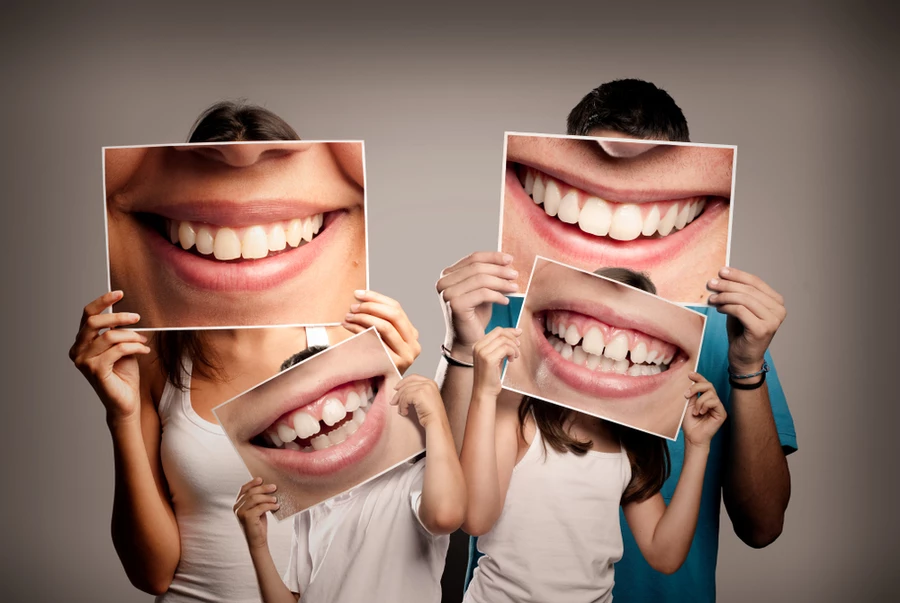
How Tooth Decay Starts: Early Warning Signs

Early Signs of Tooth Decay in Children 

Are children too young to worry about different tooth decay stages? Unfortunately, the answer is no. While many parents think that tooth decay is an adult problem, the statistics say otherwise. For example, research from the U.S Centers for Disease Control and Prevention (CDC) shows that about half of U.S. children have at least one decayed tooth. The National Institute of Dental and Craniofacial Research says that 42% of children aged 2 to 11 will develop at least one cavity.

Tooth decay is a serious juvenile dental problem considered to be the most common chronic disease in children. As such, it’s important for parents to know the early signs of tooth decay in toddlers. Here at The Super Dentists, we see the devastating effects of various stages of tooth decay and how it impacts our young patients.

Knowing how to spot the signs of tooth decay, and (more importantly) avoiding tooth decay in the first place, should be at the top of every child and parent’s list.

With that in mind, we thought it was a great time to explain some early warning signs of tooth decay, information about tooth decay stages, and different oral care habits you can promote to keep those cavities at bay.

What Are The Main Causes of Tooth Decay in Children

Children love their cookies and candies, and it is those things that contribute to tooth decay in children. When kids eat foods high in sugars and starches, bacteria is left on the teeth. Some of the main culprits are:

  • Raisins
  • Candy
  • Cake
  • Cereal
  • Bread
  • Milk
  • Fruit juice

When food, acid,  bacteria and saliva combine in the mouth they create plaque that sticks to the teeth. This plaque will eat away at the tooth enamel, causing cavities. Liquids like juice and sports drinks are particularly harmful because they coat the entire tooth with acidic bacteria. 

When children snack throughout the day and drink their sugary drinks, the plaque builds. Combine this with poor dental hygiene and a lack of fluoride in the water and you have yourself a recipe for cavities. 

Signs and Symptoms of Early Stage Tooth Decay

How to Spot Tooth Decay Stages: What Kids Say, What Parents See

Like any other disease and some preventable problems, tooth decay in children and adults has telltale signs and early warning signals. Pay attention to these in order to keep your child’s oral healthcare at an optimal level.

If kids complain about the following symptoms, early signs of tooth decay might already be progressing:

  • Sensitivity to hot or cold beverages & food. In early signs of tooth decay, the small pits and holes in teeth enamel expose nerve endings to food and beverages. One of the most common early signs of tooth decay is sharp or dull pain associated with taking in hot or cold foods & beverages. If your child complains of tooth pain when eating certain foods or consuming certain beverages, tooth decay might be the culprit.
  • General toothache. A dull, chronic toothache is often a symptom of an early sign of tooth decay. Similar to temperature sensitivity, any toothache should be addressed immediately. Schedule an appointment with your dentist to find out what’s going on.
  • Trouble focusing at school. When your child’s teeth hurt, they can’t concentrate on learning. Kids with dental disease are three times more likely to miss school and four times more likely to get a lower than average GPA. Kids who don’t like their smile may not want to draw attention to themselves or want to speak up in class.

For parents, pay attention to these possible signs of tooth decay:

  • Tooth discoloration. If your child’s teeth have black or brown spots or similar discoloration, it’s time to see the dentist. These spots are often the early-early warning signs of the most common symptom of tooth decay: cavities.
  • Bad breath. Talk about an in-your-face warning sign for tooth decay! Bad breath is due to excessive bacteria in the mouth cavity, and this bacteria is more prevalent during the early tooth decay stages.
  • Bleeding gums. Tooth decay and gum disease (gingivitis) sometimes go hand in hand. If you detect bleeding gums, schedule a dentist appointment for a checkup.

While these are the most common symptoms of tooth decay stages, also look out for pain when biting or unpleasant taste in the mouth. Keep the lines of communication open with your child about their teeth so you can address the issue before it worsens.

What Types of Treatment Will a Pediatric Dentist Recommend?

The Super Dentists recommends that children with tooth decay get composite fillings, which are natural looking tooth colored fillings, to fill in the hole and protect the tooth from more damage. Composite fillings are attractive and easy to put in. The dentist simply removes the decayed portion of the tooth and replaces it with the filling. Composite fillings are designed to be durable and last many years as long as your child has good dental hygiene.

Depending on the severity of the cavity, your dentist may recommend indirect restoration in the form of inlays, veneers, bridges or crowns. Another option is a newer treatment called silver diamine fluoride. During the procedure, a liquid is used to reduce and prevent tooth decay until your child’s primary teeth fall out.

Preventing Tooth Decay 101Something to Smile About: The Benefits of Daily Discipline with Dental Care

So, what are the best ways to prevent tooth decay? Here’s a handful of things that can help – today!

For younger kids (up to 6 years old):

  • Brush 2-3 times daily. This one’s obvious, but it’s the most important factor for preventing early stage tooth decay. The American Dental Association recommends that children brush two times a day for 2 minutes and floss once a day.
  • Watch the bottle time. If your child still feeds from a bottle, remove the bottle when they’re sleeping. The sugars in liquids like milk, juice or formula can contribute to tooth decay, even in children as young as 1-2 years old!

For older kids (6 years and older):

  • Promote a healthy diet. Everyone knows kids love sugar. But too much sugar is a major reason for high rates of tooth decay in children. Dairy products, nuts, veggies, and other snacks are a great substitute for chips, chocolate, hard candy, etc. When packing lunches, get creative with snacks so your kids won’t miss sweets.
  • Floss every day. Kids should get into the habit of flossing at least once per day. Flossing helps eliminate plaque buildup and is the perfect complement to a regular brushing routine.

If you’re not sure about the current state of you child’s oral health, schedule an appointment at any of our six San Diego offices. We also offer teen and adult dentistry services as well – stop by for a checkup while your children are at their own appointment! Thanks for visiting The Super Dentists!

How to Have Healthy Gums: Here’s the Secret


Great oral health starts with the gums. While most people focus on the teeth, gums are just as important – in many ways, even more critical, since they hold the teeth in place. The foundation for a healthy smile is rooted (literally) in clean, healthy gums.

Having healthy gums is especially important for children.  According to the U.S. Centers for Disease Control and Prevention (CDC), tooth decay and gum disease (gingivitis) are closely linked. 

About 1 in 5 children aged 5-11 have at least one decayed tooth, which is a direct result of gingivitis. About 60% of U.S. children show signs of gum disease. All of this means knowing how to get healthy gums and keep them that way is a crucial process for superior health.

The Super Dentists, San Diego’s premier pediatric, parent dentistry, and orthodontics practice, thinks everyone deserves a winning smile – and it starts with good teeth and gum care. It’s important that parents understand what healthy gums look like. Can you identify healthy gum color and how to restore gum health in a child who is behind? 

After a brief overview of the hazards of gum disease, let’s look at some different ways your child can boost their gum health – which ultimately leads to overall well-being!

What are the Dangers of Gum Disease?

Gum disease, also known as periodontal disease, is an infection of the tissues that support the teeth. It is a common problem, especially in adults, but it can also occur in children. 

The dangers of gum disease include tooth loss, as the infection can cause the gums to pull away from the teeth and the teeth to become loose. Gum disease can also cause bad breath and changes in the way the teeth fit together when the child bites. 

If left untreated, gum disease can lead to more serious health problems, such as infections in the bone and tissue supporting the teeth, and an increased risk of heart disease. It is important for children to practice good oral hygiene and to see a dentist regularly to help prevent gum disease.

The statistics about gum disease are alarming enough – but did you know that gingivitis is linked to an assortment of maladies and diseases, including obesity, diabetes, heart disease, infertility, and more?

Currently, the link between gum disease and higher mortality from COVID-19 illustrates a topical urgency on this subject. A recent study showed that patients with gum disease were almost 10 times as likely to die of COVID-19 than patients with healthy gums.

It appears the bacteria and microbes associated with gum disease cause a severe spike in the immune system, which, in terms of the body’s ability to fight off respiratory diseases like COVID-19, is like throwing gasoline on the fire. That is why knowing how to get healthy gums is more critical than ever before!

How to Improve Gum Health with Homecare

Getting healthy gums isn’t just good for your mouth – it’s good for your entire body and overall well-being! It’s easier than ever to obtain healthy gums by using simple prevention tactics. Try these healthy oral hygiene habits for a few weeks, and you’ll soon discover the difference between healthy vs unhealthy gums.

  • Brush more often. Already brushing your teeth twice per day? Try adding in another brief brushing session – for example, a lunchtime brush (if you already brush your teeth in the morning and before bed).  
  • Say so long to nicotine and tobacco. If you smoke or use smokeless tobacco products, quit the habit and your mouth will thank you (so will the people around you). When people ask The Super Dentists how to get healthy gums, this is one of our favorite answers for smokers.
  • Don’t forget to floss. Flossing helps remove bacteria and food debris, two of the main catalysts for gum disease. It only takes a minute, but this small step pays big dividends in the quest for healthy gums.

Positive habits and behaviors start at home. Make sure to encourage your children to take care of their teeth & gums on a daily basis.

What Causes Gum Recession

Gum recession is when the gum tissue around the teeth wears away, exposing more of the tooth or the tooth’s root. There are many factors that can contribute to receding gums:

Brushing too hard or using a toothbrush with hard bristles can cause gum recession by damaging the gum tissue. It’s important to use a soft bristle toothbrush and know how to brush properly

Gum disease is a common cause of gum recession. The infection caused by gum disease can cause the gums to pull away from the teeth, leading to gum recession.

Grinding or clenching the teeth puts excessive pressure on the gums and can lead to loose teeth and receding gum lines.

Misaligned teeth or a poor bite can cause gum recession by placing unnecessary pressure on certain areas of the gums. This can also cause bleeding gums.

Hormonal changes, such as those that occur during pregnancy or menopause, can cause the gums to become more sensitive and prone to gum recession.

Healthy Gums vs. Unhealthy Gums – The Big Difference in Oral Health

What do healthy gums look like, and what color are healthy gums? Simply put, healthy gums have a healthy pink color and are absent of any discoloration or recession. Inflammation and bleeding are two obvious signs of unhealthy gums. If your child experiences bleeding while brushing or flossing, there’s a good chance they have early onset gingivitis.

What do unhealthy gums look like?:

  • Receding gum line
  • Swelling
  • Areas of white spots on the gums
  • Pockets between teeth and gums
  • Loss of tissue and bone (this indicates severe gingivitis)

Your child’s gums should be pink or red, with no receding. Also, their gums shouldn’t bleed from brushing or flossing. Keeping their gums (and your gums) healthy is just as important for oral health as it is for overall health; numerous studies show links between poor oral health (including gingivitis) and other health problems, including diabetes, heart disease, obesity and more.

Unhealthy gums, or gum disease, can be a more serious problem if it is left untreated. Gum disease leads to infection in the tissues around the teeth and can cause gingivitis and periodontitis.

Gingivitis is the early stage of gum disease and is characterized by red, swollen, and bleeding gums. If left untreated, gingivitis can progress to periodontitis, which is a more serious form of gum disease. Periodontitis involves the destruction of the gum tissue and the bone supporting the teeth, and can lead to tooth loss.

How to Have Healthy Gums Naturally 

Aside from smart, disciplined at-home oral health, another way to strengthen gums naturally is with a sensible diet of mouth-friendly foods. Limit your child’s sugar intake and make sure they drink plenty of water (instead of sugary soft drinks and fruit juice).

Foods for Healthy Gums

Additionally, here are some foods for healthy gums that can help strengthen gums naturally:

  • Apples – Considered Mother Nature’s floss by some experts, apples have natural acids that help clean teeth and gums. What’s more, the fruit’s skin acts as a natural flossing mechanism to keep gums healthy! Encourage your child to eat an apple for dessert!
  • Dairy products – Calcium is essential for healthy teeth and gums, and few foods can match dairy for concentrated calcium content. Sugar-free yogurt, milk, and cheese are smart options here.
  • Fibrous vegetables – Fiber is an underrated ingredient for healthy gums. Fibrous veggies take extra chewing to break down, which prompts extra saliva production. The saliva, in turn, washes away harmful bacteria to keep gums free of food particles and plaque.
  • Ginger root – This pungent herb isn’t normally considered a mouth-friendly food, but it has naturally occurring anti-inflammatory compounds to promote healthy teeth and gums. Try some in a stir fry for your next family meal. Instead of jarred ginger, go with freshly grated ginger root.

What do healthy gums look like? Those who enjoy a wide assortment of natural, whole foods! Along with brushing, flossing, and giving up bad habits (see above), substitute sugar and processed snacks with the foods listed above, and you’ll soon learn how effortless it really is to obtain and maintain healthy gums!

Ensure Optimal Gum Health – Visit The Super Dentists Today!

A great smile starts with solid gum health. Know the difference between healthy vs unhealthy gums. The Super Dentists, San Diego’s largest and most trusted pediatric dentistry, orthodontics, and teen and adult dentistry practice, is here to help with your family’s oral healthcare needs. From our innovative dental care techniques to a patient-friendly atmosphere, The Super Dentists are ready and looking forward to seeing you soon!

If you’re ready to make an appointment, you can do so using our easy-to-schedule online portal here.

What To Do If You or Your Child Chips a Tooth


What Should I Do if My Child Chips Their Tooth?

Your child’s teeth are a vital part of growing up. They’re also central to many milestones along their journey to adulthood, such as the first tooth, brushing on their own, braces and retainers as well as those funny gap-toothed smiles when they lose a tooth. Most of the time, teeth are associated with fond memories. 

However, they’re not always so “chipper.” That’s because the dreaded baby or toddler chipped tooth is also quite common during childhood. Thankfully, most kids experience a chipped tooth when their primary teeth are still present, which eventually will make way for their secondary or adult teeth.

The Super Dentists, San Diego’s premier pediatric dentistry, has dealt with our share of chipped teeth in the past. When a child’s chipped tooth occurs, parents have tons of questions – and we have the answers, so keep reading below!

 How Common Are Chipped Teeth In Babies and Toddlers?

So just how common are chipped teeth for babies and toddlers? Much more common than you’d think. Youngsters are curious and love to explore – even in confined areas – and the occasional accident is bound to happen.

For example, a baby’s chipped front tooth could happen during all sorts of activities – bumping into things, falling when attempting to walk or chewing on a toy.

Take it from us here at The Super Dentists – a toddler’s chipped tooth is common and often isn’t a big deal. We’re always here to help with this common dental emergency!

How to Fix a Chipped Tooth

So your kid has a chipped tooth – what do you do next? The first thing to remember is to stay calm. Before you drive your kid to the dentist or hospital to receive care, follow these steps:

  • Check to see if your child has trouble breathing or swallowing. This may indicate they’ve swallowed part of the chipped tooth. In this case, go to the emergency room immediately.
  • Examine your child for any mouth trauma (bleeding, painful gums or jaw, etc.) If the injury seems especially urgent, go to urgent care or the emergency room. Otherwise, schedule an appointment with The Super Dentists.
  • Try to find the missing tooth fragment (if not swallowed). If it’s small enough, there’s a chance it can be bonded back into place. If you’re fortunate enough to locate the missing chip, place it in a clean, airtight container and bring it with you to The Super Dentists.

To schedule an appointment during normal business hours, call us at 1 (855) GO SUPER, or text us at 1-844-765-1234. The Super Dentists is the #1 emergency kids dentist in San Diego. So if your kid chipped a tooth, we’re here to help!

Signs That Your Child Might Have Chipped Their Tooth

How can you tell if your baby has a chipped front tooth or your toddler has a chipped tooth? Some signs are obvious, while others are more subtle to detect. Here are some things to look for:

  • Bleeding teeth or gums
  • Pain near your child’s chipped tooth
  • Trouble eating or talking
  • Swelling of the gums or discoloration of your toddler’s chipped tooth

Depending on how young your child is, they might not be able to explain what happened, or even if they have a chipped tooth.

How to Temporary Fix a Chipped Tooth at Home

We don’t recommend trying to fix a child’s chipped tooth at home. In fact, attempts to fix a child or toddler’s chipped tooth on your own can actually make the problem worse. Instead, rely on a trained expert like you’ll find at The Super Dentists. We can provide the proper care required and get your kid back to eating and playing in no time.

When your kid has chipped their tooth, contact The Super Dentists immediately and we’ll address and fix your child’s chipped tooth as soon as possible!

What Will the Dentist Recommend For My Child’s Chipped Tooth?

The Super Dentists has helped hundreds of children with this particular dental emergency, and we’re here for your toddler’s chipped tooth. It’s common for parents to panic immediately after an accident resulting in a chipped tooth, but there’s no need as The Super Dentists will help restore your child’s smile right away!

After a thorough examination of your child’s chipped tooth, The Super Dentists have two options to fix it:

  1. Attach your kid’s/baby’s chipped front tooth fragment (if feasible).
  2. Apply a bonding material (for larger chipped teeth) after smoothing out any jagged or sharp edges from your kid’s chipped tooth.

Every chipped tooth is different and requires unique care (in the office and at home), but our dentists will ensure you have all the necessary instructions to properly care for the tooth at home. Depending on how your child’s chipped tooth was fixed, special dietary restrictions are also a possibility.

If your child’s chipped tooth is the result of cavities, The Super Dentists offers the best pediatric cavity services in Southern California. We’ll help your child establish the optimal dental care habits to strengthen their teeth and reduce the chance of chips and breaks. Make sure you book an appointment ASAP, and The Super Dentists will restore your child’s smile and confidence today!

Causes, Treatment, & Prevention for White Spots on Teeth

Have you noticed white spots on your teeth or your child’s teeth? A variety of factors contribute to this common cosmetic problem, and they usually do not require any dental treatment.

However, some people become self-conscious with white spots on teeth, and The Super Dentists, Southern California’s most popular parent, and pediatric dentistry is here to provide all the information you need, along with some proven ways to prevent or remove white spots on teeth.

Why Do I Have White Spots on My Teeth?

What are white spots on teeth? Some people associate this cosmetic issue with white spots on gums, but there is no correlation between the two. White spots on teeth appear when the enamel is “demineralized,” and the areas where this occurs can result in white spots.

In most cases, white spots or calcium deposits on teeth are strictly a cosmetic problem. However, some occurrences indicate underlying dietary or health issues that may be the culprit. Let’s examine the primary causes of white spots, along with some treatment and prevention methods.

What Causes White Spots on Teeth?

One of the most common questions The Super Dentists receive is, “Why do I have white spots on my teeth?” A wide range of root causes is responsible, including:

  • Braces. Spots sometimes appear where dental brace brackets are attached to the teeth. For this reason (among others), many of our patients opt for lingual orthodontics or clear aligners.
  • Excessive bacteria. Bacteria overload is the primary reason for demineralization. When there are too much bacteria in the mouth, calcium deposits on teeth appear.
  • Illness and medication. Particularly for children, when teeth are still developing and forming enamel, external factors like sickness or certain types of medication can cause white spots on teeth.
  • Too much fluoride. Fluorosis, the medical term for ingesting too much fluoride, is a common cause of calcium deposits on teeth. While fluoride is an effective ingredient in fighting tooth decay, moderation is key.
  • Calcium deficiency. Unlike the previous causes (too much of something), another common cause of white spots on teeth results from the lack of a substance: calcium. This element is necessary for strong enamel, and even a slight calcium deficiency opens the door for white spots. Calcium-rich foods include green vegetables and a variety of nuts, so be sure to include these in your diet.

How to Get Rid of White Spots on Teeth and What Are the Treatment Options?

Many of our patients want to know how to get rid of white spots on their teeth. Depending on the root cause, the process of removing calcium deposits on teeth in duration and scope. One of the best ways to reduce white spots on teeth is to have regular dental cleanings at The Super Dentists. Aside from the obvious benefit of cleaning the surface of the teeth, regularly scheduled cleanings are an ideal opportunity for our dental experts to examine and address any potential dental problems that could lead to white spots on teeth or potential health issues.

What Can I Do to Prevent White Spots on My Teeth?

Dental cleanings are effective in preventing white spots on teeth, and a preventative plan of action is hard to beat. This means brushing at least twice per day with a soft bristle brush and flossing at least once daily. A sustainable, disciplined home dental care regimen is the best way to prevent excessive plaque and bacteria buildup, which eventually leads to the demineralization process that causes calcium deposits on teeth. Not sure how to get rid of white spots on teeth? Make sure you’re brushing and flossing on a regular basis – bonus points if you use an antibacterial mouthwash, too!

The Super Dentists: San Diego’s Premier Parent and Pediatric Dentist to Handle White Spots on Teeth

If you or your child are concerned about white spots on teeth, or you need more information on how to get rid of white spots on teeth, The Super Dentists is here to help. From dental cleanings to regular dental care and more, we’ll ensure you have all the required care and ongoing support to handle white spots on teeth, orthodontic care, and everything in between.

Paired with regular office visits to The Super Dentists, getting your dental care habits on track will help you avoid white spots on teeth, along with other dental problems.

Get the dental care you deserve today at The Super Dentists and see why 1 of every 5 children in the San Diego area is a Super Dentists kid. Call 1 (855) GO SUPER, text us at 1 (844) 765-1234, or book your appointment today

Effects of Thumb Sucking on Teeth & What Parents Need to Know


Effects of Thumb Sucking on Teeth and What Parents Need to Know

If you’re like most parents, you worry about everything from when your child will start walking and potty training to how thumb sucking beyond a certain age will impact their dental health. But rest assured, thumb-sucking is a natural instinct for many children.

Most outgrow it before it becomes problematic. But just in case you’re still concerned, read on to learn why kids suck their thumbs, what happens to teeth after sucking thumbs for an extended period, and great tips to encourage them to stop.

Why Do Children Suck Their Thumbs?

Did you know some ultrasounds have shown babies sucking their thumbs in the womb? To say this is an instinct would be putting it mildly. Babies often suck thumbs as a way to relax or self-soothe, as it mimics the suckling motion during breastfeeding.

Thumb sucking is a natural reflex for comfort and self-soothing. When babies nurse or take a bottle, it’s more than just eating for them. This is a time when they can bond with the people that make them feel safe.

As a result, sucking a thumb or finger can become a coping mechanism as children age. As they grow, they’ll find the same sensation as they did when they nursed or took a bottle when they were little. This isn’t a bad thing!

After all, we want our children to feel safe, grow to be independent, and find ways to relax and self-soothe. So sometimes when a child finds themselves in a stressful situation, the go-to way to manage those big feelings is through thumb sucking.

That said, while it’s important for our children to soothe, thumb-sucking has a negative effect on your child’s permanent teeth.

When Should Children Stop Sucking Their Thumbs?

Most children stop sucking their thumbs either in infancy (6-9 months) or toddlerhood (2-4 years.)

There is some conflicting and confusing information as to when babies and children should stop to prevent issues with teeth and jaw development. Some may say not to worry until permanent teeth are coming in, whereas others suggest putting a stop to it before kindergarten.

The problem is that every child develops differently. So while some kids begin losing teeth as early as 5 (or even 4!), other children don’t lose their first tooth until they are 8.

This is why thumb-sucking can have such a negative effect on their teeth. A thumb sucker’s jaw and teeth can start to shift even before they lose their first teeth.

In order to minimize and prevent oral issues, The Super Dentists encourage your child to stop vigorous or constant thumb sucking between ages 4. This will also give you time to use gradual and positive steps to wean them rather than racing against the clock as the first adult teeth erupt.

Long-Term Impact of Thumb Sucking on Teeth and Jaws

So why does it matter if your Super Kid sucks their thumb? As noted, it can actually have a large and lasting impact on the development of their teeth and jaws and beyond.

But keep one thing in mind – how often and how hard they suck their thumb is a big factor. If your child lightly sucks their thumb unconsciously at night, it’s probably not a big deal. However, if they are forcefully sucking constantly or even doing it during the daytime hours, it can impact your child’s mouth.

The long-term effects of thumb sucking on teeth may include:

  • Misaligned bite. This can be an overbite, overjet, open bite, or crossbite. Essentially, the upper and lower teeth don’t line up properly. This can lead to worn enamel or cracked or broken teeth, as well as other issues.
  • Palate issues. This refers to the roof of their mouths. The palate may become misshapen or overly sensitive. This could even contribute to sleep apnea later in life.
  • Change to the jaw shape.
  • Tooth decay.
  • Speech issues. Incorrect shaping and formation of the jaws, teeth and palate can lead to speech impediments such as lisps. In some cases, even speech therapy cannot undo or fix the speech issues caused by malformation of the mouth.

Potential Thumb Sucking Damage

This cute little habit in your snuggly newborn becomes a lot less cute when it starts affecting your child’s ability to properly chew or speak.

It can become very costly very quickly. Add up the cost of repairing, pulling or replacing cracked or broken teeth, getting kids braces to correct jaw and teeth alignment issues, headgear or palate spacers, or even surgery to correct severe oral issues and you’re looking at a large sum of money.

But even beyond the financial burden of thumb-sucking is the social cost. Let’s face it, people can be unkind. A child still sucking their thumb at school is more prone to being made fun of.

Even as adults, speech impediments can get you teased. Stopping thumb-sucking can allow the wonder and beauty of your child to shine through while also minimizing the societal challenges they face.

Preventing the Negative Effects of Thumb Sucking on Teeth

So how can you get your child to break the thumb-sucking habit before it becomes problematic? The Super Dentists are happy to provide some fun, positive, and effective ways to reduce thumb sucking.

  • Praise or Reward your child for not sucking their thumb. You know your kid best. If saying something at the moment makes them feel seen and proud of their efforts, acknowledge it. If they thrive on physical rewards like stickers on a chart, use them.
  • Plan a Special Outing if your child is suck-free for a certain number of days.
  • Shoot for a Time Restriction such as no sucking the thumb an hour before bedtime. Little, attainable goals can lead to longer, sustainable periods without thumb-sucking.
  • Distract your child when they start thumb-sucking with different activities or soothing options such as a stuffed animal or a comforting blanket.
  • Create a safe place within the home to reduce stress.
  • Recognize triggers to your child’s thumb sucking and work to reduce the triggers or develop safe alternatives.
  • Gently remind them to stop sucking their thumb whenever you notice it.
  • Try to gradually reduce the amount of thumb-sucking your child does. Focus on time periods of the day when you notice the thumb sucking becomes its worst.

Remember that it’s most important to be patient with a child that is sucking their thumb. They’re not worried about the negative effects, that’s your job. Do not scare them with the consequences and instead, try to understand why your child feels the need to suck their thumb.

Provide positive reinforcements whenever possible. Remember that young children typically respond better to rewards than consequences.

Finally, if all else fails, Bring your child to The Super Dentists! Older children may be more open and understanding to the information about the potential issues of thumb-sucking from professionals. And a trip to The Super Dentists is always a good time! Call (855) GO SUPER to schedule an appointment.

About the Super Dentists

The Super Dentists are San Diego’s largest and most trusted Pediatric Dentist, Orthodontic, and Teen and Adult Dentistry practice. We create the most unique and out-of-this-world dental experience for children and their parents. We are the only dental practice where kids ask, and even beg, their parents to take them to the dentist – imagine that!

We offer the newest technologies for the most comfortable, safe, and effective dental treatments. The Super Dentists accept most insurance, including Medi-Cal, and are available on the weekends and for emergencies.

With 6 locations throughout San Diego and growing, the practice gives back to our communities whenever possible by hosting free quarterly events, and complimentary dental care to those in need.

If you’re concerned that your child’s thumb sucking is having a negative impact on their oral health, schedule an appointment today!

Is Fluoride Bad For Your Teeth? Is It Safe?

What You Need to Know About Fluoride

Communities have been fluoridating water for 75 years in a concentrated effort to reduce tooth decay among residents, old and young. And it’s working. Significant differences in the number of cavities are seen in communities that fluoridate versus those that do not. But fluoride is not without controversy. Like plenty of things in life, a little is good, a lot is too much. So is fluoride bad for teeth? Success is definitely found in moderation when it comes to fluoride.

To learn more about fluoride and its safety, read on and let The Super Dentists address all your questions.

What is Fluoride and Is It Safe?

First things first…what exactly is fluoride? Fluoride is a mineral derived from a naturally occurring and abundant element called fluorine. It’s found in water and some foods, but not usually at levels enough to be beneficial. Like other vitamins, minerals and supplements, the right amount is safe and beneficial but too much can be harmful. 

So is fluoride safe when it comes to your health? Just like you can overdo it on Vitamin D (sunburn, anyone?) it is possible to consume too much fluoride. Fortunately, the gap between recommended levels and actual harmful levels is pretty wide.

The amount of fluoride added to water, naturally found in food and added to an appropriately used amount of toothpaste is unlikely to get close to the harmful levels. In fact, harmful levels (4 parts per million) are generally recognized as almost six times the recommended amount added to municipal water (0.7 ppm) or toothpaste (~2 ppm, most of which you spit out). And to get to those dangerous levels of fluoride, you would have to consume excessive amounts over a long, ongoing period of time.

Are There Different Types of Fluoride?

There are different types of fluoride, from naturally occurring to synthesized. Calcium fluoride is found in everything from your water to soil to rocks. It’s literally all around us and usually quite harmless in the amounts found in the average American tap water. Sodium fluoride is a synthetic fluoride developed for fluoridation of water and toothpastes.

Is Fluoride Good or Bad for Your Teeth?

The answer to this question is a little bit of both. Fluoride is good for teeth in two ways – protection against demineralization and remineralization. Let’s break these two benefits down first:

  • Protection against Demineralization. When the bacteria in your mouth combines with sugar, they form an acid that can erode tooth enamel. This is known as demineralization. The minerals that make up your teeth are literally being removed. Protecting against this by strengthening the enamel before the acid hits it is a good thing.
  • Remineralization. No matter how healthy you or your child eat, sugar will come into contact with the bacteria in your mouth (even naturally occurring sugar from fruits and vegetables.) And when that happens, the acid forms. And the acid attacks and decreases your enamel. But fluoride swoops in like a superhero to accumulate on those weakened areas. It shores up damaged parts, rebuilding and strengthening the enamel after acid impacts it.

So yes, fluoride is good for your teeth. “But I thought you said it was bad for your teeth, too?” You’re right. The most common complaint about fluoride on teeth is a mild condition known as dental fluorosis. This is a minor discoloration in which tiny white streaks or specks appear on the tooth’s enamel. It does not cause pain, nor does it affect the health of the teeth. But excessive levels of fluoride can cause this tooth discoloration.

Is Fluoride Necessary in Toothpaste and Mouthwash?

Still wondering if fluoride toothpaste is good for you? At The Super Dentists, we absolutely believe fluoride is necessary in toothpaste and mouthwash, as long as the users are using only the amount needed to brush their teeth and are spitting out both the toothpaste and mouthwash. Because of the inclusion of fluoride in toothpaste and other oral products, many are instead questioning the need to add fluoride to water. But with so many people using bottled or filtered water these days, much of that fluoride is filtered out or not included. So yes, fluoride toothpaste for kids is a great way to protect your child’s teeth from decay.

Can You Have Adverse Reactions to Fluoride?

As mentioned, yes, there is a risk that excessive levels of fluoride can cause an adverse reaction. But please keep in mind, these are usually the result of excessive exposure over several years, not an occasional event of swallowing toothpaste.

  • Skeletal fluorosis is a condition in which bones may become hardened and less elastic, causing a higher propensity to fractures, limited mobility or pain.
  • Thyroid problems may occur, leading to hyperparathyroidism and a depletion of calcium in the bones.
  • In some studies, exposure to fluoride was suggested to contribute to neurological and cognitive problems.

Still have questions about fluoride? No problem. Contact The Super Dentists at (855) GO SUPER  or Text 1 (844) 765-1234 and discuss your concerns with a caring pediatric dentist who cares about the complete health and wellness of your Super Kid.

Can You Get Your Teeth Cleaned with Braces

For anyone that’s just had braces put on, plenty of questions immediately pop up. A common one is, can you get your teeth clean with braces? The short answer: Yes!

The long answer: Not only CAN you get your teeth cleaned with braces, but you SHOULD also aim for the best possible dental cleaning with braces, as they pose unique challenges to overall oral health.

The Super Dentists offer comprehensive, all-in-one orthodontic care for all of our patients, which includes regularly scheduled teeth cleanings.

With so many questions on dental cleaning with braces, we thought it would be a good idea to create this article to answer all of your questions such as, “Can you get a teeth cleaning with braces?” 

Cleaning Teeth with Braces

 Can you get your teeth clean with braces? Yes – and it’s imperative that you do. Two big factors illustrate the importance of dental cleaning with braces:

Time. How long do braces take? Some people can have braces on for 2 years or even longer. With a minimum time of 6 months, that’s plenty of time for plaque and tartar buildup. Over the course of 6 months – 2 years, regular cleanings are highly recommended.

The plaque factor. As mentioned briefly above, plaque and tartar love to hide near each tooth’s brace mount, and under the wires and bands. Without a disciplined care regimen (at home and at The Super Dentists), cavities will eventually surface. Some people think you can’t get your teeth clean with braces, but you can – and we’ll show you how below!

How Often to Get Teeth Cleaned with Braces

Can you get your teeth clean with braces? Well, it can be difficult to get a truly thorough cleaning by yourself, so The Super Dentists recommend visiting one of our offices at least 2-3 times per year for a dental cleaning.

Other patients may require more cleanings, depending on things like a hereditary propensity for cavities, how well they take care of their teeth at home, and other factors.

What to Expect When Getting Your Teeth Cleaned with Braces

Even though you have braces, there’s nothing “special” to expect during your appointment. Just like any other teeth cleaning appointment, a dental cleaning appointment with braces on follows the same structure. 

The only (minor) difference might be a bit more time in the chair, as our dental hygienist may need extra time to clean in and around your braces. This means all you have to do is sit back, relax and breathe. Let The Super Dentists (or hygienists) take care of the rest!

Dental Cleaning With Braces

Let’s review a few important points about dental cleaning with braces, including how the teeth are cleaned with braces on, and some brief tips for your home routine.

How Do Dentists Clean Teeth with Braces

Do orthodontists clean teeth? What about dentists? The answer is none of the above. At The Super Dentists, we have highly trained dental hygienists to handle all teeth cleaning with braces.

Depending on the types of braces you have, the hygienist will gently wash water between your bands and teeth in order to remove bacteria that cause plaque and tartar. Gentle flossing is also performed so your gums stay food particle-free and clean.

Can you get your teeth clean with braces? If you visit The Super Dentists, there’s no doubt about it!  

Basic Tips for a Home Routine with Braces

 Here are three basic things you can do to ensure thorough dental cleaning with braces:

  • Brush (and brush some more): Try to brush your teeth after every snack or meal. If that’s not possible, make sure you’re brushing at least twice per day to keep plaque at bay.
  • Don’t forget to floss. Flossing is a little tricky with braces, but it’s well worth the effort in order to maintain a healthy smile (even with braces on)! Insert one end of the floss between the upper part of the brace mount and gum, and gently floss back and forth. Repeat as necessary.
  • Mind your diet. Try to avoid sugary, sticky substances, as they’re breeding grounds for bacteria, plaque, and tartar. If you must indulge, a quick rinse with water will at least lessen the impact of that occasional treat until your next brush time.

And here’s a fourth tip: visit The Super Dentists for regular teeth cleanings. We’ll help ensure your teeth stay clean, even with braces on! If you have any questions, or you’re not sure you can get your teeth cleaned with braces, stop into any of our San Diego-area offices or schedule an appointment online, and we’ll take care of you!

Thanks for visiting The Super Dentists, Southern California’s #1 pediatric and teen and adult dentistry and orthodontic network.


How Long Do Braces Take for Kids & Adults

You’ve got a stellar smile. And your kids light up the room. But even those fantastic smiles could be taken to the next level by straightening and correcting common dental issues. And you’re totally on board. But you have one major question… how long do braces take?

How Long Do You Have to Wear Braces?

Some things in life have easy answers: How long should you brush your teeth? Two minutes. How much water should you drink? At least 64 oz a day. Unfortunately, answering “How long do you have to wear braces,” is not quite as easy. While the average is 1-3 years, orthodontia is tailored specifically to each individual person. So the most honest answer is…it depends.
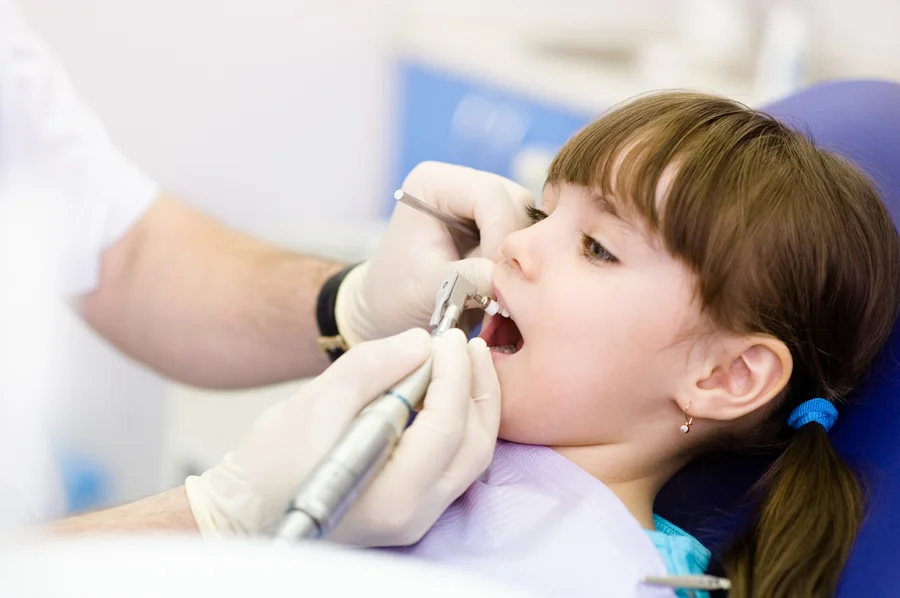

How Long Do Braces Take for Kids?

Children are often in braces for shorter periods of time than adults. But how long do braces last? It all depends on their specific dental problems, including the current positioning of their teeth and jaw, as well as the overall severity of dental issues. 

Because your kid’s jaw is still growing and developing, the teeth do tend to reposition more quickly than an adult’s. Nevertheless, the average length of braces treatment for kids tends to be 15-18 months.

How Long Do Braces Take for Adults?

Adults often wear braces longer than children for the simple fact that major misalignments or other pre-existing dental issues (often from childhood) can make treatment a little more intensive. However, adults are usually better at following the dentist’s instructions. (This helps a lot!) The average length of time for grown-ups to wear braces is 2-3 years. 

What Factors Can Shorten or Lengthen How Long Do I Have to Wear Braces?

For great orthodontia results, it simply takes time. Your teeth are anchored in your bones and must be safely and gently moved into their new positions. But as you may have guessed, there are many factors that play into how long you’ll have to wear braces. The good news is that some of these factors are even in your control!

Crooked Teeth

Perhaps the most common reason people choose braces for their children is crooked teeth. But just how crooked are those teeth? Is there enough space to straighten the crooked teeth or is there crowding? If the teeth are a little crooked, it won’t take too long. But if it looks more like a crossword puzzle, it’s going to take a little longer. But have no fear, The Super Dentists will get your kids there!

Bite (Over or Under)

Another factor for the length of time you’ll be in braces factors in your bite. That’s how your lower and upper teeth (and jaw) are positioned in relation to each other. And yes, braces are impressive enough they can even correct bites. But again, the length of time it takes just depends on how severe the misaligned bite is.

Lifestyle

Now for the best news…the factors you can control. If you’re looking to shorten the length of time you or your children have to wear braces (and who isn’t?) a few lifestyle choices to take care of your braces will make a HUGE impact.

  • Keep it clean. Brush, floss, and use water picks to keep the teeth and gums clean and healthy.
  • Keep your appointments. Constantly going to the orthodontist? Keep it up. Staying on a regular schedule means the progress is monitored and can be tightened and adjusted regularly. Missing appointments just means you’ll be wearing braces that much longer.
  • Follow instructions. Your dentist will give you specific instructions about what and when to wear additional accessories like mouth guards, appliances, headgear or other things. It’s all for your benefit.
  • Diet. A braces-friendly diet can make a big difference in completing your regimen faster. Avoid sugary foods and drinks, popcorn, sticky foods like caramel or taffy, and hard or super crunchy foods like apples, corn on the cob, or pretzels.

Still, have questions? Contact The Super Dentists at 619-DENTIST (619-336-8478) and find out why The Super Dentists is the most trusted and most fun experience in dental or orthodontic care in Southern California.

How to Take Care of Braces: Most Important Tips

Congratulations on getting braces! It’s pretty exciting to know in a few months, your smile or your child’s smile will be straighter than ever. It’s important to make sure you’re listening to The Super Dentists and keeping on top of your braces care routine.

Learning how to take care of braces is important for their effectiveness and the overall timeline of how long it takes for the braces to work.

The Importance of Braces Care

Why is it so important to know how to take care of your braces? Let’s start with the big one. Wearing braces is an investment in your oral health.

No one wants to see their investment mistreated. Proper care while wearing braces not only makes them more effective, it can shorten the length of time they must be worn.
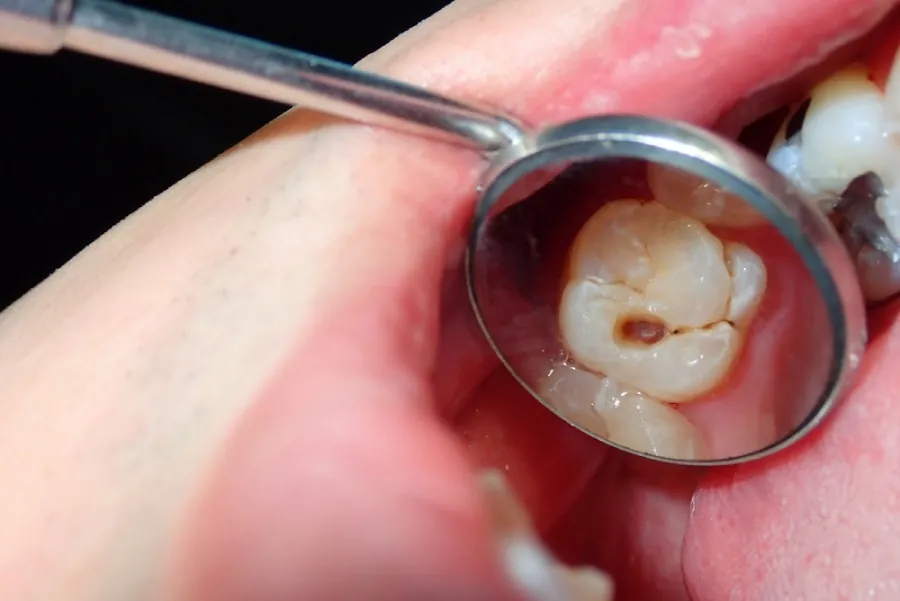
Tips on How to Take Care of Braces

There are a few basic things you’ll need to do for regular braces care. And while sometimes mistakes and accidents happen, you can minimize issues by doing the following:
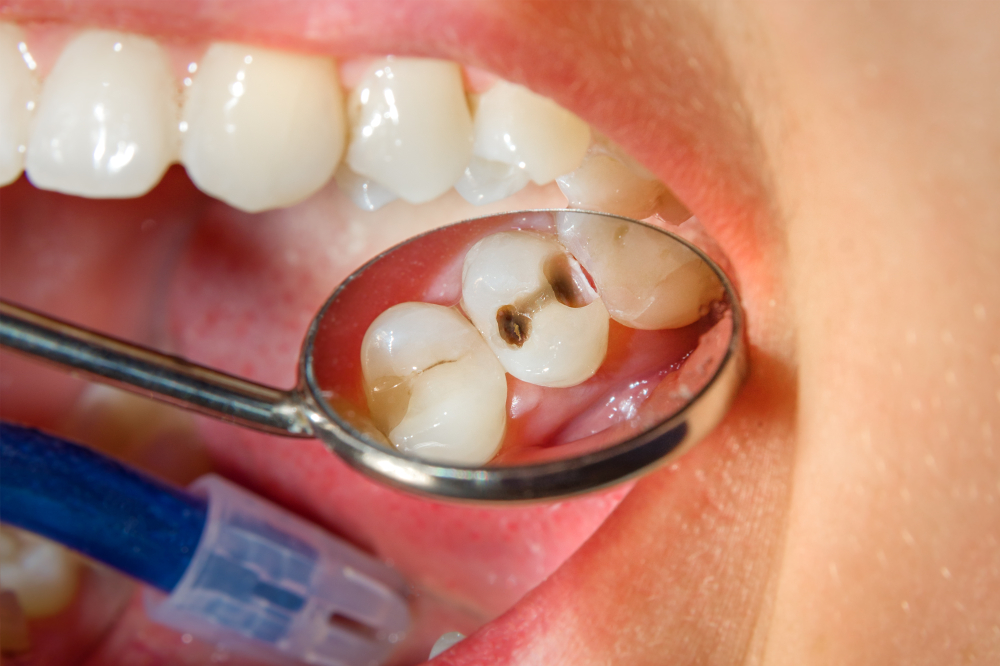
  • Protect your mouth. Using a mouthguard during certain activities and sports can protect your mouth from getting cut or brackets and wires from getting damaged or popping off.
  • Get help when needed. If a bracket does become unattached or a wire snaps, contact and return to the orthodontist immediately to get the issue resolved.
  • Practice good oral hygiene. Brushing and flossing appropriately are more important than ever.
  • Adhere to the eating guidelines. Make sure that you avoid sticky foods or chewy things like gummy candies. These will make caring for your braces more difficult.

Brushing and Flossing with Braces

When you have traditional metal or clear braces on your teeth, brushing and flossing become even more critical. There are lots of extra tiny nooks and crannies for food particles to get stuck. And food that builds up around and underneath the brackets without getting removed timely can cause plaque buildup and cavities.

But you don’t want to brush and floss hard or you could damage the braces. Instead, use a soft bristle and a circular motion to brush. Floss gently with the thread between the teeth and wire for maximum food removal. (There are specially designed orthodontic tools that can help.)

Girl with braces brushing her teeth

Using a Waterpik and mouthwash may also protect the teeth.

As frustrating as it may seem, you need to make sure to floss your teeth and brush after every meal. This includes snacks, small meals, dinners out, anything. It might seem like a little much but it’s important for taking care of your braces.

Eating with Braces

Did you know there are food restrictions when it comes to braces? It’s not the end of the world, and it’s only for a little while. But following the dietary guidelines can make a big impact on both your brackets staying on and your comfort.

While there are many foods you shouldn’t eat with braces, it’s important to understand how to eat correctly and how you should handle eating certain foods.

Hard Foods – Hard and crunchy foods can break or dislodge your braces. Avoid eating hard candies, nuts, popcorn, ice cubes, and hard pretzels. If you still want to enjoy these foods, consider cutting them into small, bite-sized pieces.

Tough Meats – When eating meat, make sure it’s tender and cut into small, manageable pieces. Avoid chewing on large, tough cuts of meat that require excessive force.

Fruits and Veggies – Raw fruits and vegetables are essential for a balanced diet. However, it’s best to cut them into small, manageable pieces to avoid damaging your braces. Steaming or cooking them can also make them easier to eat.

Foods to Avoid with Braces

There are some foods that should just be avoided when you’re wearing traditional braces. These include:

  • Popcorn
  • Apples
  • Caramels
  • Pretzels
  • Gum
  • Bagels
  • Corn on the cob

Basically anything hard, crunchy, or sticky. And while we’re at it, it’s time to kick those bad habits of chewing on non-food items like pencils, pens, and fingernails. Gnawing on these non-food items can damage the braces as well.

It’s also a good idea to minimize sugary drinks and candy. Otherwise, that sugar just sits under the brackets, waiting to wreak havoc on your enamel.

Foods to Eat with Braces

Now for the foods that you can eat. Yay! If it’s not on the previous list, it’s probably okay to eat. 

But be aware, when you first get braces put on, and possibly even after they’ve been adjusted on regular orthodontia visits, your teeth, gums, and jaw may be sore or tender. To spare yourself the temporary pain, stick to soft foods like:

  • Mashed potatoes
  • Pudding
  • Pasta
  • Soup
  • Ice cream
  • Soft fruits like bananas and grapes
  • Bread
  • Eggs

See? This list isn’t so bad after all.

Braces Essentials

Whether you’re getting braces for your children or as an adult, it’s important to follow these braces care guidelines. Understanding how to take care of braces will help guarantee that you get the healthy smile you’ve always dreamed of.

By properly caring for your braces, you’ll have a better experience and shorten the length of time you are wearing braces. Still have more questions? Reach out to The Super Dentists at Call or text 619-Dentist.


How To Take Care of Braces

Fox LA | In Depth


Dr. Kami Hoss, The Super Dentists co-founder, talks to Fox Los Angeles about how avoiding dental care during the pandemic is not a good idea. Dr. Hoss also discusses dental offices’ remarkable safety record and all the technology added to keep patients safe.

Watch the whole interview here.

COVID and Dental Care

Dr. Kami Hoss joins Hal to talk about the new protocol for dentist offices since they have reopened in mid-May.   He says there have been zero instances of COVID transmission in dental offices. There have been stringent protocols in place in dental offices for decades, ever since the HIV crisis.

Dr. Hoss says it’s a bad idea to wait to go to the dentist, even though a large percentage of people feel like they should wait.  He says dental problems such as cavities or gum disease will only get worse, and that new research shows that poor dental health can negatively impact the recovery from Covid-19, so that dental care is actually beneficial against the virus. Precautions include stringent screening, check-in from your car, use of a mouth rinse before being examined, and changes in procedures that limit aerosolization.


KUSI |The Super Dentists SAVED Halloween


The Super Dentists co-founder, Dr. Kami Hoss, tells KUSI’s Hunter Sowards how The Super Dentists SAVED Halloween for San Diego’s children, plus the continued importance of your oral health during the pandemic. Can mouthwash potentially reduce the risks of COVID-19? Click to watch the entire interview and find out!


Health | Think you can work on your own teeth? Think again!

Videos on the social media platform feature young influencers and amateurs showing off the dangerous tooth-smoothing technique, which involves grinding the enamel with an ordinary emery board or metal nail file. “I’m gonna file my teeth down with a nail file because they’re not perfect,” says one young woman, says one young woman, @miadio. “I have some ridges and we’re ballin’ on a budget,” she says.

A self-described “TikTok Famous Dentist” who goes by TheBentist weighed in on this trend, pleading with social media users not to try this at home. “You can’t do this by yourself with a nail file,” he says.

What happens when you file down your enamel?

Enamel is the hardest structure in the body—harder than bone—and protects your teeth in the harsh, acidic environment of the mouth. So when you remove that outer protective layer, you’re more prone to cavities, your teeth can become sensitive, and you could even cause damage to the nerve, which is painful, Dr. Hoss explains.

In dentistry, “enameloplasty” involves removing small amounts of enamel to alter a tooth’s shape or appearance. But it’s only used in rare circumstances, says Dr. Hoss, who practices orthodontia. “We don’t do enameloplasty to straighten your teeth,” he says. If one tooth looks longer than another, it’s because one tooth is erupted longer or it’s tipped, crooked, or crowded.

The proper fix is, he says, is to get braces or liners to align the teeth correctly. Randomly filing down one tooth to line it up with another just shortens your teeth, causes permanent damage, and doesn’t solve the alignment problem, says Dr. Hoss. Plus, “It’s the easiest way to make you look older,” he says.

So, all in all, the current TikTok trend is not only cringe-worthy, it’s completely unnecessary, he says. But, he adds, “After 24 years of practicing, I’ve literally seen everything.”

This article by Karen Pallarito was originally posted on Health.com on September 18, 2020.


Inside Edition | The new DIY Teeth Filing Tik Tok Trend is a Don’t!

Dr. Kami Hoss, The Super Dentists co-founder, and CEO, talks to Inside Edition about the new DIY Teeth Filing trend on Tik Tok (what??) and why you shouldn’t try it.
No matter what the internet says, it’s a definite DIY-don’t!

Click to watch the whole interview.

The List | Are Masks Causing Cavities?

Are masks causing ‘covid cavities’? This dentist says that’s bogus

As if we didn’t have enough to worry about in the midst of the pandemic: Now there is concern that wearing masks to prevent the spread of coronavirus may be causing dental cavities. A Houston dentist blamed an increase in the cases of dental decay she’s been seeing on the use of face masks. “Now that a lot of us are mouth breathing while we have our masks on, we’re drying out all that saliva that usually protects us from getting cavities, and that’s increasing our risk of cavities,” Dr. Piya Gandhi told KAMC news in Lubbock, Texas.

While he doesn’t question that Dr. Gandhi is seeing more cases of cavities, Dr. Kami Hoss, co-founder of The Super Dentists, the largest children’s dental group in Southern California, respectfully disagrees that mask use could be the cause. In an interview with The List, Dr. Hoss broke down the many reasons why cases of cavities may be spiking — and none of these reasons include wearing a mask.

“Dentists, physicians, nurses, assistants, and all sorts of healthcare providers have been wearing masks for decades. Does that mean we all have higher levels of cavities? Of course not,” Dr. Hoss said. “If cavities are up — and that’s a big if, since we don’t have enough data yet — there could be a variety of reasons for it.”

If you’ve missed a dental check-up, you’re more likely to have a cavity

Pre-pandemic, most of us went to the dentist every six months. Skipping those check-ups because of shelter in place laws, self-quarantine, or simply because you’re a little wary of going somewhere and sitting with your mouth wide open for an hour in the midst of an epidemic that’s transmitted through your mouth and nose, means problems your dentist might have caught before they turned into cavities did not get the treatment they needed, Dr. Hoss noted. “Patients have been without a dentist for months, so of course the number of cavities has gone up. Cavities don’t just pause because there is a pandemic,” he explained. “They’re likely to get bigger, may turn into infections, and cause additional problems.”

For pediatric patients, this is a particular concern, Dr. Hoss added. “This is more likely in younger children because the enamel on baby teeth is thinner than on the permanent teeth. Additionally, the pulp in primary teeth — baby teeth — is relatively larger, so cavities can travel to the pulp/nerves and can cause more damage quicker,” he said.

Being distracted by the pandemic may have led to lax dental hygiene

Another reason why cavities might be on the uptick is simply that we all stopped brushing and flossing regularly. Hey, Dr. Hoss gets it — we’ve all had a lot on our minds. “Kids have been home for months and their daily routines have been upended. Parents have had to juggle all sorts of responsibilities ranging from working at home to helping their children with their school work,” Dr. Hoss sympathized.

When you’re grappling with an international crisis that may have impacted your health and your livelihood, and you’re trying to participate in a Zoom conference call while homeschooling your kid, it’s understandable that you might have given regular brushing the brush-off. “They’ve had new worries about their jobs, their own health, the health of their loved ones and so many other things, all while needing to become an expert on a virus that has brought the world to its knees,” Dr. Hoss said. “In other words, [patients] may have been a little distracted to make oral care a big priority.”

Stress eating usually involves sugar, which is bad for your teeth

Another reason why we might have more cavities: We’re eating all the junk food these days. Between our banana bread binges and “quarantinis,” the quarantine lifestyle has led to some dietary habits that aren’t exactly conducive to good oral health. “Although some people have taken advantage of the stay-at-home orders and have improved their health by eating healthier, exercising and taking care of their mouths, many of us have been eating unhealthy food, drinking too much coffee or alcohol and neglecting our oral health,” Dr. Hoss said.

Even before the pandemic, the average American consumed about 150 pounds of sugar a year. And now? All bets are off. And that’s bad news for our teeth. “Excessive sugar can shift the balance of our oral microbiome — which are the billions of microbes who live in our mouths — toward the ones that metabolize simple carbohydrates,” Dr. Hoss explained. “In return, these bacteria release acids that can damage the enamel and cause cavities.”

What you can do to protect your dental health in a pandemic

With no obvious end to the pandemic in sight, it’s time to prioritize your dental health now, Dr. Hoss advised. Put down the jelly beans and pick up that toothbrush. “Limiting sugary foods and helping your children with their daily brushing and flossing routines can go a long way in marking them healthier in all sorts of ways,” Dr. Hoss advised.

And call your dentist, ASAP. “With dental offices reopening across the country, it’s also time to give the dentist a visit because your oral health is too precious and necessary to wait it out until the pandemic is over,” Dr. Hoss said. Although he does not accept the premise that mask use has anything to do with cavities, he agrees with Dr. Gandhi 100% regarding her comment that “being in a dentist’s office right now is one of the safest places you can be.” Dr. Hoss dittoed this, noting, “Dental offices have worked extremely hard to provide a safe environment for everyone in your family and they’ll be happy to help you and your kids stay healthy and cavity-free.”

This article by Jorie Mark was originally posted on TheList.com

The Super Dentists is San Diego’s largest, most trusted and top awarded pediatric dentistry, orthodontics and teen and adult dentistry practice in San Diego. Come see why 1 in every 5 kids in San Diego is a Super Kid. The Super Dentists has six convenient locations in San Diego: Carmel Valley, Chula Vista, EastLake, Escondido, Kearny Mesa and Oceanside. Call 1-855-GO-SUPER (467-8737) or text us at 1-844-765-1234.

Don’t Fear the Dentist – How to Overcome Dental Anxiety

Dental anxiety is experienced by people of all ages, from kids to adults. Public speaking, extreme water depths, the dark, spiders and other phobias are nothing compared to the dental chair for some people.

More than 1 in 10 Americans cancel appointments or delay oral health care due to dental phobias. It’s a much more common fear than most people realize – up to 25% of people worldwide experience mild to severe dental anxiety. Children are especially vulnerable to dental chair phobia.

The Super Dentists is at the forefront of the fight against dental anxiety. With a kid-friendly environment, caring staff and state-of-the-art services designed to put any child at ease, our area dental offices have one goal: to give kids stress-free, educational and fun dental care. No other pediatric dentistry helps children (and even adults) overcome dental anxiety like The Super Dentists.

Let’s take a deep-dive into dental anxiety – don’t worry, it’s not as scary as you think!

What Is A Family Dentist? And How Are The Super Dentists Different?Dental Anxiety Basics

Like every other fear, a host of factors can trigger dental anxiety. For many children, simply sitting back in the dental chair automatically triggers a perceived lack of control. That’s a primary reason why our dentists and staff provide personalized, attentive care. Each patient is different – and no two patients experience dental anxiety in the same way.

Pain is another major reason for dental anxiety. Both actual and perceived pain keeps more people away from the dental chair than you’d think. And it’s not just pain from the actual procedure that causes fear – needles to administer anesthesia are as much to blame for dental anxiety as anything else.

Sensory stress also plays a major part. From sharp needles to loud noises to weird smells and more, the mere act of getting a dental procedure can be enough to instantly trigger dental anxiety. In some ways, dental anxiety is a natural response to perceived fear. But with The Super Dentists’ modern and innovative treatments, it doesn’t have to be this way!

How The Super Dentists Help Children Overcome Dental Anxiety

We know that fear of the dentist is a common problem with some children, especially for new patients. Every child deserves exceptional dental care – especially those facing dental anxiety. That’s why all of our San Diego area offices employ specialists who can help your child manage and overcome dental anxiety.

Sometimes, special accessories are required to help alleviate dental anxiety. Enter The Wand®. Known as the “Magic Wand” at our offices, this innovative computerized device delivers anesthesia in steady doses to specific areas in the mouth. As a result, needles aren’t required to administer painkillers for regular dental procedures. The Wand can even treat a single tooth, if required. Both adults and children appreciate the added control – and more importantly, less stress! We implement the latest dental accessories to reduce stress in the dental chair. The Wand is just another method to help our patients get the care they deserve.

A major source of dental anxiety involves the amount of time spent in the dental chair. Thanks to our innovative, time-saving approach to pediatric dentistry and orthodontic services, The Super Dentists can offer optimal care in minimal time. For example, our Clear Aligners® braces, Acceledontics™ orthodontic procedures and other cutting-edge practices ensure your child spends less time in our office, and more time enjoying what they love to do! But even while they’re here, rest assured our that patient, responsive staff will tend to their every need.

For new patients, our welcome is like none other. Our friendly staff, colorful characters, augmented reality experiences and more helps any child to forget about dental anxiety, and focus on fun instead. The Super Dentists makes going to the dentist fun! There’s something to be said for avoiding dental anxiety in the office, and no other dental network works harder to put your child at ease.

What’s more, we have a ton of educational resources on our website to increase patient knowledge. Since dental anxiety often involves ignorance about treatment, our video library and other tools help patients conquer their fears before ever stepping foot in our office.

Carmel Valley Pediatric Dentist LocationVisit The Super Dentists Today!

The Super Dentists have a handful of San Diego-area offices to serve you and your family. Discover why one in five San Diego children is a Super Dentists kid – schedule an appointment and see how we can help anyone overcome dental anxiety. Going to the dentists shouldn’t invoke fear…it should be fun! That’s the thinking behind The Super Dentists experience. Stop in and visit us today.

How to Develop Good Dental Care Habits

Optimal dental habits are like a solid financial investment. The day-to-day effort required for both is minimal, and the long-term “wealth” (in the case of good oral hygiene, wealth=health) accumulated is literally hard to put a price tag on.

Establishing solid dental habits, like brushing and flossing, at an early age, will benefit your child for the rest of their life. The Super Dentists, San Diego’s largest, most trusted & top awarded pediatric dentistry, orthodontics and teen and adult dentistry practice, believes developing and sustaining good oral hygiene at home is an important way to ensure life-long overall health. 

What is the Best Oral Care Routine?

When thinking about good oral hygiene and optimal dental habits to follow, it’s helpful to remember one size does not fit all. That said, good dental habits apply to everyone. Taking care of your child’s teeth and gums is in their best interest, especially considering oral health is linked to their overall wellbeing.

  •   Try the 2 x 2 method. Is your child currently brushing their teeth long enough? A sure-fire way to ensure their pearly whites receive the requisite attention is the 2 x 2 brushing schedule – they should brush their teeth twice each day for at 2 minutes each time. Think about it…that’s just 4 total minutes out of their day. A small time investment time, with big benefits! The 2 x 2 method is promoted by the American Dental Association (ADA), and we’re certainly on board with this technique for improving dental habits! In fact, our exciting & innovative Super Toothbrush includes a 2-minute song to help your child establish good oral hygiene practices.
  •   Limit sugar intake. Some of the best dental habits happen far from the bathroom sink. Excessive sugar consumption is the #1 cause of tooth decay in children. Even a disciplined dental care schedule can do little against an onslaught of sugary candy and soft drinks. Watch how much sugar your child is actually eating – there’s a ton of hidden fructose, glucose and other simple sugars in many foods and snacks.
  •   Floss every day. Flossing is often overlooked, but equally as important as a daily brushing routine. Make sure your child flosses at least once a day, either morning or evening, whichever they’re more likely to do consistently.
  •   Visit The Super Dentists on a regular basis. We recommend kids be seen by the dentists every 6 months to ensure they’re on the right track with good oral hygiene. It’s a simple step, and your child will love each and every visit to The Super Dentists, where we turn fear into fun! 

Can You Pass Cavities on to Your Kids?Bonus Tips: Dental Habits to Break
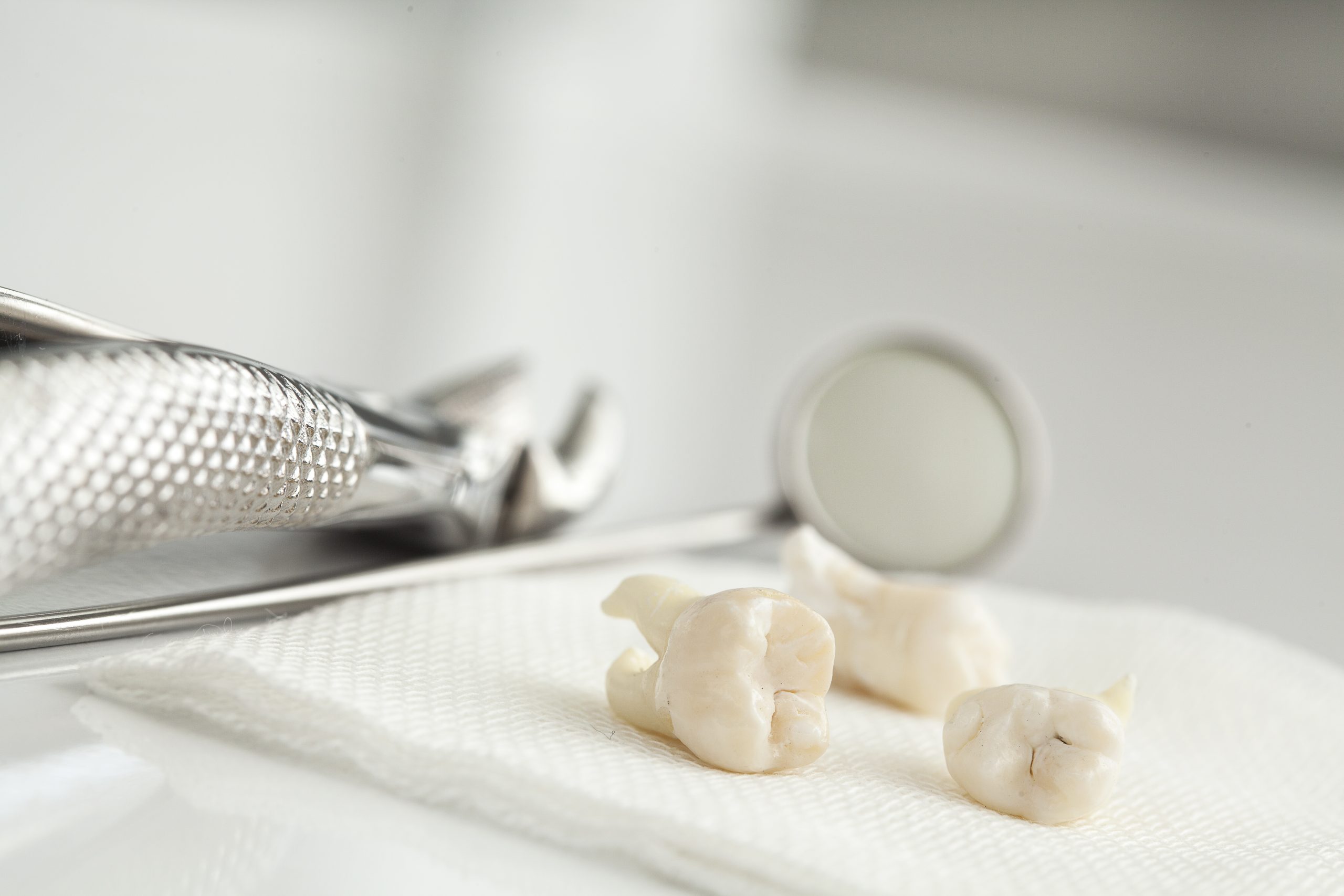
Good oral hygiene is also about what NOT to do. Avoid these habits, and your child’s teeth and gums will suddenly be worth smiling about!

  •   Brushing with the wrong brush. Always opt for soft bristle toothbrushes. Medium and hard bristles add unnecessary friction to the teeth and gums, and are counterproductive to good oral hygiene.
  •   Stop biting nails. Did you know about half of children under 18 years old bite their nails? This common habit contributes to excessive pressure on the teeth and gums. And it’s unsanitary to boot – nail biting introduces unwanted bacteria germs into the mouth cavity.

 Visit The Super Dentists – We’ll Help Your Entire Family with Good Dental Habits!

The Super Dentists is committed to comprehensive dental care, and our San Diego-area offices are staffed with some of the region’s best pediatric dentists, general dentists and orthodontists. Plus, we can ease dental anxiety with fun, innovative, immersive adventures during each visit! And remember, we’re also known for our grown up teen and teen and adult dentistry services, too!

Come see why 1 in every 5 San Diego children in San Diego is a Super kid. Book an appointment today, and give your child an out-of-this-world dental experience. Text us at (844) 765-1234, or call (855) GO SUPER (467-8737). Thanks for visiting The Super Dentists!

Healio | Oral Health as Part of the COVID Puzzle

Maintaining oral health is an important factor in overall health and may have an essential role during the COVID-19 pandemic, an expert told Healio Primary Care.

Studies have linked oral health to lung health, including one meta-analysis published in Oral Diseases that found periodontitis was associated with asthma, COPD and pneumonia.

Poor oral health has been associated with a variety of other adverse health outcomes, including increased risks for inflammatory bowel diseaseprecancerous stomach lesionscoronary heart disease and mortality, and lung and colorectal cancers.

Healio Primary Care spoke with Kami Hoss, DDS, MS, co-founder of The Super Dentists, a large group dental practice in San Diego, to learn more about the relationship between oral health and lung health and its implications during the COVID-19 pandemic.

Q: How is lung health related to oral health?

A: It has long been known that poor oral health is a risk factor in the initiation and/or progression of respiratory infections. Dental plaque can host respiratory pathogens that can be released in saliva and can then be aspirated in the lungs. Pathogens can also enter the bloodstream through bleeding gums in patients with poor oral health and disseminate to the lungs, causing a local infection. In ventilated patients, they can also attach to the endotracheal tube and be aspirated into the respiratory tract.

Q: Why is it important to maintain oral health during the COVID-19 pandemic?

A: We know that COVID-19 affects the young and the healthy differently than [older adults] and those with underlying medical conditions. Oral health impacts overall health in profound ways. The mouth is the opening to the body and pathogens find their way in via the mouth and COVID-19 is no exception.

Q: What signs/symptoms that indicate poor oral health should primary care physicians tell their patients to watch for?

A: Bleeding or swollen gums: Healthy gums should not bleed during routine brushing and flossing. Pain: Dental, gum or jaw pain could be another sign that something’s wrong.

Halitosis: Persistent bad breath that’s not due to something obvious, such as a food source, must be investigated. Sensitivity: Excessive sensitivity to cold or sweet can be due to bone loss and root exposure or cavities. Tooth mobility: In advanced stages of periodontal disease, teeth can get loose and eventually fall out.

Q: How does maintaining good oral hygiene compare with other preventive/mitigative steps?

A: Oral health is another essential piece of the puzzle when it comes to staying healthy. So, as we all put on masks near each other and wash our hands routinely, we should also be paying extra attention to the health of our mouths.

Q: Why is oral health particularly important among nursing home residents during the COVID-19 pandemic?

A: [The] pandemic’s death toll tied to nursing homes has surpassed 50,000. Periodontal disease increases in the older population. In fact, according to CDC, more than 70% of Americans aged 65 and older have periodontal disease. The infection risk is additionally compounded by presence of removal dentures where plaque can accumulate.

This article originally appeared on Healio.com

https://www.healio.com/news/primary-care/20200618/qa-oral-health-a-piece-of-the-puzzle-in-overall-health-during-covid19

Mom.com | What Type of Toothbrush is Best

For all the time you’ve spent researching the best baby products, tools, and supplies for the nursery that make life easier when your little one is born, it’s likely you’ve considered what type of toothbrush would be best for your child until that first little tooth bud popped through.

If you now find yourself wondering how to go about choosing a toothbrush, you’re in the right place. Whether your child has just started teething or is ready to take on the responsibilities of daily brushing for themselves, there are several things to consider based on your child’s age, development, ability, and preferences.

Dr. Kami Hoss, an orthodontic specialist and dentist in California, thinks finding the right toothbrush is an important first step. “Children should like, even love, their toothbrushes so they’re encouraged to use them,” he told Mom.com. “In fact, more than a third of children brush their teeth less than twice a day. There are a variety of toothbrushes with cool designs, music, and lights to make brushing fun.”

Jamie Reed agrees that making toothbrushing fun for her child is key. “I’ve been trying new things for my toddler when it comes to toothbrushes. We’ve tried electric, and now we’re trying a light-up one,” she told Mom.com

Hoss advises parents to choose carefully when deciding what type of toothbrush is best for their child. “Anything that goes in your child’s mouth needs to be safe and of high quality. Moms need to pay particular attention to the bristles,” he instructed.

When choosing any dental product for yourself or your child, be sure to look for the American Dental Association Seal of Acceptance on the packaging. Companies are required to reapply for the Seal of Acceptance every three years to be able to use it on their packaging. It is an industry-wide designation that dental products like kids’ toothbrushes are safe and effective.

If you’re wondering what type of toothbrush is best, take into consideration your child’s age and development. The following tips should help you find the best toothbrush for your child.

Best baby toothbrush options

Until your infant begins teething, simply wiping your baby’s mouth with a clean, damp, gentle washcloth after feeding will suffice in keeping gums healthy and prevent bacteria buildup. Use a gum toothbrush at nighttime to create an evening routine. As your baby grows, routines will make the bedtime transition easier.

Another option for infants is a soft gum toothbrush that fits on the tip of your finger. These baby toothbrush silicone massagers are designed for infants over the age of two months. Once your child’s first tooth erupts, a visit to the dentist is warranted. Normally this happens when your baby is around 6 months old. This visit will give you a chance to address any concerns you may have with your child’s dentist and is a good way to screen for any potential dental issues that may arise.

Choosing a toothbrush for older kids

The best type of toothbrush
For infants and toddlers, a kids’ toothbrush with a smaller bristle head and ultra-soft bristles is preferable. Children between the ages of 3 and 12 will do well with toothbrushes with a medium-sized bristle area and soft bristles.

Should I buy an electric toothbrush for my child?
According to the American Dental Association (ADA), both manual and electric kids’ toothbrushes effectively remove plaque from your child’s teeth. Often, though, an electric toothbrush may be preferred for those with dexterity problems. “The elderly, people with disabilities, or children — or those who have dental appliances, like braces, may find a powered toothbrush easier to use,” according to the ADA website.

For help choosing the best electric toothbrush for your child, consult the ADA shopping list for toothbrush brands and products that carry the ADA Seal of Acceptance.

Best toothbrush for braces

Kids with braces face additional challenges when trying to keep their teeth clean. You can help instill good dental care habits from the beginning by providing your child with the proper tools.

According to the American Association of Orthodontists (AAO), flossing before brushing your teeth is essential. In a video demonstration, the AAO suggests a reusable floss threader to pull floss underneath each arch-wire of the braces. For braces wearers, the best toothbrush will have soft bristles. Choose a toothbrush with a channel in the center. This allows the shorter bristles to brush the area around the braces while the longer bristles reach the tooth directly.

Mom of four Laura Canada Oneill offered an extra tip. “Get an electric toothbrush and water pick,” she told Mom.com. “For my older boys, the orthodontist included an electric toothbrush with round heads that worked well with braces. The water pick works well for anyone, but especially for those with braces.”

This article was originally posted on Mom.com

https://mom.com/kids/what-type-of-toothbrush-is-best-for-my-child/best-toothbrush-for-braces

Mom.com | Best & Safest Kid Toothpastes

The average adult makes 35,000 decisions each day. I’d argue that moms of young children make even more decisions. Ensuring the safety and well-being of our kids is a top priority and often even the seemingly simple decisions, like choosing a toothpaste for kids, can be fraught with challenges.

With a myriad of choices like natural toothpaste options that are sodium lauryl sulfate-free and fluoride-free, or popular brands we all know, finding the best and safest toothpaste for our kids can be difficult. Then there’s the all-important taste factor of whether a child will tolerate a standard minty-fresh taste or prefers a non-mint toothpaste option, like fruit punch, bubble gum, or watermelon.
With all of these choices, figuring out which kids’ toothpaste is the best, safest, and most effective option is hard. This coupled with making sure your child likes the flavor, and that it also fights cavities, makes for a difficult decision. Here we share some background that could help you choose a toothpaste for your kids that checks all of the boxes.

What is in your child’s toothpaste?
Most commonly, fluoride is added to toothpaste to remineralize tooth enamel, which is the case for a wide variety of toothpaste brands on store shelves. Another common toothpaste ingredient is sodium lauryl sulfate. SLS is what gives toothpaste that foamy texture that makes you feel like it’s doing its job. If you’ve ever used an SLS-free baking soda-based toothpaste, you’ll recognize the difference.
According to studies, sodium lauryl sulfate, the detergent and surfactant that causes your toothpaste to foam up, can decrease the efficiency of fluoride. The foaming agent helps remove food debris from the teeth and slough it away. People with sensitive teeth and gums may prefer an SLS-free toothpaste. It has been known to cause inflammation and increased canker sores.
This is the case for Virginia Duan, a mom of four. “I use the DoTerra OnGuard toothpaste. It is the only one that doesn’t make my mouth break out in sores,” she told Mom.com

Dr. Kami Hoss warns against using a toothpaste that contains antibiotics or alcohol. “Some toothpaste and mouthwashes can indiscriminately kill the oral microbiome, disrupting the delicate balance. They may transform beneficial microbes into a pathogenic state or allow new, more opportunistic ones to take hold,” he explained to Mom.com.

What about whitening toothpaste?

If your older tween or teen has expressed an interest in whitening toothpastes or tooth whitening trays, the general consensus is that they are safe to use.
The National Institutes of Health defines whitening toothpastes as those that contain bleaching agents like hydrogen peroxide and silica. These abrasives remove stains to lighten tooth color and may cause temporary gum irritation. For children younger than 14 who may be interested in cosmetically lightening their teeth, baking soda toothpaste may be a more natural toothpaste alternative.

Choose the best kids’ toothpaste

Choosing a child-friendly toothpaste may seem trivial, but to many families, there are myriad factors to consider. I’m fairly vigilant in researching the products I purchase for my youngest child. With research that supports the potential adverse neurological effects of fluoride in drinking water, I choose to go fluoride-free when it comes to dental care so as not to overload his system.
Similarly, for parents whose children have celiac disease or gluten sensitivities, a gluten-free toothpaste is the safest toothpaste choice. There are even traces of milk protein in some types of toothpaste, which can be fatal to those with dairy allergies. As such, anything your child consumes or goes in and around his mouth should be researched carefully. Choosing a safe toothpaste is a decision dependent upon personal experiences, preferences, and of course health concerns.
Dr. Hoss cautions parents from just choosing a random over-the-counter toothpaste and mouthwash. “You should always consult with your dentist to use oral care products that have been customized just for you and your children,” he told Mom.com.


Combat your kids’ cavities

There are other things you can do to keep your children’s teeth free from cavities. An effective cavity-fighting solution, according to the Centers for Disease Control and Prevention, is the application of dental sealants for children between the ages 6 and 11. A thin sealant layer is painted on the surface of the tooth. This prevents decay from forming caries deep in the tooth crevices.
How to prevent cavities
Following these general guidelines also helps prevent cavities and promote good dental habits.
• Dental care should start early. Use a training toothpaste and a soft bristle toothbrush to care for your toddler’s teeth.
• For younger infants and babies, wipe a damp cloth over their gums after meals to clear away bacteria.
• After your child eats fruit snacks or takes gummy vitamins, have them brush. Gummy foods are notorious for causing tooth decay.
• Refrain from offering sugary juice in a bottle.
• Keep regular dental visits to allow your child’s dentist to monitor for potential problems before they become bigger issues.

Read the original article posted on Mom.com

https://mom.com/kids/what-is-the-best-and-safest-toothpaste-for-kids

WebMD | Virtualizing the Dental Waiting Room

June 16, 2020, by The Super Dentists

Dental offices responded to COVID-19 lockdowns in much the same way as other medical professions, halting routine visits and only providing emergency care to patients in dire need.

But now that stay-at-home orders are lifting, many dentists are reopening, but with new protocols to limit infection.

Your dental appointment will not be the same, with changes from the waiting room to the dental chair, dentists say.

First off, don’t expect to spend a lot of time lounging in the waiting room, flicking through old magazines.

Many dentists are asking patients to instead wait in their car until their treatment chair inside is ready. Patients text or call to let the office know they’re outside, and use a phone or tablet to fill out paperwork, said Dr. Kami Hoss, an orthodontist in San Diego.

“Our waiting room now starts in the car. We’ve virtualized the waiting room,” he said.

Once inside, patients will be greeted at a screening table where assistants will ask about COVID-19 symptoms and take their temperature, said Dr. Kirk Norbo, co-chairman of an American Dental Association task force that developed a guide to reopening dental offices.

“We’re pretty thorough on the whole screening process at this point,” said Norbo, a dentist in Purcellville, Va.

These screening procedures should make a dental office one of the safest places in medicine to seek treatment, according to Hoss.

“Our goal is to keep this virus outside of our office,” he said. “If a patient has any symptoms that could be a red flag, we reschedule and postpone their appointment.”

You’ll be asked to wear a mask all the way through the office, removing it only when you’ve settled in the dental chair.

You might also notice fewer people in the office. Practices are trying to space out appointments to minimize the number of folks in the building at any given time, Norbo said.

Patients are also being asked to limit the number of people they bring to an appointment. That could mean that parents leave their kids at home with a babysitter, or that parents of older kids might be asked to wait outside while their child is treated, Hoss said.

Dentists will use text or video messaging to communicate what treatment a child is receiving and what the parent needs to know about aftercare, Hoss said.

Once you’re in the chair, many things will look much the same, because dentistry has long focused on infection control to prevent the spread of H1N1 flu, HIV and other dangerous pathogens, Norbo said.

But you are liable to see your dentist and hygienist more fully decked out in personal protective equipment.

“They’re going to see more of that ‘Star Wars’ look,” with staff wearing gowns and face shields and masks, Norbo said.

There also will be some changes in procedure specifically designed to prevent the spread of a respiratory bug like SARS-CoV-2, the new coronavirus that causes COVID-19.

For example, San Francisco-based dentist Dr. Nammy Patel gives her patients a mouthwash containing hydrogen peroxide and salt to kill off any germs that might be lingering in their mouths.

“It’s been documented that the coronavirus is killed by peroxide and saline,” she said.

Don’t expect to be asked to spit, either. Patel said she suctions out the mouthwash, as well as any saliva or water that might build up in your mouth during cleaning or dental work.

“We don’t even give them the opportunity to spit,” she said.

Patel also has invested in an additional vacuum device that remains about 2 feet from the patient’s face to suck up any droplets that might fly out of the mouth.

“There are a lot of unknowns when it comes to COVID,” Patel said. “I’d rather be the helicopter mom and overdo it rather than underdo it.”

Dentists and hygienists working with a patient are being encouraged to choose methods that will reduce the amount of aerosol coming from the mouth as well, Hoss said.

Instead of drilling, a dentist might use chemicals and instruments to remove composite material, he said. Hygienists will use traditional metal hand instruments to remove plaque, rather than newfangled ultrasonic cleaners that tend to create a lot of spray.

Just remember that if you’re trying to see your dentist and you don’t have an appointment, it might be a while before you’re able to get in.

People who missed their cleanings during the two months of lockdown are now trying to reschedule. That, on top of folks already scheduled for dental work and the need to space out dental appointments, is creating a bit of a logjam in some offices, Norbo said.

“I’m amazed at the rebound of the patients,” he said. “We’re slammed right now. We’re getting booked up like it’s pre-COVID days.”

More information

The American Dental Association has more about dentists reopening their offices.

Copyright © 2020 HealthDay. All rights reserved.

Read the original article from U.S. News and World Report here

Dental Offices Reopen With Big Changes Due to COVID-19

Changes are underway at dental offices, and there’s some confusion over the California guidelines for re-opening. Some dentists aren’t clear on what’s essential.

Dentist offices have been closed to patients for several weeks for non-emergency procedures, but now that they’re opening up, what will your next visit look like as many offices are asking their patients to wear masks.


“Every person that walks in the office must wear a mask. We’ll screen our staff and doctors,’ said Dr. Kami Hoss, CEO and co-founder of The Super Dentists, which has six offices throughout San Diego County.

The Super Dentists plans to reopen on Monday, but not like before the coronavirus pandemic.

“Many offices, including mine, have set up virtual waiting rooms. Patients can check in from the comfort of their cars,” Hoss said.

Some dental offices will no longer offer magazines and other reading materials while patients wait.

“Lobbies are going to look very differently. We have pediatric practices, so we have toys out and coffee and people walking around hugging each other and playing video games, so that just going to look a little differently” Hoss said.

There was much confusion on when dental offices could safely reopen. The State recently issued COVID-19 Guidance for Resuming Deferred and Preventative Dental Care to California Dental Health Care Personnel.

Then San Diego County released regulations that reads: “Nothing in this Order shall prevent dentists or dental hygienists from conducting routine preventive care provided it conforms to any applicable State guidance.”

“We’ve spent the last six or seven weeks that we’ve been closed working very, very hard to get our offices ready. We feel we’re there,” Hoss said.

What may not be ready is the staff.

Dr. Jack Chan of Oceanside’s California Coast Dental said he can’t fulfill the State’s Guidelines and the Requirements for his PPP Loan at the same time, writing: “How can I rehire furloughed employees when those same employees aren’t allowed yet to do cleanings and other elective dentistry, and they make more money collecting unemployment?”

Chan said business owners are struggling to find help because employees earn more sitting at home rather than working, and he said he sent letters to Rep. Mike Levin regarding the dilemma but never received an answer.

“The PPP thing has been kind of a mess when it comes to dental offices and any business closed,” Hoss said.

Many dentists feel they’re hands are tied in what they can and cannot do, especially as dentistry is mostly paid by insurance, which takes time to get the money to the dentist and employees.

“When the offices open, they’re going to be in a really tight situation, waiting for the revenue to start building up,” Hoss said.

There are also concerns about personal protective equipment shortages, which Hoss said is problematic because dentists “are working in the mouth, so it is critical that we protect our dental professionals.”

Also, cavities and tooth aches don’t pause just because we’re in a pandemic. Hoss said the number of emergencies and the severity of those cases have been increasing on a daily basis.

He anticipates dental offices will see a delay in getting their appointments caught up and advises elderly patients with underlying conditions to postpone some cosmetic procedures.

Here is a link to the original article from the CBS News 8.

Dr. Kami Hoss: Good Dental Hygiene Boosts Chances Against COVID-19

As the State of Nebraska and city governments across the Great Plains battle the spread of COVID-19, scientists are racing against the clock to find a treatment for the virus that has killed numerous thousands globally while grinding local economies to a halt. Cable news channels and other media have been constantly covering the war against this pandemic, yet they have missed an essential piece of the puzzle: oral health.

While this idea is true for all ages, it’s particularly important among senior citizens who are falling victim to COVID-19 more than any other demographic. For instance, the disease has now amassed a death toll of more than 10,000 people in nursing homes. And COVID-19 doesn’t discriminate according to seniors’ social status: It is taking the lives of well-known individuals like Midwestern singer John Prine, actress Lucia Bosè and renowned neurosurgeon James T. Goodrich.

By itself, the act of brushing, flossing, and rinsing won’t save people from getting COVID-19, but it is an important item for staving the disease off. The mouth is the gateway for pathogens such as bacteria, viruses, or other kinds of microorganisms — which can cause disease — to find their way into the body. COVID-19 is no exception.

How oral health relates to developing a pulmonary infection: Similar to cold and flu viruses, COVID-19 gets transmitted via respiratory droplets that then invade our mucus membranes and multiply within our respiratory system. This condition, in turn, causes pulmonary infections like pneumonia and other respiratory complications.

What exactly is a pulmonary infection, and what does it have to do with our mouth? A pulmonary (lung) infection is caused by a virus, bacteria, or even a fungus. Pneumonia is one of the most common pulmonary infections, particularly among those with COVID-19. If a person with COVID-19 sneezes or coughs, the droplets they put into the air or on the nearby surfaces can infect people who breathe in the pathogens or transfer them to their mouths, eyes, and/or nasal passages by their contaminated hands.

In your mouth, dental plaque can host respiratory pathogens that can be released in saliva. Oral and respiratory microbes can also attach to the endotracheal tube in ventilated patients. Pathogens from both the tube and saliva can be aspirated into the respiratory tract or enter the bloodstream through bleeding gums (periodontal disease) and then, in turn, disseminate to the lungs.

Poor oral health can, therefore, predispose individuals to pulmonary diseases and other health complications.

Not coincidentally, periodontal disease increases in the older population. According to the CDC, 70% of Americans age 65 and older have periodontal disease. The infection risk is additionally compounded by poor oral hygiene and the presence of full or partial dentures where plaque can accumulate.

The link between oral health and lung health has already been the subject of several studies. A recent study in Spain found that visiting the dentist in the previous month was an independent protective factor for pneumonia, likely because cleanings improved oral health and reduced respiratory pathogens and potential inflammation.

While dental offices in Nebraska will soon start to reopen, in-home hygiene remains critically important for warding off coronavirus. People can brush and floss daily and nightly, first of all. Also, individuals with poor oral hygiene and those who have difficulty with brushing and flossing can use oral rinses, such as hydrogen peroxide and chlorhexidine mouthwash, that are available for home delivery via many online retailers. In addition, to promote oral health, seniors and others with dentures should remove them before sleeping.

So, as we all put on protective masks and surgical gloves to enter our local grocery store, remember that a healthy mouth maintains a healthy body and that we are all being called upon to be dental pros to protect our health.

Here is a link to the original article from the Omaha World-Herald.

Wisdom Teeth: Everything You Need to Know

Wisdom Teeth: Everything You Need to KnowHow much wisdom do you have about wisdom teeth?
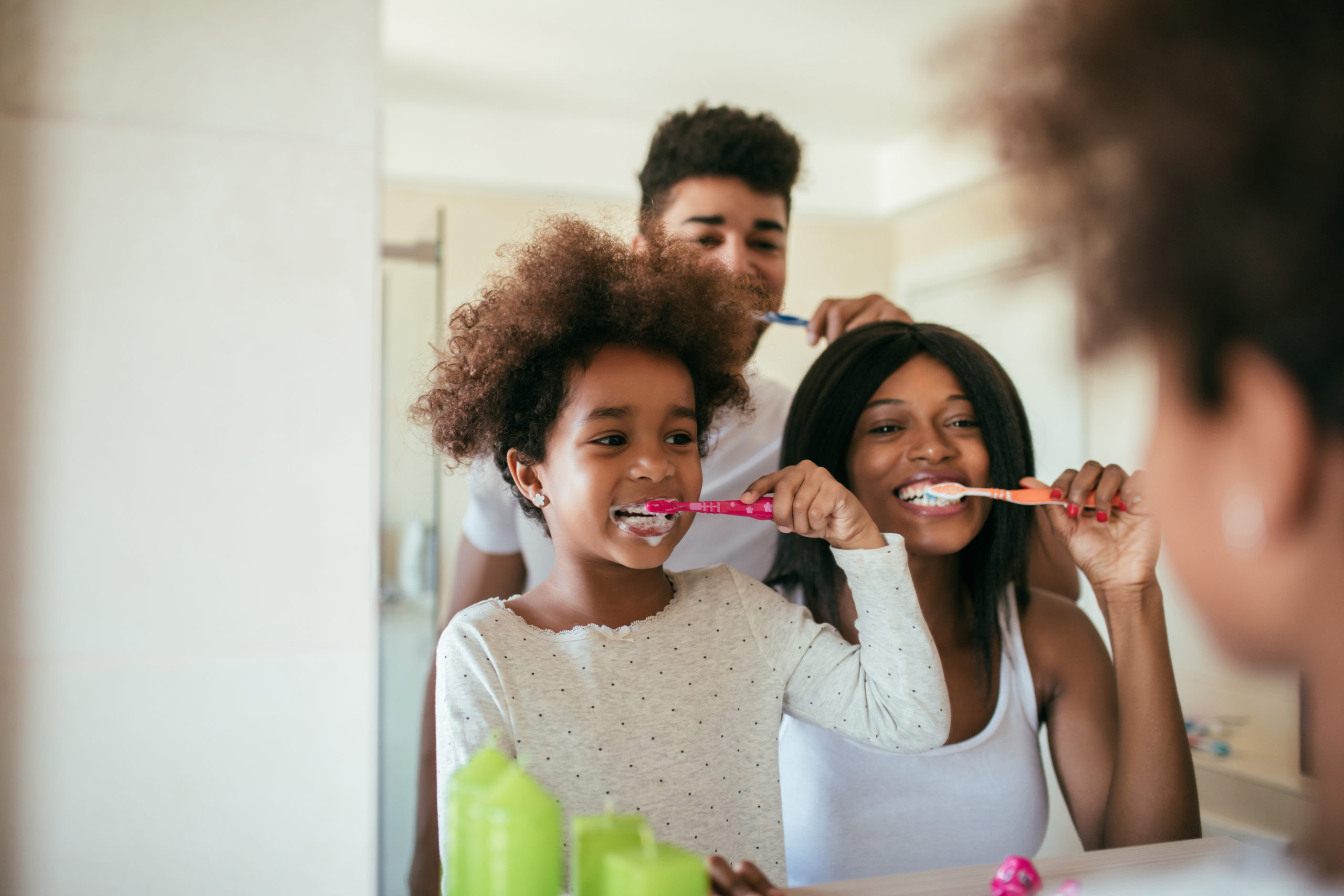
Many of our patients here at The Super Dentists have questions about wisdom teeth. Our pediatric dentistry performs wisdom teeth extractions all the time, while our teen and adult dentistry also assists with wisdom teeth services for adults.

Do all people get wisdom teeth? What happens if they come in? Is there a “best” time to get them removed? There are so many questions – and we have the answers!

What are Wisdom Teeth? When Should Wisdom Teeth be Removed?

Wisdom teeth are also called the “third molars.” They are the ultimate late arrivals to the tooth party in your mouth: unlike most teeth, which surface during early childhood, wisdom teeth come in around the ages of 17 – 23. .

In contrast to other teeth, wisdom teeth typically come in when all available space is already taken. The mouth is a “first come, first serve” real estate market – space is always at a premium, particularly for the set of molars in the back of the mouth.

That means that when wisdom teeth come in, they’re usually misaligned, causing alignment problems for nearby teeth. What’s more, wisdom teeth can also be “impacted.” This means that they are only partially through the soft tissue of the gums, creating a risk for infections and bacteria. Dentists often remove wisdom teeth due to these alignment and infection issues.

Many people opt to have their wisdom teeth removed during their teenage years, while others have them taken out in early adulthood. 

This set of teeth  is usually removed between the mid-teens and early twenties, though exceptional circumstances like early impacted teeth early or severe misalignment may shift that timeline.

It’s important for your oral health that you get them removed if they’re causing you pain or discomfort as a young adult. 

What Happens If You Never Get Your Wisdom Teeth Pulled Out?

If you need to remove your wisdom teeth and don’t, your bite may become misaligned. Severe mouth pain is another possible result. Plus, the risk of infection also increases, especially if you have impacted wisdom teeth. 

However, some people have enough room in their mouth to accommodate the late arrival of third molars and never have to have them removed.

So what happens depends on an individual’s teeth alignment and configuration and whether their wisdom teeth are impacted. If there’s no effect on existing teeth alignment and the wisdom teeth aren’t impacted, there is no pressing need to have wisdom teeth taken out.

Does Everyone Have Wisdom Teeth? 

Here’s one of the more curious facts about wisdom teeth: contrary to popular belief, not everyone has them. A recent study concluded that up to around one-third of the population never develops wisdom teeth in the first place. Another research project (using a much smaller sample size) put the rate at approximately 25%.

Facts About Wisdom Teeth

Want to get “wise” about wisdom teeth? Check out the following list of interesting facts about wisdom teeth.

  1. Wisdom teeth are a remnant of evolutionary development. Our ancient ancestors needed extra molars to tear and chew food. Now that we have prepared meals and processed foods, we no longer need third molars.
  2. Not everyone has the same number of wisdom teeth. The number of wisdom teeth ranges from 0 to 4. Some have none; others have all 4.
  3. Some people get their wisdom teeth early – or unbelievably late. Some wisdom teeth arrive in early to late childhood. But the strangest case of late-arriving wisdom teeth occurred in 2007. Robert Gray had a wisdom tooth discovered during a routine dental cleaning – at 94 years old!
  4. About 90% of the population has had at least one impacted wisdom tooth.
  5. After extraction, some people keep their wisdom teeth as a token of good luck.

Can Wisdom Teeth Cause Headaches? 

Yes, wisdom teeth can result in pain and headaches for a number of reasons. The growth of these teeth can cause discomfort in the jaw which leads to headaches. They put pressure on the surrounding nerves and tissues which leads to pain that spreads to other areas of your head. 

For some, sinus headaches are commonly caused by these teeth as well. This happens when the emerging teeth push against your sinuses which can feel like pressure in your head. 

Can Wisdom Teeth Grow Back?

Wisdom teeth will not grow back once they’ve been removed. They are the last set of teeth to develop. 

If wisdom teeth have been fully extracted, the tooth and its root have been removed, and it is not possible for them to grow back. 

However, in some rare cases, there may be an additional tooth bud that can cause the growth of another tooth, which can be mistaken for a regrowth of a wisdom tooth. In such cases, the additional tooth may need to be extracted.

Does Wisdom Teeth Removal Hurt? 

The process of getting these teeth removed may cause discomfort and you’ll feel some pressure but you should not experience any pain. We’ll provide local anesthesia to numb the area around the extraction site. 

After the procedure, it’s common to feel some pain but it can be managed with over-the-counter pain medication or a prescription. 

It’s important to follow the aftercare instructions, which may include avoiding certain foods or activities, keeping the extraction site clean, and taking any prescribed medications as directed. 

By following these instructions, you can help minimize any pain or discomfort and promote a faster and smoother recovery.

What are Signs of Wisdom Teeth Coming In? 

If you or your child are concerned about these teeth coming in, here are some of the signs you can look for. 

Pain or discomfort in the back of the mouth: As your wisdom teeth emerge, you may feel discomfort or pain in the back of your mouth, especially when eating or talking.

Swollen or tender gums: The gums around the emerging teeth may become swollen, tender, and red. This can make brushing and flossing more difficult and uncomfortable.

Crowding of teeth: As wisdom teeth emerge, they can push against the surrounding teeth, causing them to shift and become crowded. This can lead to bite problems and make it more difficult to clean your teeth.

Jaw stiffness or soreness: The pressure from the emerging teeth can cause stiffness or soreness in the jaw muscles.

Headaches: In some cases, the pressure from the emerging teeth can cause headaches, especially in the temples or forehead.

Bad breath or taste: As the emerging teeth push against the gums, they can create pockets where bacteria can grow, leading to bad breath or a bad taste in your mouth.

For Wisdom Teeth Removal to Other Pediatric Dental Service, Visit The Super Dentists Today!

With 6 offices across the San Diego metro area, The Super Dentists is the preferred pediatric, teen, and teen and adult dentistry practice throughout the region. Our unique approach to dental care has made us the largest, most trusted, and top-awarded dental network in Southern California. Come and see why 1 in 5 kids in San Diego is a Super Dentists kid! Book your visit today – we look forward to seeing you soon.

Bristle Softness: Choosing the Right Toothbrush

How important is choosing the right toothbrush? Considering that oral health is linked to overall well-being, it’s probably more critical than you think. Poor oral health is associated with a host of diseases and maladies, including diabetes, heart disease, obesity and more.

Choosing the right toothbrush is one of the most important decisions you can make for your health!

But with so many toothbrushes to pick from, which one should you use? This is one of the most common questions The Super Dentists hears from our patients.

Let’s take a look at different types of toothbrushes, bristle softness and other information to consider when choosing the right toothbrushes for you and your family.

All About Bristles: Soft vs. Extra Soft Toothbrushes

Choosing the right toothbrush starts with selecting the optimal bristle texture. There are three types of toothbrush bristles: soft, medium and hard. The Super Dentists recommends soft toothbrushes because they are gentle enough to protect your gums, yet flexible enough to access and remove tough-to-reach food particles, bacteria and other substances that can get stuck in the teeth.

Soft bristle toothbrushes also include an “extra soft” option that is ideal for toddlers and children still teething, or who have recently had their baby teeth come in. If you have children under the age of 5, use soft or extra soft toothbrushes).

If youre child is older than 5, , even though the gums are robust enough to handle a slightly “harder” bristle, we still suggest using soft bristles.

A quick note on brush size: small head brushes are preferable to regular heads, since they’re able to access more areas of the mouth, teeth and gums.

Which Types of Toothbrushes Are Right for My Family?

There are two main types of toothbrushes: the trusty old manual toothbrush and the electric toothbrush. Most people opt for a manual brush, while others swear by electric toothbrushes.

Which one is right for you? The Super Dentists co-founder, Dr. Kami  , explains some of the benefits of manual and electric toothbrushes. “Manual brushes are gentler on teeth and can be more comfortable with kids who are losing lots of baby teeth. Kids need to learn how to brush correctly and develop good hand dexterity which manual brushes teach them to do. Manual brushes are also less expensive,” he said.

“Electric toothbrushes can be easier to use especially for kids with less hand dexterity,” Dr. Hoss added, but sometimes they create a false sense of correct usage if the toothbrush is just rotating and kids are not using correct brushing techniques.”

The Super Dentists recommends either/both electric or manual as long as whatever kids are using gets them excited and motivated to brush their teeth and brush them correctly, said Dr. Hoss.

The Super Dentists offers the perfect combination of manual and electric toothbrushes with our exclusive musical dental cleaning accessory for kids: The Super Toothbrush. Available in four different designs (DR. HAVEONESUPERSMILE, THE TOOTH KERI, CAVITAR and MOLAR), The Super Toothbrush is a manual toothbrush with a special twist. It plays a 2-minute song to keep kids brushing for the recommended amount of time.

Visit The Super Dentists for Family Friendly Dental Care & Much More!

The Super Dentists is San Diego’s premier dental care network, with six locations throughout the greater metro area. Our mission is simple: to reinvent and transform the dental experience for children.

Stop by and see why 1 out of every 5 kids in San Diego is a Super Dentists kid. From highly-skilled pediatric dentists, general dentists and orthodontists to state-of-the-art dental technologies to lounges an amenities for kids, teens, and parents, The Super Dentists provides exceptional care while making a visit to the dentist fun!

Book your visit today and experience the best pediatric, orthodontics and parent dental services in Southern California.

Healthy Teeth and Gums Start Young: Teaching Kids Good Oral Hygiene

Are you having trouble getting off on the right foot (or maybe the right tooth?) with your kids’ oral hygiene habits? You’re certainly not alone—one of the biggest challenges parents face is teaching kids about oral hygiene.

The Super Dentists knows the importance of instilling positive dental care habits at an early age. With tooth decay rates higher than ever, it’s always a good idea to start a sustainable, practical dental care schedule as early as possible. As the preferred dental care provider for parents and children across San Diego, The Super Dentists is well-equipped to help you and your kids establish lifelong positive habits.

Oral Hygiene Habits from the Experts

Good dental habits are essential for overall health and well-being. But it’s one thing to learn about these habits and quite another to put those behaviors into practice.

The Super Dentists reached out to those in the know about this subject—including concerned parents, bloggers and other children’s health advocates—for their take on teaching kids about oral hygiene. Their responses are informative, succinct and applicable for anyone interested in teaching kids about oral hygiene.

We realize there’s no one-size-fits-all solution to this challenging task. But with sound advice from those who’ve been there and done that, we hope you find tips worth trying.

For Alexandra Fung, CEO of Upparent, dental anxiety proved to be a major hurdle on the journey to good oral health. “When my older kids were preschool-aged, they were both afraid of the dentist,” said Ms. Fung. “The number one thing that helped them overcome their anxiety was to explain the process to them, so they knew what to expect and what was happening at every stage of the visit.”

Ms. Fung’s children fought a fear that afflicts many young kids.. Thankfully, cooperative and caring dental care professionals helped them overcome their dental anxiety. “The dentists and hygienists that most helped them overcome their fear were those who engaged in this instruction as they went through the consultation as well, speaking to the children directly and answering their questions as they came up. With my youngest child, we are still at the stage where we need to convince him to brush his teeth every day!”

Ms. Fung’s concern about dental anxiety is widespread among many parents and kids. That’s one reason why The Super Dentists’ patient-friendly offices include augmented reality experiences, colorful characters and plenty of fun activities to lessen the worry associated with dental visits—especially anxiety about that ever-important first trip to the dentist! If your child is especially anxious, let our Super Crew know when you’re scheduling your visit. We also advise arriving a bit early so your child has a chance to acclimate before they are called back. The Super Dentists offers fun activities that will give your child a positive association with going to the dentist.

A solid foundation of dental knowledge starts at home. Charlene Hess, who runs the homeschool blog called Hess Un-Academy, illustrates how positive routines can assist in teaching kids about good oral hygiene habits. Part of this encouraging reinforcement isn’t just about memory—it also involves using melody!

“We taught our kids how to brush their teeth with one small trick – we would sing a song!” Ms. Hess explained. “I would pick a short and sweet song (usually the ABC’s, but not always) and would sing this song while I brushed their teeth.  I could slow down the song or speed up the song or make funny voices. This technique kept the kids distracted and entertained while I got their teeth cleaned. I don’t know if this was a coincidence or not, but none of my kids have ever been afraid of the dentist.”

The Super Dentists is definitely “in tune” with Ms. Hess’s line of thinking. We designed our popular Super Toothbrush for sing-along activities, with a built-in two-minute song (the recommended time for brushing). The best chance to develop positive dental health starts young, and our Super Toothbrush is an ideal way to instill habits that last a lifetime. With four characters, colorful graphics and ergonomic design, our brushes enable any child to enjoy their own super brushing experience.

Teaching kids about oral hygiene is sometimes more about what NOT to do than about following a particular set of guidelines. Cendu Param of the Cenzerely Yours blog stresses that too much bottle time before bed can lead to dental problems. “We make sure we don’t ever give our little guy a bottle to fall asleep with,” explained Ms. Param. “This pretty much guarantees you’ll end up with cavities so don’t do it! He has his last milk well before bed and then he has his nightly ritual of brushing his teeth, bath time, PJs, a story and off to bed.”

Consistency and establishing a routine is always important. “Because we’ve been consistent, he already knows what to expect. We don’t even have to prompt him anymore, he knows his day begins and ends with brushing his teeth,” said Ms. Param.

Regarding dental visits, Ms. Param sets a positive example—literally. “Going to the dentist can be scary whether you’re young or old. I absolutely hated it as a child! You can make the transition easier for your little one by letting them watch you first.” Many parents don’t realize they can pass on their fear or anxiety about visiting the dentist on to their children. Even if visiting the dentist is not your most favorite activity, try to talk about it in neutral terms, so your children won’t key in on your feelings. Setting a positive example is one of the best things parents can do.

Visit The Super Dentists for the Best Pediatric Dental Care in San Diego

The Super Dentists is here to help with all of your pediatric dentistry needs. From super-cool toothbrushes to a wealth of information and resources for parents, we’re the #1 advocate and provider of quality dental care throughout San Diego!

Parents and kids are encouraged to visit our Patient Education portal, which boasts an incredible assortment of patient-friendly resources. Explore helpful information on dental emergencies, daily care tips and tricks, general and orthodontic information and much more. The Super Dentists is passionate about giving our patients the most comprehensive information—after all, dental health is essential for the entire family. That’s why our online knowledge base continues to grow all the time. If you can’t find what you’re looking for, feel free to visit your nearest Super Dentists office and let us help you.

We also offer teen dentistry and teen and adult dentistry which enables families to schedule appointments together for the ultimate convenience. We look forward to seeing you at The Super Dentists soon.

How Often Should Kids Go to the Dentist?

How often should a child see a dentist and how do you know if your pediatric dentist is looking out for you and your child? Believe us, we understand where you’re coming from.

One thing’s for sure, though: you should never wait until it’s too late for preventative dental care. If your child’s first trip to the dentist office is to take care of a dental emergency, you definitely waited too long!

To determine the best course of action for your child’s dental care, the better question is: how often should I take my child to the dentist? There are no rock-solid benchmarks for recommended dentist visit frequencies, but it’s always best to err on the side of better dental health – in other words, when in doubt, go ahead and schedule an appointment.

The Super Dentists, San Diego’s premier pediatric dentistry, always puts your child’s dental health first, all while making each visit totally fun and memorable. One in every five San Diego children is a Super Dentists kid – and thanks to our unique, patient-first approach, children can’t wait to visit our dental offices!

The Importance of Regular Dental Care for Children

Given the current state of pediatric dental health [CB1] in California and across the United States, it’s normal to think about when to take your child to the dentist. Consider these sobering statistics:

Clearly, there’s work to do in improving pediatric oral health in the U.S. What’s truly alarming is that bad dental habits as children are the primary reason for cavities, tooth decay, gingivitis, and other dental health problems in adults. According to the U.S. Centers for Disease Control and Prevention (CDC), almost one-third of adults have untreated cavities – in other words, they’re not even aware they have cavities in the first place. Just like children, adults need to visit the dentist on a regular schedule.

How Often Should a Child Go to the Dentist? – First Visits, Frequency & More

Your child’s first dental visit should occur when their first baby teeth  come in. If no teeth appear within your child’s first 12 months, schedule an appointment shortly after their first birthday. Please note that this is the latest you should visit the pediatric dentist; if other problems occur (such as tongue-ties, poor oral habits, etc), take your child to the dentist earlier.

As far as frequency, most dental professionals – including The Super Dentists – recommend children should visit the dentist at least twice per year.

But, don’t take it just from us. The American Academy of Pediatric Dentistry recommends that your child see a dentist every six months as well.

Two trips to the dentist on an annual basis help ensure:

  • Teeth are aligned correctly.
  • Minor issues don’t become serious oral health problems.
  • Teeth are protected from cavities and decay.
  • Familiarity and trust are established with their dentist – this is very important for young children.

Signs of Early Tooth Decay in Children

Oral hygiene is so important from a young age. It teaches your children how to properly take care of their teeth. Here are some things to look out for when your child’s teeth are just starting to come in:

White Spots: The appearance of chalky white spots on the teeth may indicate the beginning of tooth decay.

Tooth Sensitivity: Children experiencing pain or sensitivity when consuming hot, cold, or sugary foods and beverages may have tooth decay.

Tooth Discoloration: Discoloration or darkening of the tooth enamel could be a sign of decay.

Bad Breath: Persistent bad breath, even after brushing, can be an early indication of tooth decay.

Toothache: Unexplained toothaches or spontaneous pain in the teeth could indicate decay or cavities.

Difficulty Chewing: If your child shows signs of discomfort or difficulty while eating, it could be due to tooth decay.

Swollen Gums: Swelling or redness in the gums around a particular tooth may suggest decay or infection.

Visit The Super Dentists Today – We’re the #1 Pediatric Dental Network in San Diego!

The Super Dentists continue to reinvent and transform pediatric dental care. Rethink “traditional” trips to the dentists with our completely unique dental experiences!

Pop quiz! How often should kids go to the dentist? Has it been over six months since your child’s last appointment? If that’s the case then you’ll want to schedule a dental visit right away!

With a handful of offices in and around San Diego, we’ve made it easy to connect with our team of pediatric dental consultants. Thanks for visiting the Super Dentists – we look forward to seeing you and your child soon!

What Is A Family Dentist? And How Are The Super Dentists Different?

Do you see a family dentist? Are you even sure what a family dentist is?

Those are two essential questions for your family’s overall dental health. Since the link between teeth and gum health is directly tied to your physical well-being, it’s important to know where your family is getting treated and who is treating them. It helps to know the services and procedures a family dentist offers – and how they are different from other dentists. 

The Super Dentists, San Diego’s largest, most trusted and top awarded Pediatric Dentistry, Teen and Adult Dentistry and Orthodontics Practice, is sometimes referred to as a family dentistry. While we offer many of the same services as a family dentist, we go way beyond traditional family oral healthcare by providing a wide range of services for the whole family, from toddlers and children and teens to parents.

Let’s examine some of the typical services you’ll receive at a family dentist practice, along with all the “extras” available at The Super Dentists.

What to Expect at a Family Dentist

A family dentist offers general dental care for patients of all ages. These services include:

  •         Teeth cleaning
  •         Root canals
  •         Whitening procedures
  •         Fillings
  •         Dentures
  •         Bridges, caps and crowns
  •         Orthodontic care (some family dentists offer this, but not all)
  •         Other general dental work

The Super Dentists will gladly see your whole family. But we’re not a family dentist in the traditional sense. Sure, we provide the same patient-friendly care, but that’s where the similarities end. The Super Dentists is unlike anything your family has experienced within the field of dentistry and orthodontic care. So how do The Super Dentists differ from family dentist practices?

  •         Engaging environment. From our virtual reality app to our cavity-fighting toothbrushes, The Super Dentists strives to constantly reinvent and transform the dental experience. If you think going to a dentist means a boring waiting room and Muzak playing, The Super Dentists will turn that perception upside down with a combination of a fun, colorful interactive lounge for kids with games and movies and costumes, combined with the highest quality dental care using state-of-the-art technology
  •         Comprehensive resources. Unlike other family dentist practices that may cover the basics, when you visit The Super Dentists website, you’ll find an informative blog, a full slate of educational resources, recent news stories, a list of events we sponsor and participate in and much more. We think patients deserve the best resources to make the best decisions about their oral healthcare. Our website reflects ever-expanding content – it’s just one more way we’re different from family dentists!
  •         Full-service capabilities. The Super Dentists goes the extra mile (and farther) to ensure your family receives the latest treatments to achieve super smiles. We offer everything from AADvance Braces™ to Clear Aligners® to teeth-whitening techniques and so much more.
  •         Complete orthodontic care. From the most advanced braces and a menu of innovative teeth alignment options, The Super Dentists offers the most comprehensive orthodontic care available in San Diego, led by our acclaimed orthodontists and support staff.

Stop By The Super Dentists for “Above and Beyond” Dental and Orthodontic Services

The Super Dentists is committed to providing the best dental and orthodontic care in the greater San Diego region. With five area offices (soon to be six!), a fully accredited staff, cutting-edge treatments and an understanding of how to best serve kids and adults of all ages, we’re here for you and your entire family.

If your family dentistry has left you wanting more, or if you’re ready to experience fun, full-service dental services you can’t get anywhere else in Southern California, visit The Super Dentists today. Our award-winning dental practice focuses on complete, comprehensive care.

Come and see why one in every five San Diego children is a Super Dentists kid! Our philosophy is simple and straightforward: every child deserves a smile that reflects their unique character and personality. To that end, we’ve reinvented and transformed the dental experience in a way that’s fun, informative and entertaining for every patient. We create dental visits that are as extraordinary as your child. 

Schedule an appointment today, or give us a call at 1 (855) GO SUPER. For added convenience, you can also text our dental care consultants directly at 1 (844) 765-1234. We look forward to seeing you soon.

How to Get Kids to Brush Their Teeth – Teaching Dental Hygiene

Understanding how to get kids to brush their teeth as part of good dental hygiene is no small feat. Dental hygiene is not just a good idea for children; it’s crucial for their overall health. In fact, according to the American Academy of Pediatric Dentistry, tooth decay is the single most prevalent chronic disease in childhood, and rates of pediatric cavities are on the rise. As a parent, you’re correct to ask not only “how long should kids brush their teeth for” but also “how can I help my child develop lifelong good oral habits?” At The Super Dentists, our team is committed to providing top-notch “super dentistry” services for the whole family at our offices serving the greater San Diego area. Check out answers to common questions about teaching dental hygiene to children, and contact us to schedule a consultation.

How to Get Kids to Brush Their Teeth – Frequently Asked Questions

At The Super Dentists, parents frequently ask us how to keep their children’s dental health on track. Below are some of the most common questions we hear, plus some kid-centered answers to questions like how to get kids to brush their teeth and how long should kids brush their teeth for.

What age should I start teaching my kids to brush their teeth?

It is never too early to start teaching your children to brush their teeth. In fact, the National Institute of Health reports that a whopping 42 percent of youth age 2 to 11 years old have dental caries (cavities) in their primary (“baby”) teeth. To take preventative measures, get a jump start on your kids’ learning by introducing the concept of regular brushing as soon as their first tooth emerges.

How do I get kids to brush their teeth?

Children are naturally curious, so understanding how to get kids to brush their teeth means knowing how to get them asking questions. Starting from a young age, you can brush your teeth around your kids and explain to them what you’re doing, and why it’s important.

Education paired with engagement and consistency will get your kids excited to brush their teeth. You can also explain the mechanics of tooth decay in an age-appropriate manner. Try this: food gets stuck in our teeth when we eat, which will grow bacteria if you don’t remove it with proper brushing and flossing – this bacteria leads to cavities, gum disease, and bad breath! Then, explain that proper dental hygiene (brushing and flossing) helps our smiles stay healthy, which in turn helps us feel happy and confident.

How should I introduce tooth brushing to my kids?

Setting a good example is your first line of defense in learning how to get kids to brush their teeth. Brush and floss in front of your child twice daily so that dental hygiene is the norm in your household. When your child is old enough to begin brushing his or her own teeth (around two years old), supervise your child so that he or she brushes and flosses completely (don’t forget along the gum line, gums, all tooth surfaces, and tongue!). Make tooth brushing fun for kids. Let them select their own toothbrush, select a two-minute-long song for them to brush to when the song ends, that’s when they’re done brushing.

Include them in your own dental health and bring them along to your dental appointments. The Super Dentists provides comprehensive dental services for parents in addition to pediatric dentistry, for a whole-family care experience.

What does “proper dental hygiene” look like for babies and small children?

As soon as babies cut their first tooth, their teeth need the same daily care we give adult teeth. Use a washcloth or a soft-bristled (infant) toothbrush to gently clean the teeth and gums for two minutes at least twice a day, including before bedtime. For kids under two years of age, use a tiny “smear” of toothpaste, and for kids older than two years of age, use a pea-sized amount. Once a child has two teeth that touch each other, the time is also ripe for beginning twice-daily flossing. Ask your pediatric dentist for additional, customized strategies to maintain your kids’ dental health.

How long should kids brush their teeth for?

“How long should kids brush their teeth for” is one of the most common questions we hear at The Super Dentists. Your child should brush his or her teeth for about two minutes twice a day, including before bedtime. If your child will not or cannot brush for the full two minutes, brush his or her teeth yourself to make sure you hit the two-minute mark. Using songs during brush-time or toothbrushes with a timer built-in can be helpful reminders while building this routine. Teach your child to brush the surface of the teeth, including the chewing surfaces, front, and back of the teeth, as well as the gum line, gums, and tongue. Use floss to clean between each tooth and floss gently under the gumline.

When do kids need to see a dentist?

In addition to daily at-home preventative care, take your child to the dentist when his or first tooth comes in, and no later than the child’s first birthday. Twice-yearly dental visits are recommended to prevent cavities and other dental problems.

How to Get Kids to Brush Their Teeth – More Information

For more information on how to get kids to brush their teeth or to schedule an appointment, contact the Super Dentists, welcoming patients throughout San Diego County. We also invite you to visit The Super Dentists’ blog, which contains articles and videos for parents and kids alike. Whether you need pediatric dentistry, orthodontics, Teen and Adult Dentistry or other services, our friendly, experienced team is here to help. We look forward to providing outstanding child-centered care for which The Super Dentists is known.

Introducing The Super Dentists Super Toothbrushes!

From poor brushing techniques to using the wrong toothbrush to not brushing long enough, there are plenty of things that can go wrong with kids’ dental care. Many children find taking care of their teeth a chore, with some bore thrown in for good measure. But there’s hope – The Super Dentists is putting the “fun” back in toothbrushing for children – by introducing The Super Toothbrush by The Super Dentists.

With four designs featuring The Super Dentists superhero and villain characters, our toothbrushes help encourage good oral health for all children.

The Super Dentists Super Toothbrushes include:

  • HaveOneSuperSmile
  • The ToothKeri
  • Cavitar
  • Molar

Kids will enjoy the fun, colorful characters and look forward to their daily dental care. Plus, The Super Toothbrush comes with a magic sticker! When paired with the Vivarra Dental app, The Tooth Keri comes to life in 3D right in your home to teach the kids the correct brushing and flossing techniques using augmented reality! Parents will love the high-quality design, not to mention the good dental care habits that result. The Super Toothbrush helps ensure your children stay on top of their tooth brushing.

The Super Toothbrush is just one more way we’re reinventing and transforming dental care in the greater San Diego area. With our augmented reality experiences, kid-friendly atmosphere and caring staff, The Super Dentists is simply the best option for your child’s dental care needs!

Establishing solid dental care practices early in life will benefit children for years to come, positively impacting everything from their overall physical health to their confidence, and even their longevity!

The Importance of Learning Positive Oral Health Habits at a Young Age

Good dental habits start early. Unfortunately, poor oral health as a child can lead to long-term, chronic dental and health issues. Did you know the following facts about dental care in California?

  • More than half of California kindergartners has dental decay
  • 1 in 5 California kindergartners has more than 7 cavities
  • 71% of California 3rd-graders have dental decay
  • 35% of children brush their teeth less than twice a day
  • 48% of children never floss
  • 5-year-olds only brush 25% of the surfaces of their teeth
  • 11-year-olds only brush 50% of the surfaces of their teeth

When it comes to pediatric dental care, the state doesn’t exactly represent the gold standard for kids’ teeth & gum health! But The Super Dentists is helping turn things around, thanks to our innovative dental accessories, including The Super Toothbrush, our brand new singing toothbrush for kids

The above statistics certainly paint a grim picture of pediatric dental care in California. Sounds like a problem for The Super Dentists. It’s The Super Toothbrush to the rescue!

It’s The Super Toothbrush to the Rescue!  Teaching your children proper brushing and flossing habits isn’t easy. That’s why the dental care professionals at The Super Dentists – always innovating new ways to improve oral health – came up with The Super Toothbrush. Along with regular visits to our area offices and common sense care, your children can buck the trend in California by taking care of their teeth & gums. And The Super Toothbrush helps children have fun while they brush which means they’re more likely to want to brush their teeth.

The Super Toothbrush features:

  • Integrated augmented reality. The Super Toothbrush includes a magic augmented reality sticker for the bathroom mirror sticker featuring The Tooth Keri. When paired with the Vivarra Dental App (available for free on the App Store or Google Play), she pops out of the sticker and comes to life to show your children how to brush and floss their teeth.
  • Two-minute tooth-brushing song. Studies show children brush their teeth 73% longer while listening to music. One of the biggest problems with kids’ dental care is they don’t spend enough time brushing. So we thought, why not put the music right into the Super Toothbrush? The two-minute song is the perfect amount of time. When the song is done, that means your kids have brushed for the perfect amount of time.
  • Premium Tynex DuPont bristles. Soft enough for comfort, yet durable and long-lasting, too.
  • Long battery life. The battery lasts three months, which is the recommended duration the American Dental Association suggests for replacing toothbrushes.

With outstanding value, innovative features and colorful Super Dentists characters, The Super Toothbrush represents the best pediatric oral health care instrument you’ll find. Start teaching your kids positive oral health habits today.

The Super Toothbrush is available at all six Super Dentists’ locations: Carmel Valley, Chula Vista, East Lake, Kearny Mesa, Oceanside, and Escondido at a special discounted price for when purchased in the office. The Super Toothbrush is the only augmented reality toothbrush currently available on Amazon!

The Super Dentists, an experience as extraordinary as your child.  Come see why 1 out of every 5 children in San Diego is a Super Dentists kid and stop by any of our area pediatric dental offices today!

Infographic: Childhood Tooth Decay Statistics

Is Your Child Suffering from the Most Chronic Disease in Children Right Now?

No, not childhood obesity, not asthma and not diabetes.

Childhood Dental Tooth Decay

  • 4x more common than Early Childhood Obesity
  • 5x more common than asthma
  • 20x more common than diabetes
  • Cavities indicate a bacterial imbalance that can be a sign of serious health issues.
  • Poor oral health can impact: your child’s oral and facial growth and development, confidence and psychological health and long term physical health and even longevity!

The Rotten State of Toothbrushing

  • More than half of California kindergartners have dental decay
  • 1 in 5 California kindergartners has more than 7 cavities
  • 71% of California 3rd-graders has dental decay
  • 35% of children brush their teeth less than twice a day
  • 48% of children never floss
  • 5-year-olds only brush 25% of their teeth
  • 11-year-olds only brush 50% of their teeth

It’s The Super Toothbrush to the Rescue

One of the best ways to prevent dental decay is for your children to develop good oral habits early in life.

How The Super Toothbrush can help:

  • Integrated Augmented Reality. The Super Toothbrush comes with a magic sticker for your bathroom mirror. When paired with the free Vivarra Dental app, The Tooth Keri pops out of the sticker and comes to life to show your children how to brush & floss their teeth.
  • Two-minute tooth-brushing song. Studies show that children brush their teeth 73% longer while listening to music. The two-minute toothbrushing song plays for the perfect amount of time. When the song is over your kids are done brushing.
  • Premium Tynex DuPont bristles. Soft for comfort, yet durable and long lasting, too.
  • Long Battery Life. The battery lasts three months, the same amount of time the American Dental Associated suggests for replacing toothbrushes.

How to Get Kids to Brush Their Teeth

Understanding how to get kids to brush their teeth as part of good dental hygiene is no small feat. Dental hygiene is not just a good idea for children; it’s crucial for their overall health. In fact, according to the American Academy of Pediatric Dentistry, tooth decay is the single most prevalent chronic disease in childhood, and rates of pediatric cavities are on the rise. As a parent, you’re correct to ask not only “how long should kids brush their teeth for” but also “how can I help my child develop lifelong good oral habits?” At The Super Dentists, our team is committed to providing top-notch “super dentistry” services for the whole family at our offices serving the greater San Diego area. Check out answers to common questions about teaching dental hygiene to children, and contact us to schedule a consultation.

How to Get Kids to Brush Their Teeth – Frequently Asked Questions

At The Super Dentists, parents frequently ask us how to keep their children’s dental health on track. Below are some of the most common questions we hear, plus some kid-centered answers to questions like how to get kids to brush their teeth and how long should kids brush their teeth for.

What age should I start teaching my kids to brush their teeth?

It is never too early to start teaching your children to brush their teeth. In fact, the National Institute of Health reports  that a whopping 42 percent of youth age 2 to 11 years old have dental caries (cavities) in their primary (“baby”) teeth. To take preventative measures, get a jump start on your kids’ learning by introducing the concept of regular brushing as soon as their first tooth emerges.

How do I get kids to brush their teeth?

Children are naturally curious, so understanding how to get kids to brush their teeth means knowing how to get them asking questions. Starting from a young age, you can brush your teeth around your kids and explain to them what you’re doing, and why it’s important.

Education paired with engagement and consistency will get your kids excited to brush their teeth. You can also explain the mechanics of tooth decay in an age-appropriate manner. Try this: food gets stuck in our teeth when we eat, which will grow bacteria if you don’t remove it with proper brushing and flossing – this bacteria leads to cavities, gum disease and bad breath! Then, explain that proper dental hygiene (brushing and flossing) helps our smiles stay healthy, which in turn helps us feel happy and confident.

When Should Kids Brush Their Own Teeth?

Setting a good example is your first line of defense in learning how to get kids to brush their teeth. Brush and floss in front of your child twice daily so that dental hygiene is the norm in your household. When your child is old enough to begin brushing his or her own teeth (around two years old), supervise your child so that he or she brushes and flosses completely (don’t forget along the gumline, gums, all tooth surfaces and tongue!). Make tooth brushing fun for kids. Let them select their own toothbrush, select a two-minute long song for them to brush to, when the song ends, that’s when they’re done brushing.

Include them in your own dental health and bring them along to your dental appointments. The Super Dentists provides comprehensive dental services for parents in addition to pediatric dentistry, for a whole-family care experience.

What does “proper dental hygiene” look like for babies and small children?

As soon as babies cut their first tooth, their teeth need the same daily care we give adult teeth. Use a washcloth or a soft-bristled (infant) toothbrush to gently clean the teeth and gums for two minutes at least twice a day, including before bedtime. For kids under two years of age, use a tiny “smear” of toothpaste, and for kids older than two years of age, use a pea-sized amount. Once a child has two teeth that touch each other, the time is also ripe for beginning twice-daily flossing. Ask your pediatric dentist for additional, customized strategies to maintain your kids’ dental health.

How Long Should Kids Brush Their Teeth?

“How long should kids brush their teeth for” is one of the most common questions we hear at The Super Dentists. Your child should brush his or her teeth for about two minutes twice a day, including before bedtime. If your child will not or cannot brush for the full two minutes, brush his or her teeth yourself to make sure you hit the two-minute mark. Using songs during brush-time or toothbrushes with a timer built in can be helpful reminders while building this routine. Teach your child to brush the surface of the teeth, including the chewing surfaces, front and back of the teeth, as well as the gumline, gums and tongue. Use floss to clean between each tooth and floss gently under the gumline.

When do kids need to see a dentist?

In addition to daily at-home preventative care, take your child to the dentist when his or first tooth comes in, and no later than the child’s first birthday. Twice-yearly dental visits are recommended to prevent cavities and other dental problems.

How to Get Kids to Brush Their Teeth – More Information

For more information on how to get kids to brush their teeth or to schedule an appointment, contact the Super Dentists, welcoming patients throughout San Diego County. We also invite you to visit The Super Dentists’ blog, which contains articles and videos for parents and kids alike. Whether you need pediatric dentistry, orthodontics, Teen and Adult Dentistry or other services, our friendly, experienced team is here to help. We look forward to providing outstanding child-centered care for which The Super Dentists is known.

Everything to Know: The History of Cavities – Infographic

The History of Cavities 

Cavities refer to damaged areas of tooth enamel, which is the hard, outermost surface of teeth. They cause tooth pain and sensitivity and have been around for millions of years.

Now, let’s take a closer look at the history of cavities.

Fossils Reveal First Cavities 

Fossils dating back 4.4 million years revealed some of the earliest cavities. Paleolithic skulls dating back roughly 3.3 million years and Mesolithic skulls from around 8,000 BC also showed signs of cavities.

Introducing the First Cavity Treatments 

Simple dental drills were used to treat cavities in Pakistan between 7,000 BC and 5,500 BC. The Sargonid dynasty of Assyria (which lasted from 668 BC to 626 BC) used tooth extraction to treat cavities. Ancient Egyptians, Greeks and Romans developed cavity treatments, too.

New Foods Lead to Innovative Cavity Treatments 

The consumption of plant-based foods containing carbohydrates, rice cultivation and the first appearance of sugar cane led to an increase in cavities. People cultivated the use of charms, herbal remedies and other innovative cavity treatments.

French Physician Identifies Possible Cause of Cavities 

In the late 17th century, French physician Pierre Fauchard cited sugar as a potential cause of cavities. He also introduced dental fillings to treat cavities.

Researchers Develop an Etiology of Cavities 

In the 1890s, W.D. Miller, the world’s first oral microbiologist, cited bacteria in the mouth as a primary cause of cavities. He worked alongside researchers G.V. Black and J.L. Williams to study plaque and craft an etiology of cavities.

Bacteria Linked to Cavities 

In the 1920s, researchers Fernando E. Rodriguez Vargas and Killian Clark found links between different bacterial strains and cavities. In the 1950s, hamster studies performed by R.J. Fitzgerald and Paul Keyes showed a direct link between bacteria and cavities.

Cavities Today: Here’s What You Need to Know 

According to the National Institute of Dental and Craniofacial Research, cavities are the most prevalent chronic disease in the United States. They affect men, women and children and often go untreated – even though cavities are preventable.

The Super Dentists can treat your child’s cavities and help prevent them from getting new ones. We have 5 locations in San Diego County. Book an appointment online at TheSuperDentists.com, via text at 1.844.765.1234 or call 1(855) GO SUPER.

8 Ways to Encourage Great Oral Hygiene Habits for Your Child

Teaching your kids great oral hygiene habits at a young age is paramount. Because the sooner your child learns how to properly brush and floss his or her teeth, the more likely it becomes that he or she can prevent cavities, gingivitis and other oral health problems.

At The Super Dentists, we want to help parents make brushing and flossing the teeth a fun experience for their kids. That way, you can encourage your child to build great oral hygiene habits and put your son or daughter on the path to a super smile.

Now, let’s take a look at eight ways to encourage great oral hygiene habits for your kids.

  1. Let Your Child Watch You Brush and Floss Your Teeth

Imitation is one of the best forms of flattery. Much in the same vein, kids frequently emulate their parents. If you let your son or daughter watch you brush and floss your teeth, you can provide hands-on demonstration to teach your child great oral hygiene habits every day.

Remember, the American Dental Association (ADA) recommends brushing your teeth for at least two minutes, twice a day. You can use a timer to count down how long you brush your teeth. With a timer in place, you can show your child what it takes to brush the teeth correctly and for a sufficient amount of time.

Meanwhile, don’t forget to let your child watch you floss. Learn the proper flossing technique, and you can teach your child this technique to help him or her get the best-possible results.

  1. Promote Healthy Eating Habits

Ice cream, candy and other sweet snacks often contain high quantities of sugar and may cause major oral health problems for kids and adults alike.

Sugar is a leading cause of tooth decay, i.e. destruction of the outer layer of the teeth (enamel). If tooth decay goes unaddressed, it may also lead to cavities.

Parents who provide their kids with foods low in sugar can encourage their sons and daughters to grow up strong and healthy. At the same time, promoting healthy eating habits could help a parent reduce his or her child’s risk of tooth decay, cavities and other long-term oral health issues.

  1. Use the “Brush Your Teeth Sing-Along Song”

Your child may be more likely to remember the words to a Taylor Swift song than your teeth brushing tips – and perhaps it is easy to understand why.

Pediatric neuropsychologist Nelson Dorta tells Understood that a child may listen to a favorite song several times a day. A child also may pay close attention to this song, and as such, encode the information contained in the song into his or her memory right away. As a result, a child may quickly learn his or her favorite song’s lyrics.

The good news is that you don’t have to be the next Taylor Swift to promote great oral health habits to your child by singing. In fact, we offer a “Brush Your Teeth Sing-Along Song for Kids” that you can add to your brushing and flossing repertoire. By using our sing-along song, you and your child can simultaneously brush and floss the teeth, sing, dance and have fun.

  1. Offer Rewards

Give your child a gold star, sticker or other rewards for brushing and flossing his or her teeth. By doing so, you can provide incentives to encourage your child to develop great oral health habits.

It often helps to start small with rewards. For example, you may want to reward your child if he or she brushes and flosses regularly for an entire week. After your son or daughter achieves this milestone, you can offer a reward for regular teeth brushing and flossing for two weeks or longer.

Additionally, you should provide non-candy incentives as rewards. Your ultimate goal is to encourage your child to develop great oral health habits. By providing candy or other sweet treats as incentives, you may move further away from achieving this goal.

  1. Choose Oral Care Products Designed for Kids

There is no shortage of toothbrushes, toothpastes and other oral care products designed for children. If you choose these products over traditional options, you may be able to boost the likelihood of making brushing and flossing the teeth an enjoyable experience for your child.

Studies show kids brush 73% longer with a singing toothbrush. The Super Dentists offer singing tooth brushes featuring their own super heroes, super villains and super music. Check them out and you’ll never have to remind your kids to brush again.

Make sure to also select children’s toothpaste and other dental products that contain fluoride as well. Fluoride treatments help prevent cavities and may enable your child to reduce his or her risk of immediate and long-lasting oral health problems.

  1. Take the Lead

You may feel too tired when you wake up in the morning to brush and floss your teeth. Or, you may feel exhausted by the time you need to brush and floss your teeth before bed. But as a parent, you should strive to lead by example, especially when it comes to providing teeth brushing tips and other oral health insights to your child. If you show enthusiasm and energy when you brush and floss your teeth, your child likely will do the same.

Don’t hesitate to get excited as your child brushes and flosses his or her teeth. Also provide your child with plenty of positive feedback, so that he or she will feel great after brushing and flossing.

  1. Combine Brushing, Flossing and Playing

Who says you can’t combine brushing and flossing the teeth with playtime? If you take advantage of oral health activities and games, you can transform brushing and flossing into a fun experience for you and your child.

For example, toothbrush painting is a great opportunity to provide your child with assorted teeth brushing tips. This form of painting involves replacing a paintbrush with a toothbrush, leading to the creation of unique dental-related art.

Colgate also offers free games designed to encourage great oral health habits for kids. These games are accessible on any desktop computer, laptop or mobile device and provide insights to teach kids how to take care of their mouth, teeth and gums. 

  1. Enjoy Fun Dental Check-Ups

The pediatric dentist you choose for your child can make a world of difference. To better understand why this may be the case, let’s consider what could happen if you select an “ordinary” pediatric dentist for your son or daughter.

An ordinary pediatric dentist will likely do the bare minimum to take care of your child’s teeth. Worst of all, he or she is unlikely to do whatever it takes to provide your son or daughter with a positive overall experience. And if your child feels scared or stressed after a dental check-up, he or she may dread the thought of going back to the dentist in the years to come.

Make a trip to a pediatric dentist a fun experience for your child – you’ll be glad you did. If you select a pediatric dentist that prioritizes the patient experience, your child will receive unprecedented support. Then, your son or daughter may look forward his or her dental check-ups.

The Super Dentists takes a unique approach to the patient experience. Our approach has helped us become a leader among other San Diego area pediatric dental offices. We offer five offices across the San Diego area, and each office is designed to serve as a fun, comfortable environment for patients of all ages.

A good way to think of our offices is like a theme park. Each office features video games, movies and TVs to entertain and delight patients. Plus, we offer a toy store, dress-up area, selfie/photo op area and much more to provide our patients with unforgettable experiences that leave them excited to come back again and again.

Ready to see what we’re all about? To set up an appointment with The Super Dentists, please contact us today at 1 (855) GO SUPER.

Junior Achievement Visits The Super Dentists

Most of us are absolutely terrified of going to the dentist….

This was not the case for thirty San Diego High School students, who got to chance “to go to work” at The Super Dentists for an interactive JA Job Shadow.

“Don’t be afraid of failure and taking risks.  If you don’t like something, come up with a better solution,” said Dr. Kami Hoss, D.D.S, M.S. and Co-Owner of The Super Dentists.  “Most people do not like going to the dentist.  For this reason, my wife and I wanted to do things differently and create an environment that is fun and friendly.”

Dr. Hoss and his wife, Dr. Nazli Keri, started the pediatric dentistry in 1996 and have expanded their practice to six locations throughout San Diego.

When young patients walk into a Super Dentist office they are greeted by “Super Heroes” who fight cavities in a theme-park designed setting.

“One of things that really resonates with me is the fact that Dr. Hoss is not only a orthodontist but he is also an entrepreneur.   I think he and his wife are very clever to create a theme-park environment where the kids feel welcomed, not afraid,” said Jimi Corrigan, a junior at San Diego High, who wants to be a nurse.

Students had a blast learning about the various jobs in the industry and touring the Kearny Mesa dental office. One of the favorite stops on the interactive tour was Dr. Hoss’ very own dental assistant school, Howard Healthcare Academy.  During the tour, student got a rare “up-close” look at how the school uses dummies with “real teeth” to help prepare future dentist assistants on how to maintain healthy teeth and gums.  The school inspired many of the teens, who are already studying healthcare and science, to pursue a career in this growing industry.

“It is really neat to be out of the classroom and interact with real business professionals”, said Rosy Rojas, a junior at San Diego High.  “I have learned so much about the skills and education, I will need to be successful with a top dental company, like The Super Dentists.”

Students also toured and interacted with staff from the HR, marketing, call center, and events departments.

“It was interesting to learn more about the Call Center, and how the team juggles 1,000 calls a day and what skills they need to assist their clients in a timely fashion and provide quality customer service,” said Gabriela Sanchez, a junior at San Diego High.

As part of the JA Job Shadow, students had the opportunity to listen to career advice from The Super Dentists team.

“Have a positive attitude,” shared Dr. Hoss.   “It is the number one trait I look for when I am hiring.”

“I appreciate Dr. Hoss and his team showing our class what a happy, fun, productive work place looks like. It is encouraging,” said Jimi.

If you would like to share your career success, contact Ashley Packard.

 Kristi Zimsky | PR Manager  
Junior Achievement of San Diego County

So You Want to Become a Dentist

Our children have the power to become whatever they want to be when they grow up. Whether it be a dentist, teacher, or musician; if our kids can dream it they can do it. Though dreams are much more easily accomplished if our children have a plan set in place that will help guide them towards their goal. If your child wants to have a career in dentistry or possibly work as a super dentist one day, they should know a few things first.

The Bachelor’s Degree

Ultimately every dentist needs to go to dental school, but before this they must earn a bachelor’s degree. Depending on the dental school, some will allow students to apply after two or three years of undergraduate study, though most require a BA as a prerequisite to admission. Dental schools do not require that an applicant studies a certain field, though preference and advice suggest that students should study a field such as biology, physics, or chemistry.

Take the Dental Admission Exam

Those wishing to apply to dental school must first take the Dental Admission Test. This exam will test applicants’ knowledge of pertinent scientific information. This test score along with a student’s GPA, letters of recommendations, and if need be an interview, will all play a factor in determining which dental school a student is admitted to.

Dental Degree

A DMD or DDS degree typically requires four years of schooling. During these four years students will learn the ins and outs of dental science.

Licensure

Just because you have a degree doesn’t mean you’re qualified as a dentist. Aspiring dentists must first obtain a license, which requires a two-part exam. Each state’s exam may differ slightly but all require that applicants pass the National Board Dental Examinations.

Once all the tests have been passed you may finally fulfill your dream of providing patients with laser dentistry and fluoride treatments. For any questions feel free to ask your super dentist located in the San Diego, Oceanside, Eastlake, and Kearny Mesa area.

What Makes a Great Dentist for Kids?

The Super Dentists make their goal pretty clear; be the best children-centered orthodontists in the San Diego-Oceanside area. But just what sets the children’s orthodontist at Super Dentists apart from the rest of the pack?

Quality Service

With the patient in mind, the team at The Super Dentists has taken it upon itself to craft an experience the fits each patient. They all know that children probably aren’t too excited about going to the dentist. Through a kid-friendly philosophy and exposure, they’ve become experts at how to handle children.

The Fun-Zone

The easiest way to get a kid to come to the dentist is if you say there are video games involved, that’ll throw them off every time. At The Super Dentists they’ve cultivated a waiting room that doubles as a playroom. The Super Dentists’ facility resembles the setting of a birthday party much more than it does dentist’s office. Get your teeth cleaned and examined in style when you book with them.

Dental Mavens

Each dentist on site has a world of dental experience under his or her belt. No matter what ailment you have they’ll be able to remedy the situation. The Super Dentists have been recognized as a premier Clear Aligners provider. As such, the dentists in those offices make up just part of the 2% of dentists worldwide that have been labeled elite Clear Aligners providers. Along with Clear Aligners they also specialize in various other ways to whiten teeth such as laser and Zoom teeth whitening. They provide In-Ovation braces, sedation dentistry, dental sealants, fillings, crowns, and any other service deemed necessary to provide your child with healthy teeth.

The Super Dentists have been perennially recognized for their fantastic service and dental experience. Make an appointment today and see what everyone’s talking about.

When Sugar Is Just a Bit Too Sweet for Your Teeth

We all love a sugar filled sweet every once in a while. But it turns out that if we indulge in one too many sweets, our teeth will have to deal with the consequences. Avoid bombarding your taste buds and teeth with sweets by first understanding what happens behind the scenes of a sweet-filled food fest.

Cavities

An excess of sugar in the mouth is the main ingredient that a cavity needs in order to form. Harmful bacteria latch onto sugar and turn it into the acid that destroys tooth enamel. As a result, cavities are formed as bacterial infections that occur from acid buildup in the mouth. Giving your mouth a proper cleaning and ridding it of sugar will mean that bacteria doesn’t have a host to latch onto. If cavities are not adequately taken care of, they can penetrate deeper into teeth and lead to pain and tooth loss.

The Daily Struggle

We brush our teeth every day in order combat the never-ending buildup of bacteria in our mouths. Luckily our teeth are also doing their best to combat acids that build up as a result of sugar and bacteria working in tandem. Remineralization is the process of having saliva provide our teeth with the minerals lost as a result of acid. Fluoride treatments provided by your San Diego-based orthodontist can also strengthen teeth against attacks from acid.

Prevention

Brushing, flossing, and fluoride treatment each play a part in the trifecta of protection against sugar. That being said, we can drastically decrease the chances of tooth decay and erosion if we choose to eat foods that are low in sugar. For further questions regarding the impact of sugar on our teeth, ask your nearby orthodontist.

Pediatric Dentistry for the Win!

Having and maintaining healthy teeth at a young age is integral to setting positive dental habits for the rest of one’s life. Children should be visiting dentists twice a year starting at the age of one. It’s here that pediatric dentists can set the tone for how teeth should be kept healthy. Visit The Super Dentist’s offices in Chula Vista, Oceanside, Eastlake, or Kearny Mesa to start your child’s journey towards healthier teeth. Here are some of the services they offer.

Teeth Cleaning

Having teeth cleaned by a dental hygienist is a must. We’re not able to reach every crevice of our mouth, which is why it’s important to receive a proper and thorough teeth cleaning from a professional.

Fluoride Treatment

Want to prevent tooth decay? The best ways to do so includes brushing daily, eating right, and receiving fluoride treatment. Fluoride helps strengthen both primary and permanent teeth. This type of treatment not only plays a vital role in the growth of adult teeth but will also benefit already fully grown teeth.

Fillings

Don’t worry if you’ve got a decaying or damaged tooth, dental fillings are here to fill the void. Fillings remedy cavities and come in two forms: white resin composite and amalgam fillings.

Pulpotomy

Apart from a vocabulary lesson, The Super Dentists offer pulpotomy treatment. This procedure is needed when a cavity in a baby tooth hits a nerve. At this point the tooth’s pulp will have to be removed in order to prevent the creation of an abscess.

Laser Dentistry

Want to have whiter teeth in a matter of minutes? One session of laser whitening will make your teeth eight shades whiter. Sometimes brushing can only do so much to make your teeth white. When you’re in need of a cosmetic boost, choose the laser.

Want Healthier, More Beautiful Teeth? Follow These Tips

A quick glance at everyone who graces a red-carpet event and you’ll notice one thing they all have in common: white teeth. Not just any white teeth but the kind of teeth that you covet while looking in the mirror at your not so coveted teeth. There’s no doubt that a lot of stars use laser dentistry and Zoom teeth whitening to brighten up their teeth, but they also know how to take care of their choppers. If you really want what the stars have you may have to change the way you care for your teeth.

Stop the Tobacco

Everyone around you already wants you to stop; now it’s your turn to go through with it. As if it isn’t enough to know it’s a hazard to your health and those around you, smoking and chewing tobacco can lead to staining teeth.

Brush Properly

The proper brushing technique involves positioning your brush at a 45-degree angle as you brush your teeth. Start your brush at the gum line and brush up. Make sure to brush up and down in a slow and thorough motion. By the time all is said and done you should have spent a whole two minutes brushing your teeth. Don’t forget to brush your tongue and the roof of your mouth. Brush at least twice a day, even more if you have braces. Wait thirty minutes after a meal to brush your teeth.

Floss Everyday

When your San Diego area based orthodontist tells you to floss every day it’s not a suggestion, it’s an order. Flossing removes plaque, tartar, and leftover food remnants. A brush won’t be able to reach every corner of your mouth; this is where floss comes to the rescue.

Following these three tips will drastically improve the quality of your teeth.

A Dental Playlist

Have you ever been to an MLB game? If so, did you notice that every player has a unique song that plays right before they step up to the plate? It’s a pump-up song, a song that can be used to get the player in the zone before their at-bat. Although hyped songs aren’t generally associated with a dental appointment, why not be the one to start the trend? The following list of songs will help jumpstart your dental playlist.

The Beatles- Savoy Truffle

This Beatles deep-cut is a tribute to everything tasty, “A ginger sling with a pineapple heart, a coffee dessert, yes you know it’s good news.” While you typically don’t want to be dreaming of food on your way to the dentist this song will give you something to look forward to after your date with your orthodontist in the San Diego-Oceanside area.

Little Shop of Horrors- Dentist

This little number isn’t for the faint of heart. If you have any dental fears whatsoever you might want to skip this one. However, if you’re in the mood for a laugh or two provided by the sadistic dentist Steve Martin, turn up the jam.

Death Cab for Cutie- Crooked Teeth

Whenever you’re in need of a good crooner and a pensive tune, Death Cab can fill the void. While this tune has little to do with crooked teeth, it does have quite a bit to do with unrequited love, and anytime is a good time for a love song.

LORDE- White Teeth Teens

Here LORDE speaks of the many benefits of being a white-toothed teen. Sometimes the world is easier when you’re walking around with healthy teeth. Perhaps there’s even an allusion or two to Zoom teeth whitening. Who knows, why not take a listen for yourself?

You May Not Be Royalty, But You Do Wear a Crown

If only the prince’s of bygone days had orthodontists that restored teeth with dental crowns. If your little prince has a tooth that is misshapen, weak, or discolored, you may be in need of a children’s orthodontist in the San Diego area to install a crown. Dental crowns are called into action in order to improve the overall quality and appearance of a single tooth.

Why A Crown?

Crowns are used to remedy various scenarios. They can be cemented on a tooth in order to prevent decay or to hold together a partially cracked tooth. If a tooth has been severely worn down or broken, a crown can be used to restore the tooth. They can also be used to improve discoloration, assist a dental bridge, or simply to improve cosmetic appearance. As you can see, crowns have various purposes.

Crowns are typically required if an infant has a rapidly decaying tooth. Considering that braces can’t be called into action and other procedures may hazardous to a child, crowns step into the limelight.

What Type of Crown is Right For You?

Crowns come in six primary materials: stainless steel, metals, porcelain-fused-to-metal, resin, ceramic and porcelain. Each crown serves a different purpose and as such deserve explaining. Stainless steel crowns are often used for children because they don’t require multiple visits and are also more cost-effective than custom-made crowns. Metal crowns aren’t known to chip and can withstand repeated exposure to food and teeth without having their integrity diminish. Porcelain-fused-to-metal are often chosen in order to match the color of adjacent teeth. All-resin crowns are less expensive but are prone to fractures and will degrade over time. Ceramic and porcelain crowns are preferred because they help blend in with the natural color of surrounding teeth.

How Braces Can Change Your Dental Hygiene Routine

Standard braces are to be worn for a period of six months to two years. During this time it’s important to note that your dental routine is in need of changing. While most of what you’ve been doing will stay the same, you will have to be more diligent when caring for your teeth and braces.

Get Your Brush On

Your San Diego-Eastlake orthodontists would advise brushing after every other meal or snack with fluoride toothpaste. Ideally, brush after every meal but brushing after having eaten acidic foods can nip away at tooth enamel. It’s important to brush more than twice a day to rid your mouth of any food that may be stuck in between your teeth. A buildup of food means more plaque and bacteria in your mouth, which can lead to gum disease. Using mouthwash or an airflosser are both advisable to get rid of food from hard to reach places.

How to Floss & Brush

Going about your typical hygiene routine can be a bit awkward when you’re wearing braces. To floss you’ll need to pull the floss through the space between the main arch and the upper portion of the tooth closest to the gum. Once in position gently move the floss back and forth. When brushing, be sure to use a soft bristle brush. Start your brushing motion at the top of your tooth before moving down. Focus on an individual tooth before moving to the next. After this is done, use a zig zag motion to remove the remaining plaque, tartar, and food from your teeth.

Don’t Eat That

When donning braces you’ll have to be more selective when it comes to the type of food you eat. You’ll want to avoid any food that has a chance of moving your braces out of place. Also avoid any foods that have a high probability of getting stuck in your braces. Say goodbye to popcorn and Milk Duds.

Check Out Our Trophy Cabinet

Claiming to have the best dental practice in town is one thing, but showing the silverware to back it up is something else. Throughout the twenty years that The Super Dentists have been in business they’ve amassed a sizeable collection of awards. So when they say they’re the best, that’s not them talking, that’s the long list of number one trophies doing the chatting.

Elite Clear Aligners Provider

Only two percent of orthodontists in the world have been recognized as an elite Clear Aligners provider. Clear Aligners are transparent and clandestine braces that provide more comfort and less flamboyancy than standard braces. For your Clear Aligners needs, come on down to one of their offices in the Carmel Valley, Chula Visa, Eastlake, Kearny Mesa, or Oceanside area.

Best of Readers Choice 2015, 2016

They don’t like to brag, but if they did they’d probably boast about their 2016 Readers Choice award. This award is especially meaningful because it was chosen by the good people of San Diego. The Super Dentists won the award for the Best Pediatric & Orthodontic office in San Diego. They hope to extend their streak to three years in a run for 2017.

American Academy of Pediatric Dentistry

While perhaps it’s not an award, being in the AAPD is like being recognized as an elite player that operates within a premier team of pediatricians. The 10,000 members of the association are hailed for providing high-quality dental and primary care for infants, children, adolescents, and individuals with special health care needs.

American Association of Orthodontists

Another club they’re honored to be a part of is the AAO. The AAO is the longest running and largest dental specialty organization. The association is comprised of over 18,000 orthodontists in the US, Canada, and elsewhere throughout the world.

For more information regarding the awards and accreditations of The Super Dentists, give them a call now.


A Brief History of the Tooth Brush

Here’s a history of the toothbrush so brief that you’ll be able to finish reading by the time you’re done brushing your teeth. Let’s go!

3500 B.C.

The Babylonians were one of the first to integrate a toothbrush into their hygiene routines. While not exactly efficient, the chewing twigs they used were the most advanced brushes of their time.

Twigs were picked from fragrant friendly trees that were sturdy enough to clean the mouth and fresh enough to give the mouth a nice smell. One side of the twig was chewed while the other was used to pick out food that got stuck between teeth.

This was also around the time that the ancient Egyptians developed what they considered to be the first toothbrush. It was a thin end of a reed or palm that was used to brush teeth. It was called a miswak. If you asked “who invented the toothbrush,” we would have to say the Egyptians because they are the civilization responsible for any form of oral hygiene.

15-16th Century

Fast forward a few thousand years and we have the first toothbrush, kind of. Circa 15-16th century the Chinese created a brush out of animal bone, bamboo, and hog hair. As you can imagine, the bristles were extremely hard.

The bristled toothbrush was bound together using silk threads and wires to create something that mimics modern toothbrushes.

In Europe, toothbrushing gained popularity in countries like England, Italy, and France. Here, the bristles were made from horse hair which was much softer than boar bristle.

1780

It was in 1780 that the toothbrush became standardized and became available for sale and mass production. . The creator was an English inmate by the name of William Addis.

During his time in prison he created the first brush by drilling small holes in cattle bones which he then tied with swine fibers, before passing them through holes and gluing them to the brush. The brush was later fine-tuned after his prison release.

18th Century

With the advent of the Industrial Revolution in the 18th century, toothbrush production underwent a significant transformation. Mass production techniques and advancements in manufacturing allowed for the creation of toothbrushes on a larger scale.

Handles were now made of more durable materials such as bone, ivory, or wood, while the bristles continued to be made from animal hair.

1939

Seemingly way ahead of its time, the first electric toothbrush was invented in Switzerland. Many of us consider the electric toothbrush to be a rather new invention but in fact, it’s almost a century old.

1940s

It was around this time that brushing teeth in the United States became popular among the masses. Word has it that the soldiers of WWII acquired the habit while fighting the war, took their hygienic habit home with them, and spread it to their families.

Different types of toothbrushes

Now that you understand the history of the toothbrush, you can understand how far we’ve come as a civilization. Don’t take it for granted. Take care of your teeth using high-quality toothbrushes and be sure to make an appointment at any of our locations: Eastlake, Chula Vista, Carmel Valley, Oceanside, or Kearny. We’d be happy to take a look at your teeth and help you get the smile you’ve always dreamed of!

What’s The Deal With a Teeth Cleaning?

Many people who visit the orthodontist feel as though the only reason they’re going is so that can get their teeth cleaned. While the teeth cleaning will most likely take up most of any casual dental appointment, a cleaning should not be underappreciated. Brushing, flossing, and fluoride rinses can only do so much for your teeth –and let’s be serious, do we perform the dental trifecta on a daily basis? So, before you question the significance of a teeth cleaning you need to understand why it’s important.

The two most important reasons that we get our teeth cleaned are to prevent tooth loss and to prevent ailments such as heart disease, dementia, and diabetes. The mouth has a funny way of affecting our entire bodies and if we don’t pay close attention to our munchers we might just end up biting ourselves.

We may think of our mouths as indestructible, but like with any machinery, everyday use will wear on its invincibility. The purpose of a tooth cleaning is to remove the plaque and tartar that the bristles on our toothbrush can’t get out. If plaque builds up unchecked for too long a time, gums disease may develop. Our mouths are rife with bacteria that love latching on to tartar and plaque. It’s our job to both brush away bacteria and dislodge safe havens of plaque and tartar with a teeth cleaning.

Teeth cleanings are carried out by dental hygienists. They use a range of tools to remove tartar and plaque from in between your teeth. A teeth cleaning is typically the most unenjoyable part of a dental experience, it should not involve pain. Do not panic if you see a little blood during a teeth cleaning, it’s to be expected.

If you have any questions regarding a teeth cleaning or any other part of your dental appointment feel free to ask the best orthodontists in the San Diego area at The Super Dentists.

Worried About Your Dental Appointment? We’ve Got a Cure

We understand that many children will equate dentists with the boogeyman. Having someone poke around at your teeth for thirty minutes is a rather odd experience but one that shouldn’t deter you from coming to the dentist. If you or your child is nervous about their upcoming dental visit, we’ve got some tips for you.

Get Acquainted With Our ‘Office’

The Super Dentists pride themselves on the experience that patients have when they come to the dentist. We want patients to beg parents for a trip to the dentist, not to abscond when they hear the words dental appointment. For the past 20 years The Super Dentists have specialized in creating a dental environment that is designed around a receptive and fun environment for patients. Games can be found in our waiting area that serves to excite patients rather than scare them off. Our staff takes the utmost care to ensure that all patients are calm and enjoy their dental experience.

Remember Past Experiences

Before your next appointment, remember the last time you went to the dentist. Does that experience justify the fear that you now have of the dentist, or is it a bit irrational? Studies have shown that procedures such as root canals and wisdom tooth extractions have bad reputations and are in truth, not painful at all.

Find a Distraction

When you’re being examined, take your mind off of what’s happening by thinking about what you’ll do when you leave the dentist. Keep your eyes off of the dentist and on the colorful scenery that surrounds you. If the dentist permits it, use earphones to keep your mind distracted while you have your teeth cleaned.

The Super Dentists are the best orthodontists in the San Diego-Kearny Mesa area and as such know how to provide top of the line dental experience to patients.

So You Want White Teeth Do You?

One of the main reasons we pick up that toothbrush every morning and night is to brush away bacteria and food residue so that we can have gleaming pearly whites. While this may work for some of us, for others it doesn’t matter how much effort we put into brushing our teeth, we just can’t seem to get them to be as white as we want them. That’s where are orthodontist comes into the equation. There are some things that our orthodontists can do to help us get those white teeth we’ve been wanting.

Laser Dentistry

When in doubt, look to the laser. While this may not be a commonly used maxim, when it comes to teeth whitening, lasers do the trick. Laser dentistry as performed by your local San Diego orthodontist can whiten teeth, improve ‘gummy smiles’ and treat gum inflammation as well as ulcers. The Super Dentists offer two types of laser teeth whitening options, ezlase and LaserSmile. These whitening techniques use the laser as a heat source in addition to a whitening agent to whiten your teeth. Laser whitening leads to whiter teeth quicker than most other types of whitening procedures.

Zoom Teeth Whitening

Teeth whitening with Zoom technology whitens teeth via the use of a special bleach. In just 45 minutes your teeth will become eight shades whiter. This clinically examined teeth whitening bleaching system lightens discolored enamel with a bleach gel that’s applied three times in 15-minute segments.

If you choose to abstain from the options above, there are other ways to go about whitening your teeth. It’s important to consult with your dentist before choosing one of the many teeth whitening options on the market. Call today to schedule your appointment to talk about the teeth whitening options available to you.

Answering The Questions You’ve Been Dying to Ask

Unless you’ve spent years studying dentistry and have made it your true calling, you probably won’t know a whole lot about dentistry. That’s okay. The best orthodontists in the San Diego area can answer any question you might have during your appointment. But in the meantime, let’s try to get some of those questions answered right now.

Do I Really Need Braces?

This question is a favorite among kids. The truth is that maybe, but we’ll have to wait to give your teeth an examination to know for sure. Kids may be in need of braces for a number of reasons. If teeth are crooked or crowded, if a child’s jaw shifts or makes noises, they have trouble chewing or biting, or they breathe through their mouths too often, they may be in need of braces.

Fine. How Long Do I Need Them For?

The inevitable follow-up to the question above is how long will I need to wear braces for. Must children will only have to wear braces for one to two years. Some kids may need to wear braces for up to three years. If your kids are worried about wearing braces they may be in favor of Clear Aligners, or invisible braces. These two types of ‘braces’ are nearly invisible and do their job just as well as traditional braces.

When Will My Child’s Teeth Fall Out?

Considering that baby teeth don’t fully develop until the age of three, you shouldn’t expect them to start falling out until age five or six. The middle set of teeth in the lower row of the mouth will be the first to go.

When Should My Baby See the Dentist?

An infant should have their first dental appointment just before their first birthday. A dental visit at this age will allow your dentist to inform you as to the progress your child’s teeth are making as well as give you an opportunity to ask any questions you might have regarding your child’s dental habits.

Getting Ready For the Dentist

How do you get your child ready for a visit to the dentist? While major preparations aren’t necessary, there are a few things you may want to consider before you visit The Super Dentists, the #1 San Diego pediatric dentistry, orthodontics and teen and adult dentistry practice.

How to Prepare Your Child for a Dentist Appointment

Here are a few things to know before you go to your child’s next visit to the dentist. Speaking of dental visits, The Super Dentists strives to ensure every dental experience is as extraordinary as your child. That’s just one reason why 1 in every 5 kids in San Diego is a Super Dentists kid!

Here are a few tips on what to do before going to the dentist:

Hygiene Practices

Has your child been brushing two times a day and flossing once per day? Yes, bravo for helping your child establish a good oral health routine early on. They’ll have nothing to worry about at the dentist if they’re already taking care of their teeth. If they haven’t been keeping to a daily schedule of brushing and flossing, and we know it’s tough, let your hygienist or dentist know, they may be able to recommend strategies to help. Before going to the dentist (not just the day before, but weeks or months before), brush and floss at least twice per day. Bonus points for getting in an occasional lunchtime brush!

Clear Your Schedule

Want to know the best way to prepare for your dentist appointment? Get your schedule buttoned up, and you’re halfway there! Kids are unpredictable, there may be traffic and worrying about being late can add stress. That’s why The Super Dentists offers early morning and late evening appointments, as well as some Saturday appointments, so you can come when you aren’t in a rush. The Super Dentists is open on most school holidays in case you want to squeeze in an appointment while they’re not in school.

Getting in the Right Mindset

Did you know you can pass on the fear of going to the dentist to your child? We know dental visits can cause anxiety in some patients. If that’s the case, please let us know that when you schedule your appointment. You can always bring your child into the office so they know where they’ll be going. We have fun activities in our Super lounges. Lots of times, kids don’t want to leave! During the appointment, you can ask what the dental assistant is doing or ask them to explain it to your child. Knowing what’s going to happen next is sometimes all a child needs to relax. Can you do something fun after the appointment, so your child will learn to make positive associations with going to the dentist.

The Super Dentists: San Diego’s Most Popular Parent and Pediatric Dentistry

At The Super Dentists, we specialize in taking care of kids and our child-friendly dental practice (with six offices in San Diego) turns fear into fun for children of all ages.

That’s why San Diego residents prefer The Super Dentists for their dental care. Come see why one in every five kids in San Diego is a Super Dentists kid – visit us today!

Call 1 (855) GO SUPER or text 1 (844) 765-1234 to connect with the city’s #1 pediatric dental practice. You can also schedule an appointment online. Thanks for visiting The Super Dentists!

A Teeth Brushing Reminder

Just because we’ve been brushing our teeth since a young age doesn’t mean that we’ve been doing it correctly. It’s entirely possible that you’ve mastered the art of the brush and that you’ve accumulated many successful years of brushing under your belt. But imagine that all those years have been wasted and that due to an insufficient dental education or to complacency, your teeth brushing skills are inadequate. Here’s a quick reminder of the proper way to brush your teeth.

When & Duration

Brushing should take place when you wake up and before you go to sleep. Brush as soon as you wake up and right before bed. Be sure not to eat or drink anything too acidic after you brush during the night. Also remember to wait to brush until at least thirty minutes have passed after having eaten a meal. Brushing your teeth should take a whole two minutes. If you want to make the time fly by, listen to some music and dance along while brushing.

What to Brush

When you begin brushing; start with the outer surfaces of your upper teeth before moving to your bottom teeth. Then move on to the inner surfaces of your upper teeth before moving to the bottom surfaces. Clean chewing surfaces (the part of your tooth that faces down) as well as your tongue. Be conscious of what you brush, we often overlook areas of our teeth.

Technique

Tilt the brush so that it’s at a 45-degree angle and brush away from the gumline. The brush should be moved back and forth without too much pressure being applied to the teeth.

The Brush

Use a toothbrush that has soft bristles and be sure to change it out every three months.

Any further questions you may have about proper dental hygiene habits should be directed at the best children’s orthodontists in the San Diego, Oceanside area.

Why Do We Brush Our Teeth?

Hey, you go to the dentist every once in a while right? So why’s it so important to brush your teeth? Well, it turns out that while no one will bother to explain it to you, brushing your teeth is a vital way in which we preserve both our teeth and gums. Ever since the early 20th-century brushing teeth has become the hip thing to do. But why exactly do we do it?

Plaque Brush-Away

Throughout the course of the day, plaque builds up on your teeth. Plaque is a combination of food and bacteria that stashes away inside of your mouth. Letting the plaque in your mouth amass may lead to gingivitis and gum disease. If you notice that your gums bleed when you brush you should schedule an appointment with your San Diego-Kearny Mesa orthodontist.

Maintain a Pearly-White Smile

We all want those Hollywood chops, but few of us are willing to be diligent enough teeth-brushers to accomplish our easily attainable dreams. Brushing our teeth means removing debris and stains that discolor our teeth. Brushing twice a day will drastically improve your odds of cultivating the white teeth you crave.

Reduces Chances of a Heart Attack

Who would’ve thought that brushing your teeth on a regular basis could decrease your odds of having a heart attack? The fact of the matter is that bacteria that takes refuge in your mouth eventually travels down and into your bloodstream, wreaking havoc on your cholesterol. This in turn increases your odds of having a heart attack.

Rid Yourself of Bad Breath

Bad breath is the leading cause of friend-loss. No one wants to talk to someone with bad breath. Luckily you can avoid being a pariah by brushing your teeth twice a day. Just remember to brush away the bacteria that can be found on your tongue.

The Truth About the Tooth

Appreciate the importance of healthy teeth by getting a bit more intimate with your teeth, tongue, and mouth. Here are some fun dental facts that you had no idea about until now. Don’t forget to book your next dental cleaning now with the best orthodontists in the San Diego area.

When we think of the hardest part of your entire body, we often think of bones right? It turns out that the hardest thing on your body is actually, tooth enamel. Enamel is the top surface of your tooth. But just because it’s tough, doesn’t mean you should start tooth wrestling to prove who’s enamel is the strongest.

When do teeth begin to form? Well, it just so happens that teeth start the growing process even before you’re born. Although teeth begin to develop while in the womb, they’re not visible until 6 to 12 months after birth.

Unlike other animals, humans use four different types of teeth to eat their food. We call upon our incisors, canines, premolars, and molars to break down our food for us.

We often think that the most unique thing about our bodies is our retinas or fingerprint. It turns out that our teeth are just as unique as our one-of-a-kind fingerprints.

Over the course of a lifetime, we spend approximately 38.5 days brushing our teeth. How much time do you think you spend flossing them?

We produce 25,000 quarts of saliva in a lifetime. To give you a real-life example of just how much this is, you could easily fill two swimming pools with the amount of saliva produced. Just be lucky that you don’t have to swim in it.

Many of us don’t imagine our teeth beneath the gums. However, a third of our teeth can be found hiding under the gumline.

If you ever get a tooth knocked out of your mouth, put it in milk and hold it in your mouth. This tactic will allow it to survive longer. After that make an appointment with your dentist immediately.

How Often You Should Change Your Toothbrush

Your toothbrush is loaded with more germs than you care to think about. After all, its No. 1 job is digging out leftover food and bacteria from the corners of your mouth, which a 2014 study published in the Scientific World Journal estimated houses more than 700 bacterial species.

“People grow all sorts of crazy things on their toothbrush,” Mark Burhenne, DDS, who wasn’t involved in the research, told Fox News. That can be harmful if bacteria from a cold virus, for instance, harbors on your toothbrush and you end up getting reinfected.

HOW MUCH DENTAL CARE IS TOO MUCH?

Your best defense: Replacing your toothbrush often. The American Dental Association says the magic number is every three to four months.

That’s not only because of bacteria, though. “Everyone sees the toothbrush as a safe, wonderful, efficacious thing whereas dentists kind of look at it the opposite,” Burhenne said. Patients can do damage by over-brushing and by using old toothbrushes where the soft dome-shaped bristles have become sharp.

5 FOODS THAT CAN HELP NATURALLY WHITEN YOUR TEETH

Burhenne tells patients who are prone to over-brushing to swap out their toothbrush every month. The same goes for electric toothbrush heads. “The toothbrush is moving at 30,000 cycles per minute and the human hand cannot make that motion, so I would say go to Costco, buy a 12-pack, and replace it every month,” Burhenne said. “The toothbrush head, because of that motion, wears down quicker.”

To keep bacteria at bay before the three or four-month mark hits, store your toothbrush upright in a glass to allow it to air dry. You can also swish it in 100 percent white vinegar, which the researchers from the 2014 study found effectively (and cheaply) wipes out bacteria.

http://www.foxnews.com/lifestyle/2017/05/12/heres-how-often-should-change-your-toothbrush.html

Dental Habits You’ve Been Doing Wrong This Whole Time

Many of us are taken aback to learn that the way we’ve been doing something for years is, in fact, incorrect. We learn many mundane habits from our parents who learned them from their parents. The fact that these habits have been passed down for so many generations is enough for us not to question them. However, it appears as though many of our daily dental practices are in fact incorrect. Here are few tips you should take with you into the bathroom the next time you care for your teeth.

Flossing

To be fair, flossing is a bit of an enigma. It’s more or less assumed that everyone knows how to floss. For those of you who attack the gumline with floss between your teeth, you’re in for a lesson. The best way to go about flossing is to guide the floss between teeth in a zigzag motion gently. Do not pull the floss against your gums too quickly or too hard.

Brushing Too Hard

It would seem that brushing hard is the best way to get vestiges of food out from between your teeth. Brushing too hard may result in a loss of tooth enamel, receding gums, and may increase tooth sensitivity. Don’t press the toothbrush too hard when brushing.

Brushing Right After a Meal

If you’ve just had a meal high in food acids and sugars, you should probably wait a little while to brush. These acids will stick to your teeth after a meal and act as sandpaper if you brush your teeth after a meal. Don’t brush away at the enamel, wait at least 45 minutes to brush after eating.

Don’t Forget to Brush Your Tongue

That’s right, your tongue. Your tongue is a haven for bacteria. Kick out any unwanted guests by brushing your teeth back and forth and from side to side. As a byproduct of killing bacteria, your breath will also smell better.

For any other dental hygiene questions, consult your local San Diego-Oceanside orthodontist for teens and adults.

So You Have Crooked Teeth, How Did This Happen?

One of the most common actions a doctor will take with the teeth of children is to realign them. You may think it funny how a child of such a young age could already have teeth that are in need of repair. Years ago this wasn’t the case, but nowadays the standard for dental care has been raised, and as a consequence, we’re seeing more and more children get their teeth adjusted.

Most of the time, children are not at fault for having misaligned teeth. In most cases, the genes that they’ve received from their parents play a large part in their crooked teeth.

The case may be that your child is dealing with incongruous teeth because their mouth is in fact too small for their teeth, which leads to crowding and shifting. Other times the upper and lower jaws may not have formed to be the same size which leads to an overbite. An overbite is when the lower jaw extends beyond the boundary of the upper teeth, resulting in a missed connection of sorts. Other causes of misaligned teeth result from early losses of baby or adult teeth. Excessive thumb sucking, tongue thrusting, and pacifier use after the age of three can all lead to misalignment.

Having crooked and misaligned teeth can lead to a number of issues. Proper chewing and practicing correct hygiene can both be made more difficult when teeth are out of order. Broken teeth are also more likely to occur if teeth are misaligned. However, the number one reason that people choose to align their teeth is for cosmetic purposes.

Consult the best orthodontists in the San Diego, Chula Vista, Oceanside, Eastlake, and Kearny Mesa area to see how you can improve your dental situation.

Making Your Child Super Heroes With Clandestine Braces

Let’s be frank; braces aren’t fun. Until the world turns on its head and braces become a fashionable trend, no one anywhere will like to wear them. The world doesn’t end when a child has to wear gawky braces; it merely slows down. Children need all the confidence they can muster during their formative years. If a child is given a choice, they’ll almost always decline to wear braces. Luckily there’s a solution; in fact, there are a couple.

Clear Aligners

Your local San Diego-Chula Vista super doctors are one of a handful of orthodontists who are recognized as elite Clear Aligners providers. Clear Aligners braces do the same job as traditional braces but aren’t metal and are barely, if at all, noticeable. The technology uses a series of aligners to move the teeth into two orderly rows gradually. Aligners will be changed every six weeks.

Incognito Braces

After these handy dandy braces are attached to the teeth, your child will surely have a new favorite word; incognito. The adjective is a fitting word to describe these braces that are attached to the inside of your teeth instead of the outside. They’re often referred to as ‘lingual braces’ because they face you instead of your peers. The beauty of these braces is also that each tooth is fitted individually, meaning that if a person needs only three teeth to be straightened out, then only those three teeth will have braces. The fact that these braces are worn continuously means that they’ll be off your teeth in no time.

In-Ovation Braces

While not completely invisible, these braces still are more secretive than traditional braces, and come with added perks. These translucent braces are comfortable, strong, efficient, low-maintenance, and allow teeth to move more freely than traditional braces. In-Ovation braces are held together via wire and chips that are placed on every tooth.

Inside the Power of Dentistry

We tend to look up to those in white coats and red capes as people with supernatural abilities. The truth of the matter is that these people were not dipped into radioactive batter at a young age. Instead, they worked diligently to obtain their current prowess. But just because they may not be supernatural, it doesn’t mean that they can’t do supernatural things. Here are just a few of the superpowers that your local San Diego orthodontists have at their disposal.

Teeth Whitening With a Snap of the Fingers

Well maybe they can’t do it with a mere snap of the fingers, but they’re getting there. There are a number of ways that the best orthodontists in the Oceanside area can brighten up a smile. One of the quickest and most efficient ways is to employ Philips Zoom teeth whitening. In just 45 minutes doctors can bleach teeth to brighten them by eight shades.

Transparent Teeth Aligning

Using a technology called Clear Aligners, patients can get a beautiful smile without having to use flamboyant and embarrassing braces. We understand that wearing braces for an extended period of time can affect a child’s confidence. Clear Aligners is a practically invisible option that will straighten teeth without the application of metal braces. The orthodontists at The Super Dentists make up part of the two percent of dentists who are recognized as elite Clear Aligners providers. These invisible braces will straighten teeth and give your children the confidence they need to grow.

The Wand

For just about every type of surgery, anesthesia is needed. But instead of giving patients a more general anesthesia that targets unnecessary areas, The Wand has the ability to target only areas of treatment, in effect avoiding treating an entire mouth when only a portion of it needs to be numbed.

Inside Your Super Dentist’s Utility Belt

What good is a superhero without the proper equipment? What would Batman be if he didn’t have his souped-up Batmobile to get him around? It turns out that your local San Diego-Chula Vista dentists also have their own unique set of tools at their disposal. But unlike the gadgets used by fellow superheroes, these devices won’t be hurting anyone anytime soon.

Dental Mirrors

One of the first things dentists will use when they examine your mouth are dental mirrors. These mirrors are nothing more than rounded mirrors at the end of a slim handle made of metal; they allow the doctors to peer around in your mouth. As you can imagine, visibility is quite low inside of the mouth. With the help of an effulgent light and these mirrors, doctors are able to gauge how healthy your teeth and gums are. These tools help doctors with decisions regarding giving crowns to children, identifying cavities, and addressing other health concerns.

Dental Explorers

The first dental tool that may cause anxiety in a patient is the sickle probe or dental explorer. While the tool has a hook on the end that conjures up images of evil villains, this device is merely used to poke and prod the mouth in order to gather information.

Periodontal Probes

Similar to dental explorers, periodontal probes also look sharp and dangerous but are only used to measure the mouth. The poking and measuring that will be done with this tool won’t cause any pain. Probes can come in a number of shapes and sizes but mostly tend to resemble dental explorers, except they take on more of a ninety-degree angle than a hook. They are primarily used to measure the depth in the pockets between your gums and teeth.

While the aforementioned tools may look frightening, their only intention is to help you achieve the healthiest teeth possible.

7 Costliest Mistakes People Make When Getting Braces & How To Maximize Your Investment!

7 COSTLIEST MISTAKES PEOPLE MAKE WHEN GETTING ‘BRACES’ & HOW TO MAXIMIZE YOUR INVESTMENT!

Successful orthodontic treatment can be life changing. Children or adults who believe their teeth are unattractive can lack self-confidence and avoid smiling, laughing and talking. Children can also be afraid that bullies will make fun of their teeth. An American Dental Association survey showed that ‘smile’ ranks as the #1 physical feature that teens AND adults are distressed about. The runner-up is ‘weight’, which distresses only half as many people. Being distressed about unappealing teeth can affect a person’s social life, love life and career — but there’s no reason to suffer with an unattractive smile. A skilled orthodontist can create a beautiful smile with braces. However, there are costly pitfalls to avoid when getting braces:

1. Going for the cheapest treatment

  • There’s a saying, “you get what you pay for ” It’s good to shop around but costs shouldn’t be your deciding factor. If the job is done poorly, braces may wind up costing you more. Also, ask about any separate charges so you’re not surprised by the total cost. Finally, consider cost versus affordability; usually the best treatment option can be affordable depending on the payment options your orthodontist provides.

2.  Going to a general/family dentist instead of an orthodontist

  • It may seem convenient, but think about it, you wouldn’t go to your general practitioner for heart surgery. General dentists get little to no education about orthodontics in dental school. Orthodontists are required to attend a two-to three-year residency program in addition to dental school. They are specialists. Going to a skilled and experienced orthodontist in the first place means you won’t have to seek out a specialist to fix a mistake made by an unqualified dentist.

3.   Thinking braces are only for straightening teeth

  • If done correctly, besides straightening teeth, orthodontics & early orthodontic care can dramatically improve facial features including the chin, jaw lines, nose, facial profile and lip fullness. Your orthodontist can affect how you or your child end up looking for the rest of your life. In addition to aesthetics, orthodontics can fix a bad bite and alleviate pain and discomfort from TMJ. Orthodontics can also improve airway and reduce sleep apnea.

4.   Getting ‘traditional’ braces

5.   Getting other outdated orthodontic devices

  • In addition to braces, orthodontists utilize many other devices to treat patients. Use of newest technologies will not only help avoid a compromised result but also ensure the treatment is faster, safer, and more comfortable, so make sure your orthodontist is using the latest systems.

6.  Missing the ‘window of opportunity’ for best results

  • For children, there is typically a very specific age range during which the orthodontist can get the best results and minimize the risk of tooth damage, extractions or surgery. For adults, if the initial diagnosis and the corresponding treatment is not correct, the patient may lose the opportunity to get an ideal smile forever.

7.  Thinking all orthodontists are the same

  • If all orthodontists have an orthodontic degree, they’re all the same, right? Wrong! The difference in quality of work, artistic abilities, education and technologies available can be remarkable. Orthodontists use their knowledge, skills, experience and talent to create a beautiful smile.
  • A skilled super orthodontist will ensure your smile is beautiful and healthy

Can You Pass Cavities on to Your Kids?

As a parent, you understand that your everyday behaviors may rub off on your child. And if you fail to prioritize your oral health, both you and your child may suffer the consequences.

Tooth decay can be contagious, and The Los Angeles Times reports numerous studies have shown cavity-causing bacteria can be passed from parents to children. Thus, your failure to brush and floss your teeth properly ultimately may lead your child to suffer tooth decay, cavities and other oral health problems.
Continue reading “Can You Pass Cavities on to Your Kids?”

Take Advantage of The Super Dentists’ Candy Buyback Program

Halloween is right around the corner, which means both you and your kids likely are gearing up for trick-or-treating.

For many kids, Halloween is all about trick-or-treating, and perhaps it’s easy to understand why.

Continue reading “Take Advantage of The Super Dentists’ Candy Buyback Program”

3 Sedation Techniques That Dentists Can Use to Save Lives

Can a trip to the dentist be relaxing? At The Super Dentists, the answer is yes! Whether you or your child needs a simple exam or a more involved treatment, our goal is to help every patient sit back, relax and enjoy a positive experience.

As dental specialists, we offer safe and effective sedation options for children—and many work equally well for parents. Often, gentle relaxation techniques and a trusting relationship with our team are all that’s needed. For those who feel anxious about cleanings, exams, or procedures, sedation dentistry can make visits easy and stress-free.

Parents who grew up fearing the dentist can finally put those worries aside. We treat adults with the same care and gentleness we provide to our pediatric patients, making your dental visits more comfortable than ever. A lot has changed in dentistry, and with today’s sedation options, there’s truly nothing to fear.

Safety is always our top priority. Most patients do well with mild sedation, but if needed, we offer a full range of options:
local anesthesia, nitrous oxide (N₂O), oral sedation, IV sedation, in-office general anesthesia, and hospital-based general anesthesia. For hospital dentistry needs, our doctors also work closely with Rady Children’s Hospital to provide care in a specialized setting.

The recommended level of sedation depends on your comfort and the treatment required. Our team is experienced with children of all ages—including those with special needs—and will help determine what’s best for you or your child at your visit.

Being afraid of the dentist is a thing of the past. Let The Super Dentists show you how sedation dentistry can make every visit calm, comfortable, and fear-free for the whole family.

How to Avoid Bad Breath at All Costs

Bad breath remains an ongoing problem for many men and women (and boys & girls) across the globe. Fortunately, developing good oral health habits at a young age can help you minimize the risk of bad breath, along with ensure you can enjoy a clean, healthy smile for years to come.

Continue reading “How to Avoid Bad Breath at All Costs”