
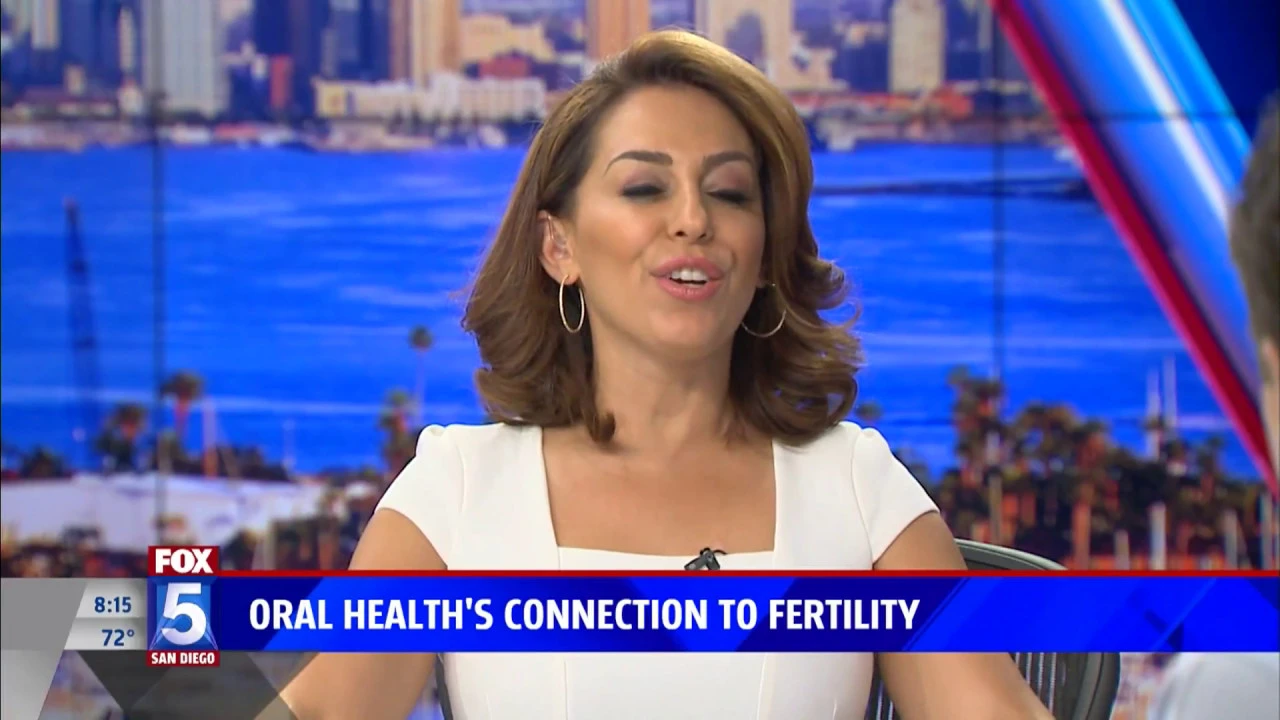
Learn more about the connection between oral health and fertility. Dr. Kami Hoss of The Super Dentists explains more about the importance of great dental health for fertility, pregnancy, and your baby!
Category: In The News
What Dentists Can Tell About You Just By Looking In Your Mouth
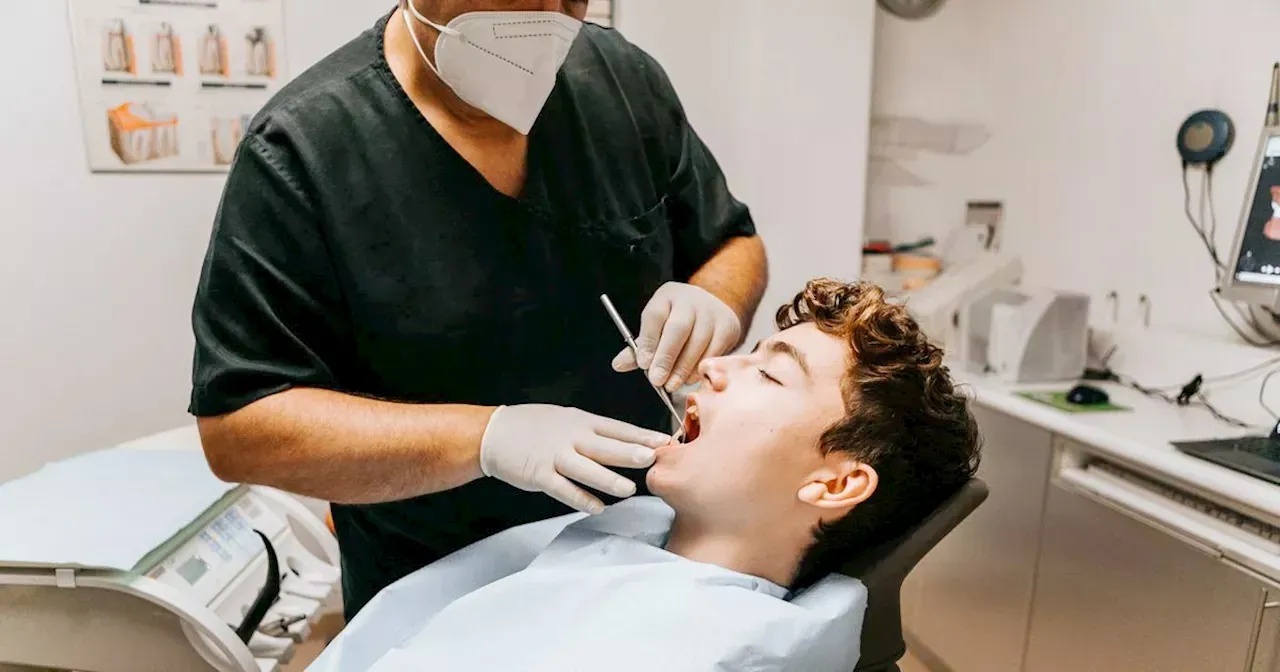
The mouth is often called the “gateway” to the body.
When you go to the dentist, you’re likely focused on matters like cavities and gum health. But dental experts can detect a lot more from your exam.
“A lot about someone’s overall health can be observed just by looking in their mouth,” Dr. Kami Hoss, a dentist and author of “If Your Mouth Could Talk,” told HuffPost. “In fact, over 100 systemic conditions and many medications can have oral manifestations. This means that what happens in the mouth can often be a window into broader health issues, helping to identify problems before they escalate.”
Because the mouth is considered the “gateway” to the body, it can also be the origin of problems in many different bodily systems.
The mouth’s microbes “can enter the bloodstream through bleeding gums or open root canals and travel to other parts of the body, causing infections or inflammation,” Hoss noted.
That’s why routine dental checkups are so important.
“A comprehensive oral examination can provide valuable insights into a person’s overall health and lifestyle habits, helping dental professionals identify potential issues and provide appropriate care and recommendations,” said cosmetic dentist Dr. Michael J. Wei.
So what exactly can a dentist infer about you from the state of your mouth? We asked some professionals to share what they’ve seen.
If You Floss Regularly… Or Rarely
“Unfortunately, dentists can’t be fooled into thinking you floss regularly if you floss just right before your visit,” said Dr. Erin Fraundorf, an orthodontist and founder of BOCA Orthodontic + Whitening Studio. “Gum tissue that is not flossed regularly looks red, inflamed and may bleed.”
She noted that healthy gums are pink and smooth with a “knife-edge” instead of puffy.
“As soon as your dentist sees your mouth and the color and texture of your gums, they can tell you have gum disease,” Fraundorf said.
If Your Diet Is High In Certain Foods And Drinks
“Erosion and decay on teeth can reveal a lot about someone’s diet, with high consumption of sugary foods and beverages typically leading to cavities, while acidic foods and drinks, like citrus and soda, can cause enamel erosion,” said cosmetic dentist Dr. Kevin Sands.
Highly acidic and sugary foods and drinks can also contribute to gum disease.
“If you are a big tea or coffee drinker, you will more likely have dark stains,” Fraundorf added.
If You Have Diabetes
People with diabetes often have inflamed gums.
“Imbalances in sugar may also result in a rapid change in the health of your gums, showing up as increased swelling, bleeding and sensitivity,” Fraundorf said. “Diabetic patients have a higher prevalence of gum disease.”
Additionally, “fruity” breath can be a sign of uncontrolled diabetes, so patients should seek medical attention if they experience this phenomenon.
If You Bite Your Nails Or Suck Your Thumb
“Without glancing at your nails, a dentist may be able to detect if you bite your nails ― or bite on other items, like pen caps or bottle caps,” Fraundorf said, noting that the stress on your teeth can cause chipping and other wear and tear.
Dentists can also tell if you suck your thumb or did a lot in the past (beyond early childhood).
“Thumb-sucking may significantly alter not only a patient’s teeth but their jaws,” Fraundorf explained. “These signs include protruding upper front teeth with spacing, tucked back lower front teeth with crowding, a narrow upper jaw and an anterior open bite ― a lack of vertical overlap between the upper and lower front teeth.”
Similarly, tongue thrust can result in an anterior open bite, but generally both the upper and lower teeth will have protrusion and spacing, she added.
If You’re Deficient In Vitamins And Minerals
“Deficiencies in essential nutrients can impact the health of the teeth and gums,” Wei said.
Dry mouth, sores and bleeding gums are common manifestations, as well as changes in the tongue.
“Being deficient in vitamins and minerals may result in many oral conditions, like increased infections, burning tongue syndrome, sore tongue, cracked lips, tissue sloughing, delayed healing, bone infections, and gums that bleed easily,” Fraundorf said. “When patients are deficient in iron, their gum tissues can lose some of the red hues and turn pale pink or even white. Light pink, pale gums can be a sign of anemia.”
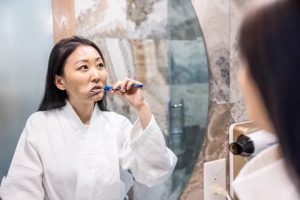
If You’re Right- Or Left-Handed
“It’s pretty wild, but we can often tell if you’re left- or right-handed ― or at least we can tell if you brush with your right or left hand,” Fraundorf said.
Right-handed patients typically don’t brush their upper right teeth as well as they do their left side. The reverse is true for lefties.
“This leaves the gums slightly more puffy and red in addition to more plaque retention on these teeth,” Fraundorf explained.
If You’ve Struggled With An Eating Disorder
Dentists can also see the effects of disordered eating in their patients.
“Patients with eating disorders, specifically bulimia, will typically show enamel erosion or breakdown of enamel,” Fraundorf said. “Specifically, we see erosion almost exclusively on the tongue side of your teeth from the stomach acid that comes up into the oral cavity.”
If You Have A Gastrointestinal Issue
Instead of disordered eating, this kind of erosion might also indicate a GI problem.
“Persistent bad breath might indicate gastrointestinal issues such as GERD, where stomach acid damages teeth and soft tissues,” Hoss said. “The mouth can also reveal early signs of certain gastrointestinal diseases. Crohn’s disease can cause swelling of the gums and mouth ulcers before any intestinal symptoms appear. Oral manifestations like these can be critical for early diagnosis and treatment of serious conditions.”
If You’re Exhibiting Signs Of Certain Cancers
“The mouth can also reveal early signs of certain cancers,” Hoss said. “For instance, signs of leukemia may present as gum overgrowth and bleeding. Oral manifestations like these can be critical for early diagnosis and treatment of serious conditions.”
Oral cancer can also manifest in the mouth with visible oral lesions or growths.
“Signs of oral cancer include unexplained bleeding in the mouth, patches (red, white or spotted), changes in your bite, or areas in the mouth that are eroded, lumpy or swollen,” Fraundorf said. “The patient should then visit an oral surgeon for a consultation and biopsy of any suspicious tissue.”
If You’re Pregnant
“Some women may develop a deep red lump on their gums called a pregnancy tumor or pyogenic granuloma ― a totally benign tumor that will resolve once pregnancy is over,” Fraundorf said.
She noted that pregnancy also commonly leads to the development of gingivitis due to increased progesterone, which facilitates the growth of bacteria.
If You Have An Autoimmune Disease
“Dentists are the first line of defense in detecting system diseases and nutrition deficiencies because some of these diseases and deficiencies have oral manifestations,” said Dr. Jarrett L. Manning, founder of JLM Dental Studio. “This means the disease process may present as abnormal mouth lesions that dentists are trained to detect.”
While dentists check for gum health, tooth conditions and overall mouth hygiene, Manning emphasized that any dental checkups are also important because “any lesion, sore, or patch in the mouth can tell another story and give us insight to a deeper issue.”
The list of potential deeper issues includes various autoimmune diseases and other inflammatory conditions.
“Red spots and sores may be signs of lupus and Crohn’s disease, and white spots in the mouth may be linked to lichen planus,” Fraundorf said. “These spots may be tender or painful and may lead to mouth ulcers.”
If You’re Experiencing Kidney, Liver Or Bone Problems
“Bad ‘fishy’ breath and chronic dry mouth may be signs of kidney problems,” Fraundorf said.
She noted that fishy breath may also indicate liver failure. Your dental appointment might also lead to the discovery of bone issues.
“A dental examination with X-rays can reveal bone loss and may lead to an early diagnosis of osteoporosis ― a disease of the bones which results in bone loss and an increase in brittleness,” Fraundorf said.
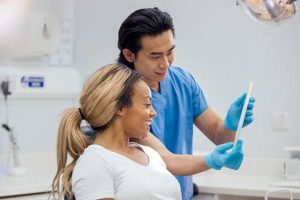
Dentists can recognize signs of a range of health issues in their patients and work together to figure out the next steps to take for treatment.
If You’re Dealing With Stress Or Sleep Issues
“Clenching or grinding of teeth, also known as bruxism, can be a sign of stress or anxiety, which can have detrimental effects on oral health,” Fraundorf said.
Dentists can spot this sort of excess wear on the biting surfaces of teeth.
“Teeth grinding and redness of gum tissue and the throat may also be signs of sleep apnea ― a serious condition which limits the amount of oxygen a person gets during sleep,” Fraundorf added.
If You Have HIV
“You can see if someone has HIV by identifying specific lesions called Kaposi’s sarcoma that are common in uncontrolled HIV cases and have a distinct visual appearance,” said Dr. Ilona Casellini, founder of Swiss Quality Smile.
People with HIV may also experience chronic dry mouth, canker sores and hairy leukoplakia, which presents as white patches on the tongue.
“Oral yeast infections can be a symptom of HIV in young patients who seem to otherwise present as healthy,” Fraundorf noted.
If You Smoke
“Lifestyle choices leave distinct signs in the mouth too,” Sands said. “Smoking or using tobacco products can cause stained teeth, gum disease, and a higher risk of oral cancers.”
Drug use can also have a noticeable impact on the teeth and other parts of the mouth.
If You Struggle With Alcohol Misuse
“Alcoholics often have inflamed gums and breath that smells of alcohol,” Casellini noted.
Alcohol tends to dry out the mouth, making people with drinking issues more susceptible to cavities.
If Your Oral Hygiene Habits Are Inconsistent Or Insufficient
“The presence of plaque, tartar, and gum inflammation often indicates a person’s oral hygiene routine, suggesting inconsistent or insufficient oral care if these issues are present,” Sands said.
He emphasized that maintaining oral health is crucial not just for a beautiful smile but also for overall well-being. Awareness and proactive care can significantly impact someone’s quality of life.
Best InvisibleBraces for 2024
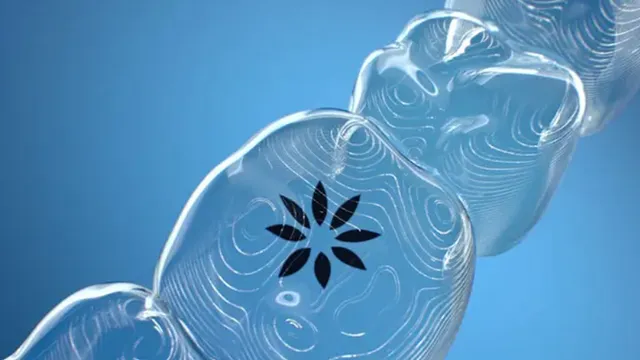
Straightening your teeth has always been associated with metal braces, but advancements in dental technology and health care have given people a new option: “invisible braces” or clear aligners. Today, people have more choices than ever in deciding what company to choose and which direction to take their teeth-alignment journey.
Clear aligners vary drastically in price, medical oversight and treatment plans
Clear aligners or invisible braces have a few big caveats, though: there’s a difference between companies like Invisalign, which require some in-office appointments with a dental professional, and direct-to-consumer sites that take molds remotely and ship aligners to your house without any check-ups. Mostly, direct-to-consumer sites are more affordable, but they are generally not recommended by many dental and orthodontic professionals, including the American Dental Association.
Finding the Right Aligners for You: direct to consumer, or visit an orthodontist?
After SmileDirectClub shut down in December, leaving many customers in the middle of their treatment, the ADA issued a general statement (which did not name any particular company) about the potential dangers of straightening your teeth at home without medical oversight. In some cases, moving teeth without knowing the full picture of someone’s oral health can cause bone loss, teeth loss, gum issues, bite problems, pain in the jaw and permanent issues, the ADA said.
This isn’t to scare you out of a treatment you want, but it’s an important reminder that our teeth are an important part of our body — the head — and safely straightening your teeth needs to be considered in the context of your gum health, bone health, the roots of your teeth, your jaw and more, according to Dr. Kami Hoss, orthodontist and founder of SuperMouth, an oral care company. You can’t understand that context without an examine by a doctor and some X-rays, Hoss said.
He doesn’t recommend direct-to-consumer aligners for the majority of people (more on that below), but people who are interested in straightening their teeth solely at home should be sure to get an exam of their oral health before they go ahead, Hoss said. He added that many orthodontists already offer free consultations, so there’s a chance you’ll be able to finesse a no-cost dental exam before you make your decision. (Here’s a provider-finder link from the American Association of Orthodontists, or you can call your local dentist.)
“If you are gonna be in that group where you absolutely want to do this at home, at least get the orthodontic consultation,” Hoss said. “Get a feel for how complex your case is.”
‘Appointment-required’ aligners vs. ‘at-home only’ aligners: here’s what to know
In-office aligners route
An exam of your mouth and X-rays of your teeth should be included by the company’s care plan and whichever doctor’s office you’re working with. Dentists and orthodontists can become providers with different aligner companies, including the likes of Invisalign, Spark, Reveal and Candid. You’ll have appointments along the way to check your progress, but the frequency of your appointments and what your care plan will look like depends.
In addition to having oversight by a doctor who can adjust treatment if something isn’t working, Hoss said another plus of these clear aligner companies is that they offer attachments in many cases. Attachments are small, often unnoticeable little nubs attached to some teeth that hook to the aligner and help them move. He compared attachments to handles on furniture.
“If you want to open a cabinet or move it around, it’s a lot easier to have a handle on that cabinet,” he explained.
Clear Aligner treatment from home (direct-to-consumer)
You’ll normally sign up through the company’s website and wait for your shipment of an at-home mold to provide an impression of your teeth. Then, the company’s medical network will review the results of your mold to determine whether you can go forward with treatment. You’ll be shipped new aligners every couple weeks or so, depending on the company and your individual plan. Because at-home only companies are just that — at home — you won’t get attachments.
According to Hoss, people who could benefit from a direct-to-consumer alignment option include what he calls “minor relapse cases.” These are people who may’ve already had braces, but their bottom teeth have moved a little and they need some minor aligner treatment in straightening them back up again.
Different Invisible Braces for different needs
Again, he stressed the importance of having confirmation that your teeth and everything else is healthy. In some cases, evidence of damage caused by unsafe teeth alignment may show up years later when someone goes to the dentist for another problem, according to Hoss. Also, he said, straightening your teeth with aligners — even if effective at first — may miss the root of the issue, and ignoring the cause of the problem may cause problems or cause teeth to revert back after initial treatment.
Wherever you get your clear aligners, they’ll typically need to be worn throughout the day, unless you’re eating. Some people may also choose a “night-time only” plan.
While what’s best for you will depend on your needs, here are some companies to consider.
Best invisible braces of 2024
Invisalign
Invisalign is the name that kicked the whole idea of invisible braces into the mainstream. It works similarly to “traditional” braces in that you’ll need to find a doctor to start your treatment and work alongside for your entire treatment plan. You’ll find a provider in your area, come up with your treatment plan, get fitted for attachments or whatever you need and then be on your way to straighter teeth.
The cost is comparable to regular braces, Invisalign says, though how much you’ll end up paying will depend on your specific needs. Depending on your plan, dental insurance may cover up to $3,000 of the cost, according to Invisalign, and you can use your FSA/HSA dollars. Because you’ll be working with a doctor, you may also be able to work out some sort of payment or installment plan.
After treatment, your doctor may recommend you use a retainer to keep your teeth in place. How that looks will depend on your treatment plan.
Reveal
Reveal is similar to companies like Invisalign and Spark because it requires check-ups and appointments with a dentist or orthodontist to keep you on track throughout your treatment.
Reveal is similar to companies like Invisalign and Spark because it requires check-ups and appointments with a dentist or orthodontist to keep you on track throughout your treatment.
To get started, find a provider in your area by searching your ZIP code. Reveal says its prices are between $2,000 and $5,000, and the company has a monthly payment option.
Byte
Byte doesn’t require appointments or fittings from a dental health provider, but it’s relatively well-known in the field of direct-to-consumer dentistry. It’s one of the few companies still in business that hasn’t moved to require some doctor appointments (like Candid, which once was direct-to-consumer but has moved to a more hybrid model with a provider-assisted approach), but it may be inching that way. Byte has a premium option for its aligners which includes a free 1:1 consultation with an affiliated dentist to see if you’re right for the aligners, as opposed to just sending in at-home molds and getting virtual medical clearance.
Byte says its average treatment time is four months. The impression kit costs $95 and is sold separately; the all-day clear aligners cost $2,099 for a one-time payment or $89 per month for 36 months.
A cool addition from Byte is that it offers a tool called the HyperByte, which is a vibration therapy meant that sends pulses through your teeth to help seat your aligners for better treatment. Byte also includes your first set of retainers for free after treatment.
Byte says you’ll get a refund for the impression kit you order if end up not being a good candidate for treatment. As part of the company’s guarantee,Byte says you may be eligible for additional aligners and a new treatment plan at no additional cost if your teeth move out of place and you followed your treatment plan’s rules. However, it doesn’t say anything about refunding the price of your treatment if you’re unhappy with it for any reason.
AlignerCo
AlignerCo is a direct-to-consumer company, so it’s best to get a clean bill of oral health from your dentist — and ideally a consultation with an orthodontist — before going this route so you can make sure you’re the right candidate for this treatment.
If you get the all-clear for at-home aligners, AlignerCo seems to be one of the most affordable options out there. The company offers a flat rate of $995 (or a discounted price) for a one-time payment, which includes the cost of the impression kit and retainers. AlignerCo also offers the option to divide the cost into 12 monthly payments with Affirm. There’s also a six-month plan.
The company isn’t working with any insurance providers, but you can use your FSA/HSA. You can always try to submit a claim after the fact to your insurance company.
If you have concerns about your treatment along the way, AlignerCo says you can contact your “Smile Crew Member,” which is a designated person who will pass along your requests to a dentist. If you want direct contact with a health care provider leading your treatment plan, this may not be ideal.
On its refund and return policy page, AlignerCo says you need to go through your entire treatment and follow your treatment plan’s rules in order to be eligible for “additional aligners.” While it doesn’t appear to give refunds for its treatment once you’re approved and started on your plan, you’ll get a refund for your impression kit if it turns out you’re not a candidate.
Candid
Candid started out as a strictly direct-to-consumer company but made the switch to requiring some doctor involvement. The result is a pretty cool model which map help chip at some doctors’ fears of unmonitored or hands-off teeth alignment while blending in the benefits of telehealth, like virtual check-ins and a majority at-home approach.
To start, you’ll need to find a provider to meet with you to start your treatment. Then, you’ll share updates on your progress through an app and your provider may have you come in again if they sense something is going off track.
For information on price, ask your provider, but Candid’s hybrid model is meant to make the aligners cheaper than traditional braces. Candid also sells retainers in a similarly hybrid model, for which you can use your HSA/FSA dollars.
How we chose the best invisible braces
We selected clear aligner companies with different models by taking into account concerns people may have over medical oversight, affordability, type of care needed and how well-known the brand of aligners is. When applicable, we also took into account what makes a company different.
Are Cavities Genetic? Here’s Everything to Know
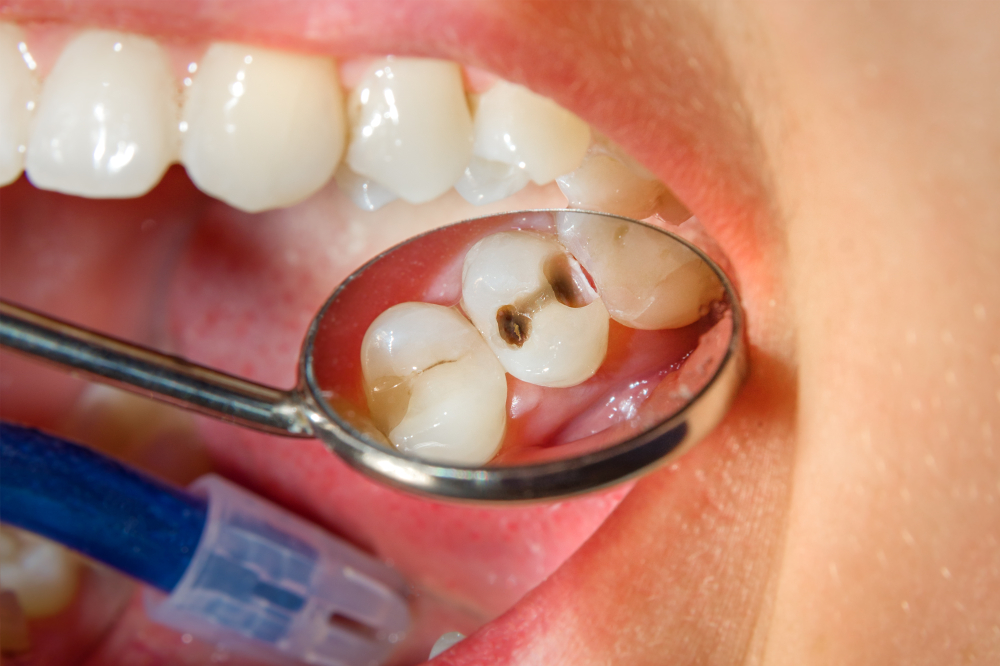
The risk of developing cavities and tooth decay is genetic. Your genes can affect how your teeth develop, meaning that the development of your teeth can be why you are susceptible to dental issues.
While genetics are sometimes the cause of cavities, cavities can also develop due to the lack of poor oral hygiene, smoking, lack of saliva, or not flossing your teeth. To understand if cavities can be hereditary, it is essential to understand how genetics can affect oral health.
What Percent of Cavities are Genetic?
Many people wonder, “Are cavities hereditary?”. While cavities alone are not genetically passed down, the risk of dental susceptibility can be passed down. Genetics account for up to 65 percent of tooth decay or other dental predispositions.
Are cavities genetic? Some factors make the susceptibility to cavities or other dental issues genetic.
Enamel
Your genes strongly determine the enamel of your teeth. People with strong enamel teeth more easily absorb vital minerals, such as fluoride and calcium.
These essential minerals help to keep the teeth strong and resistant to bacteria and plaque, which can be the reason for cavities.
Saliva
Saliva can help prevent cavities and tooth decay by efficiently metabolizing vitamins and minerals. Therefore, your saliva can either hinder or aid the bacteria that cause cavities in your mouth.
Tasting Ability
While some people have a strong ability to taste, others do not, meaning that some people have a wider variety of tastes than others.
People with a stronger ability to taste are less likely to develop cavities or tooth decay, likely because their broader taste palate may help them consume fewer sweets.
Shape of Teeth
Is tooth decay hereditary? Sometimes, even the shape of your teeth due to genetics can contribute to cavities.
Everyone has the same shape of teeth. However, each person’s teeth vary by size and shape. If a person has teeth that are tight and crowded, it makes flossing difficult.
Without flossing regularly, there is a higher risk of developing a cavity due to the extra plaque buildup. Some people have teeth with more grooves in between their teeth, which gives the bacteria more space to gather.
Immune System
Every person has a lot of bacteria in their mouth, which is normal, but some bacteria are more harmful than others. If your immune system is compromised or does not work efficiently, it may not adequately protect your teeth from harmful bacteria.
Are Cavities Genetic: Can Parents Pass Down Cavities to Kids?
Parents can pass down the risk of developing cavities to their kids, especially mothers when pregnant with their children. Since tooth decay is a transmissible disease, the cavity-causing bacteria in the mother’s mouth can be passed down to a child in utero.
Mothers must visit their dentist regularly before and during pregnancy to ensure their mouths do not have cavity-causing bacteria.
In addition, sharing the same drink, or even a spoon or fork, with your child can contribute to them developing cavities through the transfer of saliva.
If a parent passes down the gene G20A, a child can be five times more likely to develop cavities throughout their lifetime than those who do not have this specific gene.
Are Some People More Prone to Cavities? Are Their Teeth?
Yes, certain teeth are more prone to cavities than others. For example, teeth with deep grooves are more likely to trap foods and develop cavities. Also, misaligned teeth can collect food or food particles between them, causing cavities.
If your teeth have thin enamel, you can also be more prone to developing cavities because you do not have the extra layer of protection.
When Genetics Do Not Contribute to Cavities
While the cause of cavities can be due to your genetics, often, it does not have to do with your genes. If you lack proper oral hygiene and have bad oral habits, you increase your likelihood of developing a cavity.
Smoking cigarettes also increases the risk of tooth decay because smoking decreases saliva production in your mouth. Since saliva is essential to help keep your teeth clean and wash away food particles throughout the day, insufficient saliva will leave the food particles stuck between your teeth.
Also, those with a diet high in starches or sugar are more likely to develop cavities. These are some other common causes of cavities that are not as well known:
Frequent Snacking
Snacking regularly brings a lot of sugar into contact with your teeth throughout the day. Limiting the number of snacks you consume throughout your day can help prevent cavities.
You should focus on consuming well-balanced meals instead of snacks, so you do not feel the need to eat between meals.
Snoring
Snoring can decrease the health of your teeth over time because it causes your mouth to dry. A dry mouth makes it easier for harmful bacteria to spread throughout your mouth, potentially causing cavities.
Not Going to the Dentist
One of the best preventative measures to help prevent cavities in a child is regularly going to dental exams with the pediatric dentist.
While flossing and brushing your teeth are helpful in tooth decay prevention, they are not enough to keep cavities away altogether. Getting your teeth cleaned and checked twice yearly is the best way to prevent tooth decay and cavities.
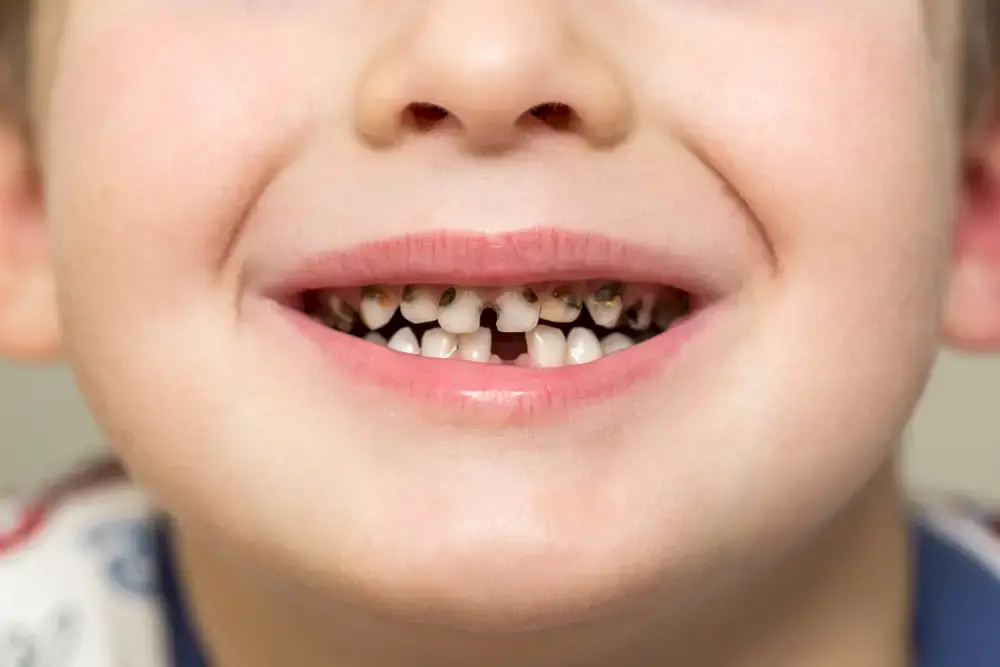
What Are the Symptoms of Cavities?
There are many symptoms of cavities to be aware of, as these signs and symptoms should not be ignored. If these symptoms occur, it is vital to visit the dentist to ensure the tooth decay does not become worse. Symptoms of a cavity include:
- Tooth sensitivity
- Pain when you bite down
- Spontaneous toothaches
- Mild to sharp pain when drinking or eating something cold, hot, or sweet
- White, brown, or black staining on the tooth’s surface
- Visible pits or holes in the teeth
Final Thoughts
While genetics can be the cause of cavities in children, it is crucial to remember how good oral hygiene can help prevent the development of tooth decay.
Regular visits to the pediatric dentist can help prevent cavities and promote good oral health. Make an appointment with The Super Dentists today!
Seminar – Your Complete Guide to Oral Care Products
- Date: Saturday 1/28/2023
- Time: 1:00 – 3:00 pm
- Course Code: 685SL
- Cost: No Charge
- Room Location: BCEC Exhibit Floor Classroom H
- Credits: 2 CE Hours
Kami Hoss, DDS
- Discuss oral health and overall health connections
- Determine the critical role of primary dentition in growth and development
- Understand periodontal disease and system health connections
- List safe and effective ingredients in products and which ones to avoid
- Identify the role of antibiotics, prebiotics, and probiotics in oral care
Recommended Audience: Assistant, Dentist, Hygienist
Ambient Noise Disclaimer: Please note that this course will be held on the Exhibit Hall Floor and will be subject to ambient noise.
Pediatricians Update Guidelines for Children’s Dental Health
About 40% of children in the United States experience tooth decay known as dental caries by age 19.
The factors behind this trend include lower household income, lack of access to insurance, and language barriers that prevent many families from accessing proper care at a dentist’s office.
But it doesn’t have to be this way, suggests the American Academy of Pediatrics (AAP) with their release of updated recommendations for children’s oral health.
How Bad Is It Really to Share a Toothbrush?
We’ve all been caught without a toothbrush. You’re vacationing at a house rental, camping or staying at a friend’s or date’s place and forget one. And yet, you don’t want to go to bed without freshening up your mouth. So, you grab for someone else’s toothbrush and give your pearly whites a little scrub. Better.
But is it?
TikTok Says “Mewing” Will Sculpt Your Jawline. But Does It Work?
“We need oxygen every moment, so correct breathing is critical for the development of the face, mouth, and teeth,” says Dr. Kami Hoss, dentist, board member at the UCLA School of Dentistry, and author of If Your Mouth Could Talk. He notes that you should be breathing through your nose, and your tongue should be gently resting on the roof of your mouth against the palate right behind your teeth. And your tongue plays a key role in the development of your face. “The whole mouth grows around your tongue, so it’s very critical for children [to breathe properly] because it really impacts their growth and development,” says Hoss.
Want a Sparkling Smile Before the Holidays? Try These 5 Fixes for Dental Troubles
READ ON WOMANS’WORLD
We all want brighter teeth and healthier gums, especially when flashing our pearly whites at holiday parties. Plus, a pretty smile is more than just aesthetically pleasing. Taking care of your teeth can also translate into better overall health. The reason? It improves the balance of the oral microbiome, a microbial community that aids in digestion, metabolism, and immunity, according to Kami Hoss, DDS, co-founder and CEO of The Super Dentists. If you’re ready to get started, check out these three tips for naturally improving your dental health by nixing bleeding gums, funky breath, and reducing your risk of cavities.
ALL INDIANA: Orthodontist talks dealing with, avoiding dental emergencies during holidays
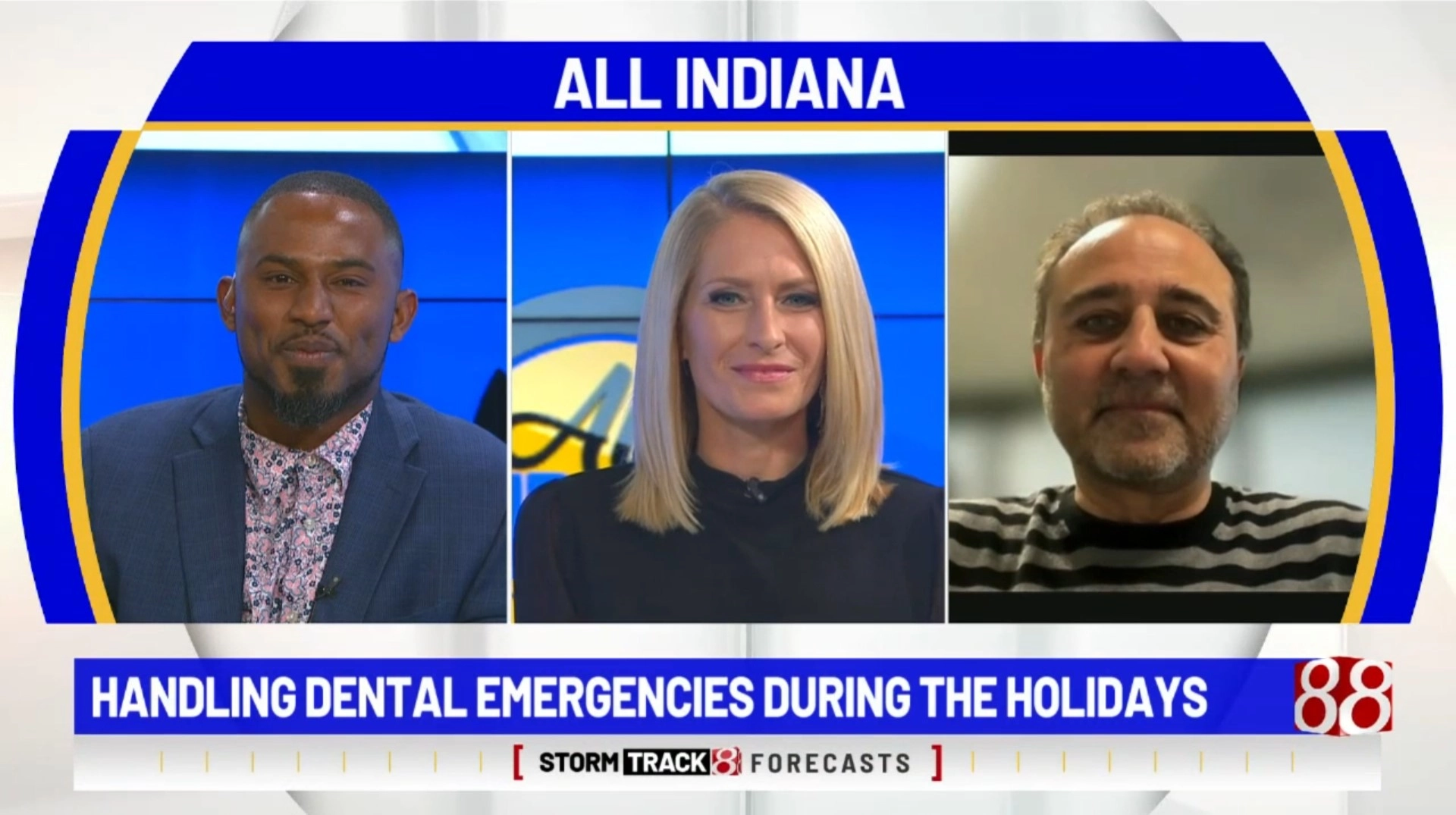
No one wants to be in the ER for a dental issue on Christmas Day or New Year’s Eve, but is there any way to prevent a dental emergency from happening during the holidays?
You may be surprised to learn that the number one culprit of dental emergencies this time of year is opening packages and gifts with your teeth.
Your dental health is also connected to so much of your overall wellness, so it’s important to make time for it during and ahead of the holiday season.
Dr. Hoss joined us Friday on “All Indiana” to discuss how to avoid and deal with dental emergencies this holiday season. Watch now!
FORBES: Dr. Kami Hoss: Gingivitis: Causes And Treatment in 2022
Gingivitis: Causes And Treatment
READ ON FORBES: https://www.forbes.com/health/body/gingivitis-causes-and-treatment/
Plaque often leads to gingivitis, according to Johns Hopkins Medicine, especially where the gum and tooth meet.
Your mouth naturally produces plaque—a sticky, nearly invisible film that coats teeth—and if you regularly remove it with brushing and flossing, it typically doesn’t cause problems, according to the American Academy of Periodontology (AAP). But plaque contains bacteria that releases acids damaging to gums, notes the American Dental Association (ADA).
When this bacteria and its byproducts build up and harden on teeth because of poor dental hygiene, they can inflame and irritate the gums, leading to gingivitis. Tartar needs to be removed by a dental professional.
While everyone has plaque, some have risk factors that make them more prone to it than others. In addition to improper or irregular brushing and flossing, some factors that can predispose you to gingivitis are:
Medications: Certain anticonvulsants used to treat seizures, calcium channel blockers that combat high blood pressure and immunosuppressants used to prevent organ rejection in transplant patients can cause an overgrowth of gum tissue, or gingival hyperplasia. That excess tissue can grow so aggressively it covers the crowns of teeth, making it hard to fully remove gum-damaging plaque.
Other medications—in particular, antihistamines to control allergies, blood pressure medicine and certain antidepressants—can reduce the amount of plaque-cleansing saliva the mouth produces.
Tobacco smoke: Smokers tend to have more periodontal disease than nonsmokers[2]. “Tobacco can decimate the mouth’s ‘good’ bacteria, which keep the ‘bad’ ones in check,” says Dr. Hoss. “Smoking can also weaken the body’s immune system, reducing its ability to fight gum infections.”
Diabetes: Periodontal disease is two-to-three times more common in people with diabetes than in those without[3]. Diabetes initiates an inflammatory response in the body, including in the gums, and many medications used to treat diabetes can promote dry mouth.
Diabetes also creates changes in your blood vessels that can ultimately weaken gums and the underlying bony structures of teeth, says Cedars Sinai.
Pregnancy: Up to 75% of pregnant women have gingivitis when they’re expecting, according to the CDC[4]. The hormones estrogen and progesterone, which surge during pregnancy, are likely to blame. These hormones increase blood flow to the gums, making them more sensitive to irritants like plaque.
Age: There’s a lot of wear and tear on teeth and gums as you age. Almost half of adults over 30 have some periodontal disease, notes the CDC. That number jumps to 70% by age 65[5].
Poor nutrition: Without an adequate supply of vitamins and minerals, it’s hard for your immune system to fight infections like gingivitis. Low levels of certain vitamins, including vitamins C, D and a variety of the B vitamins, have been associated with periodontal disease.
Genes: While studies are conflicting, some research estimates that 30% to 50% of periodontal disease is inherited, according to findings in the Journal of Dental Research[6].
Gender: More than half of men have gum disease versus roughly 38% of women, notes the AAP[7]. Men aren’t more susceptible to gum disease, says Dr. Richardson. “But statistically, men report visiting an oral health specialist less frequently than women, which may lead to men having more cases of gum disease.”
Braces: Braces (as well as ill-fitting dentures and bridges) make it difficult to floss and brush thoroughly. Research shows that people with fixed orthodontic appliances like braces have more gum inflammation, recession and visible plaque after orthodontic treatment than before.
If gingivitis progresses into more serious periodontal disease, the gums may feel tender and pull away from the teeth instead of wrapping snugly around them. This loosening of the gums allows bacteria to burrow deeper, destroying tissue and bone and leading to tooth loss.
But that may not just affect your gums.
“The oral microbes or their toxins can gain access into the bloodstream through bleeding gums, and then they can travel anywhere in the body causing a local infection or an inflammatory response,” says Dr. Hoss. “For example, they can travel to the heart, lungs, brain, joints or to an unborn baby.”
Gingivitis is a common condition that may be reversible with the right care. If it goes untreated to the point of more serious periodontal disease, though, the following risks may be associated:
Cardiovascular disease: People with periodontal disease are two-to-three times more likely to have a heart attack or stroke than those with healthy gums, according to Harvard Health[8].
Respiratory infections: People with untreated periodontal disease can breathe in the bacteria, acids and toxins lurking in their gums, which can then settle in the lungs and cause respiratory problems—everything from pneumonia to chronic obstructive pulmonary disease (COPD).
Diabetes: Diabetes can predispose you to periodontal disease—and vice versa. People with uncontrolled periodontal disease—probably because of the way inflammation acts on blood sugar regulation—also have a higher risk of diabetes. “Interestingly, there have been studies that have demonstrated improved home care can improve diabetic metrics, such as decreased blood glucose [blood sugar],” notes Dr. Richardson.
Home Diabetes And Heart Test
The home diabetes and heart test helps to identify both diabetes or pre-diabetes, as well as giving you an insight into your cardiovascular health.
Request Your Kit
Impotence: Thanks to the impact chronic inflammation can have on blood vessels, men with periodontal disease are more likely than men without it to develop impotence.
Preterm birth: Having periodontitis (a severe form of gum disease that leads to tooth loss) can increase a person’s chance of having a preterm birth (before 37 weeks gestation) six-fold, putting their babies at risk for health problems such as low birth weight and digestive and breathing issues, according to research in BMC Pregnancy Childbirth[9]. It’s important to note, however, that while some studies show an association between preterm birth and periodontitis, others don’t.
Cancer: Periodontal disease has been associated with cancer, particularly in men. Research shows that men with gum disease can be 49% more likely than women to develop kidney cancer, 54% more likely to develop pancreatic cancer and 30% more likely to develop blood cancers, notes the AAP[10].
Home Colon Cancer Screening Test
LetsGetChecked’s home colon cancer screening test can help identify the presence of cancerous or precancerous growths in the colon by detecting blood that are invisible to the naked eye.
Request Your Kit
MORNING NEWS Dr. Kami Hoss with Do’s and Don’ts of Oral Hygiene
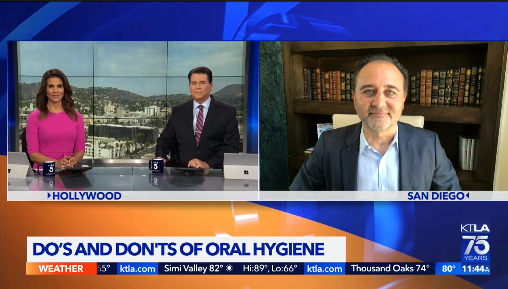
Dentist and author Dr. Kami Hoss joined us live with the do’s and don’ts of oral hygiene. Watch now!
New book ‘If Your Mouth Could Talk’ Lays Out Importance of Dental Hygiene
New book ‘If Your Mouth Could Talk’ lays out the importance of dental hygiene
Dr. Kami Hoss, dentist and author, talks about lessons and information gleaned from his new book “If Your Mouth Could Talk.” Watch now!
Focus Atlanta – Tips for Better Oral Hygiene
Dr. Kami Hoss, “If Your Mouth Could Talk” author, discusses ways that we can improve our dental hygiene. Watch now: CBS Atlanta
San Diego Moms: What I Learned About My Kid’s Teeth
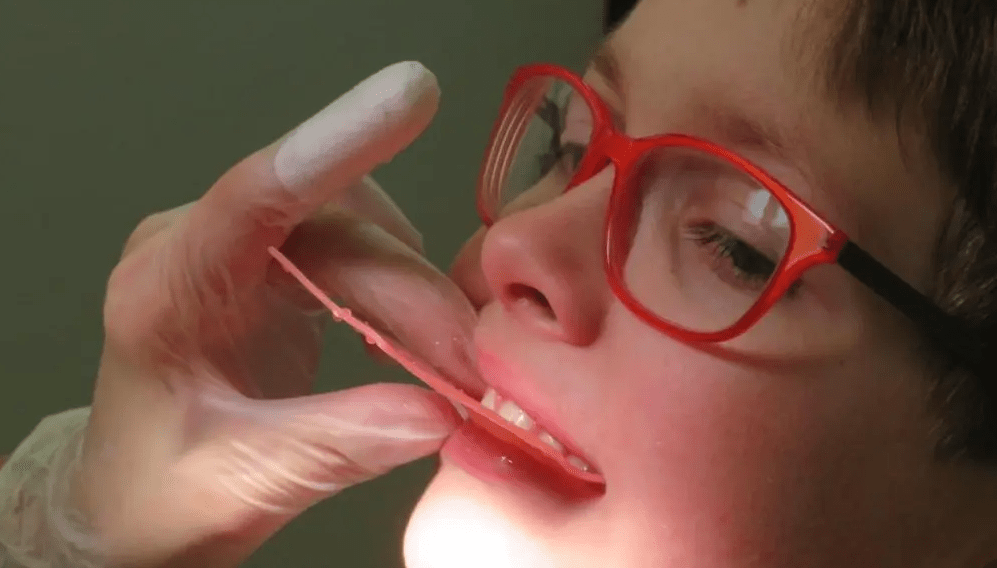
I’ve always thought teeth were high-maintenance. The process of brushing, flossing and gargling while ensuring you do your twice-a-year check-ups can be exhausting. Then, you have children and the work doubles. But, over the years, I’ve learned that dental care is about more than just aesthetics or having chompers to eat yummy foods — it’s about your overall health.
Now, my knowledge of dental care and more importantly, my children’s teeth, has increased thanks to the new book “If Your Mouth Could Talk” by local orthodontist and dentofacial orthopedist Dr. Kami Hoss. Hoss, who is also the founder of The Super Dentists, breaks down every piece of dental health from how it affects your breathing to your confidence to most importantly, your overall health.
Here are a few snippets of what I learned about children’s teeth.
- Dental caries, the disease that causes cavities, is the most common chronic disease of children. And, children’s tooth decay is four times more common than early childhood obesity, five times more common than asthma, and 20 times more common than diabetes!
- Children in California miss 874,000 days of school every single year due to dental problems.
- When your infant is teething, it’s best to stay away from medications and oral gels. Hoss recommends using safe teething rings that have been refrigerated (not frozen). But, he cautions to read about the product before giving it to your baby. In fact, the FDA issued a warning on teething necklaces after an 18-month-old was sadly strangled by one.
- Enamel on baby teeth is thinner than on permanent teeth and the pulp is larger so dental decay can spread to the nerve faster. Hoss recommends wiping your child’s gums and teeth with a wet cotton gauze after feeding to remove the sugar and bacteria that could cause decay.
- Hoss recommends considering seeing a pediatric dentist before your baby is born so you know what to expect. I actually wished I did this before my children were born because, by the time they arrived, it’s difficult to get caught up on learning.
- Finally, if you’re considering having a baby, go to the dentist for a check-up because unhealthy gums can actually lead to infertility! Hoss said the presence of a common periodontal bacteria in saliva that indicates poor oral health was three times more prevalent in women who did not become pregnant and was associated with a significantly increased risk of infertility.
Read More Now: https://timesofsandiego.com/life/2022/06/25/san-diego-moms-what-i-learned-about-caring-for-my-kids-teeth/
TODAY: The Top Mistakes We Make When Taking Care of Our Mouth
Oral health connects to overall body health, but “what we’re currently doing is not working,” says dentist and author of “If Your Mouth Could Talk.”
It’s a morning routine familiar for many of us: Get that mouth clean immediately after breakfast by using a harsh toothpaste applied by an abrasive toothbrush, followed by a rinse with a mouthwash so strong it makes you wince.
Dr. Kami Hoss winces, too, when he hears patients describe these habits.
They’re some of the reasons why so many people have poor oral health, which in turn affects all other aspects of their health, from physical to mental, the dentist writes in his book, “If Your Mouth Could Talk: An In-Depth Guide to Oral Health and Its Impact on Your Entire Life.”
“Statistically, our mouths are incredibly unhealthy right now as a society. With all these advancements in science and technology and medicine, you would think at this point dentists wouldn’t have anything to do,” Hoss, who is the co-founder of The Super Dentists in San Diego, California, told TODAY.
The Lucas Rockwood Show: If Your Mouth Could Talk with Dr. Kami Hoss on Apple Podcasts
Periodontal disease is correlated with just about every type of illness and disease. Sometimes it’s a canary in the coal mine for something wrong, but sometimes, it can even be the source of the problem. While many people dismiss dental care as only an aesthetic concern, straight, healthy teeth and a broad palate help with breathing, sleep, and even digestion. My guest on this week’s podcast shares his academic and clinical experiences helping people improve their smiles as a means to improving their health.
Listen and learn:
Why fluoride can be great for teeth, but should not be ingested The benefits of hydroxyapatite as an alternative to fluoride How the billions of microbes in your mouth play a crucial role in digestion The benefits of xylitol in dental care products
YAHOO HEALTH: Oral Health Inequality Impacts Job Opportunities; If Your Mouth Could Talk Provides Solution as U.S. Heads Back to Work
**Much-anticipated guide to oral health hits USA Today and Wall Street Journal
bestseller lists, as well as other national recognition**
San Diego, Calif. (June 1, 2022) – Dr. Kami Hoss, DDS, MS – founder of The Super Dentists and Howard Healthcare Academy, and renowned orthodontist and dentofacial orthopedist – released his highly anticipated book, “If Your Mouth Could Talk,” which provides a roadmap for reducing the oral health care gap keeping so many from personal and financial success.
The Center for Disease Control reports that nearly 18 percent of all working-age adults, and 29 percent of those with lower incomes, say that the appearance of their mouth and teeth affects their ability to interview for a job. Further, over $45 billion is lost in productivity in the United States each year because of untreated oral disease.
APPLE PODCAST: What your mouth has to say about your health with Dr. Kami Hoss
You may have heard that your dental health reflects your whole health. It’s true. On episode 539, we discuss Dr. Kami Hoss‘ book, If Your Mouth Could Talk: An In-Depth Guide to Oral Health and Its Impact on Your Entire Life.
US News & Report: Best Teeth Whiteners Which Option is Best for Achieving a Brighter Smile?
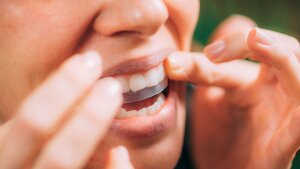
OTC Whiteners vs. In-Office Whitening Treatments
Over-the-counter products like Crest Whitestrips are different from the whitening products used during an office visit with a dentist, in several ways, with a big one being how they adhere to the teeth. “A whitening strip only covers a little of the teeth. On the other hand, in an office, the whitening treatment would be more thorough and cover more surface area of the teeth,” Rashti says.
There’s also a question of how quickly you’ll see results. Orthodontist Dr. Kami Hoss, founder of The Super Dentists, a multi-specialty dental practice based in Southern California and author of, “If Your Mouth Could Talk: An In-Depth Guide to Oral Health and Its Impact on Your Entire Life,” notes that “most over-the-counter products used for teeth whitening contain a concentration of peroxide from 3% to 10%, while the whitener that’s used at a dentist’s office is closer to 40%.”
Read more on: USnews.com
[PODCAST] You’re 9x more likely to die of disease if you do this one thing wrong.
https://chetholmes.com/podcast-if-you-do-this-one-thing/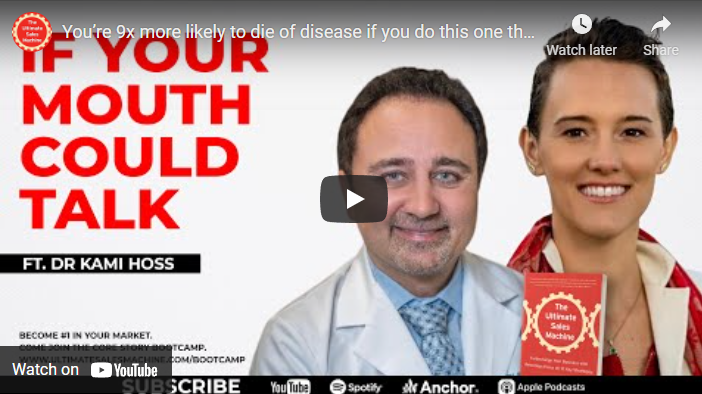
Did you know that you’re 9x more likely to die of Covid if you have gum disease.
And half the population actually has gum disease they just don’t know it.
The GOOD NEWS IS… all you have to do is brush your teeth and floss twice a day and you’re actually doing something to proactively protect yourself from our dreaded pandemic.
I’ve been telling people this important piece of information ever since I heard it from one of our clients, Dr. Kami Hoss.
You can hear more in this week’s podcast I interviewed him. You will hear:
- Some of the most unorthodox leadership techniques that have worked for managing his 300+ staff.
- The epiphany that landed him $400k worth of national press coverage (just by having a compelling data-based story).
- His new book, “If Your Mouth Could Talk.” Along with some of his absolutely brilliant ideas around marketing.
If you want to hear someone that has mastered education based marketing and the Core Story principles just wait until you hear Kami and I talk about what he does.
He’s a natural and a true genius at implementation. You’ll thoroughly enjoy it.
P.S. Kami went through the Core Story Bootcamp and loved it! You can still join the FREE challenge for Tripling Your Sales Conversions, based on techniques we give direct from our bootcamps! Make sure you get your seat because it starts next week and we are live! There’s already some chatter in the Facebook group, go sign up and say hello.
TAKING ACTION:
- Want to know what’s keeping you from doubling your sales in the next 12 months? Take our quick QUIZ to get answers: Howtodoublesales.com
- If you’d like to have a profound breakthrough in your business, schedule your breakthrough call with a LIVE expert here: Chetholmes.com/Breakthrough
- Claim your FREE chapter 4 from the top 10 most recommended marketing and sales books of all time! Visit: Ultimatesalesmachine.com to find out how you Create 9X More Impact from every move you’re already making to win clients!
TRANSCRIPT:
*this transcript was mostly generated by AI, please excuse any mistakes
Welcome everybody. It is such a thrill and honor, Dr. Kami Hoss has been such a wonderful friend of mine over the last five years, and he’s such an inspiration to me. Let me give you one piece. I’m going to teach you about his own market data. So you see how powerful he truly is. He shared with me that you’re nine times more likely to die of COVID if you have gum disease and one in every two, people don’t know what they actually have gum disease.
So I’ve been going around EV ever since you shared this with me, call me, I’ve been going around to people and just saying, did you know that all you have to do is brush your teeth and floss your teeth twice a day to reduce your risk of COVID and they go, nobody talks about that. You got to talk to Dr.
Kami Hoss. You’d got to get a, so Dr. Kami Hoss has come out with a new book. If your mouth could talk, I highly recommend picking it up everywhere and everywhere. It’s on Amazon. It’s in all the special channels, a wall. So I’ll give the URL for your. What, what is the regular
Around themouthbook.com of course, Barnes and noble.
All the books are your favorite books are basically okay.
The mouth book.com. I highly recommend going and getting it. Uh, so what I love about Kami here is his brilliance. He just thinks outside of the box and everything he does. So when he first started super dentist, um, he changed the way it’s like Disney meets dentist’s office.
And now. Before and every five children in, uh, in San Diego go to super dentists, right. Because he’s been able to craft. And I love every time I go to go to San Diego, I have to come and visit you because it’s so much fun. Uh, children actually have voted his dental offices as being more exciting. SeaWorld.
And considering that dentistry is something that is in the top three most feared things of your life. That is one reason why I think Dr. Kami Hoss is so brilliant.
And then over the
years, right, we’ve gotten to work together and it’s been so lovely. And now you’ve come out with this whole new line of doc of super Superman.
Uh, but I just wanted to get everybody introduced to how brilliant you are with that introduction. So thank you so much for hopping on.
Wow. That’s such a unbelievable introduction. I really appreciate it. Amanda. It’s such a pleasure to be your friend and to work with you and I’m sure you know, but, uh, you and your company is one of the, really the reasons why I wrote my book, if your mouth, but talk.
And why eventually that’s led to the new company that we’re launching later this summer it’s called super mouth, which I think could really has all the pieces to be able to revolutionize oral care and by extension healthcare. And I can talk to you about that, but so, yeah, so, uh, you know, all these compliments from you, it really means a lot because I feel the same way about you and you, your challenge.
Your creativity and your leadership and business savviness and your company. So thanks so much for having me. Thank
You. Well, let’s dive right in because we caught them with those interesting hooks there. Can you share, how is the mouth, the gateway to our health? Can you explain that connection to our whole body?
So I think it’s very obvious. If you have a, let’s just say a big infection on your arm, on your. And your body is now opened up. Right? I think people can imagine, oh yeah, there’s an infection there. I need to take care of it because if it’s infected. The bacteria can get into my bloodstream and cause potentially I would lose my leg if I don’t take care of it.
Right. Or I can have organ failure, I could potentially die from it and infection that’s very easily understood, but that whole infection that’s in the mouth, which is the opening to your body. People don’t relate them together because. Unfortunately, because really this happened 200 years ago in 1840, when the first dental school was established as a separate entity as medical schools.
And if you think this was like smart people got together and there was a think tank to make this decision, it wasn’t, it was a personality clash between these dentists who wanted to fight. Established the first dental school within the medical school in Baltimore, in Maryland. And they got into a fight.
And so the guy’s like, okay, I’m going to just establish my own dental school. So three years later he established he, so I’m going to school. And that was the first model of dental schools and medical schools in us. And all the other schools started following that model. So, and it’s been a disastrous model, but just because we’ve had it for 200 years, it doesn’t mean that we need to continue it.
So, yes, in addition to the fact that, of course, if you think about it, The bleeding gums. And you have billions somewhere between five to a hundred billion microbes in our mouth at any time it’s called oral microbiomes. Bacteria viruses are all sorts of other microbes, uh, primarily a lot of bacteria, right?
And if you have oral infection, you know, you’re bleeding gum or you have dental cavities, the bacteria can get in your blood. And what does the blood go? Everywhere. So it can go to your heart and cause local infection or inflammation, it can go to your brain. It can go to, uh, you know, your lungs. It can go to unborn babies.
So it can be very dangerous for pregnant women or the, uh, the inflammation as a result of the bacteria in the mouth can cause inflammatory response in the body. So those are two ways that the bacteria directly causes it. And of course also think about it. And your lungs and your trachea and the lower airway is just one tube right there.
The surfaces are the same. So of course, whatever happens, your mouth affects your lungs, you know, to your COVID, uh, example that you said. And I can explain that in just a minute. And of course also it’s in your mouth is the opening to your GI. So I know a lot of people recently have been educated it about the gut microbiome and how that impacts our immune system and our health in general and digestion metabolism.
We’ve really learned that in the last few years that we have more microbes in our bodies than human cells. We have more microbes, like somewhere between three to five times micro living inside of our bodies and on our bodies, we have human cells. So in some ways we’re more of a superorganism or microbes and human cells.
Whatever these microbes are doing. Uh, it could be the really healthy, first of all, we can live without them. W you know, the fact that people try to have, you know, you know, that if you take some antibiotics for a few days, what happens, you’re like everything goes like, yes, you may solve a local infection, but then you get a stomachache and you have to take probiotics and prebiotics and all of that stuff.
So all of that, to say that your mouth health is connected to everything else in your body, not just physical health and chronic disease, which is connected to almost everything and we’re learning more and more every day from cardiovascular disease to diabetes, to arthritis, to. Um, I mean, name it really.
There’s not, it’s, it’ll be easier for me to, just to name things that I haven’t seen linked yet to help literally from everything because impacts conception and fertility pregnancy for both mom and the developing fetus timing of birth airway. Because the mouth is not just these teeth, so you can impact oxygen intake and sleep and everything.
And then as you get older impacts your confidence and your mental health and chronic diseases and how long you live and everything in between. So it’s amazing.
It’s insane. I mean, your core story is one of the longest we’ve ever done. I’m
sorry. I’m not surprised. I’m not surprised. So I don’t know if I told you this story.
I had a, I had a medical issue, so I was, I was in a hyperbaric oxygen tank. You know what that is? It’s like hyper oxygenated tanks that you go to get healed. And, um, I was told that I had to do 20 sessions. Like those are like an hour and a half to two hours. And then most people they’re like they have serious and illnesses.
Mine was not that serious. It was like something that had happened. And they said, Hey, uh, you can watch a TV. I’m not, I’m not going to watch like 20 sessions of two hours. And they were watching these old movies from like 1950s or sixties. And I’m like, you know what, I’m going to get some books and read it.
And guess what? Guess what book I took with me? It was ultimate sales machine. Right. So I took it. And this is not exaggeration. I was like lying back and I had this oxygen tank, you know, and, and I’m looking at it and I had a pencil cause we can’t take a pen because the pen would explode. And so as I’m like reading this, I’m like, this is really interesting.
So I’m taking some notes. That’s why I started sitting up and. And I guess I was breathing so hard that the nurse comes it’s like, call me, are you okay? I’m like, yes. Like why it’s like, because you breathing twice as much as everybody else. That was like, that was really one of the inspirations of, uh, when I finished my therapy, I’m like, my brain was already hyperoxygenate.
This is brilliant. I got to use market data and market statistics to educate people because it’s one thing, if I say, Hey, man, Brush and floss your teeth because you’re going to live longer. Like, yeah. I’ve heard that before because people have heard something about know or else that has something to do with your heart health.
I think that’s the one thing that I hear people say, like you said, did you know that if you have gum disease, you’re nine times more likely to die from COVID from a complex. That’s a market facts, statistics from a study that was not right. So all these statistics, it really gets your attention and it makes you because you brought, provides a third party.
Endorsement, right. It’s a market data. It’s not something that I’ve made up. It’s what statistics and what data and what studies show. And so I think it really goes a long way to get people’s attention. I’m my audience are parents. Why? Because as you mentioned, I’m an orthodontist. My wife is a pediatric dentist.
We started this practice called the superintendent. I don’t just happen to be behind me right now. And so. We started a practice called the super dentist and like 30 to 40 million Americans. I had dental phobia because I had a terrible childhood experience with my dentist. Like almost everybody has. And so from day one, I, one of my goals was in addition to having world-class pediatric dentists, which we do, world-class orthodontist, which we do the most amazing technologies that we do.
None of that matters. If the children that we see don’t want to come to us and don’t want to come into us and don’t take care of their mouths The other 363 days that they’re not with us. Right. So for me being, having a fun practice was not an option. We had to do it because we were in the kids land. That’s where they live.
We need to, we need to kind of meet our audiences and our customers where they are. And so we really started this whole brand of superheroes and we created w Mo I mean, many people from the outside, they say, how do you have, like, almost like, you know, One quarter of the market of San Diego county, the kids go to our, one of our offices and they, from the outside, they sing, oh, it’s just a couple of video games that I put in like, well, it has nothing to do with this.
It’s about building his emotional connections with kids and engage them. Right? So they have a vested interest in the oral health and they love taking care of their mounts and building these positive associations. So as they get older, Yeah, I want to take care of them out because it’s not as secret as, as a genius country, as we are, as all these inventions and innovations and creations that we’ve done in technology and science and space travel and computers.
The one thing that we’ve, we’ve done a horrible job in is our health. We’re one of the unhealthiest countries in the world, unfortunately. You’re right. And your health starts with oral health. Your mouth is not about brushing and flossing is a lot more than that.
We’re 34th ranked in the world healthcare provider right now.
But we spend, you know, five times compared to the other four combined
with. Yeah, just
speak to how brilliant you are in this. And for everybody that’s listening really think about the different skillsets you have within you, because Kami I love that you were a musician, right? And then you took your music and you created theme songs, and then you create a television shows and then you create it.
You know, everybody should look up his YouTube videos. I mean, how brilliant to write a song for brushing your teeth. So they’ll watch it over and over and over again.
Yeah, we can look up the superheroes. We have a ton of videos. We have movies, as you mentioned. Um, and
huh, character is
your character. We have superhero characters, we have villains, you know, we have, uh, you know, a villain and a henchman, I should say Kevin guitar.
Um, and, um, And it’s really one of the reasons kids love coming to our practice. And when I said that, I really mean it. When I ask a mom or that, why did you come here? Many times the mom uses this. They say, my kids beg me to come here. What kid begs their parents would go to the dentist because in there in that kid’s head, it’s not like they’re going to the dentist.
They’re going to the super dentist, which is this theme park designed office. Slides between the several floors and we have superhero, uh, literally a superhero with a Cape comes and opens the door. And her name is Melodie stands for mixing entertainment, learning, orthodontics, and dentistry. We have billions and we have superior.
We have movies. We have augmented reality experiences that our characters during COVID would go to kids’ homes. You know, in their bathroom and in their bedroom and in their kitchen table, on their kitchen table and kind of, you know, educate them and entertain them, entertain them. And so, um, so really, uh, we really, uh, I think like, you know, uh, I don’t have to tell you, but I know I’m preaching the choir, but.
Probably one of the secret to anybody’s success is knowing your customer. Right? When I first started my practice, I thought parents are the customers and particularly the moms, because they’re the ones who are willing to sign the checks and bring the parents, the kids in and statistically 29, 80% to 80% of healthcare decisions in United States.
It’s made by women. I don’t know if you knew that statistic, it’s like unbelievable how much power women have. And so I thought I’m smart. I know that that’s the six, I was really always catering to the moms, but really when I learned I had this aha moment, it’s kind of a long story. How I kind of had that, uh, you know, like I got the moms are the wrong people that are marketing to.
Kids are my customers. If I make that kid happy, if I take great care of them and they have a happy, healthy mouth, uh, the mom’s gonna, of course love me. The dad is gonna love me. The kid’s gonna love us. They’re got to tell all your friends. So when I really realized who I’m serving and who my team is team is serving.
In fact, if you go to any of my offices, we have about 300 employees. If you ask any of them, Hey, Susie, Johnny, who’s your. boss They don’t say Dr. Hoss They say the kids, this kid who is sitting in my chair right now, because they know that’s the boss. In other words, they’re trained that. If I say, Hey, Susie, would you please give me this instrument?
And at the same time this kid says, I want a toy. It dropped the instrument, go get the kid a toy. That’s know the priority.
Oh, I love that. You have to know where you are in the food chain. Another thing that I want to highlight for you for all of these businesses that are listening is during right as COVID hit.
There are, there were so many people that drowned in the overwhelm and we’re still, we are still seeing those effects of, you know, 94% of CEOs feel that they’re going to lose their jobs. 94% of that because of the market disruption that happened with COVID, but you are an exceptional case of how you reacted during COVID.
One with your, with your press releases that you did all the press that you did, and then too, with the launch of super mouth. So can you share just a little bit about what happened? The press and then
also, yeah, a hundred percent. So when COVID hit, where dental office. And it’s, we’re in a really weird position because some people, even the government first said, well, you’re essential workers cause you’re a dental office, so you can stay open.
And then within a week they said, no, you need to shut down because you’re a dental office. It’s like nobody, even, even the government can figure it out. If the dental office is our healthcare pool, I just, don’t not because they would just have any fixtures that were just swinging teeth. So, so anyways, we closed for two months across the country from like middle of March in 2020 to middle of may, almost, you know, within a week or two of each other, depending on what stage.
So like everybody else, the first month was really a month of panic. I don’t know. I mean, I think as a country, as a, as a world, we were going through it. How bad is this virus? You know how contagious it is. And from a health perspective, our, of our own families and friends and, you know, personally, but once beyond that, you know, our business, are we going to open up another dental office during COVID?
I don’t know how this virus gets transmitted. Once that those first few weeks were gone and we went from emergency to now understand how the virus is getting transmitted. Hey, war infection control experts in their dependency. Right. We’ve had to deal with HIV. I remember when I was in dental school, that was the virus that had.
Come in, introduce it then hepatitis. So we’re like really we’ve done everything. Uh, and I knew that we, we were, we were going to be the infection control leaders in this, in this COVID era as well. So I wrote an op-ed actually in April of 2020. The reason I did it is because like you said, everybody in the, where they’re all talking about why COVID is killing, like remember how nursing homes we had a lot of.
And I was listening to all these experts on TV and in the newspaper, but nobody was talking about the oral health of the elderly. Like you mentioned earlier, 70% of people over age 65 have gum disease. This is CDC statistics or 70%. So. Um, if we didn’t brush her flawless, we would probably be in a better position than having 70% of the population have gum disease.
Right. And we knew, I knew from before not COVID, but that if you have poor oral health, you have a higher risk of pneumonia. Other lung infections. So I wrote an op-ed that was printed in, um, in one of the states that said that I kind of brought up this page. Maybe this is one other area that we should look at as a scientific community that maybe we’re missing the, one of the pieces of the puzzle, why we have so much death in the elderly.
Obviously they have higher gum disease rates. And, uh, and it’s a fairly easy thing, like you said to fix. Why don’t we instruct all the, uh, people who have poor oral health. Hey, I know dental offices are closed, but make sure you brush and floss and use the right oral care products in the right sequence.
And you know, a little bit of education about that. And so, anyway, so that led to one or the other, and I was all of a sudden interviewing across the country about, uh, all of a sudden became an oral health COVID connection. And then later on, um, several studies came out that confirmed my original, um, suspicions that the study that you mentioned that came out in early 2021 was that showed that people with gum disease were nine times more likely died from COVID complications.
And then, and then, uh, once that emergency mode was over, I put my business hat back on and I said, you know, I think Winston Churchill said that don’t let a good crisis go to. I remember, as you probably know, I’m in a CEO group. Uh, so I have a CEO coach. We get together with my other CEOs of different industries that we get together once a month.
I remember every time I would go to the meeting, I’m like, guys, what can we do? This is a crisis year from a business time of what can we do to take advantage of the crisis? Because there must be an opportunity here, right? From a business perspective, you know? Yes. There’s a, there’s a disaster there’s health issues.
We’re going to address those. And we had, but let’s also focus on the business model because we’re going to come out of this. Right. We’re going to survive, but what do we do afterwards to thrive? Like you mentioned, if 94% of the night, you know, CEOs are worried about it because maybe they didn’t do the things that they should have been to, to take, uh, take advantage of opportunities.
Right. Cause we know there’s always going to be recession, right. Whatever. So I remember I was like, okay, maybe I should buy some hotels, you know, like, cause if those were really hit I’m like, what did I do know about hotels? I don’t know if it, which I was like, if it was another disaster, first of all, that doesn’t help me.
And secondly, I don’t have any advantage over the next person who hotels. Right. In fact, they have a lot more advantage because they know this business. I’m like, what can I do in my. World that have any advantage over everybody else with 25 years of experience in business and in business and marketing and dental health and oral health.
And I’m a really oral health expert. I had just finished writing my book as well. If your mouth could talk and I’m like, you know what? The current oral care market places. And the proof is I just told you, 70% of people have gum disease, more than 90% of adults have dental decay on the root and their teeth.
Uh, in the last 30 years with all the advancements in science and technology or oral health is worse than it was 30 years ago. Oh my God. It’s unbelievable. I mean, like give you an example, if you want to, let’s just say you have two kids, a three-year-old with no cavities and a 15 year old with tons of cavities.
What toothpaste do you get for that? You don’t know because you’re not educated dentists. We don’t, we, we never, we don’t, we have zero knowledge about what’s in a toothpaste from the mouth, because that’s not what we get educated about how to do drilling and filling and straighten teeth. So, so it comes to the, uh, uh, manufacturers or manufacturers don’t know anything about oral health and they just mix the same stuff they’ve done in the last 30, 40 years.
So after this was a great opportunity to not just do a business, but really revolutionize oral. And by extension healthcare and help raise the next generation of healthy children and adults. So, so we came up with this idea of what the next company is going to be called super mouse. It’s getting launched on July 31st.
So Superman, the way it’s going to work is that you on our website and we customize oral care products. Every single product that you need from pregnancy during pregnancy. Cause that’s another time that women have terrible oral health, unfortunately, because they don’t know what to use. Like should we use natural and not fluoride?
And they don’t know. So we have specific products, every single, by the way, from toothbrushes to toothpaste, mouthwash to floss. And then from birth to two years, cause they need different things from two to five, from six to 12 and then from 13 above, and then that’s based on age and risk factors and what you’d like to make it even playful.
So I’m really, really excited about that company and hopefully it’s going to be my biggest contribution to our society when the company gets.
Well, I have to tell you that ever since you told me that you have toothbrushes that play music for the length of time, you should brush your teeth. I’ve been on the waiting list.
I can’t wait to
get that to you got one more statistics. So kids brush 73% long hill to meet. I know. And one of the biggest challenges we have as parents is to get our kids, to brush our teeth, their teeth, right. Two minutes, doesn’t seem long until you’re brushing your teeth. And then two minutes like, oh my God, two minutes is a long time for when you’re brushing your teeth.
So, but so we have, yes, we I’ve written several songs now I’ve hired other people to write that as well as songs that are exciting, you know, builds confidence in kids. Yeah, of course it’s around oral health and smile and brushing the teeth and make it fun. And I’ll sort of, so they’re all two minute time.
And so we have several of these in all of our oral care products and it’s going to be really amazing. So our oral care products are all going to be super S U P E R. They’re going to be incredibly safe, incredibly safe. Unified they’re going to work together as a system because right now you buy your mouth wide from this company.
And this, you know, I literally, Amanda know, I just met someone three weeks ago. She was telling me that he uses a mouthwash that says on the bottle, it says kills 99.9, nine, 9% of germs. And then he also uses probiotics, which is just like, Back to live by microbes kills microbes, and then takes microbes.
When I told them what they did. He’s like, I don’t know. Nobody told me, I just saw the ad here. And I said, yeah. So that’s you, we have unified products. They work together as a system and then peaceful playfulness is in the core of our business. Uh, business model, because if you don’t love it and you don’t enjoy it and it’s not playful and it’s not fun, you’re not going to use it.
He is for effective, right? Because I know some of these quote unquote natural products that are terrible because they’re not only. Sometimes not safe, but let’s just say, even if they’re safe, they’re completely ineffective. You’re kind of wasting your time and thinking I’m using something natural, but when it’s not doing anything to your teeth or you’re an animal and your microbiome and your pH of your mouth and your, all of your acidity of the mouth and all of that.
And then, or it comes from a reputable source, that’s educated and as a dental expert and an oral health expert versus, you know, someone random on their social media or, or Googling.
Crazy. I love all pieces of this, and I want you to talk so much about it. Um, can you share with us to some of the things that are coming up, like the, the, some of the launches that you’re doing?
Cause this is so fast. So like,
as you probably know, I kind of like to do things like always very uniquely and put some creativity in it. Cause I think people appreciate it. Right. And so we’re launching our new company supermarket on July 31st. It’s going to happen at the Padre stadium, which are the only professional sports team we have in San Diego right now, uh, at the Padre stadium and the way we’re going to do it, we’re going to break.
It’s an official Guinness world of record breakage. And so it’s with how many people floss at the same time. So the current record, I think, is like 18 hundreds. And we’re shooting for, you know, 10 times that at least. And so we already have engagements with Guinness. They’re going to be sending judges. We have arrangements with Padres.
And, and so, so yeah, so hopefully we’re gonna, uh, and one of the reasons we want to do this, first of all, going to obviously put our company on the map, but we also want to. Get the message out about oral health and flossing, and what’s the best way to do it. Then break the Guinness world record so people can talk about it and tell their friends and kind of get the word out.
Oh my gosh. Ever. So every person that’s listening right now, the first step is to get, if your mouth could talk, I tell you whether you’re interested in your teeth or not, it, it will change your whole perception of your. Starting with your teeth, which I never knew how important this was until we went through your core story process and then reading your book to reinforced it.
And now I’ve been more obsessed with my teeth than ever before. So again, yes. If your mouth could talk, I never thought that. For your book either, but I’ve referred it to several of my closest family and friends, because I really think it’s something that people don’t talk about and they shouldn’t be talking about it.
Right. So if your mouth could talk or the mouth bulk.com, um, there’s some things that they can take advantage of on super, super mouth.com,
right? Yeah. So if you go to supermart.com right now, there’s like we have a skeletal like website just to kind of get a little teaser. In fact many of the stuff I just told you, it’s not even on the website yet.
So kind of you got even additional teasers, but that website will be completely expanded and rebound by July 31st. We have, I mean, unbelievable from, from like, I’ll give you one example. We have a movie that’s coming out. Uh, it’s a 30 minute movie. You’re going to, I think hopefully what you tell me is like, you’re going to be blown away.
Um, it’s, you’re going to laugh and cry and really it’s, we have unbelievable actors and, uh, visual effects and really it’s, it’s a story of a kid. I don’t want to tell you this story you’re going to hear about, but we really put a lot of effort and our, you know, uh, you know, really sweat and tears and, uh, creativity into it.
Because again, um, if you watch a movie, you’re going to have much, much more emotional connections for characters, right. Once you get to know capita is, and once you know the year to know why the superintendents are working so hard. Who flosses Sora says or who bristles is, I think. And so we have to tell those stories.
We do it through movies and music and comic books and augmented reality experiences and those things.
Thank you so much, Cami. Our time is up. It’s been so wonderful doctor coming Hoss of your mouth could talk back it up.
Thank you. Thank you very much.
FORBES: The Best Teeth Whitening Products, According To Dentists
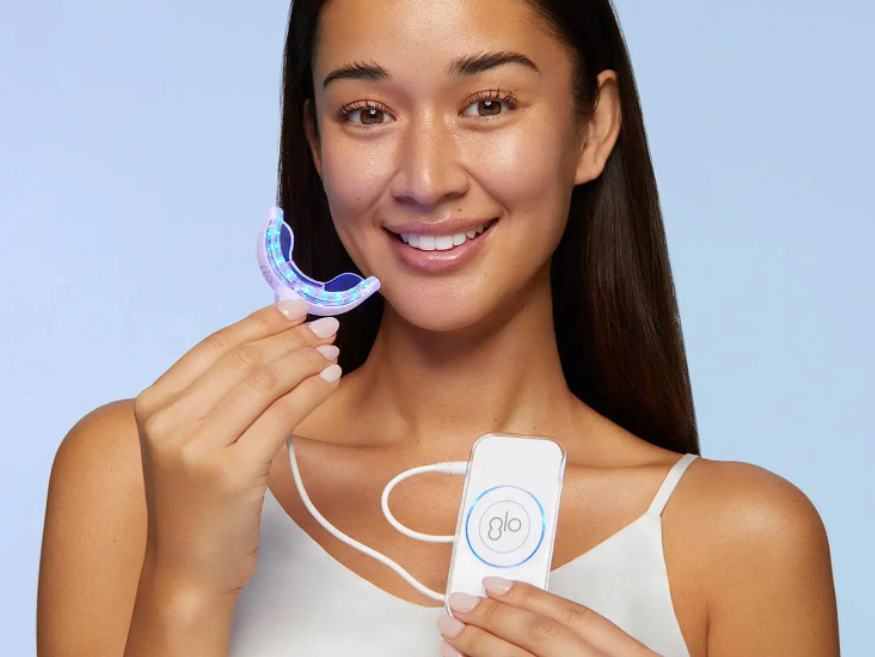
We asked dental professionals for their take on the best teeth whitening kits for getting a whiter, brighter smile.
Your Health is Under Your Nose with Dr. Kami Hoss
The Healthy Mouth Movement Podcast
Instant Genius: Oral Health, with Dr Kami Hoss and BBC Science Focus Magazine
Dr. Kami Hoss Talks to Fox About New Book, “If Your Mouth Could Talk”
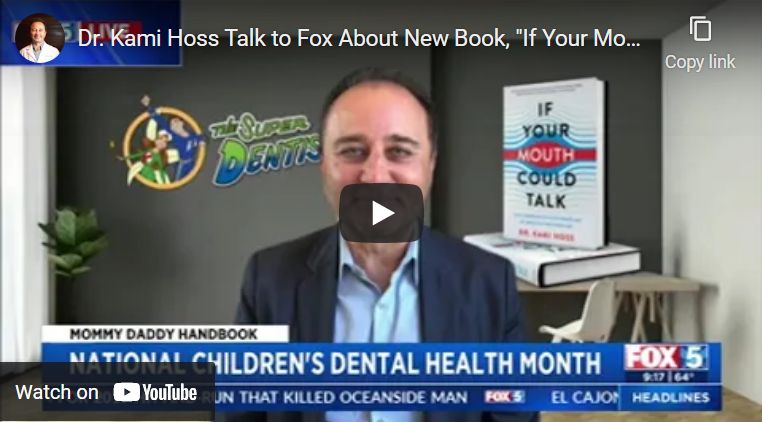
Importance of Oral Health During Pregnancy – News Interview
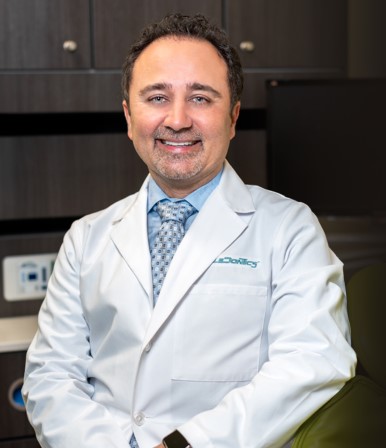
Pregnancy & Newborn I Why You Should Visit the Dentist While Pregnant
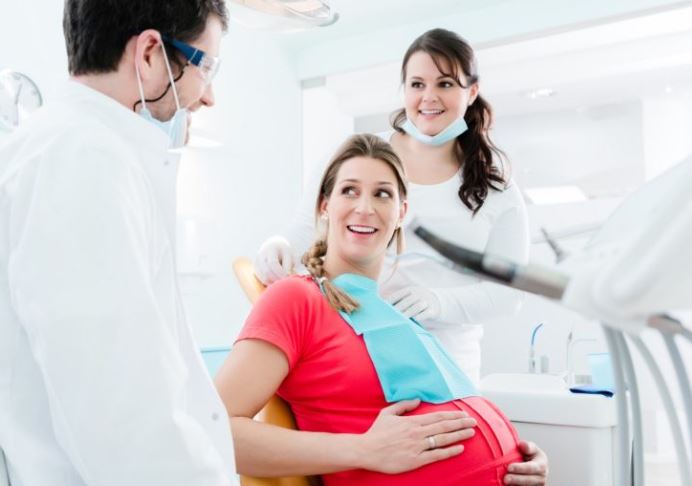
Dental X-Rays While Pregnant
Being pregnant can be one of the most magical times for a family. I remember when my wife was pregnant and we anxiously awaited for our son to arrive. We had so much fun choosing his name, daydreaming about what he’d look like and thinking about what kind of parents we’d become.
While these are the same things many expecting mothers are still doing today, they are dealing with the added burden of being pregnant in the middle of a pandemic. As if they didn’t have so many other worries to deal with, COVID-19 certainly adds stress and uncertainty at an already uncertain stage of life.
People fear going to the dentist even during normal times, so it’s easy to rationalize skipping dental work while pregnant, let alone during a global pandemic. But I’d like to stress that not only are dental offices remarkably safe, but that oral health is particularly important for expecting mothers, and could have a direct effect on the health of the baby and the mother herself. While this isn’t typically discussed during the many OB-GYN visits during pregnancy, it is something I see firsthand at my six pediatric dental offices. Let me explain why.
Maintaining Good Oral Health During Pregnancy
When a woman is pregnant, immune and hormonal changes make her more susceptible to pregnancy gingivitis and teeth sensitivity. This is actually more common than you’d expect, impacting roughly 60-75 percent of pregnant women.
In fact, gum disease during pregnancy can have a variety of adverse effects ranging from premature births to low birth weights. Annually, about 10 percent of babies are born early in the U.S., and preterm babies can experience both short- and long-term health problems. Poor oral health can also increase the mother’s risk of gestational diabetes and preeclampsia, a potentially fatal pregnancy complication.
Maintaining good oral health can become increasingly challenging during pregnancy. Food cravings alone can lead to dietary choices that aren’t the healthiest, and that extra sugar provides fuel to harmful oral bacteria which could result in cavities, gum disease, and overall health consequences.
Morning sickness can also pose a problem; prompting pregnant women to avoid brushing their teeth altogether due to nausea, or actual vomiting which releases eroding gastric acids. The acid from vomit can damage the teeth, especially in the upper front areas. Brushing immediately after vomiting could cause even more erosion or damage because that is when teeth are most vulnerable.
Instead, rinse with warm water and wait a little bit before brushing. Proper guidance from your dentist such as this can help you understand safe and appropriate maintenance during pregnancy to avoid issues that could do irreversible damage to your oral and overall health.
Oral health also extends to airway health and breathing. Snoring is a common side effect that impacts 30 percent of expecting mothers, and women who snore habitually during pregnancy are three times more likely to deliver developmentally delayed babies. Obstructive sleep apnea (OSA), a sleep disorder that involves the stopping and starting of breathing, tends to get worse during pregnancy due to weight gain and the baby pushing against the diaphragm. OSA limits the amount of oxygen in the body, which can have detrimental effects on a mom and her developing fetus and is another problem an airway-focused dentist can help address.
Are Dental X-rays Safe While Pregnant?
An important part of maintaining good oral health during pregnancy may include x-rays. I understand how scary it can be, especially when you’ve heard over and over that radiation could be dangerous to your unborn baby. But let me put you at ease. First and foremost, I’m here to help you and your baby be healthy. I would never put either of you at risk knowingly.
Secondly, getting dental x-rays while pregnant is perfectly safe because they emit a very low amount of radiation, not the high emission levels that could harm your baby. And you know that heavy lead apron? It protects all your vital organs, including your baby, during the brief exposure to the very low levels of radiation.
And while x-rays are deemed medically safe in any trimester, many women feel most comfortable getting them after the end of the first trimester through the first half of the third trimester. No matter your concerns, don’t hesitate to talk to The Super Dentists about getting dental work while pregnant.
Oral Health and Fertility
While it’s important to protect your oral health when you are pregnant, it’s just as important for both men and women to have healthy teeth and gums before conceiving.
I know what you’re thinking, “Can gum disease stop you from getting pregnant?” It’s easy to assume there is no connection. However, excessive bacteria in the mouth, which can enter the bloodstream as well as contribute to tooth decay and infections, may affect fertility in women trying to get pregnant along with lowering a man’s sperm count and sperm motility (the ability to swim.)
I understand that we’re living in scary times right now, but going to the dentist while pregnant will only help—not hurt—a mother’s chances of a healthy pregnancy. As a member of the dental and medical profession for over 20 years, I’m a strong advocate that taking care of your oral health is integral to your overall health. It may play an underpublicized role, but good health starts in the mouth. If I can impart anything on expecting mothers today, it is to not ignore oral health–your baby will thank you later.
So, when do babies go to the dentist? Believe it or not, the American Academy of Pediatric Dentistry recommends the first visit occur no later than age one. We’re here for them, too. Building a strong foundation for good oral health and showing them just how fun a visit to the dentist can be is best started early.
Whether you are pregnant, trying to become pregnant or have a new little one, The Super Dentists is here for your entire family. Call (855) GO SUPER to schedule an appointment or talk to our experts to calm your fears of visiting the dentist while pregnant today.
—
Dr. Kami Hoss is a San Diego-based orthodontist and dentofacial orthopedist, author, and founder of The Super Dentists and Howard Healthcare Academy.
He is on the Board of Counselors at UCLA School of Dentistry where he previously received his doctorate in dental surgery.
Children Heading to the Dentist Before the First Day of School | NBC 7
Dr. Kami Hoss, The Super Dentists co-founder, advises parents to not fear taking their kids to the dentist as dental offices are taking precautions to keep everyone safe.
INDY Week I Op-Ed: College Grads, Here’s My Advice—Don’t Listen to Everyone Else’s
So many college graduates in North Carolina and around the country are setting out to establish careers and businesses. And this time of year always makes me recall how so many grads get bad advice. During my final year of orthodontic residency, my fellow classmates and I had to meet with an advisor who was supposed to give us guidance on how to succeed as a dentist in the real world. I remember that meeting very clearly, as it would shape the way I formed my practice and ultimately my entire career.
My advisor gave me three distinct dos and don’ts: don’t relocate and start an office in a city I’d never lived in before; don’t work with my wife (who was also a dentist and finishing her pediatric residency); and, do take general dentists out for lunch to build relationships and referrals.
I remember this advice being unsettling at the time because I had already planned to move to San Diego, a city I had never lived in before. I was also wanting to start an oral health business with my wife. And I found that long lunches with fellow dentists, who had already established relationships with other specialists, to be cumbersome and unfruitful. I hadn’t even left dental school yet, but if my advisor had any say, his educated guess would’ve been I was destined to fail.
Twenty-five years later, I am thankful to be part of a thriving enterprise in San Diego that I run with my wife. We now have seven oral health locations with more on the way, far exceeding what my advisor ever imagined. Why do I share this story? Because if I had taken advice from the “expert”, I wouldn’t have figured out my own path, and I certainly wouldn’t have been in the position I am in now. So, my advice to you is, sometimes you have to create your own path and stop listening to the experts.
We are given advice all the time, whether it’s solicited or not. We’re told what schools to go to, what to study, what to do, how to do it – and if we do all these things, according to the experts, we will become successful. And this is where I beg to differ. My take is, if we follow all the advice and do all the things everyone does – it will make us ordinary. To be extraordinary, you must watch what everyone is doing and do it differently and better.
When I was starting out, I heard a lot about what to do to be in the “norm.” Norm is short for normal. There is nothing wrong with being normal or average if that’s what you want, but if you want to excel, you need to be extraordinary and do things differently. No one makes history by being like everyone else. You don’t change the world by being average. So, no matter what field you plan to enter into, my advice to graduates is don’t be afraid to blaze your own path and create your own set of rules. At the very least, you’ll have a new set of advice to give the next person about your own discovered dos and don’ts.
Dr. Kami Hoss has recently been published as an expert on business leadership, the pandemic, and parenting in Chief Executive, Forbes, Street Fight, Pregnancy & Newborns, Parents, Dentistry Today, San Diego Union-Tribune, Omaha World-Herald, and others. He is also on the board of counselors at UCLA School of Dentistry.
This article was originally posted on INDY Week on June 13, 2021.
Allure I “Cool” Oral-Care Products You Didn’t Know You Needed
The dazzling Gen Z-targeted collection, CO. by Colgate, not only looks fabulous in any bathroom setup but includes some seriously innovative (and gentle) products, like a no-rinse stain remover.
By Sarah Han
After the year we’ve collectively had, it’s hard not to notice all of the professional services we’ve forgone, including our biannual dental cleanings. But in a way, they’ve also been a source of motivation — at least, for me personally — to invest more in my oral-care (and at large, self-care) routine. Much to the dismay of my dentist, who gently reminds me to floss regularly every time I pop in for my appointments, I didn’t use to do much outside of my twice-a-day brushings.
But I’m happy to report that I’ve been making incremental progress since my last cleaning a few months before all of New York City shut down in March 2020. I floss at nighttime and have even dipped into using mouthwash (I know, groundbreaking), but I’m still not exactly what you would call “thrilled” about oral care as a whole. That’s where Colgate‘s new sub-brand targeted toward Gen Z and young Millennials (hello, me) called CO. by Colgate, comes in.
I’ll admit the pearlized, holographic packaging drew me in at first, but I wanted to get my hands on the products and test them out for myself — so I could confirm that it wasn’t all hype. I’ve grown up using Colgate products, so I have some underlying trust there, but I tapped Liz Suspanic, Colgate’s brand manager of oral-care innovation to get the scoop on the collection.
Throughout the wildly unpredictable pandemic and all of its variants, many people — including our superhero-like essential workers and Allure editors — have turned to their beauty routines as a means to de-stress and care for themselves. Colgate saw a gap in the oral-care market (after all, everyone has to brush their teeth every day), especially in regards to a growing crop of inclusivity-minded Gen Z beauty enthusiasts. The brand’s research eventually led them to the name CO., which is short for Colgate and “reflects the ethos of the brand and what it represents: community, collection, confidence, and collaboration,” Suspanic says.
I personally think the brand campaign lives up to the name, but at the end of the day, I care most about whether or not the products work. So, without further ado, let’s take a closer look at all seven products:
Kicking it off is the It’s Lit Overnight Whitening Wand, which is made up of just four ingredients: alcohol, water, hydrogen peroxide, and acrylates/octylacrylamide copolymer. Sarah Winter, a board-certified dentist and founder of Sarah Winter Dental in La Jolla, California, says that hydrogen peroxide has a “well-proven track record as a whitening ingredient, penetrating through the deeper layers of the teeth and breaking up compounds that cause discoloration.” And according to Kami Hoss, a board-certified dentist and CEO of The Super Dentists based in San Diego, the acrylates/octylacrylamide copolymer is a film-forming and fixative agent that is water-resistant, so the hydrogen peroxide can stay on longer.
However, both caution against applying more than the recommended dose (one to two clicks per four teeth) or leaving the formula on for too long, as that may result in tooth and gum sensitivity — or even long-term enamel damage. (In the event of short-term irritation, Winter says a soothing vitamin E gel will come to the rescue.)
After two weeks of continued use, this no-frills treatment is supposed to make your teeth look up to three shades brighter. I like the concept of a whitening wand but the formulas are usually so heavy that I can’t fall asleep before wiping it off. (Perhaps that’s just me.) However, this serum is so lightweight and barely noticeable, and the brush applicator never overdoes the dosage.
Suspanic tells me that the wand creates “a coating that allows for a slow release and extended [overnight] exposure to the active ingredient, hydrogen peroxide.” Come morning, you’ll see some white “stains” on your teeth that you easily remove with your toothbrush. Over the past two weeks, I’ve definitely noticed less yellowing (did I mention I’m an avid coffee drinker?), but you really have to be consistent over a span of three to four weeks (as Winter recommends) for the best results — and, of course, keep up your regular brushing and flossing habits.
The Later, Stains! Foaming Anti-Stain Mouth Rinse is probably the most innovative product of the bunch, mostly because it’s a mouthwash that doesn’t require thorough rinsing and “helps prevent everyday stains from sticking to your teeth,” Suspanic explains. After swishing the airy, minty foam in your mouth for up to a minute, simply spit out the excess and you’re done.
But how does it actually prevent stains from forming? Laura Lam-Phaure, a cosmetic chemist, serves up her best hypothesis. “As most pyrophosphates are considered to be anti-calculus agents, [the formula’s] disodium pyrophosphate helps prevents the formation of calculus on the teeth by controlling mineralization,” she says. Calculus, for those unfamiliar, is a hardened film of bacteria caused by a buildup of plaque over time — and that occurs through mineralization via calcium and phosphate ions found in your saliva, Lam-Phaure graciously explains, after I follow up with more questions. She also calls out cetylpyridinium chloride, an antiseptic ingredient that guards the teeth against plaque, gingivitis, and by association, staining.
Most mouthwashes tend to be way too harsh and almost stinging, so this sweet, non-overwhelming mint flavor is such a welcome surprise. There’s also much less density to jostle around, so it’s really user-friendly. Plus, you get a nice freshening effect, which will only become more relevant and helpful as we collectively inch towards “normal times” (aka, one day being in close proximity with people without wearing masks).
The Later, Stains! Foaming Anti-Stain Mouth Rinse is probably the most innovative product of the bunch, mostly because it’s a mouthwash that doesn’t require thorough rinsing and “helps prevent everyday stains from sticking to your teeth,” Suspanic explains. After swishing the airy, minty foam in your mouth for up to a minute, simply spit out the excess and you’re done.
But how does it actually prevent stains from forming? Laura Lam-Phaure, a cosmetic chemist, serves up her best hypothesis. “As most pyrophosphates are considered to be anti-calculus agents, [the formula’s] disodium pyrophosphate helps prevents the formation of calculus on the teeth by controlling mineralization,” she says. Calculus, for those unfamiliar, is a hardened film of bacteria caused by a buildup of plaque over time — and that occurs through mineralization via calcium and phosphate ions found in your saliva, Lam-Phaure graciously explains, after I follow up with more questions. She also calls out cetylpyridinium chloride, an antiseptic ingredient that guards the teeth against plaque, gingivitis, and by association, staining.
Most mouthwashes tend to be way too harsh and almost stinging, so this sweet, non-overwhelming mint flavor is such a welcome surprise. There’s also much less density to jostle around, so it’s really user-friendly. Plus, you get a nice freshening effect, which will only become more relevant and helpful as we collectively inch towards “normal times” (aka, one day being in close proximity with people without wearing masks).
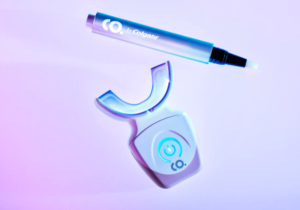
My gums are a bit too sensitive for LED devices but Winter reassures me that the SuperNova Rechargeable At-Home Teeth Whitening Kit‘s technology is sound, especially when used with caution and as directed. She says it’s safe for older teens to use and confirms that it’s an effective way to maintain in-office treatments, too. The combination of the LED light and hydrogen peroxide-based serum results in a smile that’s up to six shades brighter in just ten days, according to Suspanic.
For what it’s worth, New York City-based board-certified dentist Pia Lieb and Arizona-based board-certified dentist Brian Harris shared that they’re fans of the Colgate Optic White At-Home Teeth Whitening Kit — and in comparison, the SuperNova Rechargeable At-Home Teeth Whitening Kit seems like a more gentle version of that.
The Oh So Dazzling Toothpaste does a little bit of everything. It contains sodium monofluorophosphate, one of three types of fluoride approved by the Food and Drug Administration (FDA) to guard against cavities, according to Hoss. Lam-Phaure adds that the ingredient strengthens enamel and remineralizes tooth decay.
As a whitening toothpaste, it helps remove surface stains with silica (an abrasive used to polish teeth and clear buildup) and gives teeth a whitening boost with our dear friend, hydrogen peroxide. I’m personally not a fan of overly minty toothpastes, so this sweet mint flavor hits the right spot.
Aiming to reduce your environmental impact? You could start by replacing your plastic tubes with the waterless CO. to Go On-The-Go Anticavity Toothpaste Tabs. The M&M-sized chewables are formulated with enamel-strengthening fluoride, which can also minimize the appearance of mild, superficial staining — as Rhonda Kalasho, a board-certified dentist in Los Angeles, previously explained to Allure.
Although these are the first toothpaste tabs I’ve ever tried, they left a nice impression. There’s no mess involved with popping in a tablet and they foam up really nicely inside your mouth, just like regular toothpaste would.
I haven’t used a manual toothbrush in a hot minute but if I ever need a compact, no-fuss toothbrush for a quick getaway, I’m definitely bringing the TLC Manual Toothbrush along for the ride. It’s outfitted with a comfortable, sturdy grip, has super-soft bristles that are extremely gentle on teeth and gums, and is much more pleasing to look at than any hotel or dentist office freebie I’ve come across in my lifetime.
After experimenting with the entire collection, I can say with confidence that I will keep many of these products in my daily rotation. If you’re intrigued by aesthetic oral care products or didn’t know you had such options to choose from, then CO. by Colgate is most likely up your alley, too.
Shop the entire collection at ulta.com or co.colgate.com for $8 to $129.
This article by Sarah Han was originally posted on Allure.com on 4/30/21.
Fatherly I What Does It Mean When Your Baby or Toddler Grinds Their Teeth?
While typically not as bad as it sounds, there are some things to watch for.
Adults grind their teeth because of a wide range of emotional states. Anger? Check. Anxiety? Sure. But a baby grinding teeth is a different story. It’s not about anger or fear until they get older. So what does it mean when your baby or toddler grinds their teeth? Here’s what parents should know.
Why is My Baby Grinding Her Teeth?
Teeth grinding, or Bruxism as it is referred to by doctors, is typical in babies, with nearly 50 percent of them doing it at some point. Dr. Kami Hoss, the founder of The Super Dentists, finds most kids grind their teeth as a matter of exploration.
“Simple discovery is one reason kids grind their teeth,” he explains, adding that this curiosity usually begins at about ten months when a baby’s top and bottom front teeth have come in. “They are trying to figure out what’s going on in their mouth as it starts to feel different.”
Dr. Hoss recommends parents check with their dentist, and if the grinding isn’t a result of something more serious, safe teething toys can provide relief. Safe, of course, is the operative word. In 2018, the FDA issued a warning to parents when multiple children died after using beaded teething jewelry.
When is Baby Teeth Grinding a Concern?
Sometimes teeth grinding can be a sign of something more serious, like apnea. In that circumstance, trouble breathing causes the body to activate muscles of the mouth to regain control of the airway to keep it open, which results in the grinding of teeth. Dr. Hoss advises that if your child snores more than usual, breathes through their mouth, or has pauses in their breathing while they sleep, you should let your primary care provider know so they can evaluate your child for sleep apnea.
As kids get older, stress can also cause them to grind their teeth. “Kids get angry, frustrated, sad, or embarrassed. We all take stress out on different body parts,” remarks Dr. Hoss. He encourages parents to pay attention to how their children respond to stress.
What Can Parents Do About Kids Grinding Teeth?
If your child doesn’t pass through the tooth grinding phase independently or if their grinding is persistent, then dental erosion can become a concern. Your child’s dentist will be able to help you know if it gets bad enough to require treatment.
“With little kids, we usually can’t prescribe a mouthguard because it might disrupt baby teeth from falling out or the eruption of permanent teeth,” explains Dr. Hoss. “Tooth grinding isn’t anything to worry too much about, but it is one of the many reasons it’s good to establish dental care for your baby even before their first teeth come in.”
Like almost all pediatric dental issues, your dentist can address tooth grinding more effectively when they have the opportunity to identify the problem early and already have an understanding of what is going on in your child’s mouth.
This article by Christian Dashiell was originally posted on Fatherly.com on 4/30/21.
Other Articles You’ll Love:
Fatherly I What Parents Need to Know About Rotten Baby Teeth
Even though baby teeth fall out, it’s important to keep them as healthy as possible.
Fighting cavities in kids can sometimes feel like it isn’t worth the tremendous effort that goes into convincing them to brush their teeth. In a rush to get them off to school in the morning or off to bed at night, skipping the oral upkeep is a mighty tempting prospect. After all, is it worth going all out to prevent cavities in baby teeth if they are only going to get a six-year run before bigger and better models replace them? And is there even enough time for kids to develop rotten teeth before their permanent ones come in?
It turns out diligence most certainly pays off. Kids’ teeth are highly susceptible to cavities, which can raise a whole host of future issues more difficult than the occasional tooth brushing meltdown.
What Causes Cavities in Kids?
In short, it’s the same process that causes cavities in adults: enamel eroding and exposing the tooth pulp. But there’s a difference in baby teeth, explains Dr. Kami Hoss, the founder of The Super Dentists. “The enamel on baby teeth is thinner than on permanent teeth, and the pulp is relatively larger,” he says. “So damage can happen much quicker than with permanent teeth.”
Dr. Hoss encourages people to think of their mouth as a garden that requires various types of maintenance to remain healthy. Our mouths contain 700-800 species of microbe and 5 to 10 billion microbes in total. Together, these microbes create the thin, clear, and slimy biofilm that coats everything inside your mouth. Gross? Sure. But as long as you have a mouth, microbes will always find it a happy place to live and create a biofilm. You can, however, keep them balanced and working in your favor.
When we neglect oral hygiene, the biofilm on our teeth becomes thicker, whiter, and sometimes even a bit yellow. These changes signal that some types of unhealthy microbes in our mouth are feeding on the sugars they find, and in the process, secreting acids that drop the pH — a condition that favors the unhealthy microbes. A cycle of increasing acidity causes enamel to move away from the teeth and into the saliva, leaving tooth pulp exposed.
What’s Wrong with Cavities in Baby Teeth?
Temporary does not mean disposable. There are many reasons why it’s essential to keep baby teeth healthy and intact until they are ready to come out on their own.
Baby teeth hold space for permanent teeth, so losing them too early can create problems down the road. “Baby teeth around the removed tooth will drift into that space and could block the eruption of the permanent tooth that’s supposed to come in there,” explains Dr. Hoss. “That can then cause a major orthodontic problem down the road.”
Additionally, there are functional reasons that baby teeth are essential for a child’s growth and development. Healthy teeth support proper digestion by ensuring kids can eat correctly, and they also have a role to play in language and speech advancement.
Dr. Hoss notes that there are self-confidence implications when kids don’t have healthy teeth. “Weight and teeth are the two reasons kids get bullied the most. If they aren’t speaking well or don’t feel like they can smile because they will get made fun of, then kids may develop an unhealthy self-concept at an early age.”
Prevention
Regular dental visits starting no later than the appearance of your child’s first tooth allows your provider to monitor the health of your child’s mouth.
What kids eat and how they eat are also important. “I’m a dad,” says Dr. Hoss. “I have an 8-year-old. I’m not saying you should never have candy or that you need to boycott Halloween. But we have to view sugar as something we enjoy in moderation. Not only candy but also fruit juice, white bread, and flour.”
While the science of how cavities develop is more nuanced than most people are aware of, many preventative measures are common sense. And a kid who learns how to care for their baby teeth will have developed good habits when their permanent teeth come in. That will save both you and them a lot of time, money, and pain in the long run.
This article by Christian Dashiell was originally posted on Fatherly.com on 4/23/21.
Check out these related articles:
When do babies get their first tooth
Why You Should Visit the Dentist While Pregnant
3 Things that Can Happen to your Teeth When Pregnant
Fatherly I This is When You Should Expect to Start Playing Tooth Fairy
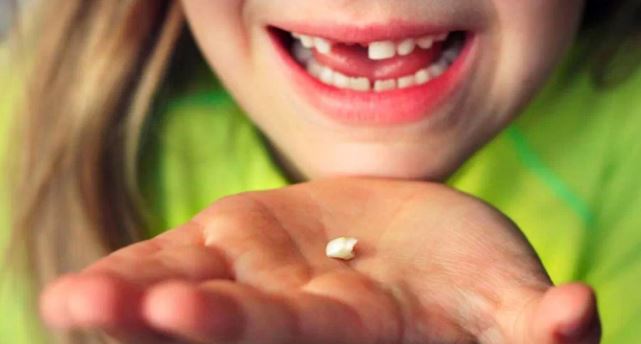
While the onset of developmental milestones varies from child to child, the age when baby teeth fall out is particularly broad. On average, kids’ teeth fall out at 6-years old. But some parents start playing tooth fairy for kids as young as 4, while others may need to wait until their child turns 9.
Orthodontist Dr. Kami Hoss, the founder of The Super Dentists, assures parents that there’s little to worry about if their child ends up on the latter end of the spectrum. “If all teeth are delayed, there could be several reasons,” he notes.“The primary would be genetics, and it’s usually ok if teeth are universally and sequentially delayed in falling out.”
The first teeth to fall out are ordinarily the lower incisors (front central), followed by the upper incisors, primary molars, lower canines, and finally the upper canines. Those 20 baby teeth are replaced by 20 permanent teeth, and over the next few years, the jaw grows enough to make space for 12 additional permanent teeth.
Of course, kids don’t always let nature run its course. It’s not uncommon for a kid to lose a baby tooth prematurely in an unfortunate playground accident or collision with the kitchen counter.
Dr. Hoss says that, unlike permanent teeth, a dentist wouldn’t look to put the tooth back in. “With baby teeth, once it falls out we would look to see if we would need to do a partial or just leave it as-is.”
To ensure your child’s teeth are as healthy as possible and to prevent any problems that may occur, Dr. Hoss suggests parents use the “1, 4, 7” method as they plan their child’s oral healthcare.
“No later than one-year-old to see the dentist for the first time. No later than four to stop bad oral habits such as thumb sucking. And no later than seven to see the orthodontist ensure there is room for all of the permanent teeth to come in,” Hoss explains.
Early visits to the dentist allow kids to be evaluated using the American Dental Association’s Caries Risk Assessment, which can help dentists alert parents to any possible issues. The American Academy of Pediatric Dentistry notes that “In addition to the caries assessment, the dentist will address any growth and development issues that may be specific to a particular child, such as the delayed eruption of teeth or rare structural abnormalities or habits that may predict future needs.”
An abnormally long delay in the loss of baby teeth could be a sign of something that a dentist or orthodontist would want to catch early. According to Dr. Hoss, the most likely culprits would be supernumerary teeth (extra teeth that are there that prevent permanent teeth from coming in), or teeth with roots that are anchored against another tooth and don’t allow a permanent tooth to come in.
With so many developmental milestones for parents to track, losing baby teeth isn’t one that needs to take up much mental bandwidth. The permanent teeth will make sure they have room to come in when the time is right, and if it looks like they won’t then your dentist will be able to tip you off ahead of time.
This article by Christian Dashiell was originally posted on Fatherly.com on 4/1/21.
The Doctors I Why Patients with Gum Disease are More Likely to Die of COVID
The Doctors are joined by dentist Dr. Kami Hoss who shares why oral health is so important — especially when it comes to COVID-19.
Dr. Hoss explains the findings of a recent study that suggests patients with gum disease are 9 times more likely to die from the virus. Additionally, the study found those with gum disease were 3 times more likely to be admitted to the ICU, and also 4 and half times more likely to require a ventilator.
“Your mouth is the gateway to your body,” the dentist tells The Doctors. “In many ways, it determines the health of the entire ecosystem [of your body]… poor oral health impacts our overall health from pregnancy to many systematic health issues and even longevity.”
To improve your oral health, Dr. Hoss urges:
– To see your dentist for your regular appointments
– Brush and floss regularly
– Watch what you eat and drink and how frequently because after eating and drinking saliva pH drops and becomes more acidic, which can lead to more cavities and possibly gum disease
Get more tips on oral health and the surprising link between gum disease and COVID-19 here.
This interview originally appeared on The Doctors.com on 3/30/21.
Fatherly.com I When Do Babies Get Their First Tooth?
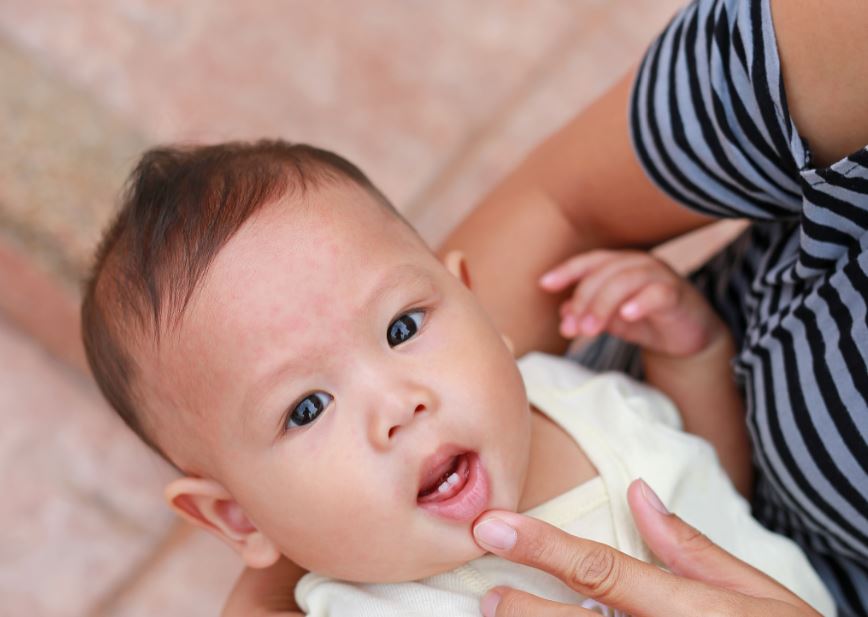
Waiting on a baby’s first tooth is a pain, unless they happen to born with them.
Like most infant milestones, those involving baby teeth are far from precise. The age when babies get teeth varies from child to child. Some babies are born with a tooth or two. Some babies may not have their first tooth emerge until 12 months. In between those extremes baby teeth come in anytime between 4 and 10 months, with an average of around 6 months for typical babies. Genetics is largely responsible for when teeth emerge, but the timing of the first tooth can also have serious implications on infant health.
“If the teeth come in a few months early or a few months late there are no concerns, usually,” explains orthodontist Dr. Kami Hoss, founder of The Super Dentists and Howard Healthcare Academy who serves on the Board of Counselors at UCLA School of Dentistry. “If the timing is extreme it can be an issue. Very early teeth, for instance, can interfere with breastfeeding.”
That’s a serious consideration, Hoss explains because breastfeeding is really important for oral health. Not only does it help shape a baby’s facial-musculature growth, breastmilk results in fewer cavities.
Very early teeth can also indicate the supernumerary teeth — the presence of extra teeth. “I’ve seen from one to a dozen extra teeth in children,” Hoss says. “An extra tooth that doesn’t have room to come in can cause regular teeth to be crowded or have gum damage.”
If it’s caught early enough, supernumerary teeth aren’t too much of an issue. If they haven’t started causing damage they can simply be removed.
A serious delay in the emergence of teeth could be linked to several factors. In some instances, a tooth might be stuck behind another tooth. In other cases delayed teeth may be linked to missing permanent teeth. In either circumstance, x-rays are required to determine the issue and possible treatment options.
That said, Hoss urges calm if parents aren’t seeing the first baby teeth on time. “There are some families that usually get their teeth late,” he says. “So if I see one child that has teeth coming in significantly late, then I usually start asking when the other family members got teeth. Typically it’s that their biological clock is ticking slower.”
And in those cases that biological clock is likely slower across development. So the same children may reach all their milestones at a leisurely pace from walking to puberty. That’s why it’s important for parents to place milestones in the context of their child’s unique developmental pace.
Hoss notes that baby oral health issues can be easily managed. But success is completely dependent on catching the issue early enough to be corrected.
“The American Academy of Pediatric dentists recommends that every child has seen a pediatric dentist by 6-months of age,” say Hoss. “But personally, after 25 year in my practice, that the latest that parents should see a pediatric dentist. My personal recommendation is that during pregnancy parents should find a dental home for their coming baby.”
This article by Patrick Coleman was posted on fatherly.com on March 12, 2021.
Well + Good I 3 Things that can happen to your teeth when pregnant
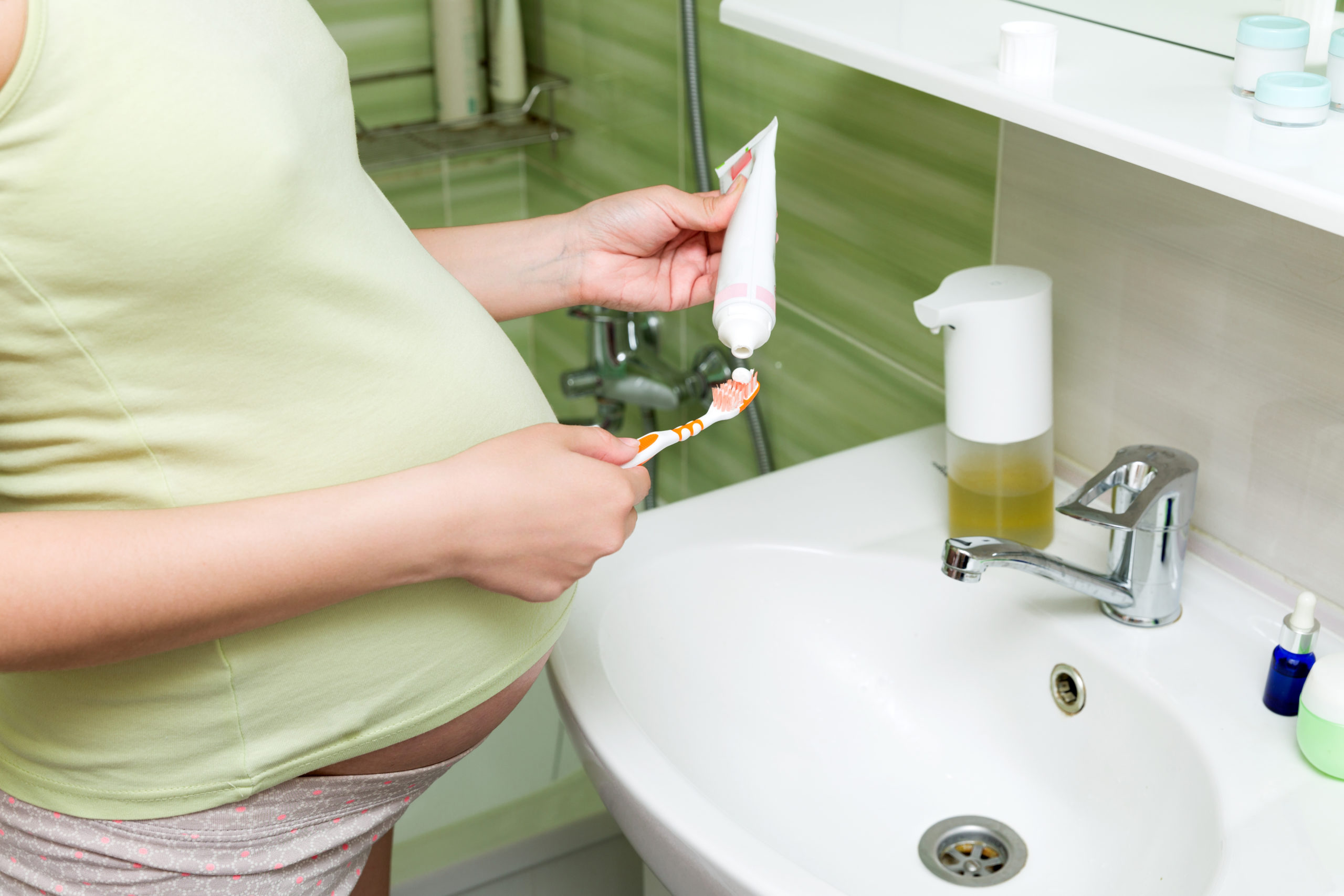
There are certain symptoms that most people know come along with being pregnant—like morning sickness and having to pee all the time. But one other thing that can happen? Changes to your oral health can lead to many a toothache during pregnancy.
When you’re expecting, your hormones fluctuate, and you may start to see their effects in your mouth. “Higher progesterone levels make pregnant women more susceptible to bacterial growth and developing plaque, while [increased estrogen] causes an increase in the blood flow to the gums, making them more swollen and sensitive,” says Kami Hoss, DDS, an orthodontist in San Diego.
From bleeding gums to shifting teeth, here’s what you can expect to happen to your teeth during pregnancy—plus how to deal—according to a two dental experts.
1. Bleeding gums
The cause: If you’re currently pregnant, you might experience bleeding gums while brushing between the 14th and 30th week of pregnancy, and it’s all thanks to your ever-shifting hormones. “An increase in the levels of estrogen, estradiol, and progesterone can cause pregnancy-induced gingivitis,” says Beverly Hills periodontal plastic surgeon Nicolas A. Ravvon, DDS. Gingivitis is the first stage of gum disease and can occur when the plaque along the gum line isn’t removed properly. Plaque breeds bacteria that infect the gums, causing bleeding and sensitivity. It’s the same sort of plaque that people get all the time, but hormonal changes during pregnancy increase your sensitivity to it.
The fix: Luckily, the gingivitis-induced inflammation of pregnancy is reversible, and should subside once hormone levels return to normal. In the meantime, gently brush twice per day with a soft-bristled toothbrush, which won’t further irritate sensitive gums. Additionally, switching to a natural toothpaste can also help, since those formulas tend to be less abrasive than traditional ones.
2. Shifting teeth
The cause: Teeth shifting during pregnancy is a common phenomenon, thanks to periodontitis, a gum infection that’s exasperated by—you guessed it—hormonal changes. “Periodontitis is a progressive disease that damages the gum tissue and in turn can damage the bone supporting the teeth, accentuating tooth movement,” says Dr. Ravvon. “It is caused by chronic inflammation that is not treated.”
The fix: While the thought of shifting teeth might seem alarming, the good news is that as long as you don’t have any previous conditions or gum disease, the condition is temporary. While it may cause a toothache during pregnancy, it won’t cause tooth loss down the line. According to Dr. Ravvon, periodontitis is largely preventable with good brushing and flossing habits, plus regular visits to the dentist to manage dental plaque and reduce inflammation. When brushing, place the bristles along the gum line at a 45-degree angle so they brush along the tooth surface and gumline, which helps to remove plaque build-up. Floss daily and use an antibacterial mouthwash to help prevent bacteria and reduce further inflammatory reactions in the mouth.
3. Tooth decay
The cause: This one comes from a domino effect of the day-to-day pregnancy symptoms you’ll be experiencing throughout your trimesters. According to Dr. Ravvon, pregnant people are at higher risk of tooth decay due to sugary dietary cravings and morning sickness. Between damaging sugar and the gastric acids that come from vomiting, the enamel in teeth can erode and, in some cases, exacerbate tooth sensitivity.
The fix: To combat the effects of gastric acids, Dr. Hoss suggests something that sounds counterintuitive. “I would advise pregnant women against brushing immediately after vomiting since that’s when the teeth are very vulnerable to erosion and damage.” Instead, he says rinse with warm water and wait before brushing your teeth.
When to see a dentist
When it comes to pregnancy dentist visits, timing is everything. “I recommend my pregnant patients to come in for cleanings at both the beginning and the end of the second trimester,” explains Ravvon, noting that it’s best to wait until after the first trimester to book your appointment. “In the case of women without pre-existing gum disease, the [teeth] changes [you experience during pregnancy] are temporary and benign, meaning these changes are reversible following pregnancy.” Keep up with regular brushing, flossing, and rinsing—and don’t be too alarmed with the inflammation, bleeding, and sensitivity that occurs with a tooth ache during pregnancy. It all just comes with the territory, mama.
This article by Stephanie Montes was originally posted on Well + Good on February 21, 2021.
Times of San Diego I Opinion: It’s Past Time to Take Your Child to the Dentist
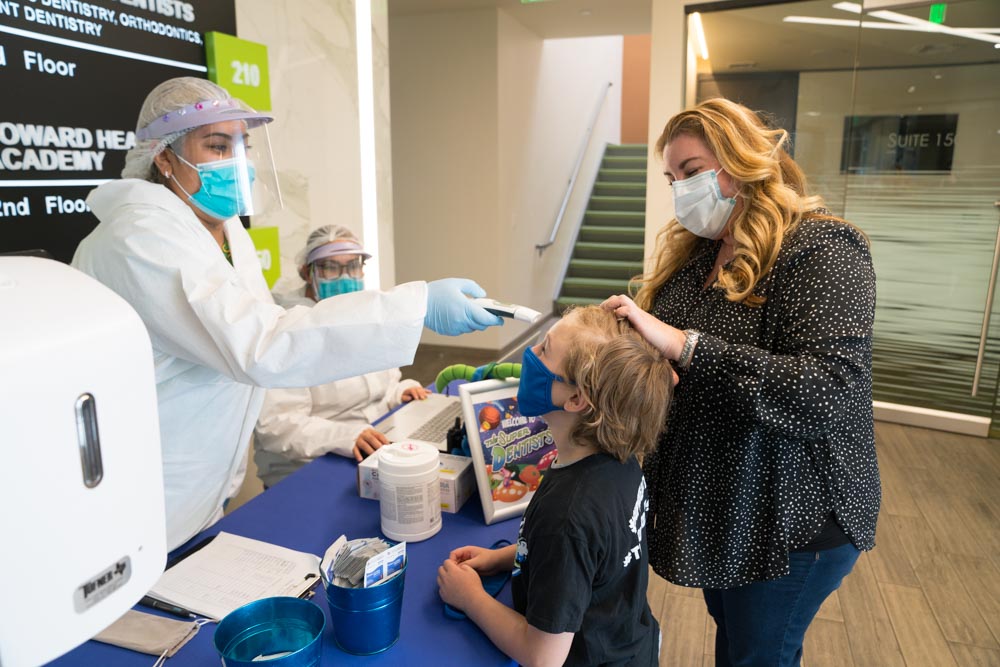
The last 12 months have been tough on everyone, especially those with young children. If navigating a global pandemic isn’t hard enough, add on virtual learning, ever-changing school, and sports restrictions, making sure your kids are wearing masks and washing their hands, all while trying to stay sane. I get it! As a father myself, my heart goes out to every parent that is juggling it all.

So it comes as no surprise that perhaps this year you skipped your child’s dental exam. Let me tell you why it’s time to reconsider that.
Your Child’s Oral Health Is Part of Their Overall Health
As an orthodontist and co-founder of the pediatric group dental practice The Super Dentists, I can assure you that delaying or ignoring pediatric dental issues can only make things worse. In fact, 42% of children aged 2-11 will develop cavities. When these go unnoticed, dental decay can spread to nerves faster on children than adults because the enamel on baby teeth is thinner.
Orthodontic problems, similarly, have a limited time window for optimal treatment too. Once that window closes, options for treatment become restricted and alternative solutions may be more invasive and cost significantly more. The results may, unfortunately, be subpar as well.
Your child’s oral health can also impact their sleep quality (if they’re in pain, they won’t sleep as soundly), which can in turn affect their performance at school and other activities. And one of the most compelling reasons to take care of your kid’s teeth is also one of the most heartbreaking: a leading reason kids are bullied or teased at school is because of their teeth.
Reimagining Dentistry During COVID-19
A year ago this month, we had just finished celebrating the grand opening of The Super Dentists in Escondido, our sixth and largest location yet. My staff and I were thrilled to start serving a new part of the county on the importance of oral health. Little did we know what was to come.
When the pandemic hit, The Super Dentists followed the mandatory shutdown orders by the state, leaving only the central office in Kearny Mesa open for patients needing emergency dental care. Those early days were challenging for us, as it was for most people. We had several long days leveraging relationships to keep stock of precious PPE and hand sanitizer.
While we were in lockdown, my staff and I became highly focused (dare I say obsessed?) with outfitting our offices with the most comprehensive and state-of-the-art safety equipment out there. The health and safety of our patients was and remains our number one priority. We upgraded our HVAC systems and invested in high-tech air filtration with UV light technology, exceeding public health guidelines. We also minimized all our patient-facing processes, and now offer many digital/virtual/paperless options to limit physical interactions.
As we optimistically look ahead to when it’s safe to be social again, we plan to emerge from COVID-19 by picking up where we left off with a grand opening celebration for our Escondido office, as well as events to celebrate our 25th anniversary in San Diego with the community.
Key Takeaways
If there is anything I can impart to you for Children’s Oral Health Month, it’s to remember to give your teeth some extra love and care. Oral health extends far beyond our mouths; it impacts our lung health, cardiovascular system, confidence, appearance, and ultimately, our quality of life.
This Op-Ed was originally posted on Times of San Diego.com on 2/19/21.
Prevention I Why Gum Disease Has been Linked to Severe COVID
Here’s Why Gum Disease Has Been Linked to Severe COVID-19, According to a Dentist
A new study found that coronavirus patients with gum disease were nine times more likely to die—but why?
- A new study suggests that people with gum disease could be nearly nine times more likely to die of COVID-19 than people without dental problems.
- Researchers found that those with periodontal disease were also 3.5 times more likely to be admitted to the ICU and 4.5 times more likely to require a ventilator.
- A dentist explains why gum disease could be linked to a more severe case of COVID-19.
From the beginning, doctors have known that COVID-19 is especially dangerous for high-risk groups, including older adults and people with underlying health conditions like heart disease and asthma. But research is still uncovering new risk factors, which now includes gum disease. The condition may affect up to half of American adults, and appears to be linked to a higher COVID-19 death rate, per a new study published earlier this month in the Journal of Clinical Periodontology.
In the study, researchers followed 568 patients infected with the novel coronavirus, dividing them into two groups: those without major issues (mild symptoms) and those who faced complications like ICU admission and ventilation or, eventually, death. They found that COVID-19 patients with gum disease were nine times more likely to die, 4.5 times more likely to require a ventilator, and 3.5 times more likely to be admitted to the ICU than patients without signs of dental issues.
It’s not the only science linking the coronavirus and gum health; research from Mexico and the United Kingdom, respectively released in June and November last year, also identified periodontal disease as a significant risk factor of severe SARS-CoV-2 infection and death. Newly discovered oral symptoms like “COVID tongue,” which causes bumps, inflammation, and discoloration on the tongue, further drive home the connection between the virus and the mouth.
“We’ve known for a long time, decades, that oral health is connected to lung and cardiovascular health,” says Kami Hoss, D.D.S., member of the Board of Counselors at the UCLA School of Dentistry and CEO of San Diego-based practice The Super Dentists. “In fact, what happens in your mouth really impacts the health of many parts of the body.”
What is gum disease?
Gum disease—called gingivitis in early stages and periodontitis in later, more serious ones—is caused by bacteria in the mouth that infect the tissue around the teeth, which results in inflammation. Those bacteria form the plaque that build up on our teeth; without proper care, the plaque hardens and spreads below the gums, speeding up the disease process.
Gums become inflamed at first, then start to pull away from the teeth as the disease progresses, Dr. Hoss explains. Eventually, teeth can become mobile, shifting around and even falling out. Symptoms include swollen gums, tooth sensitivity, bad breath, bleeding, and changes in bite.
Periodontal disease impacts just under half of American adults 30 and older, according to the Centers for Disease Control and Prevention (CDC). It also becomes more common with age; 70% of people 65 and older have some form of gum disease. Men and smokers are more likely to have some form of periodontal disease, but it can affect anyone. Gum disease is also more likely in people with systemic conditions like hypertension, diabetes, and respiratory diseases.
OK, so what is the connection between gum disease and COVID-19?
Even though you go to different types of doctors for your teeth and body, your teeth are part of your body—it’s all one system, Dr. Hoss explains. “People have really forgotten that your mouth is connected to your body, and what happens in your mouth impacts the body in all sorts of ways.”
The most recent study mentioned above discovered high levels of blood markers indicating inflammation in COVID-19 patients with gum disease, meaning that systemic inflammation could be the culprit behind the higher risk of complications.
Those same bacteria might also cause COVID-19 complications when patients inhale them into their lungs during their illness, Dr. Hoss says. The resulting secondary infections—on top of the one already making it difficult to breathe—could require assisted ventilation. Another theory is that ACE2 receptors, which act as a point of entry for SARS-CoV-2 and exist in large numbers in the mouth, could become overactive in those with gum disease, potentially offering reduced resistance to the virus.
Out of all of these theories, however, it’s most likely that inflammation is the driving factor of COVID-19 complications in people who have signs of gum disease, Dr. Hoss explains.
Can having gum disease directly lead to a severe COVID-19 infection?
For now, there is no concrete data on whether gum disease increases the likelihood of infection. “There was insufficient evidence to link periodontal disease with an increased risk of COVID-19 infection,” the researchers of the United Kingdom study concluded. “However, amongst the COVID-19 positive, there was significantly higher mortality for participants with periodontal disease.”
Although there’s a clear correlation between serious periodontal disease and a severe case of COVID-19, their true relationship is probably more complicated than simple cause and effect. The bacteria and inflammation already present with gum disease could aggravate a nascent SARS-CoV-2 infection, Dr. Hoss explains, or the gums might rather serve more as an indicator of overall health.
Gum disease is also more prevalent in patients with hypertension, cardiovascular disease, diabetes, asthma, pregnancy, and cancer, all known comorbidities of COVID-19. The exact relationship between these conditions and oral health remains unknown, per the Mexico study, but it certainly makes sense that COVID-19 would fit in with them.
Until more research is completed, however, there is no way to draw a clear association between the diseases—and no way to tell if treatment of periodontal disease can also lessen the risk of COVID-19 complications.
What should I do to prevent gum disease?
If your gums bleed when you brush and floss your teeth, that’s probably a sign of periodontal disease, Dr. Hoss explains. Swollen gums are also a common first symptom, and pain or soreness might present in some people, although painless gums are more common.
“It can go for months and years without getting diagnosed, and that’s why it’s so critical to see your dentist routinely,” Dr. Hoss says. “The best treatment is prevention.”
To keep your mouth in good shape, the CDC recommends brushing twice a day and flossing at least once every day, which can effectively remove the bacteria that cause gum disease. You should also see a dentist at least once a year (ideally every six months), since they’ll be able to clean plaque below the gums and monitor for serious issues.
Patients with gingivitis can keep it at bay with proper tooth and gum care, plus dentist intervention; patients with periodontitis might require more extensive dental work, medication, and corrective surgery to protect their gums. If you’re worried about your gums, visit your dentist, who will give you options to stop or reverse the condition.
“This study is an opportunity for us to remind people how absolutely critical their oral health is, both in normal times and especially during this pandemic,” says Dr. Hoss, who stresses the importance of visiting the dentist despite COVID-19. “Take care of your oral health—go to the dentist regularly and do a good job at home.”
This article by Jake Smith was originally posted on Prevention.com on February 18, 2021.
Fox 5 SD I Gum disease, the Silent Killer
Why is gum disease called the silent killer?
Dr. Kami Hoss tells you why and shares other startling stats about gum disease with @FOX 5 San Diego. Recent studies have also shown gum disease has a significant impact on COVID patients. People with gum disease have a 9x higher risk of dying from COVID 19 complications and are more likely to need both intensive care and ventilators.
Click to watch the whole interview.
Mothering.com I Oral Health Tips

You may not be surprised to know, but oral health for your baby starts in the womb! February is National Children’s Dental Health Month and we were lucky enough to have Dr. Kami Hoss, co-founder of The Super share some great oral health tips for our wee ones!
A guest piece by Dr. Kami Hoss
A mom’s own brushing and flossing habits can play a major role in her child’s oral health What’s more, there are several other tips that parents-to-be may not know about.
I am a dentist and a dad to an adorable eight-year-old boy. So, I know how important every aspect of a child’s health is to a parent. I hope this helps you on your exciting journey at hand—especially as it pertains to your child’s oral health.
With that in mind, here are five things you need to know as you get ready for your first one or your next one.
Tip 1. Take good care of your own oral health A child’s mouth starts developing before they’re even born, and the way mothers take care of their teeth, plays an underpublicized role.
If a mom has poor oral health, it can result in a number of pregnancy complications such as infertility and preterm birth. Also, parents can pass on the microbes in their own mouths to their babies. This reality could be a good or bad thing depending on the health of the parents’ oral microbiome, which are the billions of microbes that reside in their mouths.
Tip 2. Breastfeed (when possible) for mouth health.
We know breastfeeding isn’t possible in every parenting situation, and it can be a complicated decision. But if you can do it, the benefits to your baby’s oral health could be significant. While doctors usually encourage new mothers to breastfeed their babies because it protects infants from allergies, improves stomach health, and reduces the risk of infections, one thing that is often not talked about, but equally important is that it plays a huge part in your child’s oral health, too.
With breastmilk’s mix of complex proteins, lipids and carbohydrates, it nourishes the growing mouth and the new microbiome seeded by a baby’s passing through the birth canal. Breastfeeding also minimizes the chances of cavities in baby teeth when compared to drinking sugary juices or formulas.
Additionally, when the breast flattens against a baby’s palate, the breast’s weight and physical shape helps the palate form correctly. A baby’s mouth muscles are strengthened from the sucking motion and teach the baby to breathe through the nose. All of these factors aid with the correct growth of the jaws, lessening dental crowding as the child matures.
Tip 3. Wean off night-feeding if they’re able to sleep through the night.
Getting your baby to fall asleep by feeding him or her can lead to poor oral health. The milk, formula or juice can linger on a sleeping baby’s teeth, which can cause cavities. Enamel is thinner on baby teeth than on permanent teeth. What’s more, the pulp on baby teeth is relatively larger—therefore, damage from cavities happens more quickly.
Wiping your baby’s gums and teeth after feeding will help, but if your child is physically ready to sleep through the night, weaning them off of night-feeding would be best to protect their teeth.
Tip 4. Pay attention to your baby’s tongue habits because they speak volumes.
The tongue represents—when it comes to size-for-size comparisons—the strongest group of muscles in the human body. For babies, the tongue is instrumental for sucking, swallowing, taste, jaw and airway development and speech.
Babies can develop poor tongue habits, but these are habits that can be corrected. The main one is babies sucking their tongues, which can develop into a poor latch during breastfeeding. Other babies hold them in the back of their mouths or use them to push the nipple out of their mouths. The negative ramifications of poor tongue habits include not only inadequate breastfeeding but also problems with speech, swallowing, snoring, sleep apnea, and orthodontic malocclusion, which is a misalignment of the teeth and bite. If your baby has tongue issues, I recommend hiring a lactation consultant or visiting an experienced pediatric dentist.
Tip 5. Best teething tips.
During age four to six months old, teething typically begins and may continue until the child is about two years old. Let’s get one thing out of the way: I do not recommend oral gels or any other kind of medication. They are an unnecessary health risk.
Refrigerated teething rings can be safely used but do not freeze them since a baby’s mouth is too sensitive for such cold temperatures. More generally, it’s important to be cognizant of the quality of anything your baby puts in his or her mouth. As just one example, the FDA recommends avoiding teething necklaces because of the health risk.
When it comes to teething, remember that while babies can be fussy, such irritability doesn’t present a long-term problem. So be careful what you do in reaction while at home. If your baby has ongoing crying, earache, diarrhea, fever, coughs, or refuses to feed, take them to the doctor’s office to be on the safe side if you want.
After more than 20 years in dentistry and almost a decade into fatherhood, these are my best suggestions for parents readying for their next adventure. The larger task of parenting is not easy, but oral health can be extremely manageable as long as you are mindful of these five tips.
Dr. Kami Hoss is a San Diego-based orthodontist and dentofacial orthopedist, author, and founder of The Super Dentists and Howard Healthcare Academy. He is on the Board of Counselors at UCLA School of Dentistry where he previously received his doctorate in dental surgery. Dr. Hoss is a nationally recognized speaker and a sought-after expert focusing on oral health and its impact on overall health and emotional well-being. Visit his online profile.
Moms.com I 8 Questions to Ask Your Dentist
At your child’s dentist appointment there are a few questions you might want to ask. These are some common questions parents ask the dentist.
You have made sure that you have kept your little ones diligent about brushing and flossing their teeth. You’ve even purchased the mouthwash for children. Now, it is time for them to go to their semi-annual visit with the dentist. There are several questions that you may want to ask them. Here are some integral questions that you may want to ask your child’s dentist.
8Are They Flossing Enough?

Flossing is definitely an important aspect of dental hygiene. It is a pretty important one, too, since brushing can only get so far in between their little teeth. However, you do not have to use string floss. Typically, they make specific floss picks that are made just for little hands and little mouths. Their dentist will be able to tell you upon examination if your children are flossing enough, and if they should be flossing more. According to Stanford Children’s, children should floss at least once a day for two to three minutes. But again, your child’s dentist will let you know the best course of action.
7Are They Using The Right Toothpaste?

Sometimes dentists will recommend that your child not use a fluoridated toothpaste until your children hit a certain age. Ask your child’s dentist if the current toothpaste that they are using is an effective one, and if it isn’t, what is the best toothpaste for them to use? They will be able to steer you in the right direction of what toothpaste is the best, and whether to purchase fluoridated toothpaste yet or not, depending on their age.
6Should My Child Get Sealants On Their Teeth?

Sealants are only typically put on newly erupted permanent teeth, they aren’t placed on baby teeth. So it all depends on the age of your child. By age six, if they have gotten their six-year molars, your child’s dentist may suggest sealants. According to Evanson DDS, sealants are placed on the area of the molar where your children use to bite, in order to prevent bacteria from settling in that area. Your child may have gotten their six-year molars early, so make sure to ask about molars and sealants with your child’s dentist.
5Can You Show My Child How To Brush Their Teeth?

Many dental hygienists and dentists are well-versed in this topic and are more than happy to show your child just how they should be brushing their teeth. Not that they are doing it wrong, but perhaps they could be doing it for longer or they may be missing integral spots that they should be brushing at.
4Does My Child Need An X-Ray Today?

X-Rays can be a valuable tool in diagnosing tooth decay and other problems. However, they should only be used when they are absolutely needed. So, this is definitely a prudent question to ask your child’s dentist. According to Mouth Healthy, the decaying process between your child’s teeth can move at a very rapid rate. Most dentists only do them if they are wholly necessary in order to avoid exposing your child to unnecessary radiation.
3How Often Does My Child Need To Be Seen?

Typically, as long as there are no problems in between, children should be seen by their family or pediatric dentist once every six months, so twice a year, according to The Super Dentists. Dental health is right on par with children’s overall health, so make sure to get them to the dentist at least twice a year.
2Are They Using The Right Toothbrush?

Believe it or not, there are differences between toothbrushes! There are soft ones, hard ones, little ones, big ones, ones with special tools in them in order to sweep away decay. It is important to know which kind of toothbrush would be best for your child. Because every child is different and no two are the same, what might be good for one child, may not be the right toothbrush for your child. Your child’s dentist should be able to answer this question.
1How Can I Prevent Tooth Decay & Damage?

A good routine of brushing and flossing, and even sometimes mouthwash can be needed in order to prevent tooth decay in your children. Perhaps they are still young, and are still sucking their thumb or using a pacifier, your child’s dentist will be able to teach you a good routine in which you will be able to keep your child’s teeth nice and healthy. It is always important, as well, to limit sugar intake, and that children should brush their teeth after having sugary sweets. However, hygienists or the dentist themselves should be able to give you a good routine that your child should follow when taking care of their teeth.
Sources: Stanford Children’s Health, The Super Dentists, Mouth Healthy, Evanson DDS
This article by Jennifer Passmore was originally posted on Moms.com on February 4, 2021.
Insider I Chrissy Teigen lost a tooth eating a fruit roll-up
The Super Dentists co-founder, Dr. Kami Hoss, says that ‘routine dental care’ can prevent that.
Chrissy Teigen is having an eventful — and potentially painful — few days.
First, the cookbook author “got scolded” for Instagramming too much of the rehearsal for the US presidential inauguration celebration where her husband John Legend performed.
Then, right after the inauguration celebration on Wednesday, she says she lost a tooth while snacking on a fruit roll-up.
Teigen shared the dental ordeal with her followers on social media. She posted a video where she can be heard saying “I just lost my tooth in a fruit roll-up.”
Technically, Teigen later clarified, what she had lost was a cap, also known as a dental crown, which is a tooth-shaped cap placed over teeth that might have become damaged over time or due to some kind of injury.
Still, Teigen added that she “loved him like he was a real tooth” in a follow-up tweet. In either case — ouch.
An expert says Teigen’s tooth mishap is easy to avoid
Insider spoke to an orthodontist who said it’s actually quite easy to prevent a crown from falling out the next time you’re enjoying a sticky snack.
“People should maintain their routine dental care including their routine visits to the dentist so any early sign of a loose crown can be immediately dealt with,” Dr. Kami Hoss, an orthodontist based in California, told Insider.
Hoss added that because the video is blurry, he couldn’t quite make out if Teigen lost a temporary crown or a permanent one. He says it’s “fairly uncommon” for a permanent crown to fall off like this, but not impossible.
According to Hoss, a permanent crown could potentially fall out while eating depending on a number of factors, including how tight the crown was to begin with, its age, condition, the bonding material used to place it, and, of course, how sticky the food is.
“If the crown is fitted correctly and it is in a good shape, then it’s unlikely it’ll get loose from typical sticky foods including roll-ups,” he told Insider.
If your crown does come off like Teigen’s, don’t try any DIY remedies — get it fixed by a professional right away
“As a general rule, people should avoid doing any DIY procedures to glue the crown back on. I’ve seen people using super glue to bond their crowns back,” Hoss said.
He added that super glue is toxic and can create problems down the road for the dentist who has to more permanently fix the crown.
Hoss says to go see a dentist soon after your crown comes loose to avoid cavities and to make sure the teeth around the lost crown are properly aligned.
Teigen’s fans tried to cheer her up and offer solidarity
Teigen’s 13.6 million Twitter followers were sympathetic to her fallen crown and offered solidarity in the form of similar anecdotes.
One person said they’d lost their crown to a popcorn kernel.
—Katie Clifford (@replikate) January 21, 2021
Meteorologist Kimi Evans said she lost hers to a ginger chew.
—Kimi Evans (@kimievansmedia) January 21, 2021
One follower simply offered a bit of humor with a dentistry pun.
—Shannon S. (@MizShannonS) January 21, 2021
It’s unclear whether Teigen has gone back to her dentist yet, like Hoss suggests, but she did say that her family is back home in Los Angeles in a tweet this afternoon.
This article by Debanjali Bose was originally posted on Insider.com on January 21.
Salon I Is it safe to go to the dentist?
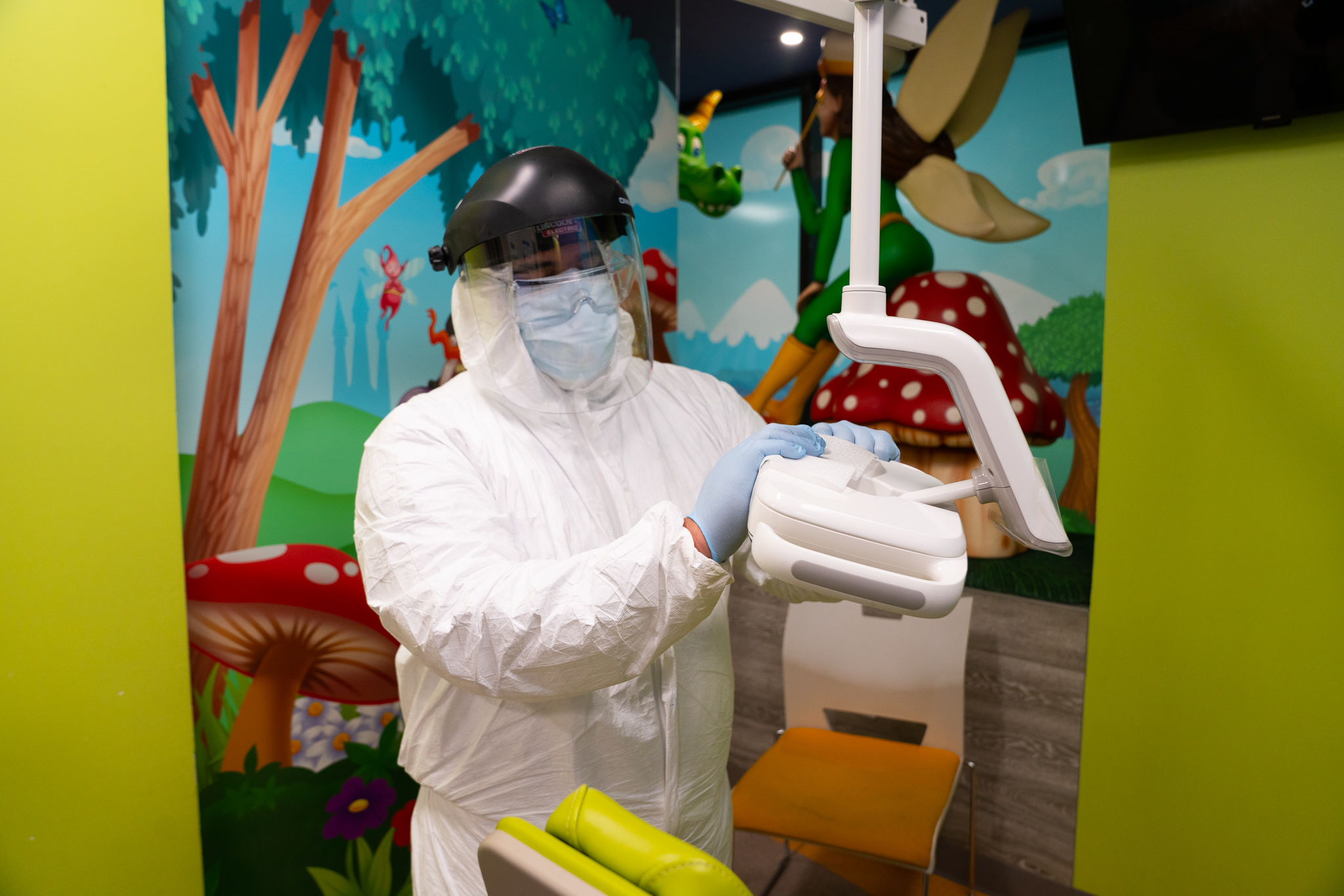
Salon asked experts about dental office safety protocols amid the pandemic
If the coronavirus is spread through breathing without a mask in close proximity to others, then one might think that sitting with one’s mouth agape for hours while a hygienist fiddles right next to you seems like a risky proposition. Indeed, unlike other health care visits, dentistry requires the removal of one’s mask for long periods. That has many Americans delaying or avoiding dental care, out of fear of transmission.
But don’t delay your dentist visit just yet. Dentists and health care experts say that despite what it might appear, a dentists’ office visit is actually a paragon of pandemic safety.
“It’s very safe to go to the dentist, and it’s been really safe since dental offices reopened back in May,” said Dr. Kami Hoss, D.D.S., who sits on the Board at the UCLA School of Dentistry and is the CEO of The Super Dentists in California. “Dentists are infection control experts.”
Dr. Hoss said that dentists have been hyper-aware of disease transmission and how to avoid it for decades. “This goes back to the 1980s, when I was going to dental school when we had to deal with the HIV AIDS crisis,” Hoss said. “Since then we have implemented many processes, technologies, and protocols to make sure that we keep our patients, employees, and doctors safe.”
Despite being considered a “high-risk” profession, in part due to the close proximity between dentists and patients, a report published by The Journal of the American Dental Association (ADA) found that less than one percent of 2,200 dentists surveyed last June had COVID-19. Professionals in the industry believe the low rate is a result of the industry adding an extra layer of protection to their already-stringent sanitation standards.
Dr. Matt Messina, an ADA spokesperson, told Salon over the phone — in-between patients — that it’s “absolutely” safe to go to the dentist right now. He remarked that there’s been no dentist-to-patient transmission that the ADA is aware of, and that the fact that less than 1 percent of dentists surveyed in June contracted COVID-19 means the industry has “a pretty amazing record.”
“And that’s dentists that have come down with COVID, and that includes from any source,” Dr Messina said of the statistic.
But of course, like most everything else, going to the dentist right now looks a bit different than it did pre-pandemic. You don’t get the coffee or tea in the waiting room, or likely any leisure time to read magazines before getting your teeth cleaned, as you did before. Some offices have omitted the waiting room entirely, opting instead to have patients wait in their car for a call when they’re ready to be seen. And prior to your appointment, you can expect to be virtually screened for possibly being exposed to COVID-19 and any potential symptoms— as Dr. Hoss does in California.
“We’ve implemented a thorough phone screening going through all the questions — if you have a fever, if you’ve been around COVID, we start from there,” Dr. Hoss said. “We only allow healthy people inside; that screening includes patients, but it also includes our staff and our doctors, every single morning before they’re allowed to be entering the offices.”
In addition to pre-appointment screening, dentists will look a little more protected too.
“Most patients will see, maybe the addition of face fields, more of a barrier gown type of arrangement, we look a hair more surgical than we have in the past,” Dr. Messina said. “Dental offices have used gowns, goggles, face shields, masks, even from before so luckily the average patient won’t notice a big difference.”
The Centers for Disease Control and Prevention (CDC) has listed exhaustive measures for the dental industry to follow. The federal agency also advises that dental offices prioritize dental services and overall care based on the personal protective equipment available and how many COVID-19 cases are in one’s local community. The risk of COVID-19 transmission is often weighed against the risk of not taking care of your oral health, which both dentists emphasized to Salon is very important.
“It is absolutely necessary to take care of your oral health, especially during a health pandemic,” Dr. Hoss said. “Why? Because general health starts in your mouth, oral health impacts every part of our health, including the health of pregnancy — it’s connected to many many systemic diseases, including lung health.” Indeed, the coronavirus can become deadly when it infects enough cells in the lungs.
But what about the metal tools that go in your mouth during a cleaning— the ones that are usually in someone’s mouth before yours? Dr. Hoss said a lot more “disposable items” are being used, but those “metal pieces” are being sterilized just like before. And that’s because the coronavirus is actually quite easy to kill (hence, the large public-health emphasis on washing hands and countertops).
“This particular virus is actually very sensitive to soap, even,” Dr. Hoss said. “For our sterilization process, there does not need to be dramatic changes to it. So yes we do use a lot more disposable items as much as possible, but anything that we can’t and we have to use it between patients, it’s fully sterilized and fully cleaned and it’s completely safe to be used between patients.”
This article by Nicole Karlis was originally posted on Salon.com January 20, 2021
Allure I The 13 Most Effective Whitening Toothpastes
…According to Dentists
Team fluoride or not, there’s a dentist-recommended toothpaste out there for you that’ll help remove surface stains, strengthen your enamel, and restore some of that pearly white luster you’re after.
Though they won’t make your teeth instantly jump several shades brighter like an in-office treatment would, whitening toothpastes are a good at-home measure that can assist in subtly removing stains, diminishing the appearance of yellowness, and overall improving oral health. While peroxide is still the gold-standard ingredient for a whiter smile, those concerned about its harshness have a number of alternative ingredients — like fluoride, hydrated silica, and charcoal — they can explore.
Let’s dial it back for a moment and go over some basics. Kami Hoss, a board-certified orthodontist based in San Diego, stresses the importance of taking into account the causes of stains and tooth discoloration — i.e. food and beverages (hello, coffee and red wine), smoking, aging, medications, etc., — in order to determine the correct remedy. Everyone should carefully evaluate a toothpaste’s ingredients and discuss it with their dentists to make sure they’re making the right choices, he adds. Otherwise, there could be negative, long-term effects that go against the goal you’re working toward — for example, you could experience damaged enamel and discoloration with the wrong ingredients.
Now, let’s look on the bright side. “There are a number of good products on the market for whitening that, when used correctly, will not damage teeth,” says Mark Wolff, a professor at New York University College of Dentistry. However, Wolff urges people to have realistic expectations. “The ’tissue test’ seen on commercials — holding a white tissue to the front of your tooth and expecting the same color — is just not realistic,” he says. “Expecting teeth to be brilliant white even after whitening is not always possible.”
Another piece of advice? Avoid charcoal toothpaste. The anecdotal claims you see floating around the Internet aren’t worth it because “some evidence shows that prolonged use of activated charcoal in toothpaste can potentially wear the enamel and even darken the teeth,” Hoss says. The next layer, dentin, is softer and naturally more yellow in appearance, so you don’t want to reach that level of exposure.
With all of that information in mind, start small with 13 of the best whitening toothpastes, as recommended by the experts. Pair your toothpaste of choice with a trusted electric toothbrush and brush away — at least two minutes per session, twice a day, no exceptions. (Oh, and don’t forget to floss.)
Click this link for the list of recommendations.
This article by Marci Robin and Sarah Han was originally posted on Allure.com on December 22.
Parentology | Choosing Your Child’s First Toothbrush
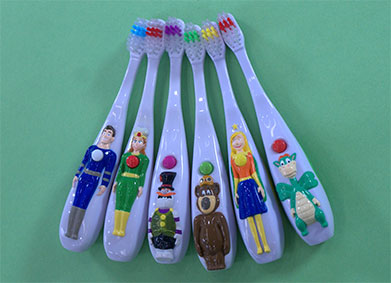
Every parent or guardian wants the best oral healthcare for their children, but it’s hard to succeed without the proper tools. The right “tool” – in this case, your child’s first toothbrush – makes all the difference. But with so many pediatric toothbrushes on the market, which one is right for your child? Follow our guide below to help you choose the best toothbrush for your little one.
Things to Consider
As adults, we rarely put much thought into which toothbrush we use. Other than bristle softness and maybe a cool-looking angled brush head, we tend to think of toothbrushes as “just another purchase.” This thought process sometimes impacts how we buy toothbrushes for our children, too, as we often think all toothbrushes are pretty much the same.
But they’re not – and that’s especially true for your children’s toothbrushes.
Think of a toothbrush as the ultimate anti-cavity, breath-freshening, mouth-cleansing, optimal oral health tool because that’s what it is. Like any other job, having the right tool helps achieve any mission.
For parents and guardians, their mission should be exceptional teeth and gum health for their kids. After all, rates of tooth decay and gingivitis in children are much higher than you may think. For example, approximately 20% of children age 11 and under have at least one decayed tooth. In children ages 12 to 19, that rate increases by 13%. In California alone, about one in five kindergarteners has more than seven cavities.
Clearly, something is wrong with pediatric and adolescent dental care in the United States, but that doesn’t mean your child has to join those statistics. In fact, your child’s toothbrush can play a vital role in preventing and reversing those trends.
Buying the right children’s toothbrush is a crucial step to ensure sustainable, surefire dental care at home. Not sure where to start? Your child’s age is one of the most important parts of determining which toothbrush is best for them.
Toothbrushes by the Ages
- Babies – Any child under two years old has super-sensitive gums, so the traditional toothbrush is actually counterproductive here. Instead, use a clean, damp washcloth at least twice every day. Infant finger brushes are also a great way to keep your baby’s gums clean and healthy.
- Ages 2 to 5 – When your child hits two years old, it’s time for them to take a big step toward their dental care. Aim for a toothbrush with an oversized handle, smaller overall head, and ultra-soft bristles.
- Ages 5 to 9 – As the mouth grows, so does the toothbrush size. For this age group, buy a toothbrush with a medium to large bristle area, but keep the bristles soft. For the mature kids in this bracket, an electric toothbrush is an option.
- Ages 9 and Up – For this age group, the best toothbrush is one that is closest in appearance and function to an adult toothbrush. A slightly smaller bristle area and a longer handle help access those tough-to-reach areas. If you’re wondering whether the experts think an electric toothbrush is a good idea, the American Dental Association (ADA) suggests that they are sometimes easier for children to use than traditional brushes.
What to Look For
Which features should you look for when choosing a toothbrush for your child?
- Ergonomic Design – Function follows form, so you want to ensure their toothbrush has elements like an easy-to-grip handle and other ergonomic attributes to make brushing as efficient as possible. Look for the specific “ergonomic design” on the label.
- Soft or Extra-soft Bristles – Your child’s teeth and gums are literally a work in progress. Harsh, abrasive bristles can cause excess friction, pain and even bleeding. Go with a toothbrush that has soft or extra-soft bristles – bonus points if the toothbrush has Premium Tynex DuPont Bristles, which set the standard for durability, performance, and comfort. All toothbrushes from The Super Dentists have Tynex bristles.
- The ADA Seal of Acceptance – When buying any toothbrush, always look for the ADA Seal of Acceptance. Any company that makes dental care products, including toothbrush manufacturers, must apply for Seal of Acceptance approval to ensure safety, quality, and reliability.
- The Fun Factor – Brushing doesn’t have to be a chore! Look for brushes with features that may make your kid more eager to brush. For example, the Super Toothbrush (pictured above) offers integrated augmented reality (never imagined your old toothbrush could do that, huh?) and a two-minute song to encourage proper minimum brushing time.
When it comes to setting your child up for dental success, choosing the right kind of toothbrush can make all the difference. After all, proper pediatric dental care starts with the right tools. Use our guide to find the ideal toothbrush for your child today.
About the Author

Dr. Kami Hoss, D.D.S., M.S. Orthodontist is reinventing the patient care paradigm in America. Armed with a master’s in craniofacial biology from USC, a doctorate in dental surgery from UCLA, and a post-doctorate in orthodontics and dentofacial orthopedics, he co-founded The Super Dentists with his business partner and wife, Dr. Nazli Keri.
Over the last twenty years, The Super Dentists has become one of the leading multi-specialty dental practices in the country, utilizing the latest tools and techniques to provide patients with the safest, fastest, and most extraordinary dental experience ever. They’ve even cut down on the time it takes for braces to straighten teeth! With Dr. Hoss’ invention of Acceledontics (a patent-pending, breakthrough system), misaligned teeth are fixed in a fraction of the time compared to traditional braces.
Besides providing his patients with state-of-the-art care, Dr. Hoss offers community programs, seminars, and workshops all over the country. His speaking engagements focus on oral health and its impact on pregnancy, sleep, disease, and even emotional wellbeing, giving people the tools and information to dramatically improve their lives.
Child’s First Toothbrush — Sources
CDC – Child Oral Health
American Dental Association (ADA)
ADA Seal of Acceptance
This article was originally posted on December 15th on Parentology
Scripps Media | Mouthwash’s Role in Combating COVID
A swish of mouthwash isn’t a cure of COVID, but there are few downsides. “Mouthwash doesn’t replace other measures we’re currently practicing, like the mask, hand washing, and social distancing,” said. Dr. Kami Hoss, co-founder and CEO of The Super Dentists. “But mouthwash could serve as an extra layer of protection for people who may be asymptomatic and plan to be around loved ones for the holidays.”
Click to watch the whole interview
Fox LA | In Depth
Dr. Kami Hoss, The Super Dentists co-founder, talks to Fox Los Angeles about how avoiding dental care during the pandemic is not a good idea. Dr. Hoss also discusses dental offices’ remarkable safety record and all the technology added to keep patients safe.
Watch the whole interview here.
COVID and Dental Care
Dr. Kami Hoss joins Hal to talk about the new protocol for dentist offices since they have reopened in mid-May. He says there have been zero instances of COVID transmission in dental offices. There have been stringent protocols in place in dental offices for decades, ever since the HIV crisis.
Dr. Hoss says it’s a bad idea to wait to go to the dentist, even though a large percentage of people feel like they should wait. He says dental problems such as cavities or gum disease will only get worse, and that new research shows that poor dental health can negatively impact the recovery from Covid-19, so that dental care is actually beneficial against the virus. Precautions include stringent screening, check-in from your car, use of a mouth rinse before being examined, and changes in procedures that limit aerosolization.
KUSI |The Super Dentists SAVED Halloween

The Super Dentists co-founder, Dr. Kami Hoss, tells KUSI’s Hunter Sowards how The Super Dentists SAVED Halloween for San Diego’s children, plus the continued importance of your oral health during the pandemic. Can mouthwash potentially reduce the risks of COVID-19? Click to watch the entire interview and find out!
Does mouthwash Help Gingivitis?
Gingivitis is a common form of gum disease that causes irritation, redness and swelling on the gums around the base of your teeth. Gingivitis is dangerous because it can lead to serious oral hygiene problems, including periodontal disease.
According to the Centers for Disease Control and Prevention, nearly half of American adults 30 years and older have periodontal disease. The most common reason people develop gingivitis is due to poor oral hygiene. Other risk factors include:
- Smoking/chewing tobacco
- Poor diet
- Dental phobia that leads people to avoid dentists
- Crooked teeth that a difficult to keep clean
- Stress
- Defective fillings
- Genetic components
- Age
- Hormonal changes with pregnancy, menstruation or menopause
- Diabetes
- History of antibiotic use
The best defense against gingivitis is brushing and flossing at least twice a day and getting regular dental checkups. Another preventative measure is to swish with mouthwashes for gingivitis because they can help kill bacteria and maintain gum hygiene.
“Gingivitis is reversible with good oral care, but, left untreated, it often progresses to periodontitis,” said Dr. Kami Hoss, author of If Your Mouth Could Talk. “Periodontitis is a serious gum infection that results in the irreversible loss of the supporting structures of the tooth – the periodontium.” Teeth can get loose and will eventually fall out.
Common clues that you may have gingivitis are:
- Bleeding gums
- Red, swollen gums
- Soreness or sensitivity
- Bad breath
- Receding gum line
- Abscessed teeth
Gingivitis isn’t just an adult problem. Kids can also suffer from gingivitis and if it isn’t identified and properly treated, they may also develop periodontitis. For children, you must be very careful about which mouthwash you choose. Dr. Hoss says in his book, “Unfortunately, many of the conventional oral care products contain, at the very least, questionable safety components, and some have downright toxic and dangerous ingredients.”
How To Prevent Gingivitis
If you are suffering from gingivitis, always visit your dentist first. A great option to help prevent or control gingivitis is the use of therapeutic mouthwashes. Therapeutic mouthwashes are available over-the-counter and by prescription, depending on the formula.
Clinical studies have shown that certain mouthwashes can kill bacteria below the gums and on the cheeks and tongue. While mouthwash is considered excellent to help prevent gum disease, it is intended to be used alongside proper brushing and flossing.
Look for a mouthwash that has earned the ADA Seal of Acceptance by providing scientific evidence that demonstrates the safety and efficacy of its product. The ADA conducted two six-month studies showing a minimum 15% reduction in gingivitis and a mean of no less than 20% across the two studies, before awarding seals out to mouthwash brands.
What Mouthwash Should I Use For Fighting Gingivitis?
There are a lot of mouthwashes out there in the world, but which one is the best mouthwash for your mouth and for preventing and reversing gingivitis? Here are a few rules to follow when picking a mouthwash:
- No alcohol-based mouthwashes: Mouthwash with alcohol is not good for preventing gum disease. The ethanol can cause your mouth to dry out and increase the risk of gum disease.
- “All-in-one” mouthwash: This is a mouthwash that contains fluoride and antibacterial ingredients to strengthen teeth against decay and reduce the risk of gum disease.
- Antibacterial active ingredients: Look for mouthwash that contains ingredients labeled “antiplaque/antigingivitis.” These ingredients help kill bacteria and prevent gum disease. However, these mouthwashes should be only used for a very short period since they can decide the oral microbiome when used for long periods.
- Mouthwash for sensitive gums: If you have a sensitive mouth, choose an alcohol-free mouthwash to avoid the burning sensation.
- pH Balancing Mouthwash: Always choose a mouthwash that is an alkaline level above 7 pH.
- Kids and Mouthwash: Children should not use mouthwash before age six. Small children tend to swallow it instead of spitting it in the sink.
- Sodium Lauryl Sulfate (SLS) Mouthwash: Avoid mouthwash with SLS. This ingredient is the foaming agent in toothpaste and can damage soft tissues in the mouth.
For any further questions about mouthwash for gingivitis, contact The Super Dentists and their top-rated pediatric dental care. Come and see for yourself why 1 in every 5 kids in the greater San Diego area is a Super Dentists kid!
To learn more about The Super Dentists, please contact us today at 1 (855) GO SUPER or text us at 1 (844) 765-1234.
Doing More for San Diego
Dr. Kami Hoss, the co-founder of The Super Dentists, talks about the group practice’s long-time philanthropic efforts in the San Diego community. Dr. Hoss discusses our long-time partnership with Junior Achievement of San Diego, San Diego Children’s Discovery Museum, and our oral health presentation program in hundreds of schools.
Click to watch the whole interview.
6 San Diego ‘Super Dentists’ Offices Reopen After COVID Shutdown
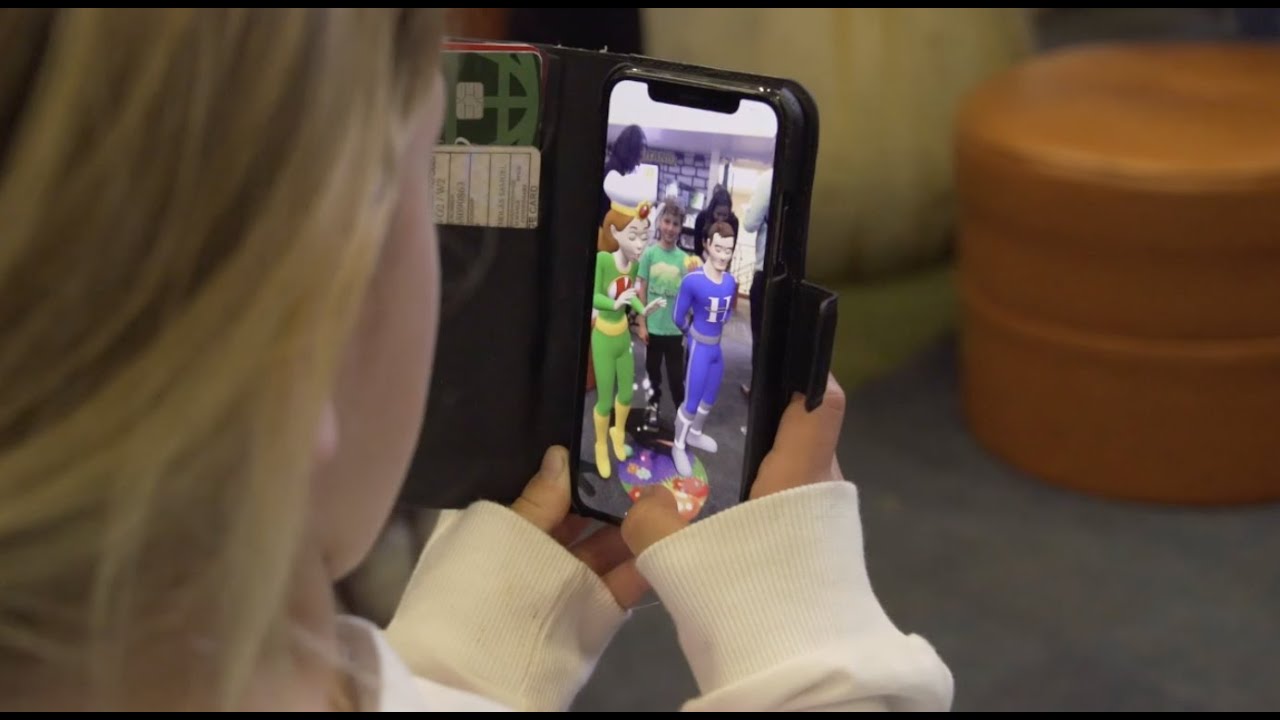
The Super Dentists has reopened its six countywide dental offices, following a two-month shutdown. Here are some safety protocol.
Insider | Yes, it’s safe to go to the dentist
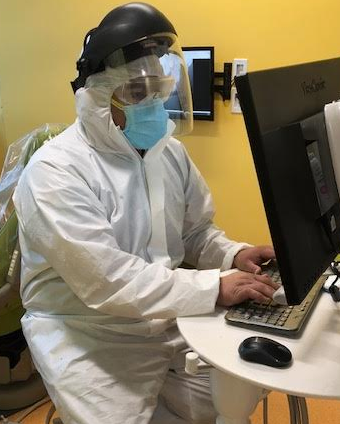
- There has been no evidence of coronavirus transmission in dental offices since many reopened in May.
- Dentists have universal precautions in place to prevent the transmission of any infectious disease.
- Oral health has a cascading effect on overall health, so it’s important to keep up with your cleanings and preventive dental care.
Some people might be hesitant to visit the dentist during the coronavirus pandemic, especially after the World Health Organization suggested not to in an August announcement.
However, it’s actually a low-risk activity for the patient, said Amesh Adalja, an infectious disease expert at the Johns Hopkins University Center for Health Security.
“I would be more worried about my dentist than I would myself contracting the virus there,” Adalja told Insider.
Dentists aren’t too concerned either. After the WHO’s recommendation to delay routine dental care in certain situations due to COVID-19, the American Dental Association released a statement saying it “respectfully yet strongly disagrees.”
“Our first job is to be sure that our patients are safe,” American Dental Association President Chad Gehani, DDS, told Insider. “If we did not think that the patients were safe, we simply would not go to the office at all. We would not have even done the emergency care in the months of March, April, and May.”
Since mid-May, most dental offices in the US have been open for routine care. During those four months, there has been no evidence of COVID-19 transmission in dental offices, Kami Hoss, DDS, said — “a remarkable track record.”
Along with implementing new screening procedures, dentists have taken steps to clear out their waiting rooms, reduce the potential aerosols created by some dental procedures, and ramp up personal protective equipment worn by dental professionals since reopening.
Dentists treat every patient like they could have every infectious disease
Dentists have been dealing with the possibility of coming into contact with infectious diseases from HIV to hepatitis since well before the coronavirus pandemic.
“As a profession, we are infection control experts,” Hoss said. “We’ve always had to deal with infectious diseases and diseases that are easily transmitted via air or through blood.”
It’s already standard practice for dentists and hygienists to wear masks and gloves to decrease their risk of transmitting or contracting diseases, and they’ve only stepped up their PPE since the pandemic, Hoss said.
The ADA also recommends additional precautions to reduce the creation of aerosols, which can carry viral particles through the air. Those measures include using high-powered suction whenever possible, and, for longer procedures, limiting exposure with rubber dental dams.
You won’t find magazines in waiting rooms anytime soon
Back when dental offices in the US closed to non-emergency care in March, the primary concern was transmission in crowded waiting rooms, not during dentist-patient interactions, Gehani said.
The ADA has since encouraged dentists to limit the number of people that pass through their offices and take away some of the shared objects they might touch. At Gehani’s practice in New York, a waiting room that could hold 14 people now seats four — and there are no magazines in sight.
Hoss said the check-in process that used to take place in his waiting room is now almost entirely virtual. Patients undergo a phone screening before they book an appointment, fill out forms online instead of at reception, and they’re screened again and get their temperature checked before they enter the office.
Oral health affects your overall health, so now is not the time to skip your cleaning
Much of dental care is preventive in nature, Hoss said, so it’s important to keep up with regular cleanings and not put off filling cavities. Delaying a simple procedure could result in a much more costly, involved operation down the line.
Poor oral hygiene can also have “cascading effects” on other aspects of your health, Adalja said. He said he never advocated for the closure of dental offices during the pandemic because he considers dentistry to be an essential health service.
Studies have shown gum disease is associated with a higher risk of dementia, heart disease, and rheumatoid arthritis, among other health issues. And according to a pre-print of a study due to be published in the Journal of the California Dental Association next month, COVID-19 patients with gum disease have a higher risk of developing acute respiratory complications and dying.
“During a pandemic, one of the best things we can do is to stay healthy, and staying healthy starts with our oral health,” Hoss said.
This article by Andrea Michelson was originally posted on Insider.com on September 18, 2020.
Health | Think you can work on your own teeth? Think again!
Dangerous TikTok Trend Shows People Using Nail Files on Their Teeth—And Dentists Are Cringing
In case you think this do-it-yourself body-modification hack is worth trying, just don’t.
Videos on the social media platform feature young influencers and amateurs showing off the dangerous tooth-smoothing technique, which involves grinding the enamel with an ordinary emery board or metal nail file. “I’m gonna file my teeth down with a nail file because they’re not perfect,” says one young woman, says one young woman, @miadio. “I have some ridges and we’re ballin’ on a budget,” she says.
A self-described “TikTok Famous Dentist” who goes by TheBentist weighed in on this trend, pleading with social media users not to try this at home. “You can’t do this by yourself with a nail file,” he says.
What happens when you file down your enamel?
Enamel is the hardest structure in the body—harder than bone—and protects your teeth in the harsh, acidic environment of the mouth. So when you remove that outer protective layer, you’re more prone to cavities, your teeth can become sensitive, and you could even cause damage to the nerve, which is painful, Dr. Hoss explains.
In dentistry, “enameloplasty” involves removing small amounts of enamel to alter a tooth’s shape or appearance. But it’s only used in rare circumstances, says Dr. Hoss, who practices orthodontia. “We don’t do enameloplasty to straighten your teeth,” he says. If one tooth looks longer than another, it’s because one tooth is erupted longer or it’s tipped, crooked, or crowded.
The proper fix is, he says, is to get braces or liners to align the teeth correctly. Randomly filing down one tooth to line it up with another just shortens your teeth, causes permanent damage, and doesn’t solve the alignment problem, says Dr. Hoss. Plus, “It’s the easiest way to make you look older,” he says.
So, all in all, the current TikTok trend is not only cringe-worthy, it’s completely unnecessary, he says. But, he adds, “After 24 years of practicing, I’ve literally seen everything.”
This article by Karen Pallarito was originally posted on Health.com on September 18, 2020.
Inside Edition | The new DIY Teeth Filing Tik Tok Trend is a Don’t!
Dr. Kami Hoss, The Super Dentists co-founder, and CEO, talks to Inside Edition about the new DIY Teeth Filing trend on Tik Tok (what??) and why you shouldn’t try it.
No matter what the internet says, it’s a definite DIY-don’t!
Click to watch the whole interview.
CBS News 8 | What is COVID Crunch and Why Should You Care
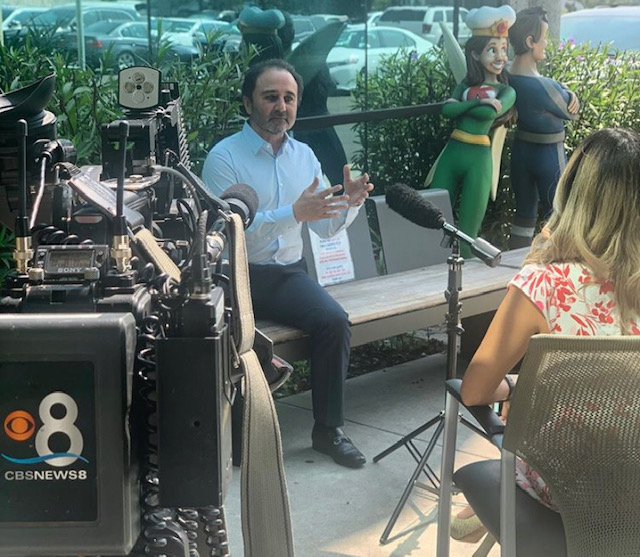
Dr. Kami Hoss, The Super Dentists co-founder and CEO, spoke with CBS News 8 San Diego about COVID Crunch, tooth fractures caused by grinding teeth due to COVID-related stress. Dr. Hoss tells you how the best thing you can do to prevent this painful problem.
Click to watch the whole interview.
Times of San Diego | Howard Healthcare Academy Reopens for In-Person Classes
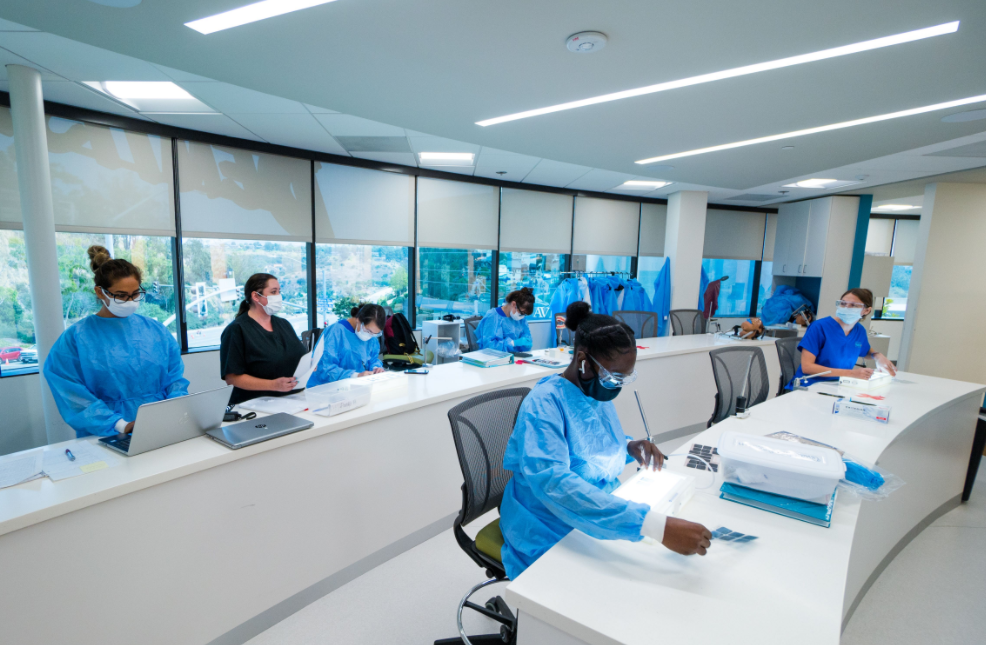
Howard Healthcare Academy, the only school in San Diego strictly dedicated to dental programs, founded by the creators of The Super Dentists, announced recently it reopened for in-person classes, following the mandatory COVID-19 spring closure.
The opening comes as the Bureau of Labor reports that dental assisting is expected to grow by 11% between 2018 and 2028, which is a higher rate than many other industries.
“Dental assisting is one of the most stable industries due to the aging population and ongoing research linking oral health and general health, which will lead to continued increases in demand for preventative dental services,” said Kami Hoss, co-founder of Howard Healthcare Academy and The Super Dentists.
Howard Healthcare Academy said it put several safety measures in place to ensure the health and safety of students, instructors and crew members:
Everyone entering the building is thoroughly screened, including answering questions about their health and any travel, and exposure to anyone with COVID-19
Everyone who enters the building is required to wear a mask
Hand sanitizer is available in the lobby and throughout the campus
Class sizes have been reduced to accommodate social distancing
Even with the national and international shortages of PPEs (personal protective equipment), Howard Healthcare Academy has secured N95 masks and other protective gear to keep students, faculty and staff safe
The Academy’s next Dental Assistant program starts Sept. 28, while its Orthodontic Assistant program begins Oct. 3. They have the only Registered Dental Assistant with Extended Functions program in San Diego. The next RDAEF program start is Jan. 9, 2021.
Other upcoming courses include:
Pit & Fissure Sealants, September 2
Coronal Polish, September 12
Ultrasonic Scaling, September 19
Radiation Safety, September 23
For more information, go to howardacademy.com or email info@howardacademy.com.
This article was originally posted on Times of San Diego on September 10th, 2020 by
SDUT | Oral Health Care is essential, especially for children
Last month, the World Health Organization (WHO) released interim guidance advising routine, non-essential oral health care be postponed because of the coronavirus and transmission risks. Less than two weeks later, the American Dental Association (ADA) released a statement saying that it “respectfully yet strongly disagrees.” The inconsistent recommendations are adding confusion in an already-bewildering time. If there was ever a critical moment for unity among health organizations, it is now.
Let me be clear: The WHO is wrong about postponing oral health care during this pandemic. Here’s why.
Dental offices are safe.
As a father myself, I understand how protective parents are of their children. But as a dentist, I can assure you we are leaders in handling infectious disease. This dates back to the 1980s during the HIV/AIDS crisis. Dental offices across the country were already using these standard precautions before the pandemic. And now they have stepped up safety protocols, revamping offices to strengthen ventilation, sanitation procedures, and personal protective equipment.
In fact, there has been no evidence of transmission of the coronavirus between patients and offices since dental practices reopened back in May. That is a remarkable safety track record.
Oral health issues don’t pause when there is a pandemic.
What would it look like to have your child sit out dental care for an entire year or more? As a dentist and orthodontist for over two decades, I have some ideas. Dental cavities will get bigger, gum infections will worsen and orthodontic problems will progress. In other words, minor problems can turn into major ones and potentially cause serious and irreversible harm.
Plain and simple, oral health care is essential, especially for children — 42% of kids aged 2 to 11 will develop cavities. Enamel on baby teeth is thinner than on permanent teeth, and the pulp is relatively larger, so decay can spread to nerves faster. For children with orthodontic problems, there is a limited window of opportunity during which treatment will get ideal results. And once that window closes, treatment options may become limited and/or will increase treatment time. The end result can be significantly compromised.
Oral health improves a child’s potential for success.
A recent study found children needing dental care are three times more likely to miss school and those with toothaches are four times more likely to have a below-average GPA. These numbers may sound staggering, but in reality, it’s quite simple. Dental pain impacts children’s sleep. Without quality sleep, they’re not as alert and their memory and behavior are negatively impacted. Kids with toothaches can’t eat hard-to-chew fruits and vegetables that are so critical for their proper growth and development. And if you had a toothache, would you be able to sit in class and listen to the teacher? I wouldn’t either.
Here’s another shocking statistic: 51 million hours of school are missed on average every year by kids due to dental problems. And that’s pre-pandemic! Needless to say, kids are missing even more school hours nowadays. Perhaps most heartbreaking of all is the fact that teeth are one of the biggest reasons kids get teased or bullied. Why add more difficulty to your child’s already-challenging year?
Gum disease and COVID-19 complications may be linked.
If you needed one more reason to dismiss the WHO’s shortsighted recommendation, the latest research has revealed a link between gum disease and COVID-19, the disease caused by the coronavirus. New data suggests there may be a link between COVID-19 patients with underlying gum disease and higher potentially life-threatening complications. This is not surprising to the dental profession since poor oral health has long been known as a risk factor in the initiation and/or progression of many respiratory infections.
The WHO’s statement strategically played on people’s emotions and created unnecessary apprehension. How many children’s toothaches were ignored because of it? How many people allowed gum disease to advance, making them more susceptible to the coronavirus and COVID-19? More than ever, this is a time to care for our health, so wear masks, practice social distancing, wash hands frequently and go to the dentist. Your life depends on it.
Hoss is a San Diego-based orthodontist and dentofacial orthopedist, author and founder of The Super Dentists. He is on the Board of Counselors at UCLA School of Dentistry where he received his doctorate in dental surgery. He lives in Rancho Santa Fe.
This Commentary was originally featured in the San Diego Union Tribune.
Star 94.1 Host Jesse Lozano tours our new Escondido office
Jesse Lozano, host of Jesse and Tati in the Morning on Star 94.1 San Diego, had a blast when he visited our co-founder, Dr. Kami Hoss, at our sixth location and newest office at 390 West Valley Parkway, Escondido.
The Super Dentists Escondido is accepting new pediatric, teen and parent patients. Our new office is two-stories with separate lounges, one for the kiddos and another one for teens and parents. We have highly-skilled pediatric dentists that specialize in treating children, general dentists for teens and adults and orthodontists right on-site, all the specialties your family needs under one roof.
We offer early and late appointments and accept most insurance plans, including Denti-cal. Se habla Espanol.
Call us today at 760-DENTIST, that’s 760-336-8478, you can also text us at 1-844-765-1234 or schedule online today!
We look forward to seeing you!
The Super Dentists is following all COVID guidelines and has put several safety protocols in place to keep everyone safe.
Due to COVID, some of our amenities are temporarily unavailable.
Click to watch the whole video.
KTLA 5 Los Angeles | Why school dental exams are so important
The Super Dentists co-founder and dental expert, Dr. Kami Hoss, talks with KTLA 5 Los Angeles about California state-mandated school dental exams for kids starting kindergarten and first grade.
Find out why it’s so important to your children’s school career and dental health that they get this exam.
Click to watch the whole interview.
MEL Magazine | Are coffee dip pouches a good coffee alternative?
If sucking on a small pouch sounds better than drinking, coffee chew pouches may be right for you. But they come with some risks.
If you ever drink a cup of coffee and think, “Man! If only I could suck on a pouch of coffee grounds, instead,” I have the perfect product for you: Coffee dip pouches!
Uh, yippee?
They come in a wide assortment of flavors, including caramel, mocha, vanilla, wintergreen, cinnamon roll and many, many more. Each pouch has about as much caffeine as a quarter cup of coffee, so you need to suck on quite a few to get a good buzz going. And yes, caffeine can be absorbed through your gums — quicker than through your stomach, in fact.
” i feel like the very existence of “coffee chaw” is summoning a new kind of Guy into existence pic.twitter.com/NBdzxnEdib
— matt lubchansky (@Lubchansky) August 11, 2020
But, why?
Well, coffee dip pouches are chewing tobacco alternatives, not necessarily Starbucks latte substitutes. Instead of nicotine, they provide a safer drug (caffeine) in the same form. “They help with the oral fixation, which is what a lot of dippers are addicted to, besides the nicotine,” says Andrew, a coffee dip pouch enthusiast. “They also give you a caffeine buzz, which is super similar to nicotine.” Therefore, he says coffee dip pouches are only really popular among users of chewing tobacco, mainly those who are looking to quit.
When I ask Andrew if your average coffee drinker might enjoy a coffee dip pouch here and there, he tells me, “Probably not, mainly because of the social distaste for dipping in general. Nobody’s ever going to pop in a pouch while they’re talking to a client.”
Andrew does explain, though, that coffee dip pouches are “much easier to ‘gut’ than regular dip, so you can secretly dip.” What he means is, tobacco chewers generally spit out the juices that their pouches produce, because “gutting” (or swallowing) all of that nicotine can make you severely ill. The juice from coffee dip pouches, however, is easier on the stomach, so you could hypothetically get away with not spitting.
If none of this makes you want to stop drinking coffee and start chewing it, good. “Since coffee chews stay in your mouth longer, they can expedite coffee stains on your teeth,” dentist Kami Hoss warns. “They can also potentially increase your risk of cavities, depending on the ingredients, like sugar, since they stay on your teeth for longer. You’ll like the taste of added sugar, but so will streptococcus mutans, which is one of the primary cavity-causing bacterium in the mouth. The bacteria metabolize the sugar and excrete acid, which will cause cavities.”
So, coffee dip pouches: Not quite the future.
This article by Ian Lecklitner originally appeared on MEL.com
ABC 10 News San Diego | Trade Schools Gain Popularity during COVID-19
YURVIEW | Why The Super Dentists
The Super Dentists co-founder, Dr. Kami Hoss, explains what makes The Super Dentists different and special, plus hear from Super Mom, Sara, about why her son likes to visit The Super Dentists.
Click to watch the entire interview!
Romper | Should Toddlers Use Fluoride Toothpaste?
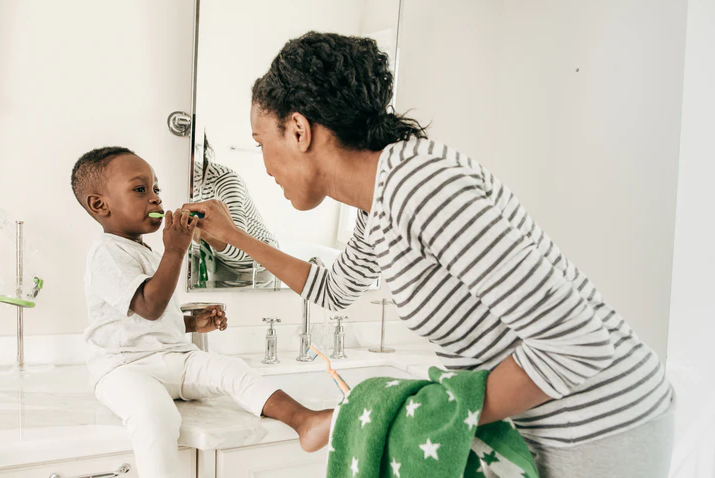
Experts Explain
When it comes to dental care, experts agree that starting early to develop proper oral hygiene habits is key. A variety of products aim to make brushing fun for little ones, but not all are created equal. What you need to know about fluoride and toddlers can make a difference when it comes time to choose from the array of candy-colored and bubblegum-flavored tubes of toothpaste on the market.
“Fluoride is present in some foods and naturally occurs in varying amounts in water sources such as lakes and rivers. It’s also added to some oral care products such as toothpastes — which has not been without controversy,” Dr. Kami Hoss, CEO and co-founder of The Super Dentists, the largest dental practice in southern California, tells Romper. “Advocates of fluoride refer to ‘systemic’ benefit of strengthening the tooth enamel when fluoride is taken in from foods, beverages, or dietary supplements. They also refer to the ‘topical’ benefit of fluoride in toothpastes in strengthening and remineralizing the enamel in the early stages of tooth decay.”
While the American Dental Association has long-recognized fluoride as “safe and effective in preventing tooth decay for both children and adults,” the mineral can pose a threat of toxicity if too much is ingested. This is why pediatric dentists are often cautious about young children and fluoride consumption. Learning more about fluoride use, the benefits, and the risks is vital for toddler parents.
You Can Start Using Fluoride Sooner Than You Think
Although your gut instinct may be to hold off on fluoride toothpaste until your toddler is older, Dr. Suzy Tavana, AAPD National Spokesperson and President of the California Society of Pediatric Dentistry, tells Romper that you can actually use it as soon as your child’s first tooth erupts.
“According to the American Academy of Pediatric Dentistry, as long as parents are brushing the teeth of their young children and helping to control the amount of toothpaste on the toothbrush, young children can start protecting that new enamel right away,” Tavana explains.
A Little Goes A Long Way
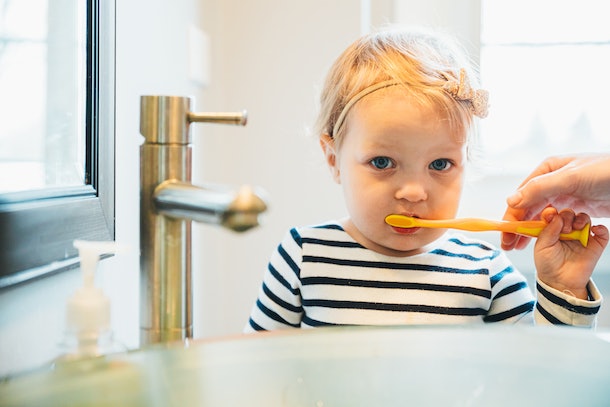
“Fluoride toothpaste protects teeth because it ‘heals’ cavities by hardening the enamel and preventing the spread of bacteria,” Tavana says. “But this is not one of those situations where more is better.” A small smear of toothpaste, no more than the size of a grain of rice, is the general recommendation for toddlers using fluoride toothpaste.
Tavana recommends that parents check the amount of fluoride in their water and keep an eye on their children’s use of toothpaste, and lean on recommendations from their pediatric dentist when it comes to a toddler’s fluoride intake, too.
“I always tell the parents in my office, ‘It should never look like a washing machine inside their mouth!’ A little fluoride goes a long way,” she adds.
Use Quality Products
Because the oral care products you use can make a difference in their overall health and wellness, experts recommend looking to your child’s dentist when it comes to choosing a toothpaste. They’ll be able to point you toward quality products that meet your toddler’s specific needs.
“Since children’s oral health needs vary, and we can assume toddlers would ingest some toothpaste during brushing, I would caution all parents against choosing a random over-the-counter toothpaste,” Hoss tells Romper. “It’s important that you discuss the particular needs of your children with their pediatric dentist, and only use oral care products that have been customized for them.”
Fluoride Risks Are Real
“Too much fluoride from any source over a long period of time can potentially cause dental fluorosis, which is a change in the color and appearance of the enamel,” Hoss says. “Additionally, if fluoride is swallowed in large amounts, it can lead to serious toxicity.”
This is why the U.S. Food and Drug Administration (FDA) requires warning labels for all toothpastes to caution parents to keep toothpastes out of reach of children under 6 years of age, and not to swallow more than is required for brushing.
“The FDA warning is particularly concerning regarding toddlers since a lot of toothpastes marketed to young children are flavored to taste good,” Hoss explains. “It’s hard enough to ask a toddler not to swallow something that’s in their mouth for two minutes (which is the length of time they need to brush), let alone when it has an irresistible flavor like candy, fruit, or bubble gum.”
Yes, Toddlers Do Need Some Fluoride
If you’re on the fence about fluoride consumption, it’s important to note that the mineral is actually something that can help keep your child’s teeth healthy, but it’s recommended to have consistent check-ins with their pediatric dentist to manage the amount they need. “Fluoride encourages ‘remineralization,’ a strengthening of weakened areas of tooth enamel,” Tavana says. “It also affects bacteria that cause cavities, discouraging acid attacks that break down teeth.”
Pediatric Dentists Can Help Determine Fluoride Needs
“Children aged 6 months to 16 years may need fluoride supplements if they drink water that is not optimally fluoridated,” Tavana says. “The pediatric dentist considers many different factors before recommending a fluoride supplement, including your child’s age, risk of dental decay, and the different liquids in your child’s eating habits.”
Seeing a pediatric dentist specifically is important in determining not only how much fluoride your child needs, but helping ensure they have complete oral care. “They have two to three years of additional training in which they are able to detect enamel deficiencies early, and guide families through the preventive steps they can take to ensure their children grow up cavity-free,” Tavana tells Romper.
Experts:
Dr. Kami Hoss, CEO and co-founder of The Super Dentists
Dr. Suzy Tavana, AAPD National Spokesperson and President of the California Society of Pediatric Dentistry
Source: This article, by Ashley Jones, originally appeared on Romper.com
ABC 10 News San Diego | Dr. Kami Hoss Eases Patients’ Minds
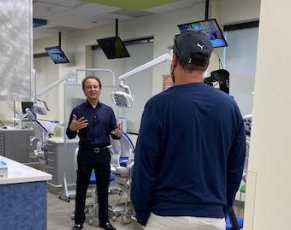
Dr. Kami Hoss, Co-Founder and CEO of The Super Dentists, speaks with ABC News 10 about easing patients’ minds about going back to the dentist, he shares stats, talks about why he decided to write a book for parents about oral health (coming out early 2021) and teases a new Super Dentists’ song (coming out soon)!
Watch the entire interview.
The Super Dentists is San Diego’s largest, most trusted and top awarded pediatric dentistry, orthodontics and teen and adult dentistry practice in San Diego. Come see why 1 in every 5 kids in San Diego is a Super Kid. The Super Dentists has six convenient locations in San Diego: Carmel Valley, Chula Vista, EastLake, Escondido, Kearny Mesa and Oceanside. Call 1-855-GO-SUPER (467-8737) or text us at 1-844-765-1234.
The List | Are Masks Causing Cavities?
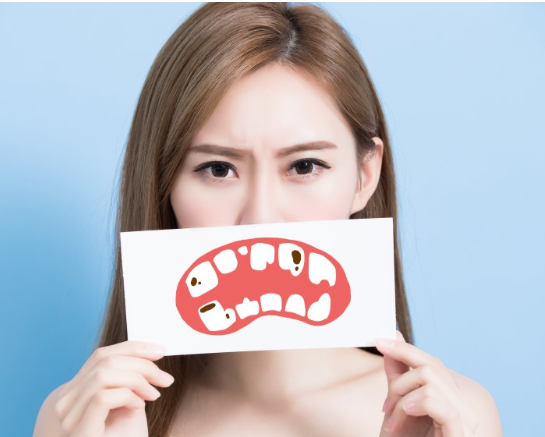
Are masks causing ‘covid cavities’? This dentist says that’s bogus
As if we didn’t have enough to worry about in the midst of the pandemic: Now there is concern that wearing masks to prevent the spread of coronavirus may be causing dental cavities. A Houston dentist blamed an increase in the cases of dental decay she’s been seeing on the use of face masks. “Now that a lot of us are mouth breathing while we have our masks on, we’re drying out all that saliva that usually protects us from getting cavities, and that’s increasing our risk of cavities,” Dr. Piya Gandhi told KAMC news in Lubbock, Texas.
While he doesn’t question that Dr. Gandhi is seeing more cases of cavities, Dr. Kami Hoss, co-founder of The Super Dentists, the largest children’s dental group in Southern California, respectfully disagrees that mask use could be the cause. In an interview with The List, Dr. Hoss broke down the many reasons why cases of cavities may be spiking — and none of these reasons include wearing a mask.
“Dentists, physicians, nurses, assistants, and all sorts of healthcare providers have been wearing masks for decades. Does that mean we all have higher levels of cavities? Of course not,” Dr. Hoss said. “If cavities are up — and that’s a big if, since we don’t have enough data yet — there could be a variety of reasons for it.”
If you’ve missed a dental check-up, you’re more likely to have a cavity
Pre-pandemic, most of us went to the dentist every six months. Skipping those check-ups because of shelter in place laws, self-quarantine, or simply because you’re a little wary of going somewhere and sitting with your mouth wide open for an hour in the midst of an epidemic that’s transmitted through your mouth and nose, means problems your dentist might have caught before they turned into cavities did not get the treatment they needed, Dr. Hoss noted. “Patients have been without a dentist for months, so of course the number of cavities has gone up. Cavities don’t just pause because there is a pandemic,” he explained. “They’re likely to get bigger, may turn into infections, and cause additional problems.”
For pediatric patients, this is a particular concern, Dr. Hoss added. “This is more likely in younger children because the enamel on baby teeth is thinner than on the permanent teeth. Additionally, the pulp in primary teeth — baby teeth — is relatively larger, so cavities can travel to the pulp/nerves and can cause more damage quicker,” he said.
Being distracted by the pandemic may have led to lax dental hygiene
Another reason why cavities might be on the uptick is simply that we all stopped brushing and flossing regularly. Hey, Dr. Hoss gets it — we’ve all had a lot on our minds. “Kids have been home for months and their daily routines have been upended. Parents have had to juggle all sorts of responsibilities ranging from working at home to helping their children with their school work,” Dr. Hoss sympathized.
When you’re grappling with an international crisis that may have impacted your health and your livelihood, and you’re trying to participate in a Zoom conference call while homeschooling your kid, it’s understandable that you might have given regular brushing the brush-off. “They’ve had new worries about their jobs, their own health, the health of their loved ones and so many other things, all while needing to become an expert on a virus that has brought the world to its knees,” Dr. Hoss said. “In other words, [patients] may have been a little distracted to make oral care a big priority.”
Stress eating usually involves sugar, which is bad for your teeth
Another reason why we might have more cavities: We’re eating all the junk food these days. Between our banana bread binges and “quarantinis,” the quarantine lifestyle has led to some dietary habits that aren’t exactly conducive to good oral health. “Although some people have taken advantage of the stay-at-home orders and have improved their health by eating healthier, exercising and taking care of their mouths, many of us have been eating unhealthy food, drinking too much coffee or alcohol and neglecting our oral health,” Dr. Hoss said.
Even before the pandemic, the average American consumed about 150 pounds of sugar a year. And now? All bets are off. And that’s bad news for our teeth. “Excessive sugar can shift the balance of our oral microbiome — which are the billions of microbes who live in our mouths — toward the ones that metabolize simple carbohydrates,” Dr. Hoss explained. “In return, these bacteria release acids that can damage the enamel and cause cavities.”
What you can do to protect your dental health in a pandemic
With no obvious end to the pandemic in sight, it’s time to prioritize your dental health now, Dr. Hoss advised. Put down the jelly beans and pick up that toothbrush. “Limiting sugary foods and helping your children with their daily brushing and flossing routines can go a long way in marking them healthier in all sorts of ways,” Dr. Hoss advised.
And call your dentist, ASAP. “With dental offices reopening across the country, it’s also time to give the dentist a visit because your oral health is too precious and necessary to wait it out until the pandemic is over,” Dr. Hoss said. Although he does not accept the premise that mask use has anything to do with cavities, he agrees with Dr. Gandhi 100% regarding her comment that “being in a dentist’s office right now is one of the safest places you can be.” Dr. Hoss dittoed this, noting, “Dental offices have worked extremely hard to provide a safe environment for everyone in your family and they’ll be happy to help you and your kids stay healthy and cavity-free.”
This article by Jorie Mark was originally posted on TheList.com
The Super Dentists is San Diego’s largest, most trusted and top awarded pediatric dentistry, orthodontics and teen and adult dentistry practice in San Diego. Come see why 1 in every 5 kids in San Diego is a Super Kid. The Super Dentists has six convenient locations in San Diego: Carmel Valley, Chula Vista, EastLake, Escondido, Kearny Mesa and Oceanside. Call 1-855-GO-SUPER (467-8737) or text us at 1-844-765-1234.
Parents Magazine | I’m a Dad and a Dentist: Here Are 8 Ways I Protect My Kid’s Teeth
If it were all genetics, my 8-year-old son would be out of luck and doomed for a life of cavities and crooked teeth. But with an orthodontist dad and a pediatric dentist mom, his oral health was not going to be left to chance. He has no cavities, and his bite and teeth alignment are as ideal as it can be for his age.
Turns out, luck has little to do with great teeth; it has everything to do with planning ahead and helping the mouth grow and develop correctly. So for my fellow parents, I want to share eight tips my wife and I took to reduce the likelihood of cavities and crooked teeth. These steps are for babies, children, and teens, and could save you a lot of time and money on dental work in the years ahead.
For Babies
Consider the oral benefits of breastfeeding
While doctors usually encourage new mothers to breastfeed their babies because it protects infants from allergies, improves stomach health, and reduces the risk of infections, those same medical professionals too often leave out how it helps oral health. With breast milk’s mix of complex proteins, lipids, and carbohydrates, it nourishes the growing mouth and the new microbiome seeded by a baby’s passing through the birth canal. And breastfeeding minimizes the chances of cavities in baby teeth.
Additionally, when the breast flattens against a baby’s palate, the breast’s weight and physical shape helps the palate form correctly. When breastfeeding, a baby’s mouth muscles are also strengthened from the sucking motion and teaches the baby to breathe through the nose. All of these factors aid with the correct growth of the jaws, lessening dental crowding as the child matures.
But if you’re not breastfeeding—or didn’t breastfeed—don’t worry too much; it’s not the only way to ensure oral health.
Wean off night feeding
Getting your baby to fall asleep by feeding them can lead to poor oral health. The milk, formula, or juice can linger on a sleeping baby’s teeth, which may cause cavities. Enamel is thinner on baby teeth than on permanent teeth. What’s more, the pulp on baby teeth is relatively larger—therefore, damage from cavities happens more quickly.
Wiping your baby’s gums and teeth after feeding will help, but if your child is physically ready to sleep through the night, weaning them off of night feeding would be best to protect their teeth.
And here’s another reason for stopping night feeding that will resonate with all parents of newborns: Your little one will be more likely to sleep through the night if the sleep association with feeding is gone. Your whole household will be more well-rested.
Monitor thumb-sucking, as well as pacifier and bottle use
Thumb-sucking can start in the womb and then—if not dealt with—persist well into childhood. If it lasts too long, it can affect the growth of your child’s teeth and negatively impact the jaws.
If your little one uses a pacifier or you are bottle-feeding, your child’s dentist needs to closely monitor the development of their mouth. While the breast shapes itself to a baby’s mouth, pacifiers and bottles make mouths form to them—such a development only makes crooked teeth more likely.
For Older Kids
Pick a quality toothbrush
Include your child in picking out a toothbrush that’s fun to use so they will enjoy brushing. This will help them build a positive association with their oral care. Keep in mind: Manual and electric toothbrushes are both fine—whichever option children prefer, they should use.
But when it comes to choosing the right toothbrush, parents need to also pay special attention to the bristles. They should be high-quality for all kids, ultra-soft for infants and toddlers, and soft for older ones.
Show them how to brush properly
Many kids do not brush their teeth correctly. In fact, here are some relevant stats to consider: 5-year-olds only brush 25 percent of their teeth and 11-year-olds only brush 50 percent of their teeth.
It seems simple, but parents need to instruct their children on brushing the entire set of teeth. Teach them that they have incisors, canines, premolars, and molars—and, of course emphasize the need to brush top and bottom teeth as well as in the front and back. They need to brush for two minutes, once in the morning and once in the evening.
Don’t buy any old toothpaste
Some toothpaste brands and mouthwashes can kill the oral microbiome, which may disrupt its fragile balance and transform beneficial microbes into a pathogenic state or allow new, more opportunistic ones to take hold.
The need for this delicate microbiome balance is why I would caution everyone against using random, over-the-counter toothpaste brands and mouthwashes (especially the ones containing alcohol or antibacterial ingredients). Always consult with your dentist to use oral care products that will serve your children’s oral health needs.
Limit the sweets
Did you know we eat an average of 152 pounds of sugar every year? It’s true. And while we love sugar, so do Streptococcus mutans, which are a primary decay-causing bacterium in our mouths. They absorb the sugar and excrete acids that gnaw away on the teeth and create cavities. Of course, my son loves sugar, too. (His mom and dad may be dentists—but he’s still a kid!) The main thing is to practice moderation with your family’s sugar intake.
Teach them to breathe through the nose
With the exception of children being temporarily congested or enduring strenuous exercise, they need to primarily breathe through their nose. Nose-breathing results in the tongue sitting against the palate, which aids with the proper growth of the jaws and mouth. Nose-breathing can also help the palate grow correctly. Conversely, when breathing via the mouth, our teeth are apart from each other. This signals to our teeth to continue growing, which can lead to an elongation of the face among other unwanted issues.
Dr. Kami Hoss is a San Diego-based orthodontist and dentofacial orthopedist, author, and founder of The Super Dentists and Howard Healthcare Academy. He is on the Board of Counselors at UCLA School of Dentistry where he previously received his doctorate in dental surgery. Dr. Hoss is a nationally-recognized speaker and a sought-after expert focusing on oral health and its impact on overall health and emotional well-being. Visit his online profile.
This article originally appeared in Parents Magazine.
Romper.com | Do Face Masks Cause Cavities?
Here’s What Dentists Say
As if parents didn’t have enough to worry about this year, now one Houston dentist is claiming that wearing face masks is leading to an increase in tooth decay. Considering the fact that face masks are going to be part of your family’s daily lives for the foreseeable future, this could be pretty bad news. But do face masks really cause cavities?
In a news report on KAMC News in Lubbock, Texas, Dr. Piya Gandhi, a board-certified dentist, found a correlation between the advent of daily face mask use and an increase in cavities among her patients. The reason, Dr. Gandhi theorized, is because wearing a mask leads to mouth-breathing, which leads to dry mouth, a cause of tooth decay. But San Diego-based dentist Dr. Kami Hoss, D.D.S., M.S., says it’s dangerous for people to believe that face masks cause cavities, and points out months of dental office closures as a more likely culprit for any rise in toothaches.
“Cavities aren’t going to pause just because there is a pandemic,” Dr. Hoss tells Romper in an email. “They’re likely to get bigger, may turn into infections, and cause additional problems.”
Dr. Hoss disagrees with the idea that face masks turn people into mouth-breathers; as he points out, you can still breathe through your nose when wearing a mask, and a slight increase in mouth breathing wouldn’t lead to dry mouth anyway. “People with chronic mouth breathing due to nasal airway blockage are the ones who may end with dry mouth,” he says.
When it comes to kids in particular, a downturn in dental health over the past several months might be the result of a more relaxed attitude towards snacking and personal hygiene. “During quarantine, daily routines amongst children have been altered,” board-certified dentist Dr. Michaela Tozzi, DMD, tells Romper in an email. “This has led to children snacking more frequently throughout the day.” And since everyone’s schedules have swirled into one big blur, your children might not be brushing as often or efficiently as they should be. “Kids have been home for months and their daily routines have been upended, which includes their daily brushing and flossing routines,” Dr. Hoss agrees.
Instead of worrying about what face masks are doing to your family’s teeth, focus on getting everybody’s dental health under control. “Limiting sugary foods and helping your children with their daily brushing and flossing routines can go a long way in marking them healthier in all sorts of ways,” says Dr. Hoss. And now that dental offices are reopening, per the CDC, it might be time to put that 6-month checkup and cleaning on the calendar.
Like regular dental care, making sure that your child wears their mask when they’re outdoors (and social distancing isn’t an option) is crucial.
This article, written by Jennifer Parris, was originally posted on Romper.com.
Dentistry Today | It’s Time For Dentists & The Medical Community to Unite to Save Lives
By Kami Hoss, DDS, MS
The COVID-19 crisis is the latest sign—in flashing neon lights, this time—that bridging the divide between dental and medical communities is long overdue. After all, it’s unarguable that good health starts in the mouth, and one can only wonder how many lives around the world could have been saved if oral health was treated as a medical situation rather than merely about cavities and crooked teeth.
The mouth is the gateway for pathogens such as bacteria, viruses or other kinds of microorganisms, which can cause diseases like COVID-19, to find their way into the body.
“Oral health is integral to general health. You cannot be healthy without oral health. Oral health and general health should not be interpreted as separate entities,” said Surgeon General David Satcher, MD, PhD, in 2000. Yet two decades have gone by, and in many ways, we are no better off.
COVID-19 is the latest reminder that dentists too often get treated like second-class citizens in the medical industry. In March, the ADA initially recommended that dentists suspend elective dental procedures for three weeks to save personal protective equipment (PPE) for our medical colleagues and ensure the safety of our patients and staff, which was completely understandable. But that timeline was ultimately extended to six to eight weeks, while our patients’ oral health and overall health continued to deteriorate.
Financial relief loans like the Small Business Administration’s Paycheck Protection Program completely ignored the need of dentists whose businesses have been closed and could not use the money for some expenses since it had to be used primarily for payroll.
And even now, after two months and being among the highest-risk professions for exposure, dental offices continue to lack access to adequate PPE and are not allowed to use COVID-19 rapid testing to screen patients. They’re told that those tests are only allowed for physicians. Yet dentists need to command more respect by taking a stand because improving public health depends on it.
We need to start a unifying movement in healthcare. In a typical year, there are 1,500 medical conferences, and oral health should be on the agenda for nearly all of them. Therefore, dentists should contact conference organizers and tell them to put oral health on the speaking track. And then we need to get booked and speak on panels alongside pediatricians, gastroenterologists, cardiologists, and others.
It’s important to understand how we arrived at this disconnect in the healthcare industry. Hence, let’s break down why dentists and other doctors have been kept apart and then explore why the world would benefit from their togetherness.
The Maryland Model
The story of our profession getting left out of medical schools goes back to the 1830s. During that decade, American dentistry pioneer Dr. Chapin Harris and fellow Maryland practitioner Dr. Horace H. Hayden were met with resistance while wisely trying to integrate dentistry into the University of Baltimore Medical School. After UBMS repeatedly turned them away, they cofounded the Baltimore College of Dental Surgery, which was the first institution of its kind worldwide and was lifted up as the standalone template for other schools to follow.
Other countries gradually adopted the Maryland model, which siloed dentistry from medicine and since has, in an effect that probably neither Harris nor Hayden would’ve predicted, wreaked havoc on global public health. This disjointed system too often impedes accurate diagnoses because doctors and dentists are predisposed to not coordinate with each other about oral symptoms and what they mean to bodily ailments. And COVID-19 is the latest reminder of that fact. In a health crisis, everyone in the dental and medical communities need to work as a team. Making us all part of the front lines will save lives.
The Consequences
Today, when medical doctors look into your mouth and recognize a problem, they typically assume the dentist will handle it and do not later inquire to learn if a patient got the right kind of care. In other words, the medical and dental doctors do not work in tandem for the sake of a patient’s health, even though various diseases are caused by oral bacteria getting into the bloodstream.
Once again, this healthcare structure—where practice areas fail to speak or inform one another of symptoms—fails the patients, even though it’s accepted as medical scripture that numerous, potentially fatal diseases start with oral bacteria entering the bloodstream.
And when it comes to dentists, how often do we miss out on the chance of identifying diseases? There are opportunities during dental procedures to pinpoint symptoms that regularly appear in the mouth. Some examples are thrush, which can be indicative of depressed immune function, bad breath from stomach ulcers, and cancerous sores. This lack of coordination between the two branches of healthcare has too many negative repercussions.
The Bridge to Better Public Health
Indeed, we are past due in remedying this situation. To reiterate, we as dentists need to jump into the discussion by getting oral health in the center of the healthcare debate. But we also need to talk with our peers in the internal health physician ranks to rightfully gain our status as their medical brethren and sistren.
I recently joined the Board of Counselors at the University of California-Los Angeles School of Dentistry, and I have already had success in reaching across the aisle, so to speak, to our physician colleagues about the importance of uniting together in the best interest of public health. They get it, understand how the dots connect, and can play a part in this movement.
COVID-19 is a horrible pandemic, but it must inspire dentists and physicians to join forces and bridge this divide. The current disconnect, which was established nearly two centuries ago, needs to become obsolete worldwide for the sake of public health.
The good news is that the dental community has the power to help such change take place. We just need to speak up, educate the public, get on the stage, and engage in one-to-one dialogues with our medical peers, representing ourselves as equals who are ready to significantly improve our patients’ overall health.
Dr. Hoss is the founder of the Super Dentists as well as an author and philanthropist. He has decades of experience working in the dental space and has treated more than 10,000 patients. He is on the Board of Counselors at the UCLA School of Dentistry and has served on the faculty at Howard Healthcare Academy and the University of Southern California’s postgraduate orthodontic program. He is a member of the American Association of Orthodontists, ADA, California Dental Association, and San Diego Dental Society. With this extensive background, he has developed a reputation for innovation and making oral health care accessible, welcoming, educational, and entertaining for families.
This article originally appeared in Dentistry Today.
Shoutout SoCal | Meet Dr. Kami Hoss
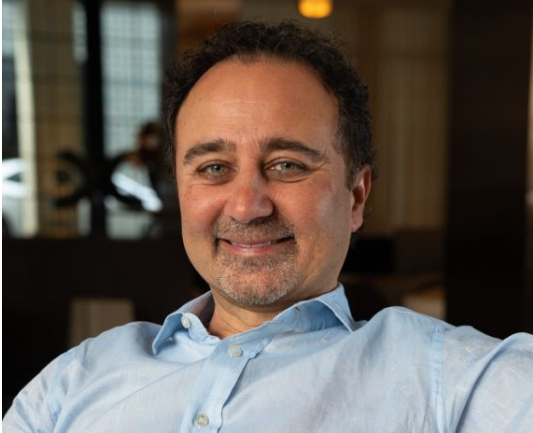
Hi Dr. Kami, you love what you do. It’s clear to anyone who knows you.
Why do you love what you do? What do you love most about it?
There are so many things I love about what I do. As a dentist and orthodontist, I can help people have more confidence, be happier and be healthier. Since oral health impacts so many aspects of our lives, I have an opportunity to help people in variety of ways. I also get to combine my love of science and art and use the hand dexterity I’ve developed from my musical training. And as the CEO of our company, I can help so many people follow their own dreams.
Are you pursuing your passion? If so, why? If not, why?
Absolutely, or I wouldn’t be doing it for so long. One of the secrets to happiness and success is loving what you do. It’s a wonderful feeling knowing you’re getting paid for something you’d gladly do otherwise.
How has the COVID-19Crisis changed how you think about work-life balance?
Work/life balance has always been important to me. Even though COVID-19 has impacted my life in many ways just like everyone else, I wouldn’t say it has made a big difference in this area. Obviously, I’ve had to juggle business crisis management while taking care of family like many business owners which has been extremely challenging.
How has the COVID-19 crisis affected your business?
I’ve been practicing for 24 years and like all businesses, we’ve been through many financial ups and downs and economic downturns during this period. But nothing has come even close to the impact COVID-19 crisis has had on the dental profession and our practice. Dental practices were closed across the country for close to 2 months and have just finally reopened in most states. Some surveys show that up to 20% of dental offices will never recuperate and will remain closed indefinitely. For those of us who have reopened, there are ongoing challenges with PPEs across the country, potential risks and employment issues as we develop new protocols and adhere to social distancing and other measures.
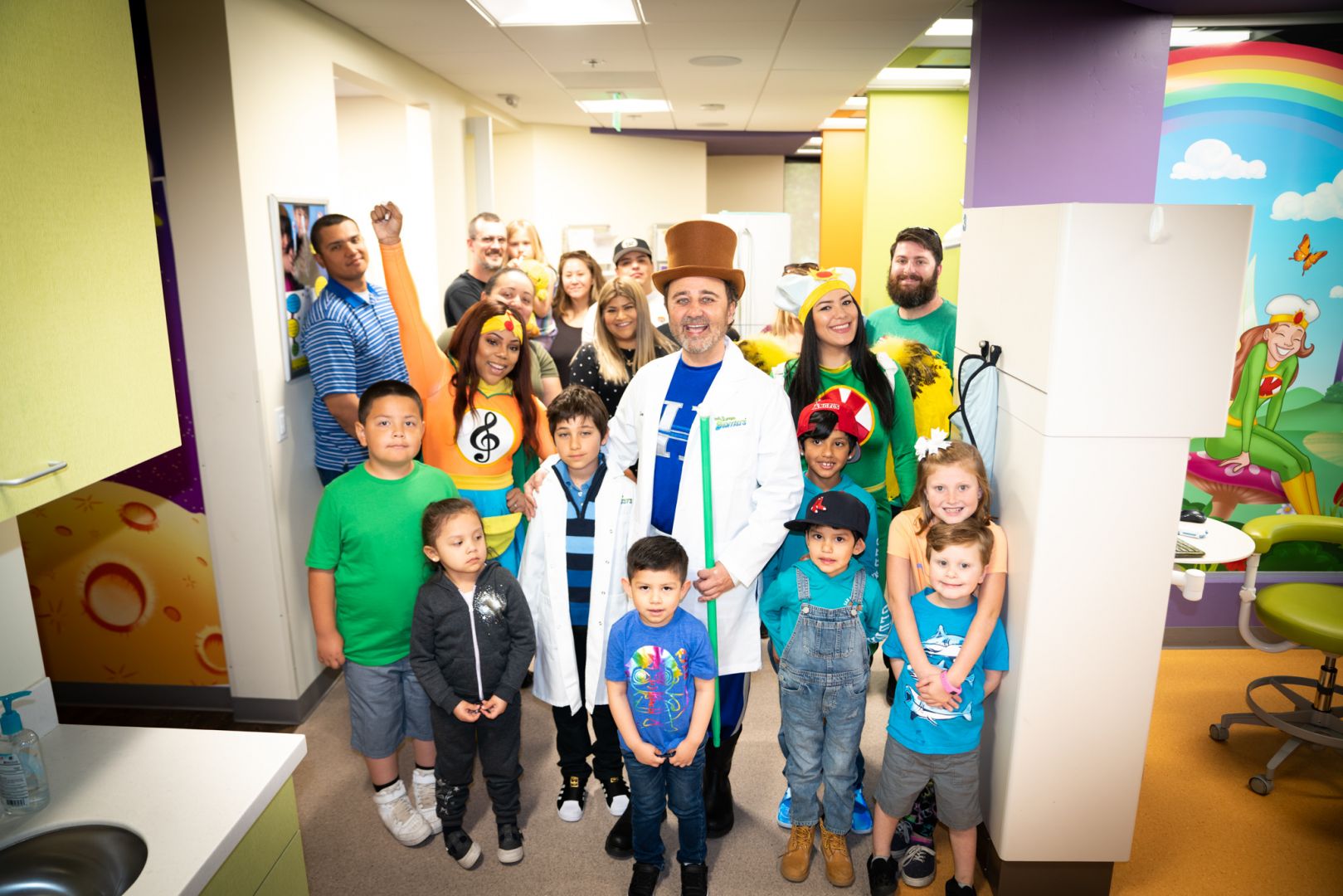
Have you had any epiphanies during or due to the COVID-19 crisis?
I just finished writing a book on the connection between oral health and overall health and was ready to have it published before the crisis happened. The COVID-19 crisis made it abundantly clear that our healthcare system needs to be reinvented and restructured from the ground-up. Dentistry and medicine should not be taught in two separate schools. As a member of board of counselors at UCLA School of Dentistry and as the founder of Howard Healthcare Academy, I’ll do everything I can to make this happen. The mouth is part of the body and in fact the gateway to it and nearly everything that enters the body goes through the mouth – COVID-19 is no exception.
What life experience do you think has had the biggest impact on you or your career?
Moving to the U.S. as a teenager. I grew up in Iran and one day when I was 15, my parents sat me and my siblings down and said we were going to leave Iran for good and we left two days later. Iran at the time was at war with Iraq and I was the oldest of my siblings and getting close to the age to get drafted to go to war. Universities were also closed during the war and education was very important to my family. My parents made the very difficult decision to leave everything they had behind and take us away. Luckily, because my father received his MBA in Boston when I was a child, we were able to get a visa to U.S. and moved here when I was a junior in high school. I think in some ways, I’ve always studied hard in school and worked hard in my business because of the sacrifice my parents made to provide us a better life. Deep down I don’t want to ever let them down.
What’s the most interesting thing you’ve learned from your significant other, best friend, sibling or parent?
My wife is one of the smartest and most talented people I’ve ever met. We also work together. Although in our personal lives we have very similar likes and dislikes and we almost agree on everything, in our business we have very different views of things and have our own unique talents in opposite things. One of the most important things I’ve learned from our working relationship is how wonderful it is to work with people who are complementary with different talents than you. We help each other be better.
Can you tell us about a risk you took in life and why you are glad you took it?
When I was graduating from my orthodontic residency at USC, a practice business consultant sat me down and said, “Kami, I really like you. You’re a good student and I’m going to give you some advice before you graduate.” She told me not to move to San Diego since I grew up in L.A. and knew so many people there (I only knew one person in San Diego). She also told me not to work with my wife for the obvious reasons. My wife and I moved to San Diego the following week and started working together. These are probably two of the best decisions I ever made. Sometimes you have to go with your gut.
Can you tell us the story of how you started your business? How did you get your first client? What were the first steps or things you had to do to get started? If it started as a hobby how did it go from hobby to business?
When my wife and I moved to San Diego, we rented an office a couple of days a week in Chula Vista from a general dentist who had two offices. We asked him to leave some charts in his cabinet so it didn’t look empty when we would see our patients. We bought a scheduling book and hired someone part-time and asked her to get an extra phone in her house with our number since we couldn’t afford having her in the office full time. We also gave her instructions to schedule any patients she would get on the phone in the same day and time so the office wouldn’t look empty. A few years later, we became the largest pediatric group dental practice in San Diego with offices all over the county.
Risk taking: how do you think about risk, what role has taking risks played in your life/career?
Life is about taking risks and managing them, but I think everyone should find the balance that they’re comfortable with. I’d like to think the risks I take are carefully planned and I have a safety net and a back-up plan if I fail. I do expect some of my risks to fail or otherwise I think I’m not taking enough risks.
If you are a parent, what do you think is the most important thing you’ve done as a parent in terms of the impact on your children?
Other than my love, I believe my time and my knowledge of the world are the most important things I can give to anyone including my child. I try to do as much of that as possible.
What is the most important factor behind your success / the success of your brand?
I think there are always many factors behind a brand’s success. For us, one of the most important is that we know our customers and we fix their pain – literally in this case. We’ve been able to figure out how to take a business that is typically feared and/or hated (dentistry) and make it into one that kids literally beg to visit The Super Dentists. Early on in my career, I used to think my customers were the parents (especially moms) because they’re the ones who would bring the kids in and sign the checks. But one day I had an epiphany and realized I was wrong. Once I realized kids were my customers, I built my whole practice supporting their needs and wants, and parents followed.
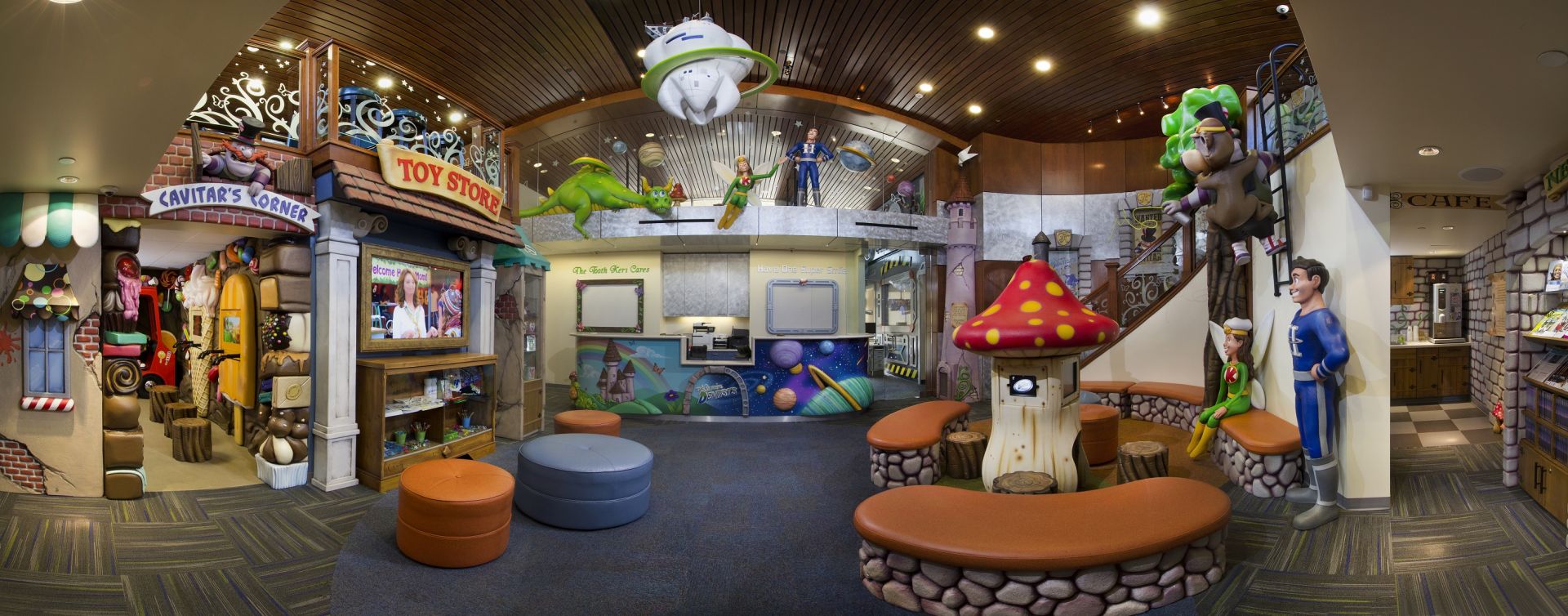
Alright, so for those in our community who might not be familiar with your business, can you tell us more?
The Super Dentists is San Diego’s largest, most trusted and top awarded Pediatric Dentistry, Orthodontics and Teen and Adult Dentistry practice – one in every five kids in San Diego is a Super Kid and we’re proud of that accomplishment! We create the most unique and out-of-this-world dental experience for children and parents. We’re the only office in the world where kids ask (many times, beg!) their parents to take them to the dentist!
The Super Dentists take advantage of the latest in preventative and restorative treatments and are Clear Aligners and AccelaDent accelerated orthodontics specialists. With locations throughout San Diego (Kearny Mesa, Carmel Valley, Chula Vista, East Lake, Oceanside, and Escondido), and growing, we give back to whenever possible with a focus on kids and education. One of our largest programs is an in-classroom dental education program reaching thousands of kids annually, we also host and sponsor dozens of events, and provide complimentary dental care to those in need through our Free Dental Day events, held annually.
I have decades of experience working in the dental space and my practice has treated hundreds of thousands of patients, but it’s important to stay current in the industry. So, I stay active. I recently joined the Board of Counselors at UCLA’s School of Dentistry, I have served on faculty at Howard Healthcare Academy and University of Southern California’s postgraduate orthodontic program and I’m a member of the American Association of Orthodontists, American Dental Association, California Dental Association, and San Diego Dental Society. For more information, visit www.DrKamiHoss.com
Any great local spots you’d like to shoutout?
My favorite spots during the pandemic: bedroom, kitchen and home-office. Post-pandemic: A trip over the bridge to Coronado Island. A stop for a hazelnut iced coffee at the Coffee Bean and Tea Leaf. Lunch at George’s balcony in La Jolla for a spectacular view of the ocean. Walk along the beach. An afternoon movie in a packed theater with a large popcorn. Dinner at Roy’s starting with a lychee martini. Uber home.
Shoutout is all about shouting out others who you feel deserve additional recognition and exposure. Who would you like to shoutout?
I’ve been very fortunate to have many good role models throughout my life. From my parents to teachers and friends along the way, so many deserve credit for my personal and professional successes. However, the shout-out to the person with the biggest influence on me easily goes to my beautiful wife. She and I met in high school and went to our senior prom as our first date. Since then we’ve always been best friends and partners in life and work.
Website: www.thesuperdentists.com
Instagram: thesuperdentists
Linkedin: @thesuperdentists
Twitter: TheSuperDentists
Facebook: @TheSuperDentists
Youtube: The Super Dentists
Photos: The Super Dentists
First Time Parent Magazine | 10 Tips from a Dentist Dad
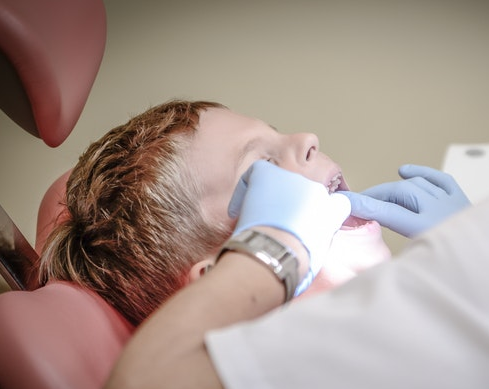
I am a dad and a dentist: here are 10 things to expect when your child goes in for a check-up post-COVID
By Dr. Kami Hoss, dad and Dentist
States have been reopening and closing again for the last couple of months. At the right time, as dental offices reopen, parents will want to schedule or reschedule their children’s appointments for teeth cleaning, orthodontic treatment or other oral care. Trust me, as a parent to an 8-year-old boy and as a dentist and orthodontist, this topic is on my mind. COVID-19 has presented dentists with challenges—just like all businesses—and you should understand the situation your family is walking into. The good news is that dentists have always effectively dealt with spreadable diseases and will follow a number of protocols to ensure a safe visit.
For decades, dentists have had to deal with viruses (such as Hepatitis and many others). In fact, they use “universal precautions,” meaning dentists treat everyone like they have those viruses by having infection-control processes in place that are going to be also effective for COVID-19. The difference is that the transmission of COVID-19 can be more challenging (droplets in air and surfaces), so dentists have developed additional protocols to protect everyone.
Why visits are vital
As a father myself, I understand how protective parents are of their children. At the same time, COVID-19 doesn’t mean your child can sit out dental care for 2020. For example, cavities get bigger and turn into infections, and then they can require hospitalization or cause further issues.
Plain and simple, professional dental care is still needed for many—especially children, of which 42% aged 2-11 will develop cavities. For the littlest ones, enamel on baby teeth is thinner than on permanent teeth, and the pulp is relatively larger, so dental decay can spread to nerves faster. For all kids, orthodontic problems (oral development, dental crowding, bite problems, etc.) don’t stop because there is a pandemic: And there is a limited window of opportunity during which treatment will get ideal results and once that window closes, treatment options may become limited or more invasive, and the result can be significantly compromised. In other words, skipping the dentist for several months or a year is a bad idea for a kid’s well-being.
Therefore, as you look to take care of your children’s oral health, know that your family’s next trip to the dentist will look significantly different than your last one, pre-COVID-19. Let’s take a look at what dentists around the country are going to be doing to keep everyone safe.
Oral health’s new normal
Since March, dentist’s offices have been mostly closed nationwide except for emergency procedures. Now, offices are opening back up for routine care everywhere. If the dentist is following the American Dental Association’s (ADA) recommendations for reopening, here are 10 things parents can expect to experience before, during, and after their child’s next visit:
1. A welcome-back letter or email, letting you know what exactly your dentist is doing for up-to-date infection control measures.
2. A pre-visit screening that will take place before you ever step into the office, to ensure you and your child have no COVID-19 symptoms. This screening may take place over the phone or via videoconferencing.
3. There will be unusual “asks.” For instance, dentists are being advised to consider asking patients to wait in their cars or nearby instead of the waiting room to avoid spreading coronavirus. And they are being advised to ask patients to bring in their own pens for filling out forms to preempt the sharing of germs.
4. Dentists are limiting the number of people in their offices. Therefore, parents may be asked to send in children—who are old enough—by themselves or limit it to only one parent with his/her child(ren).
5. After your family walks into a dentist’s office, there will be extra registration procedures. These will include sanitizing your hands near the front desk and getting your temperature checked.
6. The child and accompanying parents should be prepared to wear a mask upon entering the office and keep it on before and after their care session.
7. If waiting rooms are large enough to enable six-foot distancing, parents will find those rooms to be very different compared to the recent past. There will be no toys, crayons and coloring books, reading materials, and TV remote controls laying around.
8. Front-desk clerks will constantly disinfect all surfaces, clipboards, and other objects to avoid spread, and computers and keyboards will be covered with flexible, clear barriers that will be changed regularly. And clerks will also wear masks, goggles and/or face shields.
9. Operatory staff will be kept to a minimum. The hustle-and-bustle of the old dental office—with people constantly passing by in the hallway—will not be seen again for a while.
10. At the end of the visit, expect your dentist to request that you call his or her office if you or your child get any COVID-19 symptoms up to two weeks after your visit.
Don’t fear the dentist
Indeed, we are about to enter a new normal for dental patients young and old, but we can all get through it safely when dentists follow the ADA’s recommendations. Kids need their dentist as much as ever, especially during this crisis because a healthy mouth maintains a healthy body.
So if you have a child as I do, don’t fear the dentist because the ramifications of ignoring their oral health are too great. At the same time, keep in mind that your family’s next dental appointment is going to be noticeably different than previous visits.
_ _ _ _ _ _ _ _
Dr. Kami Hoss is a San Diego-based dentist, author, and philanthropist.
Source: This article originally appeared in First Time Parent Magazine. Read it here.
The Super Dentists is San Diego’s largest, most trusted and top awarded pediatric dentistry, orthodontics and teen and adult dentistry practice in San Diego. Come see why 1 in every 5 kids in San Diego is a Super Kid. The Super Dentists has six convenient locations in San Diego: Carmel Valley, Chula Vista, EastLake, Escondido, Kearny Mesa and Oceanside. We accept Medi-cal and most insurance. Call 1-855-GO-SUPER (467-8737) or text us at 1-844-765-1234.
The Chip Franklin Show | Ready to go back to the dentist?
Dr. Kami Hoss, Co-Founder and CEO of The Super Dentists, speaks with nationally-syndicated radio host, Chip Franklin, about the experience of going back to the dentist.
Listen to the entire interview here.
The Super Dentists is San Diego’s largest, most trusted and top awarded pediatric dentistry, orthodontics and teen and adult dentistry practice in San Diego. Come see why 1 in every 5 kids in San Diego is a Super Kid. The Super Dentists has six convenient locations in San Diego: Carmel Valley, Chula Vista, EastLake, Escondido, Kearny Mesa and Oceanside. We accept Medi-cal and most insurance. Call 1-855-GO-SUPER (467-8737) or text us at 1-844-765-1234.
Cosmopolitan | Good advice for Bad Breath

Thankfully, it’s the 21st century and there are so many expert-approved ways you can make sure your breath on point. For the most part, they’re all pretty low-maintenance, but you may have to scale back your two to three cups of coffee a day and your **dumps garlic powder all over everything** habit.
Below, we asked dentists to share their expert tips on what you can do to prevent bad breath from creeping up again and how to help your breath stat if you want a fix, like, right now.
1. REDUCE OR ELIMINATE ALCOHOL CONSUMPTION.
It’s tragic, I know. But according to Dr. Kami Hoss, DDS, alcohol can really damage your oral microbiome. Not sure what that big word is? (Don’t worry, I didn’t either at first). So, it’s microorganisms that are found in the human oral cavity that are really essential to our health. It also plays a big part in maintaining a steady and normal oral ecological balance. And on top of that, it can cause your mouth to get really dry which could lead to bad breath. If you notice that you’re drinking a lot and you’re starting to develop an odor in your mouth in conjunction, maybe the solution is cutting down on the booze!
2. TRY AND AVOID EATING CERTAIN FOODS AND DRINKS.
Unfortunately, onions, garlic, and coffee are big causes to bad breath. And Dr. Hoss suggests keeping away from them if you’re mindful about having your breath smell good. I know those three food/drink items are low-key essentials to life for many of us, but straying from them could be for the best!!
3. CLEAN YOUR TONGUE.
According to dentist Michelle Chan, DDS, one main source of bad breath is a type of oxygen-hating bacteria in your mouth called anaerobic bacteria. Since they don’t like fresh air, they nestle deeper into your mouth’s surfaces, causing inflammation and bleeding of the gums, which, in turn, creates a stinky, sulphuric byproduct. Sexy, right? Dr. Chan suggests using a tongue scraper to remove the bacteria burrowed in the fuzzy filaments of your tongue, or in a pinch, try using a clean spoon instead.
4. USE AN OXYGENATED MOUTHWASH.
Since anaerobic bacteria hate oxygen, try gargling with an oxygenated mouthwash to kill them fast, even in hard-to-reach places like your tonsils. Yep, anaerobic bacteria tend to accumulate in the contours of your tonsils and create super-pungent tonsil stones (a buildup of bacteria and debris in your tonsils). Yum! Dr. Chan also suggests gargling in the back of your throat with salt water to dislodge the stones or seeing your ENT doctor to remove them.
5. STAY HYDRATED.
Beauty editors like to respond to everything with “drink more water,” and I’m sorry in advance, but the same applies here. Dehydration reduces your saliva production, which is a problem because your spit has antibacterial and antifungal properties that keep your mouth healthy and your breath smelling good. And on a basic level, your saliva also helps break down your food, wash it away, and lubricate your teeth to prevent food getting stuck. “If the food’s decomposing in your mouth because it wasn’t broken down or washed out, bacteria can flourish,” Dr. Chan says. “The more food you leave behind, the more feasting for the bacteria.” Spit is good. Stay hydrated.
6. RINSE WITH ALCOHOL-FREE MOUTHWASH.
While we’re on the topic of dehydration, go ahead and toss all your alcohol-based rinses because ironically enough, your mouthwash could be your problem. Alcohol dries out your mouth, which leads to more bacteria growth, says dentist Debra Glassman, DDS. If you don’t want to run to the store, you can create your own by mixing a tablespoon of baking soda with a cup of warm water and a few drops of peppermint essential oil. “Baking soda is a natural antibacterial, and the peppermint oil helps freshen your breath in a pinch if you run out of mouthwash,” Dr. Glassman says.
7. SNACK ON APPLES OR ANY OTHER CRUNCHY, HEALTHY FOODS.
Better make a quick stop at Whole Foods (that’s romantic, right?). The hard texture of apples, celery, carrots, etc., can remove food caught between your teeth and rub away the bacteria that’s clinging to them. Think of crunchy health foods as nature’s toothbrushes.
8. CHEW SUGARLESS GUM CONTAINING XYLITOL.
Gum contributes to better breath for a few reasons: First, the act of chewing stimulates the flow of saliva, which, remember, helps flush away bacteria. Second, it helps pick up food that’s been left behind. And third, xylitol, a sweetener, is also an antibacterial. Try SuperSmile Whitening Gum With Xylitol, or if you’re not a gum fan, try Spry Xylitol Mints.
9. EAT PROBIOTIC FOODS.
Dr. Glassman says good breath relies on a healthy gut. Eating probiotic fermented foods like kimchi, yogurt, and kefir increases the good bacteria in your gut (the large and small intestines and the stomach). And when good bacteria thrive, there’s less room for the bad bac, which can give off a not-so-pleasant smell that travels up the digestive tract and into your mouth.
10. CHEW ON FRESH MINT LEAVES OR PARSLEY.
You laugh, but it works! If you’re already on your date, order a drink with mint leaves or casually ask your server for a side of parsley (you just, um, really love parsley, okay?). The mint will help freshen your breath, and the parsley contains chlorophyll, which Dr. Jennifer Jablow, DDS, says fights against the aforementioned sulfur compounds.
11. BRUSH AND FLOSS EVERY. SINGLE. DAY.
Sure, flossing is an extra step, but it’s an essential one. Brushing your teeth helps nix the plaque and bacteria on the front, back, and the chewing surface, but flossing dislodges anything your toothbrush can’t get to between the teeth. If you don’t floss, Dr. Chan says here’s what will happen:
The minerals in saliva (like calcium and phosphates) can cause the plaque to harden between the teeth (aka tartar). Tartar is full of bacteria. The bacteria colonies can multiply and burrow deeper into your gum. Over time, the tissue around the bone gets irritated, causing inflammation. Your gums start to break down, resulting in bleeding gums when you brush your teeth. If it progresses, the space between the gums and teeth grows. Welcome to gum disease.
Basically, anaerobic bacteria are the culprit behind gum disease and bad breath. So brush and floss, or bad breath will be the least of your concerns.
12. STEER CLEAR OF CIGARETTES.
Aside from the obvious fact that cigarettes smell bad, Dr. Chan says smoking inhibits your immune system, which can interfere with your bod’s ability to fight off bad bacteria. That can lead to a quicker progression of gum disease and bad breath.
13. DON’T SKIP YOUR DENTIST APPOINTMENTS.
See your dentist at least twice a year (depending on your oral condition) for cleanings, and while you’re there, don’t hesitate to bring up your concerns if you’ve tried everything and your bad breath still isn’t going away. It could be the result of multiple factors, so don’t WebMD yourself into a dark hole. Just go ahead and make yourself an appointment.
This article originally appeared on Cosmopolitan.com
https://www.cosmopolitan.com/style-beauty/beauty/advice/a34387/ways-to-make-your-breath-smell-good/
Healio | Oral Health as Part of the COVID Puzzle

Maintaining oral health is an important factor in overall health and may have an essential role during the COVID-19 pandemic, an expert told Healio Primary Care.
Studies have linked oral health to lung health, including one meta-analysis published in Oral Diseases that found periodontitis was associated with asthma, COPD and pneumonia.
Poor oral health has been associated with a variety of other adverse health outcomes, including increased risks for inflammatory bowel disease, precancerous stomach lesions, coronary heart disease and mortality, and lung and colorectal cancers.
Healio Primary Care spoke with Kami Hoss, DDS, MS, co-founder of The Super Dentists, a large group dental practice in San Diego, to learn more about the relationship between oral health and lung health and its implications during the COVID-19 pandemic.
Q: How is lung health related to oral health?
A: It has long been known that poor oral health is a risk factor in the initiation and/or progression of respiratory infections. Dental plaque can host respiratory pathogens that can be released in saliva and can then be aspirated in the lungs. Pathogens can also enter the bloodstream through bleeding gums in patients with poor oral health and disseminate to the lungs, causing a local infection. In ventilated patients, they can also attach to the endotracheal tube and be aspirated into the respiratory tract.
Q: Why is it important to maintain oral health during the COVID-19 pandemic?
A: We know that COVID-19 affects the young and the healthy differently than [older adults] and those with underlying medical conditions. Oral health impacts overall health in profound ways. The mouth is the opening to the body and pathogens find their way in via the mouth and COVID-19 is no exception.
Q: What signs/symptoms that indicate poor oral health should primary care physicians tell their patients to watch for?
A: Bleeding or swollen gums: Healthy gums should not bleed during routine brushing and flossing. Pain: Dental, gum or jaw pain could be another sign that something’s wrong.
Halitosis: Persistent bad breath that’s not due to something obvious, such as a food source, must be investigated. Sensitivity: Excessive sensitivity to cold or sweet can be due to bone loss and root exposure or cavities. Tooth mobility: In advanced stages of periodontal disease, teeth can get loose and eventually fall out.
Q: How does maintaining good oral hygiene compare with other preventive/mitigative steps?
A: Oral health is another essential piece of the puzzle when it comes to staying healthy. So, as we all put on masks near each other and wash our hands routinely, we should also be paying extra attention to the health of our mouths.
Q: Why is oral health particularly important among nursing home residents during the COVID-19 pandemic?
A: [The] pandemic’s death toll tied to nursing homes has surpassed 50,000. Periodontal disease increases in the older population. In fact, according to CDC, more than 70% of Americans aged 65 and older have periodontal disease. The infection risk is additionally compounded by presence of removal dentures where plaque can accumulate.
This article originally appeared on Healio.com
Mom.com | What Type of Toothbrush is Best
For all the time you’ve spent researching the best baby products, tools, and supplies for the nursery that make life easier when your little one is born, it’s likely you’ve considered what type of toothbrush would be best for your child until that first little tooth bud popped through.
If you now find yourself wondering how to go about choosing a toothbrush, you’re in the right place. Whether your child has just started teething or is ready to take on the responsibilities of daily brushing for themselves, there are several things to consider based on your child’s age, development, ability, and preferences.
Dr. Kami Hoss, an orthodontic specialist and dentist in California, thinks finding the right toothbrush is an important first step. “Children should like, even love, their toothbrushes so they’re encouraged to use them,” he told Mom.com. “In fact, more than a third of children brush their teeth less than twice a day. There are a variety of toothbrushes with cool designs, music, and lights to make brushing fun.”
Jamie Reed agrees that making toothbrushing fun for her child is key. “I’ve been trying new things for my toddler when it comes to toothbrushes. We’ve tried electric, and now we’re trying a light-up one,” she told Mom.com
Hoss advises parents to choose carefully when deciding what type of toothbrush is best for their child. “Anything that goes in your child’s mouth needs to be safe and of high quality. Moms need to pay particular attention to the bristles,” he instructed.
When choosing any dental product for yourself or your child, be sure to look for the American Dental Association Seal of Acceptance on the packaging. Companies are required to reapply for the Seal of Acceptance every three years to be able to use it on their packaging. It is an industry-wide designation that dental products like kids’ toothbrushes are safe and effective.
If you’re wondering what type of toothbrush is best, take into consideration your child’s age and development. The following tips should help you find the best toothbrush for your child.
Best baby toothbrush options
Until your infant begins teething, simply wiping your baby’s mouth with a clean, damp, gentle washcloth after feeding will suffice in keeping gums healthy and prevent bacteria buildup. Use a gum toothbrush at nighttime to create an evening routine. As your baby grows, routines will make the bedtime transition easier.
Another option for infants is a soft gum toothbrush that fits on the tip of your finger. These baby toothbrush silicone massagers are designed for infants over the age of two months. Once your child’s first tooth erupts, a visit to the dentist is warranted. Normally this happens when your baby is around 6 months old. This visit will give you a chance to address any concerns you may have with your child’s dentist and is a good way to screen for any potential dental issues that may arise.
Choosing a toothbrush for older kids
The best type of toothbrush
For infants and toddlers, a kids’ toothbrush with a smaller bristle head and ultra-soft bristles is preferable. Children between the ages of 3 and 12 will do well with toothbrushes with a medium-sized bristle area and soft bristles.
Should I buy an electric toothbrush for my child?
According to the American Dental Association (ADA), both manual and electric kids’ toothbrushes effectively remove plaque from your child’s teeth. Often, though, an electric toothbrush may be preferred for those with dexterity problems. “The elderly, people with disabilities, or children — or those who have dental appliances, like braces, may find a powered toothbrush easier to use,” according to the ADA website.
For help choosing the best electric toothbrush for your child, consult the ADA shopping list for toothbrush brands and products that carry the ADA Seal of Acceptance.
Best toothbrush for braces
Kids with braces face additional challenges when trying to keep their teeth clean. You can help instill good dental care habits from the beginning by providing your child with the proper tools.
According to the American Association of Orthodontists (AAO), flossing before brushing your teeth is essential. In a video demonstration, the AAO suggests a reusable floss threader to pull floss underneath each arch-wire of the braces. For braces wearers, the best toothbrush will have soft bristles. Choose a toothbrush with a channel in the center. This allows the shorter bristles to brush the area around the braces while the longer bristles reach the tooth directly.
Mom of four Laura Canada Oneill offered an extra tip. “Get an electric toothbrush and water pick,” she told Mom.com. “For my older boys, the orthodontist included an electric toothbrush with round heads that worked well with braces. The water pick works well for anyone, but especially for those with braces.”
This article was originally posted on Mom.com
https://mom.com/kids/what-type-of-toothbrush-is-best-for-my-child/best-toothbrush-for-braces
Mom.com | Best & Safest Kid Toothpastes

The average adult makes 35,000 decisions each day. I’d argue that moms of young children make even more decisions. Ensuring the safety and well-being of our kids is a top priority and often even the seemingly simple decisions, like choosing a toothpaste for kids, can be fraught with challenges.
With a myriad of choices like natural toothpaste options that are sodium lauryl sulfate-free and fluoride-free, or popular brands we all know, finding the best and safest toothpaste for our kids can be difficult. Then there’s the all-important taste factor of whether a child will tolerate a standard minty-fresh taste or prefers a non-mint toothpaste option, like fruit punch, bubble gum, or watermelon.
With all of these choices, figuring out which kids’ toothpaste is the best, safest, and most effective option is hard. This coupled with making sure your child likes the flavor, and that it also fights cavities, makes for a difficult decision. Here we share some background that could help you choose a toothpaste for your kids that checks all of the boxes.
What is in your child’s toothpaste?
Most commonly, fluoride is added to toothpaste to remineralize tooth enamel, which is the case for a wide variety of toothpaste brands on store shelves. Another common toothpaste ingredient is sodium lauryl sulfate. SLS is what gives toothpaste that foamy texture that makes you feel like it’s doing its job. If you’ve ever used an SLS-free baking soda-based toothpaste, you’ll recognize the difference.
According to studies, sodium lauryl sulfate, the detergent and surfactant that causes your toothpaste to foam up, can decrease the efficiency of fluoride. The foaming agent helps remove food debris from the teeth and slough it away. People with sensitive teeth and gums may prefer an SLS-free toothpaste. It has been known to cause inflammation and increased canker sores.
This is the case for Virginia Duan, a mom of four. “I use the DoTerra OnGuard toothpaste. It is the only one that doesn’t make my mouth break out in sores,” she told Mom.com
Dr. Kami Hoss warns against using a toothpaste that contains antibiotics or alcohol. “Some toothpaste and mouthwashes can indiscriminately kill the oral microbiome, disrupting the delicate balance. They may transform beneficial microbes into a pathogenic state or allow new, more opportunistic ones to take hold,” he explained to Mom.com.
What about whitening toothpaste?
If your older tween or teen has expressed an interest in whitening toothpastes or tooth whitening trays, the general consensus is that they are safe to use.
The National Institutes of Health defines whitening toothpastes as those that contain bleaching agents like hydrogen peroxide and silica. These abrasives remove stains to lighten tooth color and may cause temporary gum irritation. For children younger than 14 who may be interested in cosmetically lightening their teeth, baking soda toothpaste may be a more natural toothpaste alternative.
Choose the best kids’ toothpaste
Choosing a child-friendly toothpaste may seem trivial, but to many families, there are myriad factors to consider. I’m fairly vigilant in researching the products I purchase for my youngest child. With research that supports the potential adverse neurological effects of fluoride in drinking water, I choose to go fluoride-free when it comes to dental care so as not to overload his system.
Similarly, for parents whose children have celiac disease or gluten sensitivities, a gluten-free toothpaste is the safest toothpaste choice. There are even traces of milk protein in some types of toothpaste, which can be fatal to those with dairy allergies. As such, anything your child consumes or goes in and around his mouth should be researched carefully. Choosing a safe toothpaste is a decision dependent upon personal experiences, preferences, and of course health concerns.
Dr. Hoss cautions parents from just choosing a random over-the-counter toothpaste and mouthwash. “You should always consult with your dentist to use oral care products that have been customized just for you and your children,” he told Mom.com.
Combat your kids’ cavities
There are other things you can do to keep your children’s teeth free from cavities. An effective cavity-fighting solution, according to the Centers for Disease Control and Prevention, is the application of dental sealants for children between the ages 6 and 11. A thin sealant layer is painted on the surface of the tooth. This prevents decay from forming caries deep in the tooth crevices.
How to prevent cavities
Following these general guidelines also helps prevent cavities and promote good dental habits.
• Dental care should start early. Use a training toothpaste and a soft bristle toothbrush to care for your toddler’s teeth.
• For younger infants and babies, wipe a damp cloth over their gums after meals to clear away bacteria.
• After your child eats fruit snacks or takes gummy vitamins, have them brush. Gummy foods are notorious for causing tooth decay.
• Refrain from offering sugary juice in a bottle.
• Keep regular dental visits to allow your child’s dentist to monitor for potential problems before they become bigger issues.
Read the original article posted on Mom.com
https://mom.com/kids/what-is-the-best-and-safest-toothpaste-for-kids
WebMD | Virtualizing the Dental Waiting Room
June 16, 2020, by The Super Dentists
Dental offices responded to COVID-19 lockdowns in much the same way as other medical professions, halting routine visits and only providing emergency care to patients in dire need.
But now that stay-at-home orders are lifting, many dentists are reopening, but with new protocols to limit infection.
Your dental appointment will not be the same, with changes from the waiting room to the dental chair, dentists say.
First off, don’t expect to spend a lot of time lounging in the waiting room, flicking through old magazines.
Many dentists are asking patients to instead wait in their car until their treatment chair inside is ready. Patients text or call to let the office know they’re outside, and use a phone or tablet to fill out paperwork, said Dr. Kami Hoss, an orthodontist in San Diego.
“Our waiting room now starts in the car. We’ve virtualized the waiting room,” he said.
Once inside, patients will be greeted at a screening table where assistants will ask about COVID-19 symptoms and take their temperature, said Dr. Kirk Norbo, co-chairman of an American Dental Association task force that developed a guide to reopening dental offices.
“We’re pretty thorough on the whole screening process at this point,” said Norbo, a dentist in Purcellville, Va.
These screening procedures should make a dental office one of the safest places in medicine to seek treatment, according to Hoss.
“Our goal is to keep this virus outside of our office,” he said. “If a patient has any symptoms that could be a red flag, we reschedule and postpone their appointment.”
You’ll be asked to wear a mask all the way through the office, removing it only when you’ve settled in the dental chair.
You might also notice fewer people in the office. Practices are trying to space out appointments to minimize the number of folks in the building at any given time, Norbo said.
Patients are also being asked to limit the number of people they bring to an appointment. That could mean that parents leave their kids at home with a babysitter, or that parents of older kids might be asked to wait outside while their child is treated, Hoss said.
Dentists will use text or video messaging to communicate what treatment a child is receiving and what the parent needs to know about aftercare, Hoss said.
Once you’re in the chair, many things will look much the same, because dentistry has long focused on infection control to prevent the spread of H1N1 flu, HIV and other dangerous pathogens, Norbo said.
But you are liable to see your dentist and hygienist more fully decked out in personal protective equipment.
“They’re going to see more of that ‘Star Wars’ look,” with staff wearing gowns and face shields and masks, Norbo said.
There also will be some changes in procedure specifically designed to prevent the spread of a respiratory bug like SARS-CoV-2, the new coronavirus that causes COVID-19.
For example, San Francisco-based dentist Dr. Nammy Patel gives her patients a mouthwash containing hydrogen peroxide and salt to kill off any germs that might be lingering in their mouths.
“It’s been documented that the coronavirus is killed by peroxide and saline,” she said.
Don’t expect to be asked to spit, either. Patel said she suctions out the mouthwash, as well as any saliva or water that might build up in your mouth during cleaning or dental work.
“We don’t even give them the opportunity to spit,” she said.
Patel also has invested in an additional vacuum device that remains about 2 feet from the patient’s face to suck up any droplets that might fly out of the mouth.
“There are a lot of unknowns when it comes to COVID,” Patel said. “I’d rather be the helicopter mom and overdo it rather than underdo it.”
Dentists and hygienists working with a patient are being encouraged to choose methods that will reduce the amount of aerosol coming from the mouth as well, Hoss said.
Instead of drilling, a dentist might use chemicals and instruments to remove composite material, he said. Hygienists will use traditional metal hand instruments to remove plaque, rather than newfangled ultrasonic cleaners that tend to create a lot of spray.
Just remember that if you’re trying to see your dentist and you don’t have an appointment, it might be a while before you’re able to get in.
People who missed their cleanings during the two months of lockdown are now trying to reschedule. That, on top of folks already scheduled for dental work and the need to space out dental appointments, is creating a bit of a logjam in some offices, Norbo said.
“I’m amazed at the rebound of the patients,” he said. “We’re slammed right now. We’re getting booked up like it’s pre-COVID days.”
More information
The American Dental Association has more about dentists reopening their offices.
Copyright © 2020 HealthDay. All rights reserved.
Read the original article from U.S. News and World Report here
Westwood One | Keeping Patients Safe
Dentists have been dealing with pathogens for years and already had precautions, protocols, and infection controls in place, but the pandemic has forced the dental industry to add even more to keep patients and employees safe. Dr.Kami Hoss discusses some of the recent changes with Jim Bohannon.
Consumer Reports | Getting Medical Care Now
Is it safe to see your doctor in person, get an elective procedure, or have your child vaccinated?
What to know and what to do.
If you’re like many Americans, you may have seen a doctor in person in recent months only if you absolutely had to.
That’s because in mid-March—at the recommendation of the Centers for Disease Control and Prevention and the Centers for Medicare & Medicaid Services—doctors, dentists, clinics, outpatient facilities, and hospitals postponed or limited much nonemergency medical care, largely to preserve resources for COVID-19 and to keep patients and healthcare staff members safer.
And people who had concerns other than COVID-19 might have avoided in-person healthcare for fear of exposure to the virus.
Telemedicine filled in some of the gaps. But almost half of Americans said they or a family member skipped or put off medical care because of the coronavirus pandemic, according to a new poll from the Kaiser Family Foundation. A new CDC analysis of emergency room visits found that they dropped by about 42 percent between late March and late April, compared with the year before.
Preventive cancer screenings, such as colonoscopies ,decreased by up to 94 percent across the U.S. in March, according to the health data firm Epic. Pediatric vaccines also declined sharply, and physicians report that they’ve seen fewer than usual non-COVID-19 patients in emergency rooms for urgent matters such as heart attacks and strokes.
In recent weeks, though, face-to-face medical visits have been rebounding. While in-office doctor’s appointments decreased by some 60 percent between mid-March and mid-April, they were only roughly one-third lower than normal by mid-May, according to findings from Harvard University, the Commonwealth Fund, and the healthcare technology company Phreesia.
And the numbers of appointments are expected to climb. The CDC no longer recommends that healthcare providers put off nonurgent appointments and procedures, and all states are now allowing elective surgeries to resume. But there’s no overarching national approach, so the medical care that’s available may vary by provider, type of service, and where you live.
If you’re unsure whether to move forward on a screening test, office visit, checkup, or procedure, the first thing you should do is call your doctor’s office, says Patrice Harris, M.D., president of the American Medical Association. “They are there to help you decide when to come in and what can wait,” she says. “You don’t need to make that decision alone.”
Your provider can also help you determine whether it’s safe for you to see your doctor now, based on how common COVID-19 is in your area and whether you are at high risk of complications from the infection, she says.
In addition, providers have learned a lot in recent months about preventing the spread of the disease in healthcare settings, says David Cohn, M.D., chief medical officer and gynecologic oncologist at the Ohio State University Comprehensive Cancer Center. “The health risks to individual patients now are likely to be very small.”
And you can employ a few smart safety strategies of your own. Here’s what to know about getting medical care now, in general, and in a few specific instances.
What to Expect at the Doctor’s Office Now
Healthcare providers and facilities are taking a number of steps to keep you, and themselves, safe. These may differ from state to state or even community to community, so you may want to call ahead to ask what to expect and what to bring.
You should also practice the same commonsense precautions in a healthcare facility that you would elsewhere in public, Cohn says. These include wearing a mask and maintaining a 6-foot buffer from others when possible, keeping your hands away from your face, and washing your hands with soap or using hand sanitizer after touching surfaces such as elevator buttons and counters. (Most doctors’ offices have sanitizer on hand.)
And you can likely expect the following:
You may be “seen” virtually, at least initially. During the pandemic, many healthcare providers turned to telehealth. Your doctor may be able to go over test results, check a rash or swollen ankle, or, with your help, monitor chronic medical conditions such as diabetes or high blood pressure via phone, tablet, or computer. Going forward, some doctors will continue to offer telehealth for some care, including annual checkups and mental health services, according to Jacqueline Fincher, M.D., a general internist in private practice in Thomson, Ga., and president of the American College of Physicians. Check with your insurer on coverage.
In-person appointments may be harder to get. Many practices are spacing out appointments and procedures to limit the potential for a crowded office and allow more time for cleaning and sanitizing between patients. Many practitioners may also have a backlog because of delayed care and may take more urgent cases first.
You’ll be checked for COVID-19 ahead of time. Office staff may ask you questions by phone to determine whether you may have symptoms of the illness before you arrive. Some facilities may even require a temperature check before coming in the door.
You may be asked to come alone. With offices limiting the number of people in them at one time, you may be discouraged from bringing a friend or family member with you to the appointment.
The waiting room may be in the parking lot. You may be asked to wait in your car—or be taken immediately to an exam room—rather than sitting in an open room with other patients before your appointment.
Face masks will be common. You should wear a mask while inside the building, and you can expect office staff to do the same. Medical staff may also use other personal protective equipment when examining you, including gowns, face shields, and gloves.
Making Up Missed Medical Screenings
If you’ve missed routine screenings such as a mammogram, a colonoscopy, or a check of blood pressure or cholesterol levels, don’t panic. A delay of several months is fine for most low- or normal-risk people, says OSU’s Cohn.
But depending on your health risks and the level of COVID-19 in your community, you may want to move ahead on scheduling that cancer screening. “The benefits of screening now outweigh the risks of infection for most people,” he says. The same goes for other types of screenings, including annual cholesterol checks, and vision or hearing exams.
Of course, you might not be able to get an appointment right away. Patients at higher risk of disease may take priority over those at lower risk. For instance, a women who carries a BRCA mutation or has a family history of breast cancer may be scheduled sooner for screening, Cohn says.
If there’s a long wait, ask whether there are any alternatives, says Fincher at the American College of Physicians. For instance, if you’re overdue for a colonoscopy, an at-home stool test, which detects trace amounts of blood or DNA from cancer cells shed in the feces, may be a reliable way to screen for colorectal cancer in some people, she says.
Dealing With Delayed Elective Surgery
“Restarting elective surgeries is going to look more like gradually turning up a dimmer than flicking the ‘on’ switch,” says Alexander Onopchenko, M.D., vice chairman of the department of surgery at AtlantiCare Regional Medical Center in New Jersey. Expect a slow ramp-up, with surgery centers operating at a much lower volume for a while, he says.
When to have an elective procedure that was put off because of the pandemic will depend on factors such as how much pain or impairment you’re experiencing, whether waiting will worsen your problem or make treatment less likely to succeed, and what other health problems you might have.
Also, be aware that some surgery centers are prioritizing lower-risk patients and surgeries, so if you’re a healthy 50-year-old, you may be able to schedule your carpal tunnel surgery sooner than a 75-year-old with hypertension and diabetes who needs a total hip replacement. And you might need to wait a few months longer for a surgery that would require you to spend time in a rehabilitation facility afterward.
If your surgery is scheduled, ask your doctor whether, because of the coronavirus, you need to do anything different before or after your procedure, Onopchenko says. Before surgery, for instance, some surgeons may require their patients to take a COVID-19 test, ask them to wear a mask in public, and follow social distancing guidelines, or even self-quarantine for up to two weeks before the procedure.
“These steps will help to ensure that you’re as healthy as possible going into surgery,” he says. After surgery, some providers may now opt to perform wound checks and other post-operative care via telehealth.
Differences in Dental Care
Dental care poses some special challenges because the dentist and hygienist have to work very close to your face and because dental care can involve the use of instruments, such as ultrasonic scalers, that may spray droplets. Both can increase the risk of infection.
That’s why the CDC has interim guidance specifically for dentists. Currently, the agency recommends that dentists treat patients only after assessing them for COVID-19, and weighing the risks of delaying care with those of potential viral exposure.
If you are seeking dental care, you can expect quite a different experience from how it was prepandemic, says Kami Hoss, D.D.S., CEO of the Super Dentists, a dental group in Southern California.
You’ll probably see some of the same changes that many doctors’ offices are implementing: “Waiting room chairs may be spaced at least 6 feet apart, and there may be less reading material or toys in the waiting room,” says Chad Gehani, D.D.S., president of the American Dental Association. “Dental staff will be wearing additional personal protective equipment like face shields, gowns, and masks.”
Your dental office also may want you to fill out a screening form to make sure you’re healthy and take a temperature check prior to any exam or procedure.
Some practices, like Hoss’ offices, have implemented additional safety strategies. They now have “virtual check-ins” where patients sit in their cars, sign in for appointments on their smartphones, and receive a text message when it’s time to enter the building.
Hoss, who sees many pediatric patients, says parents of older kids are being asked to remain in their cars and are then videoconferenced in to the appointment. His practices also have introduced ultraviolet disinfection lamps around the office and high-speed suction devices that sit over a patient’s mouth to catch more aerosolized spit.
You may have to wait for a checkup. “Those who need crowns replaced, fillings, or bridges, for instance, may need to take priority over those who are due for a cleaning,” Gehani says.
So if you need to push off a cleaning for a few more months, be sure to practice good dental hygiene at home, Hoss says. “Brushing and flossing regularly are the most important ways people can keep their teeth healthy at home,” he says.
The Kid Care Conundrum
Aside from the flu shot, it appears that from mid-March to mid-April, many children did not receive their measles or other regular childhood vaccines, according to the CDC.
It’s not surprising that parents have been avoiding the pediatrician’s office, but the American Academy of Pediatrics is urging parents to keep their kids on schedule with both doctors’ appointments and vaccines.
“What we definitely don’t need right now is an outbreak of vaccine-preventable illness such as whooping cough or measles,” says Sally Goza, M.D., president of the American Academy of Pediatrics. And don’t skip needed care—alert your doctor if your child is ill, she says.
Instead of waiting to schedule an appointment, ask what your pediatrician’s office is doing to keep kids and caregivers safe, she recommends. In addition to having patients wait in their cars rather than in waiting rooms and scheduling sick visits at different times of the day from routine checkups and vaccines, many pediatricians are scheduling extra time between appointments for cleaning and sanitizing surfaces.
Note that although you and older children may wear face masks, they’re not recommended for those 2 and younger.
Original Source: https://www.consumerreports.org/healthcare/getting-medical-care-now/
New Protocols for Dentists after COVID-19 – Dr. Kami Hoss
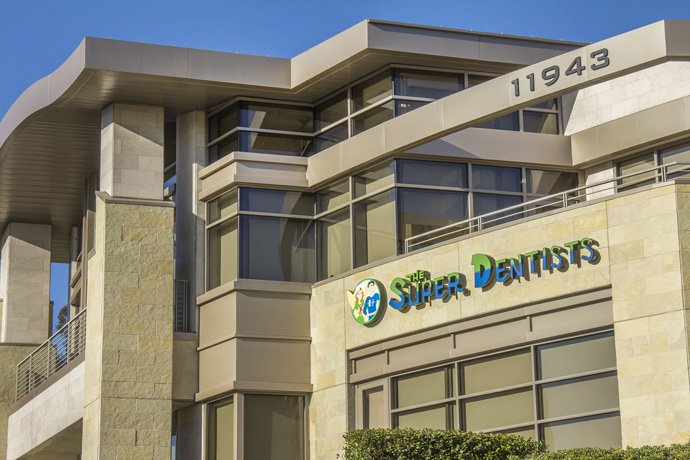
SAN DIEGO, Calif. – Your next trip to the dentist will likely look a lot different than your last appointment – fewer staff members, additional sanitary measures, and in some cases, extra fees.
But dentists reopening after the COVID-19 shutdown want patients to know it’s safe to go back to the dentist. And after weeks of delayed appointments, avoiding care could do more harm than good.
“Cavities haven’t paused, gum disease hasn’t paused, little cavities have turned into big cavities, big cavities have turned into infections and swellings,” said Dr. Kami Hoss.
Hoss is a co-founder of The Super Dentists, a San Diego practice centered around kids with six locations.
“We are a high-risk profession, but on the flip side, it’s something we’ve had to deal with for decades. We deal with pathogens and we have really great infection control protocols already in place,” said Dr. Hoss.
He sums up the six things you can expect to experience before, during, and after your next visit if your dentist is following the American Dental Association’s (ADA) recommendations for reopening.
- A welcome-back letter or email, letting you know what exactly your dentist is doing for up-to-date infection control measures.
- A pre-visit screening will take place before you ever step into the office to ensure you have no COVID-19 symptoms. This screening may take place over the phone or via videoconferencing.
- There will be unusual “asks.” For instance, dentists are being advised to consider asking patients to wait in their cars or nearby instead of the waiting room to avoid spreading coronavirus. They are advised to ask patients to bring in their own pens to fill out forms to preempt the sharing of germs.
- After you walk into a dentist’s office, there will be new registration procedures. These will include sanitizing your hands near the front desk and getting your temperature checked.
- Expect your dentist to request that you call his or her office if you have any COVID-19 symptoms up to two weeks after your visit.
- The waiting room will look dramatically different. Every seat in will be six feet apart. There will be no toys, reading materials, or TV remote controls lying around. Hand sanitizer bottles will be available throughout the room.
Dr. Hoss says his practice has gone a few steps further to put patients at ease, upgrading the ventilation system and installing UV light cleaning technology. He’s also purchased a high-tech machine to suction the aerosols from a patient’s mouth.
His dentists and hygienists will also wear full personal protective equipment (PPE), which protects both the provider and the patient.
Some dental offices are charging patients a $10 to $15 fee to cover the added expense of PPE. The ADA says the cost of these supplies has increased considerably and it’s up to the individual practice to decide whether or not to charge patients.
The American Dental Association (ADA) strongly encourages dental offices to disclose any additional fees upfront to patients and to document these charges in the patient record. The ADA has recommended that dental benefit carriers should either adjust the maximum allowable fees for all procedures to cover the increased costs of PPE or allow an additional standard fee per date of service per patient.
ADA
After weeks of preparation, Dr. Hoss wants people to know that patient safety is of the utmost importance in dental offices around the country.
“We’ve done all those additional things because we want to make sure we’ve created an environment I feel comfortable having my own family here, and I feel like we’re there.”
Read the original article from ABC 10 News San Diego Here!
6 San Diego ‘Super Dentists’ Offices Reopen After COVID Shutdown
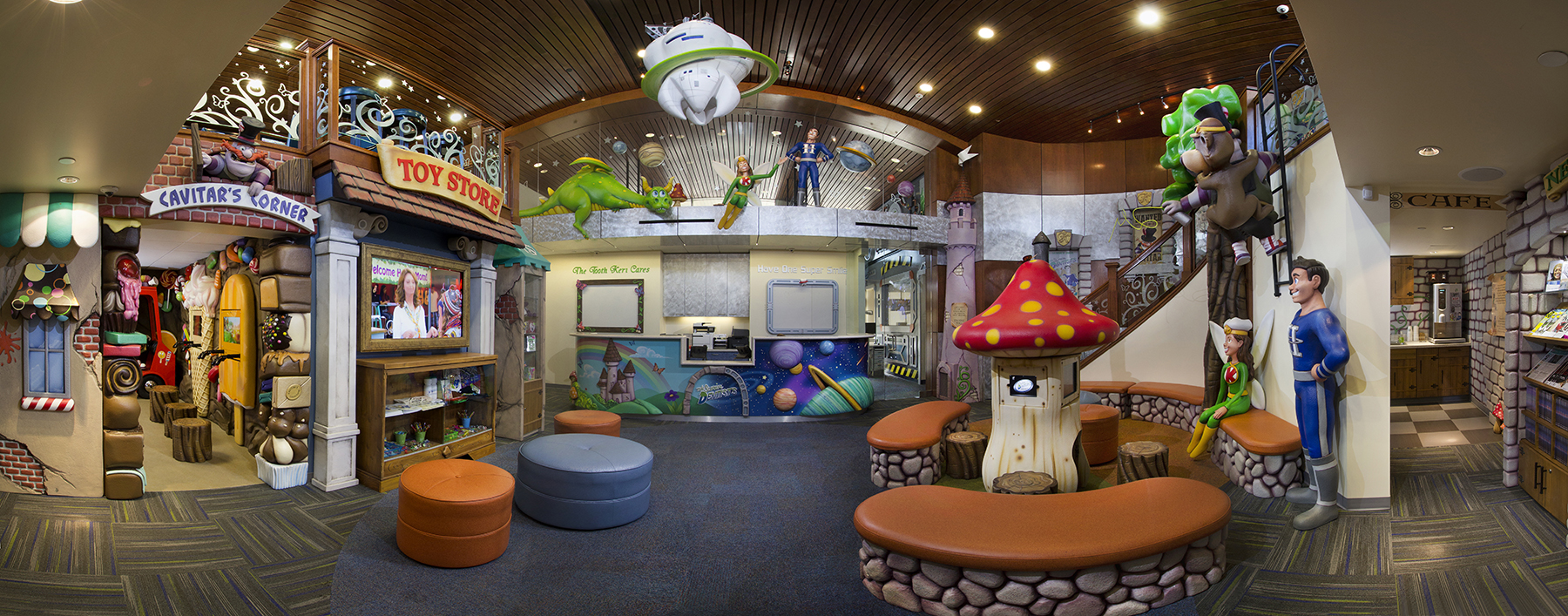
The Super Dentists has reopened its six countywide dental offices, following a two-month shutdown. Here are some safety protocol.
San Diego, Calif. (May 20, 2020) – Dr. Kami Hoss, co-founder and CEO of The Super Dentists, announces the reopening of its six countywide dental offices, following a two-month shutdown, due to the COVID-19 pandemic. Offices reopen Wednesday, May 20, with a number of new safety protocols in place to protect patients, staff and doctors.
Both, the California Department of Public Health and the California Dental Association announced late May 7 that dental offices can reopen and the San Diego Health and Human Services Agency also lifted most of its restrictions on May 10. “We are excited to welcome our patients back. Parents can feel safe, because we’ve exceeded all post-COVID-19 safety recommendations set forth by the American Dental Association,” said Dr. Kami Hoss.
Oral health issues have not paused, because there is a pandemic. Over the last few weeks, while seeing emergency patients only, The Super Dentists has seen a consistent increase in the number of the emergency cases and severity of dental health issues due to a lack of proactive care caused by the pandemic. Because of the pent-up demand and the need to prioritize more urgent cases, there may be some delays in scheduling.
The Super Dentists has put the following procedures in place for reopening to ensure the health and safety of their patients, crew members and doctors:
- The Super Dentists will thoroughly screen every person who will be entering the office, communicating with patients beforehand to ask screening questions about their health and any travel. Those same questions will be asked again upon arrival.
- Everyone who enters the office will be required to wear a mask. Additionally, The Super Dentists is asking parents to minimize the number of people who accompany patients to the office (can one parent wait in the car with a child’s siblings or can one parent/guardian take them into their appointment?).
- Hand sanitizer will be provided in the reception area and throughout the office. Patients will be asked to brush their teeth at home prior to their appointment instead of brushing in the office.
- The Super Lounge and VIP Lounge will no longer offer magazines, children’s toys and other shareable items, because they cannot be easily disinfected; however, The Super Dentists has developed an out-of-this-world ‘Virtual Super Lounge’ and has virtualized many amenities families expect from The Super Dentists. Visit TheSuperDentists.com/VirtualSuperLounge for educational content and fun activities.
- Patients will be able to “check-in” virtually to fill out necessary paperwork – all can be done via their phone or tablet; parents will also receive a live video-conferencing progress report on their child’s visit, which they can view from the car or home, using the Virtual Super Lounge portal.
- Appointment flow will be managed to allow for social distancing between patients.
- Even with the national and international shortages of PPEs (personal protective equipment), The Super Dentists has secured N95 masks and other protective gear to keep everyone safe.
- The Super Dentists has also upgraded its HVAC (heating, ventilation and air conditioning) with new advanced filters and have added professional air-cleaners and UV light technology as an additional safeguard.
- As a healthcare facility, The Super Dentists already had stringent cleaning and infection control protocols in place, but has added additional measures.
- Some dental procedures have been modified to reduce or eliminate aerosols. The Super Dentists is pleased to announce that they are one of the first dental offices to utilize an advanced droplets and aerosol terminator (ADS) to provide an additional level of safety for patients, crew members and doctors.
- Coming soon: The Super Dentists will also be rolling out a new virtual consultation tool for tele-dentistry for certain visits.
For more information on The Super Dentists Virtual Super Lounge or to learn more about these new safety protocols, visit TheSuperDentists.com. Schedule your visit today, call (855) GO-SUPER (855-467-8737).
Recently named to the Board of Counselors at the UCLA School of Dentistry, Dr. Kami Hoss, DDS, MS is a renowned author, consultant, inventor, speaker, and philanthropist in the fields of dentistry, healthcare, and education. Twenty-three years ago, he co-founded The Super Dentists with his business partner and wife, Dr. Nazli Keri. Their business has become one of the most trusted, top-awarded and leading pediatric dentistry, orthodontics, and teen and adult dentistry practices in Southern California. He is also passionate about educating parents about dental care, oral health and whole-person healthcare, and integrated dental and medical care. Through community programs, events, seminars and speaking engagements, Dr. Hoss and The Super Dentists team tackle topics like oral health and its impact on pregnancy, airway & sleep, psychological health and physical health.
In all his pursuits, Dr. Kami Hoss aspires to give back by being of service to the people in his community by creating opportunities for others to receive high-quality care and education. He has decades of experience working in the dental space and has treated more than 10,000 patients. He has served on faculty at Howard Healthcare Academy and University of Southern California’s postgraduate orthodontic program. He is a member of the American Association of Orthodontists, American Dental Association, California Dental Association, and San Diego Dental Society. With this extensive background, he has developed a reputation for innovation and making oral health care accessible, welcoming, educational and entertaining for families. For more information on Dr. Kami Hoss, visit www.KamiHoss.com.
Click here for the original article featured on Patch.com
What to Know Before Going to the Dentist | Cheddar
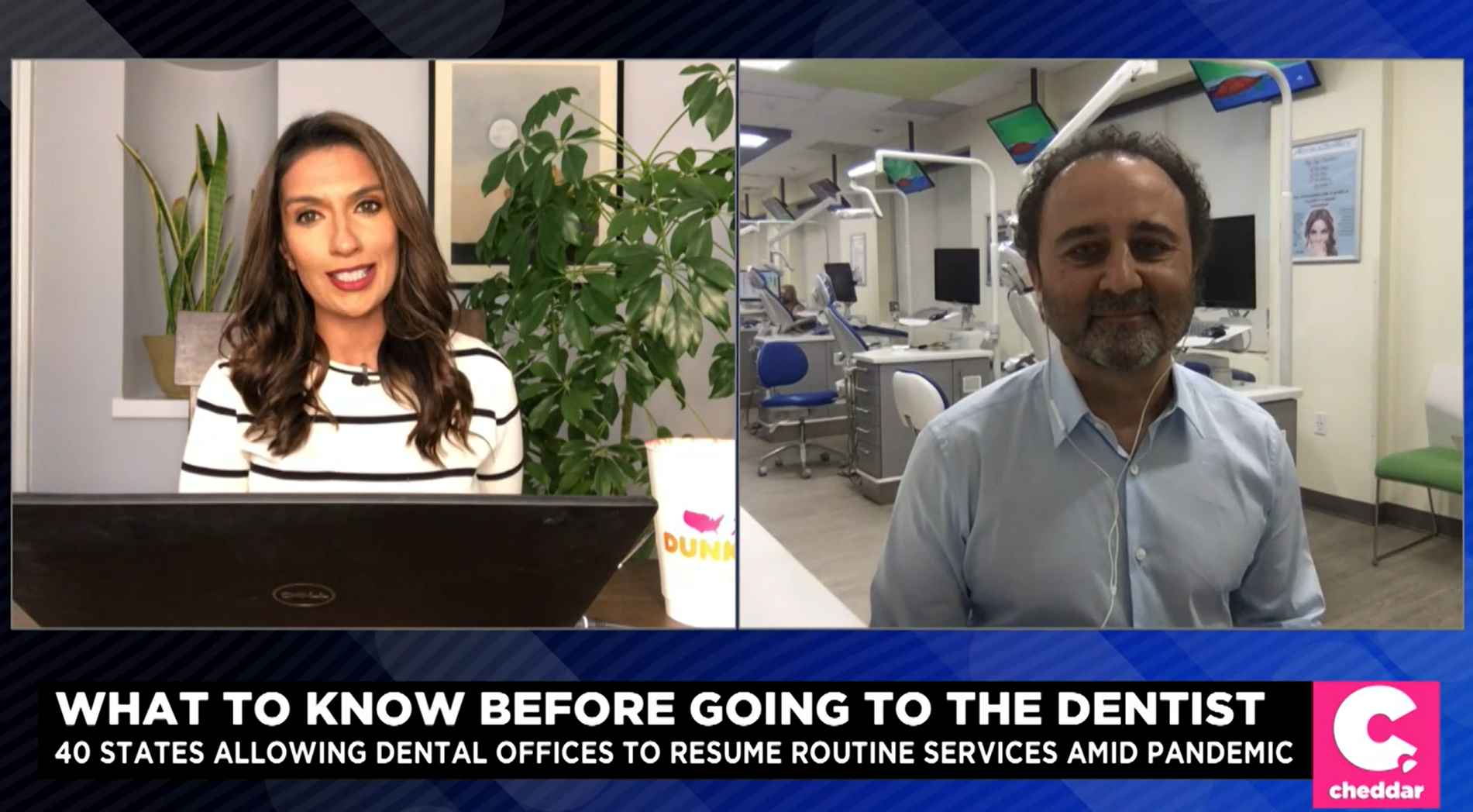
New Protocols for Dentists after COVID-19 – Dr. Kami Hoss
Dr. Kami Hoss discusses new protocols that come with opening up dentist offices now that lockdown orders have been lifted.
Watch the full video below!
Dentists Begin to Reopen with Lockdown Orders Lifted – Dr. Kami Hoss
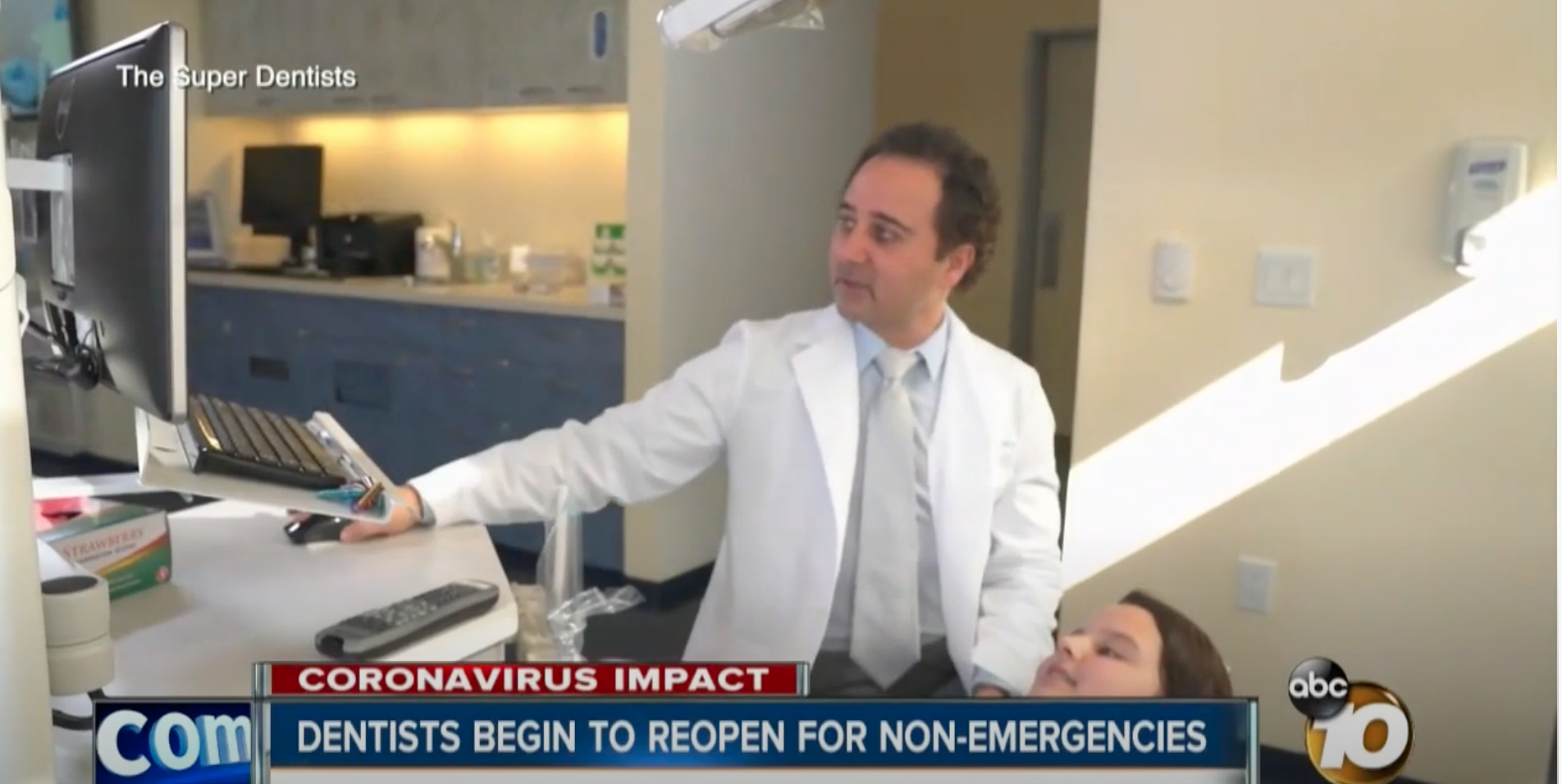
Dr. Kami Hoss speaks with ABC 10 about additional procedures and protocols being taken by dentists across the country to keep patients safe during COVID.
Watch the full video below!
Dental Offices Reopen With Big Changes Due to COVID-19
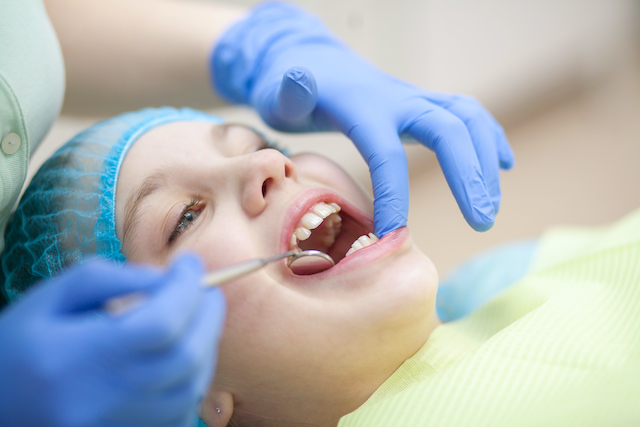
Changes are underway at dental offices, and there’s some confusion over the California guidelines for re-opening. Some dentists aren’t clear on what’s essential.
Dentist offices have been closed to patients for several weeks for non-emergency procedures, but now that they’re opening up, what will your next visit look like as many offices are asking their patients to wear masks.
“Every person that walks in the office must wear a mask. We’ll screen our staff and doctors,’ said Dr. Kami Hoss, CEO and co-founder of The Super Dentists, which has six offices throughout San Diego County.
The Super Dentists plans to reopen on Monday, but not like before the coronavirus pandemic.
“Many offices, including mine, have set up virtual waiting rooms. Patients can check in from the comfort of their cars,” Hoss said.
Some dental offices will no longer offer magazines and other reading materials while patients wait.
“Lobbies are going to look very differently. We have pediatric practices, so we have toys out and coffee and people walking around hugging each other and playing video games, so that just going to look a little differently” Hoss said.
There was much confusion on when dental offices could safely reopen. The State recently issued COVID-19 Guidance for Resuming Deferred and Preventative Dental Care to California Dental Health Care Personnel.
Then San Diego County released regulations that reads: “Nothing in this Order shall prevent dentists or dental hygienists from conducting routine preventive care provided it conforms to any applicable State guidance.”
“We’ve spent the last six or seven weeks that we’ve been closed working very, very hard to get our offices ready. We feel we’re there,” Hoss said.
What may not be ready is the staff.
Dr. Jack Chan of Oceanside’s California Coast Dental said he can’t fulfill the State’s Guidelines and the Requirements for his PPP Loan at the same time, writing: “How can I rehire furloughed employees when those same employees aren’t allowed yet to do cleanings and other elective dentistry, and they make more money collecting unemployment?”
Chan said business owners are struggling to find help because employees earn more sitting at home rather than working, and he said he sent letters to Rep. Mike Levin regarding the dilemma but never received an answer.
“The PPP thing has been kind of a mess when it comes to dental offices and any business closed,” Hoss said.
Many dentists feel they’re hands are tied in what they can and cannot do, especially as dentistry is mostly paid by insurance, which takes time to get the money to the dentist and employees.
“When the offices open, they’re going to be in a really tight situation, waiting for the revenue to start building up,” Hoss said.
There are also concerns about personal protective equipment shortages, which Hoss said is problematic because dentists “are working in the mouth, so it is critical that we protect our dental professionals.”
Also, cavities and tooth aches don’t pause just because we’re in a pandemic. Hoss said the number of emergencies and the severity of those cases have been increasing on a daily basis.
He anticipates dental offices will see a delay in getting their appointments caught up and advises elderly patients with underlying conditions to postpone some cosmetic procedures.
Here is a link to the original article from the CBS News 8.
Dr. Kami Hoss: Good Dental Hygiene Boosts Chances Against COVID-19
Dr. Kami Hoss is a San Diego-based dentist, author and philanthropist.
As the State of Nebraska and city governments across the Great Plains battle the spread of COVID-19, scientists are racing against the clock to find a treatment for the virus that has killed numerous thousands globally while grinding local economies to a halt. Cable news channels and other media have been constantly covering the war against this pandemic, yet they have missed an essential piece of the puzzle: oral health.
While this idea is true for all ages, it’s particularly important among senior citizens who are falling victim to COVID-19 more than any other demographic. For instance, the disease has now amassed a death toll of more than 10,000 people in nursing homes. And COVID-19 doesn’t discriminate according to seniors’ social status: It is taking the lives of well-known individuals like Midwestern singer John Prine, actress Lucia Bosè and renowned neurosurgeon James T. Goodrich.
How oral health relates to developing a pulmonary infection: Similar to cold and flu viruses, COVID-19 gets transmitted via respiratory droplets that then invade our mucus membranes and multiply within our respiratory system. This condition, in turn, causes pulmonary infections like pneumonia and other respiratory complications.
What exactly is a pulmonary infection, and what does it have to do with our mouth? A pulmonary (lung) infection is caused by a virus, bacteria or even a fungus. Pneumonia is one of the most common pulmonary infections, particularly among those with COVID-19. If a person with COVID-19 sneezes or coughs, the droplets they put into the air or on the nearby surfaces can infect people who breathe in the pathogens or transfer them to their mouths, eyes and/or nasal passages by their contaminated hands.
Poor oral health can, therefore, predispose individuals to pulmonary diseases and other health complications.
Not coincidentally, periodontal disease increases in the older population. According to the CDC, 70% of Americans age 65 and older have periodontal disease. The infection risk is additionally compounded by poor oral hygiene and the presence of full or partial dentures where plaque can accumulate.
The link between oral health and lung health has already been the subject of several studies. A recent study in Spain found that visiting the dentist in the previous month was an independent protective factor for pneumonia, likely because cleanings improved oral health and reduced respiratory pathogens and potential inflammation.
While dental offices in Nebraska will soon start to reopen, in-home hygiene remains critically important for warding off coronavirus. People can brush and floss daily and nightly, first of all. Also, individuals with poor oral hygiene and those who have difficulty with brushing and flossing can use oral rinses, such as hydrogen peroxide and chlorhexidine mouthwash, that are available for home delivery via many online retailers. In addition, to promote oral health, seniors and others with dentures should remove them before sleeping.
So, as we all put on protective masks and surgical gloves to enter our local grocery store, remember that a healthy mouth maintains a healthy body and that we are all being called upon to be dental pros to protect our health.
Source: https://www.omaha.com/opinion/kami-hoss-good-dental-hygiene-boosts-chances-against-covid-19/article_40106673-bf79-50b6-8a83-145ba81d10e9.html
The Pandemic’s Disruption of Key Health Procedures
Shutdowns have been necessary to “flatten the curve” of the coronavirus pandemic and lessen the impact on our health care system, but these steps may also be leading to worrisome delays in key health checkups and procedures worldwide.
Why it matters: An interruption of vaccination campaigns, dental checkups, and preventative cancer screenings, plus stories of people being afraid to go to the hospital for emergencies, have led to concerns about growing issues down the road, experts tell Axios.
What’s happening: The medical establishments advised the temporary halt of preventative and elective procedures to lower the trajectory of COVID-19 infections and allow physicians to focus on the ill — but pieces of data and anecdotal evidence are starting to show what longer term problems this may pose for society.
- “We’re definitely seeing both direct and indirect evidence that essential health services for conditions other than COVID-19 are definitely suffering during the pandemic,” Julie Fischer, professor of microbiology and immunology at Georgetown University, tells Axios.
- “We’re seeing delays for two reasons. The first is that there’s been a lot of informal reports that people are worried about being exposed to COVID-19. They are themselves deciding not to go seek treatment or preventive care. And then in other places, clinics and practices have been closed to non-essential health services,” Fischer says.
- And, as the New York Times writes, it’s often those “gray zone[s] of medical risk” that pose problems.
1. Vaccine campaigns have been disrupted globally — which could lead to an explosion of other infectious diseases like measles and polio once people start moving around again, Fischer says.
- Routine vaccinations in the U.S. appear to have dropped dramatically in March and April, per a CDC report out Friday that found there was a “notable decrease” in vaccines ordered through a key federal program.
- Globally, “we’ve already got delays of 13 introductions and 35 campaigns, and these are vaccines like typhoid and rotavirus. … Polio campaigns have been stopped. Measles and rubella have been stopped. You need to keep in mind that in the [Democratic Republic of Congo], two and a half times as many people died of measles ultimately than died of Ebola,” Seth Berkley, CEO of the nonprofit Gavi, the vaccine alliance, said at an April 30 press conference.
- In an effort to stay on top of important vaccinations, doctors are implementing new safety protocols, like meeting patients outside to give them a vaccination in their car, Fischer says.
2. Dental checkups postponed. The CDC and the American Dental Association recommended that dentists close for non-urgent visits, but this has led to an increase of people waiting too long for issues that can worsen quickly, says Kami Hoss, CEO of the Super Dentists, one of the largest dental groups in Southern California.
- “Just in the last six or seven weeks that we’ve been closed, the number of emergencies and the severity of them have increased dramatically,” Dr. Hoss tells Axios.
“When you have infection in the mouth it can be very dangerous and it can transfer to any other part of the body,” he says. - During the hiatus, some dentists have prepared for reopening by adding “a significant number of new protocols” to what were already strict universal precautions, as dentists are used to dealing with pathogen risk, he adds. But, some are reporting difficulty implementing the new rules as they begin to reopen.
- The ADA has a map showing reopening status by state.
3. Avoiding the ER despite need. Anecdotal evidence points to many Americans refusing to go to the emergency room for serious emergencies like appendicitis and heart attacks and strokes.
- “There are a lot of anecdotal reports that people are afraid to go to hospitals for emergencies. I think that’s it’s going to be difficult to assess what the total impact is until the pandemic starts to ease up enough that we get good data,” Fischer says.
4. Preventive care and cancer screenings dropped. While cancer patients should continue their treatment regime, the temporary halt in screenings isn’t likely a huge concern yet, according to Fischer.
- Telemedicine is helping doctors maintain contact with patients and can let that person know when it’s important to see a doctor in person.
- However, data from the Epic Health Research Center indicates a large drop of 86%-94% in March in the number of screenings for cervical cancer, colon cancer, and breast cancer — all of which typically demonstrate better rates of survival when caught early.
What’s next: As shutdowns gradually loosen in some areas, doctors are expected to start opening their doors for preventive care with new protocols in place.
- Fischer says to expect new rules concerning social distancing and sanitation, stricter preliminary checks on the health of anyone entering offices, and a large backlog of needed appointments for offices that are likely to stagger them more carefully.
Here is the link to the original article from the Axios.
Dr. Kami Hoss: Dentistry Should Be Prioritized During PPE Dissemination
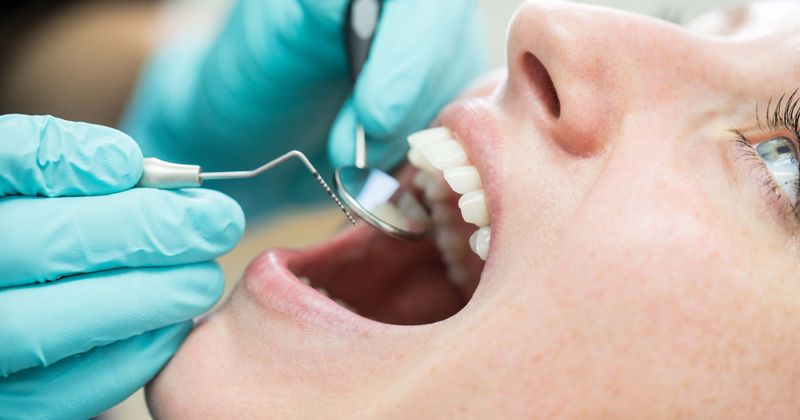
The COVID-19 pandemic is taking a huge toll on healthcare in the US, with the medical system straining over rising cases many elective health procedures have been postponed. According to a new Hill-HarrisX survey, participants said they are missing care such as dentist appointments, annual exams, and counseling sessions amid the crisis.
Thirty-five percent of the registered poll voters said they have missed a dentist appointment due to the outbreak, topping the list along with annual medical examination.
Dr. Kami Hoss, co-founder, and CEO of the Super Dentists, a leading multi-specialty dental practice in the United States, told MEA WorldWide exclusively that the situation might not get worse but not any better after the dental offices reopen.
Dr. Hoss also said that dentistry should be prioritized during PPE dissemination because it’s one of highest at-risk professions amid the COVID-19 crisis.
“There is still a significant shortage of PPEs across the country and the world and this is while dental offices have been closed throughout the country. As dental offices are now reopening, and considering the fact that dentists are at one of the highest at-risk professions for this virus (for obvious reasons since they work in the mouth), the shortages will be felt even more especially within the dental community.
“Up to this point, the priority for PPEs has been (rightfully so) given to the first-responders and nurses and physicians. However, as dental offices are re-opening, the priorities now need to shift to include dentists and other dental professionals like assistants and hygienists,” said the dentist, whose practice is one of the largest dental groups in Southern California.
Talking about social distancing measures in the dental profession, Dr. Hoss said most likely appointments will be given to fewer patients than earlier. He also noted that some dental offices will have to increase their business hours to clear patients backlog that has piled up.
Discussing aerosol-producing procedures, Dr Hoss said depending on the layout of dental offices, dentists may have to modify or eliminate some procedures. “Offices with individual/contained dental treatment rooms can treat patients with aerosol-generating procedures easier. Additionally, many offices including ours have invested in some new high-speed aerosol over-the-patient vacuum system to collect any remaining aerosols that leave the patients’ mouths,” he said.
Continuing further, Dr. Hoss said not just the dental patients, the pandemic could have a significant impact on the business of dentistry due to several factors, including the “cost of all the new protocols, equipment, reduction of the number of patients because of social distancing, postponement of certain procedures (cosmetic work for example), increase in the cost of insurance, potential additional equipment’s or protocols in the near future such as rapid COVID-19 testing in dental offices (ADA has requested HHS to allow for us).”
“Offices need to also provide social distancing between patients and dental chairs. Some may have to create ‘virtual waiting rooms’ to allow patients to use their cars as temporary waiting rooms,” he added.
In addition, Dr. Hoss advised people who are experiencing unbearable pain and not being able to see their dentist to “avoid doing DIY dental procedures at home because they could cause more harm than good.”
He said patients could seek treatment through other offices that are currently open for emergencies and also insisted on “in-home dental hygiene”.
“Individuals with poor oral hygiene and those who have difficulty with brushing and flossing can use oral rinses, such as hydrogen peroxide and chlorhexidine mouthwash, that are available for home delivery via many online retailers. In addition, to promote oral health, seniors and others with dentures should remove them before sleeping,” Dr. Hoss concluded.
Here is a link to the original article from the MEA WorldWide.
The Pandemic’s Disruption of Key Health Procedures
Dr. Kami Hoss Joins UCLA School of Dentistry’s Board of Counselors
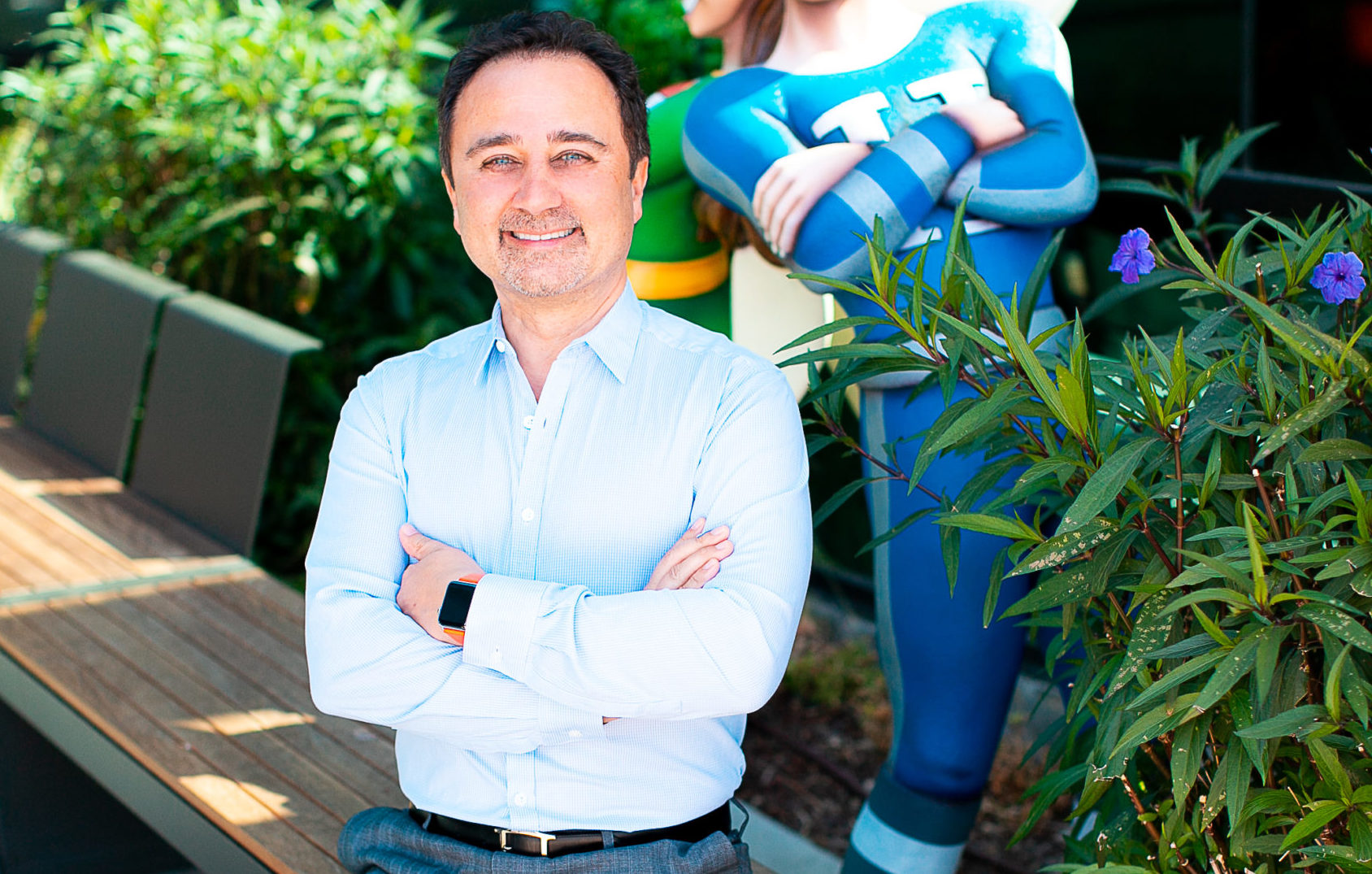
Dr. Kami Hoss, co-founder, and CEO of San Diego-based The Super Dentists, recently announced he joined the Board of Counselors at the UCLA School of Dentistry.
Hoss, a renowned author and inventor, will advise the dean and serve as a spokesperson for the UCLA School of Dentistry. He will compare best practices from other local and national non-profits and schools, and overall, enhance the visibility and effectiveness of oral health programs and research, according to a press release.
“We appreciate Dr. Hoss’ shared commitment to enriching educational opportunities, research, patient care, and public service for this and future generations of innovators and leaders in dentistry,” said Paul Krebsbach a professor at UCLA School of Dentistry.
Dr. Hoss, a Rancho Santa Fe resident who has treated more than 10,000 patients, co-founded The Super Dentists with his business partner and wife, Dr. Nazli Keri. Today, The Super Dentists has several locations throughout San Diego County.
Hoss has served on faculty at Howard Healthcare Academy and the University of Southern California’s postgraduate orthodontic program. He is a member of the American Association of Orthodontists, American Dental Association, California Dental Association, and San Diego Dental Society. For more information about Hoss, go to KamiHoss.com.
Here is a link to the original article from the Times of San Diego.
Dr. Kami Hoss and The Super Dentists open sixth office in Escondido
Dr. Kami Hoss has announced the opening of its much-anticipated, sixth location, in Escondido. The new office, located at 390 West Valley Parkway, is now open for business and taking appointments.
The Super Dentist’s mission is to reinvent and transform dentistry. Since 1996, Dr. Kami Hoss, DDS, MS, and his wife and business partner, Dr. Nazli Keri, DDS, have built The Super Dentists into the largest, most trusted, and top-awarded pediatric dentistry, orthodontics and Teen and Adult Dentistry practice in San Diego.
Everything they do is centered around kids. All of their dentists are specialists in pediatric dentistry, and The Super Dentists use the latest in dental technology to make children’s dental visits more comfortable. Its superhero-themed offices feature lounges with games and movies, all created with the goal of creating positive associations with going to the dentists.
The Escondido location will feature the first-ever Super Slide for kids (and adults) so they can slide from the main pediatric level to the lower VIP level where there is a separate lounge and treatment area for teens and parents. Teens and parents receive their own amenities like massage chairs, complimentary childcare, aromatherapy, and customized lattes.
“Escondido is an amazing community and we’re excited to introduce Escondido families to an out-of-this-world dental experience,” said Dr. Kami Hoss, co-founder of The Super Dentists. “We look forward to being a good neighbor and will continue to seek out more opportunities to connect with the Escondido community.”
In the last six months, The Super Dentists has sponsored and participated in Escondido’s Grand Avenue Festival, sponsoring the Children’s stage; sponsored the Escondido Chamber of Commerce’s “Community in Unity” event over the holidays and is working on a partnership with Ice-Plex. They also teamed up with the San Diego Children’s Discovery Museum in Escondido on Grin Land! (open through February 28) an exhibit that shows kids that a visit to the dentist is not so scary. Fun, interactive displays include life-sized tools and props (including giant floss, teeth, and toothbrushes), a reception desk, special meet-and-greets with The Super Dentists ToothKeri character, and educational activities.
The Super Dentists are passionate about kids and education and will be offering complimentary dental hygiene presentations to Escondido schools. The 30-minute presentations feature puppets and visual aids and are appropriate for Pre-K through fifth grade, plus each child receives a goody bag to take home. Teachers can schedule their complimentary presentations by emailing schoolrep@TheSuperDentists.com.
Here is a link to the original article from the Times-Advocate.
COVID-19 POV: Dr. Kami Hoss, The Super Dentists
Fox 5 News San Diego – The Super Dentists Offer Virtual Super Lounge for Kids & Parents!
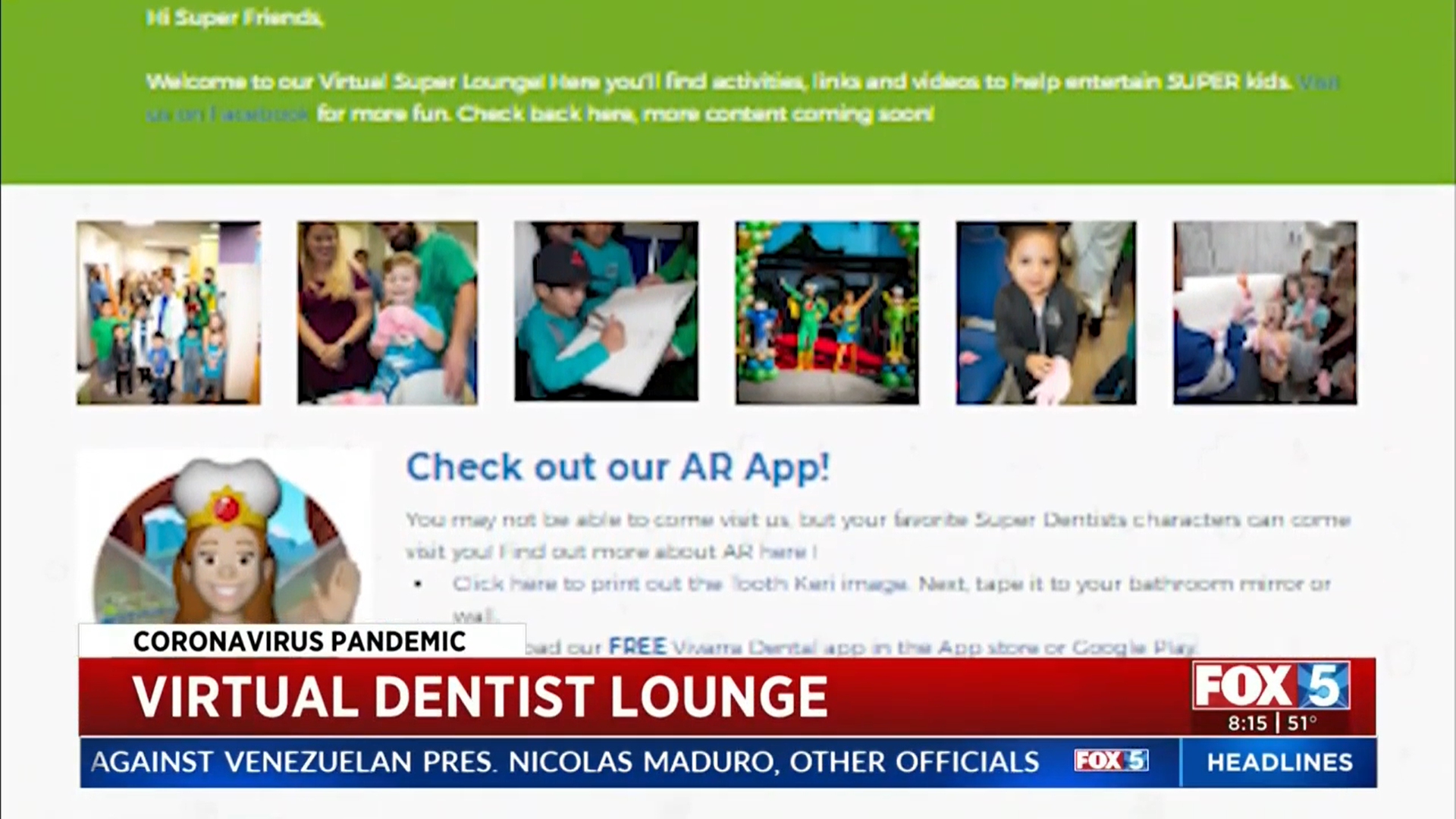
The Virtual Super Lounge was featured on Fox 5 News San Diego. Watch the video below!
13 Entertaining Resources For Homebound Kids Of All Ages!
San Diego Public Library
People of all ages can register for the San Diego Public Library’s Spring into Reading program. Click here to visit their online library and see links to extensive resources to keep your kids enjoying books and stories. We think your kids will love BookFlix, a literacy resource that pairs classic children’s video storybooks with related nonfiction eBooks from Scholastic. This is an interactive way to build a love of reading and learning.
Take A Virtual Tour Of Bryce Canyon!
We actually had fun visiting Bryce Canyon virtually. This tour is visually spectacular, educational, and there are additional links to other national parks. I highly recommend it!
Explore More Than 32,000 Paintings With Google Arts & Culture
Google Arts & Culture is a free app & website that takes visitors on a virtual tour of museums around the world. Visit The Museum of Modern Art, The Van Gogh Museum and more for free from your own living room!
Cook With Your Kids Check Out This Easy Bread Recipe
King Arthur Flour has an online tutorial CLICK HERE FOR FREE RECIPE BOOKLET
Trek Across The Great Wall of China Virtually!
The Great Wall is 4,000 miles long, 3,000 are walkable. To start your own trek across this New Wonder of the World—without your gym shoes—visit virtually instead.
Calling All Aspiring Builders Take The Lego Building Challenge
Children can participate in this weekly Lego competition, and post their creations. Each week LEGOLAND California will announce a new theme and release a new how to build video. On Fridays, they’ll highlight some of the builds posted on their social sites.
Little Ones Can Jam With Kathryn The Grape On Youtube!
Musician, author and Mom’s Choice award winner Kathryn The Grape has a new Youtube channel with plenty of great songs, stories, and visuals. All of KTG’s music and stories are uplifting with a positive message we can all use in these trying times.
Listen to Hullabaloo Radio Hour
Sit back and listen to good, old-fashioned radio. The Hullabaloo radio hour is online. Stay tuned for Steve’s weekly livestream show sponsored by Del Mar Highlands on Thursdays at 10 a.m.
The Toddler Preschool Set Will Love Ruth & Emilia!
Check Out Ruth and Emilia a San Diego mother & daughter music duo’s new video Kokowanda Bay!
San Diego Children’s Discovery Museum
Visit SDCDM’s Facebook page for an array of super fun and educational activities kids can do at home. They recently took kids around the world to India for a World Culture Activity that included a printable bingo card to follow along. The Museum is also posting art activities of the day and Facebook Live storytime sessions.
ZenTotz
The ZenTotz Program: Mindfulness, Meditation & Yoga for Youth! Provides free guided meditations, story-times and mindfulness lessons during the school closure. Follow @zen.totz on Instagram and tap their profile picture to view the live feed. Here’s their schedule for upcoming activities.
The New Children’s Museum
The New Children’s Museum’s Facebook page is full of fun art ideas for kids. They’re now offering coloring pages inspired by the Museum’s installations and spaces. Each week they’ll be releasing a few new coloring pages for kids to creatively color at home. This coloring page is inspired by their entry bridge mural, SMILE by artist PANCA, “because everyone could use a cheery smile right now.” Download and print the PDF here. Additionally, their Facebook page offers other artistic activities from making kaleidoscopes out of empty toilet paper rolls to DIY Marbling. Don’t miss their Toddler Time at home! Their Toddler Time programming will be available via their social media channels (Instagram, Facebook and Twitter) every Friday at 10 a.m.
The Super Dentists Free Online Games For Kids!
The super hero dentists have a new free online tool kit – https://www.thesuperdentists.com/virtualsuperlounge/ – activities include coloring book, word play, labyrinths, videos, checklists and more!
Here is a link to the original article from the Macaroni Kid.
Dr. Kami Hoss Offers Easy Tips for Boosting Health During Pandemic
With the increase in COVID-19 cases in San Diego County and in the world, one San Diego orthodontist is urging the public to focus on three areas in an effort to maintain one’s health.
Dr. Kami Hoss, the owner of the San Diego-based The Super Dentists, this week urged the public to focus on what he calls the “Three Ss,” sugar, sleep, and stress.
“As we are trying to deal with the new reality, we are faced with an unprecedented level of confusion, fear and uncertainty,” said Hoss, a Rancho Santa Fe resident who is active in the community. “Many of us are stressed, aren’t sleeping well and our food choices aren’t the healthiest. This is exactly when we need to be our healthiest and that starts with paying attention to the Three Ss: sugar, sleep and stress.”
Hoss said San Diegans should focus on the amount of sugar they should consume as it can “negatively impact your and your children’s immune system when you need it most.”
“When you eat sugary foods or drinks your immune system becomes suppressed,” Hoss said. “Additionally, a good portion of our immune system is in our GI tract. And our immune system is in constant interaction with the microbiome in our gut. Put simply, sugar feeds the ‘bad’ bacteria and compromises the delicate balance of our microbiome.”
While some people might be taking in too much sugar, others might not be getting enough sleep. Hoss said it’s crucial for people to get at least seven hours of “quality sleep” for their physical and mental health.
“Skipping sleep can have serious consequences on your immune system,” Hoss said. “For example, studies have shown that sleep deprivation can decrease the immune response to the flu vaccine and increase the risk of catching the common cold by threefold.”
Finally, there’s stress, something that might be unavoidable at this point, Hoss said. In this case, screentime is encouraged.
“Social distancing only adds to ratcheting stress levels so get your smartphones and tablets out, connect with your friends and family using a variety of online tools,” Hoss said. “Do take care of the things you have to but take advantage of this time to rethink your priorities, exercise, reconnect with family members and friends and educate yourself.
Finally, as an orthodontist, Hoss encouraged the public to remember one’s own oral health. The Super Dentists also launched an online toolkit with free activities for children and their families.
“Our patients’ support means the world to us and we look forward to welcoming them back to our practice soon,” Hoss said. “We will emerge from this better and stronger together.”
Here is a link to the original article from the Times of San Diego.
Dr. Kami Hoss Announces The Super Toothbrush® Golden Sticker Contest Winners

Dr. Kami Hoss announces The Super Toothbrush® Golden Sticker Contest Winners. The contest which celebrated the November 2019 launch of The Super Toothbrush® Collector’s Edition, a 4-pack of toothbrushes, targeted for kids ages 4 to 7, featuring some of The Super Dentists most popular characters, augmented reality, a two-minute toothbrushing song and a year’s worth* of toothbrushes all in one convenient package!
This press release features multimedia. View the full release here: https://www.businesswire.com/news/home/20200310005347/en/
Five Golden ToothKeri Stickers were randomly inserted behind one of the toothbrushes in five of the Collector’s Edition boxes and the winners are:
Sticker # 1 – Ibarra/Sanchez Family, Spring Valley, CA
Sticker # 2 – Escalona Family, Vista, CA
Sticker # 3 – Martinez Family, El Cajon, CA
Sticker # 4 – McAllister Family, Spring Valley, CA
Sticker # 5 – Anduro Family, Brawley, CA
Each family won four super premium annual passes to one of these Southern California theme parks – Disneyland Resort (Anaheim), Universal Studios (Hollywood), LEGOLAND California, SeaWorld San Diego and the San Diego Zoo Safari Park – and a lifetime supply of The Super Toothbrush.
The Super Dentists recently welcomed the winning families’ Golden Sticker Winners to their San Diego Command Center to choose their prizes. After a red carpet welcome, Dr. HaveOneSuperSmile himself took the families on a tour where the kids got to make impressions of their own teeth and then each family selected a box in the order they found the sticker.
“We loved seeing kids tear open the Collector’s Edition boxes looking for the golden sticker. We aim to create an out-of-this-world experience with everything we do and this was no exception,” said Dr. Kami Hoss, co-founder of The Super Dentists. “The kids had a blast and we bet their parents won’t have any trouble getting them to visit the dentist.”
The Super Toothbrush Collector’s Edition features The Super Dentists’ superhero and villain characters that kids know and trust, including Dr.HaveOneSuperSmile, The Tooth Keri, Cavitar and Molar. The Super Toothbrush Collector’s Edition is available in all five The Super Dentists’ offices for $19.99, a special price, just for patients. It is also available on Amazon.
The singing toothbrush features an Augmented Reality (AR) component to make tooth brushing interactive for kids. Research shows that kids brush their teeth 73% longer when brushing to music. They also only brush for half of the recommended amount of time without music. The Super Toothbrush plays a two-minute tooth brushing song, so kids are both entertained and know exactly how long they should brush. The Super Toothbrush features include:
- Integrated Augmented Reality – The Super Toothbrush includes a magic sticker for the bathroom mirror. When paired with the VIVARRA Dental App, The Tooth Keri pops out of the sticker and comes to life to teach (or remind) kids how to brush and floss their teeth.
- Two-minute tooth-brushing song – Studies show that children brush their teeth 73% longer while listening to music. One of the biggest problems with kids’ dental care is they don’t spend enough time brushing. The two-minute The Super Dentists sing-along song is the perfect background music so kids know how long they should be brushing.
- Premium Tynex DuPont bristles – Soft for comfort, yet durable and long-lasting.
- Long battery life – The battery, which is included, lasts three months; the recommended duration the American Dental Association suggests for replacing toothbrushes.
*The American Dental Association recommends changing your toothbrush every three months.
AR is an interactive experience of a real-world environment where the objects that reside in the real-world are “augmented” by computer-generated images, sometimes across multiple senses, including sight, sound and touch. To engage with The Super Dentists’ App, a patient (child or parent) downloads from the App Store or Google Play, and then scans large colorful floor targets in The Super Dentists offices, or the magic sticker at home.
Because oral care is a critical part of essential whole-person healthcare, The Super Toothbrush is The Super Dentists’ new product in its expanding commitment to deliver an integrated dental and whole healthcare experience for kids and families. Additional toothbrushes for babies and teens, healthcare products, like toothpaste and mouth wash, will follow.
Dr. Kami Hoss, DDS, MS is a renowned author, consultant, inventor, speaker, and philanthropist in the fields of dentistry, healthcare, and education. Twenty-three years ago, he co-founded The Super Dentists with his business partner and wife, Dr. Nazli Keri. Their business has become one of the most trusted, top-awarded and leading pediatric dentistry, orthodontics, and teen and adult dentistry practices in Southern California. He is also passionate about educating parents about dental care, oral health and whole-person healthcare, and integrated dental and medical care. Through community programs, events, seminars and speaking engagements, Dr. Hoss and The Super Dentists team tackle topics like oral health and its impact on pregnancy, airway & sleep, psychological health and physical health.
In all his pursuits, Dr. Kami Hoss aspires to give back by being of service to the people in his community by creating opportunities for others to receive high-quality care and education. He has decades of experience working in the dental space and has treated more than 10,000 patients. He has served on faculty at Howard Healthcare Academy and University of Southern California’s postgraduate orthodontic program. He is a member of the American Association of Orthodontists, American Dental Association, California Dental Association, and San Diego Dental Society. With this extensive background, he has developed a reputation for innovation and making oral health care accessible, welcoming, educational and entertaining for families.
Here is a link to the original article from Digital Journal.
The Super Dentists Open Sixth Location In Escondido
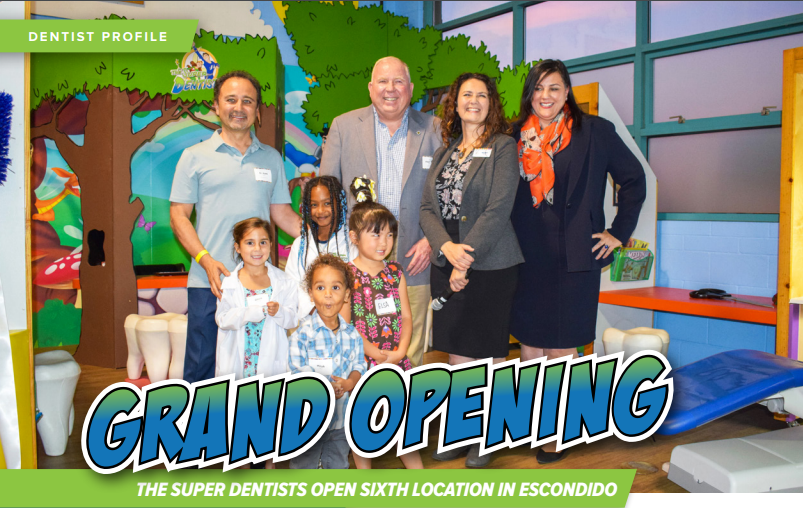
Dr. Kami Hoss and The Super Dentists recently announced the opening of their muchanticipated sixth location in Escondido. The new office will feature the first-ever Super Slide for kids (and adults!), transporting them from the main pediatric and orthodontic level to the lower VIP level, where there is a separate lounge and treatment area for teens and parents with amenities like massage chairs, complimentary childcare, aromatherapy, and customized lattes.
The Super Dentists team started to make a positive impact in the Escondido community even before the new office opened. They have been making connections with the Chamber of Commerce, Downtown Business Association, Tourism Board, and local businesses and groups such as IcePlex, San Diego Children’s Discovery Museum, and Girl Scouts. The Super Dentists are a premier sponsor of Grin Land at the San Diego Children’s Discovery Museum, an exhibit that shows kids that a visit to the dentist doesn’t have to be scary. They also sponsored the Children’s Stage at the Grand Avenue Festival in October, the Escondido Chamber of Commerce’s Community in Unity event in December, and plan to get involved in more Escondido events in the coming year.
“Escondido is an amazing community and we’re excited to introduce Escondido families to an out-of-this-world dental experience,” said Dr. Kami Hoss. “We look forward to being a good neighbor and are actively seeking additional opportunities to connect with the Escondido community.”
Since 1996, Dr. Kami Hoss and his wife and business partner, Dr. Nazli Keri, have built The Super Dentists into the largest, most trusted, and top-awarded pediatric dentistry, orthodontics, and teen and adult dentistry practice in San Diego. All of their dentists who work on kids are specialists in pediatric dentistry, and The Super Dentists use the latest in dental technology to make children’s dental visits more comfortable. The superhero-themed offices feature lounges with games and movies, all with the goal of creating positive associations with going to the dentist.
The Super Dentists Escondido office is now open for business and taking appointments. They will host a grand opening celebration for the community in the spring. The event will include a Free Dental Day, where The Super Dentists provide complimentary dental exams to children in need.
Here is a link to the original article from 92130 Magazine.
Dr. Kami Hoss Featured On KUSI News San Diego
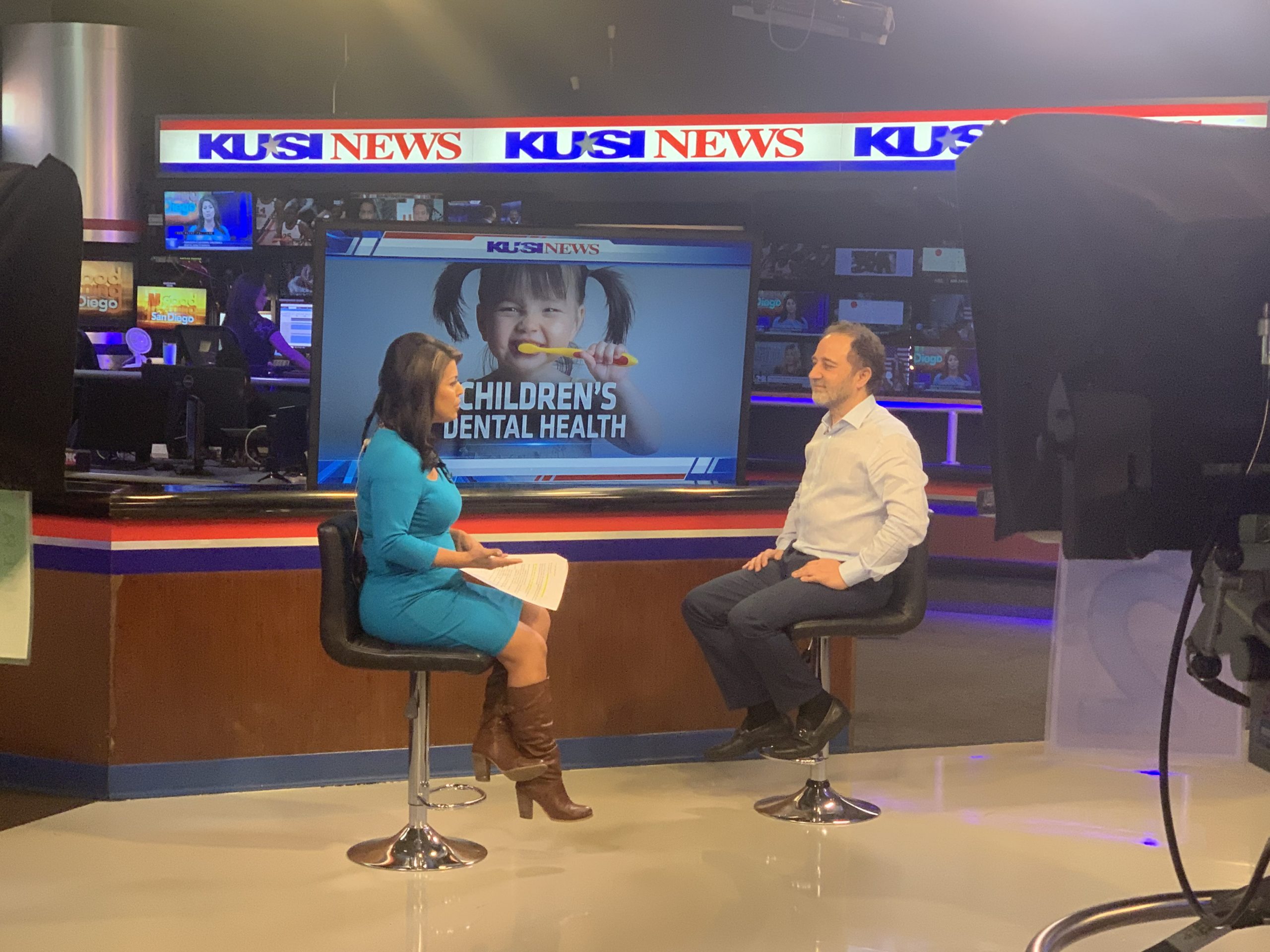
The Super Dentists Aims to Give Back with New Escondido Office
San Diego’s The Super Dentists recently opened its Escondido office with the goal of giving back to the community, while eliminating children’s fears of dental care.
Kami Hoss and Nazli Keri, of Rancho Santa Fe, said they chose to open their company’s sixth location in the North County city because of its family-focused community.
“The Super Dentists is excited to open our sixth location in Escondido,” Hoss said. “We did a lot of research before choosing Escondido. We decided to open here because it’s such a family-oriented community and we found a space that works really well for what we wanted to do in the former La Jolla Bank building in the Signature Pavilion Shopping Center.”
The Super Dentists has made a name for itself in the region, offering patients — particularly the youth — a place to have fun while also getting their teeth treated. The Escondido office is similar to its five other locations with vibrant colors and a playground-like atmosphere. However, the new office will also unveil the company’s first-ever “Super Slide,” which allows patients to slide down from one level to the other.
“We plan to give Escondido an out of this world dental experience with our skilled pediatric dentists, orthodontists and general dentists, state-of-the-art dental technology theme-park designed offices, and our new Super Slide between our two levels,” Hoss said.
More importantly, we hope to educate families and their children on the significance of dental health.
“Parents can pass down their fear of the dentist to their children,” Hoss said. “Our goal is to make kids look forward to visiting the dentist. All of our amenities and activities create an environment where kids feel comfortable and look forward to visiting. We very frequently hear parents tell us that their kids don’t want to leave! When we hear that, we know we’re doing our job.”
The passion for educating the public is why Hoss and Keri have devoted themselves to the larger community, outside of their dental offices. The Super Dentists supports nonprofits such as Junior Achievement and the military. They’ve also hosted free, family events.
Most recently, the Super Dentists helped with the creation of Grin Land, a dental exhibit inside the San Diego Children’s Discovery Museum in Escondido.Members of The Super Dentists unveil the Grin Land exhibit at the San Diego Children’s Discovery Museum.
Dr. Hoss said he and his wife also plan to host free dental clinics to families in need at its Escondido office. The couple’s commitment to the community has been praised by the public.
“I have personally worked with Dr. Hoss and The Super Dentists team for years at my prior position with KPBS and am extremely happy that they are now bringing their expertise to Escondido” said James Rowten, president and CEO of the Escondido Chamber of Commerce.
For now, Hoss is hopeful North County residents will stop by their Escondido office to check out the new facility.
“Escondido is an amazing community and we’re excited to introduce Escondido families to an out-of-this-world dental experience,” Hoss said. “We look forward to being a good neighbor and will continue to seek out more opportunities to connect with the Escondido community.”
Here is a link to the original article from the Times of San Diego.
San Diego’s Super Dentists Announce Theme Park Tickets Giveaway
Dr. Kami Hoss of San Diego’s Super Dentists recently announced a giveaway offering five lucky winners the chance to win annual passes to a Southern California theme park.
The contest celebrates the launch of The Super Toothbrush Collector’s Edition, a 4-pack of toothbrushes, targeted for kids ages 4 to 7, that features some of The Super Dentists most popular characters, augmented reality, a two-minute toothbrushing song and a year’s worth of toothbrushes.
Five “Golden Stickers” have been inserted in the boxes, offering the recipient a chance to win four premium annual passes. Winners will also receive a lifetime supply of The Super Toothbrush and a VIP tour of The Super Dentists’ Operations.
“We’ve sold thousands of The Super Toothbrush since launching it in July. The response from our patients has been overwhelmingly positive. Patients send me videos of kids dancing along to our song and even sleeping with our toothbrushes,” said Dr. Kami Hoss, co-founder of The Super Dentists. “With this contest, you’re not only getting a year’s worth of toothbrushes at a great price, but a chance to win amazing prizes.”
The public can purchase the toothbrush pack at any of the five Super Dentists offices in San Diego before Dec. 31. The winners will receive their prizes in early 2020.
For more information about the contest or The Super Toothbrush, go to TheSuperDentists.com/TheSuperToothbrush.
Here is a link to the original article from the Times of San Diego.
The Super Dentists Is Sponsoring Escondido’s 9th Annual Community in Unity

The Super Dentists is sponsoring the 9th Annual Community in Unity, Escondido’s Annual Holiday Celebration, Thursday, December 5, 5:30 pm – 8:30 pm at Escondido City Hall, Under the Dome, 201 N. Broadway, Escondido. Experience delights from local chefs, Escondido restaurants, wineries, and micro breweries. Music and entertainment. Guests are encouraged to bring unwrapped toys (ages newborn – 16) and pajamas (front opening only, sizes newborn – 16). This is a 21 and over event. Pre-sale tickets are $25 and can be purchased online.
Visit the Escondido Chamber of Commerce website for more information.
The Super Dentists Is Sponsoring Escondido’s 9th Annual Community in Unity

The Super Dentists is sponsoring the 9th Annual Community in Unity, Escondido’s Annual Holiday Celebration, Thursday, December 5, 5:30 pm – 8:30 pm at Escondido City Hall, Under the Dome, 201 N. Broadway, Escondido. Experience delights from local chefs, Escondido restaurants, wineries, and micro breweries. Music and entertainment. Guests are encouraged to bring unwrapped toys (ages newborn – 16) and pajamas (front opening only, sizes newborn – 16). This is a 21 and over event. Pre-sale tickets are $25 and can be purchased online.
Visit the Escondido Chamber of Commerce website for more information.
Dr. Kami Hoss Launches The Super Toothbrush Golden Sticker Contest
** Contest offers patients chances to win premium annual theme park passes, lifetime supply of toothbrushes!
Dr. Kami Hoss announces The Super Toothbrush Golden Sticker Giveaway. The contest celebrates the launch of The Super Toothbrush Collector’s Edition, a 4-pack of toothbrushes, targeted for kids ages 4 to 7, that features some of The Super Dentists’ most popular characters, augmented reality, a two-minute toothbrushing song, and a year’s worth* of toothbrushes all in one convenient package!
This press release features multimedia. View the full release here: https://www.businesswire.com/news/home/20191119005444/en/
Five Golden ToothKeri Stickers have been randomly inserted behind one of the toothbrushes in five of the Collector’s Edition boxes. Once discovered, the five winners will each receive four premium annual passes to one of five of the most popular Southern California theme parks, a lifetime supply of The Super Toothbrush and a VIP tour of The Super Dentists’ Operations. The Collector’s Edition is available at all five The Super Dentists offices in San Diego, CA. The contest runs through December 31, 2019 and the winners will receive their prizes in early 2020. Visit TheSuperDentists.com for official rules.
The Super Toothbrush Collector’s Edition features The Super Dentists’ superhero and villain characters that kids know and trust, including Dr.HaveOneSuperSmile, The Tooth Keri, Cavitar and Molar. The Super Toothbrush Collector’s Edition is available in all five The Super Dentists offices for $19.99, a special price, just for patients. It will also be available on Amazon.
“We’ve sold thousands of The Super Toothbrush since launching it in July. The response from our patients has been overwhelmingly positive. Patients send me videos of kids dancing along to our song and even sleeping with our toothbrushes,” said Dr. Kami Hoss, co-founder of The Super Dentists. “With this contest, you’re not only getting a year’s worth of toothbrushes at a great price, but a chance to win amazing prizes.”
The singing toothbrush features an Augmented Reality (AR) component to make tooth brushing interactive for kids. Research shows that kids brush their teeth 73% longer when brushing to music. They also only brush for half of the recommended amount of time without music. The Super Toothbrush plays a two-minute tooth brushing song, so kids are both entertained and know exactly how long they should brush.
The Super Toothbrush features include:
Integrated Augmented Reality – The Super Toothbrush includes a magic sticker for the bathroom mirror. When paired with the VIVARRA Dental App, The Tooth Keri pops out of the sticker and comes to life to teach (or remind) kids how to brush and floss their teeth.
Two-minute tooth-brushing song – studies show that children brush their teeth 73% longer while listening to music. One of the biggest problems with kids’ dental care is they don’t spend enough time brushing. The two-minute The Super Dentists sing-along song is the perfect background music so kids know how long they should be brushing.
Premium Tynex DuPont bristles – soft for comfort, yet durable and long-lasting.
Long battery life – The battery, which is included, lasts three months; the recommended duration the American Dental Association suggests for replacing toothbrushes.
*The American Dental Association recommends changing your toothbrush every three months.
AR is an interactive experience of a real-world environment where the objects that reside in the real-world are “augmented” by computer-generated images, sometimes across multiple senses, including sight, sound and touch. To engage with The Super Dentists’ App, a patient (child or parent) downloads from the App Store or Google Play, and then scans large colorful floor targets in The Super Dentists offices, or the magic sticker at home.
Because oral care is a critical part of essential whole-person healthcare, The Super Toothbrush is The Super Dentists’ new product in its expanding commitment to deliver an integrated dental and whole healthcare experience for kids and families. Other healthcare products, like toothpaste and mouthwash, will follow.
Dr. Kami Hoss, DDS, MS is a renowned author, consultant, inventor, speaker, and philanthropist in the fields of dentistry, healthcare, and education. Twenty-three years ago, he co-founded The Super Dentists with his business partner and wife, Dr. Nazli Keri. Their business has become one of the most trusted, top-awarded and leading pediatric dentistry, orthodontics, and teen and adult dentistry practices in Southern California. He is also passionate about educating parents about dental care, oral health and whole-person healthcare, and integrated dental and medical care. Through community programs, events, seminars and speaking engagements, Dr. Hoss and The Super Dentists team tackle topics like oral health and its impact on pregnancy, airway & sleep, psychological health and physical health.
In all his pursuits, Dr. Kami Hoss aspires to give back by being of service to the people in his community by creating opportunities for others to receive high-quality care and education. He has decades of experience working in the dental space and has treated more than 10,000 patients. He has served on faculty at Howard Healthcare Academy and University of Southern California’s postgraduate orthodontic program. He is a member of the American Association of Orthodontists, American Dental Association, California Dental Association, and San Diego Dental Society. With this extensive background, he has developed a reputation for innovation and making oral health care accessible, welcoming, educational and entertaining for families.
Here is a link to the original article from Yahoo Finance.
Howard HealthCare Academy 2019 Graduation Featured On ABC News
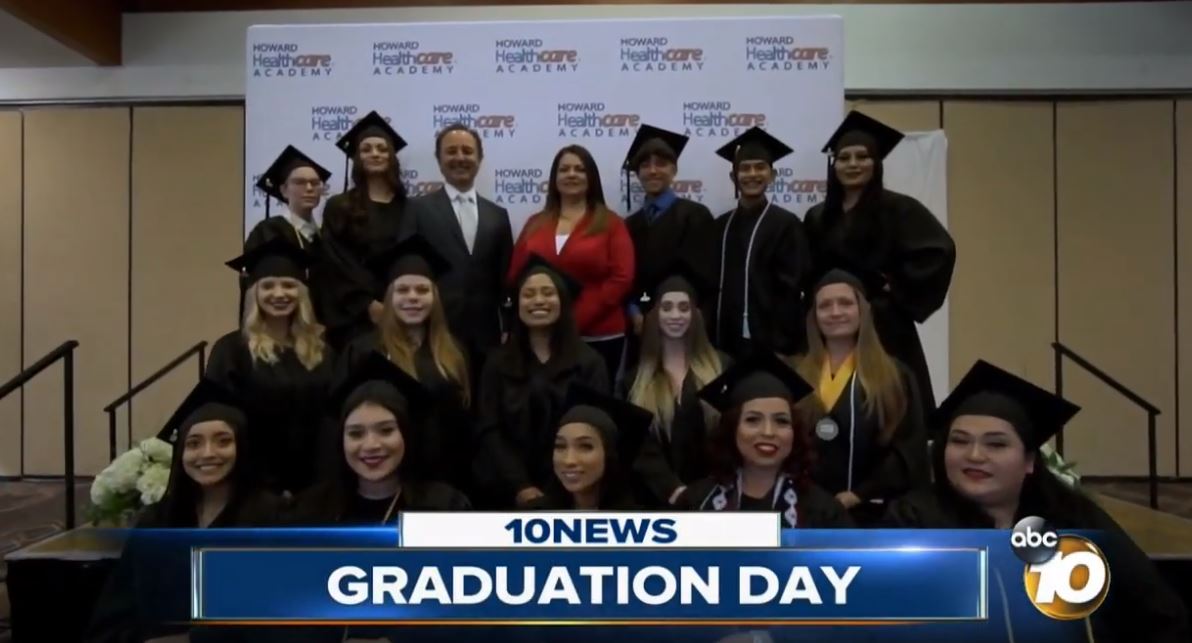
Nearly two dozen students graduated from the Howard Healthcare Academy, a Dental Assisting school founded by Dr. Kami Hoss.
Check out the full segment from ABC News about HHA graduation below.
Howard HealthCare Academy Celebrates 2019 Graduates
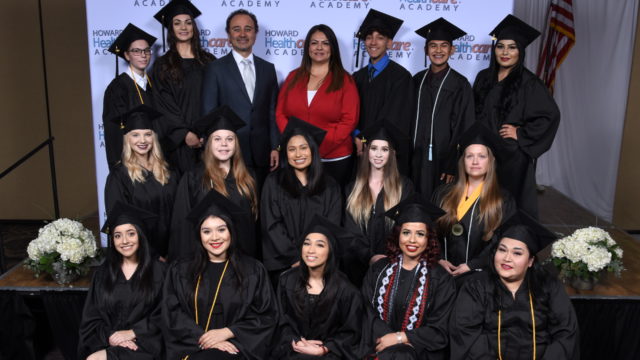
Nearly two dozen students graduated this week from the Howard Healthcare Academy, a California dental school. The students completed the Registered Dental Assistant program.
Part of this fall graduating class includes six students from the former Brightwood College, which suddenly closed December 2018, leaving students stranded mid-program. When the school folded, Howard HealthCare Academy awarded scholarships to the students and assisted in transferring 78% of them to Howard Healthcare Academy to complete their dental assisting studies.
The graduates celebrated the event by hearing from guest speaker Dr. Kami Hoss, one of the school’s co-founders, as well as co-founder of The Super Dentists, the largest pediatric dental practice in San Diego. Hoss said he created the school because he found a need for highly trained dental assistants.
For more information about Howard Healthcare Academy, go to howardacademy.com.
Here is a link to the original article from Times of San Diego!
Candy Buyback at the Children Discovery Museum
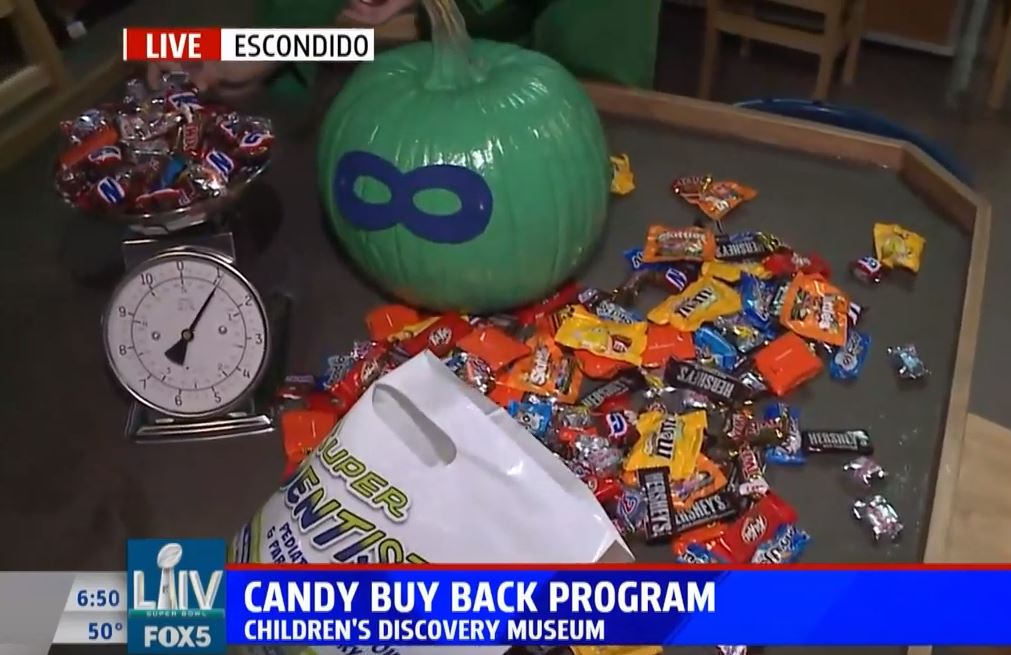
Still wondering what to do with all the candy left from Halloween? The mini Super Dentists City and The Children’s Discovery Museum invite you to bring your unwanted candy. For every pound of candy you bring in, your child gets a dollar and the candy goes overseas to the military. Heather Blake from Fox News talks to Dr. Kami Hoss about this great program.
Watch the full video below!
Trading Candy For Cash Program

Dr. Kami Hoss from The Super Dentists and Jenny Milkowski from CBS 8 News tell how you can trade your Halloween candy for cash.
Check out the full video below!
The Super Dentists Host Annual Halloween Candy Buy-Back Program
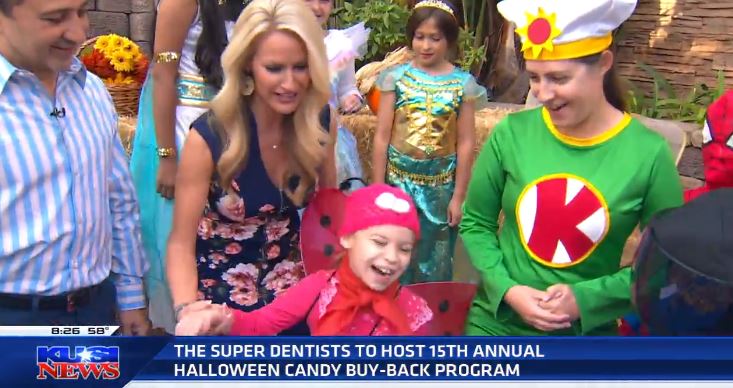
For the 15th year, The Super Dentists are participating in the long-standing Halloween Candy Buy-Back program again this year, helping kids turn candy into cash.
Dr. Kami Hoss joined KUSI’s Lauren Phinney on the patio to describe the program and was accompanied by a bunch of cute kids ready to trick-or-treat!
Watch the full video here!
Dr. Kami Hoss Talks About Annual Halloween Candy Buy Back Program
Dr. Kami Hoss talks about the candy buy-back offer in the NBC 7 San Diego studio.
Check out the full video below!
New “Grin Land!” Exhibit Features The Super Dentists
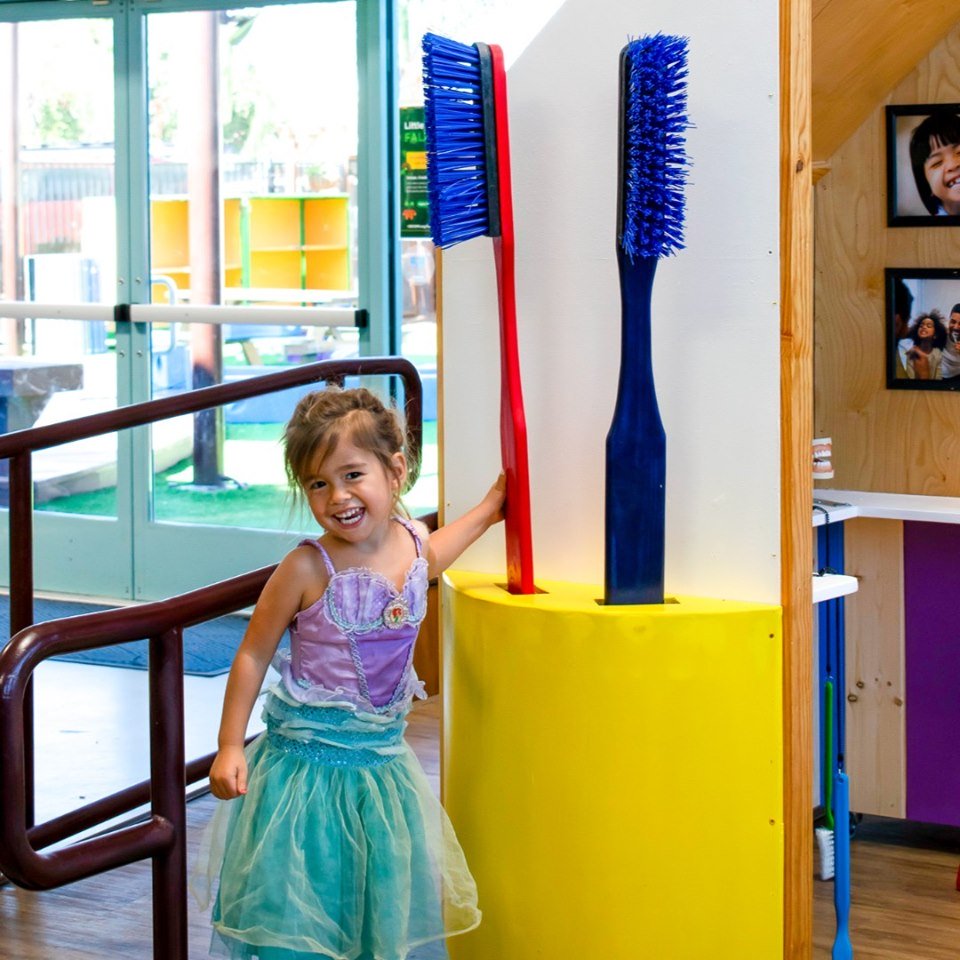
ESCONDIDO — Chairs in the shape of teeth, jumbo toothbrushes and a dentist’s coat make up the recently unveiled exhibit at the San Diego Children’s Discovery Museum in Escondido.
Sponsored by insurance provider Delta Dental and local company The Super Dentists, “Grin Land!” features a behind-the-scenes look at a dental office. Children are encouraged to role play as a dentist or patient, read dental X-rays, use dental tools and learn about healthy and unhealthy foods.
Wendy Taylor, executive director of the museum, said the exhibit is located in the museum’s “Our Town” space to help children become familiar with experiences in “their daily lives, while inspiring career exploration through imaginary play.”
“We decided to feature a dentist office exhibit because it is an experience that all children have, and it can often be a scary moment for young children,” Taylor said. “By experiencing a dentist office in a safe, fun place like our museum, children gain confidence for their next visit to the dentist.”
Taylor said it’s important for the museum to inform the public about dental health as “only a fraction of children visit the dentist by age 1 and 20% of young children have untreated cavities.”
The Centers for Disease Control and Prevention estimates that one in five children between the ages of 5 and 11 have at least one untreated, decayed tooth. Children from low-income families are also 25% more likely to have cavities compared to children from higher-income homes, according to the agency.
That knowledge is why The Super Dentists chose to help design and sponsor the latest exhibit. Dr. Kami Hoss, co-founder of the company said poor dental health can affect one’s entire body.
“Some people may not know the importance of a healthy mouth and the life-changing impact it can have on them and on their children,” Hoss said. “Poor oral health doesn’t just cause a little hole in the tooth that the dentist can easily fill. Cavities is just the tip of the iceberg since it’s a sign of a bacterial imbalance with potentially whole-body consequences.”
Hoss said “an unhealthy mouth is dangerous to your heart, lungs, brain and unborn baby. Oral health impacts the quality of your life, your psychological health and even your longevity.”
Hoss recommends that parents help their children brush their teeth at least twice a day for two minutes and floss once a day. He also encourages making trips to the dentist as enjoyable as possible.
“You can pass your own fear of the dentist down to your children so make a trip to the dentist a fun family outing instead of something to fear or dread,” Hoss said. “That subtle shift can make a huge difference in how your child perceives the dentist throughout their childhood.”
The San Diego Children’s Discovery Museum is open 9:30 a.m. to 4:30 p.m. Tuesday through Sunday with extended hours on Wednesday. The Grin Land! exhibit is included with regular admission.
For more information about Grin Land! or the museum, go to sdcdm.org.
Here is a link to the original article from the Coast News Group.
The Super Dentists “Grin-Land!” Exhibit Featured In CBS News 8 San Diego!
The Super Dentists “Grin-Land!” Exhibit at The San Diego Children’s Discovery Museum was featured in CBS News 8 San Diego.
Check out the full video below!
The Super Dentists ‘Grin Land’ Exhibit in San Diego Children’s Discovery Museum
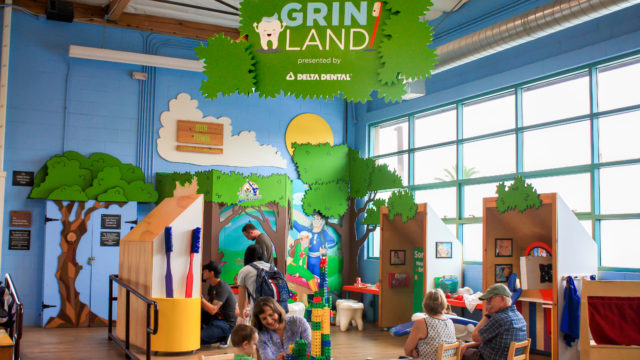
San Diego Children’s Discovery Museum in Escondido recently unveiled a new exhibit aiming to teach children and families about dental care.
Grin Land! is located in the “Our Town: Careers and Community exhibit space,” an area dedicated to helping children ages 0 to 10 familiarize themselves with different experiences or places they might encounter in their daily lives, and to inspiring career exploration through role play.
“We wanted to create an exhibit that would both be fun and educational for families, and address a critical issue for children in our community,” said executive director Wendy Taylor. “Twenty percent of young children have untreated cavities, which can cause pain and infections leading to problems with eating, speaking, playing, and learning. Children who have poor oral health often miss more school and receive lower grades.”
Sponsored by The Super Dentists, the exhibit includes life-sized tools and props, display of healthy and unhealthy foods and reception desk.
“The Super Dentists are very active in the San Diego community, especially with causes related to kids and education, so partnering with the museum was a great fit,” said Kami Hoss, co-founder of The Super Dentists. “Our aim is to take an experience, like going to the dentist, which is typically feared, and make it fun and positive. We know if kids like going to the dentist, they will take care of their mouths for the rest of their lives.”
Grin Land! is included with museum admission.
For more information about San Diego Children’s Discovery Museum, visit sdcdm.org.
Here is a link to the original article from the Times of San Diego.
“The Super Dentists Stage” At Grand Ave Festival in Escondido

The Super Dentists just signed on to sponsor the “Chase Stage”, which from now on will be the “The Super Dentists Stage” at this year’s Grand Ave Festival, Sunday, October 20, from 9 am to 5 pm, in downtown Escondido. Stop by our booth to spin our prize wheel and take photos with our superheroes.
The Super Dentists take home gold!

The Super Dentists marketing crew was SUPER excited to take home a Gold Award for our Augmented Reality launch at the 2019 Health Care Communicators of San Diego Finest Awards. Other winners included UC San Diego Health, who received 15 awards and Scripps Health took home 14 awards.
Other multiple award winners included Palomar Health (11), Torrance-based Providence Little Company of Mary Medical Center (8), Millennium Health (7), Children’s Hospital of Orange County (6), Rady Children’s Hospital (4), Reflexion Health (4), Loma Linda University Health (4), Sharp Grossmont Hospital (3), North County Health Services (2) and AMN Healthcare (2).You can read about the other big winners of the event by following this URL:
New “Grin Land!” Exhibit Features The Super Dentists
(Escondido, CA – September 10, 2019) San Diego Children’s Discovery Museum is excited to announce a new interactive and educational exhibit for young children and their caregivers – Grin Land!
Grin Land!, which opens September 17, will be located in the Our Town: Careers and Community exhibit space; an area dedicated to helping children ages 0 to 10 familiarize themselves with different experiences or places they might encounter in their daily lives, and to inspiring career exploration through role play.
The dental office exhibit will introduce children and families to the importance and value of dental hygiene and overall health in a playful way. “We wanted to create an exhibit that would both be fun and educational for families, and address a critical issue for children in our community. Twenty percent of young children have untreated cavities, which can cause pain and infections leading to problems with eating, speaking, playing, and learning. Children who have poor oral health often miss more school and receive lower grades,” says executive director Wendy Taylor.
Fun and interactive displays with life-sized tools and props (including giant floss, teeth and toothbrushes), a reception desk sponsored by San Diego pediatric dentistry, teen and adult dentistry and orthodontics practice The Super Dentists, special meet-and-greets, and educational activities will allow children, as well as parents, to gain a better understanding of the importance of dental hygiene. The hands-on experience will show children that visiting the dentist can be fun.
“The Super Dentists are very active in the San Diego community, especially with causes related to kids and education, so partnering with the museum was a great fit,” says Dr. Kami Hoss, co-founder of The Super Dentists. “Our aim is to take an experience, like going to the dentist, which is typically feared, and make it fun and positive. We know if kids like going to the dentist, they will take care of their mouths for the rest of their lives.”
The Grin Land! exhibit was preceded by Neighborhood Heroes, dedicated to introducing children to the world of first responders. The exhibit closed on September 3.
Grin Land! is included with museum admission and sponsored by The Super Dentists.
For more information about San Diego Children’s Discovery Museum, visit sdcdm.org
************************************************************************
ABOUT San Diego Children’s Discovery Museum
San Diego Children’s Discovery Museum (SDCDM)’s mission is to inspire children to learn about our world through exploration, imagination, and experimentation. The Museum’s hands-on educational exhibits and programs focus on science, art, and world cultures for children up to age 10. The Museum designs and fabricates its own exhibits, with new exhibits added each month. New exhibits at the facility include Floating Objects, Base Camp, Nature Play, Water Wise Interactive and Living Water Tables, Children’s Discovery Garden, Kids Global Village, Reading Book Nook, Toddler Tide Pool, Our Town: Careers & Community, and Magnification Station. The Museum is open every day except Mondays.
Admission is $9.50 per person, $6.50 for military, and free for children 12 months and younger. Memberships, group discounts, birthday parties, and summer camps are available. San Diego Children’s Discovery Museum is affiliated with the Association of Children’s Museums, as well as the San Diego Museum Council.
The Super Dentists Featured In Times of San Diego!
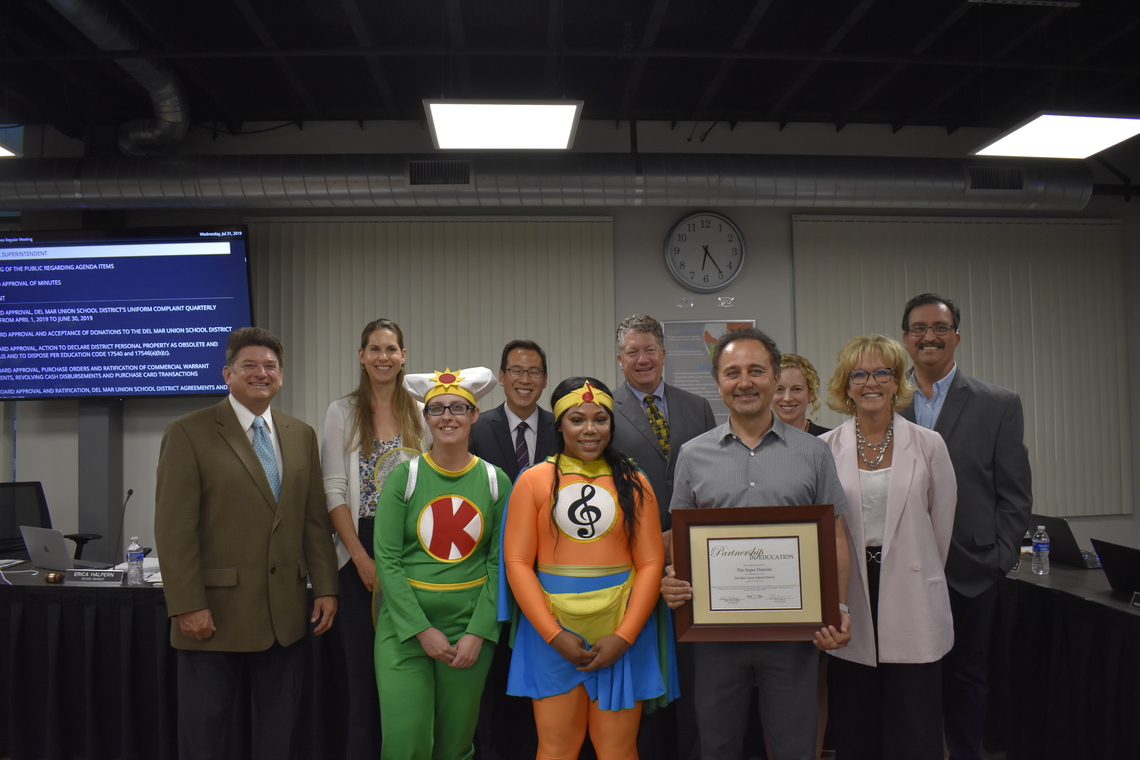
Super Dentists, Del Mar Schools Announce Partnership to Educate Families
The Del Mar Union School District and local business, The Super Dentists, recently announced a partnership to help families combat childhood dental decay.
The partnership, which comes as California students are required to show proof of a dental examination prior to entering school, will educate local families about the importance of good oral health and help them comply with the law.
“Cavities indicate a bacterial imbalance which can be a sign of serious health issues,” said Kami Hoss, CEO of The Super Dentists. “Poor oral health can impact: a child’s oral and facial growth and development, confidence and psychological health and long-term physical health and even longevity.”
More than half of California kindergartners have dental decay, which has become the most common chronic disease in children today. Childhood dental tooth decay is four times more common than early childhood obesity, five times more common than asthma and 20 times more common than diabetes, according to American Academy of Pediatric Dentistry.
Other statistics include:
- By the time California’s children reach third grade, 70 percent have dental decay, causing them to miss 51 million school hours
- 1 in five California kindergartners have more than seven cavities
- 70 percent of California third graders have dental decay
- 35 percent of children brush their teeth less than twice a day
Because oral care is a critical part of essential whole-person healthcare, this partnership will support student achievement and provide mutual assistance and benefits through shared time and resources, school leaders said.
“The Super Dentists is only the sixth corporate entity the district has chosen to officially partner with, because of their longtime commitment to San Diego,” said Jason Romero, assistant superintendent, Del Mar Unified School District.
The original post can be read at: https://timesofsandiego.com/education/2019/08/26/super-dentists-del-mar-schools-announce-partnership-to-educate-families/
CBS 8 San Diego Visits The Super Dentists!
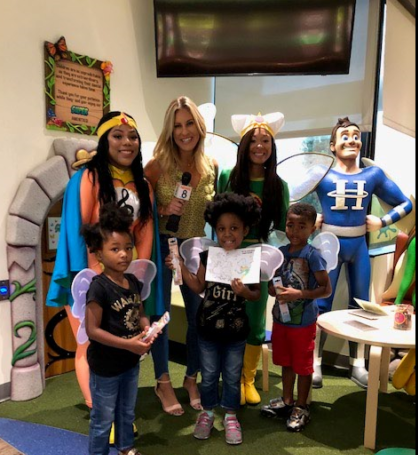
CBS 8 San Diego’s Ashley Jacobs visited The Super Dentists for National Tooth Fairy Day. The Tooth Fairy makes losing a tooth a bit less scary for kids, and The Super Dentists makes coming to see the dentist less scary for kids and adults. We talked with Ashley about all the ways The Tooth Fairy has upped her game. We also had Dr. Sean Bastani featured as he talked about the best age to bring your child to the dentist.
Ultimately, the end goal is the same, making sure kids take care of their teeth so they’ll have super smiles for years to come!
Check out the full video below!
The video can also be seen on the CBS 8 San Diego website here!
https://www.cbs8.com/video/news/local/daily-dose/does-your-child-meet-school-dental-requirements/509-5ce20ba9-3218-420e-89c6-eb2f5dc90293?jwsource=cl
Dr. Kami Hoss Reinvents the Toothbrush- 92129 Magazine
Dr. Kami Hoss has recently been featured on 92129 Magazine. Read the story below:
According to the American Academy of Pediatric Dentistry, childhood tooth decay is the most common chronic disease among children right now. It is four times more common than early childhood obesity, five times more common than asthma, and 20 times more common than juvenile diabetes. In fact, one in five California kindergarteners has had more than seven cavities and 71% of California third graders currently have dental decay. Because oral care is a critical part of overall health, poor oral health can impact a child’s long-term physical health and even longevity.
Dr. Kami Hoss and The Super Dentists have introduced The Super Toothbrush, an interactive toothbrush that encourages children to brush their teeth properly with a special integrated augmented reality component. Each toothbrush includes a magic sticker for the bathroom mirror that, when paired with VIVARRA Dental app, brings The Tooth Keri to life to remind kids how to brush and floss their teeth correctly. The Super Toothbrush also features a two-minute tooth-brushing song so children know how long they should be brushing, as well as premium Tynex DuPont bristles for comfort and a long-lasting battery.
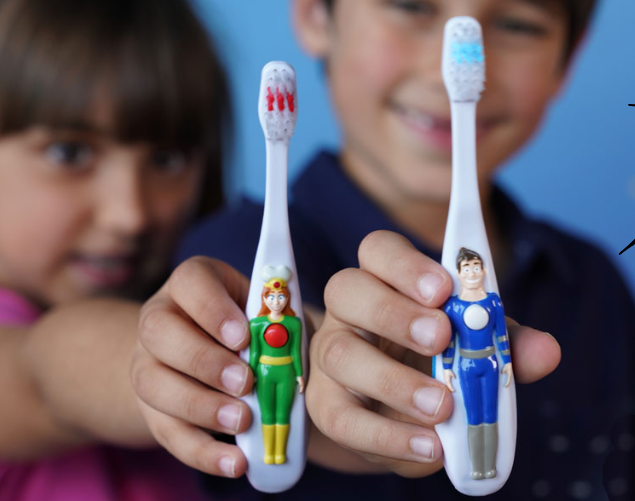 “Parents have been asking us for toothbrush recommendations for years,” said Dr. Kami Hoss, Co-founder of The Super Dentists. “We developed this toothbrush with the latest in augmented reality technology, to make brushing fun for kids. Getting them to develop good oral health care habits while they’re young is part of an overall whole-person health care plan that will benefit them for the rest of their life.”
There are four Super Toothbrushes featuring The Super Dentists superhero and villain characters – Dr. Have One Super Smile, The Tooth Keri, Cavitar, and Molar – available in all The Super Dentists offices or on Amazon. A collector’s set with all four characters will be available this fall. Other oral health care products, including toothpastes and mouth washes, will follow.
For more information go to www.TheSuperDentists.com/TheSuperToothbrush.
The original article can be found here: http://92129magazine.com/2019/08/12/dr-kami-hoss
Dr. Kami Hoss of The Super Dentists Transforms the Dental Experience for Parents
Dr. Kami Hoss of The Super Dentists has been featured on 92130 Magazine. Read the story below:
For 20 years, The Super Dentists’ Co-founders Dr. Kami Hoss and Dr. Nazli Keri have been transforming the dental experience for children with original movies, music, costumes, and fun superhero and villain characters. Now parents can have an equally enjoyable dental experience at The Super Dentists with their Teen and Adult Dentistry program.
According to the American Dental Association, it is estimated that nearly 75% of adults in the United States experience some amount of fear with regards to visiting a dentist. Of those, roughly 5-10% have a strong enough fear to be considered sufferers of a dental phobia.
But The Super Dentists have changed everything adults hate about going to the dentist. “We’ve created an extraordinary experience that’s anything but your ordinary adult dentistry,” said Dr. Kami Hoss, DDS, MS. “We have VIP (Very Important Parent) lounges and employ advanced technology and adult amenities to provide top-quality dental care along with an out-of- this-world experience for grown-ups.”
VIPs are welcome to relax in the adult lounge area prior to their appointment, where they can enjoy a latte with a personalized message in the foam, surf the web, or enjoy quiet time. The office features luxurious amenities to make the visit as stress-free as possible – aromatherapy, warm towels, massage chairs, and virtual reality masks.
With the highest quality dentists who are experts in their field utilizing the latest, most innovative state-of-the-art dental technologies, adults have nothing to fear at The Super Dentists.
Hate needles? They have computerized anesthesia. Gag on those awful impressions? They have digital scanners. Worried about glowing in the dark when you have x-rays taken? They use low-to-no radiation cavity detection. Can’t stand the taste of rubber gloves? They have flavored gloves in strawberry, bubble gum, and grape.
 TVs on the ceiling and “Digital Nitrous” virtual reality goggles are an easy distraction while dental work is being done. Parents are offered complimentary childcare services and can even receive a phone and a GPS watch for their children, so they can be in communication during their appointment.
Teen and Adult Dentistry services include dental hygiene, cosmetic dentistry, teeth whitening, braces and orthodontics, Acceledontics™, sedation dentistry, veneers, and TMJ treatment. Teen and Adult Dentistry is available at The Super Dentists Carmel Valley, Eastlake, and Kearny Mesa locations, and will also be available at the newest Super Dentists location in Escondido (opening Fall 2019).
For more information go to www.TheSuperDentists.com.
Original article can be read here: http://92130magazine.com/2019/08/12/meet-your-local-medical-health-industry-professionals-dr-kami-hoss/
The Super Dentists and Del Mar Schools Team Up for Happy, Healthy Smiles
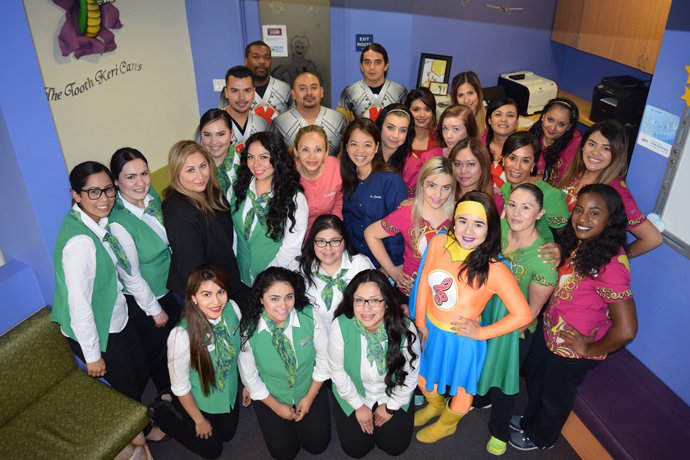
The Super Dentists have been featured on Del Mar Times. Read the story below:
The Del Mar Union School District celebrated a new cavity-fighting corporate partnership at its July 31 board meeting, teaming up with The Super Dentists, a leader in pediatric dentistry and orthodontics in San Diego for 23 years. Dr. Kami Hoss (also known as Dr. Have One Super Smile) and his wife Dr. Nazli Keri (aka The Tooth Keri) opened up their Carmel Valley location in 2014—they have four other locations countywide with an Escondido practice coming soon.
Jason Romero, assistant superintendent of human resources, said The Super Dentists’ vision aligns with what they are doing at school district as far as creativity and innovation, as well as promoting a healthy smile for all children.
The Super Dentists offer the newest dental technologies to provide the most comfortable, safe and effective treatments for kids as well as an “extraordinary experience” that makes going to the dentist fun. The dentist office is designed to look like a super hero theme park—there are video games, photo booths and a toy store to purchase prizes when Super Kids rack up points for things like having a checkout with no cavities, losing a baby tooth or being on time for an appointment.
The orthodontic offices are made to look like a rocketship port.


Additionally, The Super Dentists focus on outreach and education with more than 30,000 school education visits throughout the county on dental health and hygiene. They are an active participant at Junior Achievement of San Diego’s BizTown and in 2018 they opened Howard Healthcare Academy, a new state-of-the-art dental assistant school.
According to the American Academy of Pediatric Dentistry, childhood dental tooth decay is four times more common than early childhood obesity, five times more common than asthma and 20 times more common than diabetes. One in five California kindergartners has more than seven cavities.
“Cavities indicate a bacterial imbalance which can be a sign of serious health issues,” said Dr. Kami Hoss. “Poor oral health can impact a child’s oral and facial growth and development, confidence and psychological health and long-term physical health and even longevity.”
California students are required to show proof of a dental examination prior to entry into school. Del Mar Union School District welcomes 750 to 1,000 new families each year, many who are new to California and the screening law.
As oral care is an essential part of overall health and wellness, the new corporate partnership will support student achievement and provide mutual benefits and assistance through shared time and resources.
The Super Dentists are sponsoring the district’s WOW Families Festival on Saturday, Aug. 10 from 10 a.m. to 2: 30 p.m. at Sage Canyon School. The event will feature food trucks, carnival games, STEAM-themed activities and local vendors.
Original Article: https://www.delmartimes.net/news/story/2019-08-07/del-mar-schools-the-super-dentist-team-up-for-happy-healthy-smiles
Dr. Hoss on Oral Health Assessments Before Kindergarten
Dr. Kami Hoss was on FOX 5 San Diego talking about why it’s so important for kids to get an oral health assessment before entering kindergarten. See the video below.
Dr. Kami Hoss & The Super Dentists Team Up with Del Mar Union School District to Highlight the Importance of Dental Health
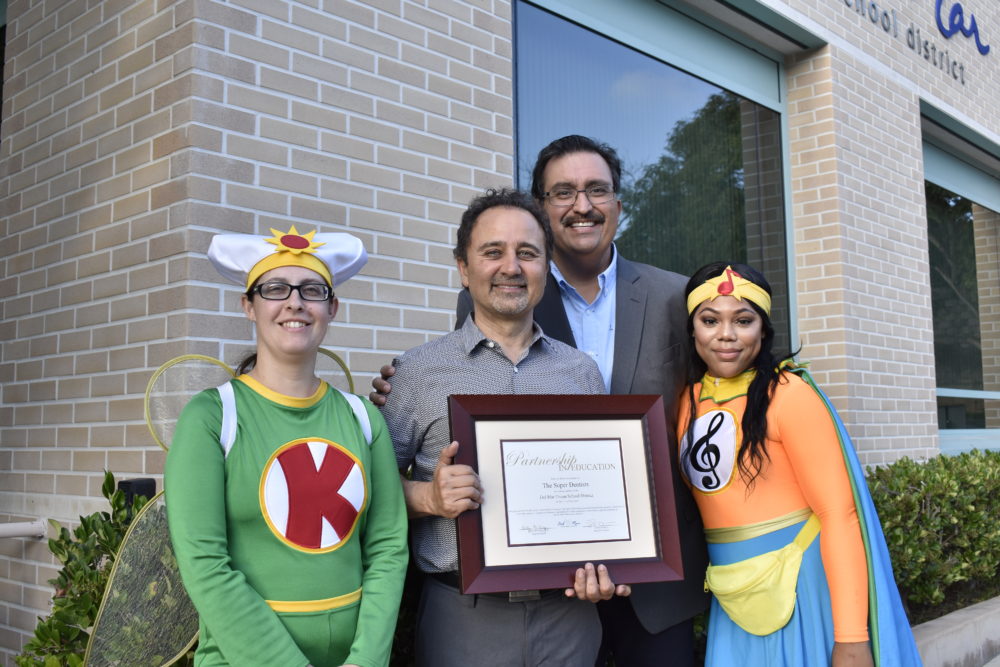
**More than half of California kindergarteners have dental decay; 1 in 5 Kindergarteners have more than 7 cavities**
California students entering Pre-K and Kindergarten are required to show proof of a dental examination prior to entry into school. Through a new partnership with Del Mar Union School District (DMUSD), The Super Dentists hope to educate local families about the importance of good oral health and help them comply with the law.
More than half of California kindergartners have dental decay, which has become the most common chronic disease in children today. This staggering statistic is more widespread than childhood obesity, asthma and diabetes. Childhood dental tooth decay is four times more common than early childhood obesity, five times more common than asthma and 20 times more common than diabetes, according to American Academy of Pediatric Dentistry.
“Cavities indicate a bacterial imbalance which can be a sign of serious health issues,” said Dr. Kami Hoss, Co-founder & CEO of The Super Dentists. “Poor oral health can impact: a child’s oral and facial growth and development, confidence and psychological health and long-term physical health and even longevity.”
By the time California’s children reach third grade, 70% have dental decay, causing them to miss 51 million school hours, which can impact their education long term. Some additional, serious stats include:
- 1 in 5 California kindergartners have more than 7 cavities
- 70% of California third graders have dental decay
- 35% of children brush their teeth less than twice a day
Annually the district welcomes 750 to 1,000 new families each year, many of which are new to California, and this dental screening law.
“The Super Dentists is only the sixth corporate entity the district has chosen to officially partner with, because of their longtime commitment to San Diego,” said Jason Romero, assistant superintendent, Del Mar Unified School District.
Because oral care is a critical part of essential whole-person healthcare, this partnership will support student achievement and provide mutual assistance and benefits through shared time and resources.
The Super Dentists will also sponsor the August 10 DMUSD WOW Families Festival at Sage Canyon School & Park to welcome new students and parents to the area and to give the families a chance to meet the principal, teachers and local businesses and have a little fun before school starts on August 26.
Dr. Kami Hoss, DDS, MS is a renowned author, consultant, inventor, speaker, and philanthropist in the fields of dentistry, healthcare, and education. Twenty-three years ago, he co-founded The Super Dentists with his business partner and wife, Dr. Nazli Keri. Their business has become one of the most trusted, top-awarded and leading pediatric dentistry, orthodontics, and teen and adult dentistry practices in Southern California. He is also passionate about educating parents about dental care, oral health and whole-person healthcare, and integrated dental and medical care. Through community programs, events, seminars and speaking engagements, Dr. Hoss and The Super Dentists team tackle topics like oral health and its impact on pregnancy, airway & sleep, psychological health and physical health.
In all his pursuits, Dr. Kami Hoss aspires to give back by being of service to the people in his community by creating opportunities for others to receive high-quality care and education. He has decades of experience working in the dental space and has treated more than 10,000 patients. He has served on faculty at Howard Healthcare Academy and University of Southern California’s postgraduate orthodontic program. He is a member of the American Association of Orthodontists, American Dental Association, California Dental Association, and San Diego Dental Society. With this extensive background, he has developed a reputation for innovation and making oral health care accessible, welcoming, educational and entertaining for families.
Dr. Kami Hoss and The Super Dentists On Del Sol Magazine
Dr. Kami Hoss
Company: The Super Dentists
Owners: Dr. Kami Hoss and Dr. Nazli Keri
Address: Multiple locations throughout San Diego County
Website: www.TheSuperDentists.com
Email: webcontact@TheSuperDentists.com
Phone: 1-855-GO-SUPER
The Super Dentists’ Dr. Kami Hoss and Dr. Nazli Keri, also known as their alter-egos Dr. Have One Super Smile and The Tooth Keri, respectively, are transforming the dental experience for children and adults. The Super Dentists is the largest, most trusted, top awarded group practice in San Diego, providing a unique patient experience through original movies, music, and fun superhero and villain characters. The offices look like theme parks and feature video games, a dress up area, and even a special door for children. “We’ve taken something that is typically feared and created an environment where kids beg to visit and don’t want to leave,” said Dr. Kami Hoss, Co-Founder of The Super Dentists. “Because we know that if kids like going to the dentist, they will go to the dentist and will take care of their mouths.”
The Super Dentists experience begins before patients even step foot through the door with the practice’s innovative augmented reality app. Parents receive a link to the augmented reality welcome video and watch it with their children so they know what to expect. They are also introduced to The Super Dentists characters: Dr. Have One Super Smile, The Tooth Keri, MeloD, Cavitar, and Molar. “The app has been downloaded thousands of times, because it’s fun and interactive,” said Dr. Kami Hoss. “Kids can take their picture with the characters to become part of the experience, then share photos and videos with their parents and friends via text or social media.” This summer, children will be able to experience a bit of The Super Dentists magic at home as well with the practice’s own line of character inspired toothbrushes.
Though pediatric dentistry is the core service at The Super Dentists, the practice also offers dentistry for parents and orthodontics for the whole family – and it can be fun, too! “We’ve changed everything adults hate about going to the dentist,” Dr. Kami Hoss said.
The Super Dentists are very active in the community, especially with causes related to children and education. They regularly present at community programs and speaking engagements and participate in career fairs at local schools. They also host on-site job shadowing opportunities, wellness fairs, and mouth guard fitting clinics. “Every year, hundreds of children across the county receive free dental care from our pediatric dentists during Free Dental Day,” Dr. Kami Hoss shared. And for the past 15 years, The Super Dentists has hosted its popular Candy Buy Back program during the week of Halloween, paying kids for their candy and then donating it to military troops overseas. More than 20,000 pounds of candy have been donated since the program began.
“We love seeing the reaction of children and parents when they come to see The Super Dentists and interact with all of our services and amenities,” Dr. Hoss said. “We know how important oral health is to your overall health, and we are honored to be making a big difference in peoples’ lives and futures.”
Originally on Del Sol Magazine.
http://delsolmagazine.com/2019/07/11/meet-your-local-medical-health-industry-professionals/
Dr. Kami Hoss Featured On ABC 10 News San Diego

San Diego dentist creates Augmented-Reality toothbrush to help kids brush better
New brush combines AR with music
SAN DIEGO (KGTV) – A San Diego dentist is giving parents a new tool to win the battle over brushing.
Dr. Kami Hoss recently released a singing toothbrush that pairs with augmented reality technology.
“We gotta come up with brushes that are really fun and educate in a fun way,” says Dr. Hoss.
The brush plays a song for two minutes, which is the amount of time dentists recommend for brushing teeth.
While the song plays, kids can use an app to watch augmented reality characters come to life on their phones.
The characters “pop out” of a sticker placed on the bathroom mirror and teach kids how to brush properly. Hoss says this is the first toothbrush to use AR.
“It’s Pixar quality,” says Dr. Hoss of the animation. “We spent years developing this to make sure it’s beautiful.”
According to the CDC, around 20% of kindergarteners have some form of tooth decay. Studies show that children brush their teeth 73% longer when listening to music.
The toothbrush also helps people know when it’s time to buy a new one. If someone uses it to brush twice a day, the battery will die after three months. That’s how often dentists say you should replace a brush.
Hoss sells the toothbrushes in his office and on Amazon.com .
Originally featured on ABC 10 News San Diego. Click here to view the original post.
Fighting Decay: San Diego Dentist Unveils Kids’ Toothbrush (feature on timesofsandiego.com)
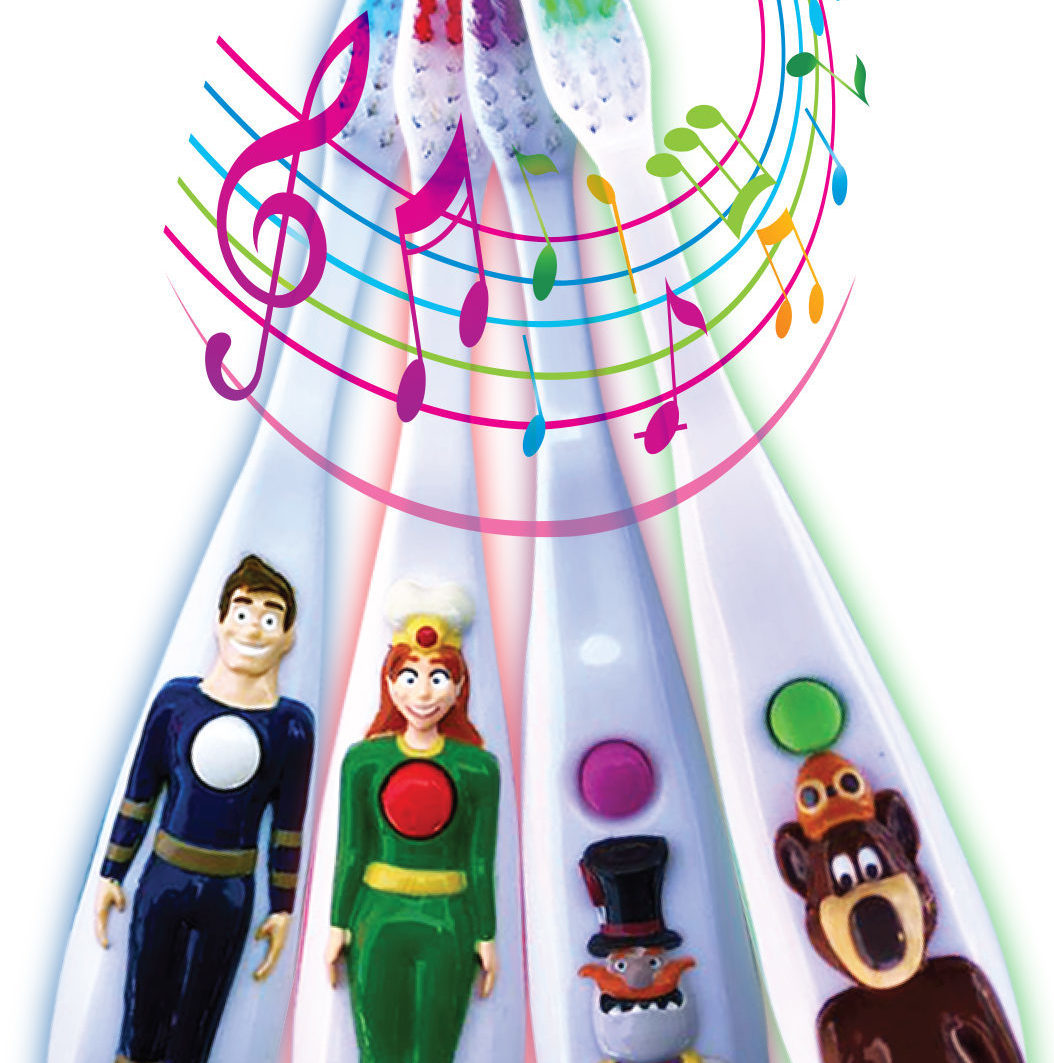
For one San Diego dentist, fighting dental-related diseases stretches beyond the office. Kami Hoss, the owner of the Super Dentists, which has several offices throughout the region, recently unveiled a singing toothbrush equipped with augmented reality with the hopes that it will encourage children to brush their teeth and for longer periods.
Dubbed “The Super Toothbrush,” the device uses technology that generates images into the real world. For example, when paired with the VIVARRA Dental App, a character named Tooth Keri pops out of a sticker on the toothbrush that will remind children how to brush and floss their teeth. The toothbrush also plays music that encourages children to brush longer.
Hoss, who worked with a dental product manufacturer and augmented reality software company, said he created the product because dental tooth decay is the most common chronic disease among children.
“Poor oral health impacts children’s physical, psychological health, their growth and development and even their longevity,” Hoss said. “Getting kids excited about brushing and creating a consistent oral health care routine is one of the best ways to prevent tooth decay which will benefit them for the rest of their lives.”
The disease is four times more common than childhood obesity, five times more common than asthma and 20 times more common than diabetes, according to the American Academy of Pediatric Dentistry.
Research from the Delta Dental Children’s Health Survey also shows 35 percent of children brush their teeth less than twice a day, 45 percent brush their teeth for less than a minute, and 48 percent never floss at all.
With those staggering statistics in mind, Hoss said he was determined to create a product to help children brush their teeth. He also hopes the toothbrush will help parents who struggle with getting their children to brush their teeth.
But, there are other challenges too.
“Some of the tooth brushing challenges include kids and parents not knowing how long to brush and not developing good habits, like brushing two times a day and flossing every day,” Hoss said. “Children and even adults also don’t have good information on correct brushing/flossing techniques.
“Additionally, there is a misconception that cavities is just a small hole in a tooth that the dentist can just fill so parents and children don’t take it as seriously as they should. Unfortunately, cavities are a result of a bacterial imbalance that can be a sign of other serious health issues in the body and our microbiome in general.”
Hoss offered the following tips for parents on how to make brushing teeth fun:
- Pick out a fun toothbrush or let kids pick out their favorite characters
- Use a tooth brushing song to help make sure kids brush for a full two minutes (the recommended length of time)
- Supervise children’s brushing until there is confidence that it’s being done correctly
- Model tooth brushing and/or brush your own teeth with your child
- Let kids brush your teeth or let them brush their stuffed animal or doll’s teeth
Originally featured on Times of San Diego. Click here for original article.
Dr. Kami Hoss of The Super Dentists Launches the First Singing Super Toothbrush, Equipped with Magic Augmented Reality Sticker
SAN DIEGO–(BUSINESS WIRE)–
**Research shows that kids brush their teeth 73% longer when brushing to music**
Dr. Kami Hoss introduces The Super Toothbrush, created by The Super Dentists. The singing toothbrush features an Augmented Reality (AR) component to make tooth brushing interactive for kids. This is the latest way the Southern California dental practice is reinventing and transforming the dental healthcare experience for kids and families.
Research shows that kids brush their teeth 73% longer when brushing to music. They also only brush for half of the recommended amount of time without music. The Super Toothbrush plays a two-minute tooth brushing song, so kids are both entertained and know exactly how long they should brush.
Some serious stats: *Delta Dental Children’s Health Survey 2011
- 35% of children brush their teeth less than twice a day
- 45% brush their teeth for less than a minute
- 48% never floss at all
“Parents have been asking us for toothbrush recommendations for years,” said Dr. Kami Hoss, co-founder of The Super Dentists. “We developed this toothbrush with the latest in augmented reality technology, to make brushing fun for kids. Getting them to develop good oral healthcare habits while they’re young is part of an overall whole-person healthcare plan that will benefit them for the rest of their life.”
The Super Toothbrush features The Super Dentists’ superhero and villain characters that kids know and trust, including Dr.HaveOneSuperSmile, The Tooth Keri, Cavitar and Molar. They also come with:
- Integrated Augmented Reality – The Super Toothbrush includes a magic sticker for the bathroom mirror. When paired with the VIVARRA Dental App, The Tooth Keri pops out of the sticker and comes to life to teach (or remind) kids how to brush and floss their teeth.
- Two-minute tooth-brushing song – studies show that children brush their teeth 73% longer while listening to music. One of the biggest problems with kids’ dental care is they don’t spend enough time brushing. The two-minute The Super Dentists sing-along song is the perfect background music so kids know how long they should be brushing.
- Premium Tynex DuPont bristles – soft for comfort, yet durable and long-lasting.
- Long battery life – The battery, which is included, lasts three months; the recommended duration the American Dental Association suggests for replacing toothbrushes.
- AR is an interactive experience of a real-world environment where the objects that reside in the real-world are “augmented” by computer-generated images, sometimes across multiple senses, including sight, sound and touch. To engage with The Super Dentists’ App, a patient (child or parent) downloads from the App Store or Google Play, and then scans large colorful floor targets in The Super Dentists offices, or the magic sticker at home.
The Super Toothbrush will be available in The Super Dentists office for $6, per brush, or two for $10, which is a special price for patients. Also available online, they are the only toothbrush with augmented reality currently selling on Amazon. A Collector’s Set with all four Super Dentists characters will be available this fall.
Because oral care is a critical part of essential whole-person healthcare, The Super Toothbrush is The Super Dentists’ new product in its expanding commitment to deliver an integrated dental and whole healthcare experience for kids and families. Other healthcare products, like toothpaste and mouth wash, will follow.
- For many parents the struggle to get their kids to brush their teeth is real. Here are some tips for parents to make tooth brushing fun:
- Pick out a fun tooth brush, or let kids pick out their favorite characters.
- Use a tooth brushing song to help make sure kids brush for a full 2-minutes; the recommended length of time.
- Supervise children’s brushing until there is confidence that it’s being done correctly; kids only typically brush 25% of the tooth surfaces.
- Model tooth brushing and/or brush your own teeth with your child.
- Let kids brush your teeth or let them brush their stuffed animal or doll’s teeth.
Dr. Kami Hoss, DDS, MS is a renowned author, consultant, inventor, speaker, and philanthropist in the fields of dentistry, healthcare, and education. Twenty-three years ago, he co-founded The Super Dentists with his business partner and wife, Dr. Nazli Keri. Their business has become one of the most trusted, top-awarded and leading pediatric dentistry, orthodontics, and teen and adult dentistry practices in Southern California. He is also passionate about educating parents about dental care, oral health and whole-person healthcare, and integrated dental and medical care. Through community programs, events, seminars and speaking engagements, Dr. Hoss and The Super Dentists team tackle topics like oral health and its impact on pregnancy, airway & sleep, psychological health and physical health.
In all his pursuits, Dr. Kami Hoss aspires to give back by being of service to the people in his community by creating opportunities for others to receive high-quality care and education. He has decades of experience working in the dental space and has treated more than 10,000 patients. He has served on faculty at Howard Healthcare Academy and University of Southern California’s postgraduate orthodontic program. He is a member of the American Association of Orthodontists, American Dental Association, California Dental Association, and San Diego Dental Society. With this extensive background, he has developed a reputation for innovation and making oral health care accessible, welcoming, educational and entertaining for families.
Original Article: https://finance.yahoo.com/news/dr-kami-hoss-super-dentists-120000141.html
Dr. Kami Hoss Reinvents Dental Education On 92129 Magazine!
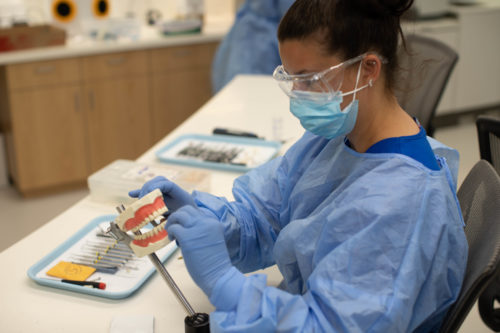
Frustrated by the lack of training available for new dental assistants, Dr. Kami Hoss and his wife and business partner, Dr. Nazli Keri, decided to start a dental assisting school that would give students thorough knowledge and experience using current dental technologies and equipment. They founded Howard Healthcare Academy in partnership with The Super Dentist so students could learn from working dentists and dental assistants to earn their dental assistant certificate in just 10 months. With hands-on, practical training, Howard offers certification as a Registered Dental Assistant (RDA), Registered Dental Assistant – Extended Function (RDAEF) and Orthodontic Assistant Permit, plus compliance and continuing education classes. “Students can be confident that the certifications they receive from Howard Healthcare Academy are recognized throughout the State of California,” said Dr. Kami Hoss, co-founder of Howard Academy.
The faculty at Howard includes co-founding Super Dentist Nazli Keri, D.D.S., and Kami Hoss, D.D.S., M.S. Lorena S. Meza, the Program Director of Howard Academy, is a Registered Dental Assistant, and a member of the American Dental Assistants Association (ADAA). She is also a Subject Matter Expert for the Dental Board of California reviewing curriculum for the new dental schools that apply for board approval, as well as conducting audits for the schools once their curriculum is approved. “I want to make sure the dental profession has well-trained dental assistants doing their tasks correctly, honestly, and ethically,” Lorena said. “One of my favorite parts of teaching si hearing the stories about how my students got their first dental assisting jobs and were finally able to move out of their parents’ homes and buy their first cars.”
Most Howard students come from across San Diego County. In December 2018, Brightwood College (formerly Kaplan College) in San Diego suddenly closed its doors, leaving its dental assisting program students stranded. The Howard team immediately reached out to help students – some of whom were at the end of their program – navigate their options, including offering discounts and scholarship opportunities. About 85% of those students ended up enrolling at Howard.
Each student has the opportunity to interview with The Super Dentists, developing interview skills as another tool for securing employment. The team attends career fairs and host job shadowing events to educate highs school and college-age students about careers in dentistry.
Howard Healthcare Academy practices this mission: having graduates trained to walk into a dental office feeling confident and having the dental knowledge and skills necessary to be an immediate asset to their new employers’ dental practice.
You can read the rest of the article on 92129 Magazine by following this link: https://issuu.com/suscomedia/docs/92129magazine_junejuly2019/30
Dr. Kami Hoss Launches New Dental Company Website

Online users can now learn more about how to take care of their mouths – or care for other people’s mouths as dental assistants – through a brand-new website by Dr. Kami Hoss of The Super Dentists.
Individuals who would like to learn more about improving their own smiles – or helping other people to improve theirs – can now access several helpful online resources at a brand-new website by leading dentist, author, and businessman Dr. Kami Hoss.
The recently launched website can be found at http://www.drkamihoss.com/. At this long-awaited website, visitors can find information about all of Dr. Hoss’s dental-related companies, including The Super Dentists and Howard Healthcare Academy. They can also subscribe to get exclusive updates on the release of his book If Your Mouth Could Talk.
The Super Dentists is San Diego’s largest and most awarded and trusted pediatric dentistry practice. The dental practice has been serving children in the local area for more than 20 years and now also serves parents while their children are completing dental appointments. What makes this dental practice stand out is its passion for reinventing and transforming patients’ dental experiences through technology, innovation, and education.
In addition to establishing The Super Dentists, Dr. Hoss recently created Howard Healthcare Academy, a San Diego–area higher education institution that offers a hands-on dental assistant training program spanning 10 months. Through the program, students can gain the skills they need to claim in-demand dental assisting jobs and build fulfilling careers in this aspect of the health care field. The academy also offers continuing education and compliance classes. More information about this increasingly popular academy is available at Dr. Hoss’s newly launched site.
Dr. Hoss’s new website is additionally an excellent resource for news featuring dentist Kami Hoss, including stories and reports from FOX 5 and KGTV. In the blog section, visitors can find articles on such topics as the value of community, volunteering, and the best practices for healthy teeth in modern times.
Dr. Hoss attended UCLA for his undergraduate studies and dental school and USC for his orthodontic residency, and he now views San Diego as his home. During the past two decades in San Diego, Dr. Hoss continues to play an active role in promoting oral health to members of the community. As an example, he hosted an event called Spooktacular during the 2018 Halloween season to help children to celebrate the holiday in an unforgettably fun yet healthy way. The dentist also recently gave away Acceledontics treatment for free as part of a giveaway.
Dr. Hoss has additionally created a brand-new app designed to teach children about proper oral care. Through his new website, his businesses, and his new app, his goal is to continue to change the face of dental care by making it more attractive, engaging, and enjoyable for people of all ages both now and in the years to come.
Original Post can be found here: https://www.prunderground.com/dr-kami-hoss-launches-new-dental-company-website/00155158/
5 Ways To Make Your Child’s Dentist Visit A Good One
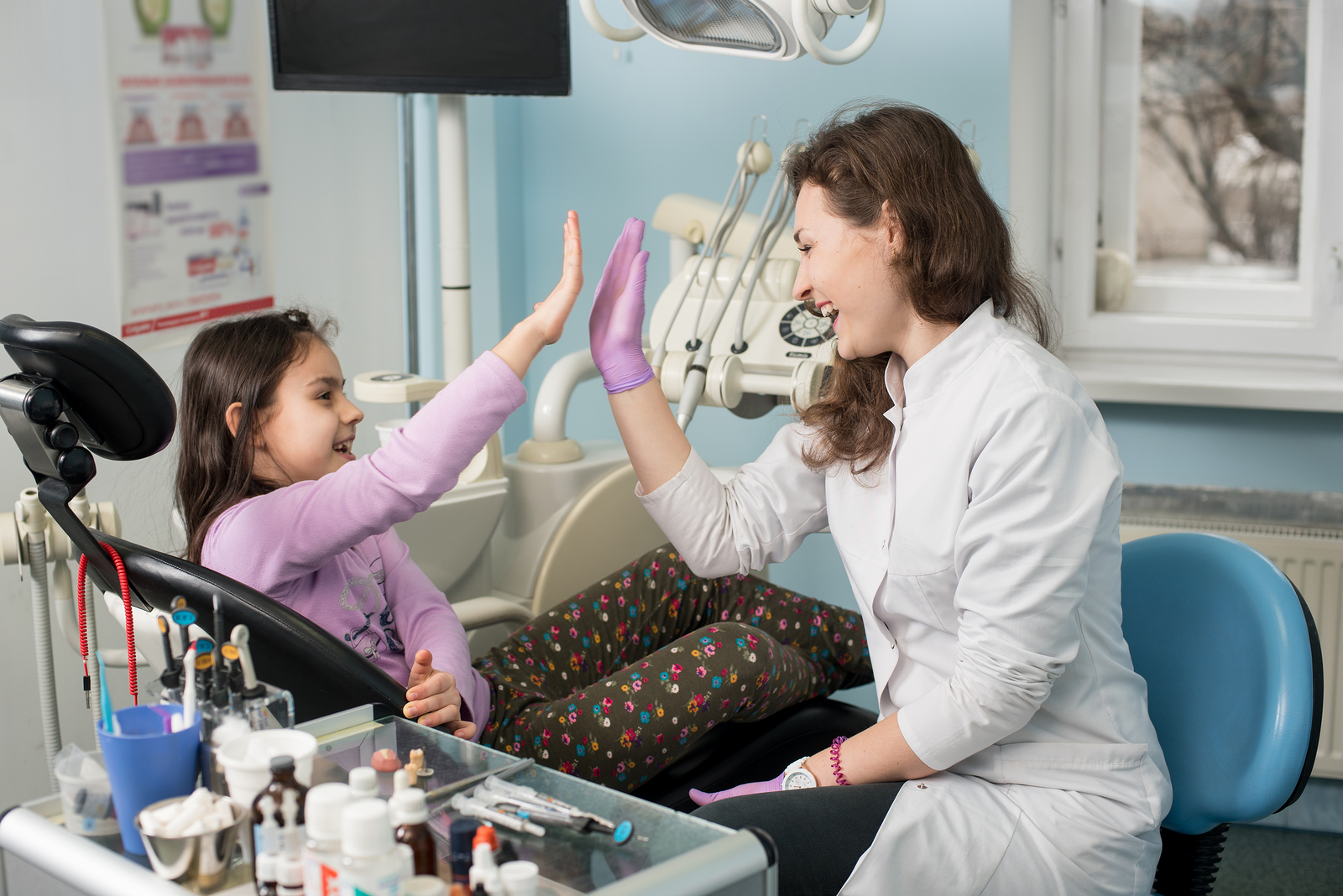
Taking children to the dentist is necessary to keep their teeth healthy and promote excellent oral hygiene habits. But from a child’s point of view, a trip to the dentist can be a frightening event: sitting in a chair in a room filled with unknown elements while a stranger introduces unusual instruments into their mouth. Take a look at the following tips on what you can do for a painless dentist visit.
Tell your child in advance that they have an appointment
Have a conversation with your child days before the visit and explain to them the purpose of the appointment to help reduce fears. Tell them the dentist will look at their mouth and check if their teeth and gums are strong and healthy. Also explain to them the importance of visiting the dentist to keep cavities at bay and ensure a beautiful smile for a lifetime.
Don’t set false expectations
As in all life experiences, you shouldn’t lie to your child with false ideas like, “it won’t hurt” or “nothing happens” because they might reject future appointments if they experience discomfort or something happens during their visit.
Find a practice with a more relaxing ambiance to put your kids at ease
A great way to alleviate tensions associated with dental visits is to take your child to a dental practice that specializes in pediatric dentistry and provides a fun environment, according to Dr. Kami Hoss, co-founder of The Super Dentists. A comfortable waiting room filled with games and activities will make kids feel at ease and keep them distracted from the fact that they are at a dentist office.
Don’t try to convince them with rewards
Don’t promise your child something special in exchange for behaving well in the dentist’s office lest you feed their apprehension. For example, by offering a lollipop in exchange for not crying, your child may think,, “what’s wrong with the dentist and why will I cry? Praise good behavior and attitudes and reward them with healthier incentives or something that motivates dental hygiene. They will feel a sense of accomplishment – and you will too!
Visit a practice that treats adults so you can lead by the example
When children see their parents visiting the dentist as just another part of their routine, they will be more apt to accept it as part of their own. Choose a dental practice that provides dental care for both children and adult patients and schedule your appointments on the same day as your kids’ visits.
Ready to keep your child’s teeth healthy and yours too? With more than 20 years serving the San Diego community, The Super Dentists treats children and parents in a fun and positive environment, where families can feel relaxed and safe, and be confident they are getting the best dental care with state-of-the-art equipment and procedures managed by a friendly group of pediatric dentists. For more information and to schedule an appointment, visit TheSuperDentists.com.
Original Post: https://www.nbcsandiego.com/news/health/5-Ways-to-Make-Your-Childs-Dentist-Visit-a-Good-One-509263271.html
The Super Dentists featured on NBC’s California Live!
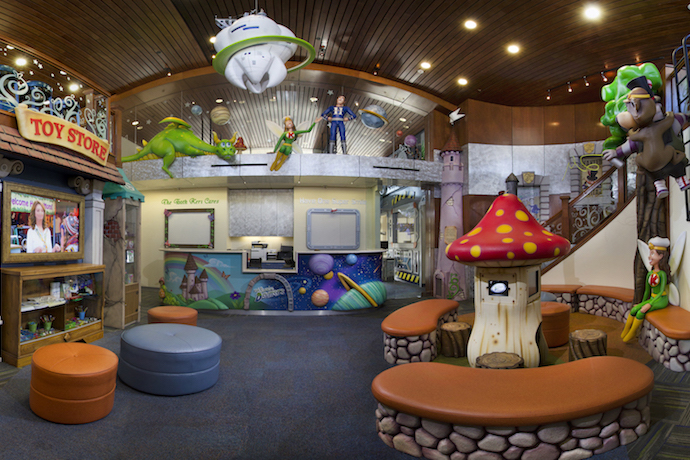
The Super Dentists were featured on NBC’s California Live, May NBC’s Jeff Krapf and his daughter, “Charlie” recently spent a day at our Carmel Valley office filming with The Super Dentists’ co-founder, Dr. Kami Hoss.
Committed to Education and Children
Original article and post can be read/found at: http://92130magazine.com/2019/04/05/dr-kami-hoss-connects-his-work-to-the-community/
Dr. Kami Hoss sets an exemplary model through his dental practice, The Super Dentists. Not only has he redefined the dental experience, Kami contributes widely to the community through his practice, focusing primarily on education and children.
Kami and his business partner and wife, Dr. Nazli Keri, founded The Super Dentists to be a “cure” for common fears of the dental experience. “We decided to reinvent and transform the dental experience by changing everything people hate about the dentist,” Kami explained. “We’ve done this with delivering the highest quality of care in a super fun way.” The Super Dentist experience includes superheroes, supervillains, music (some even written by Kami himself), and augmented reality experiences. “It’s incredibly rewarding and humbling to see kids and parents running into our practices, laughing, playing, taking photos with our characters, and wanting our autographs,” Kami acknowledged.
Dr. Kami Hoss and his team at The Super Dentists take their show on the road by presenting at community programs and speaking engagements and participating in career fairs at local schools. They also host on-site job shadowing opportunities, wellness fairs, and mouth guard fitting clinics. “Each spring, hundreds of children across the county receive free dental care from our pediatric dentists during Free Dental Day,” Kami shared. And for the past 15 years, The Super Dentists has hosted its popular Candy Buy Back program during the week of Halloween, collecting more than 20,000 pounds of candy that is donated to military troops overseas. Finally, Kami is helping spread the word about the importance of oral health and its impact on psychological and physical health in his new book, If Your Mouth Could Talk, which will be released later this year.
In addition to supporting the community’s physical health, Kami also helps young people learn about financial health through his work with Junior Achievement (JA) of San Diego County’s BizTown. In this program, fourth and fifth graders learn about financial literacy in a fun, real-world setting. “The Super Dentists is also part of the Finance Park, another JA project that works with high school kids to help them find what they want to do as a career,” explained Kami.
As an accomplished musician, Kami has made it a point that The Super Dentists support local music initiatives like Classics 4 Kids, a nonprofit organization that aims to inspire children through classical music. Kami understands the inspiration of music first hand. He has played the piano and keyboard since he was a child and started writing music as a teenager. “I honestly think that my creativity around every new initiative we come up with at The Super Dentists is because of my music background,” he shared.
Dr. Kami Hoss and The Super Dentists’ contributions to the community have been highlighted since 2017 when they became a recognized partner of Live Well San Diego. Kami said his practice “is fully committed to its vision of contributing towards a healthy, safe, and thriving community.”
Original article and post can be read/found at: http://92130magazine.com/2019/04/05/dr-kami-hoss-connects-his-work-to-the-community/
New AR App featured on Good Morning San Diego!
First-Ever Dental Augmented Reality App Launched
Original Article on: https://bitemagazine.com.au/first-ever-dental-augmented-reality-app-launched/
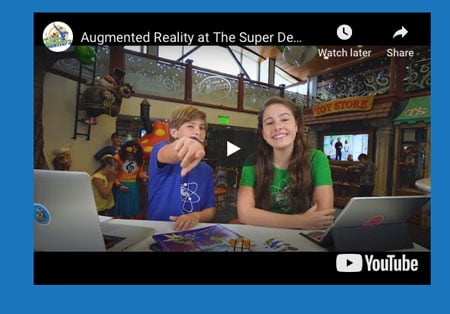
A US-based dental clinic has launched augmented reality, in order to make going to the dentist a fun experience for kids and families.
The Super Dentists is one of the first dental office in San Diego, Southern California and maybe even the US to use AR to teach its patients about taking care of their teeth.
In Australia, AR in this context is still being trialled.
Augmented reality is an interactive experience of a real-world environment where the objects that reside in the real-world are ‘augmented’ by computer-generated images, sometimes across multiple senses, including sight, sound and touch.
Many predict AR is poised to become a major factor in a lot more than games and social media filters in the near future.
“The average attention span is now down to eight seconds, which is just one reason The Super Dentists is educating kids about dental health in an exciting, engaging way by using AR,” Dr Kami Hoss of The Super Dentists said. “My 6-year-old son always learns better when he’s entertained. Kids retain information when learning is enjoyable and memorable and that’s what AR does.”
To engage with the AR app, a patient (child or parent) downloads The Super Dentists’ Vivarra Dental app from the App Store or Google Play, then scans large colourful floor targets with the app in the offices, or they can even try AR at home by scanning a sample target.
The practice’s popular characters—Dr Have on Super Smile, the Tooth Keri, Cavitar, Molar and MeloD—pop out of the target in 3D to answer some of the doctors’ (and offices’) most commonly asked questions in a memorable way.
“The app launched a few weeks ago, and has already been downloaded thousands of times, because it’s fun and interactive,” Dr Hoss said. “Kids can take their picture with the characters to become part of the experience, then share photos, and videos, with their parents and friends via text or on social media.”
Yahoo Finance: The Super Dentists Launch First-Ever Dental Augmented Reality App
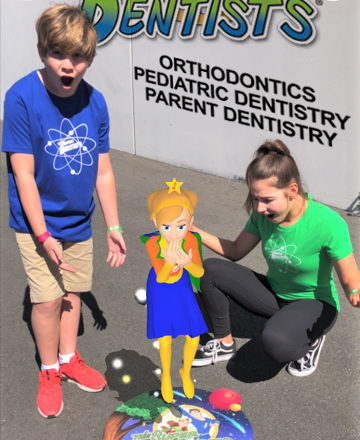
Post from: finance.yahoo.com
SAN DIEGO, CA-Dr. Kami Hoss of The Super Dentists launches Augmented Reality (AR), the latest way the practice makes going to the dentist a fun experience for kids and families.
More than 40 million Americans are expected to use an AR product at least once per month over the next year, up 30% from the year before, according to the Information Systems Audit and Control Association. The Super Dentists is the first dental office in San Diego, Southern California and maybe even the United States to use AR to teach its patients about taking care of their teeth.
Augmented reality (AR) is an interactive experience of a real-world environment where the objects that reside in the real-world are “augmented” by computer-generated images, sometimes across multiple senses, including sight, sound and touch.
AR is poised to become a major factor in a lot more than games and social media filters in the near future, according to trends analyzed in PC Magazine. AR has become increasingly important to companies like Apple, where the company has long been working on AR glasses that are expected to arrive in 2020, according to an article by the Cult of Mac.
“The average attention span is now down to eight seconds, which is just one reason The Super Dentists is educating kids about dental health in an exciting, engaging way by using AR,” said Dr. Hoss. “My 6-year-old son always learns better when he’s entertained. Kids retain information when learning is enjoyable and memorable and that’s what AR does.”
To engage with the AR app, a patient (child or parent) downloads The Super Dentists’ Vivarra Dental app from the App Store or Google Play, then scans large colorful floor targets with the app in the offices, or they can even try AR at home by scanning a sample target.
The practice’s popular characters – Dr. Have on Super Smile, the Tooth Keri, Cavitar, Molar and MeloD – pop out of the target in 3D to answer some of the doctors’ (and offices’) most commonly asked questions in a memorable way.
“The app launched a few weeks ago, and has already been downloaded thousands of times, because it’s fun and interactive,” Dr. Hoss said. “Kids can take their picture with the characters to become part of the experience, then share photos, and videos, with their parents and friends via text or on social media.”
The 12 AR experiences, each one to two minutes in length, cover the following topics:
- The Super Dentists Story
- Super Kids Club
- Community Involvement
- Beautiful Smile
- How to Brush
- Sealants, Fluoride & Impressions
- All About Cavities
- The Top 10 Reasons to Visit
- Your First Visit
- Teen and Adult Dentistry
- The Story of Cavitar
- Acceledontics/Teeth Whitening
The Super Dentists will also launch its own line of toothbrushes this summer. Each toothbrush will come with a magical sticker that goes on the bathroom mirror at home and brings the Tooth Keri character to life to teach kids how to brush their teeth. There will be four different character-inspired brushes, as well as a collectors’ set.
Dr. Kami Hoss brings decades of experience working in the dental space and has treated more than 10,000 patients. He has served as faculty with the Howard Healthcare Academy and University of Southern California’s postgraduate orthodontic program. He is a member of the American Association of Orthodontists, American Dental Association, California Dental Association, and San Diego Dental Society. With this extensive background, he has served countless clients and developed a reputation for making dental care accessible and welcoming for families.
For more information, visit https://www.thesuperdentists.com/AR, or call (855) GO-SUPER (855-467-8737).
The Super Dentists is San Diego’s largest, most trusted and top awarded Pediatric Dentistry, Orthodontics and Teen and Adult Dentistry practice
– one in every five kids in San Diego is a Super Kid! They create the most unique and out-of-this-world dental experience for children and their parents. They’re the only office in the world where kids ask (many times, beg) their parents to take them to the dentist; imagine that! Highly trained and skilled, The Super Dentists take advantage of the latest in preventative and restorative treatments, and are Clear Aligners and AccelaDent accelerated orthodontics specialists. They accept most insurance, including Medi-Cal, and they offer extended weekday hours, some weekend hours and 24/7 service for emergencies. With locations throughout San Diego (Kearny Mesa, Carmel Valley, Chula Vista, East Lake and Oceanside, with Escondido coming soon), and growing, the practice gives back to its communities whenever possible, including an in-classroom dental education program – currently in 500 schools, reaching more than 30,000 kids – hosting free quarterly events, and providing complimentary dental care to those in need. For an appointment, book online at TheSuperDentists.com, call (760), (858) or (619) DENTIST (336-8478) or text: 1 (844) 765-1234. And for more information, please visit www.TheSuperDentists.com.
This Post was originally mentioned On: https://finance.yahoo.com/news/dr-kami-hoss-super-dentists-120000521.html
Associated Press: The Super Dentists Launch First-Ever Dental Augmented Reality App
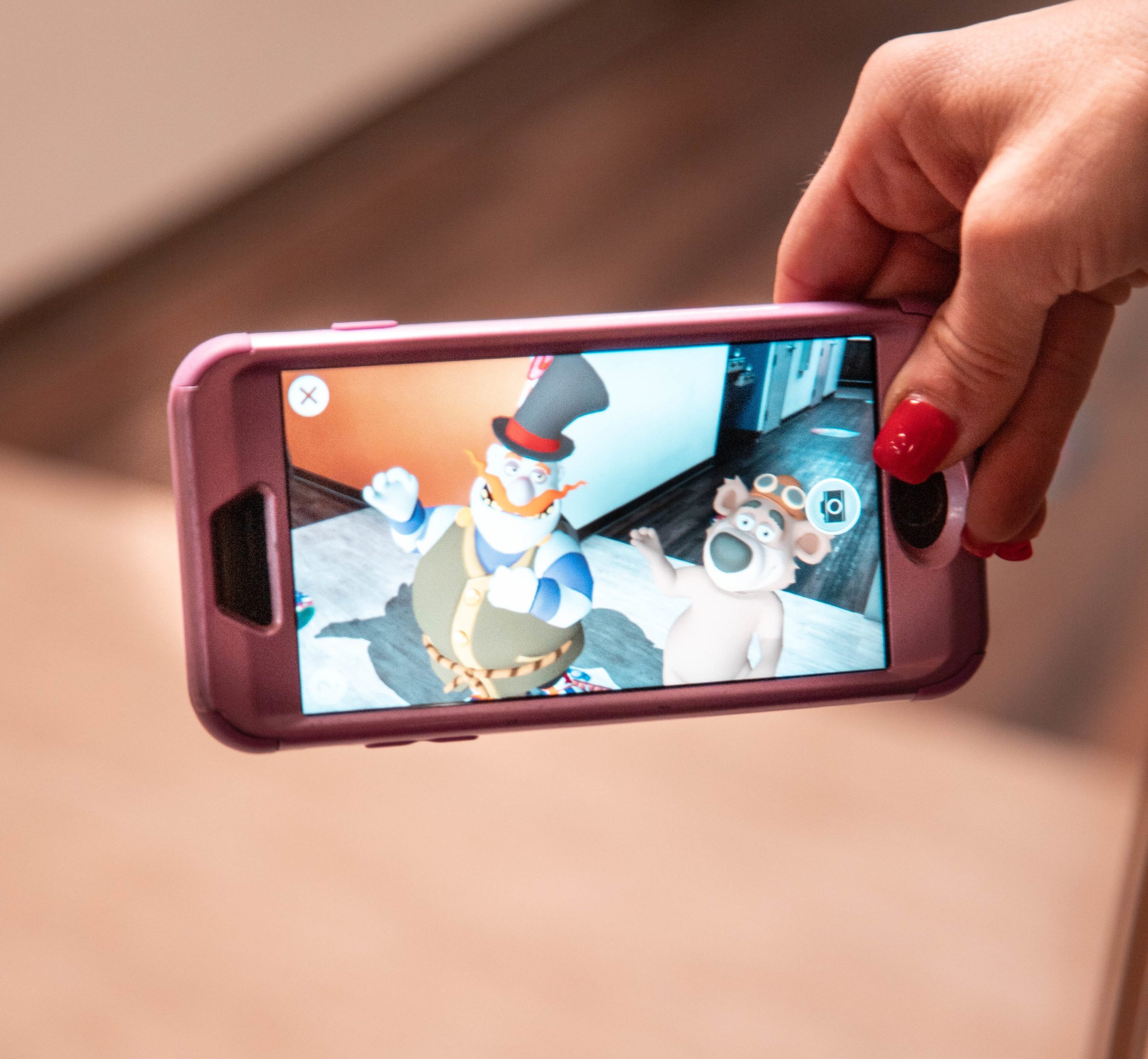
Post from: www.apnews.com
SAN DIEGO, CA-Dr. Kami Hoss of The Super Dentists launches Augmented Reality (AR), the latest way the practice makes going to the dentist a fun experience for kids and families.
More than 40 million Americans are expected to use an AR product at least once per month over the next year, up 30% from the year before, according to the Information Systems Audit and Control Association. The Super Dentists is the first dental office in San Diego, Southern California and maybe even the United States to use AR to teach its patients about taking care of their teeth.
Augmented reality (AR) is an interactive experience of a real-world environment where the objects that reside in the real-world are “augmented” by computer-generated images, sometimes across multiple senses, including sight, sound and touch.
AR is poised to become a major factor in a lot more than games and social media filters in the near future, according to trends analyzed in PC Magazine. AR has become increasingly important to companies like Apple, where the company has long been working on AR glasses that are expected to arrive in 2020, according to an article by the Cult of Mac.
“The average attention span is now down to eight seconds, which is just one reason The Super Dentists is educating kids about dental health in an exciting, engaging way by using AR,” said Dr. Hoss. “My 6-year-old son always learns better when he’s entertained. Kids retain information when learning is enjoyable and memorable and that’s what AR does.”
To engage with the AR app, a patient (child or parent) downloads The Super Dentists’ Vivarra Dental app from the App Store or Google Play, then scans large colorful floor targets with the app in the offices, or they can even try AR at home by scanning a sample target.
The practice’s popular characters – Dr. Have on Super Smile, the Tooth Keri, Cavitar, Molar and MeloD – pop out of the target in 3D to answer some of the doctors’ (and offices’) most commonly asked questions in a memorable way.
“The app launched a few weeks ago, and has already been downloaded thousands of times, because it’s fun and interactive,” Dr. Hoss said. “Kids can take their picture with the characters to become part of the experience, then share photos, and videos, with their parents and friends via text or on social media.”
The 12 AR experiences, each one to two minutes in length, cover the following topics:
- The Super Dentists Story
- Super Kids Club
- Community Involvement
- Beautiful Smile
- How to Brush
- Sealants, Fluoride & Impressions
- All About Cavities
- The Top 10 Reasons to Visit
- Your First Visit
- Teen and Adult Dentistry
- The Story of Cavitar
- Acceledontics/Teeth Whitening
The Super Dentists will also launch its own line of toothbrushes this summer. Each toothbrush will come with a magical sticker that goes on the bathroom mirror at home and brings the Tooth Keri character to life to teach kids how to brush their teeth. There will be four different character-inspired brushes, as well as a collectors’ set.
Dr. Kami Hoss brings decades of experience working in the dental space and has treated more than 10,000 patients. He has served as faculty with the Howard Healthcare Academy and University of Southern California’s postgraduate orthodontic program. He is a member of the American Association of Orthodontists, American Dental Association, California Dental Association, and San Diego Dental Society. With this extensive background, he has served countless clients and developed a reputation for making dental care accessible and welcoming for families.
For more information, visit https://www.thesuperdentists.com/AR, or call (855) GO-SUPER (855-467-8737).
The Super Dentists is San Diego’s largest, most trusted and top awarded Pediatric Dentistry, Orthodontics and Teen and Adult Dentistry practice
– one in every five kids in San Diego is a Super Kid! They create the most unique and out-of-this-world dental experience for children and their parents. They’re the only office in the world where kids ask (many times, beg) their parents to take them to the dentist; imagine that! Highly trained and skilled, The Super Dentists take advantage of the latest in preventative and restorative treatments, and are Clear Aligners and AccelaDent accelerated orthodontics specialists. They accept most insurance, including Medi-Cal, and they offer extended weekday hours, some weekend hours and 24/7 service for emergencies. With locations throughout San Diego (Kearny Mesa, Carmel Valley, Chula Vista, East Lake and Oceanside, with Escondido coming soon), and growing, the practice gives back to its communities whenever possible, including an in-classroom dental education program – currently in 500 schools, reaching more than 30,000 kids – hosting free quarterly events, and providing complimentary dental care to those in need. For an appointment, book online at TheSuperDentists.com, call (760), (858) or (619) DENTIST (336-8478) or text: 1 (844) 765-1234. And for more information, please visit www.TheSuperDentists.com.
This Post was originally mentioned On: https://www.apnews.com/Business%20Wire/0d24e138557c40798b6068422f52293f
The Super Dentists Launch First-Ever Dental Augmented Reality App
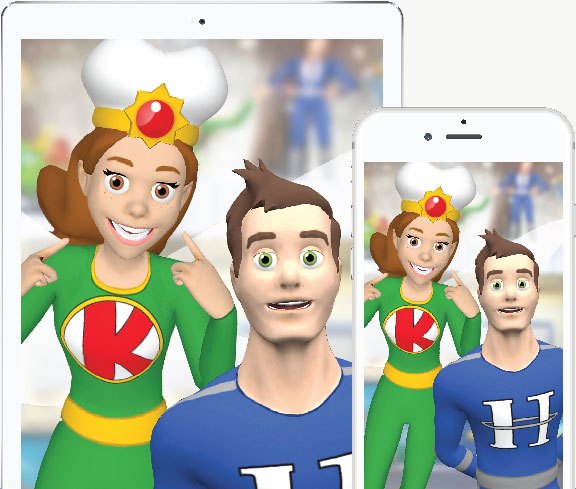
Dr. Kami Hoss & super crew use AR experiences to make dental health interactive & fun for kids
San Diego, Calif. (April 4, 2019) – Dr. Kami Hoss of The Super Dentists launches Augmented Reality (AR), the latest way the practice makes going to the dentist a fun experience for kids and families. More than 40 million Americans are expected to use an AR product at least once per month over the next year, up 30% from the year before, according to the Information Systems Audit and Control Association. The Super Dentists is the first dental office in San Diego, Southern California and maybe even the United States to use AR to teach its patients about taking care of their teeth.
Augmented reality (AR) is an interactive experience of a real-world environment where the objects that reside in the real-world are “augmented” by computer-generated images, sometimes across multiple senses, including sight, sound and touch.
AR is poised to become a major factor in a lot more than games and social media filters in the near future, according to trends analyzed in PC Magazine. AR has become increasingly important to companies like Apple, where the company has long been working on AR glasses that are expected to arrive in 2020, according to an article by the Cult of Mac.
“The average attention span is now down to eight seconds, which is just one reason The Super Dentists is educating kids about dental health in an exciting, engaging way, by using AR to bring our super hero characters to life,” said Dr. Hoss. “My 6-year-old son always learns better when he’s entertained. Kids retain information better when learning is enjoyable and memorable and that’s what AR does.”
To engage with the AR app, a patient (child or parent) downloads The Super Dentists’ Vivarra Dental app from the App Store or Google Play, then scans large colorful floor targets with the app in the offices, or can even try AR at home by scanning a sample target.
The practice’s popular characters – Dr. Have on Super Smile, the Tooth Keri, Cavitar, Molar and MeloD – come to life and answer some of the doctors’ (and offices’) most commonly-asked questions in a memorable way.
“The app just launched a few weeks ago, and it’s already been downloaded thousands of times, because it’s fun and interactive,” Dr. Hoss said. “Kids can have their picture taken with the characters to become part of the experience, then share the photos, and in some cases, even video, with their parents and friends via text or on social media.
The 12 AR experiences, each one to two minutes in length, cover the following topics:
- The Super Dentists Story
- Super Kids Club
- Community Involvement
- Beautiful Smile
- How to Brush
- Sealants, Fluoride & Impressions
- All About Cavities
- The Top 10 Reasons to Visit
- Your First Visit
- Teen and Adult Dentistry
- The Story of Cavitar
- Acceledontics/Teeth Whitening
The Super Dentists will also launch its own line of toothbrushes this summer. Each toothbrush will come with a magical sticker that goes on the bathroom mirror at home and brings the Tooth Keri character to life to teach kids how to brush their teeth. There will be four different character-inspired brushes, as well as a collectors’ set.
Dr. Kami Hoss brings decades of experience working in the dental space and has treated more than 10,000 patients. He has served as faculty with the Howard Healthcare Academy and University of Southern California’s postgraduate orthodontic program. He is a member of the American Association of Orthodontists, American Dental Association, California Dental Association, and San Diego Dental Society. With this extensive background, he has served countless clients and developed a reputation for making dental care accessible and welcoming for families.
For more information, visit https://www.thesuperdentists.com/AR, or call (855) GO-SUPER (855-467-8737).
The Super Dentists is San Diego’s largest, most trusted and top awarded Pediatric Dentistry, Orthodontics and Teen and Adult Dentistry practice – one in every five kids in San Diego is a Super Kid! They create the most unique and out-of-this-world dental experience for children and their parents. They’re the only office in the world where kids ask (many times, beg) their parents to take them to the dentist; imagine that! Highly trained and skilled, The Super Dentists take advantage of the latest in preventative and restorative treatments, and are Clear Aligners and AccelaDent accelerated orthodontics specialists. They accept most insurance, including Medi-Cal, and they offer extended weekday hours, some weekend hours and 24/7 service for emergencies. With locations throughout San Diego (Kearny Mesa, Carmel Valley, Chula Vista, East Lake and Oceanside, with Escondido coming soon), and growing, the practice gives back to its communities whenever possible, including an in-classroom dental education program – currently in 500 schools, reaching more than 30,000 kids – hosting free quarterly events, and providing complimentary dental care to those in need. For an appointment, book online at TheSuperDentists.com, call (760), (858) or (619) DENTIST (336-8478) or text: 1 (844) 765-1234. And for more information, please visit www.TheSuperDentists.com.
Business Wire: The Super Dentists Launch First-Ever Dental Augmented Reality App
Post from: www.businesswire.com
SAN DIEGO, CA-Dr. Kami Hoss of The Super Dentists launches Augmented Reality (AR), the latest way the practice makes going to the dentist a fun experience for kids and families.
More than 40 million Americans are expected to use an AR product at least once per month over the next year, up 30% from the year before, according to the Information Systems Audit and Control Association. The Super Dentists is the first dental office in San Diego, Southern California and maybe even the United States to use AR to teach its patients about taking care of their teeth.
Augmented reality (AR) is an interactive experience of a real-world environment where the objects that reside in the real-world are “augmented” by computer-generated images, sometimes across multiple senses, including sight, sound and touch.
AR is poised to become a major factor in a lot more than games and social media filters in the near future, according to trends analyzed in PC Magazine. AR has become increasingly important to companies like Apple, where the company has long been working on AR glasses that are expected to arrive in 2020, according to an article by the Cult of Mac.
“The average attention span is now down to eight seconds, which is just one reason The Super Dentists is educating kids about dental health in an exciting, engaging way by using AR,” said Dr. Hoss. “My 6-year-old son always learns better when he’s entertained. Kids retain information when learning is enjoyable and memorable and that’s what AR does.”
To engage with the AR app, a patient (child or parent) downloads The Super Dentists’ Vivarra Dental app from the App Store or Google Play, then scans large colorful floor targets with the app in the offices, or they can even try AR at home by scanning a sample target.
The practice’s popular characters – Dr. Have on Super Smile, the Tooth Keri, Cavitar, Molar and MeloD – pop out of the target in 3D to answer some of the doctors’ (and offices’) most commonly asked questions in a memorable way.
“The app launched a few weeks ago, and has already been downloaded thousands of times, because it’s fun and interactive,” Dr. Hoss said. “Kids can take their picture with the characters to become part of the experience, then share photos, and videos, with their parents and friends via text or on social media.”
The 12 AR experiences, each one to two minutes in length, cover the following topics:
- The Super Dentists Story
- Super Kids Club
- Community Involvement
- Beautiful Smile
- How to Brush
- Sealants, Fluoride & Impressions
- All About Cavities
- The Top 10 Reasons to Visit
- Your First Visit
- Teen and Adult Dentistry
- The Story of Cavitar
- Acceledontics/Teeth Whitening
The Super Dentists will also launch its own line of toothbrushes this summer. Each toothbrush will come with a magical sticker that goes on the bathroom mirror at home and brings the Tooth Keri character to life to teach kids how to brush their teeth. There will be four different character-inspired brushes, as well as a collectors’ set.
Dr. Kami Hoss brings decades of experience working in the dental space and has treated more than 10,000 patients. He has served as faculty with the Howard Healthcare Academy and University of Southern California’s postgraduate orthodontic program. He is a member of the American Association of Orthodontists, American Dental Association, California Dental Association, and San Diego Dental Society. With this extensive background, he has served countless clients and developed a reputation for making dental care accessible and welcoming for families.
For more information, visit https://www.thesuperdentists.com/AR, or call (855) GO-SUPER (855-467-8737).
The Super Dentists is San Diego’s largest, most trusted and top awarded Pediatric Dentistry, Orthodontics and Teen and Adult Dentistry practice
– one in every five kids in San Diego is a Super Kid! They create the most unique and out-of-this-world dental experience for children and their parents. They’re the only office in the world where kids ask (many times, beg) their parents to take them to the dentist; imagine that! Highly trained and skilled, The Super Dentists take advantage of the latest in preventative and restorative treatments, and are Clear Aligners and AccelaDent accelerated orthodontics specialists. They accept most insurance, including Medi-Cal, and they offer extended weekday hours, some weekend hours and 24/7 service for emergencies. With locations throughout San Diego (Kearny Mesa, Carmel Valley, Chula Vista, East Lake and Oceanside, with Escondido coming soon), and growing, the practice gives back to its communities whenever possible, including an in-classroom dental education program – currently in 500 schools, reaching more than 30,000 kids – hosting free quarterly events, and providing complimentary dental care to those in need. For an appointment, book online at TheSuperDentists.com, call (760), (858) or (619) DENTIST (336-8478) or text: 1 (844) 765-1234. And for more information, please visit www.TheSuperDentists.com.
This Post was originally mentioned On: https://www.businesswire.com/news/home/20190408005170/en/Dr.-Kami-Hoss-Super-Dentists-Launches-First-Ever.
First Trip to the Dentist, The Super Dentists
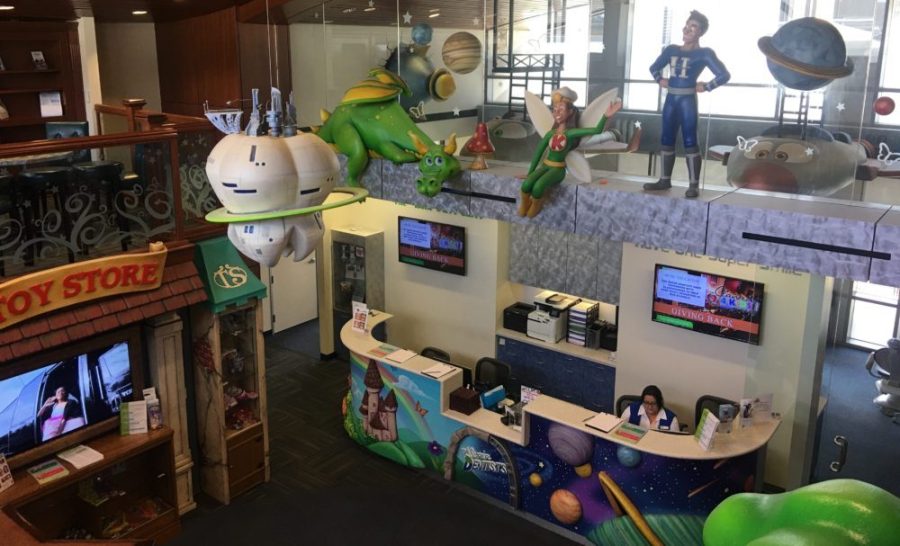
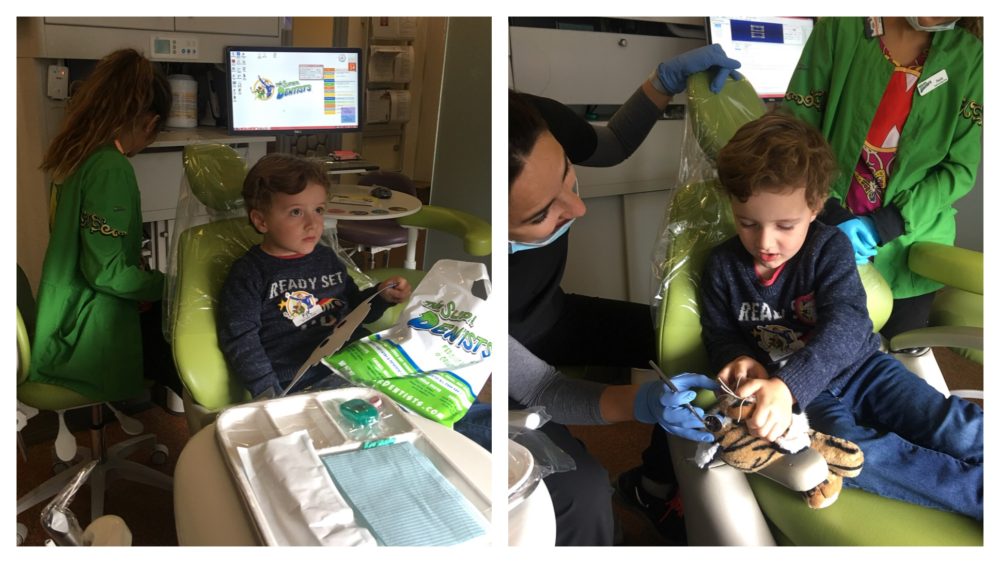
The are so many “firsts” as a new parent. Some are welcomed and exciting and others can be daunting.
Taking your toddler to his first dental visit can often fall in the latter category. You may have questions and concerns about when to take your child to the dentist and what can be expected for a solid prevention plan and proper hygiene. That being said, if you are like most American households, then your child didn’t see a dentist until they were well over 2 years old, far later than is recommended by the American Academy of Pediatric Dentistry (AAPD). The AAPD recommends, “in order to prevent dental problems, your child should see a pediatric dentist when the first tooth appears, or no later than his/her first birthday.”
In a survey on children’s oral health, conducted by Morpace, Inc., on behalf of Delta Dental Plans Association, it revealed the average age for a toddler’s first trip to the dentist was 2.6 years old. Among children who have never visited the dentist or who have not seen a dentist in the last 12 months, the most frequently mentioned reason (62%) was that “the child is too young” or “doesn’t have enough teeth yet.”
We definitely fell in this category as we brush regularly and haven’t had any issues however we know it is important to start regular dental check-ups and just wanted to make sure our son felt comfortable and was aware of what was going on. We knew we wanted a pediatric dentist and the environment needed to be fun and inviting without compromising on actual dental care.
This led us to The Super Dentists — a company that has been a leader in kid’s dental care for the past 20 years and now has six locations in San Diego.
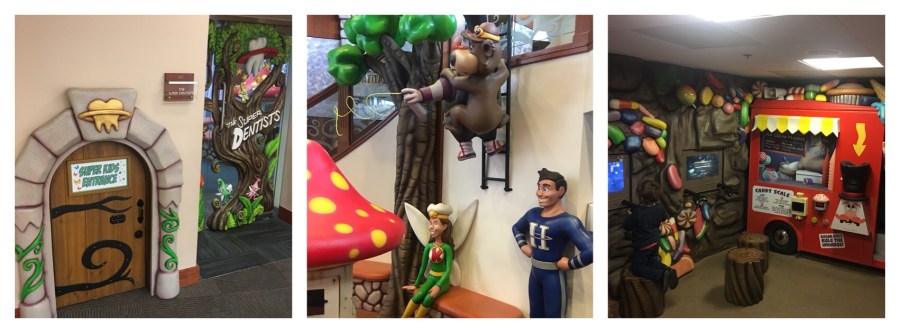
I really liked the story behind the business and the story created of super dental heroes. There is a whole cast of characters ranging from Cavitar to Molar bear and the dentists and hygienists reinforce the theme. Husband and wife founders, The Tooth Keri (Dr. Nazli Keri) and Dr. HaveOneSuperSmile (Dr. Kami Hoss) gathered this super crew of pediatric dentists and orthodontists to fight cavities and crooked teeth.
My son immediately took to the creative atmosphere from the moment you enter the office complete with life-size characters, a video game section, and friendly staff. I kept encouraging him that this was fun and needed while reminding him of the steps that were going to take place so that he had an idea of what was coming up.
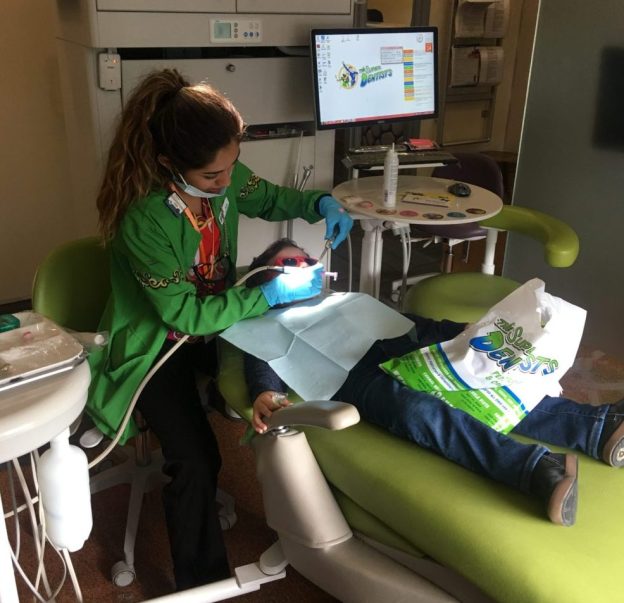
I was very impressed with the patience of the entire staff from receptionist to hygienist to doctor. They were great with verbally walking my son through the steps that were about to take place and then going at a speed that he was okay with.
I was genuinely impressed when they got him to actually put the glasses on, lay back and engage in the full cleaning of his teeth. The dentist had a stuffed tiger with a full set of teeth and used her mirror to show my son what she was looking at and doing with his teeth in his mouth. He was a little apprehensive about the X-Ray portion but with some explaining he finally conceded and we were successful in getting all the needed pictures of his teeth which helped us learn that we are cavity free!
We got to leave the office with a prize — you earn points during the visit and those can accumulate over several visits or you can spend at once in their prize closet on items ranging in point totals — and a bag full of goodies ranging from the standard toothbrush and floss, to a DVD of all the characters for us to watch at home to keep up the excitement for future visits. Another great benefit is that they accept our insurance plan as well.
We would highly recommend The Super Dentists if you are in the San Diego area, and if you aren’t then to find a pediatric dentist in your area that values great care as much as the overall experience for toddlers.

Original Article Posted On: http://familyentourage.com/first-trip-to-the-dentist/
KUSI News: How To Get Your Kids To Brush Their Teeth
Original Post found: https://www.kusi.com/february-is-national-childrens-dental-health-month-2/
SAN DIEGO (KUSI) – February is National Children’s Dental Health Month and each year the American Dental Association (ADA) sponsors National Children’s Dental Health Month to raise awareness about the importance of oral health.
Dr. Kami Hoss from The Super Dentists visited Good Morning San Diego to discuss some challenges parents might have with their children’s dental health.
View the video by following the link to the original post: https://www.kusi.com/february-is-national-childrens-dental-health-month-2/
NBC San Diego: Local Academy Students Affected By Closure Of Brightwood College
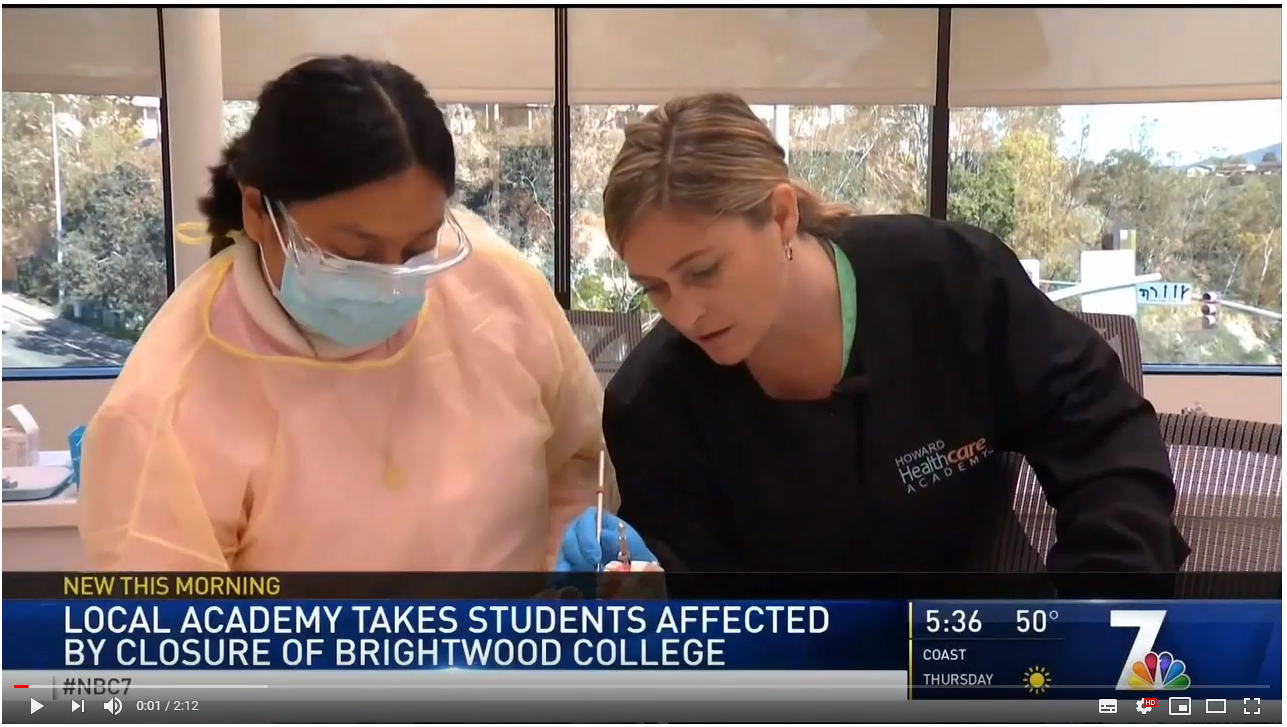
Howard HealthCare Academy Assists Brightwood College Students Stranded by Sudden Closing of Trade School
Dr. Kami Hoss helps dental assistant students impacted by the college closing
San Diego, Calif. (Dec. 21, 2018) – Howard HealthCare Academy is offering assistance to those students impacted by Brightwood College’s sudden closing this morning. Students can call (619) ACADEMY for assistance.
Education Corporation of America owns more than 75 campuses and enrolls at least 20,000 students across the country in mostly certificate-granting professional disciplines, such as dental assistant programs. It operates chains including Brightwood College in San Diego.
The Howard HealthCare Academy program director and team are standing by to help students navigate their options, including offering discounts and scholarship opportunities to stranded students.
Dr. Kami Hoss, founder of San Diego-based The Super Dentists, launched Howard HealthCare Academy in March 2018; a state-of-the-art Dental Board of California approved dental school, which also offers continuing education classes as well.
A leader in pediatric dentistry and orthodontics for more than 21 years, Dr. Kami Hoss, founder of The Super Dentists, found a need for highly trained dental assistants, and the demand became more apparent as the company grew. Dr. Kami Hoss and his team explored the reasons why, found gaps, and the result was to reinvent and transform the dental educational experience.
Howard Academy location is located at 9737 Aero Drive in the Sierra Mesa area of San Diego (92123). For more information, call (619) ACADEMY, visit www.howardacademy.com, or email info@howardacademy.com.
Howard Healthcare Academy is approved to offer stand-alone courses as a Continuing Education (CEU) provider by the Dental Board of California.
Brightwood College Closing, Super Dentists Step In
SAN DIEGO (KGTV) — Brightwood College Wednesday announced the abrupt closure of all nationwide locations due to accreditation and financial turmoil.
A letter sent to students dated Dec. 5 blames requirements implemented by the Department of Education as well as trouble with investors.
In the letter, students were told to contact their dean or program directors for specific closure dates. The notice also sites suspension of accreditation by the Accrediting Council for Independent Colleges and Schools.
“Everyone was in tears today. It’s heartbreaking,” said Ria, who was among dozens of students sharing their feelings in the parking lot outside the college in Kearny Mesa.
Students say it was about 8:30 a.m. when their instructors informed them Brightwood College locations were shutting down.
“Apparently they filed for bankruptcy,” said student Kiesha. “And there’s nothing we can do even though we haven’t started the term yet.”
Dismay turned to anger as many students worry their tuition is now lost.
“I can show it to you if you want,” said Brandon digging into this backpack for a tuition receipt. He says his payment was accepted by Brightwood Wednesday morning, likely just minutes before the closure announcement. “This is my payment that was posted. You see it’s Dec. 5 here. And the amount that was sent in is $8,397.”
Students were promised credit for all courses completed and passed by the closure date.
Stu Reed, CEO of Brightwood’s parent company Education Corporation of America, issued a statement to students expressing regret and blaming the closure on added requirements by the Department of Education, making the operation of the schools more challenging and discouraging investors.
Along with uncertainty for students, the closure was also a blow to staff and proprietors like Marc Taylor, who ran a deli at the Kearny Mesa college location.
“We heard some stuff. Some rumors and stuff,” said Taylor. “But we were told that everything was going to be okay. And then, obviously, everything’s not okay.”
An instructor at Brightwood who wanted to remain anonymous said students with government loans for their tuition would be able to apply for loan forgiveness given the school’s closure. But he admitted it would probably be a tougher situation for those with private loans.
He also said Brightwood was already working with other vocational colleges to try and help their students transfer and continue their education.
Howard Healthcare Academy is also offering assistance. Students can call 619-ACADEMY to learn more.
Brightwood has locations in San Diego, Chula Vista, and Vista. The for-profit college offered job-specific training in a number of fields.
Super Dentists Looking for Super Parents!

I am so excited to tell you that The Super Dentists are now accepting adult patients! That includes cosmetic dentistry, braces and Clear Aligners, teeth whitening, veneers, cleanings, sedation dentistry and more.
 I went in for my own appointment to see if the standard of care my children are already receiving at The Super Dentists is being extended to their moms and dads. I was pretty amazed at what I found out!
Cleaning and Whitening at The Super Dentists
I was scheduled (on Halloween, as it turns out) for a regular cleaning and teeth whitening at The Super Dentists Eastlake location. This is extremely convenient for me–it’s literally around the corner from our house. Although this time the appointment was mine, I brought along my 4-year-old son. One of the primary advantages offered by The Super Dentists for teen and adult dentistry is that your child will be cared for during your appointment. Wow!
The clean and tidy appointment room. Check out the diffuser!
Within minutes, my son was playing a video game with Melody (the helpful Super Dentists mascot in full costume) by his side. He was given a smartwatch that connected to a phone I took into the room with me, and he called me several times to check in and let me know he was OK.
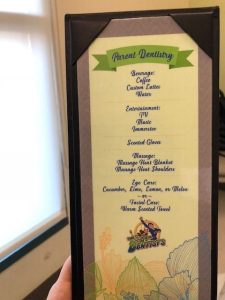 In the meantime, I was being presented with this: A menu of FREE amenities to enjoy during my visit! Here is what was listed:
- Your choice of beverage:
- Coffee
- Custom Latte
- Water
- Entertainment:
- TV
- Music
- Scented Gloves
- Massage:
- Massage heat blanket
- Massage heat shoulders
- Eye Care:
- Cucumber, lime, lemon, or melon
- or
- Facial Care:
- Warm scented towel
I opted for the shoulder massage, a vibrating blanket that is placed across your back and around your upper arms. Heavenly. I switched the TV to Property Brothers, and I was ready for my cleaning and whitening session with this amazing team.
Carlo, my hygienist (and, as it turns out, my neighbor!)
Carlo, my hygienist, came in dressed as a very funky Bruno Mars. He introduced me to their featured line of whitening teeth products, Opalescence. I’d be leaving with one of their sets of trays on my teeth after my cleaning was done.
The cleaning was easy breezy, and I was rinsed and ready to depart in under half an hour. One of the ladies at the front desk was kind enough to pop her head in (twice!) and let me know that my son was doing great.
I couldn’t believe how simple the whitening task was! Carlo explained that the Opalescence brand is good for sensitive teeth (like mine,) and a custom fit happens within seconds. I was then instructed to wear the trays out the door and keep them on for half an hour. Did they work? You be the judge!
Altogether, it was lovely to be able to take an appointment at the same place my children already have their teeth checked and cleaned every 6 months. If you would like to read more about children’s dental care and how The Super Dentists work to keep kids healthy, read my previous post here.
What to do with leftover Halloween candy in San Diego, The Super Dentists
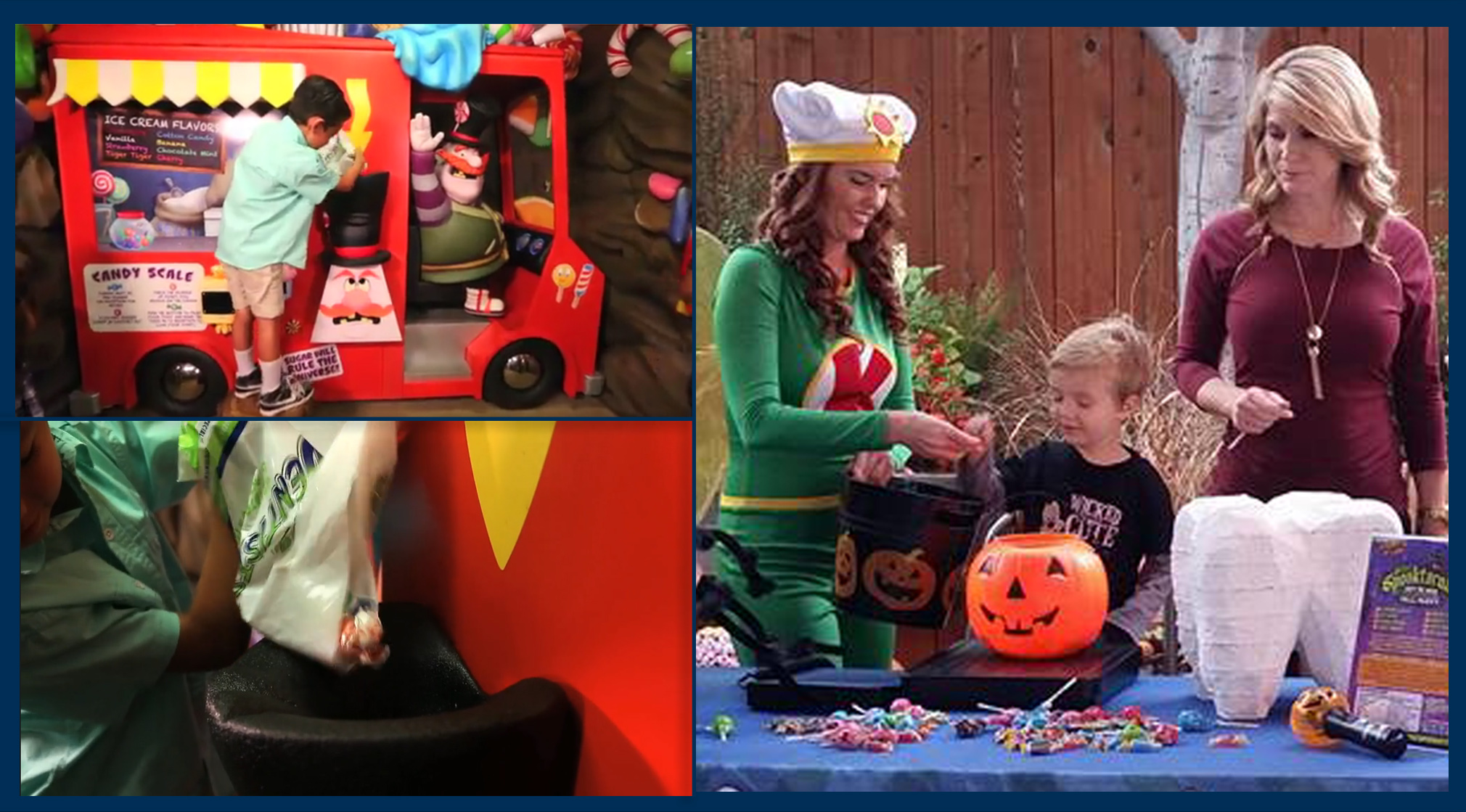
SAN DIEGO (NEWS 8) — If you’re like us, you probably bought too much candy for Halloween. Better to be over-prepared than under-prepared for all the adorable witches and super heroes who likely rang your doorbell Wednesday.
Or maybe your own little costumed creatures brought home a surplus of sweets.
So, what do you do with the candy now?
If you would like to remove the temptation from your cupboard there are some great charitable ways you can unload the sweets here in San Diego.
Check out the programs listed below which are collecting leftover Halloween candy. You can plug your zip code into many of their searches to find the drop-off location nearest to you.
Any Soldier: This program allows donors to choose which branch of the military to donate to and provides instructions on how to package and ship the goodies overseas.
Halloween Candy Buyback: Buybacks are held at local dental offices and other businesses who will take the excess candy and give out various treats including toothbrushes, cash, sugar-free products and more. Their website includes a zip code search to find participating locations.
The Helen Woodward Animal Center: The center will offer adoption fee discounts when children 12 years old or younger exchange the Halloween candy for an orphan pet. Kids will receive 10 dollars off adoption fees for every 50 pieces of candy they trade in with a maximum of 400 pieces and $80 off for dogs and 250 pieces and $50 off for cats. Collected candy will be donated to home-bound elderly residents as part of the animal center’s program that helps feed the pets of people with limited mobility.
Operation Gratitude: Local businesses sign up to serve as collection spots for excess candy which is then distributed to veterans, deployed troops and first-responders. Their website includes a map to find participating locations.
Ronald McDonald House Charities: The nonprofit which serves the families of sick or injured children, is accepting candy donations so they can treat the people they take care of to sweet treats.
Soldiers’ Angels Treats for Troops: Local businesses – including many dental offices – accept excess candy in exchange for goodies. The candy is then distributed to soldiers overseas and in the U.S. along with veterans. Their website includes a zip code search to find participating locations.
The Super Dentists: For every pound of candy a child brings to a Super Dentists location they will receive $1 and $1 wil be donated to the child’s school. The candy collected is sent to American troops overseas.
NBC San Diego: The Super Dentists’ Candy Buy-Back Program

Have extra Halloween candy this year? The Super Dentists’ Candy Buy-Back Program gives you cash for your candy while donating to charity!
NBC San Diego: The Super Dentists’ Candy Buy-Back Program
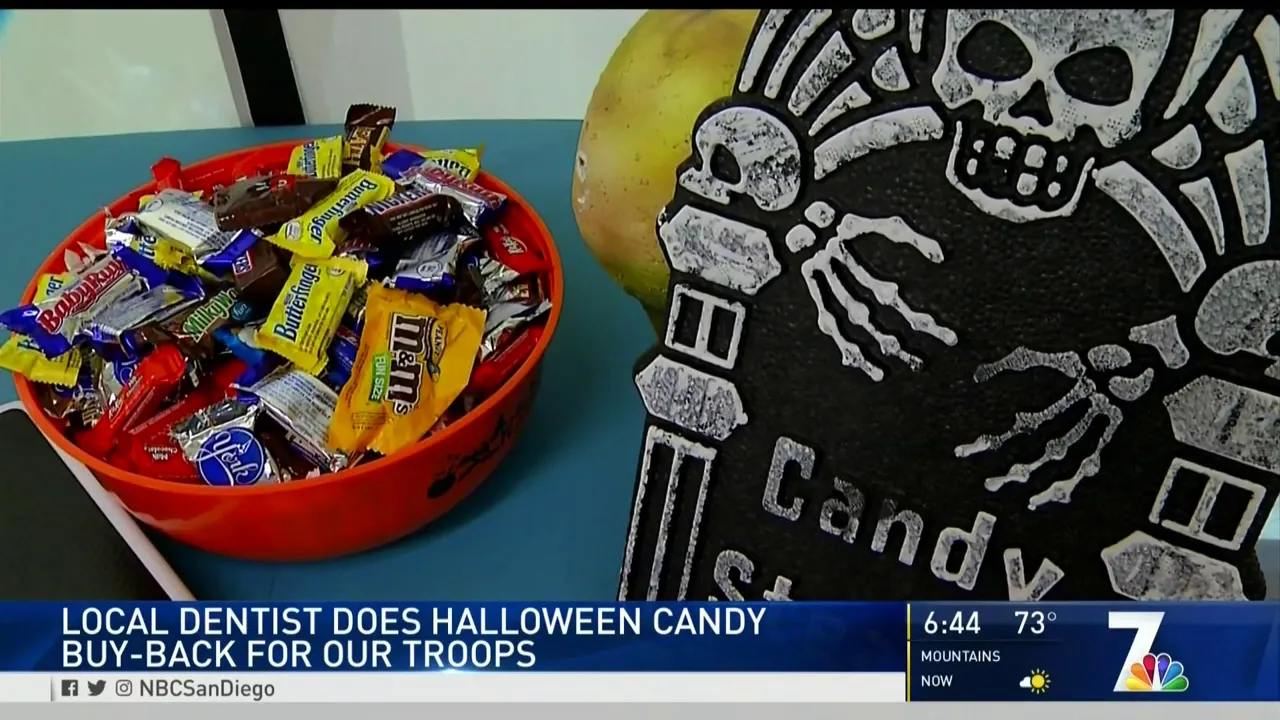
Have extra Halloween candy this year? The Super Dentists’ Candy Buy-Back Program gives you cash for your candy while donating to charity!
Exploring San Diego: Things to do Oct. 25 – 28, The Super Dentists

SAN DIEGO (KGTV) — The Halloween season is upon us with a ton of fun, free family events around town to get into the ghoulish spirit.
Halloween events from free trick-or-treating events and festivals like Trick-or-Treat on India Street, Halloween Spooktacular, and Halloween at the Station.
Dia de los Muertos celebrations also get in gear, with events in North Park, Oceanside, and Encinitas .
Not interested in anything here? Check out the 10News community events calendar for a look at even more things to do!
Fleet Week continues this weekend, bringing a host of educational and hands-on military opportunities to San Diegans. San Diego’s Mac N’ Cheese Fest also returns this weekend, bringing some delicious mac n’ cheese and craft beer pairings to Waterfront Park.
Here’s what’s happening this weekend:
THURSDAY
Where: The Whaley House, Old Town; Cost: $13 – $15
(Thursday – Sunday) You’ve heard the rumors, now take a step inside to discover the history behind The Whaley House. Special October tours can be booked this month, leading groups through the storied history of the Whaley House in San Diego and, of course, its permanent guests…
Where: Broadway Pier and Port Pavilion; Cost: Varies
(Runs Thursday – Sunday) Fleet Week packs military displays and vehicles, ship tours, and hands-on experiences with military technology for the public. Many of the events will be held at the Broadway Pier and Port Pavilion.
FRIDAY
Trick-or-Treat on India Street
Where: India Street, Little Italy; Cost: Free
Little Italy’s annual trick-or-treating party is back! Take your little ghouls out for some fun on India St. where businesses will be handing out candy and treats in Little Italy’s newly opened plaza.
Lions Tigers & Bears’ Spooky Campover
Where: Lions Tigers & Bears, Alpine; Cost: $35 – $80
Get ready for a night under the stars and surrounded by the rescued animals at Lions Tigers & Bears in Alpine. Friday night includes pumpkin carving, s’mores, and campfire fun! Saturday morning, guests can take part in a costume contest and watch a special feeding session with the big cats and bears.
SATURDAY
Where: The Super Dentists, Eastlake; Cost: Free
Super Dentists of Eastlake’s annual fall party brings together carnival games, costume contests, trick-or-treating, a haunted house, and more free for the public! Guests can grab goody bags and also trade in candy for cash!
Day of the Dead Festival North Park
Where: North Park; Cost: Free
North Park’s Dia de los Muertos celebration will bring together a community altar, craft workshops, live music, food, and more.
Where: Waterfront Park; Cost: $40 – $70
Get a taste of some cheesiness from some of the best restaurants around at San Diego’s Mac N’ Cheese Fest, even getting the opportunity to pair them with some of the region’s craft beers, wines, and other beverages! General admission includes unlimited mac n’ cheese samples so come hungry!
SUNDAY
Where: Mission San Luis Rey; Cost: Free
Mission San Luis Rey celebrates Dia de los Muertos with altar displays, chalk cemetery, carnival rides, a classic car show, traditional foods, and a special show from Mission Elementary’s mariachi program!
HalGLOWeen at the San Diego Zoo
Where: San Diego Zoo; Cost: $44 – $60
(Runs Friday – Sunday) As the sun sets on the San Diego Zoo this weekend, a lineup of fun family events kicks off. Come dressed up to celebrate Halloween with live music and shows, featured creatures animal experiences, and spooky activities for kids.
Where: Liberty Station; Cost: Free
The Liberty Station arts community celebrates Halloween with a roundup of fun, free events for the family, including live entertainment, trick-or-treating throughout the district, activities for kids, and more. Come dressed in your Halloween best!
https://www.10news.com/lifestyle/exploring-san-diego/exploring-san-diego-things-to-do-oct-25-28
The Super Dentists Launch ‘Teen and Adult Dentistry’
Dr. Kami Hoss and team are changing what people hate about going to the dentist
San Diego, Calif. (October 15, 2018) – The Super Dentists have launched Teen and Adult Dentistry the first of its kind concept to meet growing demand. For the past year, Dr. Kami Hoss and The Super Dentists team have prepared to launch the new idea to reinvent and transform the dental experience for parents.
“The Super Dentists turned 21 this year and now that we have grown up, it’s time we treat grownups too,” said Dr. Hoss. “For two decades our pediatric patients and their parents alike have pleaded with us to treat parents as well. Their persistence has finally paid off.”
Currently available in The Super Dentists’ Carmel Valley, Eastlake and Kearny Mesa offices; there are three ways to enroll in Teen and Adult Dentistry:
- By invitation: Get your kids to invite you, or
- By continuation: Grow up in our practice or come back if you used to be a patient, or
- By affiliation: Be an “adult” orthodontic patient of The Super Dentists
“We’ve created an extraordinary experience that’s anything, but your ordinary adult dentistry,” explains Dr. Hoss. “We’ve constructed VIP (Very Important Parent) Lounges and employ advanced technology and adult amenities to provide top quality dental care along with an out-of- this-world experience for grownups.”
Just like they have for children, The Super Dentists is transforming the experience of going to the dentist for adults with spa-like amenities, including personalized beverage selection, relaxing aromatherapy, warm towels, massage chairs, even virtual reality for those patients who really want to be distracted. Parents also receive a GPS watch for children and phone for parents, so they can be in communication with their children during their appointment.
Teen and Adult Dentistry Services include Dental Hygiene, Cosmetic Dentistry, Teeth Whitening, Adult Braces/Orthodontics, Acceledontics, Sedation Dentistry, Veneers and TMJ Treatment. “Our one-stop shop allows the whole family to receive all dental specialties – pediatrics, orthodontics, and now, parents – under one roof,” added Dr. Hoss.
Dr. Kami Hoss brings decades of experience working in the dental space and has treated more than 10,000 patients. He has served as faculty with the Howard Healthcare Academy and University of Southern California’s postgraduate orthodontic program. He is a member of the American Association of Orthodontists, American Dental Association, California Dental Association, and San Diego Dental Society. With this extensive background, he has served countless clients and developed a reputation for making dental care accessible and welcoming for families.
For more information, call (855) Go-Super (855-467-8737).
The Super Dentists are San Diego’s largest and most trusted Pediatric Dentistry, Teen and Adult Dentistry & Orthodontic office – one in every five kids is a Super Kid! They create the most unique and out-of-this-world dental experience for children and their parents. They’re the only office in the world where kids ask (many times, beg) their parents to take them to the dentist; imagine that! Highly trained and skilled, The Super Dentists take advantage of the latest in preventative and restorative treatments, and are Clear Aligners and AccelaDent accelerated orthodontics specialists. They accept most insurance, including Medi-Cal, and are available on the weekend and in case of emergency. With locations throughout San Diego (Kearny Mesa, Carmel Valley, Chula Vista, East Lake and Oceanside, with Escondido coming soon), and growing, the practice gives back to its communities whenever possible, including an in-classroom dental education program – currently in 800 schools, reaching more than 30,000 kids – hosting free quarterly events, and complimentary dental care to those in need. For an appointment, please call (760), (858) or (619) DENTIST (336-8478) or text: 1 (844) 765-1234. And for more information, please visit www.TheSuperDentists.com.
The Super Dentists Launch ‘Parent Dentistry’
Dr. Kami Hoss and team are changing what people hate about going to the dentist
San Diego, Calif. (October 15, 2018) – The Super Dentists have launched Parent Dentistry the first of its kind concept to meet growing demand. For the past year, Dr. Kami Hoss and The Super Dentists team have prepared to launch the new idea to reinvent and transform the dental experience for parents.
“The Super Dentists turned 21 this year and now that we have grown up, it’s time we treat grownups too,” said Dr. Hoss. “For two decades our pediatric patients and their parents alike have pleaded with us to treat parents as well. Their persistence has finally paid off.”
Currently available in The Super Dentists’ Carmel Valley, Eastlake and Kearny Mesa offices; there are three ways to enroll in Parent Dentistry:
- By invitation: Get your kids to invite you, or
- By continuation: Grow up in our practice or come back if you used to be a patient, or
- By affiliation: Be an “adult” orthodontic patient of The Super Dentists
“We’ve created an extraordinary experience that’s anything, but your ordinary adult dentistry,” explains Dr. Hoss. “We’ve constructed VIP (Very Important Parent) Lounges and employ advanced technology and adult amenities to provide top quality dental care along with an out-of- this-world experience for grownups.”
Just like they have for children, The Super Dentists is transforming the experience of going to the dentist for adults with spa-like amenities, including personalized beverage selection, relaxing aromatherapy, warm towels, massage chairs, even virtual reality for those patients who really want to be distracted. Parents also receive a GPS watch for children and phone for parents, so they can be in communication with their children during their appointment.
Parent Dentistry Services include Dental Hygiene, Cosmetic Dentistry, Teeth Whitening, Adult Braces/Orthodontics, Acceledontics, Sedation Dentistry, Veneers and TMJ Treatment. “Our one-stop shop allows the whole family to receive all dental specialties – pediatrics, orthodontics, and now, parents – under one roof,” added Dr. Hoss.
Dr. Kami Hoss brings decades of experience working in the dental space and has treated more than 10,000 patients. He has served as faculty with the Howard Healthcare Academy and University of Southern California’s postgraduate orthodontic program. He is a member of the American Association of Orthodontists, American Dental Association, California Dental Association, and San Diego Dental Society. With this extensive background, he has served countless clients and developed a reputation for making dental care accessible and welcoming for families.
For more information, call (855) Go-Super (855-467-8737).
The Super Dentists are San Diego’s largest and most trusted Pediatric Dentistry, Parent Dentistry & Orthodontic office – one in every five kids is a Super Kid! They create the most unique and out-of-this-world dental experience for children and their parents. They’re the only office in the world where kids ask (many times, beg) their parents to take them to the dentist; imagine that! Highly trained and skilled, The Super Dentists take advantage of the latest in preventative and restorative treatments, and are Clear Aligners and AccelaDent accelerated orthodontics specialists. They accept most insurance, including Medi-Cal, and are available on the weekend and in case of emergency. With locations throughout San Diego (Kearny Mesa, Carmel Valley, Chula Vista, East Lake and Oceanside, with Escondido coming soon), and growing, the practice gives back to its communities whenever possible, including an in-classroom dental education program – currently in 800 schools, reaching more than 30,000 kids – hosting free quarterly events, and complimentary dental care to those in need. For an appointment, please call (760), (858) or (619) DENTIST (336-8478) or text: 1 (844) 765-1234. And for more information, please visit www.TheSuperDentists.com.
KUSI TV: The Super Dentists’ Candy Buy-Back Program
Have extra Halloween candy this year? The Super Dentists’ Candy Buy-Back Program gives you cash for your candy while donating to charity!
KUSI TV: The Super Dentists’ Candy Buy-Back Program
Have extra Halloween candy this year? The Super Dentists’ Candy Buy-Back Program gives you cash for your candy while donating to charity!
SuperDentists to the Rescue: Kids Dental Care
How much do you know about children’s dental health? Do you think you could pass a quick quiz on the topic from The SuperDentists?
 We put together the quiz below after attending another awesome Mommy & Me Series seminar at The SuperDentists in Eastlake. Since the presentation was being put together by my children’s dentist, I was especially interested, but I didn’t think I would be surprised. I was! And I think you will be, too.
Here are the questions, along with the answers and a quick explanation below.
The SuperDentists Quiz: How Much Do You Know?
Question 1: What are the most important ages for children and dental health checkups?
A) 6 months, 5, 10
B) 1, 4, 8
C) 6 months, 4, 7
D) 1, 4, 7
Question 2: Which is more important, flossing or brushing?
A) Flossing
B) Brushing
C) The two are equally important
Question 3: All toothbrushes and toothpaste brands work the same for everyone. True or false?
A) True
B) False
Question 4: Cavities can be passed on to your children. True or false?
A) True
B) False
Question 5: Oral health can affect your fertility, pregnancy, and your child’s future oral health. True or false?
A) True
B) False
All right, think you got most of them right? Let’s begin with Question 1.
The answer to Question 1: Option “D,” ages 1, 4, and 7. Your child should have an appointment to see a pediatric dentist before they turn one year old–ideally, when their teeth are first starting to come in. Up until then, you can use a damp cloth to clean their gums after meals. This will get them accustomed to cleaning their teeth.
4 is another big age–that is when all bad oral habits should be stopped. These include bringing a bottle to bed, thumbsucking, and pacifier use.
Finally, age 7 is when you should take your child to their first consultation at the orthodontist.
The answer to Question 2: Option “A,” flossing! Your saliva and the movement of your mouth keeps food and other gunk flowing around your teeth relatively well, but nothing does the job that flossing does–removing the trapped debris locked in between each tooth. Our kids love the scented colored floss picks!
The answer to Question 3: Option “B,” False! Dr. Nazli Keri with The SuperDentists cautions that your toothbrush and toothpaste selections should NOT be made based on what is on sale, or brightly colored, or has the best superheroes on the label. Consult your dentist before buying these items, because they may recommend a cleaner product, a toothpaste for healthy teeth as opposed to problem teeth, or they may want to alter the brush your child is using because it is not gentle or firm enough. Always ask first!
The answer to Question 4: Option “A,” True! The bacteria in our mouths is a custom cocktail of good and bad stuff. Children passing through the vaginal canal, children who are nursed, etc., all get an infusion of those bacteria–and bacteria is what causes cavities. And that brings us to Question 5!
 The answer to Question 5: Option “A,” True! Your oral health can be connected to everything from the health of your heart to the health of your unborn baby. Keeping your teeth clean and visiting your dentist regularly can affect your fertility (or a man’s sperm count,) and the teeth of your child! Dr. Keri says pregnant women should be seen at their dentist during the second trimester and during the first half of the third trimester.
For more information or if you have further questions on these tips, feel free to reach out to the staff at The Super Dentists.
https://sandiego.citymomsblog.com/health-and-fitness/superdentists-dental-care/
The Super Dentists: Child dental health and how it can impact other areas of life
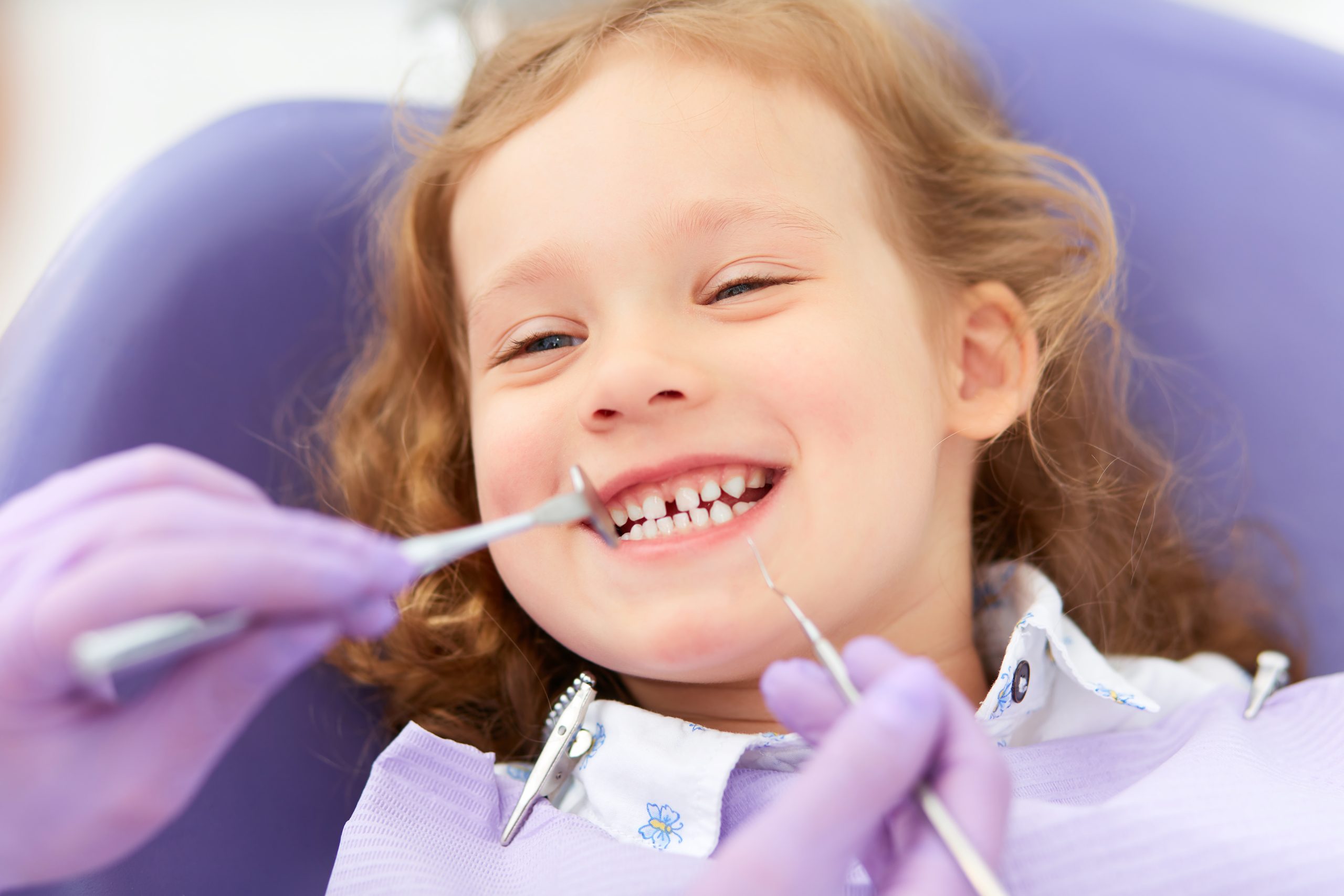
Children who reported having recent tooth pain were four times more likely to have a low grade point average—below the median GPA of 2.8—when compared to children without oral pain, a recent study said.
Lauren Phinney sat down with Dr. Kami Hoss from The Super Dentists to talk about children’s dental health and how you can learn more at Super Dentist’s Mommy and Me Series.
https://www.kusi.com/the-super-dentists-talk-child-dental-health-and-how-it-can-impact-other-areas-of-life/
Celebrate National Tooth Fairy Day With The Super Dentists | KSWB TV
Celebrate National Tooth Fairy Day with The Super Dentists! Learn more about the average rate for the tooth fairy and different creative ways to celebrate on Fox 5 San Diego.
The Surprising Benefit of Mouthguards: Protect Against Concussions and Safeguard Your Smile
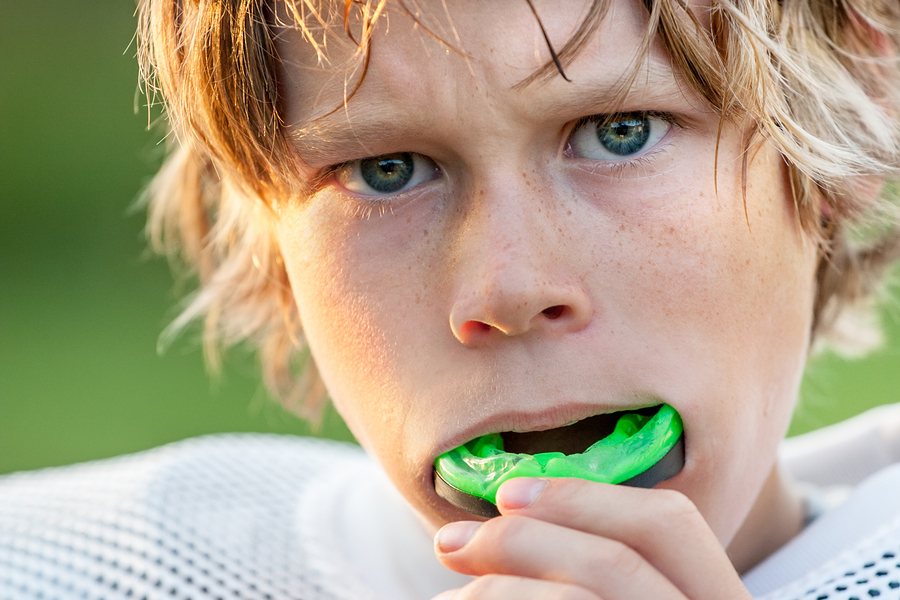
Four to five million concussions are reported annually, according to Dr. Kami Hoss of The Super Dentists. And that number just includes the concussions that are reported! While many people think that concussions occur from a blow to the top of the head, it is important to note that contact to any portion of the mouth or jaw can cause concussion symptoms.
In this segment with ABC Channel 10 San Diego, Dr. Hoss points out that the jaw makes up approximately two-thirds of a person’s face. An individual’s upper jaw extends underneath the eyes and supports the nose. The mandible consists of the entire bottom portion of the jaw. Failure to protect either of these jaw components during contact sports or activities may lead to concussions, tooth loss or mouth injuries.
With a custom mouthguard, an individual can protect himself or herself against concussions and other tooth or mouth problems. A mouth guard helps cushion the teeth to prevent tooth loss or mouth injuries due to physical contact. It also provides a barrier between the teeth and cheeks and lips and tongue to minimize soft tissue damage during contact sports and activities.
Most mouth guards cover only the upper teeth. However, individuals with protruding jaw or those wearing braces or other dental appliances on their lower jaw should also consider a mouth guard to protect their lower teeth.
Studies show a custom mouthguard is at least twice as effective in reducing concussions in comparison to a standard mouthguard, Dr. Hoss says. Since a custom mouthguard is designed to provide a perfect fit, an individual is more likely to wear it during contact sports and activities, too.
At The Super Dentists, our expert dentists understand a healthy lifestyle involves staying physically active. We also realize it sometimes is difficult to protect the jaw, teeth, and mouth during contact sports and activities. That’s why we work with each patient to craft a custom mouth guard that is safe, comfortable, and effective. With this approach, we can create a custom mouth guard that:
- Limits the risk of concussions, tooth and mouth injuries
- Enables a patient to speak more clearly
- Doesn’t hinder a patient’s ability to breathe
- Stays in place, even during football games, gymnastics meets, and other contact sports and activities
- Is simple to clean
- Won’t fall apart easily
Some insurance plans may cover all or some of the cost of a mouthguard.
To find out more about The Super Dentists’ custom-fitted mouthguards, please contact us today Text 1-844-765-1234 or call 1 (855) GO SUPER.
Dr. Kami Hoss and mouthguards? Talk about a perfect fit!
Playing safe football starts with proper gear. Proper gear starts with a first rate mouthguard. A small piece of equipment that protects not just your teeth and jaw, but can also lower the risk of concussions.
https://www.kusi.com/dr-kami-hoss-and-mouthguards-talk-about-a-perfect-fit/
The Super Dentists Back-to-School Health & Wellness Fair | KFMB TV
Dr. Hoss of The Super Dentists joins CBS San Diego to discuss the upcoming Back-to-School Health & Wellness Fair Saturday, August 4 at The Super Dentists’ Carmel Valley location.
Local Dentist Urges Parents: Stop Using a Pacifier or Bottle for Sleeping PLUS Other Tips
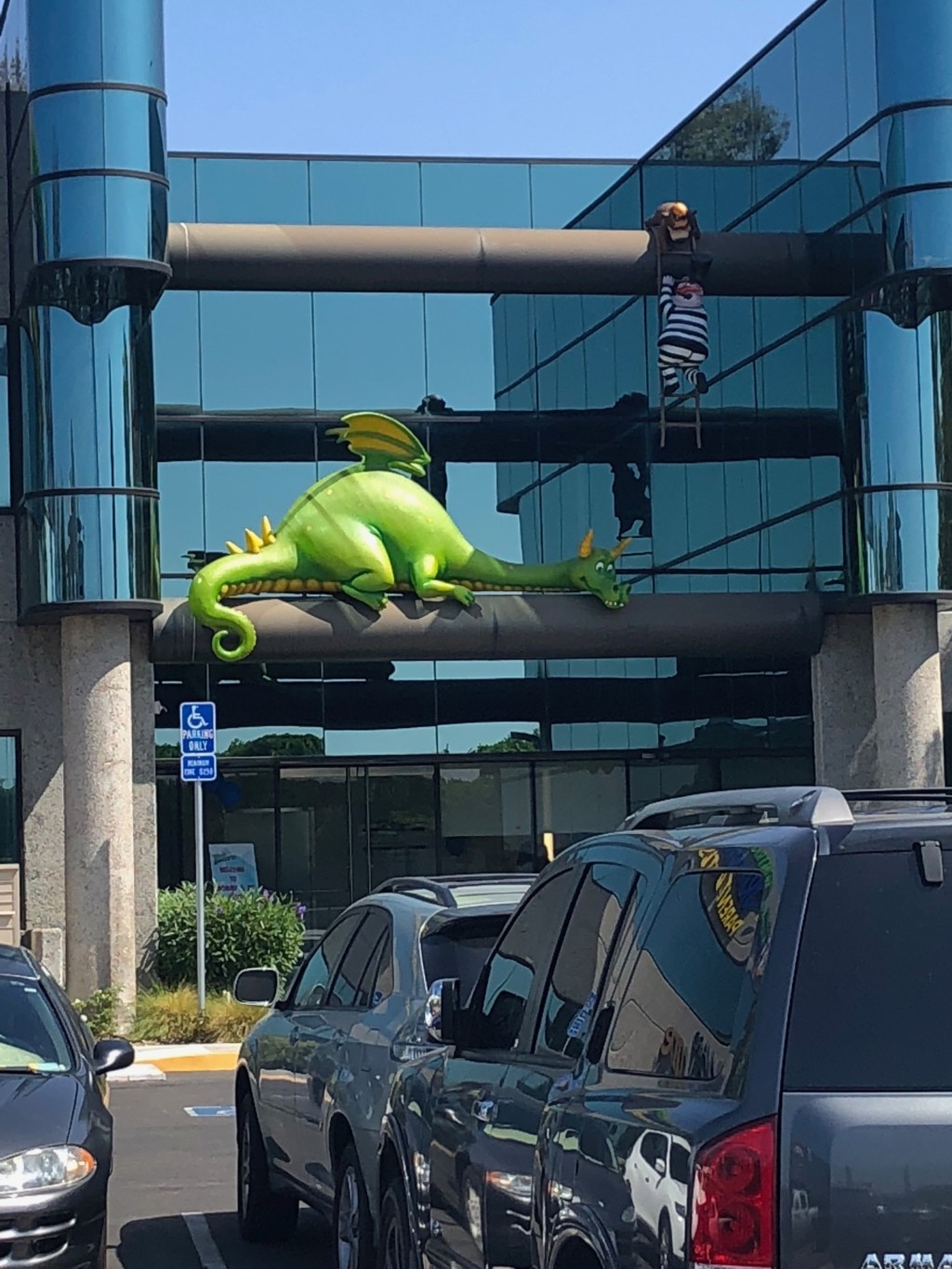
I recently had the opportunity to attend one of the Super Dentists’ Mommy and Me series events in Kearny Mesa. Before I get to all the info I learned during the session, I have to say The Super Dentists is pretty cool. The place looks like a theme park and while it’s meant for kids, they do teen and adult dentistry too. You can even schedule your appointments at the same time as your kids.
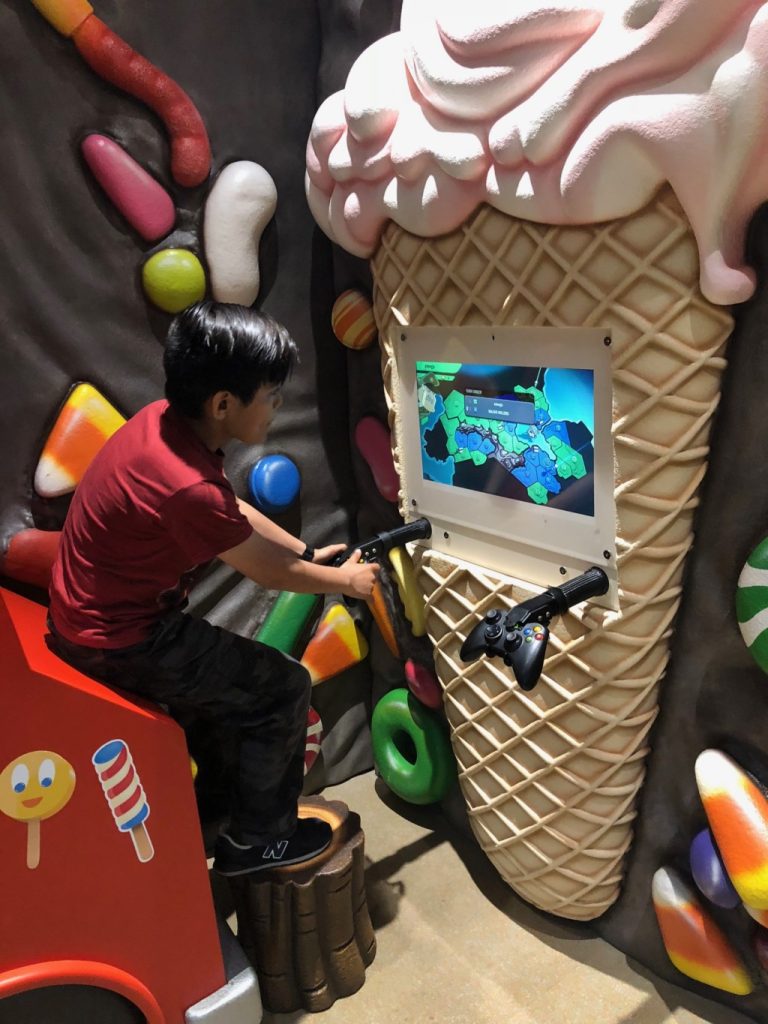
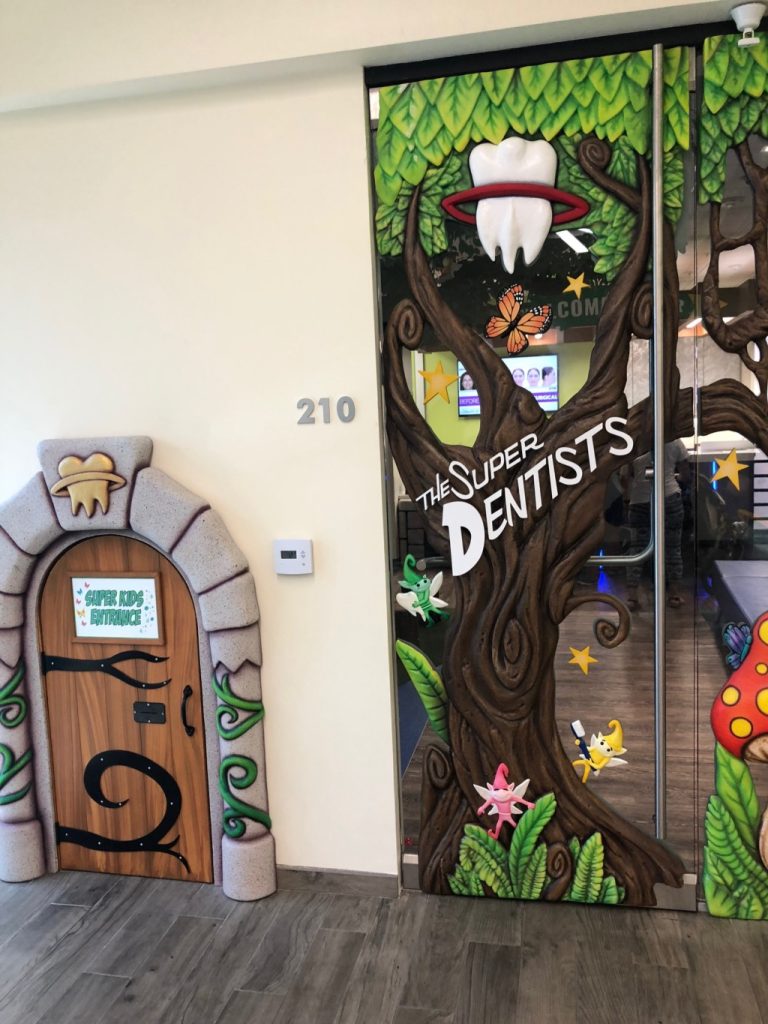
The Mommy and Me series is worth checking out too. They take your kids and entertain them with crafts, stories and more while you learn. I handed off my 6-month-old daughter and they babysat and entertained her with the rest of the kids. It was awesome and so cute too!
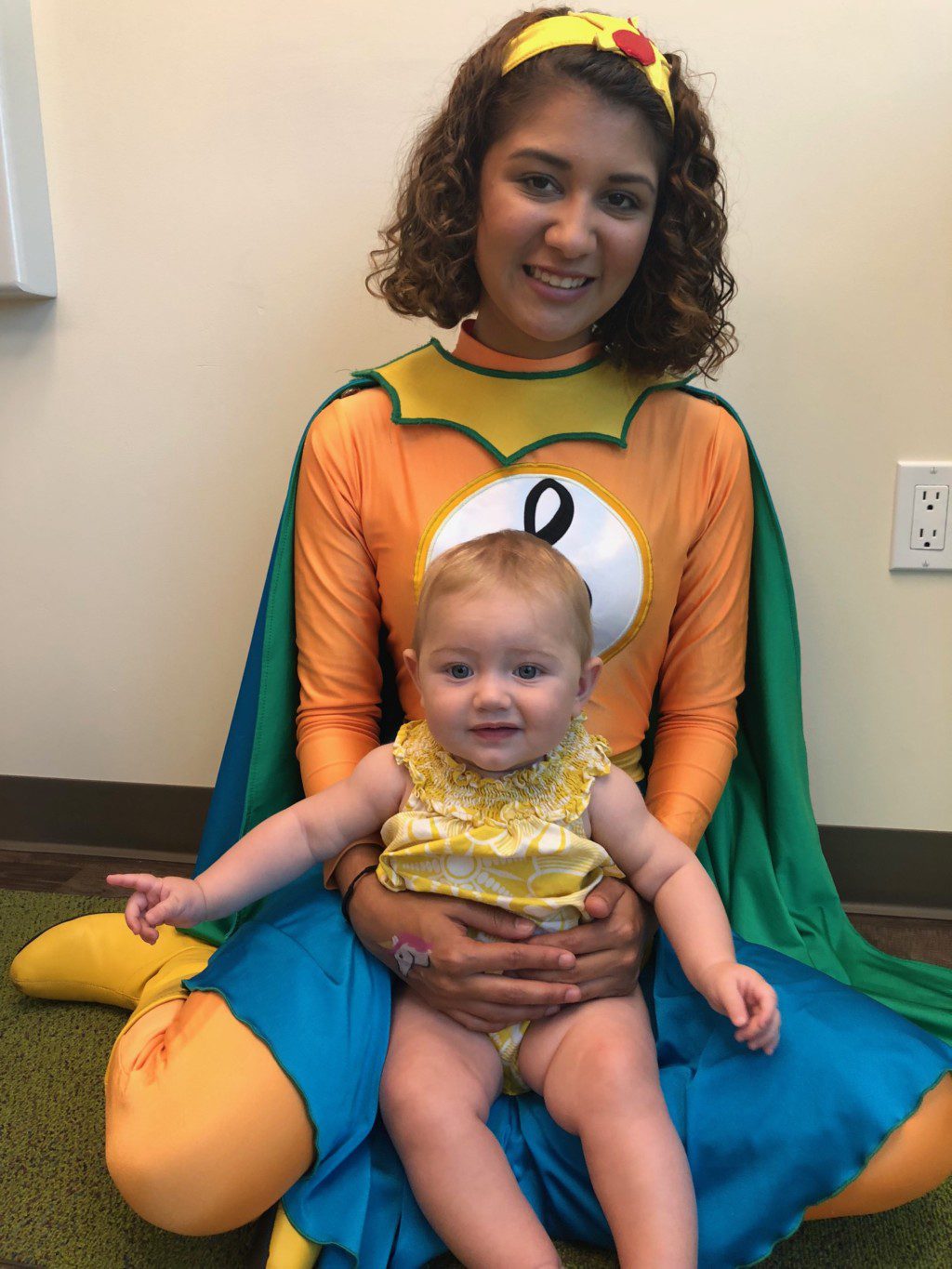
While she played, I took notes on topics of pediatric dentistry and the connection between oral health and fertility. I compiled the info into a list of what I felt other parents would want to know.
Baby/Child Dental
1- Get your baby to a pediatric dentist before their first birthday. The American Academy of Pediatric Dentistry (AAPD) recommends that a child goes to the dentist by age 1, or within six months after the first tooth erupts. Primary teeth typically begin growing in around 6 months of age. As a first-time parent, I had no idea! I thought I had a couple of years before I needed to schedule a pediatric dental appointment.
2- Baby bottle tooth decay is a huge risk if you are amongst the 17% of parents who put their child to bed with a bottle of milk, formula or juice. I’m 100% in that category, and put my baby down with a bottle. Yikes! I learned I need to stop this sleep association as soon as possible.
3- Remove pacifiers as a sleep association. These can negatively affect the growth of teeth and jaws.
4- Stop thumb sucking as early as possible and definitely by age four.
5- If your baby is tongue-tied, get this fixed as early as possible. There are laser treatments that take five seconds without any bleeding.
6- No child should ever snore.
Oral Health & Fertility
1- Men with oral health issues have a lower sperm count.
2- Women with gingivitis are three times more likely to have infertility problems.
3- Almost all women get some sort of gingivitis during pregnancy due to hormonal changes.
4- During pregnancy, avoid the dentist unless it’s an emergency during the 1st trimester. Go during the 2nd trimester or the start of the 3rd trimester.
5- Dental X-rays are generally safe during pregnancy. Ask for “no radiation technology.”
6- If you have morning sickness, rinse with water, but wait to brush your teeth immediately after.
7- Here are the signs you have gingivitis: #1 bad breath, #2 bleeding gums, and this includes when you floss. See a dentist and they’ll give you a diagnosis.
For more information or if you have further questions on these tips, feel free to reach out to the staff at The Super Dentists.
https://sandiego.citymomsblog.com/mom/local-dentist-tips/
Fox 5: Oral Hygiene and Fertility – Dr. Kami Hoss, The Super Dentists

Learn more about the connection between oral health and fertility. Dr. Kami Hoss of The Super Dentists explains more about the importance of great dental health for fertility, pregnancy, and your baby!
KUSI TV: Oral Hygiene and Fertility – Dr. Kami Hoss, The Super Dentists
Learn more about the connection between oral health and fertility. Dr. Kami Hoss of The Super Dentists explains more about the importance of great dental health for fertility, pregnancy, and your baby!
KUSI TV: Oral Hygiene and Fertility – Dr. Kami Hoss, The Super Dentists
Learn more about the connection between oral health and fertility. Dr. Kami Hoss of The Super Dentists explains more about the importance of great dental health for fertility, pregnancy, and your baby!
Howard Academy Open House
Howard Academy Offers $10,000 Scholarship
We offer a $50,000 ANNUAL EDUCATIONAL SCHOLARSHIP PROGRAM and provide all CA Dental Board approved Dental Assistant Courses!
The Super Dentists launches scholarship program for local students
KUSI’s Jason Austell spoke to John Klatt, Executive Director of American Safety EMT Corp, and Dr. Kami Hoss with the Howard Healthcare Academy/The Super Dentists about a new countywide scholarship program for dental students.
Founders of The Super Dentists recently launched Howard Healthcare Academy, a state-of-the-art, Dental Board of California approved dental school, located in Sierra Mesa. Now, The Super Dentists are offering 11 scholarships to help students pursue their dream career as a dental assistant.
The Super Dentists will sponsor up to 10 people with a $5,000 studentship to Howard Academy, a total grant of $50,000. They will also be giving away one $10,000 scholarship at Howard Academy’s Open House on Saturday, June 2 from 10 a.m. to 1 p.m. The grand opening event will also offer tours of the school and complimentary CPR Certification classes.
A leader in pediatric dentistry and orthodontics for more than 21 years, Dr. Kami Hoss, founder of The Super Dentists, found a need for highly trained dental assistants, and the demand became more apparent as the company grew. Dr. Kami Hoss and his team explored the reasons why, found gaps, and the result was to reinvent and transform the dental educational experience.
Due to Howard Academy’s partnership with The Super Dentists, faculty has been able to create an educational facility that focuses on live, hands-on experience. Through real-life learning environments and technical courses, Howard Academy prepares students with the practical knowledge they need to land and succeed in a dental assisting position.
“Employment of dental hygienists is projected to grow 20 percent, between 2016 to 2026; much faster than the average for all occupations,” according to the Bureau of Labor statistics. “The demand for dental services will increase as the population ages and as research continues to link oral health to overall health.”
To apply, applicants should submit a one-page letter, including why they want to get into dentistry, and why they need the scholarship, as well as their GPA, community work/involvement and two letters of recommendation. The application deadline is June 29, 2018, and should be submitted via http://www.collegescholarships.org or via http://www.HowardAcademy.com.
Scholarship honorees must finish the entire 9-month program. If student does not complete the program, the student will be required to pay full tuition.
“Most the staff and faculty at Howard Healthcare Academy are certified, trained dentists and orthodontists and practicing dental assistants, but most importantly, they have the passion for educating, love for the field, and the motivation needed to inspire the next generation of dental assistants,” said Dr. Kami Hoss. “They bring all of their expertise to Howard Academy, which in turn focuses on students’ success and growth in the dental world.”
Howard Academy location is located at 9737 Aero Drive in the Sierra Mesa area of San Diego (92123).
https://www.kusi.com/the-super-dentists-launches-scholarship-program-for-local-students/
Howard Healthcare Academy Launches in San Diego
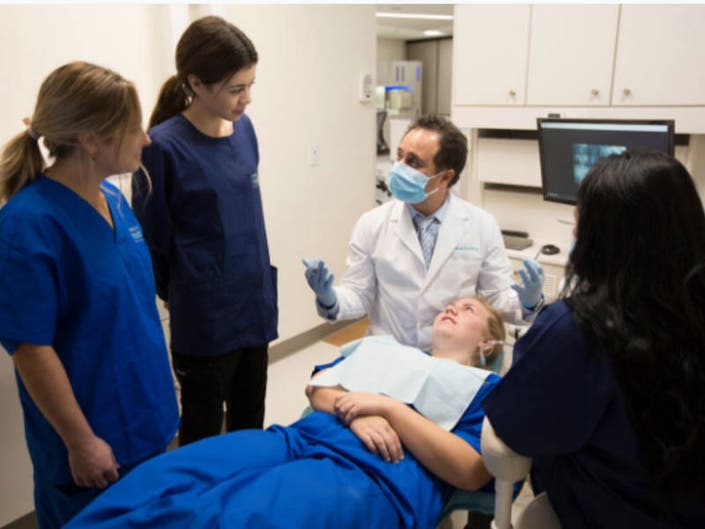
“Most the staff and faculty at Howard Healthcare Academy are certified, trained dentists and orthodontists and practicing dental assistants, but most importantly, they have the passion for educating, love for the field, and the motivation needed to inspire the next generation of dental assistants,” said Dr. Kami Hoss.
“They bring all of their expertise to Howard Academy, which in turn focuses on students’ success and growth in the dental world. Here, we care about our students and we provide the best tools for them to succeed,” added Dr. Kami Hoss.
The founders of Howard Academy come from decades of experience, professionalism, and education. They have long dreamed about providing high quality, technically rigorous, hands on experience, and to support students in their future careers as dental assistants.
Due to Howard Academy’s partnership with The Super Dentists, faculty has been able to create an educational facility that focuses on live, hands-on experience. Through real life learning environments, and technical courses, Howard Academy prepares students with the practical knowledge they need to land and succeed in a dental assisting position.
Courses include dental billing and coding, front office training, infection control, radiation safety, and so much more.
Dr. Kami Hoss brings decades of experience working in the dental space, and has treated more than 10,000 patients. He has served as faculty at the University of Southern California’s postgraduate orthodontic program. He is a member of the American Association of Orthodontists, American Dental Association, California Dental Association, and San Diego Dental Society. With this extensive background, he has served countless clients and developed a reputation for making dental care accessible.
Howard Academy location is located at 9737 Aero Drive in the Sierra Mesa area of San Diego (92123). For more information, call (619) ACADEMY, visit www.howardacademy.com, or email info@howardacademy.com.
https://patch.com/california/lajolla/howard-healthcare-academy-launches-san-diego
Howard Healthcare Academy Dental Assistant Week- Fox News
Due to Howard Academy’s partnership with The Super Dentists, faculty has been able to create an educational facility that focuses on live, hands-on experience. Through real life learning environments, and technical courses, Howard Academy prepares students with the practical knowledge they need to land and succeed in a dental assisting position.
Howard Healthcare Academy Dental Assistant Week- CW
The Super Dentists launch a state-of-the-art, Dental Board of California approved dental school – Howard Healthcare Academy. The @cwsandiego came out to Howard to celebrate National Dental Assistants Recognition Week. If you’re interested in becoming a dental assistant, classes/registration is underway, go to www.HowardAcademy.com
Teen and Adult Dentistry The Super Dentists’ Way
Hey Moms and Dads, The Super Dentists now offer Teen and Adult Dentistry. We are changing everything you hate about going to the dentist. Enjoy conveniences including having your appointment the same time as your kids’ and extended hours 7am-7pm and Saturdays, plus VIP treatment such as relaxing aromatherapy and massage chairs. Receive the highest quality dental care and enjoy an out-of-this-world experience — just like your kids.
Your Dream Smile, Only Months Away
Click on our Channel 10 ABC Newscast below and learn how Acceledontics can change your smile from mediocre to mind-blowing. Acceledontics is designed to give you a healthy, straighter smile in as little as 4 months, and a beautiful, whiter smile in as little as 4 minutes. Cut your treatment time in half with the latest technology, available only at The Super Dentists.
Must-See Breakthrough
Sealants Prevent Up to 80% of Cavities in Kids
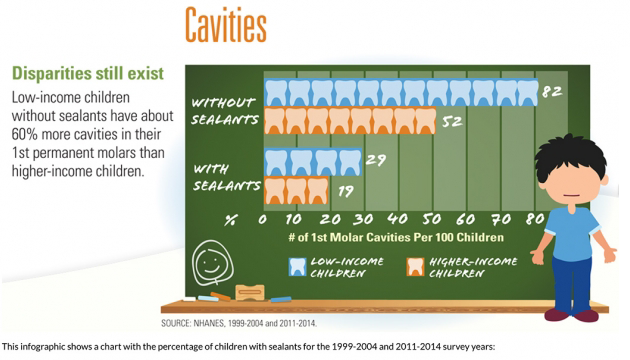
Applying dental sealants to the back teeth could prevent up to 80% of cavities in school-aged children, yet about 57% of children between the ages of 6 and 11 years don’t get sealants, according to the US Centers for Disease Control and Prevention (CDC). Yet increasing access to school-based sealant programs (SBSPs) could remedy these low figures, especially among low-income families who are less likely to have access to dental care, the federal agency notes.
SBSPs target schools with a high percentage of students who are eligible for free or reduced-cost meal programs. As a result, they provide sealants to children who are at higher risk for cavities and less likely to receive preventive care. Prior research has found that children with poor oral health often struggle academically and even miss significant time in school.
“Many children with untreated cavities will have difficulty eating, speaking, and learning,” said CDC director Tom Frieden, MD, MPH. “Dental sealants can be an effective and inexpensive way to prevent cavities, yet only one in 3 low-income children currently receive them. School-based sealant programs are an effective way to get sealants to children.”
In addition to preventing 80% of cavities for 2 years after application, dental sealants continue to protect against 50% of cavities for up to 4 years after placement. They can be retained in the mouth for as long as 9 years. Also, while about 43% of 6- to 11-year-olds have a sealant, low-income children are 20% less likely to have them than higher-income children. Plus, school-age children without sealants have almost 3 times more cavities than those with sealants.
The CDC further reports that applying sealants to the nearly 7 million low-income children who don’t have them could save up to $300 million in dental treatment costs. The agency currently provides funding to 21 state public health departments to coordinate and implement school-based and school-linked sealant programs that target low-income children and those who live in rural settings. The CDC also says that state officials can:
- Target SBSPs to the areas of greatest need in their state;
- Track the number of schools and children participating in SBSPs;
- Implement policies that deliver SBSPs in the most cost-effective manner;
- Help connect schools with health departments, Medicaid, and Children’s Health Insurance Program offices, community health centers, and dental professionals in the community.
The Super Dentists featured on KUSI News on the Benefits of Incognito Braces
Watch as Dr. Hoss and a patient discuss the benefits of using invisible braces on KUSI News.
Incognito braces benefits include:
- Completely aesthetic (no one will ever know you’re wearing braces)
- Minimal discomfort and speech interference
- Customized for optimal results consistently
- Wires require no adjustments
- Nothing is placed on the front of your teeth, ensuring you’ll never have to worry about visible discoloration marks
https://youtube.com/watch?v=rsPMo9D_2kE
3 Challenges Commonly Associated with Treating Children at a Pediatric Dental Office
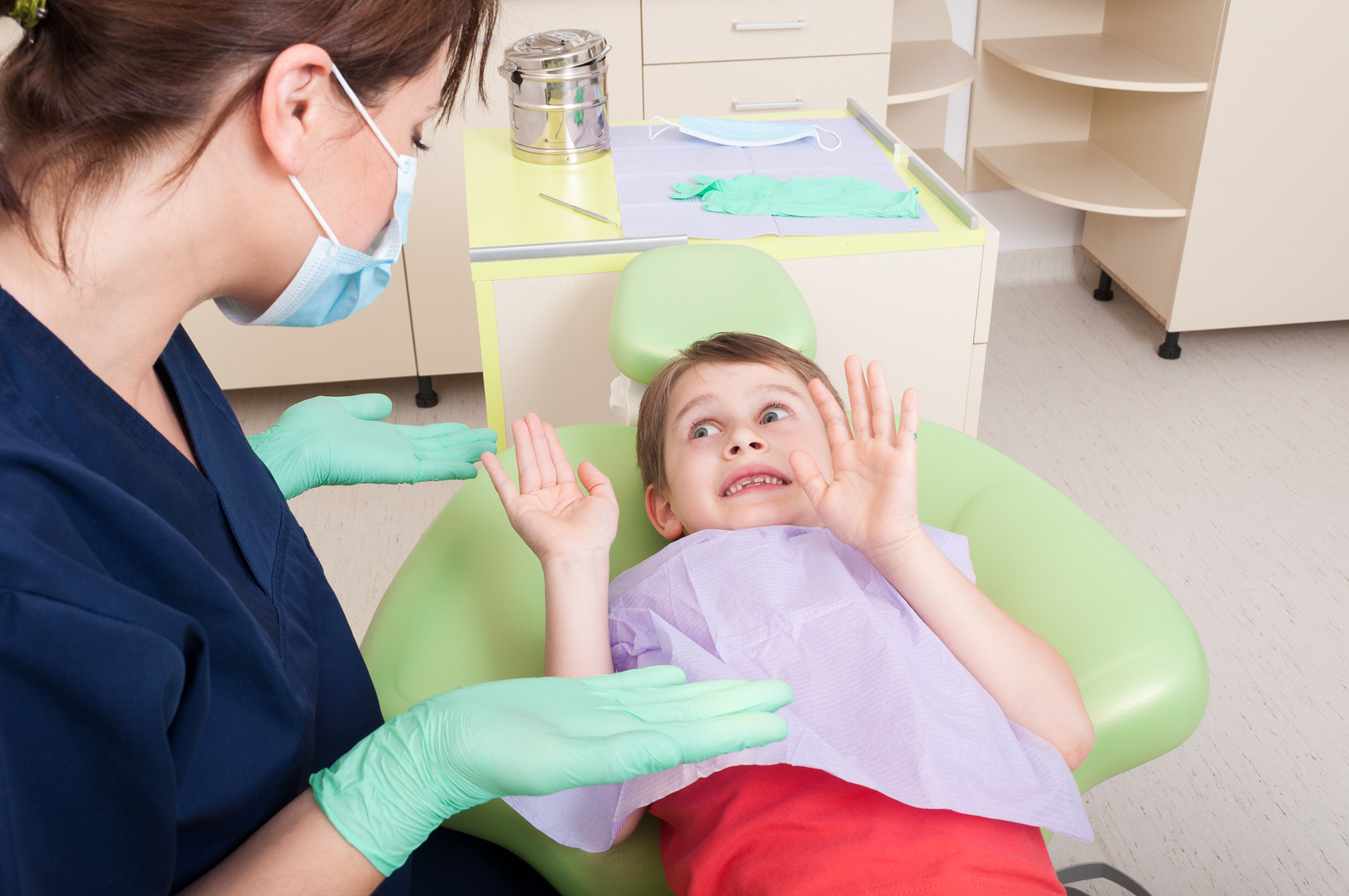
As a parent, there’s not a moment to spare. But when you visit a typical pediatric dental office, it’s unlikely you’ll find things are moving quickly.
For instance, you and your child may be forced to wait to check in to see the dentist. You also might need to fill out stacks of insurance paperwork to ensure you’re fully covered for your child’s dental treatments.
Although it may seem like you’re stuck at a pediatric dental office for hours, it is important to understand why you might need to wait.
At The Super Dentists, we understand adults and kids don’t like waiting, which is why we want to explain some of the most common challenges we face. That way, you can better understand why there may be a short wait between the time you arrive at one of our offices until your child is seen by Dr. Kami Hoss, Dr. Nazil Keri or any of The Super Dentists team.
Here’s a closer look at three of the biggest challenges we face with treating children, and how we try to overcome these issues.
- Insurance
The Super Dentists accepts all insurances, and we even strive to provide easy financing to help your child get the pediatric dental care he or she needs to enjoy an outstanding smile.
Having the ability to accept all insurances helps us differentiate ourselves from other pediatric dental offices. At the same time, however, it means we may require a few extra minutes to explain our insurance and financing options to patients.
- Fear of the Dentist
Visiting the dentist can be scary for adults and kids alike. We recognize that dentists are commonly associated with pain and anxiety, and as such, employ specialists who know how to help you and your child cope with fear of the dentist.
In some cases, frightened patients may scream, shout and make it difficult for our dentists to perform anything from a routine teeth cleaning to braces installation. This means that we’ll need to spend some extra time with a scared patient, ensuring he or she is fully supported and can enjoy a calm, relaxing experience with us.
- Expert Care
The patient wait time in any of our offices may vary, and we cannot guarantee that you’ll be able to walk in and receive immediate support. But once you visit with any of our pediatric dental professionals, we’ll do everything possible to ensure you are rewarded for your patience.
At The Super Dentists, we want to provide the best dental care possible and will be happy to support both you and your child in any way we can.
For example, if you have concerns or questions about a particular dental treatment, we’ll answer them. If you want to discuss financing for your child’s dental care, we’ll examine all of the options at your disposal. And if you want the best pediatric dental care available in the San Diego area, we’ll go above and beyond the call of duty to deliver it time and time again.
Remember, patience is a virtue. And if you stay calm, cool and collected while you wait, you and your child can enjoy an outstanding experience at any of our pediatric dental offices.