

Why Do My Teeth Hurt When I Drink Cold Water & Other Cold Liquids?
Blog Summary:
Why do your teeth hurt when I drink cold water? Usually, it’s because your enamel has worn down or your gums have receded, exposing the dentin below—the sensitive inner layer of the tooth.
Once this happens, cold water, hot drinks, sweet foods, acidic foods, brushing, or flossing can then trigger sharp discomfort.
- Tooth sensitivity is also called dentin hypersensitivity.
- Common causes include enamel erosion, gum recession, whitening, cavities, cracks, grinding, and brushing too hard.
- Symptoms may include pain with cold liquids, hot foods, sweets, or brushing.
- Treatment may include desensitizing toothpaste, fluoride, bonding, fillings, gum grafts, or root canal therapy in severe cases.
The best immediate course of action is to see a dentist, who can identify the true cause and recommend the best treatment for you.
There’s nothing quite like that first sip of cold water when you’re parched – especially on a hot day. It’s soothing, refreshing, and cooling. Except when it’s not.
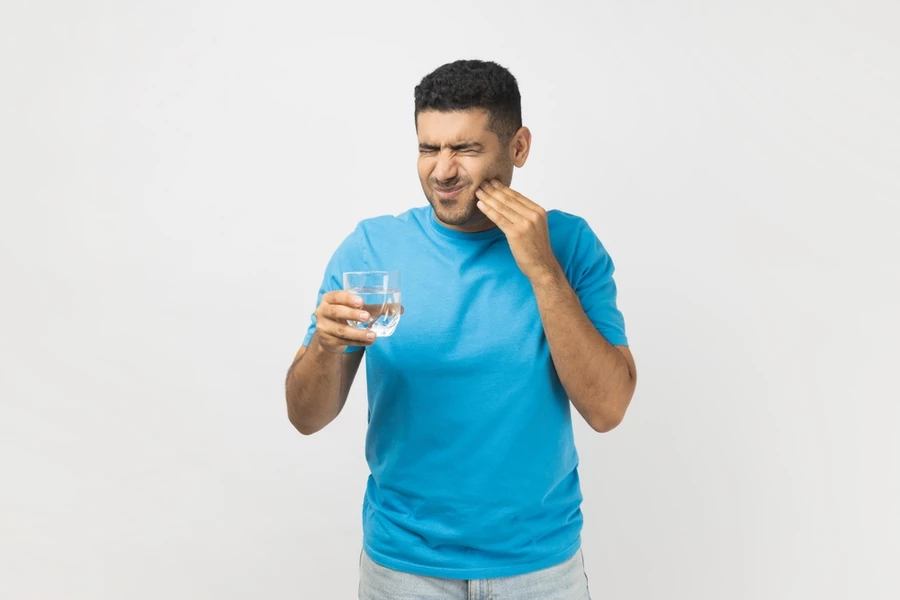
If you suffer from tooth sensitivity, then any sip of a cold liquid can feel like agony instead of relief.
But why, and what can you do about it, exactly? Let’s explore the reasons for teeth that are sensitive to cold and hot temperatures. Then, we’ll cover common remedies.
Why Do Teeth Become Sensitive to Hot & Cold?
It’s not just cold water – or even other cold liquids – that can trigger tooth pain. Hot liquids can do it too. And so can other hot substances, like hot food, or cold substances, like ice cubes or ice cream.
There’s a link between cold water and tooth pain and other hot or cold substances and tooth pain, and it is called tooth sensitivity, otherwise known as dentin hypersensitivity.
The good news is that while it may be uncomfortable, this condition is also both common, and generally quite manageable.
What Causes Tooth Sensitivity?: The Mechanics Behind It
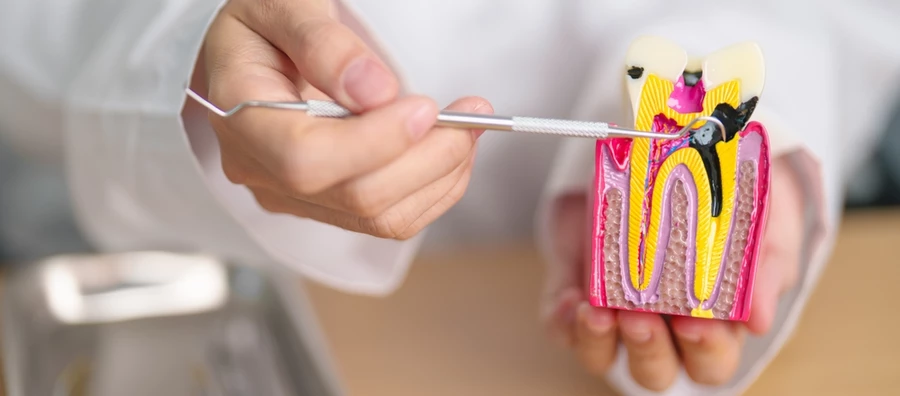
To understand how teeth can become sensitive, you first need to understand what they’re made of. Human teeth are composed of three layers of protection:
- Enamel protects the part of your tooth above the gums
- Cementum protects the root below the gumline
- Dentin sits underneath and connects to the nerve
Problems with sensitivity often occur when a tooth’s enamel wears down or when the gums recede. When that happens, the dentin underneath becomes exposed.
Because dentin has tiny channels that lead directly to nerves, when cold water makes contact, you feel sharp pain.
What Causes a Sensitive Tooth?: Habits & Root Causes
You now know the physicality behind why a tooth can become sensitive. But what causes the changes in teeth as described above that in turn, cause sensitivity? Here are the most common culprits:
- Enamel Erosion: Acidic foods and drinks can gradually wear down enamel.
- Teeth Whitening: At home whitening (especially when peroxide based) is a common cause of tooth sensitivity.
- Gum Recession: Exposes the root surface, which lacks enamel protection.
- Cavities (Tooth Decay): Create direct pathways to the nerve.
- Cracked or Fractured Teeth: Allow cold and pressure to reach deeper layers.
- Teeth Grinding (Bruxism): Wears down enamel over time.
- Worn Fillings or Dental Work: Can expose sensitive areas.
- Brushing Too Hard: Damages enamel and irritates gums.
Common Symptoms of Sensitive Teeth
Most people that deal with tooth pain when drinking cold water also notice symptoms such as:
- Sensitivity to hot, sweet, or acidic foods
- Discomfort while brushing or flossing
- Pain near the gum line or chewing surface
- Sensitivity in one or multiple teeth
How to Treat Cold-Sensitive Teeth or Heat-Sensitive Teeth
As the Journal of the American Dental Association notes, a number of sensitive tooth treatments are available, including but not limited to the following:
- Use Desensitizing Toothpaste or other Desensitizing Agents: Special formulas help block signals from reaching the nerve inside the tooth; multiple uses are usually needed for full relief.
- Switch Mouthwash if Needed: Some acidic mouthrinses can worsen sensitivity, so your dentist may recommend a gentler alternative.
- Consider Fluoride Treatments (In-Office): Fluoride gels or varnishes strengthen enamel and reduce sensitivity triggers.
- Seek Out Restorative Treatments: Fillings, crowns, inlays, or bonding can repair damaged teeth and protect exposed areas.
- Consider Gum Graft (For Recession): A surgical procedure that covers exposed roots when gum tissue has receded.
- Have a Root Canal (Severe Cases Only): Recommended when sensitivity is persistent and doesn’t respond to other treatments.
Schedule a Tooth Sensitivity Dental Appointment Now
We recommend making a dental appointment before trying at home remedies for sensitive teeth.
Why? Not every treatment can solve every root cause of sensitive teeth. Your dentist can guide you on daily habits to prevent future sensitivity. They can also administer a dental exam that helps identify the exact cause of sensitivity and the best treatment approach for your unique situation.
Not sure who to turn to? Rely on The Super Dentists! We offer both pediatric and family dentistry services in California.