Loading...

When Do Babies’ Teeth Come In & How Long Does Teething Last? Everything to Know About First Teeth

When your baby begins the process of teething, it can be difficult for both you and your baby. The symptoms of teething can be stressful for babies and parents, as it is often misunderstood how to help relieve pain due to teething.

While the average age for a baby to begin teething and getting their first tooth is around six months old, babies can get their first teeth as early as three months old and as late as one year old.

To recognize the signs of teething in babies and understand how to help relieve teething pain, it is essential to know as much as possible about when do babies start getting their teeth.

When Do Babies Start Getting Teeth?

Your baby’s first teeth usually come in when they are about six months old. However, some babies are born with their first teeth. Some babies begin getting their teeth around four months old, while others take longer, getting their first teeth around one year old.

What Teeth Do Babies Get First?

As a parent, you likely wonder when do babies start to get teeth as you want to prepare for teething.

The bottom incisors are the first teeth to come in, located in the bottom front. The incisors first come through typically when babies are between five and seven months of age. The next teeth to come in are the top incisors in the mouth’s top front.

They enter when babies are between six and eight months old. The top lateral incisors come through. The top lateral incisors are the teeth located on either side of the top front teeth. They will appear between nine and eleven months of age.

Baby with a teething ring

What Are The Signs of Teething in Babies?

The signs of teething can be different for every baby, but generally, they include the following symptoms:

  • A slight fever, but less than 101 degrees Fahrenheit
  • Coughing
  • Tender and swollen gums
  • Putting their hands near their mouth
  • Changes in sleeping or eating patterns
  • Crying and fussiness
  • Trying to chew or gnaw on hard items
  • Excessive drool
  • Rubbing their cheeks
  • Restlessness
  • Reduced interest in solid foods
  • Sensitive or swollen gums
  • Pulling their ears
  • Irritability
  • Increased sucking

These are the most typical signs of teething in babies. However, babies can develop other symptoms of teething that are not as usual. These symptoms include vomiting, rashes, diarrhea, a high fever, or congestion and are signs that should be discussed with your child’s pediatrician as soon as possible.

In addition, you should call your pediatric dentist if your baby has facial swelling, bleeding gums, or swelling.

How Long Does Teething Pain Last For?

Babies will experience the pain from teething when they get their new tooth to a few days after it cuts through their gums.

Generally, the pain from a new tooth erupting will last for about a week per new tooth. While a week may not sound like a long time, it can be incredibly long for your baby if they get multiple new teeth at once.

What Do Gums Look Like When Teething?

When babies experience teething, their gums often become swollen, red, or appear to be bulging. They may also have flushed cheeks or a facial rash due to the irritation. You can tell a new tooth is coming in by examining its gums.

After washing your hands, gently touch your baby’s gums to see if you can feel a tooth growing underneath. If you see a blister, you should avoid touching it. Blisters are typical and will go away without treatment. A new tooth underneath the gums appears pink and bulging.

When it breaks through, the baby will have a small white portion of the tooth showing through the gums.

How Many Teeth Should a 1-Year-Old Have?

Most one-year-olds have two to four teeth, but that number can vary depending on the baby. Some one-year-olds might have one or two teeth, while others may have multiple teeth. The delay of tooth eruption in babies can be due to genetics, as it tends to run in the family.

How Many Teeth Should a 3-Year-Old Have?

When a child reaches three years old, they should have about 20 primary teeth. A three-year-old child will have their central incisors, lateral incisors, canines, first molars, and second molars. The central incisors are the front teeth that help bite food and break it into chewable pieces.

The lateral incisors are the teeth between the two front teeth and the canines. They also are responsible for helping chew food. The canines are the pointy and sharp teeth on the top and bottom, which are responsible for tearing and gripping food to chew.

The first molars and second molars have flat surfaces and are rectangular teeth in the back of the mouth. They are used to help grind food.

Does Teething Pain Stop Once the Tooth Cuts?

Yes, the teething pain stops once the tooth cuts through the gums. Babies experience pain while the tooth is trying to break through the gums. Once it cuts, there is no more pain. To help relieve pain from teething, there are some things you can do.


  • Gently massage or rub the gums with clean fingers
  • Allow the baby to suck on or chew a firm rubber teether (you can refrigerate the teether)
  • Introduce some hard foods, such as a peeled and chilled cucumber or carrot
  • Gently rub their gums with a cool washcloth
  • Try an over-the-counter remedy, such as acetaminophen or ibuprofen, to help relieve pain
  • Dry the drool to prevent skin irritation

Final Thoughts

Understanding all you can about when do babies teeth come in is essential, as it is important to know everything you can do to help your baby throughout the teething process. Within the first six months of your baby getting their first tooth, it is a good idea to schedule your child’s first dental appointment with The Super Dentists.

We will fully examine your child’s teeth, bite, jaws, oral tissues, and gums to check that they are on track with their development. In addition, we will gently clean their teeth. Schedule an appointment with the Super Dentists today.

Smile Like a Superhero: Unpacking the Power of Hydroxyapatite for Your Teeth

If you find yourself here, chances are that somebody you know (possibly somebody who’s very “anti-fluoride” has told you about the re-mineralizing benefits of hydroxyapatite (HA for short).

Perhaps you came across it by happenstance on a toothpaste or mouthwash you bought and wondered “What the heck is that?!”

Regardless, if this funky-sounding naturally occurring chemical has you dazed and confused, fear not, because we’re about to dive deep into:

  1. What hydroxyapatite is
  2. What it does for your tooth enamel
  3. Different types of hydroxyapatite
  4. Whether this oral care ingredient is a hero or villain when it comes to maintaining a healthy mouth and teeth

Ready? We’re super excited to share the following info with you!…

Hydroxyapatite: A Natural Approach to Remineralization

You know that ‘80s song “She Blinded Me With Science”? Yeah…we’re not trying to do that to you! Although hydroxyapatite sounds all scientific, kind of like a crazy artificial ingredient you might find in processed food, it’s not.

In fact, hydroxyapatite [chemical makeup Ca5(PO4)3OH] is a compound that is naturally found in your teeth and bones (but it can be synthetically created).

As the American Chemical Society notes, HA is “present in as much as 70 wt% of human bone.”

It’s not a new dental ingredient either; MedicalNewsToday adds “Since the 1970s, doctors have used HA-based substances clinically in bone and dental repair procedures.”

Here’s why it matters: When it comes to both a) preventing cavities and b) reducing sensitivity of teeth, restoring tooth enamel is of critical importance. And thankfully, because hydroxyapatite is the main component of enamel, it’s incredibly effective at re-mineralizing teeth, which in turn leads to stronger teeth that are more resistant to cavity-causing foods and drinks. It may also help reverse small cavities.

Hydroxyapatite vs. Fluoride: Weighing Risks vs. Benefits

“Wait!, you might be thinking… Doesn’t fluoride do all that?

The answer is yes!

Why: This is because fluoride plays a vital role in the remineralization process of teeth. Just about every time we eat or drink, the pH in saliva drops, creating an acidic environment. When the pH lowers to around 5.5, it leads to demineralization. This is where the natural hydroxyapatite, the calcium phosphate that predominantly makes up tooth enamel, begins to dissolve.

How: Fluoride steps in during this critical phase by forming fluorapatite, a mineral more resistant to acid, which is then redeposited into the enamel as the pH normalizes. This action fortifies the teeth, making them stronger and more resistant to cavity formation.

By aiding in the formation of fluorapatite, fluoride directly combats the enamel’s vulnerability to acidic conditions, enhancing its resistance to these attacks.

Fluoride vs Hydroxyapatite Concerns: The issue between fluoride vs. hydroxyapatite is often characterized as one of danger and inefficacy, with detractors of the former saying it’s toxic and bad for you and detractors of the latter saying it’s not proven to be effective.

Fluoride vs Hydroxyapatite Concerns: The issue between fluoride vs. hydroxyapatite is often characterized as one of danger and inefficacy, with detractors of the former saying it’s toxic and bad for you and detractors of the latter saying it’s not proven to be effective.

The truth? It’s somewhere in the middle. At The Super Dentists, we advocate for taking a benefit vs. risk-based approach to using hydroxyapatite vs. fluoride products.

The truth is:

  • Fluoride can (and often should) be used for children over a certain age and adults who are at high risk of cavities or have had lots of cavities in the past 1-2 years.
  • Hydroxyapatite alone can be used by younger children who have not yet learned safe swallowing skills and therefore might be more prone to fluoride poisoning but still require a natural form of cavity prevention.
  • Hydroxyapatite and fluoride products can be safely used by individuals who can safely use fluoride to maximize remineralization, cavity prevention, and sensitivity prevention benefits.

Micro vs. Nano Hydroxyapatite: Understanding the Difference

Though micro hydroxyapatite has been used since the ‘70s, nano hydroxyapatite was introduced a decade or so later and is useful because its smaller particles more easily bind to tooth enamel, making it much more effective. (And it’s not just us saying that, hydroxyapatite is proven to be both safe and effective).

The takeaway? When looking for safe and effective oral care products with hydroxyapatite, look for those with nano-hydroxyapatite specifically.

Or, shop SuperMouth products with Hydroxamin® ─ “a proprietary blend of hydroxyapatite, including its nano-form which closely mimics the structure of natural enamel, Vitamin D3, and Vitamin K2, each at their ideal concentrations for maximum efficacy.”

Learn More About Hydroxyapatite & Oral Care Best Practices

Remineralizing teeth to prevent sensitivity and cavities is important. But remember, it’s also just one part of establishing a healthy oral care routine!

Check out SuperMouth’s blog post “Ensuring Maximum Effectiveness of Your Oral Care Products” to explore the other important considerations to keep in mind when shopping for effective and healthy mouthcare products!

Shop SuperMouth Products with Hydroxamin®

Ready to start your journey to better oral health? Shop SuperMouth oral care products now.

Dental care is highly individualized, so depending on you and your child’s age and stage of life, you may be better off with either Hydroxamin®-only products or Hydroxamin® and Flouride products.

Not sure which is the case? Contact us at The Super Dentists today and we’d be more than happy to help you out!

Are Cavities Genetic? Here’s Everything to Know

The risk of developing cavities and tooth decay is genetic. Your genes can affect how your teeth develop, meaning that the development of your teeth can be why you are susceptible to dental issues.

While genetics are sometimes the cause of cavities, cavities can also develop due to the lack of poor oral hygiene, smoking, lack of saliva, or not flossing your teeth. To understand if cavities can be hereditary, it is essential to understand how genetics can affect oral health.

What Percent of Cavities are Genetic?

Many people wonder, “Are cavities hereditary?”. While cavities alone are not genetically passed down, the risk of dental susceptibility can be passed down. Genetics account for up to 65 percent of tooth decay or other dental predispositions.

Are cavities genetic? Some factors make the susceptibility to cavities or other dental issues genetic.

Enamel

Your genes strongly determine the enamel of your teeth. People with strong enamel teeth more easily absorb vital minerals, such as fluoride and calcium.

These essential minerals help to keep the teeth strong and resistant to bacteria and plaque, which can be the reason for cavities.

Saliva

Saliva can help prevent cavities and tooth decay by efficiently metabolizing vitamins and minerals. Therefore, your saliva can either hinder or aid the bacteria that cause cavities in your mouth.

Tasting Ability

While some people have a strong ability to taste, others do not, meaning that some people have a wider variety of tastes than others.

People with a stronger ability to taste are less likely to develop cavities or tooth decay, likely because their broader taste palate may help them consume fewer sweets.

Shape of Teeth

Is tooth decay hereditary? Sometimes, even the shape of your teeth due to genetics can contribute to cavities.

Everyone has the same shape of teeth. However, each person’s teeth vary by size and shape. If a person has teeth that are tight and crowded, it makes flossing difficult.

Without flossing regularly, there is a higher risk of developing a cavity due to the extra plaque buildup. Some people have teeth with more grooves in between their teeth, which gives the bacteria more space to gather.

Immune System

Every person has a lot of bacteria in their mouth, which is normal, but some bacteria are more harmful than others. If your immune system is compromised or does not work efficiently, it may not adequately protect your teeth from harmful bacteria.

Are Cavities Genetic: Can Parents Pass Down Cavities to Kids?

Parents can pass down the risk of developing cavities to their kids, especially mothers when pregnant with their children. Since tooth decay is a transmissible disease, the cavity-causing bacteria in the mother’s mouth can be passed down to a child in utero.

Mothers must visit their dentist regularly before and during pregnancy to ensure their mouths do not have cavity-causing bacteria.

In addition, sharing the same drink, or even a spoon or fork, with your child can contribute to them developing cavities through the transfer of saliva.

If a parent passes down the gene G20A, a child can be five times more likely to develop cavities throughout their lifetime than those who do not have this specific gene.

Are Some People More Prone to Cavities? Are Their Teeth?

Yes, certain teeth are more prone to cavities than others. For example, teeth with deep grooves are more likely to trap foods and develop cavities. Also, misaligned teeth can collect food or food particles between them, causing cavities.

If your teeth have thin enamel, you can also be more prone to developing cavities because you do not have the extra layer of protection.

When Genetics Do Not Contribute to Cavities

While the cause of cavities can be due to your genetics, often, it does not have to do with your genes. If you lack proper oral hygiene and have bad oral habits, you increase your likelihood of developing a cavity.

Smoking cigarettes also increases the risk of tooth decay because smoking decreases saliva production in your mouth. Since saliva is essential to help keep your teeth clean and wash away food particles throughout the day, insufficient saliva will leave the food particles stuck between your teeth.

Also, those with a diet high in starches or sugar are more likely to develop cavities. These are some other common causes of cavities that are not as well known:

Frequent Snacking

Snacking regularly brings a lot of sugar into contact with your teeth throughout the day. Limiting the number of snacks you consume throughout your day can help prevent cavities.

You should focus on consuming well-balanced meals instead of snacks, so you do not feel the need to eat between meals.

Snoring

Snoring can decrease the health of your teeth over time because it causes your mouth to dry. A dry mouth makes it easier for harmful bacteria to spread throughout your mouth, potentially causing cavities.

Not Going to the Dentist

One of the best preventative measures to help prevent cavities in a child is regularly going to dental exams with the pediatric dentist.

While flossing and brushing your teeth are helpful in tooth decay prevention, they are not enough to keep cavities away altogether. Getting your teeth cleaned and checked twice yearly is the best way to prevent tooth decay and cavities.

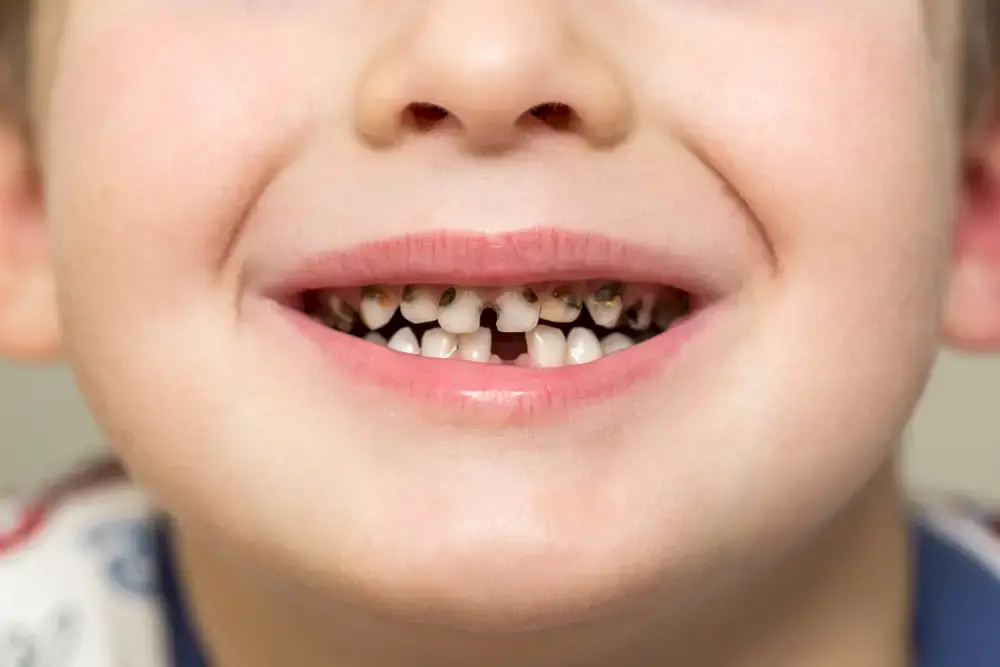
Child with cavities

What Are the Symptoms of Cavities?

There are many symptoms of cavities to be aware of, as these signs and symptoms should not be ignored. If these symptoms occur, it is vital to visit the dentist to ensure the tooth decay does not become worse. Symptoms of a cavity include:

  • Tooth sensitivity
  • Pain when you bite down
  • Spontaneous toothaches
  • Mild to sharp pain when drinking or eating something cold, hot, or sweet
  • White, brown, or black staining on the tooth’s surface
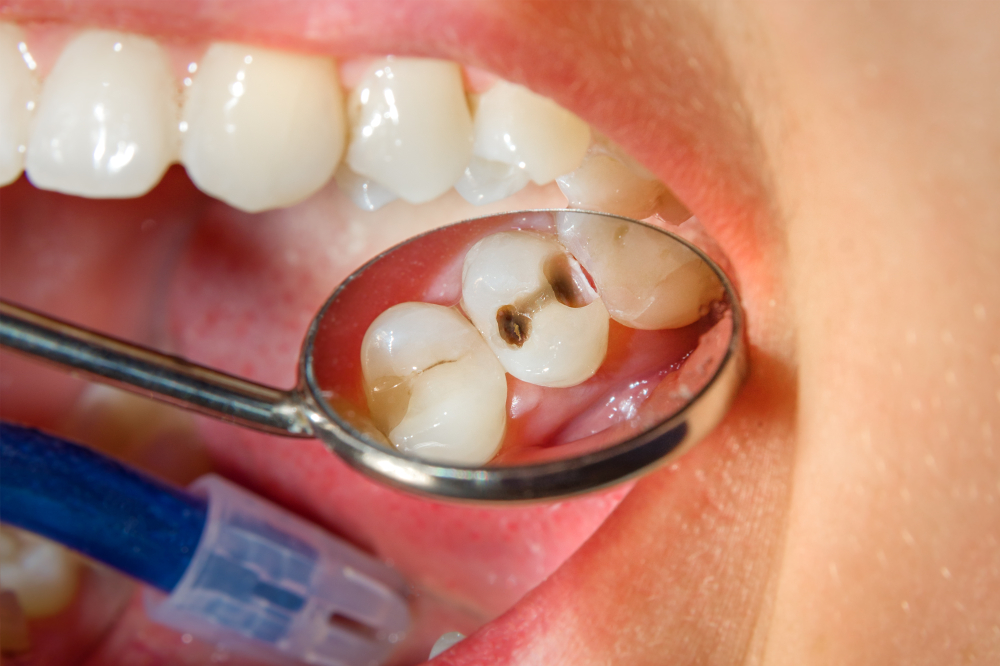
  • Visible pits or holes in the teeth

Final Thoughts

While genetics can be the cause of cavities in children, it is crucial to remember how good oral hygiene can help prevent the development of tooth decay.

Regular visits to the pediatric dentist can help prevent cavities and promote good oral health. Make an appointment with The Super Dentists today!

What is the Age Range for a Pediatric Dentist

Pediatric Dentist Age Range 

If you’re wondering about pediatric dentistry and the pediatric dentist age limit, you’ve come to the right place. Just as it is important that you take your children to a pediatric doctor for health checkups, it is equally important to see a pediatric dentist for oral hygiene. At The Super Dentists, our pediatricians have training and expertise to treat children’s developing teeth and potential issues like gum problems, cavities, tooth decay and crowding of the teeth. 

“All they do is see kids,” Dr. Hoss said of pediatric dentists. “They are not only very good at everything related to the technical dental needs of the child, but they are also great at understanding child behavior and working with children who have special needs.”

Pediatric practitioners are also great at educating parents using the latest information on best practices for daily mouth hygiene.

What’s the Difference Between Pediatric and Adult Dental Care / Services?

While general dentists focus solely on adult teeth, pediatric dentists usually only treat children’s teeth. A pediatric dentist has two to three years of specialty training following dental school and limits his/her practice to treating children only. 

The American Academy of Pediatric Dentistry (AAPD) explains that the two-year pediatric dentistry residency program starts after graduating from dental school and immerses dentists in scientific study and clinical experience. “The trainee learns advanced diagnostic and surgical procedures, along with child psychology and clinical management, oral pathology, child-related pharmacology, radiology, child development, management of oral/facial trauma, care for patients with special needs, conscious sedation and general anesthesia,” says AAPD.

You can count on your pediatric dentist to be the primary and specialty oral care provider for your children from infancy through adolescence. Here are some key qualities of a pediatric dentist: 

  • Pediatric dentists complete four years of undergraduate college followed by four years of dental school and at least two more years of extra education focused on pediatric dentistry. 
  • They are trained to treat children in a way that makes them feel safe and comfortable 
  • They are trained to educate children about oral healthcare topics using developmentally appropriate language.
  • Pediatric dentists include orthodontic assessment and intervention as part of their examination.
  • Their offices are usually a fun place to be with kid-oriented toys and activities. Perhaps they are playing kid’s movies on the television in the lobby or offering video games.  
  • They offer special instruments and materials small enough for tiny mouths.

Should Kids Go to a Pediatric Dentist?

The answer is yes! Kids should absolutely go to a pediatric dentist. Think of pediatric dentists as specialists in their field. Children’s mouths and jaws are still developing, and pediatric dentists are trained to work with developing mouths. Pediatric dentists are trained in how to intervene in a child’s dental problems early to prevent more serious problems down the road.

There are certain dental issues seen exclusively in children. For example, natal teeth require special care, as do childhood cavities. 

Pediatric dentists are trained to understand the anatomy of baby teeth and can perform procedures for primary teeth, like a baby root canal for example.  When you bring your child to a pediatric dental, here are the specific treatments they can perform: 

  • Helping your child as the first teeth erupt.
  • Dental sealant to help prevent cavities.
  • Administering of resin-composite tooth-colored fillings. 
  • Effective sedation for kids to have a painless and worry-free procedure.
  • Guiding children’s teeth into correct positions to help with orthodontics.

“We have flavored gloves and equipment that isn’t as intimidating as what you’ll find in a general dentist’s office,” said Dr. Hoss, co-owner of The Super Dentists. “And we can use lasers a lot of times instead of drills. These things make a big difference to kids.”

What Ages Does a Pediatric Dentist Treat?

Some may ask, what age does pediatric dental stop? If you are wondering if there is a particular pediatric dentist age limit, there is not. The pediatric dentist age range is usually six months to a year old up to 18 years of age, but they may also treat adults with special needs. 

Does it Matter if I Don’t Take My Child to a Pediatric Dentist?

A general dentist will be able to meet most of your child’s dental needs and sometimes families opt for a general dentist so the entire family goes to the same office. There are exceptions to the rule, though. If your child has special dental needs, it is wise to take them to a pediatric dentist where they are specialists in children’s oral hygiene. 

Special needs children or children who have behavioral problems can benefit from the advanced training that pediatric dentists receive. Pediatric dentists are not just trained in pediatric dentistry, they are also trained in behavior modification and use this training to help all kids improve their oral health.

Are Teens Too Old for Pediatric Dentists?

There is no set pediatric dentist age limit according to pediatric dentists so it is certainly appropriate for teenagers to stay at a pediatric office rather than switching to an adult dentist. Teenagers can decide for themselves when they are ready to transition to a standard dental practice.

While there is no pediatric dentist age range set in stone, there are advantages to teenagers staying put at their pediatric dentist office. For one, the pediatric dentist has knowledge of your teenager’s oral history and is in a better position to assist. If you are wondering when do you stop seeing a pediatric dentist, rest assured that The Super Dentists will always be here to help kids big and small as they transition into adulthood with all of their oral hygiene needs. We grow with you and your teeth! 

For more information about pediatric dentistry, call The Super Dentists at 1-855-GO SUPER. The Super Dentist has been reinventing and transforming the dental experience for thousands of kids in San Diego since 1996. 

How Tooth Decay Starts: Early Warning Signs

Early Signs of Tooth Decay in Children 

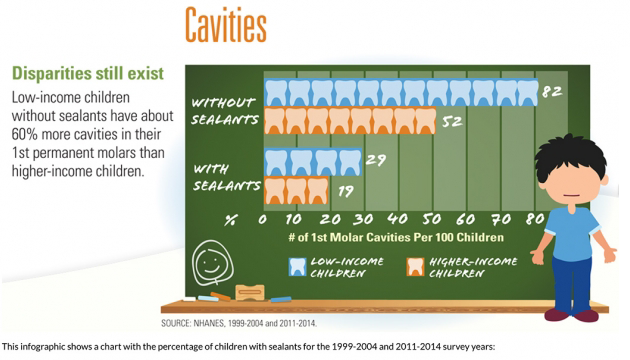
Are children too young to worry about different tooth decay stages? Unfortunately, the answer is no. While many parents think that tooth decay is an adult problem, the statistics say otherwise. For example, research from the U.S Centers for Disease Control and Prevention (CDC) shows that about half of U.S. children have at least one decayed tooth. The National Institute of Dental and Craniofacial Research says that 42% of children aged 2 to 11 will develop at least one cavity.

Tooth decay is a serious juvenile dental problem considered to be the most common chronic disease in children. As such, it’s important for parents to know the early signs of tooth decay in toddlers. Here at The Super Dentists, we see the devastating effects of various stages of tooth decay and how it impacts our young patients.

Knowing how to spot the signs of tooth decay, and (more importantly) avoiding tooth decay in the first place, should be at the top of every child and parent’s list.

With that in mind, we thought it was a great time to explain some early warning signs of tooth decay, information about tooth decay stages, and different oral care habits you can promote to keep those cavities at bay.

What Are The Main Causes of Tooth Decay in Children

Children love their cookies and candies, and it is those things that contribute to tooth decay in children. When kids eat foods high in sugars and starches, bacteria is left on the teeth. Some of the main culprits are:

  • Raisins
  • Candy
  • Cake
  • Cereal
  • Bread
  • Milk
  • Fruit juice

When food, acid,  bacteria and saliva combine in the mouth they create plaque that sticks to the teeth. This plaque will eat away at the tooth enamel, causing cavities. Liquids like juice and sports drinks are particularly harmful because they coat the entire tooth with acidic bacteria. 

When children snack throughout the day and drink their sugary drinks, the plaque builds. Combine this with poor dental hygiene and a lack of fluoride in the water and you have yourself a recipe for cavities. 

Signs and Symptoms of Early Stage Tooth Decay

How to Spot Tooth Decay Stages: What Kids Say, What Parents See

Like any other disease and some preventable problems, tooth decay in children and adults has telltale signs and early warning signals. Pay attention to these in order to keep your child’s oral healthcare at an optimal level.

If kids complain about the following symptoms, early signs of tooth decay might already be progressing:

  • Sensitivity to hot or cold beverages & food. In early signs of tooth decay, the small pits and holes in teeth enamel expose nerve endings to food and beverages. One of the most common early signs of tooth decay is sharp or dull pain associated with taking in hot or cold foods & beverages. If your child complains of tooth pain when eating certain foods or consuming certain beverages, tooth decay might be the culprit.
  • General toothache. A dull, chronic toothache is often a symptom of an early sign of tooth decay. Similar to temperature sensitivity, any toothache should be addressed immediately. Schedule an appointment with your dentist to find out what’s going on.
  • Trouble focusing at school. When your child’s teeth hurt, they can’t concentrate on learning. Kids with dental disease are three times more likely to miss school and four times more likely to get a lower than average GPA. Kids who don’t like their smile may not want to draw attention to themselves or want to speak up in class.

For parents, pay attention to these possible signs of tooth decay:

  • Tooth discoloration. If your child’s teeth have black or brown spots or similar discoloration, it’s time to see the dentist. These spots are often the early-early warning signs of the most common symptom of tooth decay: cavities.
  • Bad breath. Talk about an in-your-face warning sign for tooth decay! Bad breath is due to excessive bacteria in the mouth cavity, and this bacteria is more prevalent during the early tooth decay stages.
  • Bleeding gums. Tooth decay and gum disease (gingivitis) sometimes go hand in hand. If you detect bleeding gums, schedule a dentist appointment for a checkup.

While these are the most common symptoms of tooth decay stages, also look out for pain when biting or unpleasant taste in the mouth. Keep the lines of communication open with your child about their teeth so you can address the issue before it worsens.

What Types of Treatment Will a Pediatric Dentist Recommend?

The Super Dentists recommends that children with tooth decay get composite fillings, which are natural looking tooth colored fillings, to fill in the hole and protect the tooth from more damage. Composite fillings are attractive and easy to put in. The dentist simply removes the decayed portion of the tooth and replaces it with the filling. Composite fillings are designed to be durable and last many years as long as your child has good dental hygiene.

Depending on the severity of the cavity, your dentist may recommend indirect restoration in the form of inlays, veneers, bridges or crowns. Another option is a newer treatment called silver diamine fluoride. During the procedure, a liquid is used to reduce and prevent tooth decay until your child’s primary teeth fall out.

Preventing Tooth Decay 101Something to Smile About: The Benefits of Daily Discipline with Dental Care

So, what are the best ways to prevent tooth decay? Here’s a handful of things that can help – today!

For younger kids (up to 6 years old):

  • Brush 2-3 times daily. This one’s obvious, but it’s the most important factor for preventing early stage tooth decay. The American Dental Association recommends that children brush two times a day for 2 minutes and floss once a day.
  • Watch the bottle time. If your child still feeds from a bottle, remove the bottle when they’re sleeping. The sugars in liquids like milk, juice or formula can contribute to tooth decay, even in children as young as 1-2 years old!

For older kids (6 years and older):

  • Promote a healthy diet. Everyone knows kids love sugar. But too much sugar is a major reason for high rates of tooth decay in children. Dairy products, nuts, veggies, and other snacks are a great substitute for chips, chocolate, hard candy, etc. When packing lunches, get creative with snacks so your kids won’t miss sweets.
  • Floss every day. Kids should get into the habit of flossing at least once per day. Flossing helps eliminate plaque buildup and is the perfect complement to a regular brushing routine.

If you’re not sure about the current state of you child’s oral health, schedule an appointment at any of our six San Diego offices. We also offer teen and adult dentistry services as well – stop by for a checkup while your children are at their own appointment! Thanks for visiting The Super Dentists!

What to Expect at a Kid’s First Dental Appointment

Like their first haircut, a kid’s first dental appointment is cause for excitement and, for many parents, a little anxiety as well!

The Super Dentists, San Diego’s most trusted pediatric dentistry, is here to help answer some questions about your kid’s first dental visit, including: 

  • When should a baby have their first dentist appointment?
  • What to expect at your baby’s first dentist appointment?
  • What’s the best way to prepare for your child’s initial dental visit?
  • And much more

We’ve helped hundreds of families get through their kids’ first dental experience, and our highly trained pediatric dental experts are here to ease anxiety, build confidence and help establish lifelong, positive dental care habits.


When Should a Baby Have Their First Dental Appointment?

One of the most common questions we receive is: when should a baby have a first dentist appointment?

It’s a great question, with a simple answer. The Super Dentists recommends that a kid’s first dental appointment should occur as soon as the first baby teeth erupt or no later than their first birthday. During this visit, we’ll review important aspects of children’s dental health, including issues like teething and thumb sucking, along with helpful tips on locking in healthful dietary habits and other important behaviors to focus on.

Looking ahead, you should also take your child to the dentist before age 4 if there are any poor oral habits such as thumb-sucking and no later than age 7 to see the orthodontist to check the bite, space for permanent teeth, airway, and so on. If you wait too long for your kid’s first dental visit, existing problems can hinder early childhood dental habits, so it’s best to address them quickly by scheduling an appointment. You can also give us a call at 1 (855) GO SUPER.


Benefits of Taking Your Kids to the Dentist When They Are Young

We highly recommend making sure that your kid’s first dental visit occurs at an early age. There are many benefits to this:

Early Detection – If your child has any type of dental issue including cavities, gum disease, or misaligned teeth, we’ll be able to identify and treat it before it becomes a problem.

Establishing a Routine – Your kid’s first dental visit is important for getting them into the routine of going to the dentist. This is something that will benefit them for many years.

Preventing Anxiety – Taking your children to the dentist when they are young will help them to understand what to expect. They’ll become comfortable at the dentist which will reduce their anxiety moving forward.

Your kid’s first dental experience is so important for their oral health so be sure to visit the dentist with your child at a young age and get them started off on the right foot!


What to Expect at Toddler’s First Dentist Appointment


So you’ve scheduled your kid’s first dental appointment – now what? As the anticipation builds, you might wonder “What do they do at baby’s first appointment?”

Most of your baby’s first dentist appointment is a simple information-gathering exercise. It’s also an informal meet and greet between the pediatric dentist and your child. Many parents expect a flurry of dental activity during the first visit only to find out there was no reason to worry.

Here’s what you can expect at your child’s first dental appointment: 

  • A friendly introduction.
  • A brief exam of your child’s teeth. Our pediatric dentist will assess their teeth, along with the gum line and jaw development.
  • For children a year old (or close to a year), a brief dental cleaning may also be performed.

Common treatments may include methods to reduce finger sucking, how to properly manage teething, and other issues related to baby/toddler dental care. While these treatments aren’t required for every patient, they might be administered to your child.

Plus, we’ll also schedule your child’s second dental appointment.


How to Prepare for a Baby’s First Dental Appointment?

Keep your child in a positive frame of mind prior to their first dental visit. You should also encourage your child to brush prior to the initial appointment, as this gives them a point of reference and some familiarity in advance of the big day.

For parents, here are some ways to prepare:

  • Get a list of questions together. Remember – there are no “bad” questions when it comes to your kid’s first dental visit!
  • Give your child a brief visual exam – you might find an issue or two that needs addressing.
  • Set aside plenty of time. Take a half-day of vacation, or do whatever you have to in order to ensure your child has plenty of time before, during and after your baby’s first dentist appointment to answer questions, provide encouragement, etc.


Establish a Dental Routine

Now that you know when a baby should have their first dentist appointment, how to prepare for the visit, and what happens during, it’s time to extend the knowledge you’ll learn in-office to the home, and that means establishing a sustainable, easy to follow dental care routine for your child.

After your kid’s first dentist visit, make sure they brush at least twice per day (younger children will need assistance), and, once their teeth fully come in, incorporate flossing as well. Doing this will help prevent tooth decay and ensure your children have healthy smiles for years to come! The Super Dentists has a great article on this very subject – check it out today!

Remember that your kids’ 1st dental experience can help shape how they look at going to the dentist for many years. Make it a memorable experience!

We’re here for you and your entire family, from your children’s first dental visit and well beyond! Book an appointment with The Super Dentists today, and if you have any questions about your upcoming visit or anything else, call us at 1 (855) GO SUPER. You can also shoot us a text message at 1 (844) 765-1234.

Visit us today and see why 1 in every 5 San Diego children is a Super Dentists kid!

How to Have Healthy Gums: Here’s the Secret


Great oral health starts with the gums. While most people focus on the teeth, gums are just as important – in many ways, even more critical, since they hold the teeth in place. The foundation for a healthy smile is rooted (literally) in clean, healthy gums.

Having healthy gums is especially important for children.  According to the U.S. Centers for Disease Control and Prevention (CDC), tooth decay and gum disease (gingivitis) are closely linked. 

About 1 in 5 children aged 5-11 have at least one decayed tooth, which is a direct result of gingivitis. About 60% of U.S. children show signs of gum disease. All of this means knowing how to get healthy gums and keep them that way is a crucial process for superior health.

The Super Dentists, San Diego’s premier pediatric, parent dentistry, and orthodontics practice, thinks everyone deserves a winning smile – and it starts with good teeth and gum care. It’s important that parents understand what healthy gums look like. Can you identify healthy gum color and how to restore gum health in a child who is behind? 

After a brief overview of the hazards of gum disease, let’s look at some different ways your child can boost their gum health – which ultimately leads to overall well-being!

What are the Dangers of Gum Disease?

Gum disease, also known as periodontal disease, is an infection of the tissues that support the teeth. It is a common problem, especially in adults, but it can also occur in children. 

The dangers of gum disease include tooth loss, as the infection can cause the gums to pull away from the teeth and the teeth to become loose. Gum disease can also cause bad breath and changes in the way the teeth fit together when the child bites. 

If left untreated, gum disease can lead to more serious health problems, such as infections in the bone and tissue supporting the teeth, and an increased risk of heart disease. It is important for children to practice good oral hygiene and to see a dentist regularly to help prevent gum disease.

The statistics about gum disease are alarming enough – but did you know that gingivitis is linked to an assortment of maladies and diseases, including obesity, diabetes, heart disease, infertility, and more?

Currently, the link between gum disease and higher mortality from COVID-19 illustrates a topical urgency on this subject. A recent study showed that patients with gum disease were almost 10 times as likely to die of COVID-19 than patients with healthy gums.

It appears the bacteria and microbes associated with gum disease cause a severe spike in the immune system, which, in terms of the body’s ability to fight off respiratory diseases like COVID-19, is like throwing gasoline on the fire. That is why knowing how to get healthy gums is more critical than ever before!

How to Improve Gum Health with Homecare

Getting healthy gums isn’t just good for your mouth – it’s good for your entire body and overall well-being! It’s easier than ever to obtain healthy gums by using simple prevention tactics. Try these healthy oral hygiene habits for a few weeks, and you’ll soon discover the difference between healthy vs unhealthy gums.

  • Brush more often. Already brushing your teeth twice per day? Try adding in another brief brushing session – for example, a lunchtime brush (if you already brush your teeth in the morning and before bed).  
  • Say so long to nicotine and tobacco. If you smoke or use smokeless tobacco products, quit the habit and your mouth will thank you (so will the people around you). When people ask The Super Dentists how to get healthy gums, this is one of our favorite answers for smokers.
  • Don’t forget to floss. Flossing helps remove bacteria and food debris, two of the main catalysts for gum disease. It only takes a minute, but this small step pays big dividends in the quest for healthy gums.

Positive habits and behaviors start at home. Make sure to encourage your children to take care of their teeth & gums on a daily basis.

What Causes Gum Recession

Gum recession is when the gum tissue around the teeth wears away, exposing more of the tooth or the tooth’s root. There are many factors that can contribute to receding gums:

Brushing too hard or using a toothbrush with hard bristles can cause gum recession by damaging the gum tissue. It’s important to use a soft bristle toothbrush and know how to brush properly

Gum disease is a common cause of gum recession. The infection caused by gum disease can cause the gums to pull away from the teeth, leading to gum recession.

Grinding or clenching the teeth puts excessive pressure on the gums and can lead to loose teeth and receding gum lines.

Misaligned teeth or a poor bite can cause gum recession by placing unnecessary pressure on certain areas of the gums. This can also cause bleeding gums.

Hormonal changes, such as those that occur during pregnancy or menopause, can cause the gums to become more sensitive and prone to gum recession.

Healthy Gums vs. Unhealthy Gums – The Big Difference in Oral Health

What do healthy gums look like, and what color are healthy gums? Simply put, healthy gums have a healthy pink color and are absent of any discoloration or recession. Inflammation and bleeding are two obvious signs of unhealthy gums. If your child experiences bleeding while brushing or flossing, there’s a good chance they have early onset gingivitis.

What do unhealthy gums look like?:

  • Receding gum line
  • Swelling
  • Areas of white spots on the gums
  • Pockets between teeth and gums
  • Loss of tissue and bone (this indicates severe gingivitis)

Your child’s gums should be pink or red, with no receding. Also, their gums shouldn’t bleed from brushing or flossing. Keeping their gums (and your gums) healthy is just as important for oral health as it is for overall health; numerous studies show links between poor oral health (including gingivitis) and other health problems, including diabetes, heart disease, obesity and more.

Unhealthy gums, or gum disease, can be a more serious problem if it is left untreated. Gum disease leads to infection in the tissues around the teeth and can cause gingivitis and periodontitis.

Gingivitis is the early stage of gum disease and is characterized by red, swollen, and bleeding gums. If left untreated, gingivitis can progress to periodontitis, which is a more serious form of gum disease. Periodontitis involves the destruction of the gum tissue and the bone supporting the teeth, and can lead to tooth loss.

How to Have Healthy Gums Naturally 

Aside from smart, disciplined at-home oral health, another way to strengthen gums naturally is with a sensible diet of mouth-friendly foods. Limit your child’s sugar intake and make sure they drink plenty of water (instead of sugary soft drinks and fruit juice).

Foods for Healthy Gums

Additionally, here are some foods for healthy gums that can help strengthen gums naturally:

  • Apples – Considered Mother Nature’s floss by some experts, apples have natural acids that help clean teeth and gums. What’s more, the fruit’s skin acts as a natural flossing mechanism to keep gums healthy! Encourage your child to eat an apple for dessert!
  • Dairy products – Calcium is essential for healthy teeth and gums, and few foods can match dairy for concentrated calcium content. Sugar-free yogurt, milk, and cheese are smart options here.
  • Fibrous vegetables – Fiber is an underrated ingredient for healthy gums. Fibrous veggies take extra chewing to break down, which prompts extra saliva production. The saliva, in turn, washes away harmful bacteria to keep gums free of food particles and plaque.
  • Ginger root – This pungent herb isn’t normally considered a mouth-friendly food, but it has naturally occurring anti-inflammatory compounds to promote healthy teeth and gums. Try some in a stir fry for your next family meal. Instead of jarred ginger, go with freshly grated ginger root.

What do healthy gums look like? Those who enjoy a wide assortment of natural, whole foods! Along with brushing, flossing, and giving up bad habits (see above), substitute sugar and processed snacks with the foods listed above, and you’ll soon learn how effortless it really is to obtain and maintain healthy gums!

Ensure Optimal Gum Health – Visit The Super Dentists Today!

A great smile starts with solid gum health. Know the difference between healthy vs unhealthy gums. The Super Dentists, San Diego’s largest and most trusted pediatric dentistry, orthodontics, and teen and adult dentistry practice, is here to help with your family’s oral healthcare needs. From our innovative dental care techniques to a patient-friendly atmosphere, The Super Dentists are ready and looking forward to seeing you soon!

If you’re ready to make an appointment, you can do so using our easy-to-schedule online portal here.

Can You Get Your Teeth Cleaned with Braces

For anyone that’s just had braces put on, plenty of questions immediately pop up. A common one is, can you get your teeth clean with braces? The short answer: Yes!

The long answer: Not only CAN you get your teeth cleaned with braces, but you SHOULD also aim for the best possible dental cleaning with braces, as they pose unique challenges to overall oral health.

The Super Dentists offer comprehensive, all-in-one orthodontic care for all of our patients, which includes regularly scheduled teeth cleanings.

With so many questions on dental cleaning with braces, we thought it would be a good idea to create this article to answer all of your questions such as, “Can you get a teeth cleaning with braces?” 

Cleaning Teeth with Braces

 Can you get your teeth clean with braces? Yes – and it’s imperative that you do. Two big factors illustrate the importance of dental cleaning with braces:

Time. How long do braces take? Some people can have braces on for 2 years or even longer. With a minimum time of 6 months, that’s plenty of time for plaque and tartar buildup. Over the course of 6 months – 2 years, regular cleanings are highly recommended.

The plaque factor. As mentioned briefly above, plaque and tartar love to hide near each tooth’s brace mount, and under the wires and bands. Without a disciplined care regimen (at home and at The Super Dentists), cavities will eventually surface. Some people think you can’t get your teeth clean with braces, but you can – and we’ll show you how below!

How Often to Get Teeth Cleaned with Braces

Can you get your teeth clean with braces? Well, it can be difficult to get a truly thorough cleaning by yourself, so The Super Dentists recommend visiting one of our offices at least 2-3 times per year for a dental cleaning.

Other patients may require more cleanings, depending on things like a hereditary propensity for cavities, how well they take care of their teeth at home, and other factors.

What to Expect When Getting Your Teeth Cleaned with Braces

Even though you have braces, there’s nothing “special” to expect during your appointment. Just like any other teeth cleaning appointment, a dental cleaning appointment with braces on follows the same structure. 

The only (minor) difference might be a bit more time in the chair, as our dental hygienist may need extra time to clean in and around your braces. This means all you have to do is sit back, relax and breathe. Let The Super Dentists (or hygienists) take care of the rest!

Dental Cleaning With Braces

Let’s review a few important points about dental cleaning with braces, including how the teeth are cleaned with braces on, and some brief tips for your home routine.

How Do Dentists Clean Teeth with Braces

Do orthodontists clean teeth? What about dentists? The answer is none of the above. At The Super Dentists, we have highly trained dental hygienists to handle all teeth cleaning with braces.

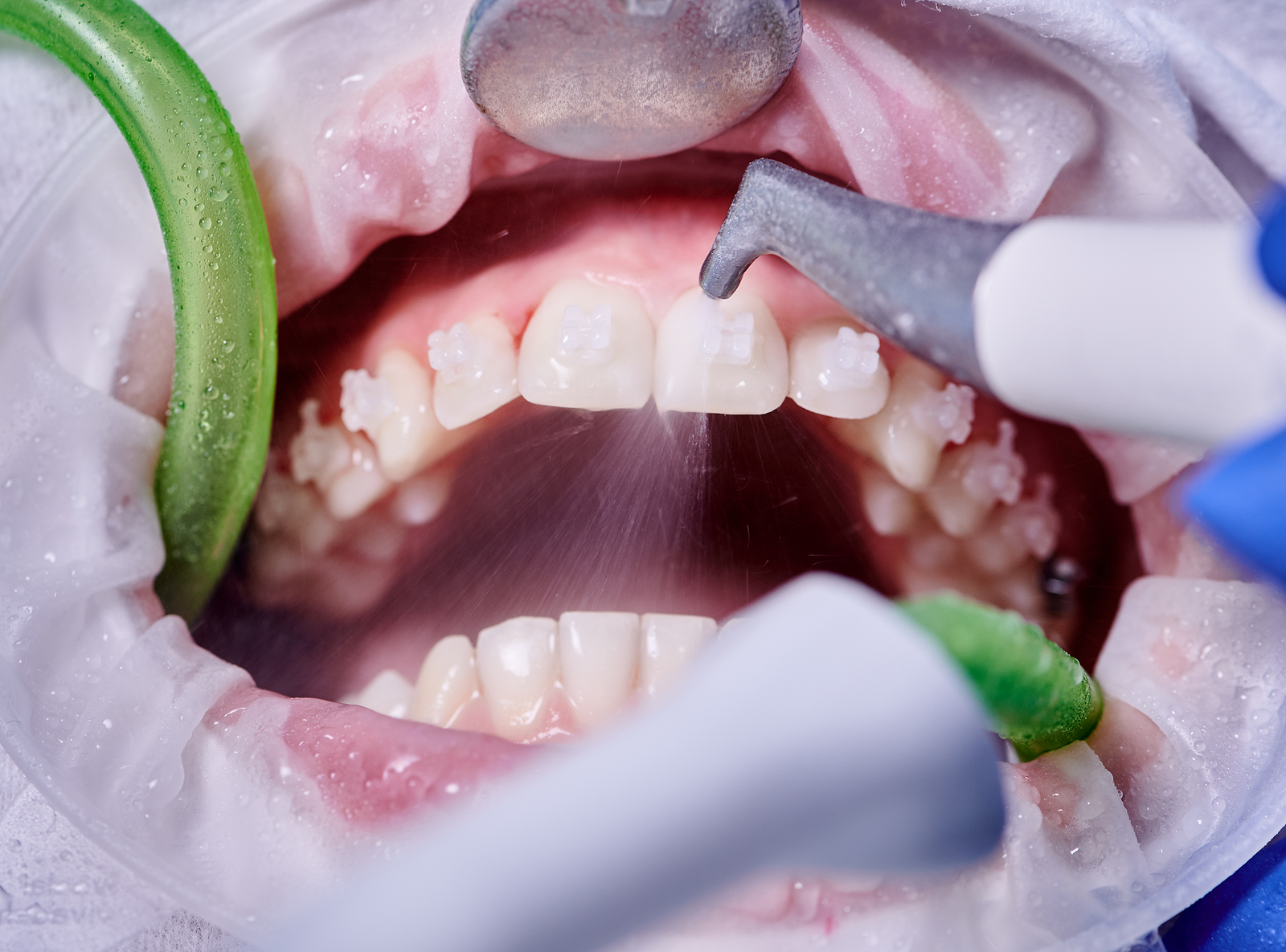
Depending on the types of braces you have, the hygienist will gently wash water between your bands and teeth in order to remove bacteria that cause plaque and tartar. Gentle flossing is also performed so your gums stay food particle-free and clean.

Can you get your teeth clean with braces? If you visit The Super Dentists, there’s no doubt about it!  

Basic Tips for a Home Routine with Braces

 Here are three basic things you can do to ensure thorough dental cleaning with braces:

  • Brush (and brush some more): Try to brush your teeth after every snack or meal. If that’s not possible, make sure you’re brushing at least twice per day to keep plaque at bay.
  • Don’t forget to floss. Flossing is a little tricky with braces, but it’s well worth the effort in order to maintain a healthy smile (even with braces on)! Insert one end of the floss between the upper part of the brace mount and gum, and gently floss back and forth. Repeat as necessary.
  • Mind your diet. Try to avoid sugary, sticky substances, as they’re breeding grounds for bacteria, plaque, and tartar. If you must indulge, a quick rinse with water will at least lessen the impact of that occasional treat until your next brush time.

And here’s a fourth tip: visit The Super Dentists for regular teeth cleanings. We’ll help ensure your teeth stay clean, even with braces on! If you have any questions, or you’re not sure you can get your teeth cleaned with braces, stop into any of our San Diego-area offices or schedule an appointment online, and we’ll take care of you!

Thanks for visiting The Super Dentists, Southern California’s #1 pediatric and teen and adult dentistry and orthodontic network.


How Long Do Braces Take for Kids & Adults

You’ve got a stellar smile. And your kids light up the room. But even those fantastic smiles could be taken to the next level by straightening and correcting common dental issues. And you’re totally on board. But you have one major question… how long do braces take?

How Long Do You Have to Wear Braces?

Some things in life have easy answers: How long should you brush your teeth? Two minutes. How much water should you drink? At least 64 oz a day. Unfortunately, answering “How long do you have to wear braces,” is not quite as easy. While the average is 1-3 years, orthodontia is tailored specifically to each individual person. So the most honest answer is…it depends.

How Long Do Braces Take for Kids?

Children are often in braces for shorter periods of time than adults. But how long do braces last? It all depends on their specific dental problems, including the current positioning of their teeth and jaw, as well as the overall severity of dental issues. 

Because your kid’s jaw is still growing and developing, the teeth do tend to reposition more quickly than an adult’s. Nevertheless, the average length of braces treatment for kids tends to be 15-18 months.

How Long Do Braces Take for Adults?

Adults often wear braces longer than children for the simple fact that major misalignments or other pre-existing dental issues (often from childhood) can make treatment a little more intensive. However, adults are usually better at following the dentist’s instructions. (This helps a lot!) The average length of time for grown-ups to wear braces is 2-3 years. 

What Factors Can Shorten or Lengthen How Long Do I Have to Wear Braces?

For great orthodontia results, it simply takes time. Your teeth are anchored in your bones and must be safely and gently moved into their new positions. But as you may have guessed, there are many factors that play into how long you’ll have to wear braces. The good news is that some of these factors are even in your control!

Crooked Teeth

Perhaps the most common reason people choose braces for their children is crooked teeth. But just how crooked are those teeth? Is there enough space to straighten the crooked teeth or is there crowding? If the teeth are a little crooked, it won’t take too long. But if it looks more like a crossword puzzle, it’s going to take a little longer. But have no fear, The Super Dentists will get your kids there!

Bite (Over or Under)

Another factor for the length of time you’ll be in braces factors in your bite. That’s how your lower and upper teeth (and jaw) are positioned in relation to each other. And yes, braces are impressive enough they can even correct bites. But again, the length of time it takes just depends on how severe the misaligned bite is.

Lifestyle

Now for the best news…the factors you can control. If you’re looking to shorten the length of time you or your children have to wear braces (and who isn’t?) a few lifestyle choices to take care of your braces will make a HUGE impact.

  • Keep it clean. Brush, floss, and use water picks to keep the teeth and gums clean and healthy.
  • Keep your appointments. Constantly going to the orthodontist? Keep it up. Staying on a regular schedule means the progress is monitored and can be tightened and adjusted regularly. Missing appointments just means you’ll be wearing braces that much longer.
  • Follow instructions. Your dentist will give you specific instructions about what and when to wear additional accessories like mouth guards, appliances, headgear or other things. It’s all for your benefit.
  • Diet. A braces-friendly diet can make a big difference in completing your regimen faster. Avoid sugary foods and drinks, popcorn, sticky foods like caramel or taffy, and hard or super crunchy foods like apples, corn on the cob, or pretzels.

Still, have questions? Contact The Super Dentists at 619-DENTIST (619-336-8478) and find out why The Super Dentists is the most trusted and most fun experience in dental or orthodontic care in Southern California.

Don’t Fear the Dentist – How to Overcome Dental Anxiety

Dental anxiety is experienced by people of all ages, from kids to adults. Public speaking, extreme water depths, the dark, spiders and other phobias are nothing compared to the dental chair for some people.

More than 1 in 10 Americans cancel appointments or delay oral health care due to dental phobias. It’s a much more common fear than most people realize – up to 25% of people worldwide experience mild to severe dental anxiety. Children are especially vulnerable to dental chair phobia.

The Super Dentists is at the forefront of the fight against dental anxiety. With a kid-friendly environment, caring staff and state-of-the-art services designed to put any child at ease, our area dental offices have one goal: to give kids stress-free, educational and fun dental care. No other pediatric dentistry helps children (and even adults) overcome dental anxiety like The Super Dentists.

Let’s take a deep-dive into dental anxiety – don’t worry, it’s not as scary as you think!

What Is A Family Dentist? And How Are The Super Dentists Different?Dental Anxiety Basics

Like every other fear, a host of factors can trigger dental anxiety. For many children, simply sitting back in the dental chair automatically triggers a perceived lack of control. That’s a primary reason why our dentists and staff provide personalized, attentive care. Each patient is different – and no two patients experience dental anxiety in the same way.

Pain is another major reason for dental anxiety. Both actual and perceived pain keeps more people away from the dental chair than you’d think. And it’s not just pain from the actual procedure that causes fear – needles to administer anesthesia are as much to blame for dental anxiety as anything else.

Sensory stress also plays a major part. From sharp needles to loud noises to weird smells and more, the mere act of getting a dental procedure can be enough to instantly trigger dental anxiety. In some ways, dental anxiety is a natural response to perceived fear. But with The Super Dentists’ modern and innovative treatments, it doesn’t have to be this way!

How The Super Dentists Help Children Overcome Dental Anxiety

We know that fear of the dentist is a common problem with some children, especially for new patients. Every child deserves exceptional dental care – especially those facing dental anxiety. That’s why all of our San Diego area offices employ specialists who can help your child manage and overcome dental anxiety.

Sometimes, special accessories are required to help alleviate dental anxiety. Enter The Wand®. Known as the “Magic Wand” at our offices, this innovative computerized device delivers anesthesia in steady doses to specific areas in the mouth. As a result, needles aren’t required to administer painkillers for regular dental procedures. The Wand can even treat a single tooth, if required. Both adults and children appreciate the added control – and more importantly, less stress! We implement the latest dental accessories to reduce stress in the dental chair. The Wand is just another method to help our patients get the care they deserve.

A major source of dental anxiety involves the amount of time spent in the dental chair. Thanks to our innovative, time-saving approach to pediatric dentistry and orthodontic services, The Super Dentists can offer optimal care in minimal time. For example, our Clear Aligners® braces, Acceledontics™ orthodontic procedures and other cutting-edge practices ensure your child spends less time in our office, and more time enjoying what they love to do! But even while they’re here, rest assured our that patient, responsive staff will tend to their every need.

For new patients, our welcome is like none other. Our friendly staff, colorful characters, augmented reality experiences and more helps any child to forget about dental anxiety, and focus on fun instead. The Super Dentists makes going to the dentist fun! There’s something to be said for avoiding dental anxiety in the office, and no other dental network works harder to put your child at ease.

What’s more, we have a ton of educational resources on our website to increase patient knowledge. Since dental anxiety often involves ignorance about treatment, our video library and other tools help patients conquer their fears before ever stepping foot in our office.

Carmel Valley Pediatric Dentist LocationVisit The Super Dentists Today!

The Super Dentists have a handful of San Diego-area offices to serve you and your family. Discover why one in five San Diego children is a Super Dentists kid – schedule an appointment and see how we can help anyone overcome dental anxiety. Going to the dentists shouldn’t invoke fear…it should be fun! That’s the thinking behind The Super Dentists experience. Stop in and visit us today.