
Chew on This: Practical Dental Tips for Parents
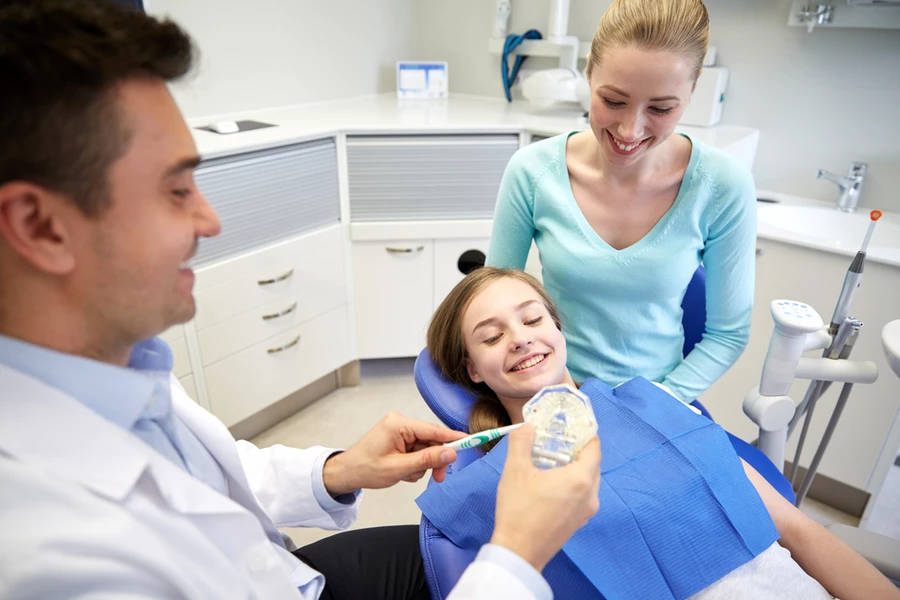
Good dental health for kids starts with good habits at home. Parents and guardians play a crucial role in developing positive, healthy behaviors at a young age – and that’s important for robust, lifelong well-being.
We’ve created this dental checklist for parents like you to encourage, promote, and positively reinforce good dental hygiene with your kids. As you’ll see, the imprint parents make on their children at a young age can make a world of difference down the road for the better – and not just for oral health, but for their overall health as well!
But why should you care? Did you know that the number one chronic disease among preschoolers is tooth decay? It’s true. One out of 10 two-year-olds have one or more cavities. By age three, 28% of children have one or more cavities and by age five nearly 50% of children have one or more cavities. Thankfully, most instances of cavities are preventable.
But to prevent issues from developing, you have to be your kids’ #1 advocate and support system when it comes to teaching them reliable, sustainable dental health habits. We can help.
Why it Can Be Hard to Enforce Healthy Dental Habits in Kids
Here are just a few concerns that can detract from strong dental health habits for kids:
- Negative reinforcement: Away from home, children are bombarded with a multitude of subliminal messages, particularly as they relate to good oral health care. From sugary snacks to fast food and more, it’s tough for parents to encourage teeth and gum care when unhealthy food and drink are everywhere. About those sugary snacks…
- Sugar, sugar, sugar: This one’s so important, we had to say it three times. The amount of sugar (and preservatives) in our food has skyrocketed in the past few generations. This increase in sugar consumption is tied to gum disease, cavities, and other oral health care issues for children. Limit your children’s sugar intake, including both hard substances (like candy) and soft drinks. Sugar in juice, formula and milk can also lead to tooth decay in toddlers and infants.
- General apathy: Let’s face it: most kids aren’t enthusiastic about teeth and gum care. But as you’ll see in this dental checklist, there are ways to counteract carelessness with common sense habits to encourage good dental health. It all starts with you – as your children’s parent or guardian, you and your family dentist are their best dental health guides!
We created this dental checklist and dental health guide because we know how challenging it can be out in the real world to follow by-the-book dental advice. Just remember, you don’t have to go it alone – The Super Dentists are here to help!
Why It’s Still Important to Follow These Dental Tips for Parents
The benefits of good dental health habits go far beyond your child’s teeth and gums, and they far outweigh any potential challenges associated with establishing and maintaining these habits.
Dental Health & Overall Health Are Related
Recent studies have shown a strong correlation between oral health and overall health. If your child’s teeth and gums aren’t in good health, there’s a good chance the rest of the body won’t be healthy. That’s why it’s so important to promote and encourage a dental checklist for kids.
Poor dental health is associated with the following disorders and diseases:
- Diabetes
- Cardiovascular disease
- Obesity
- Insulin resistance
- Respiratory disorders (including asthma)
- Osteoporosis
- Alzheimer’s disease
- Pregnancy complications
- And many more
The Importance of Balancing the Oral Microbiome
Researchers think the link between poor oral health and other disorders is due to bacteria in the mouth. This usually isn’t a problem – bacteria (good and bad) is always in the mouth – but these bacteria can more readily enter the bloodstream and spread illnesses and viruses if the gums are compromised.
gums and receding gums are telltale signs that other health problems may be imminent – if they’re not happening already.
For these reasons alone, it’s in any parent’s best interest to encourage healthy dental habits.
Establish a Brushing & Flossing Routine
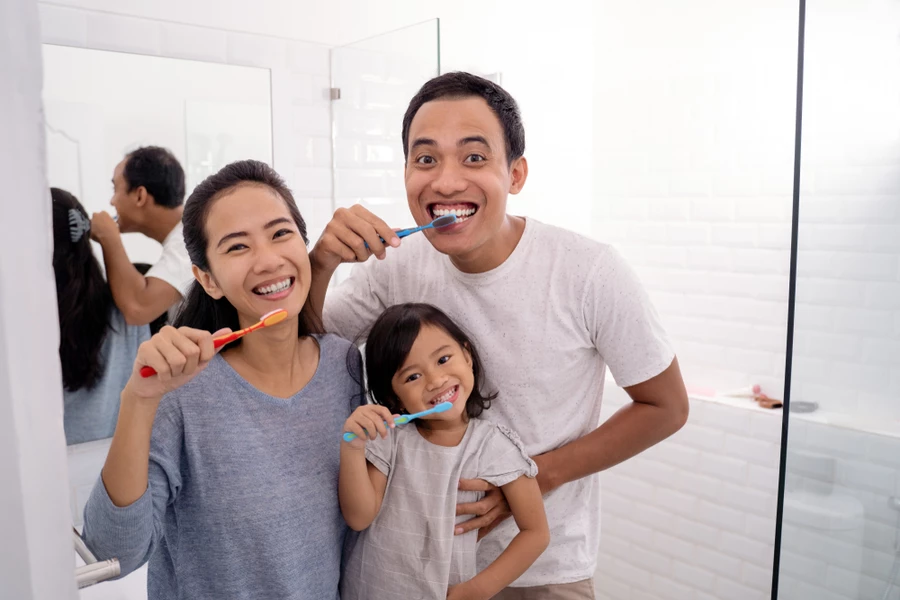
A consistent daily routine of brushing and flossing is as essential as visiting the dentist’s office for checkups and cleanings. Children should brush their teeth twice each day with fluoride and/or hydroxyapatite toothpaste, as either ingredient helps prevent tooth decay and fluoride makes your child’s teeth stronger.
The Super Dentists recommend brushing before breakfast and before bedtime at night. The mouth becomes acidic for about 30-60 minutes after eating or drinking so it’s important that you never brush your teeth immediately after eating or drinking food or drinks.
Here is a daily routine to promote healthy teeth for kids and set them off on the right path:
- Set a time each morning and night for teeth cleaning, and try to make it fun instead of a dreaded task.
- Listen to your kids’ favorite music or sing songs as a brushing timer. Kids brush 73% longer when listening to music.
- Add a silly brushing dance to your routine.
- Play a funny video on your smartphone to pass the time.
- Use one of these fun toothbrushing apps.
- The SuperMouth app will bring all of your favorite Super Dentists characters to life using augmented reality.
- The Toothsavers Brushing Game helps kids track their own brushing in a fairy tale land.
- Disney Magic Timer by Oral B allows kids to navigate tooth brushing time with Disney, Marvel, and Star Wars characters.
Dental Checklist: What to Do, By Age
Aside from your dentist, you are your child’s #1 dental health guide. Here are some recommended dental healthcare tips for all stages of childhood. Use our dental checklist from infancy through the teenage years.
Infants
- Clean your baby’s gums with gauze or a warm washcloth before the first teeth arrive.
- After feedings, wipe the gums with gauze or warm washcloth.
- Don’t give your baby a pacifier dipped in sugar or sweet liquids.
- Hold off using fluoride toothpaste until your baby is at least 24 months old.
- Schedule baby’s first dental visit no later than six months. Your dentist will review important oral healthcare needs for the transition from infant to toddler.
Toddlers
- Show your toddler how to brush their teeth by setting an example.
- Use only a soft bristle toothbrush with a flexible head.
- Use a small amount of fluoride toothpaste.
- Work inside to outside. Start with inner teeth surfaces first, with bristles angled toward the gum line.
- Brush the teeth chewing surfaces last.
- Ensure your toddler doesn’t swallow any toothpaste.
- Start the brushing and flossing routine early. Pick a consistent time, for example, 15 minutes before bed every night, for your toddler to brush their teeth.
- Begin a regular flossing routine. Flossing before brushing is a good idea, as dislodged food particles can be washed away during brushing.
- Use a waxed, child-friendly floss.
- Schedule twice-yearly dental appointments with your dentist. Some toddlers are more susceptible to cavities and other oral health disorders, and your dentist can help ensure superior dental care during this crucial time.
- Implement a reward system. Toddlers respond well to positive reinforcement. Provide small rewards, like reading an extra story with them for brushing their teeth every night.
Children
- Continue to schedule regular dental appointments and pediatric dental check-ups.
- Provide healthy snacks for school lunches. Possibilities include celery with cream cheese, nuts, Greek yogurt with berries, and salads.
- Limit sugar consumption. Easier said than done, but children ages 5-12 will develop harmful snacking habits without proper guidance.
- Buy a new toothbrush every three months. Let your child pick out the color or design, but continue to use a soft bristle toothbrush.
- Pay attention to dental care advisories regarding certain school activities and sports. If necessary, have your child fitted for a mouth guard.
- Watch out for juices and soft drinks! Children love these sweet substances, but they’re a primary cause of tooth decay, gum disease, and other oral health hazards. Go with water and non-sweetened drinks instead.
- Keep track of daily brushing habits. Your child should brush once in the morning and once at night, at a minimum.
- Settle on a schedule. Similar to toddlers, tying brushing habits to bedtime is a good idea to create a routine for them.
- Pay attention to teeth alignment. Many kids will require braces, so make an appointment with an orthodontist by no later than age 7, to ensure optimal dental health. Orthodontists should see your child while their jaw is still developing to proactively troubleshoot issues.
Teenagers
- Stay on track. The positive habits your children have built from infancy to childhood should continue through the teenage years. This is the “final stage” of positive dental health parenting – it’ll be over before you know it, so finish strong!
- Encourage your teen to brush 2-3 times per day, and floss at least once per day.
- Keep tabs on wisdom teeth. The arrival of wisdom teeth can cause pain and discomfort, misaligned teeth and possibly cause mouth infections. If you’re not sure about wisdom teeth, schedule an appointment with your dentist.
- Have your teen fitted for a mouthguard if they’re involved in any interscholastic sport. Even if your school district doesn’t require one, The Super Dentists recommend the extra protection.
- Get a new toothbrush every 3 months.
- Encourage a healthy diet. Try to limit excessive sugar consumption, and also avoid too many processed carbohydrates and sweeteners like high fructose corn syrup.
How to Help Keep Your Kids’ Teeth & Gums Healthy
You already know about all the challenges facing your children. And you’re now aware of the varied health issues related to poor oral health. This knowledge, combined with the determination to improve the dental health of your kids, is all you need to ensure this is the best year yet for their teeth and gums!
We hope this dental health guide helps you and your children toward better oral health – and overall health! Now that you know the importance of good dental health habits for your children, it’s time to put your plan into place! Here are a few tips and tricks to get started today.
Manage your time.
Good dental health habits for kids don’t just happen. You and your family have to take the time to make everything work. This includes regular times for brushing teeth, flossing, and practicing good oral health habits. Have a definitive plan in place that includes specific times for these practices. Set reminders in your cell phone, or the low-tech refrigerator chart is always a good idea!
Set an example.
Children look up to their parents for behavioral cues. If you’re not taking care of your teeth, it’s hard to expect your children to follow suit. Ensure your own dental checklist is on track: keep a consistent, disciplined oral care regimen, and your children will likely take your lead. Good dental health habits are all about walking the walk, not just talking the talk!
Reward a job well done.
Use incentives to reward good dental health habits. For toddlers, this could be an extra healthy snack at lunchtime or even a small toy. Older children (especially teenagers) aren’t as likely to be swayed by similar rewards, but there are still opportunities to promote positive reinforcement. Extending bedtimes for a half-hour or an extra few bucks in your children’s weekly allowance might do the trick. Find out what your children love, and use it as a driving force toward checking all the boxes on their own dental checklists!
Don’t lose sight of the prize.
And the “prize” here is, of course, lifelong health. A dental checklist is only the beginning of your family’s journey. There will be bumps (and maybe a few cavities) along the way. But never forget WHY you’re encouraging good dental health for your kids: better overall health and superior well-being as they grow into adulthood. By taking care of their dental health early, your children will reap the rewards later. Stay focused on the long-term prize, even as you take care of relatively short-term goals and habits.
Have fun.
Kids will be kids – they love to enjoy themselves, even when it comes to a dental checklist or working on better dental health habits. The reward system (see above) is a great way to add some excitement, but that’s only the start. Try to have as much fun as you can with your children’s dental health habits, while also making sure those teeth are brushed and flossed on a daily basis. Again, this is easier with toddlers than older kids, but there are always opportunities to sweeten the deal – hopefully without sugar-heavy snacks or high fructose corn syrup!
Dental Health FAQs
How Many Teeth Do Kids Have?
Children have a total of 20 primary (baby) teeth. These include:
- 4 central incisors
- 4 lateral incisors
- 4 canines
- 8 molars
How Many Baby Teeth Do Kids Have?
Kids have 20 baby teeth, which are also known as primary teeth or deciduous teeth. These teeth begin to erupt around six months of age and are eventually replaced by permanent teeth.
Why Are My Kid’s Teeth Yellow?
There are several reasons why your little one’s chompers might be looking a little bit stained:
- Plaque and Tartar Build-Up: Poor brushing habits can lead to a build-up of plaque and tartar, causing yellow discoloration.
- Staining from Food and Drinks: Certain foods and drinks like soda, fruit juices, and berries can stain teeth.
- Medications: Some antibiotics and medications can cause yellowing of the teeth.
- Thin Enamel: If the enamel is thin, the yellowish dentin underneath can show through.
- Poor Oral Hygiene: Inadequate brushing and flossing can lead to stains and plaque build-up.
When Do Kids Get Their Adult Teeth?
Children usually start to lose baby teeth and get adult teeth around 6 years old. This process continues until they are about 12-13 years old. The first adult teeth to appear are usually the central incisors and the first molars.
Why Does My Child Have Bad Breath?
Bad breath in kids can be caused by a number of things, including:
- Poor Oral Hygiene: Not brushing and flossing regularly can lead to food particles being trapped in the mouth, causing bad breath.
- Dry Mouth: Saliva helps cleanse the mouth, and a lack of it can cause bad breath.
- Diet: Certain foods like garlic and onions can cause bad breath.
- Dental Issues: Cavities, gum disease, and infections can contribute to bad breath.
- Health Issues: Respiratory infections, sinus infections, and gastrointestinal problems can also cause bad breath.
If your child has persistent bad breath, it’s a good idea to visit a pediatric dentist to rule out any underlying issues.
The Super Dentists: Your Parental Sidekick in Keeping Kids’ Mouths Clean & Healthy
The Super Dentists is known as the San Diego region’s premier family dentistry practice, and our pediatric dental services are second to none. Ochildren-first culture ensures that your kids will look forward to all their dental appointments.
We’d love to see you today! Schedule an appointment at one of our San Diego offices, call 1 (855) GO SUPER, or text us at 1 (844) 765—1234. Our mobile messaging platform makes it easier than ever to receive updates on your family’s dental care.