
Dental Hygiene for Kids: What You Need to Know
Establishing good oral health habits for kids may not involve what you think. Then again, making sure that your little one’s teeth and gums are in tip-top shape doesn’t have to be overly complicated, either.
Once you know the dos and don’ts of good habits for healthy teeth and gums, it’s pretty easy to ensure that both you and your little ones lean into good habits and stay away from bad ones!
It’s with the above in mind that we’d like to introduce you to some of the healthy habits everyone should incorporate into their daily dental routine.
5 Healthy Habits for Teeth & Gums
Everyone’s probably heard that brushing your teeth and flossing are important. But just how important? When there’s an excess buildup of plaque and bacteria on the teeth and in between the gums, kids can develop gingivitis.
In fact, 73 percent of children between the ages of 6 and 11 develop gingivitis at some point during that period.
What’s more, during adolescence, the likelihood of developing gingivitis increases to between 50 and 99 percent.
Luckily, in most cases, this is all preventable by following these 5 healthy habits for teeth and gums.
1. Brush Twice a Day
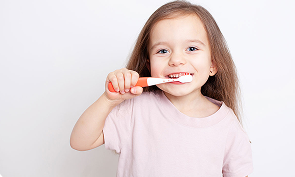
Make sure your little one brushes their teeth twice a day using a soft-bristled toothbrush.
The brush you choose is just as important as the brushing technique and the strategy you use to make brushing something your child won’t feel is a chore.
Some important numbers to remember when it comes to toothbrushing are 2, 3, and 45.
- Brush the teeth twice a day for 2 minutes.
- Replace your toothbrush or toothbrush head every 3 months.
- Brush the front surfaces of the teeth at a 45-degree angle.
When brushing the chewing surfaces of the teeth, brushing “head-on” (not at an angle) is the right approach. Meanwhile, when brushing the back of the teeth, orient the toothbrush vertically and brush up and down.
Remember not to remind your child not to brush too hard or brush into the gums, since that can cause the gums to recede and expose the roots, leading to sensitivity and even an increased risk of cavities.
2. Floss at Least Once a Day
Brushing the teeth removes surface tartar and bacteria from the tooth, but it doesn’t address the gums. Flossing, on the other hand, does. So be sure to establish a regular flossing routine with your kiddos at least once a day, and preferably twice a day.
Using floss picks may be helpful to start things off or for those with disabilities. Otherwise, using a traditional spool of floss that is PFOA-free is encouraged.
Here’s how to floss correctly:
- Measure Up: Grab 18-24 inches of floss. It’s more than you think, but you’ll need it!
- Wrap It Right: Wrap the floss around your index or middle fingers for easy control.
- Glide, Don’t Saw: Gently slide the floss between your teeth. No sawing motions—your gums will thank you!
- C is for Clean: Curve the floss into a C shape to hug your teeth and clean under the gumline. This is one of the reasons why regular floss is preferred to flossing picks—the coverage is much better.
- Keep it Fresh: Use a new section for each tooth to keep things clean. Don’t forget those back molars!
3. Choose Anticavity Toothpaste with Hydroxyapatite
Getting your child to start using toothpaste that helps prevent cavities is super important!
Most people know about fluoride, but Hydroxyapatite is just as effective, and is much safer, especially for little kids who haven’t learned safe swallowing skills yet.
Toothpaste like SuperMouth Mouthpaste with Hydroxamin™ takes the benefits of Hydroxyapatite even further, combining nanohydroxyapatite with Vitamin D3, and Vitamin K2.
4. Clean Your Tongue
Most people think that brushing and flossing go together like peanut butter and jelly, but then they forget about the importance of tongue scraping. This is a mistake because there are a ton of bacteria that live on our tongues.
Encourage your little one to give their tongue a few gentle scrapes with a tongue scraper to freshen their breath and contribute to a healthier oral microbiome, too.
5. Rinse as Needed with Alcohol-Free Mouthwash
Is mouthwash good or bad? The truth is that most alcohol-based mouthwashes kill both good and bad bacteria and change the mouth’s pH, throwing the oral microbiome out of balance.
But pH-balanced mouthwashes can be a helpful addition to a healthy dental hygiene routine for kids and adults!
So teach your little one to swish for 30-60 seconds on the regular. This can be especially helpful as a first step before brushing or flossing in the morning to loosen plaque that built up overnight, or as a last step in the evening after brushing and flossing before going to bed.

How to Make Dental Health for Kids Fun & Engaging in 8 Steps
We’ve covered what’s important to do to ensure a healthy mouth, teeth, and gums. But now how do you do it? After all, toddlers, school-aged kids, and even teens don’t always want to follow the rules or do what they should.
Here are eight ways to teach your little one good oral health habits, with your help, of course:
- Lead by Example: Show your kids how to care for their teeth by doing it yourself, starting from an early age when they’re impressionable. Brush, floss, and visit the dentist regularly. Kids mimic what they see!
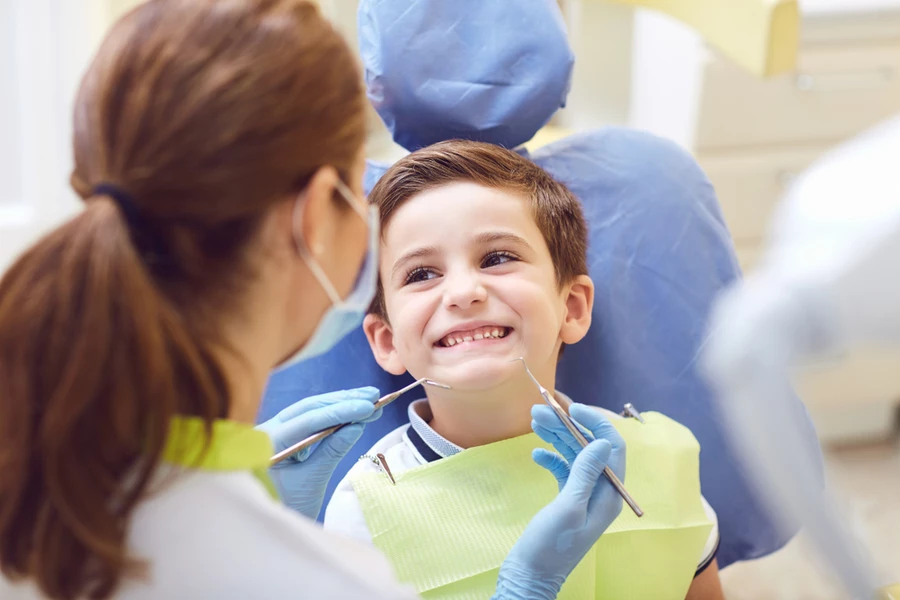
- Take Them to Your Checkups: Bring your kids to your dental appointments. It helps them get comfortable with the dentist and see that it’s not scary.
- Provide Healthy Foods: Offer mouth-friendly foods like fresh fruits and veggies. Avoid sugary and sticky snacks that can harm teeth.
- Teach Them Patiently: Show kids how to brush and floss correctly. Use a pea-sized amount of toothpaste, angle the brush towards the gumline at a 45-degree angle, and make tiny circles.
- Make Brushing Fun: Find a two-minute song for brushing time. Music makes it fun and helps them brush longer. Or choose a musical toothbrush.
- Turn It into a Game: Create a brushing chart or family competition. Reward consistent brushing with stickers or small treats.
- Find a Family-Friendly Dentist: A good dentist can make visits enjoyable. Look for one that’s great with kids.
- Prevent Oral Health Problems: Early dental care prevents issues later. Teach your kids good habits now for a lifetime of healthy smiles.
What Happens with Poor Oral Hygiene for Kids?
If you don’t establish healthy routines to help your little one take care of their teeth and gums, it could lead to a pH imbalance in the mouth that allows bad bacteria to thrive. That, in turn, could cause cavities, loss of teeth, gingivitis, or other more advanced forms of gum disease like periodontitis.
Over time, the plaque that regular brushing and flossing remove could also build up, leading to heart disease and other health concerns.
Thankfully, by establishing a daily oral care routine with your little one, you could help prevent all these issues and more.
Schedule a Kids’ Dental Check-Up Now
Are your kid’s teeth and gums healthy and are you doing all you can to keep them that way? Find out by scheduling a dental check-up appointment at The Super Dentists now!