Loading...

How to Develop Good Dental Care Habits

Optimal dental habits are like a solid financial investment. The day-to-day effort required for both is minimal, and the long-term “wealth” (in the case of good oral hygiene, wealth=health) accumulated is literally hard to put a price tag on.

Establishing solid dental habits, like brushing and flossing, at an early age, will benefit your child for the rest of their life. The Super Dentists, San Diego’s largest, most trusted & top awarded pediatric dentistry, orthodontics and teen and adult dentistry practice, believes developing and sustaining good oral hygiene at home is an important way to ensure life-long overall health. 

What is the Best Oral Care Routine?

When thinking about good oral hygiene and optimal dental habits to follow, it’s helpful to remember one size does not fit all. That said, good dental habits apply to everyone. Taking care of your child’s teeth and gums is in their best interest, especially considering oral health is linked to their overall wellbeing.

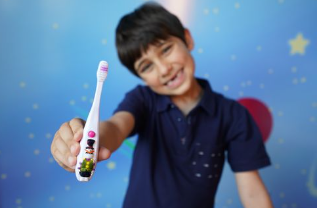
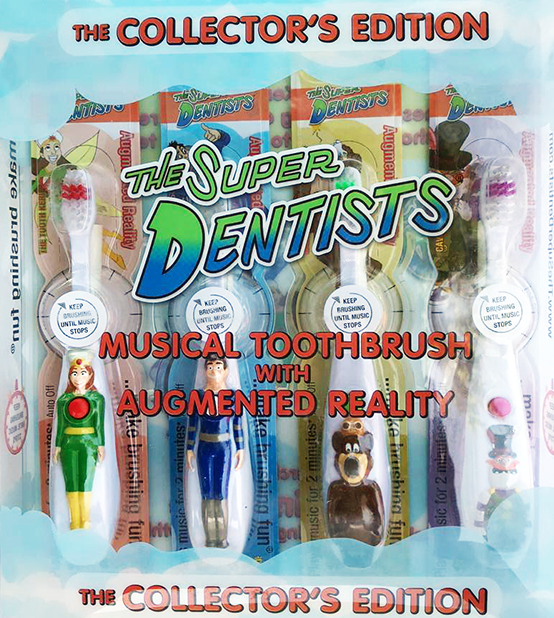
  •   Try the 2 x 2 method. Is your child currently brushing their teeth long enough? A sure-fire way to ensure their pearly whites receive the requisite attention is the 2 x 2 brushing schedule – they should brush their teeth twice each day for at 2 minutes each time. Think about it…that’s just 4 total minutes out of their day. A small time investment time, with big benefits! The 2 x 2 method is promoted by the American Dental Association (ADA), and we’re certainly on board with this technique for improving dental habits! In fact, our exciting & innovative Super Toothbrush includes a 2-minute song to help your child establish good oral hygiene practices.
  •   Limit sugar intake. Some of the best dental habits happen far from the bathroom sink. Excessive sugar consumption is the #1 cause of tooth decay in children. Even a disciplined dental care schedule can do little against an onslaught of sugary candy and soft drinks. Watch how much sugar your child is actually eating – there’s a ton of hidden fructose, glucose and other simple sugars in many foods and snacks.
  •   Floss every day. Flossing is often overlooked, but equally as important as a daily brushing routine. Make sure your child flosses at least once a day, either morning or evening, whichever they’re more likely to do consistently.
  •   Visit The Super Dentists on a regular basis. We recommend kids be seen by the dentists every 6 months to ensure they’re on the right track with good oral hygiene. It’s a simple step, and your child will love each and every visit to The Super Dentists, where we turn fear into fun! 
Can You Pass Cavities on to Your Kids?Bonus Tips: Dental Habits to Break

Good oral hygiene is also about what NOT to do. Avoid these habits, and your child’s teeth and gums will suddenly be worth smiling about!

  •   Brushing with the wrong brush. Always opt for soft bristle toothbrushes. Medium and hard bristles add unnecessary friction to the teeth and gums, and are counterproductive to good oral hygiene.
  •   Stop biting nails. Did you know about half of children under 18 years old bite their nails? This common habit contributes to excessive pressure on the teeth and gums. And it’s unsanitary to boot – nail biting introduces unwanted bacteria germs into the mouth cavity.

 Visit The Super Dentists – We’ll Help Your Entire Family with Good Dental Habits!

The Super Dentists is committed to comprehensive dental care, and our San Diego-area offices are staffed with some of the region’s best pediatric dentists, general dentists and orthodontists. Plus, we can ease dental anxiety with fun, innovative, immersive adventures during each visit! And remember, we’re also known for our grown up teen and teen and adult dentistry services, too!

Come see why 1 in every 5 San Diego children in San Diego is a Super kid. Book an appointment today, and give your child an out-of-this-world dental experience. Text us at (844) 765-1234, or call (855) GO SUPER (467-8737). Thanks for visiting The Super Dentists!

Cosmopolitan | Good advice for Bad Breath

Thankfully, it’s the 21st century and there are so many expert-approved ways you can make sure your breath on point. For the most part, they’re all pretty low-maintenance, but you may have to scale back your two to three cups of coffee a day and your **dumps garlic powder all over everything** habit.

Below, we asked dentists to share their expert tips on what you can do to prevent bad breath from creeping up again and how to help your breath stat if you want a fix, like, right now.

1. REDUCE OR ELIMINATE ALCOHOL CONSUMPTION.

It’s tragic, I know. But according to Dr. Kami Hoss, DDS, alcohol can really damage your oral microbiome. Not sure what that big word is? (Don’t worry, I didn’t either at first). So, it’s microorganisms that are found in the human oral cavity that are really essential to our health. It also plays a big part in maintaining a steady and normal oral ecological balance. And on top of that, it can cause your mouth to get really dry which could lead to bad breath. If you notice that you’re drinking a lot and you’re starting to develop an odor in your mouth in conjunction, maybe the solution is cutting down on the booze!

2. TRY AND AVOID EATING CERTAIN FOODS AND DRINKS.

Unfortunately, onions, garlic, and coffee are big causes to bad breath. And Dr. Hoss suggests keeping away from them if you’re mindful about having your breath smell good. I know those three food/drink items are low-key essentials to life for many of us, but straying from them could be for the best!!

3. CLEAN YOUR TONGUE.

According to dentist Michelle Chan, DDS, one main source of bad breath is a type of oxygen-hating bacteria in your mouth called anaerobic bacteria. Since they don’t like fresh air, they nestle deeper into your mouth’s surfaces, causing inflammation and bleeding of the gums, which, in turn, creates a stinky, sulphuric byproduct. Sexy, right? Dr. Chan suggests using a tongue scraper to remove the bacteria burrowed in the fuzzy filaments of your tongue, or in a pinch, try using a clean spoon instead.

4. USE AN OXYGENATED MOUTHWASH.

Since anaerobic bacteria hate oxygen, try gargling with an oxygenated mouthwash to kill them fast, even in hard-to-reach places like your tonsils. Yep, anaerobic bacteria tend to accumulate in the contours of your tonsils and create super-pungent tonsil stones (a buildup of bacteria and debris in your tonsils). Yum! Dr. Chan also suggests gargling in the back of your throat with salt water to dislodge the stones or seeing your ENT doctor to remove them.

5. STAY HYDRATED.

Beauty editors like to respond to everything with “drink more water,” and I’m sorry in advance, but the same applies here. Dehydration reduces your saliva production, which is a problem because your spit has antibacterial and antifungal properties that keep your mouth healthy and your breath smelling good. And on a basic level, your saliva also helps break down your food, wash it away, and lubricate your teeth to prevent food getting stuck. “If the food’s decomposing in your mouth because it wasn’t broken down or washed out, bacteria can flourish,” Dr. Chan says. “The more food you leave behind, the more feasting for the bacteria.”  Spit is good. Stay hydrated.

6. RINSE WITH ALCOHOL-FREE MOUTHWASH.

While we’re on the topic of dehydration, go ahead and toss all your alcohol-based rinses because ironically enough, your mouthwash could be your problem. Alcohol dries out your mouth, which leads to more bacteria growth, says dentist Debra Glassman, DDS. If you don’t want to run to the store, you can create your own by mixing a tablespoon of baking soda with a cup of warm water and a few drops of peppermint essential oil. “Baking soda is a natural antibacterial, and the peppermint oil helps freshen your breath in a pinch if you run out of mouthwash,” Dr. Glassman says.

7. SNACK ON APPLES OR ANY OTHER CRUNCHY, HEALTHY FOODS.

Better make a quick stop at Whole Foods (that’s romantic, right?). The hard texture of apples, celery, carrots, etc., can remove food caught between your teeth and rub away the bacteria that’s clinging to them. Think of crunchy health foods as nature’s toothbrushes.

8. CHEW SUGARLESS GUM CONTAINING XYLITOL.

Gum contributes to better breath for a few reasons: First, the act of chewing stimulates the flow of saliva, which, remember, helps flush away bacteria. Second, it helps pick up food that’s been left behind. And third, xylitol, a sweetener, is also an antibacterial. Try SuperSmile Whitening Gum With Xylitol, or if you’re not a gum fan, try Spry Xylitol Mints.

9. EAT PROBIOTIC FOODS.

Dr. Glassman says good breath relies on a healthy gut. Eating probiotic fermented foods like kimchi, yogurt, and kefir increases the good bacteria in your gut (the large and small intestines and the stomach). And when good bacteria thrive, there’s less room for the bad bac, which can give off a not-so-pleasant smell that travels up the digestive tract and into your mouth.

10. CHEW ON FRESH MINT LEAVES OR PARSLEY.

You laugh, but it works! If you’re already on your date, order a drink with mint leaves or casually ask your server for a side of parsley (you just, um, really love parsley, okay?). The mint will help freshen your breath, and the parsley contains chlorophyll, which Dr. Jennifer Jablow, DDS, says fights against the aforementioned sulfur compounds.

11. BRUSH AND FLOSS EVERY. SINGLE. DAY.

Sure, flossing is an extra step, but it’s an essential one. Brushing your teeth helps nix the plaque and bacteria on the front, back, and the chewing surface, but flossing dislodges anything your toothbrush can’t get to between the teeth. If you don’t floss, Dr. Chan says here’s what will happen:

The minerals in saliva (like calcium and phosphates) can cause the plaque to harden between the teeth (aka tartar). Tartar is full of bacteria. The bacteria colonies can multiply and burrow deeper into your gum. Over time, the tissue around the bone gets irritated, causing inflammation. Your gums start to break down, resulting in bleeding gums when you brush your teeth. If it progresses, the space between the gums and teeth grows. Welcome to gum disease.

Basically, anaerobic bacteria are the culprit behind gum disease and bad breath. So brush and floss, or bad breath will be the least of your concerns.

12. STEER CLEAR OF CIGARETTES.

Aside from the obvious fact that cigarettes smell bad, Dr. Chan says smoking inhibits your immune system, which can interfere with your bod’s ability to fight off bad bacteria. That can lead to a quicker progression of gum disease and bad breath.

13. DON’T SKIP YOUR DENTIST APPOINTMENTS.

See your dentist at least twice a year (depending on your oral condition) for cleanings, and while you’re there, don’t hesitate to bring up your concerns if you’ve tried everything and your bad breath still isn’t going away. It could be the result of multiple factors, so don’t WebMD yourself into a dark hole. Just go ahead and make yourself an appointment.

This article originally appeared on Cosmopolitan.com
https://www.cosmopolitan.com/style-beauty/beauty/advice/a34387/ways-to-make-your-breath-smell-good/

Healio | Oral Health as Part of the COVID Puzzle

Maintaining oral health is an important factor in overall health and may have an essential role during the COVID-19 pandemic, an expert told Healio Primary Care.

Studies have linked oral health to lung health, including one meta-analysis published in Oral Diseases that found periodontitis was associated with asthma, COPD and pneumonia.

Poor oral health has been associated with a variety of other adverse health outcomes, including increased risks for inflammatory bowel diseaseprecancerous stomach lesionscoronary heart disease and mortality, and lung and colorectal cancers.

Healio Primary Care spoke with Kami Hoss, DDS, MS, co-founder of The Super Dentists, a large group dental practice in San Diego, to learn more about the relationship between oral health and lung health and its implications during the COVID-19 pandemic.

Q: How is lung health related to oral health?

A: It has long been known that poor oral health is a risk factor in the initiation and/or progression of respiratory infections. Dental plaque can host respiratory pathogens that can be released in saliva and can then be aspirated in the lungs. Pathogens can also enter the bloodstream through bleeding gums in patients with poor oral health and disseminate to the lungs, causing a local infection. In ventilated patients, they can also attach to the endotracheal tube and be aspirated into the respiratory tract.

Q: Why is it important to maintain oral health during the COVID-19 pandemic?

A: We know that COVID-19 affects the young and the healthy differently than [older adults] and those with underlying medical conditions. Oral health impacts overall health in profound ways. The mouth is the opening to the body and pathogens find their way in via the mouth and COVID-19 is no exception.

Q: What signs/symptoms that indicate poor oral health should primary care physicians tell their patients to watch for?

A: Bleeding or swollen gums: Healthy gums should not bleed during routine brushing and flossing. Pain: Dental, gum or jaw pain could be another sign that something’s wrong.

Halitosis: Persistent bad breath that’s not due to something obvious, such as a food source, must be investigated. Sensitivity: Excessive sensitivity to cold or sweet can be due to bone loss and root exposure or cavities. Tooth mobility: In advanced stages of periodontal disease, teeth can get loose and eventually fall out.

Q: How does maintaining good oral hygiene compare with other preventive/mitigative steps?

A: Oral health is another essential piece of the puzzle when it comes to staying healthy. So, as we all put on masks near each other and wash our hands routinely, we should also be paying extra attention to the health of our mouths.

Q: Why is oral health particularly important among nursing home residents during the COVID-19 pandemic?

A: [The] pandemic’s death toll tied to nursing homes has surpassed 50,000. Periodontal disease increases in the older population. In fact, according to CDC, more than 70% of Americans aged 65 and older have periodontal disease. The infection risk is additionally compounded by presence of removal dentures where plaque can accumulate.

This article originally appeared on Healio.com

https://www.healio.com/news/primary-care/20200618/qa-oral-health-a-piece-of-the-puzzle-in-overall-health-during-covid19

Mom.com | What Type of Toothbrush is Best

For all the time you’ve spent researching the best baby products, tools, and supplies for the nursery that make life easier when your little one is born, it’s likely you’ve considered what type of toothbrush would be best for your child until that first little tooth bud popped through.

If you now find yourself wondering how to go about choosing a toothbrush, you’re in the right place. Whether your child has just started teething or is ready to take on the responsibilities of daily brushing for themselves, there are several things to consider based on your child’s age, development, ability, and preferences.

Dr. Kami Hoss, an orthodontic specialist and dentist in California, thinks finding the right toothbrush is an important first step. “Children should like, even love, their toothbrushes so they’re encouraged to use them,” he told Mom.com. “In fact, more than a third of children brush their teeth less than twice a day. There are a variety of toothbrushes with cool designs, music, and lights to make brushing fun.”

Jamie Reed agrees that making toothbrushing fun for her child is key. “I’ve been trying new things for my toddler when it comes to toothbrushes. We’ve tried electric, and now we’re trying a light-up one,” she told Mom.com

Hoss advises parents to choose carefully when deciding what type of toothbrush is best for their child. “Anything that goes in your child’s mouth needs to be safe and of high quality. Moms need to pay particular attention to the bristles,” he instructed.

When choosing any dental product for yourself or your child, be sure to look for the American Dental Association Seal of Acceptance on the packaging. Companies are required to reapply for the Seal of Acceptance every three years to be able to use it on their packaging. It is an industry-wide designation that dental products like kids’ toothbrushes are safe and effective.

If you’re wondering what type of toothbrush is best, take into consideration your child’s age and development. The following tips should help you find the best toothbrush for your child.

Best baby toothbrush options

Until your infant begins teething, simply wiping your baby’s mouth with a clean, damp, gentle washcloth after feeding will suffice in keeping gums healthy and prevent bacteria buildup. Use a gum toothbrush at nighttime to create an evening routine. As your baby grows, routines will make the bedtime transition easier.

Another option for infants is a soft gum toothbrush that fits on the tip of your finger. These baby toothbrush silicone massagers are designed for infants over the age of two months. Once your child’s first tooth erupts, a visit to the dentist is warranted. Normally this happens when your baby is around 6 months old. This visit will give you a chance to address any concerns you may have with your child’s dentist and is a good way to screen for any potential dental issues that may arise.

Choosing a toothbrush for older kids

The best type of toothbrush
For infants and toddlers, a kids’ toothbrush with a smaller bristle head and ultra-soft bristles is preferable. Children between the ages of 3 and 12 will do well with toothbrushes with a medium-sized bristle area and soft bristles.

Should I buy an electric toothbrush for my child?
According to the American Dental Association (ADA), both manual and electric kids’ toothbrushes effectively remove plaque from your child’s teeth. Often, though, an electric toothbrush may be preferred for those with dexterity problems. “The elderly, people with disabilities, or children — or those who have dental appliances, like braces, may find a powered toothbrush easier to use,” according to the ADA website.

For help choosing the best electric toothbrush for your child, consult the ADA shopping list for toothbrush brands and products that carry the ADA Seal of Acceptance.

Best toothbrush for braces

Kids with braces face additional challenges when trying to keep their teeth clean. You can help instill good dental care habits from the beginning by providing your child with the proper tools.

According to the American Association of Orthodontists (AAO), flossing before brushing your teeth is essential. In a video demonstration, the AAO suggests a reusable floss threader to pull floss underneath each arch-wire of the braces. For braces wearers, the best toothbrush will have soft bristles. Choose a toothbrush with a channel in the center. This allows the shorter bristles to brush the area around the braces while the longer bristles reach the tooth directly.

Mom of four Laura Canada Oneill offered an extra tip. “Get an electric toothbrush and water pick,” she told Mom.com. “For my older boys, the orthodontist included an electric toothbrush with round heads that worked well with braces. The water pick works well for anyone, but especially for those with braces.”

This article was originally posted on Mom.com

https://mom.com/kids/what-type-of-toothbrush-is-best-for-my-child/best-toothbrush-for-braces

Mom.com | Best & Safest Kid Toothpastes

The average adult makes 35,000 decisions each day. I’d argue that moms of young children make even more decisions. Ensuring the safety and well-being of our kids is a top priority and often even the seemingly simple decisions, like choosing a toothpaste for kids, can be fraught with challenges.

With a myriad of choices like natural toothpaste options that are sodium lauryl sulfate-free and fluoride-free, or popular brands we all know, finding the best and safest toothpaste for our kids can be difficult. Then there’s the all-important taste factor of whether a child will tolerate a standard minty-fresh taste or prefers a non-mint toothpaste option, like fruit punch, bubble gum, or watermelon.
With all of these choices, figuring out which kids’ toothpaste is the best, safest, and most effective option is hard. This coupled with making sure your child likes the flavor, and that it also fights cavities, makes for a difficult decision. Here we share some background that could help you choose a toothpaste for your kids that checks all of the boxes.

What is in your child’s toothpaste?
Most commonly, fluoride is added to toothpaste to remineralize tooth enamel, which is the case for a wide variety of toothpaste brands on store shelves. Another common toothpaste ingredient is sodium lauryl sulfate. SLS is what gives toothpaste that foamy texture that makes you feel like it’s doing its job. If you’ve ever used an SLS-free baking soda-based toothpaste, you’ll recognize the difference.
According to studies, sodium lauryl sulfate, the detergent and surfactant that causes your toothpaste to foam up, can decrease the efficiency of fluoride. The foaming agent helps remove food debris from the teeth and slough it away. People with sensitive teeth and gums may prefer an SLS-free toothpaste. It has been known to cause inflammation and increased canker sores.
This is the case for Virginia Duan, a mom of four. “I use the DoTerra OnGuard toothpaste. It is the only one that doesn’t make my mouth break out in sores,” she told Mom.com

Dr. Kami Hoss warns against using a toothpaste that contains antibiotics or alcohol. “Some toothpaste and mouthwashes can indiscriminately kill the oral microbiome, disrupting the delicate balance. They may transform beneficial microbes into a pathogenic state or allow new, more opportunistic ones to take hold,” he explained to Mom.com.

What about whitening toothpaste?

If your older tween or teen has expressed an interest in whitening toothpastes or tooth whitening trays, the general consensus is that they are safe to use.
The National Institutes of Health defines whitening toothpastes as those that contain bleaching agents like hydrogen peroxide and silica. These abrasives remove stains to lighten tooth color and may cause temporary gum irritation. For children younger than 14 who may be interested in cosmetically lightening their teeth, baking soda toothpaste may be a more natural toothpaste alternative.

Choose the best kids’ toothpaste

Choosing a child-friendly toothpaste may seem trivial, but to many families, there are myriad factors to consider. I’m fairly vigilant in researching the products I purchase for my youngest child. With research that supports the potential adverse neurological effects of fluoride in drinking water, I choose to go fluoride-free when it comes to dental care so as not to overload his system.
Similarly, for parents whose children have celiac disease or gluten sensitivities, a gluten-free toothpaste is the safest toothpaste choice. There are even traces of milk protein in some types of toothpaste, which can be fatal to those with dairy allergies. As such, anything your child consumes or goes in and around his mouth should be researched carefully. Choosing a safe toothpaste is a decision dependent upon personal experiences, preferences, and of course health concerns.
Dr. Hoss cautions parents from just choosing a random over-the-counter toothpaste and mouthwash. “You should always consult with your dentist to use oral care products that have been customized just for you and your children,” he told Mom.com.


Combat your kids’ cavities

There are other things you can do to keep your children’s teeth free from cavities. An effective cavity-fighting solution, according to the Centers for Disease Control and Prevention, is the application of dental sealants for children between the ages 6 and 11. A thin sealant layer is painted on the surface of the tooth. This prevents decay from forming caries deep in the tooth crevices.
How to prevent cavities
Following these general guidelines also helps prevent cavities and promote good dental habits.
• Dental care should start early. Use a training toothpaste and a soft bristle toothbrush to care for your toddler’s teeth.
• For younger infants and babies, wipe a damp cloth over their gums after meals to clear away bacteria.
• After your child eats fruit snacks or takes gummy vitamins, have them brush. Gummy foods are notorious for causing tooth decay.
• Refrain from offering sugary juice in a bottle.
• Keep regular dental visits to allow your child’s dentist to monitor for potential problems before they become bigger issues.

Read the original article posted on Mom.com

https://mom.com/kids/what-is-the-best-and-safest-toothpaste-for-kids

WebMD | Virtualizing the Dental Waiting Room

June 16, 2020, by The Super Dentists

Dental offices responded to COVID-19 lockdowns in much the same way as other medical professions, halting routine visits and only providing emergency care to patients in dire need.

But now that stay-at-home orders are lifting, many dentists are reopening, but with new protocols to limit infection.

Your dental appointment will not be the same, with changes from the waiting room to the dental chair, dentists say.

First off, don’t expect to spend a lot of time lounging in the waiting room, flicking through old magazines.

Many dentists are asking patients to instead wait in their car until their treatment chair inside is ready. Patients text or call to let the office know they’re outside, and use a phone or tablet to fill out paperwork, said Dr. Kami Hoss, an orthodontist in San Diego.

“Our waiting room now starts in the car. We’ve virtualized the waiting room,” he said.

Once inside, patients will be greeted at a screening table where assistants will ask about COVID-19 symptoms and take their temperature, said Dr. Kirk Norbo, co-chairman of an American Dental Association task force that developed a guide to reopening dental offices.

“We’re pretty thorough on the whole screening process at this point,” said Norbo, a dentist in Purcellville, Va.

These screening procedures should make a dental office one of the safest places in medicine to seek treatment, according to Hoss.

“Our goal is to keep this virus outside of our office,” he said. “If a patient has any symptoms that could be a red flag, we reschedule and postpone their appointment.”

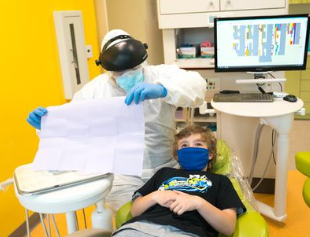
You’ll be asked to wear a mask all the way through the office, removing it only when you’ve settled in the dental chair.

You might also notice fewer people in the office. Practices are trying to space out appointments to minimize the number of folks in the building at any given time, Norbo said.

Patients are also being asked to limit the number of people they bring to an appointment. That could mean that parents leave their kids at home with a babysitter, or that parents of older kids might be asked to wait outside while their child is treated, Hoss said.

Dentists will use text or video messaging to communicate what treatment a child is receiving and what the parent needs to know about aftercare, Hoss said.

Once you’re in the chair, many things will look much the same, because dentistry has long focused on infection control to prevent the spread of H1N1 flu, HIV and other dangerous pathogens, Norbo said.

But you are liable to see your dentist and hygienist more fully decked out in personal protective equipment.

“They’re going to see more of that ‘Star Wars’ look,” with staff wearing gowns and face shields and masks, Norbo said.

There also will be some changes in procedure specifically designed to prevent the spread of a respiratory bug like SARS-CoV-2, the new coronavirus that causes COVID-19.

For example, San Francisco-based dentist Dr. Nammy Patel gives her patients a mouthwash containing hydrogen peroxide and salt to kill off any germs that might be lingering in their mouths.

“It’s been documented that the coronavirus is killed by peroxide and saline,” she said.

Don’t expect to be asked to spit, either. Patel said she suctions out the mouthwash, as well as any saliva or water that might build up in your mouth during cleaning or dental work.

“We don’t even give them the opportunity to spit,” she said.

Patel also has invested in an additional vacuum device that remains about 2 feet from the patient’s face to suck up any droplets that might fly out of the mouth.

“There are a lot of unknowns when it comes to COVID,” Patel said. “I’d rather be the helicopter mom and overdo it rather than underdo it.”

Dentists and hygienists working with a patient are being encouraged to choose methods that will reduce the amount of aerosol coming from the mouth as well, Hoss said.

Instead of drilling, a dentist might use chemicals and instruments to remove composite material, he said. Hygienists will use traditional metal hand instruments to remove plaque, rather than newfangled ultrasonic cleaners that tend to create a lot of spray.

Just remember that if you’re trying to see your dentist and you don’t have an appointment, it might be a while before you’re able to get in.

People who missed their cleanings during the two months of lockdown are now trying to reschedule. That, on top of folks already scheduled for dental work and the need to space out dental appointments, is creating a bit of a logjam in some offices, Norbo said.

“I’m amazed at the rebound of the patients,” he said. “We’re slammed right now. We’re getting booked up like it’s pre-COVID days.”

More information

The American Dental Association has more about dentists reopening their offices.

Copyright © 2020 HealthDay. All rights reserved.

Read the original article from U.S. News and World Report here

Protecting our Patients from Coronavirus

Update: March 21, 2020

Hi Super Friends,

The Super Dentists are here for you as we all adapt to our new normal for the next few weeks. Keeping our kids safe and happy while worrying about family, friends, jobs, bills, and so much else is a tall order. We want to help by reinventing & transforming your family’s at-home dental experience until we see you again.

Accessing Dental Care During COVID-19

Click here to learn what the American Dental Association considers a dental emergency. We can see emergency patients at our Kearny Mesa location ONLY (9737 Aero Drive, San Diego, CA 92123). Do not visit the emergency room for your child’s dental emergency, please call us.

DAYTIME EMERGENCY (9 AM – 3 PM)
CALL (619), (858) or (760) 336-8478 

AFTER HOURS EMERGENCY
CALL (619) 851-4704 or (619) 621-3916

Following guidance by the California Dental Association, we’ve temporarily cancelled elective dental procedures to:

  • Keep our patients, crew members and doctors safe.
  • Use less masks, gloves and other supplies health care workers desperately need.
  • Free up emergency rooms so hospitals can focus on patients with serious health issues related to coronavirus.

Your Super Kid Morning Checklist

Many daily routines have been disrupted by COVID-19, but your child’s oral health care routine shouldn’t be one of them. Having your children brush two times a day for two minutes a day and floss at least once a day can keep dental issues at bay until normal dental visits resume.

Having your SUPER kids get up at their regular time, eat breakfast, brush their teeth and otherwise keep regular routines can make life feel more normal. Download our handy checklist to help keep your child organized.

Need help teaching your child how to brush?

They’re home, you’re home, you’ve got a lot to deal with right now. Our blog has some great tips to make brushing fun for kids.

Visit our Virtual Super Lounge!

Join The Tooth Keri and Dyna in our Virtual Super Lounge, a toolkit for parents with video story time, activities, movies and more to help entertain the kids. Next week, visit us @TheSuperDentists on Facebook for more fun!

Until next time, stay SUPER safe and healthy!


Update: March 19th2020

To our super patients and families:

We are all in uncharted territory as the coronavirus COVID-19 outbreak continues to spread throughout our communities, country and the world. Since the beginning of our practice some 24 years ago, we’ve made all of our decisions by placing the safety and health of your children, families, our crew members and doctors, first.

To that end, and after careful consideration and following CDA’s (California Dental Association) strong recommendation, we’ve made the difficult (but necessary) decision to temporarily suspend nonessential or non-urgent dental care for the next 2 weeks.
As expected, we will be available for emergency care and services only. We will contact you to reschedule exams and cleanings.

If you or your child has a true dental emergency, you can be seen and treated at our Kearny Mesa office ONLY (9737 Aero Dr. Suite 210, San Diego, CA 92123).

Visit @TheSuperDentists on Facebook for the latest information.

Thank you for being part of our super family for all these years, and thank you for your understanding and patience. We wish you a healthy journey during these uncertain times and look forward to inviting you back to our offices as soon as possible.

If you have any questions, please call us at (619/760/858) DENTIST (336-8478).


March 13th, 2020

Dear Super friends,

Making sure our super patients and crew are safe is our top priority.

While the risk of getting COVID-19 in the U.S. is currently low, we know many patients are concerned about the spread of Coronavirus.

Protocols we already practice as healthcare professionals are some of the best ways to prevent transmission of the virus.The Super Dentists is in regular contact with medical leaders in the community to stay up to date on the latest information and best practices.

Keep yourself safe

  • Wash your hands often with soap and water for at least 20 seconds, especially after blowing your nose, coughing, or sneezing; going to the bathroom; and before eating or preparing food.
  • Avoid touching your eyes, nose, and mouth with unwashed hands.
  • Stay home when you are sick.
  • Cover your cough or sneeze with a tissue, then throw the tissue in the trash.

If you’ve recently traveled outside of the U.S.or have had close contact with someone who has or if you have a fever, cough or other symptoms of acute respiratory distressplease call our office to reschedule your visit. Many of our patients are children and have unique risks if they are exposed to COVID-19.

Thank you for helping us to protect all of our patients. 

Fourth ‘The Super Toothbrush Contest’ Winner Found! 1 More To Go!

Patients since 2018, Kirra, Khloe, and Griffin found out about The Super Dentists Collector’s edition Toothbrushes in our offices and bought the box. On the way home, they opened the box and it was on Dr. Have One Super Smile toothbrush.

The Super Toothbrush Contest is well underway and our fourth sticker has been found. There is still 1 more sticker out there, so keep trying! To learn more about The Super Toothbrush Contest click here!

Third ‘The Super Toothbrush Contest’ Winner Found! 2 More To Go!

Congratulations to the McAllister family who found the third golden sticker! The McAllister family have been patients since 2018, their daughter Zoe saw The Super Collector’s Toothbrushes and her dad decided to make the purchase. Her dad, John, opened the toothbrushes and found the Third Golden Sticker.

The Super Toothbrush Contest is well underway and our third sticker has been found. There are still 2 more stickers out there, so keep trying! To learn more about The Super Toothbrush Contest click here!