
Loading...

Smile Like a Superhero: Unpacking the Power of Hydroxyapatite for Your Teeth

If you find yourself here, chances are that somebody you know (possibly somebody who’s very “anti-fluoride” has told you about the re-mineralizing benefits of hydroxyapatite (HA for short).

Perhaps you came across it by happenstance on a toothpaste or mouthwash you bought and wondered “What the heck is that?!”

Regardless, if this funky-sounding naturally occurring chemical has you dazed and confused, fear not, because we’re about to dive deep into:

  1. What hydroxyapatite is
  2. What it does for your tooth enamel
  3. Different types of hydroxyapatite
  4. Whether this oral care ingredient is a hero or villain when it comes to maintaining a healthy mouth and teeth

Ready? We’re super excited to share the following info with you!…

Hydroxyapatite: A Natural Approach to Remineralization

You know that ‘80s song “She Blinded Me With Science”? Yeah…we’re not trying to do that to you! Although hydroxyapatite sounds all scientific, kind of like a crazy artificial ingredient you might find in processed food, it’s not.

In fact, hydroxyapatite [chemical makeup Ca5(PO4)3OH] is a compound that is naturally found in your teeth and bones (but it can be synthetically created).

As the American Chemical Society notes, HA is “present in as much as 70 wt% of human bone.”

It’s not a new dental ingredient either; MedicalNewsToday adds “Since the 1970s, doctors have used HA-based substances clinically in bone and dental repair procedures.”

Here’s why it matters: When it comes to both a) preventing cavities and b) reducing sensitivity of teeth, restoring tooth enamel is of critical importance. And thankfully, because hydroxyapatite is the main component of enamel, it’s incredibly effective at re-mineralizing teeth, which in turn leads to stronger teeth that are more resistant to cavity-causing foods and drinks. It may also help reverse small cavities.

Hydroxyapatite vs. Fluoride: Weighing Risks vs. Benefits

“Wait!, you might be thinking… Doesn’t fluoride do all that?

The answer is yes!

Why: This is because fluoride plays a vital role in the remineralization process of teeth. Just about every time we eat or drink, the pH in saliva drops, creating an acidic environment. When the pH lowers to around 5.5, it leads to demineralization. This is where the natural hydroxyapatite, the calcium phosphate that predominantly makes up tooth enamel, begins to dissolve.

How: Fluoride steps in during this critical phase by forming fluorapatite, a mineral more resistant to acid, which is then redeposited into the enamel as the pH normalizes. This action fortifies the teeth, making them stronger and more resistant to cavity formation.

By aiding in the formation of fluorapatite, fluoride directly combats the enamel’s vulnerability to acidic conditions, enhancing its resistance to these attacks.

Fluoride vs Hydroxyapatite Concerns: The issue between fluoride vs. hydroxyapatite is often characterized as one of danger and inefficacy, with detractors of the former saying it’s toxic and bad for you and detractors of the latter saying it’s not proven to be effective.

Fluoride vs Hydroxyapatite Concerns: The issue between fluoride vs. hydroxyapatite is often characterized as one of danger and inefficacy, with detractors of the former saying it’s toxic and bad for you and detractors of the latter saying it’s not proven to be effective.

The truth? It’s somewhere in the middle. At The Super Dentists, we advocate for taking a benefit vs. risk-based approach to using hydroxyapatite vs. fluoride products.

The truth is:

  • Fluoride can (and often should) be used for children over a certain age and adults who are at high risk of cavities or have had lots of cavities in the past 1-2 years.
  • Hydroxyapatite alone can be used by younger children who have not yet learned safe swallowing skills and therefore might be more prone to fluoride poisoning but still require a natural form of cavity prevention.
  • Hydroxyapatite and fluoride products can be safely used by individuals who can safely use fluoride to maximize remineralization, cavity prevention, and sensitivity prevention benefits.

Micro vs. Nano Hydroxyapatite: Understanding the Difference
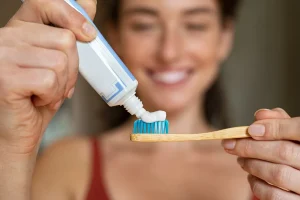
Though micro hydroxyapatite has been used since the ‘70s, nano hydroxyapatite was introduced a decade or so later and is useful because its smaller particles more easily bind to tooth enamel, making it much more effective. (And it’s not just us saying that, hydroxyapatite is proven to be both safe and effective).

The takeaway? When looking for safe and effective oral care products with hydroxyapatite, look for those with nano-hydroxyapatite specifically.

Or, shop SuperMouth products with Hydroxamin® ─ “a proprietary blend of hydroxyapatite, including its nano-form which closely mimics the structure of natural enamel, Vitamin D3, and Vitamin K2, each at their ideal concentrations for maximum efficacy.”

Learn More About Hydroxyapatite & Oral Care Best Practices

Remineralizing teeth to prevent sensitivity and cavities is important. But remember, it’s also just one part of establishing a healthy oral care routine!

Check out SuperMouth’s blog post “Ensuring Maximum Effectiveness of Your Oral Care Products” to explore the other important considerations to keep in mind when shopping for effective and healthy mouthcare products!

Shop SuperMouth Products with Hydroxamin®

Ready to start your journey to better oral health? Shop SuperMouth oral care products now.

Dental care is highly individualized, so depending on you and your child’s age and stage of life, you may be better off with either Hydroxamin®-only products or Hydroxamin® and Flouride products.

Not sure which is the case? Contact us at The Super Dentists today and we’d be more than happy to help you out!

How Do I Know if I Need Braces?: Child vs Adult

Crooked teeth. Crowding. Jaw misalignment. Oh my!

These are just some of the clues that you or your child might benefit from dental braces.

Let’s go through the most common signs that a person might need braces, both as a child and as an adult, together.

Does My Child Need Braces?

Wondering if it’s high time you took your little one to see an orthodontist? There are a couple of ways you could look at this question.

At What Age Should Kids Get Braces?

The American Academy of Orthodontists (AAO) recommends children visit an orthodontist for the first time no later than age 7. In case you’re wondering why, this is because, by this age, a child generally has enough permanent teeth for orthodontists to know whether an orthodontic problem either exists now or is in the process of developing.

12 Common Signs Your Child May Need Braces

Having a general understanding of the age at which your child might benefit from visiting the orthodontist for the first time is helpful. But as we explain in our blog post “What is the Best Age for Kids to Get Braces?”, so is developing an understanding of the signs that braces are warranted. Here are twelve of the most common:

  1. Early or Late Loss of Baby Teeth: Baby teeth act as placeholders for adult teeth. Losing them too early or too late can disrupt the eruption pattern of permanent teeth, leading to crowding or misalignment. Braces can help guide adult teeth into their proper positions.
  2. Trouble Chewing or Biting: Improper jaw alignment or misaligned teeth can make chewing difficult and uncomfortable. Braces can correct these issues, leading to improved chewing efficiency and better digestion.
  3. Mouth Breathing: Chronic mouth breathing can be a sign of airway obstruction due to a narrow jaw or crowded teeth. Braces can help widen the jaw and create space for proper tongue positioning, encouraging nasal breathing and improving overall health.
  4. Finger Sucking or Other Poor Oral Habits: Persistent habits like finger sucking or thumb sucking can push teeth out of alignment. Early intervention with braces can help prevent these habits from causing lasting damage.
  5. Crowding, Misplaced, or Blocked-Out Teeth: When there’s not enough space for all your teeth to erupt properly, they can become crowded, misaligned, or even trapped beneath the gum line. Braces can create space and guide teeth into their correct positions.
  6. Jaws that Make Sounds, Shift, Protrude, or are Recessed: Clicking, popping, or grinding sounds in the jaw joint can be signs of a misaligned bite. Braces can correct jaw discrepancies and improve joint function. Similarly, protruding or recessed jaws can be addressed with braces to create a more balanced facial profile.
  7. Difficulty Speaking: Speech impediments like lisps or difficulty pronouncing certain sounds can sometimes be caused by misaligned teeth or jaw positions. Braces can improve speech clarity by correcting these issues.
  8. Cheek Biting or Biting into the Roof of the Mouth: This repetitive behavior can be a sign of an overcrowded mouth or misaligned bite. Braces can address these issues, eliminating the need for this coping mechanism.
  9. Protruding Teeth (Upper or Lower): Teeth that stick out are more prone to damage and can affect your facial profile. Braces can retract these teeth for a more balanced smile.
  10. Teeth that Fail to Meet Normally or at All: An improper bite can cause uneven wear and tear on teeth. Braces can correct bite problems, ensuring your teeth meet properly for optimal function.
  11. Facial Imbalance or Asymmetry: Sometimes, misaligned teeth or jaws can lead to facial asymmetry. Braces can help achieve a more balanced and aesthetically pleasing facial profile.
  12. Teeth Grinding or Clenching: While not always caused by misalignment, grinding or clenching can be related to bite issues. Braces can help correct underlying bite problems that might contribute to this habit.

Do I Need Adult Braces? 5 Signs it Might Be Time

There used to be a mentality among certain adults that if you didn’t get braces as a child, getting them as an adult would be pointless and inconvenient (or maybe even a marker of unnecessary vanity).

Luckily, attitudes have long since changed. Perhaps this is due to the ever-expanding types of braces now available, such as clear aligners. Or maybe it’s just due to increasing awareness surrounding the importance of oral health and the respect for various reasons an adult might get braces, from the desire to have an improved smile to the need to eradicate chronic jaw pain.

Regardless, here are five of the top signs how to know if you need braces as an adult:

  1. Gradual Teeth Movement: Teeth may shift due to age, bone loss, or injury, and this gradual movement could cause the teeth to become crooked and overcrowded.
  2. Jaw Pain: Teeth problems may lead to jaw pain and other physical issues like TMJ.
  3. Difficulty Cleaning the Teeth: As the teeth shift, it may become exceedingly difficult to clean the teeth properly, increasing the risk of cavities, tooth decay, and other oral health problems.
  4. Past Treatment Wears Off: An adult who had braces as a child may consider it once again to straighten teeth that have shifted over time.
  5. Enhanced Smile: Adult orthodontics treatments provide a viable option to deliver a healthy smile with as little treatment time as possible.

How to Maintain Good Oral Health With Braces

One valid concern many adults have when weighing the pros and cons of braces on behalf of themselves or their children is how to keep a mouth with braces healthy and clean.

This used to be more of an issue years ago than it is today. While you can make adjustments to your routine using existing dental products, today, there are entire mouthcare systems designed specifically to work with braces.

Want to learn more? Explore the science behind superior oral care with or without braces now at Supermouth.com!

How to Prevent Cavities in Kids from Growing & Getting Worse

Cavities are one of the most common chronic diseases affecting children today. Over 40% of children have cavities by the time they reach kindergarten. Fortunately, there are many effective ways parents can help prevent cavities in kids and stop existing ones from getting worse.

This article will provide tips on limiting sugary foods, maintaining good oral hygiene, monitoring symptoms, using over-the-counter remedies, and more.

Why Do Cavities Form?

In order to know what anticavity products to choose, you should first seek to understand how and why cavities occur. While genetics do play a factor, they’re hardly the whole story.

The fact is, cavities form “when there’s an imbalance in the oral bacterial population, leading to a malfunction in the dental biofilm (plaque). This imbalance is often exacerbated by acidic conditions in the mouth, primarily caused by dietary choices, especially frequent consumption of sugary foods and drinks. The constant battle between demineralization and remineralization of the enamel is pivotal. When the balance tips towards demineralization, cavities begin to form.”

How to Prevent Cavities From Getting Worse

The best way to deal with cavities is to prevent them in the first place. However, even if a child already has some decay, there are steps parents can take to stop it from advancing further. Arresting cavity growth before it turns into a severely painful hole in the tooth is important. Here are some useful tips.

1. Limit Sugary Foods

Sugar is the primary food source for the bacteria that cause cavities. The more frequently kids eat sugary snacks, the higher their risk. Limiting sugary foods is an essential cavity prevention strategy.

Specifically, parents should restrict sugary treats like candy, cookies, cake, and sugary cereals. Beverages like soda and sweet tea can also cause major tooth decay, so limit those as well. Focus on healthy whole foods instead, like fruits, vegetables, nuts, eggs, cheese and lean protein.

If kids do eat sweets, have them rinse their mouths with water afterward. When possible, consume these treats along with meals instead of as stand-alone snacks. This decreases the time when acid attacks the teeth.

2. Maintain Good Oral Hygiene

Thorough oral hygiene is vital for combating cavities. Help kids brush properly twice a day with a soft-bristled toothbrush. Use about a pea-sized amount of either fluoride toothpaste or other high-quality toothpaste, depending on your child’s age (more on that later!)

If you take one thing away from this blog post, it is this: Good oral hygiene and cavity prevention is about much more than just avoiding sugar, brushing daily, or using fluoride. Other factors that many people don’t take into account that contribute to good oral hygiene, or the lack thereof, include:

  • The importance of mouth pH
  • Saliva vs. dry mouth
  • The oral microbiome
  • Healthy enamel

What’s more, it’s important to keep your child’s age and ability in mind when thinking about their dental care and cavity prevention, as well as their risk factor to certain oral care ingredients.

Kids’ motor skills allow increasing independence with brushing starting around age 4. However, continue providing supervision and spot-cleaning hard-to-reach places. Also, teach them to swish the toothbrush bristles along their gum lines as well as tooth surfaces.

Don’t forget to teach your little one the importance of flossing, either! Flossing also removes plaque between teeth that brushing misses. Have kids floss once daily before bedtime. Several flossing tools can make the process simpler if dexterity is an issue.

Lastly, schedule regular dental exams according to your dentist’s recommendation. Typically every 6 months covers a complete cleaning and assessment for emerging problems.

3. Monitor Symptoms and Pain

Pay attention if your child complains of tooth pain when eating or drinking cold, hot, or sweet foods. This discomfort indicates possible decay. Also, watch for questionable dark spots or holes appearing. Catching cavities early increases opportunities for simpler treatment.

Likewise, be alert to sudden unexplained toothaches. Continuous throbbing may signal an abscess (infection) forming beneath the tooth’s surface. This requires prompt dental intervention before the problem spreads. Report any suspicious symptoms at your child’s next dental appointment.

4. Use Over the Counter Medications

For mild tooth sensitivity or pain, over-the-counter remedies can temporarily relieve discomfort until seeing a dentist. However, don’t rely on these as substitutes for professional treatment.

The most effective option is ibuprofen, due to its anti-inflammatory properties. Acetaminophen also eases pain. Products marketed specifically for toothaches contain these ingredients plus topical pain relievers like eugenol or benzocaine. Use caution with numbing gels in young children, avoiding contact with the gums or swallowing.

5. Gargle With a Saltwater Rinse

For minor irritation, swelling a salt water rinse soothes inflamed tissues. Simply stir a teaspoon of table salt into a cup of warm water.

Have kids swish this mixture around the affected area for 30 seconds then spit it out. Its mild antibacterial effect helps flush bacteria from the mouth. Use this rinse a few times daily until seeing the dentist.

6. Choose Anticavity Products Wisely

At The Super Dentists, we don’t believe in “one-size-fits-all” approaches to dentistry. The reality is that every patient is unique and so are their dental needs! What’s more, kids’ oral development happens in distinct stages.

Therefore, what works for your toddler may not work for your teen. Whereas your teen or pre-teen may have a low risk associated with using a fluoridated toothpaste, for instance, you’d be wise to avoid such a product with your baby or toddler.

As is the case when catering your approach to oral care with your child by age and stage, so too should you cater your approach to choosing anticavity products by age and stage.

To Use Fluoride or Not: That is the Question

Whether you’re choosing toothpaste or mouthwash, many parents wonder if using fluoride for their children is safe. The honest answer? It depends!

If your child is old enough to safely gargle or use toothpaste without much if any risk of swallowing, they may be able to use fluoride. But should they? That also depends. A good rule of thumb is that if they have had more than 2 cavities in the last 2 years, fluoride may be advisable (but always check with your dentist first!) This is because it can help remineralize teeth, providing resistance against acidic substances that dissolve a tooth’s natural hydroxyapatite.

But for some children, including toddlers and babies, fluoride is not advisable. In these cases, using a product with OTC hydroxyapatite rather than fluoride, like SuperMouth Hydroxamin® non-Fluoride Toothpaste is usually best.

Fun fact: did you know that SuperMouth Hydroxamin includes both nano-hydroxyapatite with vitamins K2 & D3 to restore the tooth’s natural hydroxyapatite without fluoride while restoring the oral microbiome?

How to Identify Cavities in Children

Catching cavities early allows simpler treatments. But how do parents recognize the early signs of tooth decay? Here is what to look for while brushing, flossing, or eating.

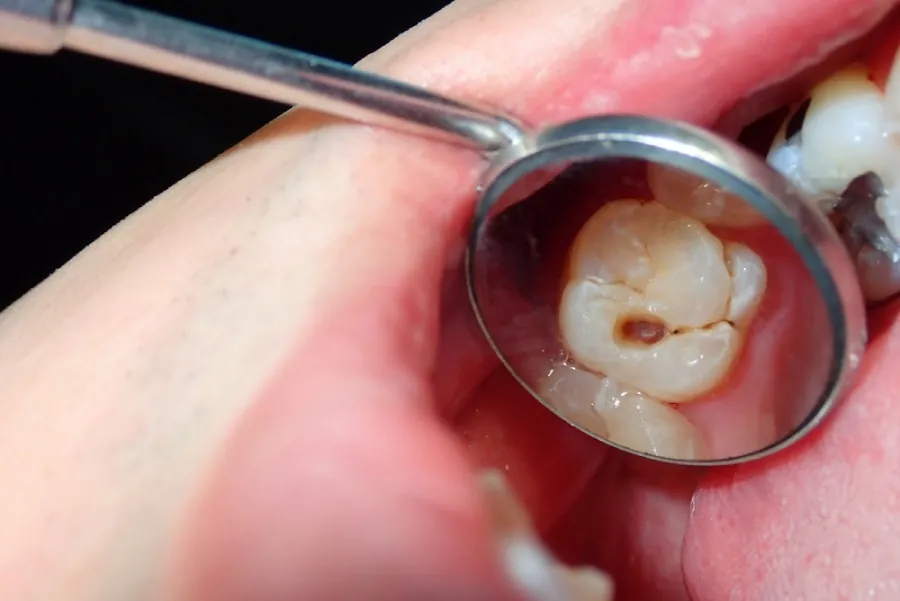
First, inspect all surfaces of kids’ teeth regularly. Look for tiny white, brown, or black spots appearing on the enamel. These indicate areas losing minerals, which is the initial phase of cavity development. Also, examine between teeth for similar spots where enamel eroded completely.

Additionally, stained fissures and pits on chewing surfaces signify decay starting in vulnerable crevices. Feel these regions for slimy plaque collecting inside deep grooves. Report any suspicious discolored lesions to the dentist right away before they progress.

How Can You Reverse Cavity Growth?

So, can you stop a cavity from getting worse? Unfortunately, you can’t and this is why it’s so important to get your kids to a dentist regularly.

While cavities can’t be reversed once the enamel erodes fully, it is possible to stop and remineralize damage in the beginning phases. This requires removing bacteria fueling acid production and then rebuilding lost tooth minerals.

Dentists have various methods to achieve this for early non-cavitated (no hole yet) lesions. Applying highly concentrated fluoride is very effective for rebuilding crystals. But Hydroxamin®

Is also proven to be effective. This is why SuperMouth toothpaste for adults and (certain) children utilizes both Hydroxamin® and fluoride.

Promptly treating early decay combined with diligent oral hygiene can turn around cavity formation before holes result.

Can You Heal a Cavity Naturally?

Once a true cavity forms, removing the diseased inner structure is unavoidable. However, some evidence shows certain dietary measures help support the tooth after restorative treatment. This may strengthen surrounding enamel and minimize recurrence risk.

First, ensure a daily calcium intake according to recommended dietary allowances for age. Dairy products provide the most easily absorbed source. Calcium-fortified non-dairy milk and juices are suitable alternatives for intolerant kids. This mineral is essential for rebuilding strong enamel.

Some research also indicates the mineral xylitol prevents bacteria from adhering to teeth. Regular gum or lozenge use reduces acid production after meals.

Thus, it helps remineralization efforts between exposures to sugar. Xylitol products aim to stimulate saliva flow as well. More alkaline saliva neutralizes acid and enhances mineral redeposition.

Probiotic supplements may benefit oral health too, according to emerging evidence. Certain strains reduce cavity-causing streptococci bacteria levels while increasing defensive ones.

The best results come from starting kids on “good” bacteria early. Discuss incorporating kid-friendly chewable or powdered formulas with your pediatrician.

Can You Prevent a Cavity From Worsening? Final Thoughts

Left unchecked, cavities progress from minor enamel loss to severely infected pulp then abscess formation. But parents can intervene by implementing responsible hygiene and dietary strategies starting even before teeth first appear.

Consistent prevention efforts continued throughout childhood pay dividends in minimizing lifetime decay risks.

This is why it’s essential to schedule regular dental checkups for your child. Click here to get your kid the treatment they need with the help of The Super Dentists!

Want to learn more about age and stage based oral care and anticavity products? Check out SuperMouth age and stage based kids’ mouth care systems here.