Loading...

What Every Parent Should Know About Their Child’s Dental Health

Preparing your child for a cavity filling can be a nerve-wracking experience for any parent. After all, getting a filling is rarely fun. But, as we all know, neither is having a cavity caused by tooth decay!

To help you get your child ready for their first cavity filling, we put together this guide. It’s full of information you can share with your child, and tips for you to help them to feel at ease, calm, and confident about the procedure.

What is a cavity, anyway?

A cavity is caused by bacteria in the mouth. Without proper oral hygiene, these bacteria create acids from unhealthy foods such as sugary or processed foods.. The acid eats away at teeth until eventually a hole is formed. This hole is called a cavity.

Cavities in a child’s mouth are very common. In fact, the CDC says “Among children aged 6 to 8 years, over half (52%) have had a cavity in their primary (baby) teeth. Children from low-income families are twice as likely to have untreated cavities as higher-income children. Among adolescents aged 12 to 19, more than half (57%) have had a cavity in their permanent teeth.”

When a tooth is fractured or damaged due to decay or trauma, dental fillings can replace and restore the tooth’s structure. No one wants to hear that they have a cavity; however, cavity filling is a routine procedure that can fix the tooth, remove the decay, and help the child feel more comfortable. 

What causes cavities in children?

Cavities are usually formed in a child’s teeth when they are not properly brushed. Some other common causes include

  • Consuming too many sugars and starches
  • Public water supply without fluoride 
  • High levels of the bacteria that cause cavities
  • Less saliva flow than normal
  • Mouth breathing
  • Medical conditions or medications
  • Poor oral care routines or products

How do dentists fill cavities in toddlers and children?

Baby teeth are filled much the same way an adult tooth is, so if you are familiar with that process, it’s a good place to start. If you are new to the idea of filling a cavity, the procedure for filling a child’s cavity is fairly straightforward:

  • First, the dentist removes the decay, 
  • Next, the dentist fills the hole with composite or metal material, 
  • Lastly, the dentist adheres the filling material to the tooth. 

Your dentist will work hard to make the procedure as comfortable as possible. A local anesthetic is used to numb the area via a small needle prior to the procedure. A topical anesthetic jelly is applied first on the child’s cheek and gums so they will not feel the needle. Dentists may also offer nitrous oxide to help children relax for the filling. 

So, as you can see, the process is similar to what you may have seen for yourself. There are a few differences in what happens when a child gets a filling:

  • A pediatric dentist will use pain management that is safe for children
  • The dentist will use tools that are specially sized to treat cavities in baby teeth and small mouths
  • The dentist will assess your child’s situation and determine which filling is best suited to them specifically (is the filling in a baby tooth that will fall out soon, or in a permanent adult tooth?)

Tips for preparing a child for cavity filling

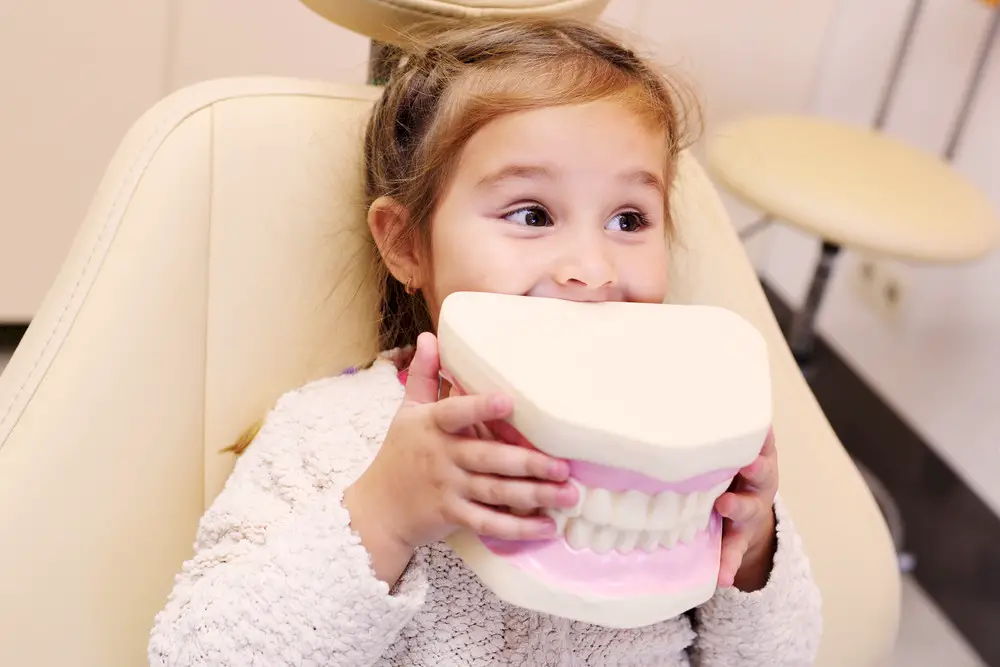
A child at the dentist

As you can see, getting a filling is an easy procedure, but it does tend to cause some anxiety. Here are a few ways that you can help them to feel more comfortable.

Stay calm yourself

If you are nervous about the dentist yourself, make sure you don’t project that anxiety onto your child. To put it simply, if you show them you are nervous, it’s an invitation for them to feel the same way!

Understanding Your Child’s Fear and Anxiety

That said, it’s also important to recognize and legitimize your child’s anxiety. Remember that this is a new experience for them, and that new experiences are full of mystery. They may not have been to the dentist many times, so this might be a place full of relatively new sights, sounds, and even smells.

Some pediatric dentistry offices, like The Super Dentists, are experts at calming little nerves. You can help, too. Perhaps let your child bring a favorite comfort item (like a teddy bear). Consider the advice that Today’s Parent Magazine suggests: 

That bright light the dentist shines on your kid’s mouth might bother her eyes and could make her want to bolt. Bring along a pair of fun sunglasses, or call ahead to see if your dentist already provides them.

Explain the procedure

While sunglasses are a fun tool, we suggest that you DON’T keep your child in the dark about what they should expect. Talk them through the procedure–though we suggest being careful of “scary” words. If they want specifics, we suggest that you “Let the dentist answer the detailed or complex questions your child may have. Pediatric dentists learn the non-threatening way to explain procedures to children in an easy-to-understand language.”

Choose the right dentist

Picking the right dentist is the very best way to prepare your child for cavity filling. The Super Dentists is the leading pediatric dental services provider in San Diego, The Super Dentists employs expert pediatric dentists. The Super Dentists boasts comprehensive experience in working with kids and parents alike.

Learn more about Cavity Fillings and other Pediatric Dental Services at The Super Dentists. 

Schedule an appointment today and bring your family to a Super Dentists location near you!

Why Do Kids Get Silver Teeth?

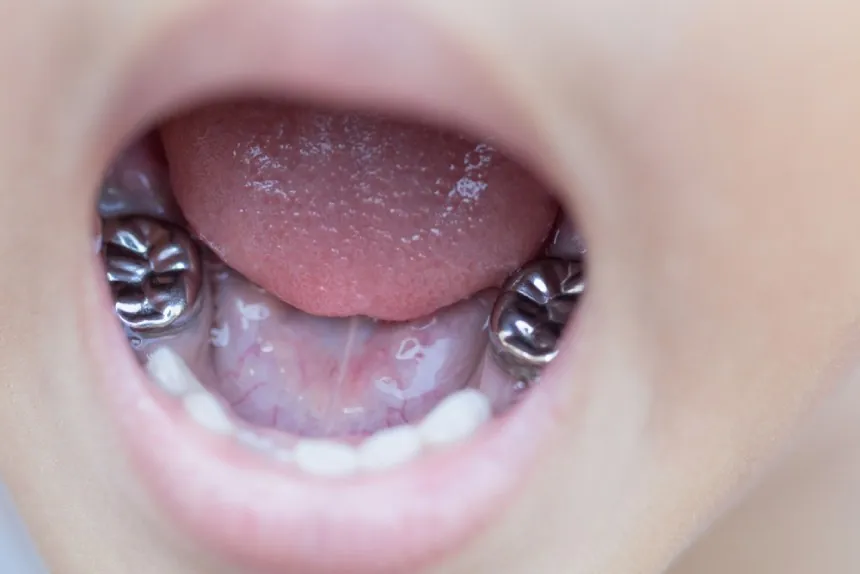
Silver teeth may be recommended for kids who have certain dental issues. Silver teeth in kids may sound unusual, but they serve an important purpose.

In this article, we’ll explain why dentists give kids silver teeth, how they work, what they’re made of, safety considerations, and what alternatives are available for those looking for other options.

Why Do Dentists Put Silver Teeth in Kids?

Dentists may recommend silver teeth for kids who have teeth that are severely damaged, decayed, or prone to cavities. The silver material protects the tooth, restores strength and function, and prevents further decay.

What Do Silver Caps Do for Teeth

Silver crowns fully cover damaged teeth, while silver caps cover just the biting surface. We use them when a regular filling won’t be enough to repair the tooth damage. Conditions where silver teeth help include:

  • Large cavities
  • Cracks or chips
  • Discoloration that can’t be improved with whitening
  • Weak spots prone to decay

Silver teeth allow kids to chew properly, speak clearly, and maintain healthy teeth for years to come. The silver color matches more naturally with primary baby teeth as well.

Why Choose a Pediatric Dentist for Silver Teeth?

Getting silver teeth requires special consideration in children. Baby teeth are smaller, kids can’t sit still as long, and the procedure is understandably stressful for them. That’s why you should choose an expert pediatric dentist.
We cater specifically to children’s oral health needs. Our office provides a kid-friendly environment to make them feel relaxed. We have the latest small dental tools that fit little teeth precisely. Our dentists complete silver tooth procedures quickly and efficiently to minimize appointment times.

We always use sedation when appropriate so your child stays calm and comfortable. Pediatric specialists also understand proper tooth development. We time silver teeth right so they last until the tooth falls out on schedule, and we make the process as smooth as possible for you and your child. Our pediatric expertise makes sure silver teeth are a success.

How Silver Teeth Work

Silver teeth get their color from the metal materials they contain. Stainless steel crowns are a very common choice for children’s teeth. We also use metal alloys containing silver, nickel, chromium, and other materials.

How Are Silver Caps Put on Teeth

The silver material is molded precisely to fit over the tooth. We match the shape and contours of the original tooth as closely as possible. The crown fully surrounds the tooth, while a cap covers just the top chewing surface.

We use dental cement to hold the silver tooth securely in place. The cement forms a tight seal to prevent bacteria and food from getting under the silver cap or crown.

Over time, the cement may wear away. If a silver tooth becomes loose or falls out, call us. We can easily replace it with fresh cement or a new silver tooth.

Materials Used in Silver Caps and Crowns

As mentioned, stainless steel is a very common choice for kids with silver teeth. Stainless steel silver teeth don’t contain actual silver metal. They get their silver shine from the steel alloy.

Stainless steel crowns are prefabricated for different tooth sizes. We select the closest fit and adjust it to custom-fit the tooth precisely.

For front teeth, we also use tooth-colored crowns and veneers made of composite resin or porcelain. These maintain the natural tooth appearance while restoring strength.

Prefabricated stainless steel crowns cost less than custom-cast metal caps and crowns. Nickel chromium crowns are another affordable and durable option. They are silver-gray in color.

Higher grades of custom metal alloys are available for back molars, which handle the most chewing pressure. These contain some mixture of silver, gold, palladium, nickel, and chromium.

Common Dental Concerns That Silver Teeth in Kids Can Help

Here are some of the most common situations where silver teeth restore children’s oral health:

  • Tooth Decay – Silver caps and crowns prevent further tooth decay in badly damaged teeth. The metal is impervious to acid, and cavities can’t form under it.
  • Cracks and Fractures – Cracks weaken the tooth structure. Silver crowns encase the entire tooth to prevent cracks from spreading.
  • Discoloration – Silver color simply disguises inner discoloration better than white crowns. Whitening doesn’t help some stains.
  • Dental Injuries – Chipped or knocked-out teeth may not be repairable with only fillings. A silver crown holds all the pieces together.
  • Grinding Problems – Excessive grinding can wear down teeth. Silver crowns add protective thickness.
  • Hypoplasia Defects – Thin spots and grooves in tooth enamel allow quick decay. Silver caps shield weak areas.
  • Prior Fillings – Sometimes a tooth requires one filling after another, indicating an ongoing problem. A silver cap can fix it for good.

Final Thoughts

Silver teeth in kids fix a variety of problems that result from dental decay, injury, defects, and discoloration. They are an affordable solution that protects children’s teeth and saves teeth that might otherwise require extraction.

While silver teeth are more noticeable, they are an acceptable appearance solution for many pediatric dental issues, and they allow kids to fully use their teeth for healthy chewing and development.

We customize silver caps on kids’ teeth precisely for each tooth, cementing them securely in place. Made to last for years, silver teeth effectively shield teeth from further damage.

If your child has badly damaged molars, front teeth cracks, or other issues, silver teeth may be the best solution. Schedule an appointment with The Super Dentists today!

Silver Teeth in Kids: FAQs

Do silver teeth ruin kids’ smiles?

Not at all! We match silver teeth to baby teeth. Most kids have a mix of silver and white teeth. For front permanent teeth, we use tooth-colored crowns.

Does it hurt to get silver teeth?

The dental office numbs the tooth first, so your child shouldn’t feel pain. Some temperature and pressure sensations are normal. Ibuprofen helps relieve soreness afterward.

How long do silver teeth last?

It varies, but they typically last at least 5 years and some over 10 years until the tooth falls out. Permanent crowns can last decades.

Why do some kids have silver teeth?

There are a few key reasons why silver teeth are more common for children than adults:

  • Baby teeth are smaller and more prone to fractures and cracks that require capping.
  • Kids’ tooth enamel is thinner and decays faster, allowing more cavities that may require crowns.
  • Children produce more plaque naturally and can’t brush/floss as effectively, increasing decay risk.
  • Kids experience more mouth injuries from falls, sports, etc. That can lead to chipped or cracked teeth.
  • Some pediatric medications reduce saliva, allowing more tooth decay over time.
  • Developmental enamel defects like hypoplasia create weak spots in children’s teeth.
  • Bottle feeding at night and excess juice/sugar intake cause rampant decay in some kids.

Why do kids get silver teeth?

Silver crowns are typically used when a baby tooth has extensive decay or damage that can’t be repaired with a regular filling. They help preserve the tooth until it falls out naturally, which supports chewing, speaking, and proper oral development.

Do silver teeth come out?

Yes—silver crowns come out with the baby tooth when it naturally exfoliates. They are designed to last until that point and do not need to be removed manually unless there’s an issue.

How are silver caps put on teeth?

The dentist will:

  1. Numb the area to keep your child comfortable
  2. Remove decay and clean the tooth
  3. Shape the tooth to fit the cap
  4. Select and adjust a prefabricated stainless steel crown
  5. Use dental cement to hold the crown securely in place

This is usually completed in just one appointment!

Do silver fillings cause teeth to crack?

Silver (amalgam) fillings can expand and contract slightly with temperature changes, which may contribute to cracks over time—primarily in adult teeth. In kids, we often use full silver crowns, which protect against cracking by covering the whole tooth.

Do they put silver caps on adult teeth?

Not typically. Adults are more likely to receive tooth-colored crowns made of porcelain or zirconia. However, metal crowns (which can include silver alloys) are still used on back molars in some adults when durability is a priority.

Are silver teeth safe for kids?

Yes—stainless steel crowns have been safely used for decades in pediatric dentistry. However, some kids may be allergic to nickel, which is a component in many stainless steel crowns. If your child has a metal allergy or sensitivity, ask about nickel-free or ceramic options like zirconia crowns.

Can I choose white crowns instead of silver?

Absolutely! For front teeth or more visible areas, tooth-colored options like zirconia or resin crowns are available. They look more natural but may cost more and might not be as strong as stainless steel for back molars.

Are there any risks with silver crowns?

Very few. The most common are:

  • Nickel allergy (rare)
  • Cement loosening over time, which can be easily repaired
  • Minor irritation in the first few days after placement

Overall, silver crowns are a safe, durable, and cost-effective solution for protecting baby teeth.

Do Braces Hurt? If So, How Much Do They Hurt? & How Long Do They Hurt?: Your Questions Answered

If you’re considering braces, you’re probably concerned about how much they may hurt. You might also be wondering, “How long do braces hurt?” The anticipation of pain can be daunting, but don’t worry! Most of our patients tell us that the process hurts less than they expected. Stick around to learn why braces hurt, how much pain to expect, and how to relieve braces pain.

Does Getting Braces Hurt?

Braces are important for your overall oral health. Don’t let the fear of pain prevent you from getting the smile of your dreams!

Braces pain is usually experienced shortly after getting your braces attached. Getting braces installed is typically the most time-consuming part of the process; however, it does not hurt to get braces put on.

Instead, you can expect a little tightness or minor discomfort. Here’s how traditional braces are installed:

  • We attach brackets to each tooth with enamel-colored dental cement.
  • We then feed wires through tiny holes in the brackets.
  • After the wires are all laced through, we trim the ends.

Afterward, you can select the bands that hold your wires in place. The Super Dentists also offer cool, kid-friendly designs to express your personality. During the entire process, braces, pain, and discomfort are limited and kept in check. We’ll ask if there is any pain, check that your tongue isn’t obstructed, and ensure there is no rubbing with your new braces.

A few days to a week after your appointment, you may experience some slight pain or discomfort as your teeth adjust. However, we have a plan for braces pain relief

We realize many patients experience anxiety when it comes to braces. Our orthodontists at The Super Dentists do everything necessary to ensure each patient receives the best possible care. Our method includes practical methods to lessen any fear before, during, and after your appointment. Our team provides the best care possible for patients of all ages who decide to get braces!