Loading...

Why Does Teeth Whitening Hurt, and What Should You Do if Your Teeth Are Sensitive After Whitening?

Blog Summary:

  • Teeth whitening can cause temporary sensitivity due to peroxide penetrating the enamel and irritating the dentin and pulp, often resulting in quick, sharp pains known as “zingers.”
  • Most sensitivity goes away within 24–72 hours, and is more likely with high-peroxide products, prolonged treatments, or whitening that contacts the gums.
  • Prevent and manage discomfort with desensitizing toothpaste (potassium nitrate or nano-hydroxyapatite), NSAIDs like ibuprofen, and by avoiding hot/cold foods, brushing gently, and spacing out treatments.
  • Choose your whitening products wisely: Lower-peroxide or peroxide-free options, custom trays, and proper use timing can reduce your risk of pain.
  • Talk to a dentist before whitening—especially if you have receding gums, sensitive teeth, or previous dental work—to build a personalized, pain-free whitening plan.

Thinking about whitening your teeth or wondering if it’s safe to whiten your kids’ teeth? Worried about the pain associated with doing that? You’re not alone!

Some of the most common questions we get about teeth whitening here at The Super Dentists are “Is teeth whitening safe?” and “Does teeth whitening hurt?”. Truthfully, it’s normal for teeth to hurt a bit after both professional and at-home whitening, and there’s a science behind why it happens!

Thankfully, a little sensitivity doesn’t necessarily mean that it’s unsafe to whiten your teeth or get them professionally whitened. What’s more, there are some easy ways to help combat this sensitivity that we’re going to share with you. So let’s dive right in!

The Science Behind Why Teeth Hurt After Whitening Strips or Professional Whitening

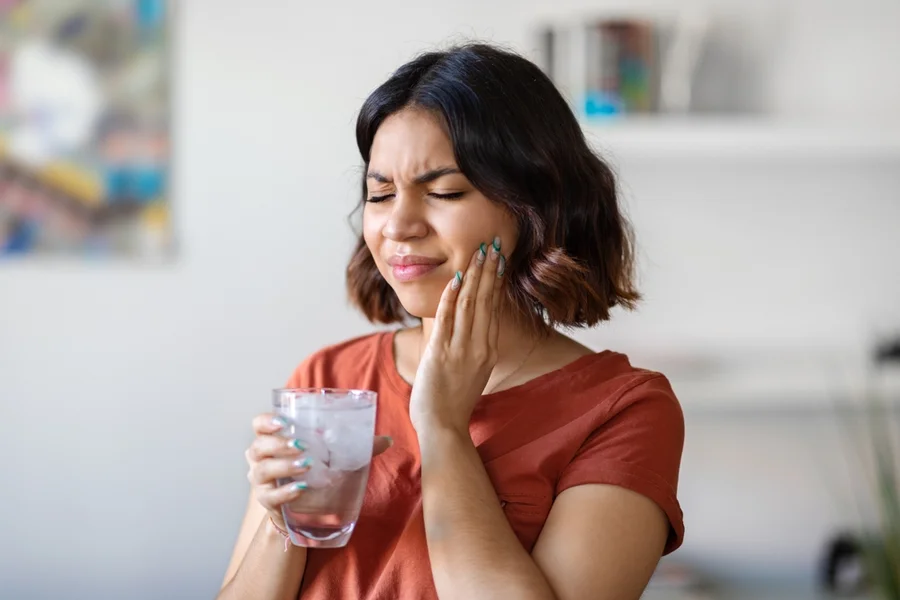
Sensitivity experienced after teeth whitening, whether done at home or by a dentist, is usually caused by peroxide penetrating the enamel of the teeth, reaching the inner layer (or dentin), which houses many small nerve endings. When this happens, the nerves (or pulp) of the affected teeth can become irritated, causing sharp bouts of pain that happen quickly and then fade away. These bouts of pain are often called “zingers”.

Should you be concerned? No, not usually. Zingers are very common. In fact, a study published in the Journal of the American Dental Association revealed that a majority (54%) of participants using a 15% carbamide peroxide whitening gel experienced mild sensitivity.

The most common causes of tooth sensitivity after whitening are:

  • Whitening solutions with high concentrations of hydrogen peroxide or carbamide peroxide
  • Whitening strips or trays that touch the gums
  • Whitening treatments used more frequently or longer than recommended

Thankfully, reducing pain is fairly easy to achieve with painkillers. But what’s the best painkiller for sensitive teeth after whitening? According to research, pain relief analgesics have been shown to combat very little sensitivity after whitening; on the other hand, NSAIDs like Advil or Ibuprofen proved quite effective at providing relief.

How Long Does Teeth Sensitivity Last After Whitening?

For most people, sensitivity and pain after whitening go away after about 24-72 hours.

How to Manage or Prevent Sensitivity

Other than popping a couple of Advil pills, what other solutions exist to help you out when feeling tooth sensitivity after a whitening treatment? Here are some other steps to take:

  1. Use desensitizing toothpaste with potassium nitrate or nano-hydroxyapatite to both calm the nerves (literally) and rebuild enamel.
  2. Stay hydrated. Did you know that whitening temporarily dehydrates teeth? This can increase discomfort.
  3. Avoid extreme temperatures. Skip that hot coffee or frozen margarita.
  4. Use only a soft-bristle toothbrush. Anything else can cause further sensitivity.
  5. Take breaks between whitening sessions. Space out treatments so your enamel has time to heal.
  6. Use oral care products with fluoride or other remineralizing agents like nano-hydroxyapatite.

Did You Know: A 2022 systematic review published in Cureus concluded that applying desensitizing agents like 5% potassium nitrate or 2% sodium fluoride before in-office bleaching was shown to significantly reduce post-operative sensitivity, especially within the first 24 hours!

How to Choose the Right Whitening Products

From strips to blue-light trays; peroxide-based leave-on gels to abrasive-based whitening toothpastes, there are so many whitening products on the market. So it’s essential to pick one that matches your needs, especially if you’re naturally prone to sensitive teeth.

Here’s what to consider when comparing your options:

  • Strength of Peroxide: Most whitening solutions use a form of peroxide bleach. For in-office treatments, the concentration can be as high as 25% or even 40%. This can increase the risk of sensitivity. OTC options are usually less effective, but also less strong. But beware: they can still cause sensitivity when not used as directed.
  • Application Method: Custom trays designed by a dentist can help you keep whitening solution off your gums, reducing a ton of irritation in the process.
  • Product Duration: Do not exceed the recommended usage for any whitening product. Most products are designed to be used for a maximum of 10-14 days. Furthermore, in addition to the use cap, most products recommend taking breaks (often around 6 months or more) before using the same or any other whitening solution. Avoid these at your own risk; doing so will almost certainly cause unnecessary sensitivity and potentially damage to the teeth and enamel.

Are you someone with sensitive teeth who still wants whiter teeth? We get it! Ask us about low-peroxide and peroxide-free whitening solutions, or consider a gentler whitening product like Supermouth toothpaste with Hydroxamin.

Get a Brighter Smile Without the Pain

Hopefully, you now know that experiencing a little sensitivity after having your teeth whitened or using whitening products at home is normal and should usually go away after about 3 days, max. During that period of time, you can avoid trigger foods, temperatures, and take NSAIDs to manage pain. If it doesn’t? Then it’s probably time to schedule a dentist appointment!

If you’re still torn between different whitening options, it may be wise to talk to a dentist about your options – especially if you have receding gums, existing dental work, or naturally sensitive teeth, as these things can substantially increase the level and potentially duration of pain and sensitivity you feel following teeth whitening.
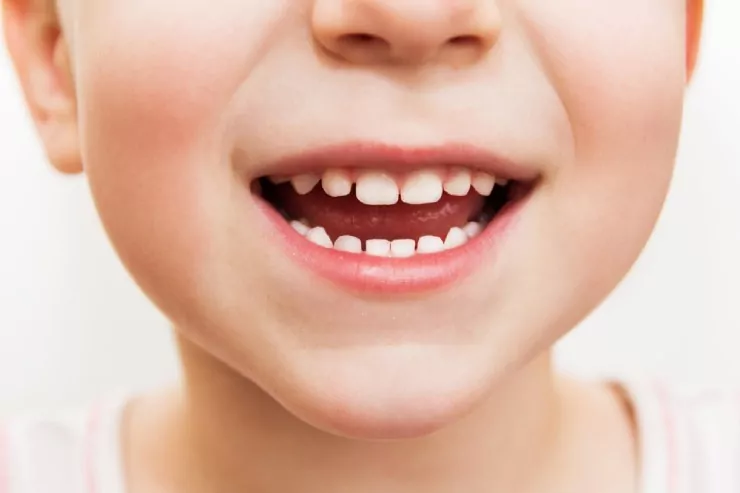
Teeth Whitening for Kids: How to Whiten Kids Teeth Safely

If you find yourself wondering, “Why are my kid’s teeth yellow?” and want to understand how to get your kid’s teeth white safely, The Super Dentists can help. Since so many teeth-whitening products are readily available these days, it’s essential to know which products are safe for your children and which are not. 

While it might be tempting to allow your child to use certain teeth whitening products, you should know which age is best to allow it.

Can I Whiten My Kids Teeth?

The American Association of Pediatric Dentists (AAPD) does not recommend whitening your child’s teeth until they have had all of their permanent teeth and they have entirely erupted. Most children lose all of their baby teeth and have all their adult teeth by the time they are 12 or 13 years old, and enamel calcification takes about two more years. 

Therefore, children should not bleach their teeth until about 14 or 15 years old. If you notice that your child has yellow teeth, there are more natural approaches that are safe to use that can help get rid of the discoloration.

How to Whiten My Child’s Yellow Teeth

You can choose many methods when it comes to whitening children’s teeth. While avoiding bleaching teeth until age 14 or 15 is best, other options exist for younger kids with yellow teeth. These are the best ways to get kid’s teeth white.

Whitening Toothpaste

Children’s natural whitening toothpaste is a great way to brighten your child’s smile. Whitening toothpaste removes stains on the surface of the teeth but will not alter your child’s teeth to make them look drastically whiter. This is a safe option for kids of all ages, but you should aim to use a kid’s whitening toothpaste rather than toothpaste meant for adult teeth whitening. A great example is SuperMouth’s toothpastes that use nano-hydroxyapatite (what 97% of enamel is made of) to naturally whiten teeth.

Avoid Sugary and Acidic Foods

Acidic and sugary foods can eat away at the enamel in your child’s teeth, causing the yellow-tinged dentin to be exposed over time. When sugary foods are consumed, they interact with the bacteria within the plaque, producing acid. Acid is typically responsible for tooth decay because it dissolves tooth enamel.

Some examples of these types of foods include soda, juice, candy, tomatoes, berries, and pizza. To avoid the risk of developing cavities and yellow teeth, it is best to eat a healthy diet and do your best to avoid regularly eating sugary and acidic foods.

Teeth Whitening For Kids: FAQs

Why are my 9 year old’s teeth yellow?

A 9 year old may have yellow teeth due to family genetics, poor hygiene, or they eat a diet full of sugary and acidic foods. Most adult teeth have a yellow tint because they have more dentin. When your child starts getting more adult teeth, you might notice their smile is not as white as it once was.

Can I whiten my 13 year old’s teeth?

You can certainly use natural whitening agents, such as baking soda and whitening toothpaste, on your 13 year old’s teeth. Depending on if your child has all of their adult teeth and their enamel is calcified, you can also begin to use whitening strips or hydrogen peroxide.

How do I choose the best teeth whitening option for children?

To choose the best kids teeth whitening option, the best thing you can do if you are unsure is reach out to your pediatric dentist for help. Your child’s dentist can provide insight into which products are the best for your child.

What are the benefits of teeth whitening for kids?

Teeth whitening for kids can not only boost your child’s self-esteem and confidence, but it can remove stains and plaque from their teeth, which can help prevent cavities and contribute to an excellent oral health routine. Teeth whitening from a young age can help your child get into a routine of not only brushing and flossing regularly, but removing stains early on.

What are the risks of whitening children’s teeth?

Using teeth whitening strategies that do not contain natural agents, like teeth whitening strips, can injure tooth pulp or nerves in young children. Additionally, whitening teeth too soon can cause their tooth enamel to break down and damage their gum tissue.

Conclusion

Teeth whitening for kids is generally safe for children over 12 or 13, but you can use natural products to help whiten their teeth at a younger age. Additionally, having a good oral hygiene routine and avoiding sugary and acidic foods can do wonders in maintaining a healthy white smile. 

The Super Dentists is a top-awarded pediatric dentist in San Diego. Schedule an appointment to visit one of our six locations near you.

How to Fix Receding Gums Without Surgery

Blog Summary:

Did you know that more than 42% of all adults ages 30 and up have some form of gum disease, and about 8% have severe gum disease?

Receding gums are often a symptom of periodontal disease, also known as gum disease, which is an infection that damages the soft tissue and bone around the teeth.

Gum disease starts with Gingivitis, or red, swollen, and bleeding gums. When left untreated, however, Gingivitis can progress into periodontal disease, leading to gum recession and even tooth loss.

The good news is that gum disease is usually highly preventable. If you do have it, chances are you can stop or slow its progression by integrating some simple oral care habits into your daily routine. But how much does it cost to fix receding gums? What’s involved? Specifically, what steps should you take?

We invite you to follow these five super steps to learn how to heal receding gums without surgery!

How to Fix a Receding Gum Line Without Surgery in 5 Steps

All you need is about 10 minutes a day, a soft-bristled toothbrush, fluoride or hydroxyapatite toothpaste, PFOA/PFAs-free dental floss, or a water flosser. If you act preventatively to avoid major surgery, fixing a receding gumline is a fairly low-cost endeavor!

1. Brush Gently Using a Soft-Bristled Toothbrush or Smart Toothbrush

Did you know that brushing your teeth too vigorously is a leading cause of gum recession? Both firm pressure and medium or hard bristles can contribute to gum recession that may eventually lead to tooth loss. Even in instances where tooth loss never occurs (which is most people), gum recession can still cause intense toothaches and unpleasant sensitivity.

So be sure to brush gently in small circular motions at a 45-degree angle to the gum line and avoid scrubbing side to side.

Pro Tip: Many people find that using a smart toothbrush with a pressure sensor helps them brush with the right amount of pressure!

2. Choose Your Toothpaste Wisely

The best toothpastes for receding gums are often labeled for sensitive teeth or antigingivitis. Avoid whitening pastes and abrasive formulations, which can cause more damage to delicate gum tissue.

Instead, choose a toothpaste with either fluoride or hydroxyapatite – or both – and make sure it has been formulated to protect your oral microbiome and support whole-mouth health as well (SuperMouth toothpaste is a great option).

3. Floss at Least Once a Day, But Gently

As the National Institute of Dental and Craniofacial Research (NIDCR) notes, failure to remove plaque along the gumline and in between the teeth is a leading cause of gum recession. It works like this: plaque builds up and, over time, hardens, turning into tartar buildup. This causes periodontal disease, which in turn causes gum recession.

Brushing your teeth is good at helping remove plaque along the gumline. But flossing is essential for helping to remove plaque between the teeth. SO it’s important to do both every day!

When flossing, be sure to use the “C-shape” flossing method, curving the floss around each tooth and sliding it gently beneath the gumline, then lifting. Don’t “saw” the floss.

Pro Tip: Consider a water flosser as a gentler option if your gums and teeth are highly sensitive. Otherwise, use a floss with fluoride and prebiotics to support both gum health and overall mouth health.

4. Change Your Diet

Many people forget that there’s a link between diet and gum health! The fact is, like every part of your body, your teeth and gums require certain essential nutrients to stay healthy, not to mention potentially even stimulate regeneration.

Studies have linked poor gum health to a low intake of things like CoQ10, omega-3s, and vitamin C!

Consider talking to your doctor about adding more leafy greens, citrus fruits, berries, and omega-3-rich foods like flax or salmon to your diet. If deficient, supplements may also be recommended.

Meanwhile, try to cut back on excessive starchy/sticky carbs, sugar, and processed foods.

5. Visit the Dentist Regularly for Evaluations and Cleanings

Home care is essential, but it’s not a substitute for professional dental care. It is, therefore, important to visit a dentist regularly for routine preventative exams where your gum pockets will be measured, you’ll be checked for inflammation or infection, and you’ll often have X-rays taken to assess bone levels in the teeth and jaw.

After these assessments, your dentist might recommend everything from scaling and root planing to laser therapy.

Take Action to Protect Your Gum Health Now

Your teeth might be the superstars of your mouth, but your gums are the foundation of your smile! As noted by the NIDCR and ADA, periodontal disease and gum recession are serious business. But they’re also both highly preventable conditions!

By making small changes like switching out your toothbrush, using the right technique when brushing, flossing correctly and regularly, choosing the right products, and going to the dentist regularly for cleanings and checkups, you can potentially help prevent the development or further progression of gum disease and gum recession!

Take action today to get started! Book a consultation with The Super Dentists at one of our convenient locations near you and let our tooth-loving crew recommend the right care for a healthier smile!

Why The Super Dentists Stand Out: Real Reviews, Real Smiles, Real Superheroes

Blog Summary:

Searching for the best dentist in San Diego? According to the people, The Super Dentists is a top choice! Thousands of families across the greater San Diego area have already discovered the magic of The Super Dentists.

This isn’t just a PR post or a sales pitch. We’re here to 1) share real customer reviews and 2) explain some of the things that make us different, which we believe have contributed to these positive reviews! Ultimately, we want you to feel educated and empowered to make a good choice when it comes to you and your family’s dental care.

With six locations across San Diego County, 25+ years of award-winning care, offices that are more like theme parks than clinics, and a focus on both family and pediatric dentistry, including care for kiddos with special needs and disabilities, we are proud to be a different kind of dentists’ office. And, though we really don’t like to brag, we think the proof is in the happy smiles of every patient that leaves our office and every online review!

So without further delay, here’s a small taste of why people rely on us as their top choice among many pediatric dentists in San Diego.

The Super Dentists San Diego: A Dental Experience Kids & Parents Actually Look Forward To

No matter which of our six Super Dentists locations you choose to visit, you can count on an experience that’s kid-friendly and parent-approved.

Our offices are not like other dental offices in the greater San Diego area. They offer superhero-themed décor, interactive play zones for kids of all ages, and even live characters who greet and entertain your kiddos, transforming dentist’s office visits into trips into magical experiences.

Some kids have described the experience like visiting an amusement park and meeting their favorite characters! Meanwhile, parents love our focus on patient education and whole mouth health.

In the words of one of our patients, Letty T., of Spring Valley (Chula Vista office):

What about parents? They love our early morning, late evening, and even Saturday appointments, which make scheduling dental care for the whole family during non-work hours easy-breezy!

Real Reviews: (Because We Really Care!)

Across sites like Yelp and Google, as well as directly on the Super Dentists website, families are raving about their experiences at The Super Dentists.

Here are a few stories that we believe represent the heart of what it is that we aim to do every day at each of our amazing locations:

We’re Specialists with Cutting Edge Tech

Probably the main reason that so many patients across the greater San Diego area keep coming back to us is the unique and caring experience that we provide. But we’re not all hype. Our practice was founded on a desire to provide the people of Southern California and their families with a dental experience that was not only fun and educational, but also rooted in quality, cutting-edge care.

At every one of our locations, you’ll meet professional and highly-trained pediatric dental specialists, general dentists, and orthodontists. And at every location, you’ll find some of today’s most cutting-edge technologies and treatment options, including:

Learn more about our services here.

Accessibility, Affordability, & Community Care

Everything we’ve been talking about has got to come at a price, right? Think you can’t afford it? Think again!

Not only are we passionate about providing greater San Diego with expert dental care delivered in a fun and kid-friendly setting, but we’re also passionate about making that care attainable. That means:

Plus, at The Super Dentists, we are deeply connected to the local community—providing dental education, partnering with schools like the Del Mar Union School District, and supporting local events and sports teams.

Maybe that’s partially why we’re San Diego Mom blog-approved and have been so highly-rated amongst locals over the years on sites like LocalBest.com and Yelp!

Discover Your Own Reasons to Choose The Super Dentists

Whether you’re looking for an affordable and caring pediatric dentist in San Diego, are on the hunt for expert orthodontic care for yourself or your teen, or you are simply trying to find a dentists’ office where you can schedule evening and weekend appointments for your entire family in one fell swoop, there are plenty of reasons to choose a Super Dentists location near you next time someone in your household requires dental care.

Find yours today; book an appointment at a location near you now!