Loading...

Signs of Wisdom Teeth Coming In & When to See a Dentist

Summary: Wisdom teeth start coming in during the late teens and early twenties, and the early signs include jaw pain, swollen gums, and discomfort. If wisdom teeth are impacted, meaning they can’t erupt out of the gum or bone properly, they can lead to infections, tooth shifting, and more serious oral health problems. A dental consultation is needed to help determine if removal is necessary to prevent complications.

Superhero key takeaways:

  • Early signs of wisdom teeth coming in can include jaw soreness, swollen gums, and dull pain in the back of the mouth, often between the ages of 17-25.
  • Impacted wisdom teeth can’t erupt properly and may cause severe symptoms like persistent pain, gum infections, swelling, headaches, and even shifting teeth.
  • Not all wisdom teeth need removal, but if they are impacted, crowding other teeth, or causing repeated infections, a dental consultation is a must.
  • During a consultation, you can expect x-rays, symptom assessment, and a personalized treatment plan to help ensure proactive care before issues worsen.

Has your teen complained of jaw pain or soreness at the back of their mouth? It could be one of the first signs of wisdom teeth coming in. As a parent, it’s entirely natural to wonder: are these normal growing pains…or something more?

In this guide, the Super Dentists will walk you through what to expect, how to spot the signs and symptoms of wisdom teeth coming in, and when it’s time to consult a dentist, especially if those teeth begin causing trouble.

What Are Wisdom Teeth, and Why Do They Cause Problems?

Wisdom teeth are your third set of molars that typically appear between ages 17 and 25.

While not everyone has them, most people will develop at least one. These molars helped our ancestors chew through raw, tough meat and plants in prehistoric times. But today? They’re more likely to overcrowd your mouth and create oral health issues than help with chewing.

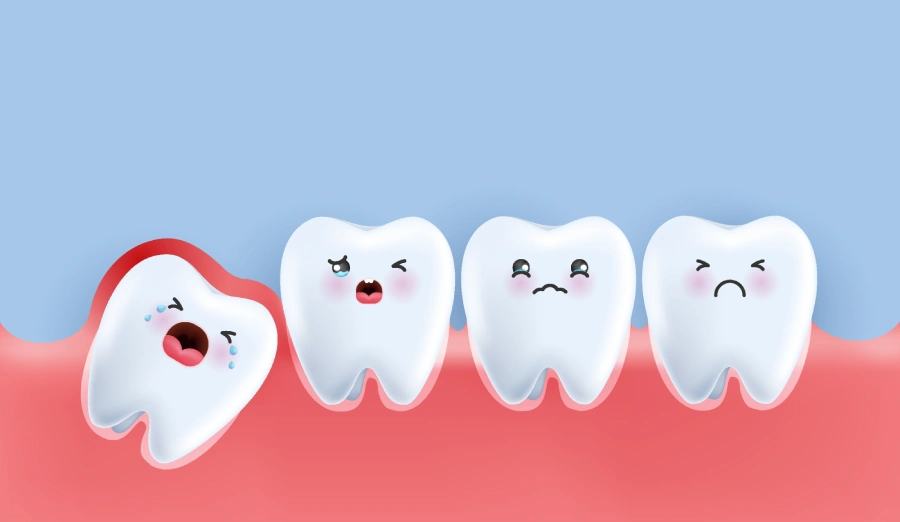
Our modern jaws are also much smaller, meaning there’s often not enough room for our wisdom teeth to grow correctly. That’s where the risk of them becoming impacted grows.

First Signs of Wisdom Teeth Coming In

Recognizing the first signs of wisdom teeth coming in is an excellent, proactive step in helping your teen avoid discomfort and, possibly, future complications. Here’s what to look for:

  • Mild jaw pain or tenderness toward the back of the mouth
  • Red or swollen gums near their back molars
  • A dull throbbing ache or pressure in the jaw or ear area
  • Visible white spots (the tops of emerging teeth) poking through the gums
  • Bad breath or odd tastes, which could be signs of trapped food or bacteria

These early symptoms can be easily overlooked as they may not be consistent. But if your child shows persistent discomfort or swelling, you could be dealing with something more serious: impacted wisdom teeth.

Why Are My Teen’s Wisdom Teeth So Painful Already?

This is a fantastic question and one we hear often from parents and teens alike. Pain from wisdom teeth can start even before the teeth break through the gums. This is due to the pressure they create as they push against surrounding teeth and bones.

In some cases, wisdom teeth create small pockets in the gum where bacteria love to hide, leading to pericoronitis infection. This can cause swelling, bad breath, and even fever.

Painful teeth and wisdom teeth should never be ignored by your teen. Early consultation can help prevent infections and avoid long-term damage to the surrounding teeth and jaw.
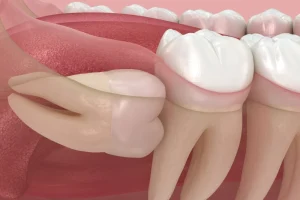
How Do I Know If My Wisdom Teeth Are Impacted?

While only dentists can definitively diagnose impacted wisdom teeth using either traditional or digital X-rays or digital imaging technologies like the CBCT (Cone-Beam Computed Tomography), there are a few common signs to keep an eye on at home:

  1. Is the pain getting worse, not better?
  2. Are the gums at the back of the mouth visibly red and swollen?
  3. Has your teen’s breath suddenly changed and worsened?
  4. Are they experiencing pain when chewing, yawning, or talking?

If you answered “yes” to any of these, this is your clear sign that there are wisdom teeth issues possibly impacted and that a dental consultation is the next right call.

Are There Other Impacted Wisdom Teeth Symptoms to Look Out For?

One of the most significant signs is that impacted wisdom teeth frequently create intense, consistent, and lasting pain more than usual after eruption. Here are a few more signs it’s time to schedule an appointment as soon as possible:

  1. The jaw pain begins radiating to the ear or neck
  2. The swollen, red gums near the back molars may bleed
  3. Persistent jaw stiffness and headaches in the morning
  4. Difficulty opening their mouth fully
  5. Visible crowding or their other teeth are shifting
  6. Recurring infections or cysts found in the back of the mouth

If your teen is experiencing any of these impacted wisdom teeth symptoms, it’s time to consult a dental professional. Left untreated, impacted teeth could lead to more severe complications later on.

How to Know if You Need Your Wisdom Teeth Pulled

If you’re here and wondering if your teen, or even: do I need my wisdom teeth removed? The answer is, well, complicated.

Not everyone will need them removed so long as the teeth come in straight, don’t crowd others, and aren’t causing pain and infection. If so, they may be safe to keep.

However, the only way to know for sure is, you guessed it—your dentist! In general, your dentists will suggest removal if:

  • The teeth are impacted or growing at an angle
  • They’re causing damage to your nearby, healthy teeth
  • You experience persistent gum infections
  • Cavities or cysts are forming
  • They are causing you to have bite alignment issues

Are Impacted Wisdom Teeth Harder to Remove?

Unfortunately, yes, they can. Impacted teeth often require surgical extraction rather than a simple pull. Since our wisdom teeth are buried under the gum or the bone, it takes a bit more skill, time, precision, and care to remove them safely.

Thankfully, The Super Dentists use today’s most innovative dental technology. These new leaps in technology and dental health make this process much quicker and more comfortable.

Are My Wisdom Teeth an Issue?

If you are experiencing discomfort, pain, or swelling, or even unsure if something is normal, it’s worth checking out early. Early identification helps prevent major issues later, allowing you to enjoy more proactive, gentler care.

What to Expect During a Wisdom Teeth Consultation?

What happens when you schedule a consultation for wisdom teeth at The Super Dentists?

  • X-rays to evaluate how the wisdom teeth are growing and whether they are impacted.
  • Oral examination of the gums and surrounding teeth.
  • A discussion about any symptoms your child may be experiencing.
  • A custom treatment plan with flexible payment options, including whether removal is recommended and when.
  • A walkthrough of the entire extraction process and what recovery would look like.

Not to mention, our dental Superhero team will make every second as wonderful and comfortable as possible, answering your questions and ensuring you and your teen feel safe, informed, and confident.

The Bottom Line? Don’t Ignore the Signs

Wisdom teeth don’t always arrive with so much drama, but when they do cause problems, it is best to act as fast as possible. Understanding the signs and symptoms of wisdom teeth coming in empowers you and your teen to take care of oral health before pain becomes hard to manage. If those third molars are causing discomfort or there are signs of possible impaction, don’t wait.

Why not come visit and see how we are reimagining dentistry for all stages of life? Please schedule a consultation for wisdom teeth evaluation at The Super Dentists and discover why our team is called Superheroes.
5 Kid-Friendly Activities in San Diego

Blog Summary:

Looking for smile-worthy activities in San Diego that your kids will love? Whether you’re a local parent or visiting our sunny city, this blog highlights family favorites that support active lifestyles and healthy habits. Here’s what you’ll discover:

  • The best parks and playgrounds in San Diego—perfect for climbing, running, and giggling
  • Must-visit spots like the San Diego Zoo and LEGOLAND, with tips on the best ages for each
  • Kid-friendly museums and educational spots like Balboa Park and the San Diego Public Library system
  • Free and low-cost activities happening now—perfect for spontaneous family fun
  • How each activity ties into your child’s oral health and development, with easy dental tips along the way

Whether it’s a beach day or a rainy afternoon indoors, you’ll find helpful ideas to keep your little ones active, learning, and smiling all year long.

America’s finest city is home to plenty of stunning natural landscapes to explore, a wide range of cultural attractions and educational opportunities, and a bustling downtown area with plenty of restaurants and stores.

But when you’ve got little ones, you might want to do different things than you would be yourself. So, skip the nightlife in the Gaslamp Quarter and hours-long hikes at Cowles Mountain in favor of more kid-friendly activities.

Where should you start? In this blog post, you’ll have the chance to read about some of the best paid and free kids’ activities in San Diego, ranging from museum and zoo visits to family-friendly natural enclaves and man-made attractions.

1. San Diego Zoo

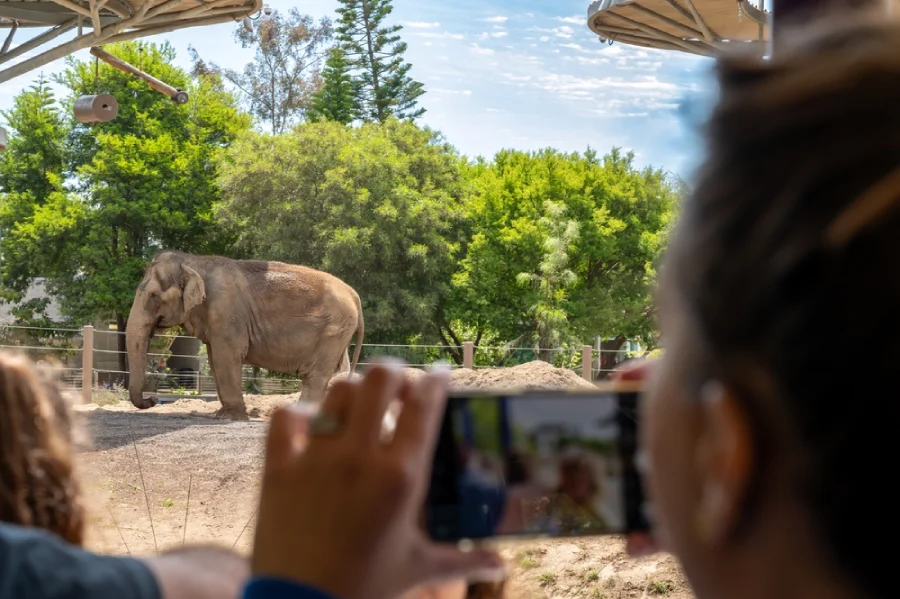
It’s a classic spot for a reason. The San Diego Zoo is about as big as the fictional land of everyone’s favorite honey-loving bear, the Hundred Acre Wood. That’s right! Boasting over a hundred acres of grounds to explore, you and your little ones can unleash your inner Doctor Dolittle and talk to camels, mountain lions, penguins, giraffes, elephants, sloths, hippos, and so much more! Plus, with dining on site, there’s plenty to gnosh on when everyone starts to get a little hangry.

Purchase tickets here.

2. Balboa Park (Museums)

Where else can you hit multiple museums in one day but at Balboa Park? This massive nature park spans 1,200 acres, making it about twelve times as big as the zoo (which is actually inside it, by the way). How’s that for wide open space?! Named a 2024 Traveler’s Choice destination by TripAdvisor, this is by far one of the best parks in San Diego. In fact, it’s really more of a collection of different places to explore, boasting:

  • 17 museums, including an automotive museum, a Veteran’s museum, an air and space museum, and much more
  • A puppet theater
  • 19 gardens and nature trails for burning off the kids’ extra energy and keeping fit
  • Spreckels Organ Pavilion (home to many free concerts)
  • A dog park for Fido and friends
  • …And more!

There’s truly something to explore for everyone here, from history buffs and military families to drama club kids and dance enthusiasts to nature lovers and dog lovers. So next time you’re looking for something to do with your little ones, chances are you can find either free or paid activities in Balboa Park!

3. San Diego Public Library System

Have you heard the old adage “Knowledge is power?” It’s true! If you’re looking for an educational experience, there’s hardly a better place to explore than a library! And greater San Diego has well over thirty city libraries to explore, from the Central Library near Petco Park to the Mission Valley Branch Library.

Not only that, there are also a number of county libraries to visit.

So when those uncommon rainy days roll in, take your little ones to the library and share your favorite childhood books with them. Not only is doing so fun and engaging for their young imaginations in the moment, but it may have lasting positive consequences for their developing brains.

4. SDSU Mission Valley River Park

When it’s just too nice out to be bothered going inside, head out to San Diego State University’s River Park. This park boasts four fields for throwing frisbees or having picnics, not to mention some of the best playgrounds in San Diego for kids age 3 and up. There’s also a fairly short 2-mile walking and biking loop that’s ideal for taking an afternoon stroll.

5. Legoland California

Okay, okay…so it’s not exactly in San Diego, but as far as kid-friendly activities in the San Diego area go, it’s hard to beat Legoland. Highly stimulating, Legoland offers a theme park with rides and shows, a water park, an aquarium, and more. This one’s a little more of a commitment than many of the other activities, so it’s best to plan your visit here ahead of time. That said, this one’s sure to be a hit with our little ones!

Buy tickets here.

Keep Your Family Healthy in San Diego at The Super Dentists

There’s so much more to explore in the San Diego area, from watching a Padres game at Petco Park to exploring Old Town San Diego State Historic Park, which provides the opportunity to learn about San Diego’s rich history and First People, the Kumeyaay.

While enjoying all that San Diego offers for kids, don’t forget to schedule your routine dental cleanings! Better yet, why not reward your little ones for a dentist’s visit by taking them on an outing to one of these places after their next visit to a Super Dentists location near you?!

We’re here to help keep your family active and smiling, ready to explore all that San Diego has to offer for many years to come.

SuperMouth ULTIM8 SmartBrush System

Looking for the best electric toothbrushes for plaque removal, healthier gums, and a whiter smile? The ULTIM8® SmartBrush™ System by SuperMouth delivers a dentist-level clean at home with a rechargeable sonic toothbrush designed by leading dentists. Featuring patented bristle technology, smart pressure sensors, a UV sanitizing SmartHub™, and a sleek travel case, it’s the last rechargeable toothbrush you’ll ever need—for cleaner, healthier brushing and more confident smiles wherever life takes you.

What Makes It Super?

Introducing the ULTIM8® SmartBrush® System—the first reinvention of the toothbrush in nearly a century. For decades, traditional toothbrushes have fallen short: they are often too abrasive, causing sensitivity and gum recession; they struggle to clean effectively between teeth, where cavities commonly develop; and they are grossly unhygienic, harboring millions of microbes. That’s why we’ve completely reimagined the toothbrush from the ground up. The ULTIM8 SmartBrush electric toothbrush features patented revolutionary bristles for an unprecedented clean, a pressure sensor to prevent over-brushing, and the groundbreaking SmartHub® with UV sanitizing, drying, and wireless charging for ultimate hygiene. Imagine a rechargeable electric toothbrush so advanced, it feels like you’re visiting the dentist every time you use your toothbrush. Plus, the Travel SmartCase® keeps your toothbrush clean and protected while holding your toothpaste and floss for convenient travel. For the first time, brushing teeth and gums is safer, more effective, and more hygienic—experience the future of oral care today.

Why Choose the ULTIM8 SmartBrush System?

  • Innovative Bristles for Superior Cleaning: Patented SuperBristles® Pro technology cleans teeth up to an incredible 40 times better than a manual brush. For those with braces, the SuperBristles® Ortho option ensures thorough cleaning around brackets and wires up to an astonishing 60 times better than a manual toothbrush.
  • Pressure Sensor: Prevents over-brushing by indicating optimal pressure in real-time, protecting your tooth enamel and gums.
  • Dual Sonic Modes: Customizable cleaning with two sonic toothbrush modes for different levels of intensity and effectiveness.
  • SmartHub®: The patent-pending SmartHub is designed as the home for your SmartBrush, keeping it stored safely between uses while also featuring a built-in UV sanitizer that eliminates 99.9% of germs, an integrated dryer, wireless charging, a convenient rinse cup, and a protective cap all in one. This ensures your electric toothbrush is always hygienic, charged and ready to use.
  • SmartCase®: The travel SmartCase features a wireless charger, UV sanitizer, and custom spaces for SuperMouth’s travel toothpaste and floss, ensuring your oral care routine stays intact. The SmartCase will ship separately once received in Spring of 2025.
  • Waterproof and Wireless Charging: Fully waterproof design and wireless SmartMag technology for hassle-free electric toothbrush charging and easy cleaning.
  • Smart Timer: Ensures you brush for the dentist-recommended two minutes every time.

The Rise of SuperMouth | Official Movie

The Rise of SuperMouth has arrived! See the full movie right here.

Meet the SuperMouth Squad, a team of superhero dentists and their comical sidekicks, as they try to stop villainous candymaker Cavitar from spreading Sugar Bugs to ruin teeth throughout the galaxy.

This hybrid live-action animated comedy adventure film is ultimately about two kids taking to heart the lesson from their father about using the power of smiles to find their inner strength and reconnect as a family.

You’ll laugh. You’ll cry. You’ll floss before bedtime!

The Rise of SuperMouth is executive produced by world-renowned orthodontist, bestselling author, and pediatric specialist Dr. Kami Hoss and Richard Tiland, written and directed by Daniel Robert Cohn, and produced by Evan J. Cholfin, based on a story by Dr. Hoss, Cohn, and Cholfin.

The film stars Joe Chambrello (9 : 11: Lone Star), Jack De Sanz (Strays), Nova Gaver, Jack Brenner, Rachel Wirtz, Kayla Robinson, Natalie Polisson, Jared Fleming, Daisy Isles, and Acston Luca Porto.

Check out more content, games, comics, and cool oral care products at SuperMouth dot com!

Presented by SuperMouth, the world’s first MouthCare systems for kids.

How to Choose a Dentist for Wisdom Teeth Removal in San Diego: What You Need to Know

How to Choose a Dentist for Wisdom Teeth Removal in San Diego: What You Need to Know

Blog Summary: In this blog, you’ll learn:

  • What wisdom teeth are and why they can cause pain, crowding, and infection.
  • Whether wisdom teeth removal is necessary, including both the pros and cons of preventative extraction.
  • Who can perform the surgery — yes, general dentists can remove wisdom teeth, not just oral surgeons!
  • How long the procedure takes — typically 40–90 minutes, with total visit time around 2 hours.
  • What kind of dentist removes wisdom teeth — general and family dentists often do, especially with proper experience.
  • How to choose the right provider in San Diego, with tips on credentials, reviews, sedation options, and pricing transparency.
  • How much it costs, and what options exist for patients without dental insurance.
  • Why The Super Dentists are a top choice for affordable, expert wisdom teeth removal in San Diego!

Ah, wisdom teeth. Those pesky little buggers that for most people, pop up from around ages 17-21 can cause a lot of pain!

Did you know? Wisdom teeth are called that because they usually are present only after a child matures into early adulthood, and, as the saying goes, “the older the wiser”. In other words, wisdom teeth have been named as a playful nod to their status as the late bloomers of the human adult mouth (the last teeth to erupt).

But do these teeth really make you wiser? Not necessarily. In fact, most people don’t have enough space in their mouths to accommodate them, and that’s when problems, like overcrowding, swelling, pain, and infections, can occur. Not fun, we know! This is why about 10,000,000 wisdom teeth are removed by dentists and oral surgeons every year, according to Vox.

Wondering if you should get your wisdom teeth out? Let’s cover the answer to that question – and more. Here’s everything you want to know about wisdom teeth surgery, including how long it lasts, who can perform it, how much it costs, and whether or not you can have it done without dental insurance.

Is Wisdom Teeth Removal Really Necessary?

It used to be the case that dentists and oral surgeons recommended wisdom teeth removal as a preventative measure. But in recent years, that has changed, as Vox notes. Today, dentists and oral surgeons are split on whether preventive removal should be a best practice. Why? As with most medical procedures, it’s a question of risk vs. reward.

Those in favor of preemptive wisdom teeth removal note that it can help patients avoid potential future complications such as impaction, infection, and crowding. They also note that wisdom teeth are normally removed while patients are fairly young, and young patients heal faster than older ones.

On the other hand, those who are against preventative removal note that if wisdom teeth aren’t causing problems, it’s safe to regularly monitor them over time by seeing a dentist every six months to a year. The costs and risks associated with surgery do not outweigh the benefits, in the view of these individuals.

Curious if you need your wisdom teeth out? The Super Dentists can help.

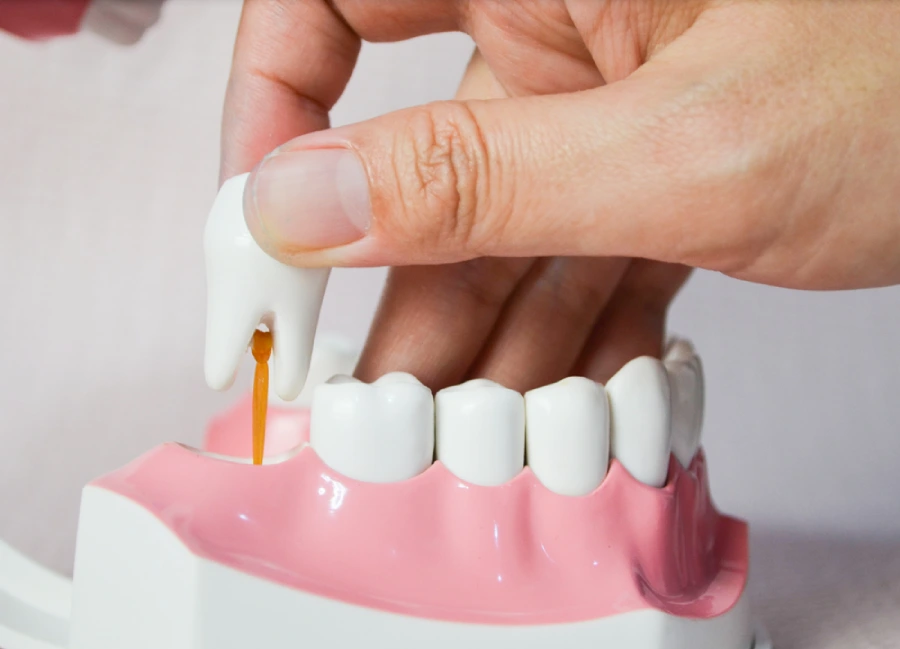
Can a Dentist Remove Wisdom Teeth?

Yes! It’s a common misconception that only oral surgeons can remove wisdom teeth. In fact, both dentists and oral surgeons hold the experience and training required to safely and successfully remove wisdom teeth.

What Type of Dentist Removes Wisdom Teeth?

General dentists are usually capable of removing wisdom teeth, but family dentists may also perform wisdom teeth removal surgeries.

How Long is Wisdom Teeth Surgery?

Just how long does wisdom teeth surgery take on average? Well, for most patients, extraction of wisdom teeth takes anywhere from around 40 minutes to around 90 minutes. Total time you’ll spend in the dentist’s or oral surgeon’s office, however, is usually closer to around 120 minutes, especially if you are administered general anesthesia.

How to Choose the Right Dentist for Wisdom Teeth Removal in San Diego

When comparing dentists or oral surgeons, be sure to consider these five factors.

  1. Credentials and Specialization: Where did the dentist or oral surgeon go to school, and what degrees did they receive? Do they specialize in any particular area of dentistry (i.e., pediatric dentistry)?
  2. Experience: How many wisdom teeth extractions have they done, and how long have they been practicing?
  3. Patient Reviews or Testimonials: Does the dentist, oral surgeon, or practice have generally positive reviews and patient testimonials?
  4. Office Technology & Sedation Options: What kind of technology does the office use? Is it cutting-edge? How about sedation – is general anesthesia an option? Only local numbing?
  5. Transparency About Pricing & Insurance: Does the provider take dental insurance, and if not, what are your options? Wisdom teeth removal costs in San Diego can vary, but average around $3,120 out of network. (At The Super Dentists, we offer affordable wisdom teeth removal in San Diego with no insurance via our Super Dentists Savings Plans.)

Rely on The Super Dentists for Affordable & Safe Wisdom Teeth Removal in San Diego

Planning wisdom teeth removal? Schedule a consultation at a Super Dentists location near you!

Adult Teeth Can Fall Out. Here’s How to Make Sure They Don’t

Adult Teeth Can Fall Out. Here’s How to Make Sure They Don’t

Blog Summary:

Wondering if adult teeth can really fall out? They can—and often for preventable reasons. Here’s what you need to know at a glance before diving into the full article.

  • Adult teeth can fall out due to trauma, gum disease, tooth decay, or smoking.
  • The top three causes of loose teeth in adults are untreated cavities, periodontitis, and tobacco use.
  • Avoid wiggling or pulling a loose tooth—see a dentist as soon as possible instead.
  • Rinsing with salt water, eating soft foods, and wearing a nightguard can help stabilize a loose tooth temporarily.
  • Prevent tooth loss with daily brushing and flossing, regular dental visits, and managing chronic health conditions like diabetes.
  • Tooth loss is linked to decreased quality of life and increased health risks—protect your smile with proactive care.

Your adult teeth are here to stay forever…usually, that is. Under certain circumstances, permanent teeth can and do fall out.

Sometimes, adults lose teeth due to injury-related trauma, such as falling and hitting the mouth while playing sports (this is a common cause of a loose front tooth in adults). Other times, they lose teeth due to advanced-stage gum disease (periodontitis), or bad oral health habits, like smoking.

So, how do you avoid this unfortunate situation? Let’s uncover why adults loose teeth and what to do about it.

Why is My Adult Tooth Loose?

The three most common reasons for a loose adult tooth, according to the CDC, are:

  1. Tooth Decay (Cavities): Cavities are a leading cause of tooth loss because when the tooth decays enough, without being treated with a filling, onlay, crown, or other method of stopping further progression, the pulp and roots of the tooth can eventually start to decay and become infected, loosening the tooth enough for it to fall out. This usually only happens when cavities are left untreated, however, which is why it’s so important to get annual dental exams and treat any cavities that have developed since your last visit.
  2. Periodontitis (Gum Disease with Associated Bone Loss): Gum disease happens in stages. The first stage is known as gingivitis, a mild and reversible form of periodontal disease found in 90% of the population. Periodontitis, on the other hand, which itself is classified into four stages (initial, moderate, severe with the potential for additional tooth loss, and severe with the potential for loss of dentition), is chronic and irreversible.
  3. Smoking: Smoking tobacco is one of the biggest risk factors for losing adult teeth because it damages both the gum tissue and weakens the bone structure of the teeth. Smokers have twice the risk of gum disease as non-smokers.

More often than not, tooth loss is caused by preventable factors, given that most cavities and gum disease occur from a long-term lack of good oral hygiene. Other modifiable risk factors associated with tooth loss are diabetes mellitus and pregnancy.

Meanwhile, non-modifiable risk factors, like age and heredity, including genetic diseases, do play a role in the development of tooth loss in adults, although a much smaller one.

What to Do About a Loose Tooth Before it Falls Out

Swelling and bleeding of the gums, wobbly teeth, and pain are common symptoms of a loose tooth. So, what do you do if you find yourself experiencing any of these things?

First off, don’t start Googling “how to remove a loose tooth in adults” or attempt to take the tooth out yourself. And don’t put off seeing a dentist ─ that will only make things worse.

Do avoid biting with the tooth if at all possible and avoid wiggling it. Try to eat soft foods. Rinse with salt water regularly to reduce inflammation. If you grind your teeth, wear a mouthguard, especially at night.

Suffering from what might be the beginning of a loose tooth or a tooth that is fully loose? Book an appointment at The Super Dentists now.

How to Keep Your Adult Teeth Strong (Preventative Care)

The link between dental health and overall health is incontrovertible. It’s been proven that people with more missing teeth have a poorer quality of life and even a higher risk of premature death than those with less or no missing teeth.

Thankfully, preventing tooth decay (cavities) and periodontitis (gum disease) is relatively easy by 1) developing consistent healthy oral hygiene habits at home, such as daily brushing and flossing, and 2) going to the dentist regularly for checkups and cleanings.

The CDC also recommends limiting intake of sugary foods and beverages and talking to your healthcare provider about any chronic conditions you may have (i.e. diabetes or HIV) that may increase your risk of tooth loss.

Get Super Care for Your Loose Adult Teeth

Noticing a loose adult tooth? Schedule an appointment with The Super Dentists! Find a location near you and book an appointment now.

Managing Expectations & Learning How to Stop Braces Pain After Tightening

Managing Expectations & Learning How to Stop Braces Pain After Tightening

Blog Summary:

Wondering if your first braces tightening will hurt? You’re not alone—it’s one of the most common questions new orthodontic patients ask!

While braces tightening can cause temporary discomfort, it’s a completely normal part of the process as your teeth shift into their Super Smile positions. The good news? That soreness usually fades within a few days, and there are easy, effective ways to stop braces pain after tightening.

In this post, we break down:

  • Why braces cause pain (Hint: it’s all about bone remodeling and consistent pressure!).
  • How often do braces get tightened? (typically every 4–6 weeks, depending on your treatment).
  • What happens at your first tightening (spoiler alert: you get to pick new elastic colors!).
  • How to stop pain after braces are tightened using AAO-recommended strategies like over-the-counter medications, oral anesthetics, and soft foods.
  • You’ll also find helpful home remedies like cold compresses, saltwater rinses, and hydration tips to ease discomfort fast.

Will it hurt?

That’s the number one question that most people who’ve recently had braces put on and are due for their first tightening want to know.

The truth is that while braces tightening appointments can cause some temporary discomfort, as your teeth and jaw adjust to the added pressure that tightening causes, this discomfort usually goes away.

What’s more, there are tried and true methods you can use to help reduce or stop pain after a braces tightening appointment at your orthodontist’s office.

But before we get into all that, let’s take a step back and talk about why braces cause pain and what a braces tightening appointment at the orthodontist involves.

Why Do Braces Cause Pain & Is it Normal?

Braces slowly realign the teeth and jaw into a desired position over a period of many months to years. They do this by applying pressure to the teeth and jaw. This pressure is fairly gentle, yet consistent, and it gradually forces the teeth and jaw to move, bit by bit, to a healthy, optimal configuration under the supervision of an orthodontist.

This is made possible due to the principle of bone remodeling, which the American Association of Orthodontists defines as “a biological response to pressure that involves the breakdown and rebuilding of bone tissue around the teeth”.

Basically, each time pressure is applied, it creates an area of compression on one side of a tooth and tension on the other side. Teeth eventually settle into a “new normal” as the body removes bone in the area that’s compressed and forms new bone in the area of tension.

As the teeth move in the direction towards which pressure is applied, resistance changes, and, as a result, braces tightening is required. But when this happens, the “new normal” that had been established becomes disrupted, and new areas of compression and tension are established, which can cause discomfort or mild pain. This is normal and should go away as the body continually readjusts to the new pressure being applied. That usually takes a couple of days.

How Often Do Braces Get Tightened?

You might be wondering, “Just how often are braces tightened?”. In most cases, braces are tightened roughly every month to every six weeks, but this is an estimate, and your experience may vary.

What to Expect at Your First Braces Tightening

It’s normal to be a bit nervous before your first braces tightening appointment. You might even have questions! Luckily, any experienced orthodontist is more than prepared to answer them.

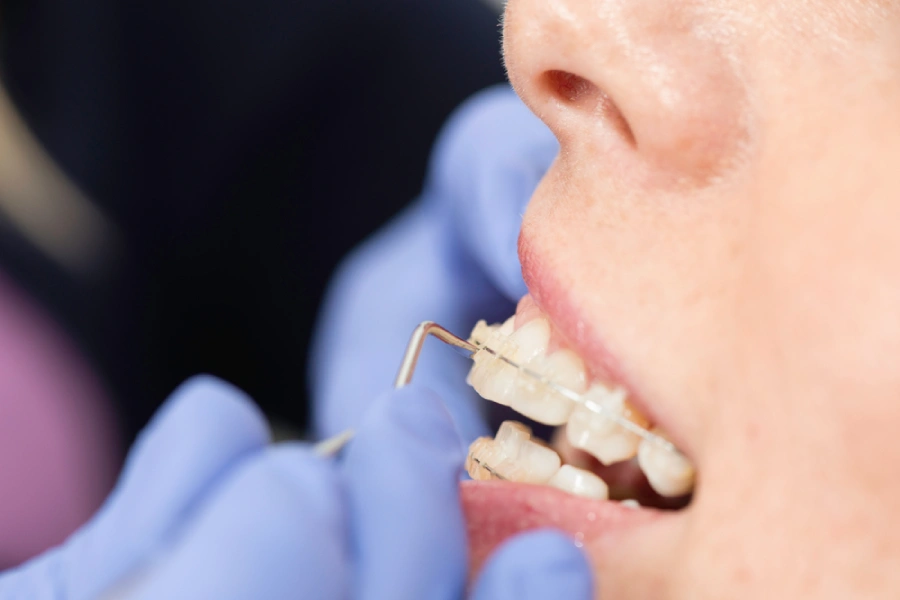
That said, here’s a rough overview of what normally happens at a braces tightening appointment:

  • Your orthodontist will examine your teeth and jaw to ascertain to what extent your treatment is progressing as expected and to what degree adjustments need to be made.
  • In most cases, your orthodontist will remove the current archwires and replace them while also replacing the elastic ligatures (this is when you get to pick new colors, which is just as fun for adults as it is for kids and teens!)
  • In many cases, you won’t feel pain during or immediately after your appointment, but rather, a few hours later, lasting for up to a few days after an adjustment.

How to Stop Pain After Your Braces are Tightened

The American Association of Orthodontists recommends three courses of action for stopping pain after a braces tightening appointment.

  1. Over-the-Counter Pain Medications: Such as ibuprofen or acetaminophen can help relieve pain temporarily.
  2. Oral anesthetics: Such as benzocaine-based gels, can be used to topically remove pain within the mouth by numbing affected areas.
  3. Soft foods: Such as yogurt, smoothies, mashed potatoes, scrambled eggs, and soups can prevent you from causing more pain or adding more pressure to the teeth and jaw.

Other common methods of relieving pain after having your braces adjusted include gargling with salt water to soothe irritated gums or mouth sores, applying a cold compress to the outside of the cheeks to reduce inflammation, and making sure to hydrate to encourage healing.

Rely On the Super Dentists for Your Orthodontic Needs

Learn more about braces with The Super Dentists. With several orthodontic offices around the greater San Diego area, we’re here to make the process of getting braces as easy and pain-free as possible.

Schedule an appointment now to start your or your child’s orthodontic journey!