Loading...

Yes, You Really Can Reverse Gingivitis. Here’s What to Know

Blog Summary:

  • Gingivitis is extremely common, affecting over 70% of children ages 6–11 in the U.S.
  • Fortunately, Gingivitis is reversible with early action, consistent at-home care, and regular dental visits.
  • The condition develops in clear stages—from invisible inflammation to visibly swollen, bleeding gums—but can still be reversed before it becomes advanced-stage gum disease (periodontitis).
  • Home care essentials include brushing twice daily, flossing, using alcohol-free mouthwash, and routine dental cleanings.
  • Mild Gingivitis often clears up within 1–3 weeks of improved oral hygiene.
  • While gingivitis can be cured, it can return quickly, too without lifelong oral care habits.
  • Kids need help brushing until at least age 7–8 and should be closely monitored for signs of early gum disease. If you do observe these signs, bring them to the dentist.

As far as dental issues experienced by American children and adults go, Gingivitis is among the most common. In fact, the National Institutes of Health found that an overwhelming majority, or over 70%, of American kids aged 6-11 show signs of Gingivitis.

But did you know that Gingivitis is maybe also the most reversible dental health issue? It’s true! If you’ve noticed that your gums bleed regularly or you have persistent bad breath, you might be wondering, “Can you cure Gingivitis?” and if so, “How long does it take to reverse Gingivitis?” or even “How is Gingivitis reversed?”.

Here’s the short answer: Gingivitis is reversible with a combination of daily care, early action, and dental intervention. Below, we’ll dive deeper into all of these things so you can keep yourself and your little ones happy and their mouths squeaky clean and inflammation-free!

What is Gingivitis & Why Does it Happen?

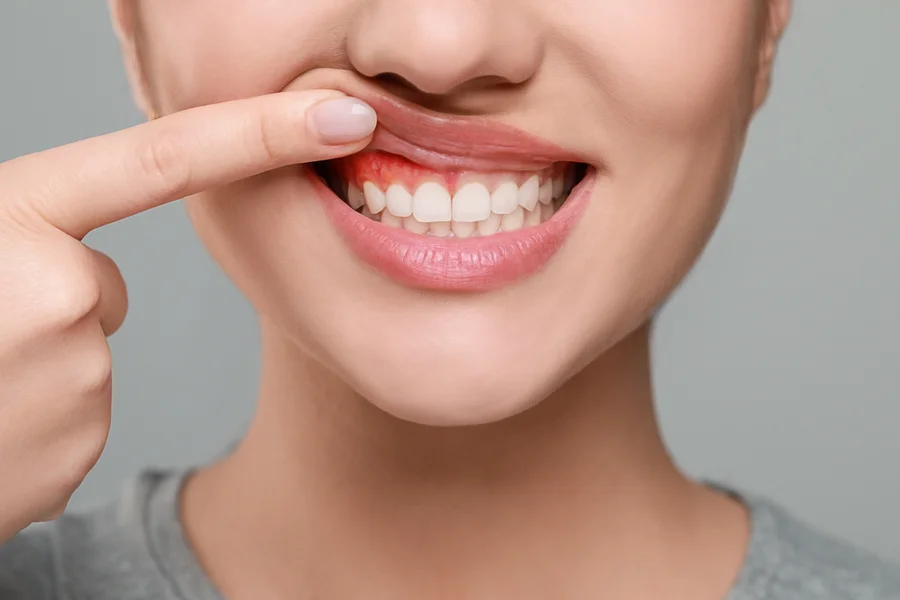
Simply put, Gingivitis refers to inflammation of the gum tissue, usually caused by bacterial plaque building up around the gumline and between the teeth (known as plaque-induced Gingivitis). But there are other types of Gingivitis too, including Nutritional Gingivitis, Hormonal Gingivitis, and Drug-Induced Gingivitis.

Technically, Gingivitis is the first stage of periodontitis (gum disease). But it can be seen as a precursor to periodontitis rather than the initial stage of it because, unlike gum disease, Gingivitis is reversible. This is because it hasn’t yet impacted the bones or surrounding tissues.

Probably the most common triggers of Gingivitis include:

  • Poor and/or inconsistent oral hygiene habits
  • Sugary diets and nutritional deficits
  • Hormonal shifts such as those occurring during puberty or pregnancy
The Stages of Gingivitis: A Gum Disease Progression Timeline

Gingivitis develops in stages. Early detection and intervention are key to reversing it completely! Here are the 3 stages of Gingivitis:

  1. Initial Lesion: Plaque builds up, and within 2-4 days of this buildup, it causes inflammation of the gums. Usually, this stage is not associated with any visible signs or tactile symptoms.
  2. Early Lesion: Within a week, the gums may begin to look red. They may bleed when brushed. In this stage, lymphocytes and macrophages dominate the immune response.
  3. Established Lesion: When left unchecked, inflammation gets worse, and immune cells such as B-lymphocytes and plasma cells begin accumulating. Gum pockets may also develop at this stage. But even at this stage, Gingivitis is still reversible!

While some include a stage 4, or Advanced Lesion (periodontitis) as a stage of Gingivitis, this stage marks the point of no return, where infection reaches the bone and connective tissue, causing permanent damage. Therefore, it’s arguably more accurate to demarcate stage 4 as the beginning of advanced gum disease as opposed to a state of Gingivitis, which definitionally, is reversible.

How to Reverse Gingivitis at Home

With a little help (and a lot of consistency), stopping Gingivitis’ progression in its tracks – and even fully reversing it – is possible. In some cases, it’s even possible to reverse it yourself with home remedies only, rather than with the help of others or professional cures.

The exception is little kids. As we covered in a previous blog post, “If a child has gingivitis, it is imperative for them to develop a consistent oral hygiene routine, supported by the parents. In addition, it can be treated with regular dental checkups. Remember that children still need help brushing their teeth until they are around age 7 to 8.”

If you’re an adult, though, you can likely reverse Gingivitis at home by taking the following four actions:

  1. Brush twice daily. Make sure to use an anticavity toothpaste with fluoride or nano-hydroxyapatite.
  2. Floss at least once daily or use a water flosser.
  3. Use alcohol-free mouthwash.
  4. While not technically an “at-home” remedy, it’s also important to supplement the above with routine dental cleanings.

How Long Does it Take to Reverse Gingivitis?

Most cases of mild Gingivitis can be healed completely in as little as one to two weeks with diligent at-home care. Even slightly worse cases often resolve in about three weeks to a month. If any of the following are true, then you should schedule a dental consultation to get help dealing with your or your little ones’ Gingivitis:

  1. You don’t see any improvement in symptoms after about a month of at-home treatment
  2. You’re not sure how to brush and floss correctly
  3. You need help choosing the right oral care products to reverse Gingivitis

Can Gingivitis Be Permanently Cured?

Yes! But only if you maintain lifelong oral hygiene. If you don’t, inflammation will come back. It’s also worth noting that if Gingivitis causes receding gums, you typically won’t be able to grow back the portion of your gums that has receded.

Final Thoughts: Don’t Overlook Gum Health, Especially in Kids

Gingivitis might be a relatively minor form of gum disease, but it’s not one you should ignore. Because if you catch Gingivitis early enough, you can fully reverse it! That’s good news, especially for your little ones!

So be sure to educate yourself about how to properly care for your whole mouth health and your little ones’ whole mouth health! Consider reading Dr. Kami Hoss’ book, “If Your Mouth Could Talk” for more information.

Want help kicking Gingivitis to the curb? Schedule an appointment with The Super Dentists now.
Teething 101: How to Help a Teething Baby

Watching your baby experience their first tooth breaking through can be both exciting and heartbreaking. The tears, sleepless nights, and constant fussiness leave many parents wondering if they’re doing enough to help. Understanding how to help a teething baby doesn’t have to feel overwhelming when you know what works and what to avoid.

Most babies begin teething around six months of age, though some start as early as three months while others don’t begin until after their first birthday. The process typically continues until around age two, when all 20 primary teeth have emerged.

Those first teeth, usually the bottom front incisors often cause the most discomfort as your baby adjusts to this new sensation.

TL;DR

Teething can be tough on babies — and their parents. This guide explains how to recognize symptoms, soothe sore gums, and know when to seek help. From cold washcloths to safe teethers, you’ll learn what works (and what to avoid) to comfort your baby through every new tooth.

Main Points:

  • Teething often begins around 6 months and lasts until age 3.
  • Signs include drooling, irritability, swollen gums, and sleep disruption.
  • Safe remedies include chilled teething rings, gum massage, and soft foods.
  • Avoid frozen objects, teething jewelry, and homeopathic tablets.
  • Acetaminophen or ibuprofen can help in severe cases when used properly.

Recognizing the Signs

Your baby can’t tell you their gums hurt, but they’ll show you through their behavior. Excessive drooling often signals the start of teething, though some babies drool even before their first tooth appears. You’ll notice increased irritability, difficulty sleeping, and a sudden desire to chew on everything within reach.

Red, swollen gums are another telltale sign. Your baby might refuse their usual foods or seem less interested in nursing or bottle feeding. A low-grade fever under 100.4°F can accompany teething, but higher temperatures usually indicate illness rather than teething pain.

Safe and Effective Baby Teething Remedies

Cold compression works wonders for inflamed gums. Place a clean, damp washcloth in the refrigerator for about 30 minutes, then let your baby chew on it. The cold temperature numbs the pain while the texture provides satisfying pressure against sore gums. You can tie a knot in one end to make it easier for small hands to grip.

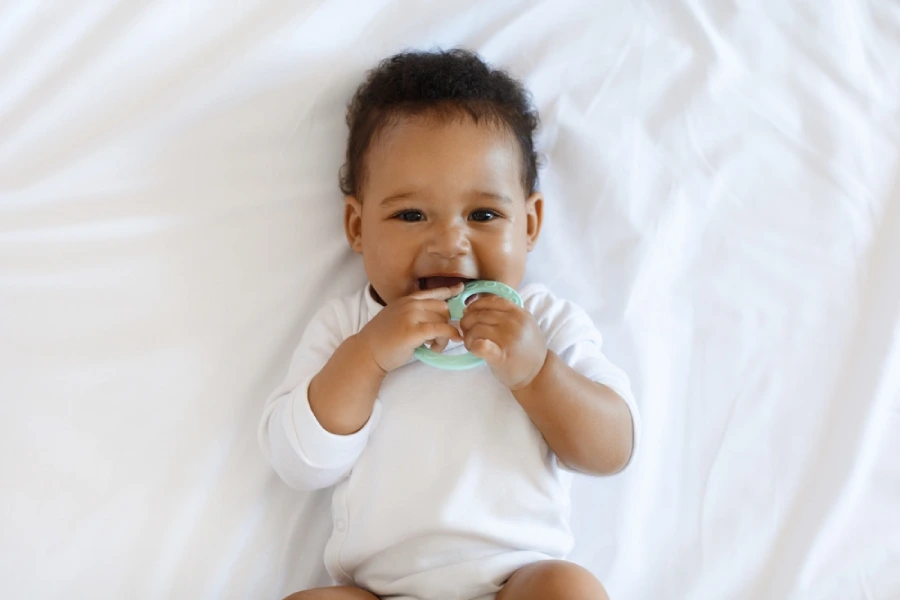
Teething rings made of firm rubber offer another excellent option for teething baby relief. Chill them in the refrigerator and never the freezer, as frozen objects become too hard and can damage tender gums. Avoid liquid-filled rings that might break or gel-filled varieties that can leak harmful substances. Gentle massage provides immediate comfort for many babies. After thoroughly washing your hands, you can use a safe and effective finger brush to gently massage erupting teeth and sore gums. This not only helps soothe discomfort but also gets your baby accustomed to the act of brushing. If your baby wants to chew on the brush, that’s okay—this natural response helps relieve their discomfort.

Nighttime Comfort Strategies

Learning how to soothe a teething baby at night often requires extra patience and creativity. The horizontal position can increase blood flow to the head, intensifying gum pain when your baby lies down. Try elevating the head of their crib mattress slightly using a thin towel placed under the mattress — never place pillows or blankets directly in the crib.

A warm bath before bedtime can relax your baby’s entire body while providing a pleasant distraction from teething pain. Follow this with gentle cuddling and rocking, which releases calming hormones for both of you. Sometimes the comfort of being close to you is exactly what your teething baby needs most.

Consider offering a chilled teething toy right before bed. The cold sensation can provide enough relief to help your baby drift off to sleep more easily. Keep several teething rings in rotation so you always have a cold one ready.

Food-Based Solutions

Once your baby is around six months and starts eating solid foods, cool or soft foods can double as natural teething remedies. Chilled applesauce, mashed bananas, or small pieces of cold melon provide both nutrition and gum relief. Always supervise your baby while eating and ensure pieces are appropriately sized to prevent choking.

For babies over 12 months, you can offer frozen fruit in a mesh feeder. This allows them to gnaw on cold fruit safely while getting the pressure and temperature relief their gums crave. Avoid hard foods that could break off and become choking hazards.

When to Consider Medication

Sometimes natural remedies aren’t enough, and that’s when these tips for teething baby care include safe pain relief options.

Acetaminophen (Tylenol) is safe for babies over two months old, while ibuprofen can be used for babies six months and older. Always check with your pediatric dentist and/or your pediatrician and follow dosing instructions based on your baby’s weight and age, and don’t use these medications for more than a few days without consulting your pediatrician.

Your pediatric dentist can also provide additional guidance on safe pain management options during the teething process.

Never use aspirin for babies or toddlers, as it’s linked to a serious condition called Reye’s syndrome. Similarly, avoid topical gels containing benzocaine or lidocaine — these ingredients can be dangerous for young children and may cause serious breathing problems.

What to Avoid

Several popular teething remedies can actually harm your baby. Teething necklaces, bracelets, and anklets pose serious choking and strangulation risks. The beads can break off and become lodged in your baby’s throat, while the strings can wrap around their neck during sleep.

Skip homeopathic teething tablets, which may contain harmful levels of belladonna, which is a toxic substance that can cause seizures and breathing difficulties. The FDA has issued warnings about these products after reports of serious adverse reactions.

Frozen objects might seem like the best idea to numb pain, but they’re too cold and hard for delicate gums. This includes things like frozen teething rings, ice cubes, and frozen washcloths. It’s best to stick to refrigerated items that provide cooling relief without risking injury.

How to Help a Teething Baby: Frequently Asked Questions

How long are babies in pain from teething?

Teething pain typically lasts a few days before each tooth erupts, then subsides until the next tooth begins pushing through. The entire process spans about two to three years, but pain isn’t constant — it comes and goes with each new tooth.

How do I know if my baby is crying because of teething?

Teething crying often coincides with other symptoms like drooling, gum swelling, and the desire to chew. The crying may worsen at bedtime when lying down increases pressure in the head. If crying seems excessive or is accompanied by high fever, diarrhea, or other concerning symptoms, contact your pediatrician.

What is the best position for a teething baby to sleep?

Most teething babies sleep best on their backs with their head slightly elevated. This position reduces blood flow to the head and may decrease gum pressure. Always follow safe sleep guidelines and never place pillows or loose bedding in the crib.

Final Thoughts

Stock up on multiple teething toys so you can rotate them in and out of the refrigerator. Having options ready means you won’t scramble to find relief when your baby needs it most. Clean washcloths, rubber teething rings, and appropriate pain medications should all be easily accessible.

Remember that knowing how to soothe a teething baby is often about trial and error. What works perfectly for one baby might not help another, and what works one day might not work the next. Stay patient with yourself and your baby as you navigate this challenging but temporary phase.

The discomfort is real, but so is the relief that’s coming. Each tooth that breaks through brings your baby closer to a full, healthy smile and brings you both closer to better nights of sleep. With the right tools and techniques to soothe your teething baby, you’ll both get through this milestone together.

The Super Dentists offer pediatric, orthodontic, and parent dentistry in the San Diego area. Find a location near you and schedule an appointment for your family today.

Saying No to Soft Drinks: Why is Soda So Bad for Teeth?

As a parent, you’ve probably found yourself in the grocery store with your child looking up at you, begging for you to get them a soda. While it might seem harmless to occasionally give in, understanding the impact of these sugary drinks on your child’s developing teeth can help you make more informed decisions about their oral health.

TL;DR

Soda may seem like an innocent treat, but it’s incredibly damaging to your child’s teeth. The acids and sugars erode enamel, cause cavities, and even stain teeth. Limiting soda, drinking it quickly through a straw, and rinsing afterward can reduce harm — but the best choice is always water.

Main Points:

  • Soda causes acid attacks that erode enamel and lead to cavities.
  • Both regular and diet sodas are harmful due to acidity.
  • Sipping slowly over time is worse than drinking quickly.
  • Brushing immediately after soda can worsen enamel damage.
  • Soda stains teeth — especially brightly colored ones.
  • Sports drinks and juices can also harm teeth but soda is typically worse.
  • Use straws, rinse with water, and avoid bedtime consumption.
  • Soda also contributes to broader health issues like obesity and diabetes.
  • Moderation and good oral hygiene can limit soda’s long-term effects.
  • Regular dental checkups are key to catching damage early.

The Science Behind Soda’s Impact on Teeth

When your child takes that first sip of soda, a complex chemical reaction begins in their mouth. The sugar in the beverage combines with naturally occurring bacteria to form acid, and this acid becomes the primary culprit in tooth damage.

Both regular and diet sodas contain their own acids, including citric acid and phosphoric acid, which directly attack teeth.

Each time your child sips their drink, this acid assault continues for about 20 minutes. If they’re slowly nursing that soda throughout the afternoon, their teeth remain under constant attack with little time to recover. Young children and teenagers face even greater risks since their tooth enamel hasn’t fully developed yet, so they are more susceptible to damage.

Understanding the Two Main Types of Dental Damage

The effects of soda on teeth show up in two main ways, erosion and cavities. Think of erosion like sandpaper slowly wearing down a piece of wood — that’s what acids do to your child’s tooth enamel.

The protective outer layer gets weaker and thinner, which is why kids might suddenly complain that ice cream or cold drinks hurt their teeth. Diet soda causes this too, even without any sugar.

Cavities work differently since they’re actual holes that form when bacteria feast on sugar and pump out acid as waste. While erosion stays on the surface, cavities go right through the enamel and can reach the softer dentin underneath.

When cavities are left untreated, your child could experience painful toothaches, expensive procedures, and sometimes even tooth loss in severe cases. What makes this especially troubling for parents is that soda and teeth problems don’t discriminate — even diet sodas pose significant risks due to their high acidity levels.

The Hidden Dangers Parents Often Miss

Many parents don’t realize that the timing and method of soda consumption can dramatically affect the damage it causes. Drinking soda before bedtime creates an especially dangerous situation because the sugar and acid have all night to attack your child’s teeth while saliva production decreases during sleep.

The way children typically consume soda — sipping slowly over extended periods — maximizes the exposure time and increases potential damage. Here’s something that surprises most parents…brushing your child’s teeth right after they drink soda can make things worse.

When enamel is soft from acid exposure, scrubbing it with a toothbrush is like rubbing sandpaper on already damaged paint. Soda stains on teeth create another headache for parents, especially when you’re dealing with teenagers who care about how they look.

Those bright red and orange sodas don’t just taste artificial — they contain dyes that can permanently stain teeth. Combined with the acids that rough up the tooth surface, these stains can become stubborn reminders of poor drink choices.

Comparing Soda to Other Drinks

Generally, soda is one of the most harmful drinks for dental health. It’s common to think of sports drinks as healthier alternatives, but they typically have similar levels of sugar and acid.

While fruit juices contain natural sugars and have some nutritional benefits, they’re still highly acidic and can cause significant tooth damage.

The pH scale can help you see just how acidic these beverages are. With pure water scoring a neutral 7, most sodas range between 2.4 and 4.5, making them highly acidic and capable of causing significant enamel erosion.

Practical Strategies for Concerned Parents

Let’s be honest — telling kids they can never have soda again isn’t realistic for most families. Instead, you can teach them smarter ways to drink it that won’t wreck their teeth. When your child does get a soda, encourage them to drink it fast rather than nurse it for an hour. Think of it like ripping off a band-aid — quick exposure causes less damage than prolonged contact.

Straws can help if you use them right. Position the straw toward the back of your child’s mouth so the soda bypasses most of their teeth. It’s not perfect protection, but it helps. After they finish drinking, have them swish some water around their mouth to rinse away the leftover sugar and acid that’s clinging to their teeth.

Timing matters too and avoiding soda consumption before bedtime gives teeth the best chance to recover overnight. When brushing after soda consumption, waiting 30 to 60 minutes allows saliva to naturally neutralize acids and remineralize enamel before introducing the mechanical action of brushing.

The Broader Health Picture

Tooth damage is just the tip of the iceberg when it comes to what soda does to kids’ bodies. The effects of soft drinks on teeth might be what you see first, but regular soda drinking also sets kids up for weight problems, diabetes, and a whole bunch of other health issues down the road.

When you teach your children to reach for water instead of soda, you’re not just protecting their teeth, but you’re helping them build habits that’ll keep them healthy for life. Don’t beat yourself up if your child has had soda before. Instead of panicking every time they ask for a Sprite at a restaurant, use it as a teaching moment about taking care of their teeth afterward.

Kids who drink sugary stuff occasionally need to see their dentist more often, but that’s not necessarily a bad thing and catching small problems early means avoiding big, expensive fixes later.

If you’re worried about what all that soda is doing to your child’s smile, schedule an appointment with The Super Dentists to talk about what you can do to protect their teeth going forward.

Why Is Soda Bad for Your Teeth? FAQs

Why is soda considered bad for your teeth?

Soda contains high levels of sugar and acid that work together to damage teeth in two ways. The sugar feeds harmful bacteria in the mouth, which produce acid that erodes tooth enamel. Additionally, sodas contain their own acids (like citric and phosphoric acid) that directly attack teeth, weakening enamel and making teeth more vulnerable to decay and sensitivity.

How can I drink soda without damaging my teeth?

While no method completely eliminates risk, drinking through a straw, consuming quickly, rinsing with water afterward, and waiting before brushing can reduce potential damage. The most effective approach remains limiting consumption frequency and quantity.

Is soda worse for your teeth than juice?

Generally, yes — soda typically contains more acid and sugar than most juices, and children tend to consume it more frequently. But both beverages pose significant risks to dental health when consumed regularly.

How much soda is OK for teeth?

Honestly? Zero is the answer dentists want to give, but we all know that’s not happening in the real world. If your kid’s going to have soda anyway, save it for birthdays, holidays, or other special treats instead of making it an everyday thing. And when they do indulge, make sure they’re brushing and flossing like they should.

Final Thoughts

Understanding why soda is bad for your teeth helps you to make better choices for your family. While occasional soda consumption won’t necessarily doom your child to a lifetime of dental problems, establishing patterns of moderation and proper oral care creates the foundation for lifelong oral health.

The goal isn’t perfection but it’s helping your children understand the consequences of their choices and giving them the tools to make informed decisions about their health. By explaining why soda is considered bad for your teeth in age-appropriate terms, you’re teaching valuable lessons about cause and effect that extend far beyond dental health.

Remember that preventing dental problems is always easier and less expensive than treating them. Regular dental visits, proper brushing and flossing techniques, and mindful beverage choices work together to protect your child’s smile for years to come.

The Super Dentists in San Diego have been recognized as leading pediatric dentists for over 20 years. Find a location near you and book an appointment for your child today.

How Many Dental X-Rays Are Safe in a Month?

Dental X-rays play a key role in oral health. They enable a dentist to review their patients’ oral health development and identify underlying problems related to the teeth, jaw, and soft tissues of the mouth. Plus, X-rays help a dentist provide an accurate diagnosis and determine the best course of action to treat oral health issues.

But one thing every patient wants to know is: are dental X-rays safe?

The Super Dentists are concerned about your family’s dental and orthodontic care. And we’re also concerned about your safety, too! Since many parents ask us all the time about x-rays and are dental x-rays safe, we thought it would be a great idea to address the question here.

But first, why are dental x-rays ordered in the first place? Which common (and not so common) dental or orthodontic conditions warrant dental X-rays?

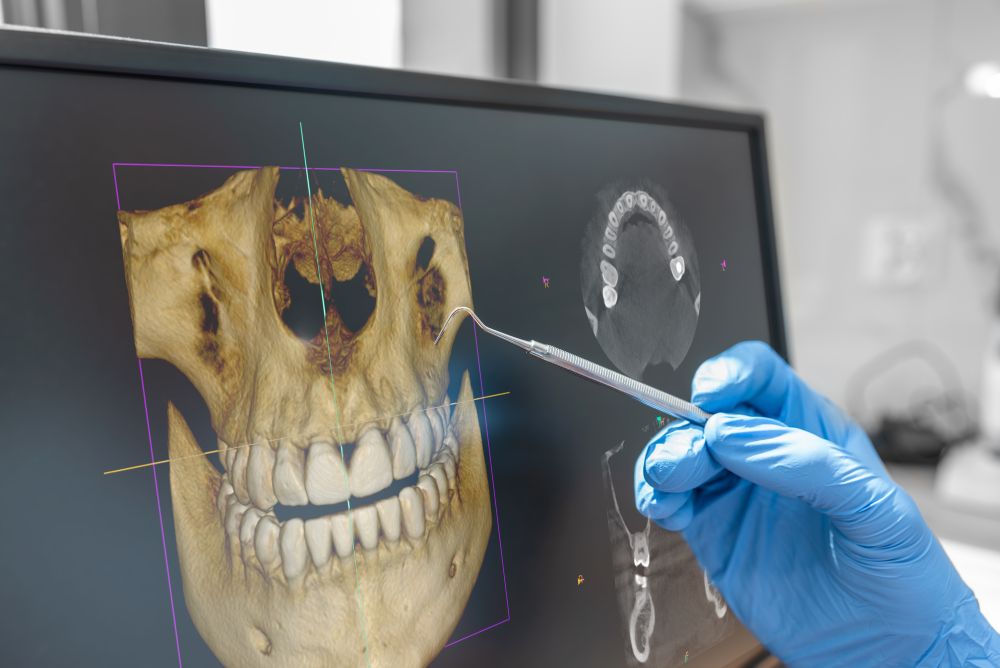
Dental Assistant Reviewing 3D Dental X Ray - The Super Dentists

Which Conditions Require Dental X-Rays?

There are several other reasons why a dentist may recommend dental X-rays, too. These reasons include:

  • Monitor Oral Health Injury Healing and Recovery: If a child or adult suffers a mouth injury, a dentist may use an X-ray to track the patient’s healing progress and ensure that he or she can make a full recovery.
  • Identify Oral Infections: Dental cavities, gingivitis, and other oral infections are problematic. Thanks to an X-ray, a dentist is better equipped than ever before to identify an oral infection before it gets out of hand.
  • Determine If an Orthodontic Treatment Is Necessary: A dentist sometimes uses an X-ray to determine whether to recommend an orthodontic treatment.

Not all dental X-rays are created equal. In fact, a dentist may recommend one or more of the following types of dental x-rays:

  • Bitewing: Examine the crowns of the upper and lower teeth in one section of the mouth, identify cavities in tough-to-reach areas of the mouth and assess fillings.
  • Periapical: Display a tooth from the crown to the root in order to examine one or two teeth for root problems, cavities, and oral health issues that affect the surrounding jaw bone.
  • Panoramic: Show the entire mouth and is often used to track a child’s tooth development to determine if orthodontics is necessary.
    Occlusal: Illustrate the arch of the teeth from either the top or bottom jaw.
  • Orthodontic: Depict the side of a child’s head.
  • Cone Beam Computerized Tomography (CBCT): Provide a 3D view of the patient’s mouth to help a dentist assess the development and space of their teeth.

The best type of dental x-ray for identifying an issue depends on the unique situation. Different types of x-rays are used to diagnose different dental problems, and a combination of x-rays may be necessary to provide a comprehensive assessment.

In general, the two most common types of x-rays used in dentistry are bitewing and periapical x-rays. Bitewing x-rays are commonly used to diagnose cavities and evaluate the health of the teeth and gums.

They show the crown portions of the upper and lower teeth, and can detect decay between teeth, bone loss due to gum disease, and other dental problems.

Periapical x-rays are used to evaluate the entire tooth, from the crown to the root, and can diagnose issues such as abscesses, cysts, or impacted teeth. They are useful in assessing the overall health of the tooth structure and root, and can help dentists plan for treatment.

Are Dental X-Rays Safe?

X-rays emit some radiation, but according to the American Dental Association (ADA), radiation exposure due to dental X-rays is minimal in comparison to both human-made and natural radiation sources. Americans receive an average radiation dose of about 0.62 rem (620 mrem) annually, the U.S. Nuclear Regulatory Commission reports.

Meanwhile, the ADA notes that dental radiographs account for roughly 2.5% of the effective radiation dose received from all medical radiographs and fluoroscopies (medical X-ray imaging procedures).

Safety Guidelines & Precautions

X-ray technologies and methods vary in dental practices and medical offices across the United States. The Super Dentists use the latest technology at its six San Diego offices.

For example, the ADA promotes Image Gently, a national X-ray safety campaign that was launched in 2008. Image Gently encourages dentists and other medical professionals to limit radiation doses during pediatric medical imaging exams. It also offers the following X-ray safety guidelines for pediatric dental professionals:

  • Use X-rays based on a patient’s needs, not as a routine
  • Choose the fastest image receptor available
  • Select Cone Beam CT only when necessary
  • Focus the X-ray beam exclusively on the patient treatment area
  • Provide a patient with a thyroid collar or shield during an X-ray procedure
  • Limit X-ray exposure to a “child-size” dose

The ADA is one of more than 80 healthcare organizations to promote Image Gently. But as of today, there are no standard X-ray safety guidelines for all U.S. dental practices and medical offices.

This means the amount of radiation exposure from an X-ray may vary between dental and medical procedures. It also means the amount of radiation exposure from an X-ray may differ based on where a patient goes for dental or medical treatment.

According to the ADA’s own records, a person in good health with lowered risk of dental disease can have dental X-rays taken every 24 to 36 months. This figure varies with the patient’s age, and rest assured The Super Dentists take every precaution to promote a healthy smile for every patient. This includes optimal scheduling for all dental X-rays.

How Many Dental X-Rays Are Safe in a Month?

The amount of dental x-rays that are considered safe in a month depends on various factors, such as the age of the patient, their medical history, and the type of x-ray being taken.

In general, the amount of radiation exposure from dental x-rays is relatively low and considered safe for most people. The American Dental Association recommends that dentists use clinical judgment to determine the frequency of x-rays for each individual patient, taking into account their specific needs and risks.

For most adults, dental x-rays are typically recommended once every 24 to 36 months for routine check-ups. However, in certain cases, such as for patients with a history of dental problems or those undergoing orthodontic treatment, more frequent x-rays may be necessary.

Are X-Rays Used to Find Impacted Teeth?

An X-ray can help in identifying impacted teeth by producing an image of the teeth and jaws that can show the position, size, and shape of the impacted tooth.

When a tooth is impacted, it means that it is trapped below the gum line, and it has not emerged fully or at all. The impacted tooth can cause pain, swelling, and other dental problems, and it may require extraction or surgical intervention to resolve the issue.

To identify impacted teeth, dentists typically use panoramic X-rays or cone beam CT scans, which provide a complete view of the teeth and jaws. These images allow the dentist to visualize the impacted tooth and determine its position and orientation in relation to the other teeth and surrounding structures.

The X-ray can also reveal any potential complications that may arise due to the impacted tooth, such as infections or damage to adjacent teeth.

It’s important that you don’t wait on issues like this due to fears over the level of radiation. The amount of radiation you’ll undergo is not worse than leaving your oral health issues unanswered.

How Do Super Dentists Handle Patient X-Rays?

At The Super Dentists of San Diego, we strive to provide safe, effective dental care for both children and adults. As part of our commitment to our patients and their health and well-being, we use state-of-the-art X-ray technologies to help protect kids and adults from radiation exposure. Are dental X-rays safe?

They certainly are at The Super Dentists! At our offices, we think every dental visit should be as extraordinary as your child, and this includes sensible, as-needed dental X-rays.

Our zero- and no-radiation cavity detection technologies allow us to use autofluorescence to identify cavities and tissue damage in the mouth. They help us accurately detect dental issues and provide an instant diagnosis of cavities and cracks in the teeth. Then, if we identify an oral health problem, we can treat only the diseased area accordingly.

The Super Dentists provides digital, panoramic, and cephalometric X-rays as well. Our digital X-rays are instantaneous, and our X-ray results can be shared with medical caregivers worldwide. Whereas the average dental office’s bitewing or posterior-anterior (PA) X-rays emit 0.5 mrem of radiation, our digital X-rays emit approximately 0.08 mrem of radiation.

Comparatively, our panoramic and cephalometric X-rays are used for orthodontic treatments. They provide 2D images of a patient’s mouth and jaw, as well as help us diagnose a patient’s oral health problems and map out a personalized treatment plan. That way, we can best help a patient achieve a healthy, beautiful smile.

Why Does It Feel Like Dentists are Always Pushing X-rays?

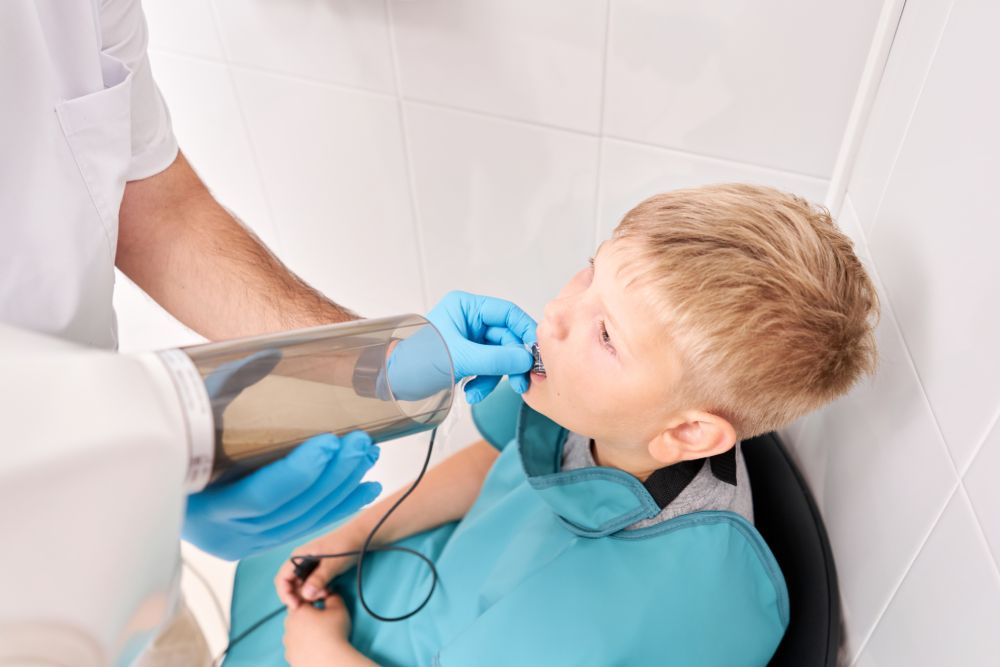
The Super Dentists only perform dental X-rays when they are absolutely necessary and we protect our patients by having them wear a lead apron to protect their organs against the minimal radiation exposure during the X-ray.

We will quickly and safely perform the X-rays, review the results and offer a treatment recommendation based on our findings. If a patient has any concerns or questions before or after an X-ray procedure, just ask your dental technician.

The Bottom Line on Dental X-Ray Safety

A child’s safety is a parent’s top priority. However, dental practices use different X-ray technologies that emit varying amounts of radiation.

At The Super Dentists, the health and well-being of our patients guide our day-to-day efforts. We understand the radiation exposure dangers associated with X-rays, and to combat these risks, we deploy the latest X-ray technologies. Our team takes the maximum precautions to keep patients safe during X-ray procedures and performs X-rays on an as-needed basis.

We take into consideration X-ray frequency, family dental history, and other crucial factors to ensure each patient is comfortable with their treatment and we help our patients weigh the pros and cons of X-ray procedures so they can make an informed decision based on their personal needs.

The Super Dentists is all about safety – and giving each patient an extraordinary experience every time they visit our office. Come see why 1 in every 5 kids in San Diego is a Super Dentists kid!

Dental X-rays may seem complicated at first, but The Super Dentists is happy to help patients understand X-rays and X-ray safety. If you need more information related to the question, “are dental X-rays safe,” don’t hesitate to contact us.

To find out more about our dental X-rays or to schedule a consultation with one of our dentists, please contact us today at 1 (855) GO SUPER, or text The Super Dentists at 1 (844) 765-1234. You can also schedule your exam, including x-rays online.

If you’re ready to take positive steps toward ensuring your child has optimal dental health, you can schedule an appointment today!

Mouth Guards for Kids: Which Sports Require Extra Protection?

<

Blog Summary:

Keeping your child safe during sports goes beyond helmets and padding—mouth guards are a must-have for many athletic activities! In this blog, we explore which youth sports require or strongly recommend mouth guards, why they’re so important, and how to choose the right type for comfort and protection.

You’ll discover:

  • Which sports use mouth guards (like football, field hockey, basketball, softball, and flag football)
  • The difference between stock, boil-and-bite, and custom mouth guards
  • Why custom mouthguards from a dentist offer the best protection—especially for kids with braces
  • What to consider when selecting the best mouthguard for your active child

As a parent, it’s natural that your first instinct is to protect your child. That’s just as true off the field as it is on the field. But when it comes to sports, there are some that are riskier than others, requiring extra precautions like helmets and mouthguards.

Which specific sports use mouth guards for kids? In truth, just about any contact sport is one during which it’s useful to wear a mouthguard.

Let’s uncover more details so you can be sure your little one stays safe during their athletic adventures.

Why Mouth Guards for Kids Matter

Would you let your child ride a bike without a helmet? Would you let them go to the beach without wearing sunscreen? Would you let them ride in a car without wearing a seatbelt? Probably not.

When it comes to mouthguards and sports, should you let them play without one? That does depend to a degree on the sport in question, but often, the answer is “No”.

But why is that? After all, you’ve probably heard some parents scoff about mouthguard use or downplay the risks associated with youth sports.

Simply put, a 2019 systematic review and meta-analysis of several studies proved that people who wore mouthguards during sports were around twice as safe from orofacial injuries as people who did not.

Another meta-analysis showed that the prevalence of dental trauma was just 7.5% among mouth guard users versus a staggering 59.48% for non-users.

That means that your child is potentially around seven times safer while playing sports when wearing a mouthguard compared to not wearing one.

Which Kids’ Sports Use Mouth Guards?

Laws governing which sports require mouthguards do often vary in the U.S. state-by-state, but for sports that are extremely high-impact like football, ice hockey, field hockey, and men’s lacrosse, mouth guards are generally required by law.

Even if mouth guards aren’t mandated, from a safety point of view, it’s wise for children and adults alike to wear one for most contact sports, collision sports, and high-velocity sports, due to the associated risk of injury they present.

Specifically, Delta Dental recommends mouthguards for kids who play these sports:

  1. Baseball
  2. Basketball
  3. Softball
  4. Football
  5. Soccer
  6. Lacrosse
  7. Rugby
  8. Wrestling
  9. Martial arts
  10. Recreational sports such as skateboarding, bicycling, and in-line skating

You may be wondering why activities like skateboarding and bicycling benefit from mouthguards. Think about it: there’s always the risk of hitting a rock or bump when biking or skateboarding, causing you to fall headfirst onto the pavement. Even surfers can benefit from mouthguards if hit by a rogue wave. In short, if there’s a risk of facial or dental injury, a mouthguard is probably a good idea.

Mouthguard Use: Your Responsibility as a Parent

Many athletes simply don’t like the feeling of wearing a mouthguard, especially when they are young and don’t fully understand the risks associated with going guardless.

For this reason, it’s important to educate your little ones about the importance of wearing a mouth guard, especially if it’s required.

When required, you do have a responsibility as a parent of a minor to ensure that they wear a mouthguard.

Types of Mouthguards Available

As ANSI/ADA Standard No. 99:2001 mentions, there are three generally accepted types of mouthguards for sports.

Here are the main three types, along with some pros and cons of choosing each.

1. Stock Mouth Guards

These mouth guards are generally available over the counter in one-size-fits-all sizing. This means they’re inexpensive and readily available. It also means that they usually provide a poor fit and low level of protection relative to other mouthguard types.

2. Boil and Bite Mouth Guards

These types of mouth guards are fairly affordable and allow you to mold them to your child’s teeth at home, creating a snugger fit and more comfortable wearing experience. They are not usually ideal for kids or teens with braces, however.

3. Custom Mouth Guards

Custom mouth guards are created for each unique individual by a dentist, offering the best protection, the highest degree of comfort, and compatibility with braces. If your child is a serious or long-term athlete, this type of mouthguard is usually well worth the price.

How to Choose the Right Mouthguard

Whether you’re on the hunt for the best field hockey mouthguard for your teen or the most comfortable mouthguard for kids’ football, here’s what to consider when comparing mouthguards to be sure you choose the right one:

  • Appropriate Size: Whether choosing a one-size-fits-all mouthguard from the store or a custom one, you’ll want to ensure it is sized appropriately for your child.
  • Comfort Level: While closely related to size, comfort is something that’s a little harder to gauge. While mouthguards may never feel “natural”, they shouldn’t cause pain or irritation, so be sure to talk through mouthguard comfort with your child.
  • Kids’ Braces: If your kid or teen wears braces, then it’s probably in their best interest to wear a custom mouthguard fitted by a dentist. The last thing you want is to cause thousands in damage by trying to save a few hundred dollars.
  • ADA Recommendation: Look for a mouthguard that’s recommended by the American Dental Association (ADA).

Need a Custom Mouthguard? We Can Help!

Protect your child’s smile on the field and court! Schedule a visit with The Super Dentists to get a custom-fitted mouth guard designed for maximum comfort and protection during sports. Find a convenient office location near you and book your appointment now!

Best Dental Offices for Teen-Friendly Care: Our Top Locations

Summary: The Super Dentists highlight their top teen-friendly locations, offering expert care tailored to teenagers’ unique needs. This includes braces, wisdom teeth evaluations, specialized sports mouthguards, and flexible appointments. This blog will answer common questions like how often teens should visit the dentist and whether they can attend appointments alone.

Key takeaways include:

  • Teens should visit the dentist every six months for preventative care and early issue detection.
  • Many teens between the ages of 16-17 can attend appointments alone with prior parental consent, depending on local regulations.
  • The best Super Dentists locations for teen care include Carmel Valley, Chula Vista, Oceanside, and Escondido.
  • Services like customized orthodontics are explicitly designed for unique teen dental needs.

The teenage years can be rough. So many changes happen to our bodies and minds during these years that form who we become as adults; dental care is no exception. Teenagers require dental services that cater to their evolving needs, emphasizing convenience, modern treatments, and a comfortable environment.

Unfortunately, many dentists simply can’t or don’t think about creating the right environment in dentistry. At The Super Dentists, we understand the unique challenges and dental requirements for all stages of life. We tailor our services to provide exceptional teen-friendly care and experiences across various locations.

What Teenagers Seek in Dental Care

Teens today are seeking more than routine dental check-ups. They look to prioritize:

  • Time: Teens often have busy school schedules, extracurricular activities, and social commitments. It is essential to be able to provide flexible appointment times.
  • Modern Treatments: Access to the latest orthodontic solutions, cosmetic procedures, and preventative care helps them ensure optimal oral health and aesthetics.
  • Being Comfortable. A welcoming atmosphere that alleviates anxiety and makes dental visits a positive experience.

Top Super Dentists Locations for Teen-Friendly Care

Each location is designed with teenagers in mind, offering specialized care and services to meet their unique dental needs. Here are just a few of our top offices that are renowned for their teen-friendly care:

Carmel Valley

Located at 11943 El Camino Real #200, San Diego, CA 92130, our Carmel Valley office offers:

  • Comprehensive services from pediatric dentistry to orthodontics for all ages, helping to secure continuity of care.
  • Advanced technology that utilizes digital oral scanners and no-radiation cavity detection for precision diagnostics.
  • Flexible appointments to better fit into the dynamic schedules of teenagers, offering convenient booking options.

Want to know more about our options? Visit our Carmel Valley location page.

Chula Vista

Situated at 345 F Street, Suite 260, Chula Vista, CA 91910, this office provides teen-oriented orthodontics such as braces and Invisalign tailored for teen dental health and aesthetics. Our Dentists for teens also create an engaging environment, making it a fun and interactive setting to help foster more enjoyable dental visits and dental hygiene.

One of the best things about our Chula Vista office is getting involved in the community! We actively participate in local events, fostering a sense of belonging. You can learn more about our Chula Vista services here on the location page.

Oceanside

You’ll find our Oceanside office located at 3625 Vista Way, Oceanside, CA 92056. It’s known for:

  • State-of-the-art facilities are equipped with the latest and most innovative technologies so that we can provide nothing less than top-notch care.
  • Teen-focused treatments specializing in wisdom teeth evaluation and custom sports mouthguards.
  • Military discounts. We honor our service members with special offers.

Escondido

At 390 West Valley, Parkway, Escondido, CA, 92025, our Escondido office location can provide you with:

  • Holistic dental care that addresses teenagers’ preventative and corrective dental needs.
  • Educational outreach, providing fun, engaging dental educational presentations at local schools.
  • Bilingual services. We’ve ensured we can provide effective communications for our diverse communities.

Addressing Common Teen Dental Concerns

Teenagers often have specific questions and concerns regarding their dental health, like can I go to the dentist alone at 17? Some of the most common we receive at The Super Dentists are:

How often should a teenager go to the dentist?

We recommend that teenagers schedule dental check-ups every six months. Regular visits help detect potential issues early and maintain oral health and hygiene.

Can I go to the dentist by myself at 17 or 16?

Policies may vary, but in general, many dental practices allow teenagers aged 16 and above to attend their appointments alone, provided parental consent has been given. It’s critical to check in with your specific dental office to understand their guidelines and policies.

How old must you be to go to the dentist without parental consent?

Generally, patients aged 18 and above can attend dental appointments without parental accompaniment or consent. For those younger than 18, parental consent is usually required, though some offices may permit solo visits for minors with prior authorization.

At what age can you stop seeing a pediatric dentist?

Pediatric dentistry provides care for children up to 18 years of age. After that, transitioning to a regular dentist will depend on your needs and comfort levels. Continuity of care is crucial, and many find value in maintaining their pediatric dentist relationship through their teenage years.

Benefits of Continuity in Dental Care

Why do we encourage consistency in dental care? Maintaining a steady relationship with the same dental practice offers numerous advantages, including:

  • Familiarity. The dental team has a better, more profound understanding of the patient’s history, preferences, and specific needs.
  • Trust building. A longstanding relationship fosters trust, making dental visits less stressful.
  • Comprehensive monitoring. Continuous care allows for better tracking of dental development and timely interventions when necessary.

At The Super Dentists, we take pride in growing alongside our patients, offering seamless transitions from childhood through adolescence into adulthood.

See the Difference with Teen-Friendly Dental Care Today!

As a teen, dental health is pivotal during these formative years. The Super Dentists provide expert, teen-friendly care to support a child’s smile through every step of their life. From braces and wisdom teeth evaluations to routine check-ups and custom sports mouthguards, we delight in making every visit feel like a super-powered adventure.

By choosing a dentist for teenagers who truly understands what teenage dental health needs, such as flexibility, comfort, and advanced care, you’re setting them up for a lifetime of confident smiles. Schedule an appointment with us today and experience the difference The Super Dentists make, your new go-to destination for teenage dental health.

When Do Babies’ Teeth Come In & How Long Does Teething Last? Everything to Know About First Teeth

When your baby begins the process of teething, it can be difficult for both you and your baby. The symptoms of teething can be stressful for babies and parents, as it is often misunderstood how to help relieve pain due to teething.

While the average age for a baby to begin teething and getting their first tooth is around six months old, babies can get their first teeth as early as three months old and as late as one year old.

To recognize the signs of teething in babies and understand how to help relieve teething pain, it is essential to know as much as possible about when do babies start getting their teeth.

When Do Babies Start Getting Teeth?

Your baby’s first teeth usually come in when they are about six months old. However, some babies are born with their first teeth. Some babies begin getting their teeth around four months old, while others take longer, getting their first teeth around one year old.

What Teeth Do Babies Get First?

As a parent, you likely wonder when do babies start to get teeth as you want to prepare for teething.

The bottom incisors are the first teeth to come in, located in the bottom front. The incisors first come through typically when babies are between five and seven months of age. The next teeth to come in are the top incisors in the mouth’s top front.

They enter when babies are between six and eight months old. The top lateral incisors come through. The top lateral incisors are the teeth located on either side of the top front teeth. They will appear between nine and eleven months of age.

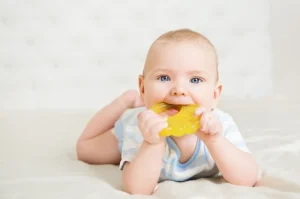
Baby with a teething ring

What Are The Signs of Teething in Babies?

The signs of teething can be different for every baby, but generally, they include the following symptoms:

  • A slight fever, but less than 101 degrees Fahrenheit
  • Coughing
  • Tender and swollen gums
  • Putting their hands near their mouth
  • Changes in sleeping or eating patterns
  • Crying and fussiness
  • Trying to chew or gnaw on hard items
  • Excessive drool
  • Rubbing their cheeks
  • Restlessness
  • Reduced interest in solid foods
  • Sensitive or swollen gums
  • Pulling their ears
  • Irritability
  • Increased sucking

These are the most typical signs of teething in babies. However, babies can develop other symptoms of teething that are not as usual. These symptoms include vomiting, rashes, diarrhea, a high fever, or congestion and are signs that should be discussed with your child’s pediatrician as soon as possible.

In addition, you should call your pediatric dentist if your baby has facial swelling, bleeding gums, or swelling.

How Long Does Teething Pain Last For?

Babies will experience the pain from teething when they get their new tooth to a few days after it cuts through their gums.

Generally, the pain from a new tooth erupting will last for about a week per new tooth. While a week may not sound like a long time, it can be incredibly long for your baby if they get multiple new teeth at once.

What Do Gums Look Like When Teething?

When babies experience teething, their gums often become swollen, red, or appear to be bulging. They may also have flushed cheeks or a facial rash due to the irritation. You can tell a new tooth is coming in by examining its gums.

After washing your hands, gently touch your baby’s gums to see if you can feel a tooth growing underneath. If you see a blister, you should avoid touching it. Blisters are typical and will go away without treatment. A new tooth underneath the gums appears pink and bulging.

When it breaks through, the baby will have a small white portion of the tooth showing through the gums.

How Many Teeth Should a 1-Year-Old Have?

Most one-year-olds have two to four teeth, but that number can vary depending on the baby. Some one-year-olds might have one or two teeth, while others may have multiple teeth. The delay of tooth eruption in babies can be due to genetics, as it tends to run in the family.

How Many Teeth Should a 3-Year-Old Have?

When a child reaches three years old, they should have about 20 primary teeth. A three-year-old child will have their central incisors, lateral incisors, canines, first molars, and second molars. The central incisors are the front teeth that help bite food and break it into chewable pieces.

The lateral incisors are the teeth between the two front teeth and the canines. They also are responsible for helping chew food. The canines are the pointy and sharp teeth on the top and bottom, which are responsible for tearing and gripping food to chew.

The first molars and second molars have flat surfaces and are rectangular teeth in the back of the mouth. They are used to help grind food.

Does Teething Pain Stop Once the Tooth Cuts?

Yes, the teething pain stops once the tooth cuts through the gums. Babies experience pain while the tooth is trying to break through the gums. Once it cuts, there is no more pain. To help relieve pain from teething, there are some things you can do.


  • Gently massage or rub the gums with clean fingers
  • Allow the baby to suck on or chew a firm rubber teether (you can refrigerate the teether)
  • Introduce some hard foods, such as a peeled and chilled cucumber or carrot
  • Gently rub their gums with a cool washcloth
  • Try an over-the-counter remedy, such as acetaminophen or ibuprofen, to help relieve pain
  • Dry the drool to prevent skin irritation

Final Thoughts

Understanding all you can about when do babies teeth come in is essential, as it is important to know everything you can do to help your baby throughout the teething process. Within the first six months of your baby getting their first tooth, it is a good idea to schedule your child’s first dental appointment with The Super Dentists.

We will fully examine your child’s teeth, bite, jaws, oral tissues, and gums to check that they are on track with their development. In addition, we will gently clean their teeth. Schedule an appointment with the Super Dentists today.

When Should Kids Go to the Dentist? Important Milestone Ages

Blog Summary:

This blog post explores the most important ages for children to visit the dentist and why early, consistent care is essential for lifelong oral health. From baby teeth to braces, here’s what parents need to know about the ideal timing for dental checkups.

  • Children should have their first dental visit by age 1, or when their first tooth appears, to establish a foundation for healthy oral habits.
  • Follow-up visits at ages 2 and 3 help monitor tooth development, reinforce brushing routines, and check for early signs of cavities.
  • At age 4, dental visits are important for correcting oral habits like thumb-sucking and preparing for orthodontic assessments.
  • By age 7, children should see both a dentist and an orthodontist to evaluate bite alignment and identify potential issues early.
  • The Super Dentists offer comprehensive, child-friendly care at six locations across San Diego to support every stage of your child’s dental journey.

When do kids start going to the dentist? It’s a great question – and one we hear frequently here at The Super Dentists.

Our pediatric care experts get tons of questions from caring parents just like you.

When do babies go to the dentist?” is an especially common question that we get asked. The internet can give you a range of answers, recommending a first dental visit at age 2 or 3. These ages are important for follow-up appointments as teeth start erupting, but the first dental appointment should come sooner rather than later.

It’s no wonder parents have questions!

Fortunately, we have the answers. Discover the key ages for kids to visit the dentist and what to expect at each stage.

When Do Babies Go to the Dentist?

There are a number of key ages when little ones should go to the dentist, but as we covered in our blog post “What to Expect at a Kid’s First Dental Appointment”, the very first dental visit should occur “as soon as the first baby teeth erupt or no later than their first birthday”.

What age should kids go to the dentist after that initial visit? Simply put, it’s important for children to go to the dentist again at ages 1, 2, 3, 4, and 7 for milestone appointments and regularly in between those milestone appointments.

Why Should Kids See the Dentist at Age 1?

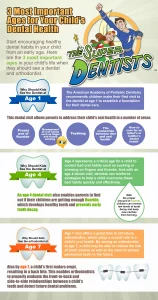
When do kids start going to the dentist? Actually, when they’re still babies. The American Academy of Pediatric Dentistry recommends that children make their first visit to the dentist by no later than age 1 to establish a foundation for their dental care.

This dental visit allows parents to address their child’s oral health in a number of areas:

Your baby’s first dental visit is the foundation for lifelong dental health. Make sure you write down any important questions you have for the pediatric dentist and follow up about the next appointment. Speaking of which, assuming everything’s okay with your child’s teeth and gums, you’ll want to pencil in their next visit to The Super Dentists.

Why Should Kids See the Dentist at Age 2?

At age 2, children are often starting to develop more independence, and their teeth continue to grow and erupt. This is an ideal time for a follow-up dental visit to ensure their baby teeth are healthy and to check for early signs of cavities. Dentists will also help parents reinforce good oral hygiene habits, such as brushing twice a day with a small amount of fluoride toothpaste.

This visit allows the dentist to monitor dental development and provide tips to help toddlers transition from bottles or sippy cups to regular cups, which can prevent future dental issues.

Why Should Kids See the Dentist at Age 3?

By age 3, most children will have a full set of baby teeth, making this visit crucial for evaluating overall dental health. The dentist will check for proper alignment, cavities, and gum health while reinforcing healthy oral hygiene habits. A visit at this age can also help kids build confidence and comfort with dental checkups, reducing anxiety as they grow older.

This is a great opportunity for parents to ask questions about thumb-sucking, pacifiers, or other habits that may affect dental development.

Why Should Kids See the Dentist at Age 4?

After your baby’s first dental visit at age 1, you shouldn’t have to see the dentist again for about 3 years. Unless there are signs of tooth decay or other problems with your baby’s teeth, schedule your child a dental checkup at age 4.

The American Dental Association reminds us that “children can get cavities as soon as their teeth first appear. Nearly one in four children ages 2–5 has cavities in their baby teeth. Cavities can hurt. Cavities can also cause children to have problems eating, speaking, learning, playing, and sleeping, so it’s good to pay attention in these first few years.

Age 4 represents a critical age for a child to correct bad oral habits such as sucking or chewing on fingers and thumbs. And with an age 4 dental visit, dentists can reinforce strategies to help young children overcome these bad habits quickly and effectively.

This dental visit is the important “bridge” between when kids should start going to the dentist (age 1) and when a child should see an orthodontist, which is 7 years old. Think of this visit as the transition from a “baby” dentist to a true pediatric dental visit. And with The Super Dentists, your child is assured of the absolute best dental treatment in Southern California!

So the first two important visits are done…the trifecta is nearly complete.

Why Should Kids See the Dentist at Age 7?

By age 7, a child’s first molars erupt, resulting in a backbite. This enables orthodontists to properly evaluate the front-to-back and side-to-side relationships between a child’s teeth and identify potential future dental problems, and have enough time to create a plan to solve those issues.

According to The American Association of Orthodontists, 7 is the perfect age for this visit. “By that age, a child will have a mix of baby and permanent teeth, and the orthodontist will be able to recognize orthodontic problems (“malocclusions”) even in their earliest stages.”

While at this first appointment, The Super Dentists’ orthodontists will also assess possible teeth alignment solutions in the near future. Depending on current alignment and future tooth movement, braces might be required. Most children who need braces typically receive them between the ages of 9 and 14, though some situations may necessitate a different timeframe.

By seeing an orthodontist at age 7, a child may be able to reduce the risk of tooth trauma as well as the need to extract permanent teeth in the future.

To recap, at what age should a child go to the dentist? To ensure your child has the best dental care, they will need to see the dentist at ages 1 and 4, and preferably see the dentist at ages 2 and 3 as well. They should also see the dentist AND orthodontist at age 7.

Visit The Super Dentists for Exceptional Dental and Orthodontic Care – For any Age!

Have more questions about when babies go to the dentist, when to take your child to the dentist, or anything else related to pediatric dental care? We’re here to help!

Remember, where to take your baby to the dentist is as important as when to go. For many parents around the greater San Diego region, The Super Dentists is their #1 option when their babies go to the dentist.

Our pediatric dentistry, orthodontics, and parent dentistry practice includes six area offices serving the greater San Diego area.

If you’re ready to take your child to Southern California’s premier dentists and orthodontists, call 1 (855) GO SUPER, or text The Super Dentists at 1 (844) 765-1234. We also offer convenient online scheduling. Thanks for considering The Super Dentists for your baby’s first dental visit!