Loading...

Research & Compare the Top Invisible Braces

TL;DR:

Choosing the best invisible braces means balancing cost, convenience, and clinical supervision. This guide compares Invisalign, hybrid, and at-home aligners to help you decide what’s safest and most effective for your smile.

  • Invisible braces cost typically ranges from around $1,100 to $7,000 + depending on complexity and oversight.
  • Invisalign is the most established, doctor-supervised option for mild to complex cases.
  • At-home aligners may work for minor relapse cases but lack in-person exams and attachments.
  • A professional consultation and X-rays are strongly recommended before starting treatment.
  • Retainers and addressing root causes are essential to maintain long-term results.

Straightening your teeth has always been associated with metal braces, but advancements in dental technology and health care have given people a new option: “invisible braces” or clear aligners. Today, people have more choices than ever in deciding what company to choose and which direction to take their teeth-alignment journey.

Invisible Braces & Clear Aligners Vary Drastically

Clear aligners or invisible braces vary drastically in price, medical oversight, and treatment plans. They do have a few big caveats to be aware of also. Namely, there’s a difference between companies like Invisalign, which require some in-office appointments with a dental professional, and direct-to-consumer sites that take molds remotely and ship aligners to your house without any check-ups. Mostly, direct-to-consumer sites are more affordable, but they are generally not recommended by many dental and orthodontic professionals, including the American Dental Association.

What Are the Best Clear Braces: Compare Direct to Consumer & Orthodontist-Prescribed Options

After SmileDirectClub shut down, leaving many customers in the middle of their treatment, the ADA issued a general statement (which did not name any particular company) about the potential dangers of straightening your teeth at home without medical oversight. In some cases, moving teeth without knowing the full picture of someone’s oral health can cause bone loss, teeth loss, gum issues, bite problems, pain in the jaw and permanent issues, the ADA asserted.

This isn’t meant to scare you out of a treatment you want, but it’s an important reminder that our teeth are an important part of our body — the head — and safely straightening your teeth needs to be considered in the context of your gum health, bone health, the roots of your teeth, your jaw and more. That’s according to our very own Dr. Kami Hoss, orthodontist and founder of SuperMouth, an oral care company. The bottom line? You really can’t understand that context without an examination by a doctor and some X-rays.

Dr. Hoss doesn’t recommend direct-to-consumer aligners for the majority of people (more on that below), but people who are interested in straightening their teeth solely at home should be sure to get an exam of their oral health before they go ahead. It’s important to understand that most orthodontists already offer free consultations, so there’s a chance you’ll be able to finesse a no-cost dental exam before you make your decision. (Here’s a provider-finder link from the American Association of Orthodontists, or you can call your local dentist.)

“If you are gonna be in that group where you absolutely want to do this at home, at least get the orthodontic consultation,” Hoss said. “Get a feel for how complex your case is.”

‘Appointment-Required’ Aligners vs. ‘At-Home Only’ Aligners: Here’s What to Know

In-office aligners route

An exam of your mouth and X-rays of your teeth should be included by the company’s care plan and whichever doctor’s office you’re working with. Dentists and orthodontists can become providers with different aligner companies, including the likes of Invisalign, Spark, Reveal, and Candid. You’ll have appointments along the way to check your progress, but the frequency of your appointments and what your care plan will look like depends.

In addition to having oversight by a doctor who can adjust treatment if something isn’t working, Hoss said another plus of these clear aligner companies is that they offer attachments in many cases. Attachments are small, often unnoticeable little nubs attached to some teeth that hook to the aligner and help them move. He compared attachments to handles on furniture.

“If you want to open a cabinet or move it around, it’s a lot easier to have a handle on that cabinet,” he explains.

Clear Aligner treatment from home (direct-to-consumer)

You’ll normally sign up through the company’s website and wait for your shipment of an at-home mold to provide an impression of your teeth. Then, the company’s medical network will review the results of your mold to determine whether you can go forward with treatment. You’ll be shipped new aligners every couple weeks or so, depending on the company and your individual plan. Because at-home only companies are just that — at home — you won’t get attachments.

According to Hoss, people who could benefit from a direct-to-consumer alignment option include what he calls “minor relapse cases.” These are people who may’ve already had braces, but their bottom teeth have moved a little, and they need some minor aligner treatment in straightening them back up again.

Different Invisible Braces for different needs

Again, he stressed the importance of having confirmation that your teeth and everything else is healthy. In some cases, evidence of damage caused by unsafe teeth alignment may show up years later when someone goes to the dentist for another problem, according to Hoss. Also, he said, straightening your teeth with aligners — even if effective at first — may miss the root of the issue, and ignoring the cause of the problem may cause problems or cause teeth to revert back after initial treatment.

Wherever you get your clear aligners, they’ll typically need to be worn throughout the day, unless you’re eating. Some people may also choose a “night-time only” plan.

While what’s best for you will depend on your needs, here are some companies to consider.

A screen shot of a clear aligner from Invisalign

What Are the Best Invisible Braces?

Invisalign

Invisalign is the name that kicked the whole idea of invisible braces into the mainstream. It works similarly to “traditional” braces in that you’ll need to find a doctor to start your treatment and work alongside for your entire treatment plan. You’ll find a provider in your area, come up with your treatment plan, get fitted for attachments or whatever you need, and then be on your way to straighter teeth.

The cost is comparable to regular braces, Invisalign says, though how much you’ll end up paying will depend on your specific needs. Depending on your plan, dental insurance may cover up to $3,000 of the cost, according to Invisalign, and you can use your FSA/HSA dollars. Because you’ll be working with a doctor, you may also be able to work out some sort of payment or installment plan.

After treatment, your doctor may recommend you use a retainer to keep your teeth in place. How that looks will depend on your treatment plan.

Reveal

Reveal is similar to companies like Invisalign and Spark because it requires check-ups and appointments with a dentist or orthodontist to keep you on track throughout your treatment.

We’re including it on this list because the claims the company makes on its website may make it a good aesthetic option for people more concerned about the clarity of their aligner. Reveal says that its aligners are guaranteed to maintain their clarity after two weeks of wear and drinking things like coffee. The company also says it’ll minimize its use of attachments, which are typically used for clear aligners since they help teeth move, but some people may want to minimize them.

To get started, find a provider in your area by searching your ZIP code. Reveal says its prices are between $2,000 and $5,000, and the company has a monthly payment option.

AlignerCo

AlignerCo is a direct-to-consumer company, so it’s best to get a clean bill of oral health from your dentist — and ideally a consultation with an orthodontist — before going this route so you can make sure you’re the right candidate for this treatment.

If you get the all-clear for at-home aligners, AlignerCo seems to be one of the most affordable options out there. The company offers a flat rate of $1,095 (or a discounted price) for a one-time payment, which includes the cost of the impression kit and retainers. AlignerCo also offers the option to divide the cost into 12 monthly payments with Affirm. There’s also a six-month plan.

The company isn’t working with any insurance providers, but you can use your FSA/HSA. You can always try to submit a claim after the fact to your insurance company.

If you have concerns about your treatment along the way, AlignerCo says you can contact your “Smile Crew Member,” which is a designated person who will pass along your requests to a dentist. If you want direct contact with a health care provider leading your treatment plan, this may not be ideal.

On its refund and return policy page, AlignerCo says you need to go through your entire treatment and follow your treatment plan’s rules in order to be eligible for “additional aligners.” While it doesn’t appear to give refunds for its treatment once you’re approved and started on your plan, you’ll get a refund for your impression kit if it turns out you’re not a candidate.

Candid

Candid started out as a strictly direct-to-consumer company but made the switch to requiring some doctor involvement. The result is a pretty cool model which may help chip at some doctors’ fears of unmonitored or hands-off teeth alignment while blending in the benefits of telehealth, like virtual check-ins and a majority at-home approach.

To start, you’ll need to find a provider to meet with you to start your treatment. Then, you’ll share updates on your progress through an app, and your provider may have you come in again if they sense something is going off track.

For information on price, ask your provider, but Candid’s hybrid model is meant to make the aligners cheaper than traditional braces. Candid also sells retainers in a similarly hybrid model, for which you can use your HSA/FSA dollars.

How We Chose the Best Invisible Braces

We selected clear aligner companies with different models by taking into account concerns people may have over medical oversight, affordability, type of care needed, and how well-known the brand of aligners is. When applicable, we also took into account what makes a company different.

FAQs

Are Invisible Braces Worth It?

Yes, invisible braces are worth it for many teens and adults who want a discreet, comfortable way to straighten their teeth. They’re removable, easier to clean than traditional braces, and often more convenient. However, results depend on wearing them consistently and being a good candidate for treatment.

What is the best brand of invisible aligners?

The best brand of invisible aligners depends on your individual needs. Invisalign is often considered the gold standard because it’s doctor-supervised and capable of treating mild to complex cases. Other strong options include Reveal, Spark, and Candid. For minor relapse cases, some at-home brands may work — but a professional exam is always recommended first.

What is the best invisible braces company?

The best invisible braces company is one that matches your oral health condition, budget, and treatment goals.

Invisible Braces vs Invisalign: What’s the Difference?

The main difference between invisible braces vs Invisalign is that Invisalign is a specific brand of clear aligners, while “invisible braces” is a general term that includes many companies. Invisalign treatment is doctor-supervised and can address more complex bite issues, while some at-home invisible braces are best suited for mild alignment cases.

Is $6,000 normal for Invisalign?

Yes, $6,000 is within the normal range for Invisalign treatment. The average invisible braces cost for Invisalign typically ranges from $3,000 to $7,000, depending on case complexity, length of treatment, and location. Many dental insurance plans contribute toward orthodontic treatment, and HSA/FSA funds can often be used.

What are the best discreet braces?

The best discreet braces include clear aligners like Invisalign and Reveal, as well as clear ceramic braces. Clear aligners are removable and nearly invisible, making them popular for teens and adults. Ceramic braces are less noticeable than traditional metal braces but remain fixed to the teeth.
Baby Lip Tie vs. Normal Lip Structure: What You Need to Know

TL;DR:

Lip tie in babies happens when the tissue connecting the lip to the gums is too tight or thick, potentially affecting feeding, comfort, and oral development.

In this blog, you’ll learn how to recognize the signs, understand the difference between baby lip tie vs normal anatomy, and explore treatment options.

  • Lip tie can affect breastfeeding and bottle feeding, causing latch issues, gassiness, and slow weight gain.
  • There are different types of lip ties, ranging from mild to more restrictive.
  • Comparing lip tie vs normal pictures can help parents spot structural differences.
  • Untreated lip ties may contribute to speech, dental, or orthodontic concerns later.
  • A simple, gentle procedure may improve feeding and comfort when necessary.

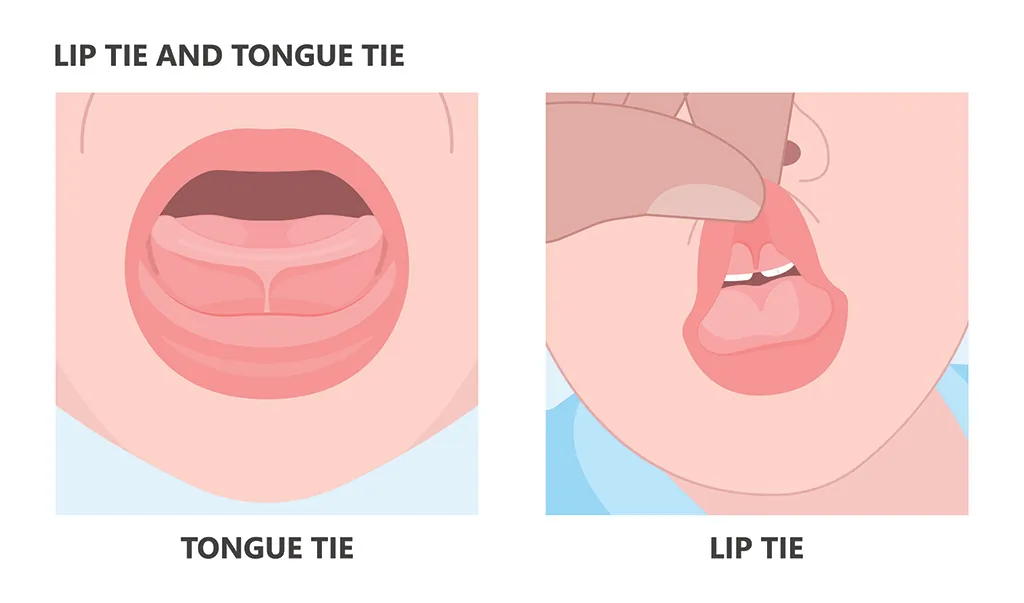
Lip tie in babies occurs when the labial frenulum, a piece of connective tissue that attaches your lip to your gums, is too closely attached (is too tight). Lip ties can create issues with breastfeeding or bottle feeding, as well as other dental issues, such as overbites. Therefore, it’s important to be sure that your baby is examined by a pediatric dentist to ensure that their labial frenulum is normal and not overly tight, especially if they exhibit some of the most common symptoms associated with lip tie.

When comparing baby lip ties vs normal anatomy, the key difference is mobility. In normal lip structure, the upper lip can gently flare outward during feeding. With a lip tie, on the other hand, the tissue may appear thick, tight, or extend lower toward the gum line, thereby limiting natural movement.

Many parents search for things like “lip tie vs normal pictures” to better understand what they’re seeing. Truthfully, while online images can offer general information, a professional evaluation is always the most reliable way to determine whether your baby’s lip structure is functioning normally or whether they have a lip tie.

Lip Tie in Babies: An Overview

Upper lip tie in babies is more common than lower lip tie, but it is possible for either the superior (upper) labial frenulum or the inferior (lower) labial frenulum to exhibit lip tie.

In either case, lip tie happens when the frenulum is either too tight, too thick, or both. While this is usually not painful for the baby experiencing lip tie, it can cause various issues with both feeding and oral development.

There are different types of lip ties, often classified based on how far the frenulum extends toward the gum line:

  • Class I: Mild attachment with minimal restriction
  • Class II: Attachment extends further down the gum
  • Class III: Tight attachment near the edge of the gum ridge
  • Class IV: Thick, restrictive attachment that may significantly limit lip mobility

It’s important to remember that appearance alone doesn’t determine whether treatment is necessary. Rather, function, or the loss of function, is what matters most.

Signs & Symptoms of Lip Tie

Recognizing the signs of a lip tie in your baby could help ensure early intervention. Some common indicators include:

Feeding Challenges: Can a lip tie affect bottle feeding or breastfeeding? It sure can. Difficulty latching, prolonged feeding sessions, and frequent gassiness or fussiness during or after feeding are common feeding-related symptoms associated with lip tie in babies. Your baby may also make clicking sounds when feeding with lip tie.

Oral Development Issues: What about the impact on oral development? Simply put, limited lip movement can impact a baby’s ability to suck effectively, which can lead to oral development issues like overbites.

If you notice any of these symptoms, it’s best to contact a trusted pediatric dentist to conduct a medical examination of your baby and determine if the lip tie should be removed to free up movement and prevent further issues.

In one study, parents concerned about lip tie cited the following as the most common symptoms associated with lip tie, in descending order:

  • Breastfeeding problems
  • Speech problems
  • Bottle feeding problems
  • Orthodontic problems
  • Feeding problems in older children
  • Reflux
  • Snoring/sleep problems
  • Dental decay
  • Nasal problems

Impact of Lip Tie in Babies

Lip ties can cause a number of issues for both baby and mama in both the short-term and long-term. Here are some of the most common:

  • Slow Weight Gain: A lip tie can make it hard for your baby to get enough milk, which can make them constantly hungry and cranky. This can, in turn, lead to abnormal weight gain, so keeping a log of your baby’s weight, especially if you suspect lip tie, could be smart.
  • Pain for Nursing Moms: Lip ties can make breastfeeding uncomfortable and even lead to sore or cracked nipples. If you notice excess pain after nursing, lip tie could be contributing.
  • Tummy Troubles: Lip ties can cause babies to swallow a lot of air, which can lead to abnormal levels of gas or spit up. If you’ve been burping your baby religiously but gas continues to be an issue, this could be to blame.
  • Future Issues: In some cases, lip ties might even contribute to speech difficulties or dental problems, including dental decay or orthodontic issues down the road.

Treatment for Lip Tie in Babies: What to Expect

Not every lip tie in babies requires treatment. Many mild cases are monitored rather than corrected. At The Super Dentists, we take a conservative, function-first approach, weighing the risks and benefits before recommending any procedure.

If it is corrected, normal anatomy is usually restored via a relatively painless procedure called a lingual frenotomy.

During a lingual frenotomy, local anesthesia is usually applied, then the lip is held taught and the lip tie is cut, freeing up movement in the affected area.

During the recovery process, your baby might experience minor pain and swelling for a few days, but in most cases, healing begins in a day or two.

To avoid re-attachment of the frenulum, there are a number of post-surgical stretches and exercises you can perform on your baby to enhance the long-term outcome of success.

Get Your Baby Evaluated for Lip Tie Issues

Concerned about your baby’s lip tie? Wondering if what your baby is experiencing is, in fact, lip tie, or something else? We invite you to schedule a consultation with The Super Dentists today to ensure your baby gets the expert care they deserve.

FAQs About Lip Tie in Babies

Does a lip tie need to be corrected?

Not always. Many lip ties cause no functional problems and do not require treatment. Correction is typically recommended only if feeding, growth, or oral development is affected. It is important to get a professional diagnosis to understand whether your little one’s lip tie requires only monitoring or surgical correction.

Should I be worried if my baby has a lip tie?

In most cases, there’s no need to panic. Many lip ties are mild and harmless. The most important factor is whether your baby is feeding comfortably and gaining weight appropriately. A pediatric dental evaluation or medical evaluation can provide clarity and peace of mind.

What does a lip tie do?

A lip tie can restrict upper lip movement, potentially impacting latch during feeding, causing air intake and gassiness, and in some cases contributing to spacing or orthodontic concerns later in childhood.

What age is best for lip tie release?

If feeding is significantly impacted, lip-tie release can be performed in infancy. However, timing depends on symptoms and function, not just age. Some children never require treatment.

What is a Tongue Tie? Everything for Parents to Know

TL;DR:

A tongue tie (ankyloglossia) is a common condition babies are born with that can affect feeding, speech, and oral development. Some tongue ties are mild and need monitoring, while others may benefit from a simple procedure.

  • Tongue tie types describe where the tissue attaches (anterior vs. posterior tongue tie).
  • Grades or classes describe how severe the restriction is (for example, grade 3 tongue tie = severe limitation).
  • Signs in babies often include breastfeeding difficulty, poor latch, or long feeding times.
  • Not all tongue ties require treatment — function matters more than appearance.
  • When needed, treatment is typically a quick, safe procedure like a frenotomy.

The most important step? A functional evaluation by a pediatric dentist or tongue-tie specialist to determine what’s best for your child’s Super smile and healthy development.


A tied tongue is a condition in which the tongue remains attached to the bottom of the mouth, causing potential difficulties with breastfeeding and speech. A tongue tie is common in newborns, infants, and young children, and adults can have it too.

It is considered a congenital condition, as it is something you can be born with, and it is also a hereditary condition. Dentists can diagnose a tongue tie, as can pediatricians or ENTS. A lactation consultant may even notice the tongue tie before a parent since it is common in babies.

What is a Tongue Tie?

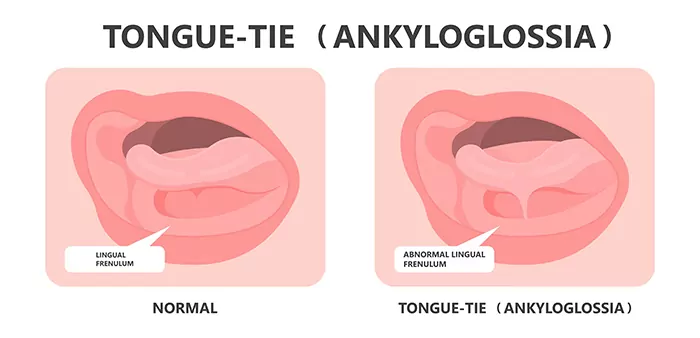
A tongue tie, also known as ankyloglossia, is a condition that presents at birth. It is when a band of tissue connects the underside of the tongue to the bottom of the mouth, restricting the tongue’s motion range.

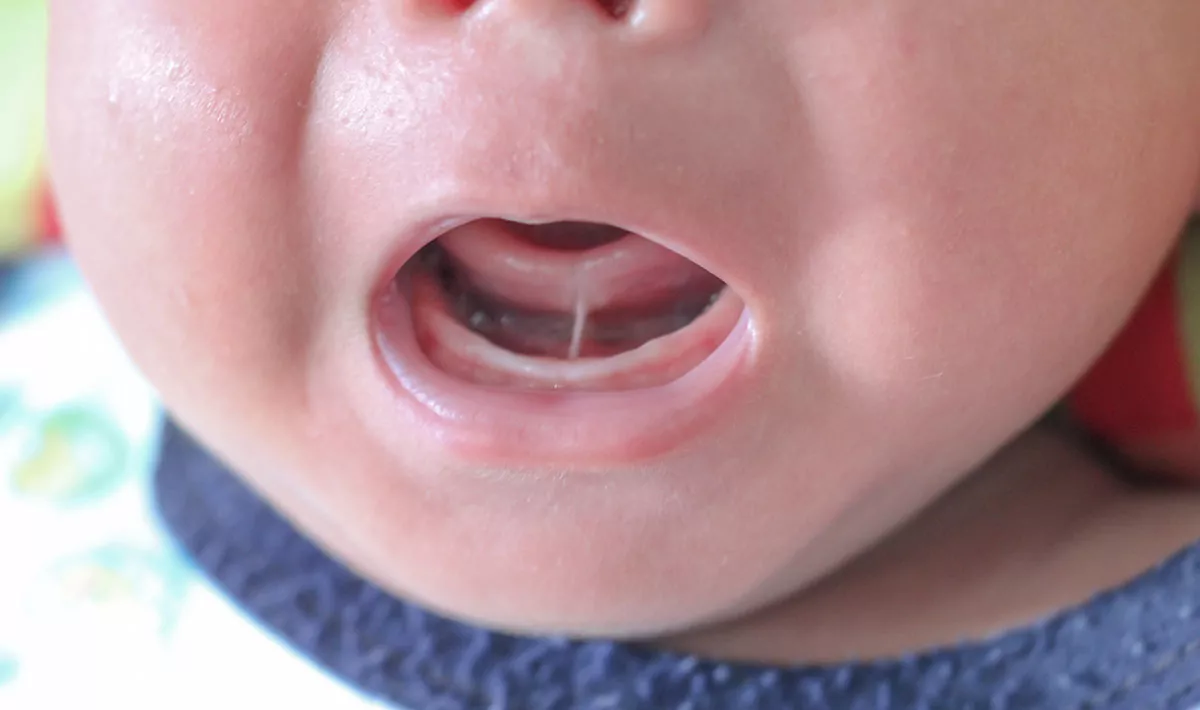
What Does Tongue Tie Look Like?

Since everybody’s tongues are slightly different, it can be challenging to diagnose a tongue tie based on appearance. However, there are several different types of tongue ties that can help to diagnose the condition properly.

Type 1

With a class 1 tongue tie, the ties are attached to the tip of the tongue. This is what most people think of when they refer to tongue ties. A class 1 tongue tie is also known as an anterior tie.

Type 2

A class 2 tongue tie, also known as an anterior tie, is further behind the tip of the tongue.

Type 3

A class 3 tongue tie is closer to the base of the tongue and is also known as an anterior tie.

Type 4

Class 4 tongue ties are also known as posterior ties. Submucosal, underneath the mucous membrane’s covering, must be felt. Many babies are misdiagnosed with a short tongue.

Understanding Tongue Tie Types vs. Grades

When researching tongue tie types, you will learn about different types, as discussed above. “Type” in relation to tongue ties refers to the Coryllos system, which describes the anatomical location of the frenulum.

On the other hand, “Grade” or “Class” typically refers to the Kotlow system, which measures severity based on how much the tongue can move (a grade 3 tongue tie indicates severe restriction measuring 3–7 mm, while a grade 4 tongue tie is very severe).

How to Tell if a Baby is Tongue Tied?

A tied tongue can affect between 4 and 11 percent of newborns and infants. Parents may be able to tell that their baby has a tongue tie if the tip of their tongue is shaped like a small heart, but that is not always the case in every baby. It can appear to look like a heart because the tissue that attaches the baby’s tongue to the bottom of his mouth is too thick or too short.

It pulls down on the area of the tongue, which can make the tip appear to be heart-shaped. Parents typically notice the first signs that their baby may be tongue-tied while breastfeeding. You can tell what is a tongue tie in a baby, as babies that have a tongue tie might display these signs and symptoms:

  • Have trouble latching while breastfeeding
  • Does not suck during breastfeeding, but compresses
  • Has loud feeding sessions due to swallowing too much air
  • Require long feeding times
  • Cause pain for their mother while breastfeeding
  • Does not produce enough dirty or wet diapers

Some other ways to tell that your baby may be tongue-tied are if your baby cannot do the following:

  • Move their tongue from side to side
  • Lift their tongue to the mouth’s roof
  • Move their tongue past their gum line, where their teeth will grow
  • Keep a binky in their mouth (many babies do not like binkies, so this isn’t always a symptom)

Does Tongue Tie Affect Speech?

A tongue tie can affect speech, as the tongue is necessary to form certain sounds. When a child has a tongue tie, their ability to move their tongue to form specific sounds may be impaired. Children with a tongue tie may have trouble enunciating these sounds:

  • D
  • L
  • R
  • S
  • T
  • Th
  • Z

These specific sounds require the tongue’s full range of motion. If your child has a tongue tie, they might still be able to pronounce these sounds slightly, but they can sound slurred. However, it is essential to understand that not every child with a tongue tie struggles with speech.

Does Tongue Tie Go Away?

Tongue tie does not go away, but it may not cause any problems for your child as they get older. Sometimes, any tightness can resolve naturally as the child grows older and the mouth develops. However, some children may experience speech difficulties or difficulty chewing their food.

How to Address Tongue Tie

To address a tongue tie, minor surgery is typically required. Two types of surgeries can correct the tongue tie: a frenotomy or a frenuloplasty.

What a tongue tie looks like

Frenotomy

A frenotomy is a minor surgical procedure to address a tongue tie. It can be performed with or without the use of anesthesia in the doctor’s office. The doctor will examine the lingual frenulum and use sterile surgery scissors to clip the frenulum.

This procedure is minimal and quick since there are few blood vessels or nerve endings in the lingual frenulum. If there is any bleeding, it will most likely be a couple of drops of blood. Babies will be able to breastfeed immediately following the surgery.

While a frenotomy’s complications are rare, some complications can occur. These complications can include tongue damage, damage to the salivary glands, infection, or bleeding.

Frenuloplasty

A frenuloplasty is recommended for those whose lingual frenulum is too thick to perform a frenotomy or if additional repairs are needed. A frenuloplasty requires the use of general anesthesia and surgical tools.

Once the frenulum is freed, the wound will be closed using sutures. The sutures are designed to absorb themselves while the tongue heals itself. Like all minor surgeries, there is a possibility of complications.

While complications are rare, they include infection, bleeding, and damage to the salivary glands and the tongue. Reactions to anesthesia can also concur. Simple exercises for the tongue might be helpful after a frenuloplasty to enhance the full motion of the tongue.

Final Thoughts

While a tongue tie can initially seem scary, it can be addressed by performing minor surgery.

At The Super Dentists, our amazing pediatric dental team takes a balanced, personalized approach, carefully evaluating types of tongue tie, differentiating posterior vs anterior tongue tie, and diagnosing mild vs severe tongue tie to determine the approach that’s truly best for your child’s health and development.

Learn more about our Pediatric Dental Services at The Super Dentists. Schedule an appointment today and bring your family to a Super Dentists location near you!

FAQs

Does a tongue-tie need to be corrected?

Not always. Whether a tongue tie needs correction depends on function, not just appearance. If feeding, speech, oral development, or airway growth is affected, treatment may be recommended. In mild cases, monitoring may be the best approach.

What causes tongue-tie in babies?

Tongue tie is a congenital condition, meaning babies are born with it. The exact cause isn’t fully understood, but genetics may play a role since it can run in families.

Do tongue ties go away?

Tongue ties do not typically disappear, but symptoms may lessen as a child grows. Some children experience no long-term issues, while others may require treatment depending on severity and function.

At what age should a tongue-tie be cut?

If feeding difficulties are present, a frenotomy can be performed in infancy — sometimes within the first weeks of life. If speech or functional issues arise later, treatment may be considered in toddlerhood or childhood. The timing depends on individual needs and symptoms.

What is a Deep Dental Cleaning, and How Does it Differ from a Routine Dental Cleaning?

TL;DR:

Need a dental cleaning, but not sure what kind?

regular cleaning is preventive and removes plaque above the gums. A deep dental cleaning goes below the gumline to treat gum disease.

Read on to understand the difference between deep cleaning and regular cleaning, the benefits of deep cleaning teethhow often you should get a deep cleaning, and answers to FAQs like “Why are dentists recommending deep cleanings?”


Dental Deep Cleaning vs Regular Cleaning: What’s the Difference?

regular dental cleaning, also known as prophylaxis, is the standard treatment for creating healthy smiles, and it’s what you or your little ones have most likely experienced in the past. During a regular or routine dental cleaning, your dentist or dental hygienist removes plaque and tartar from the surface of your teeth. This helps prevent cavities, ward off bad breath, and keep gingivitis (gum inflammation) at bay. What’s more, as Delta Dental notes, most dental insurance plans cover 100% of the cost of routine cleanings when you visit an in-network provider.

deep cleaning, on the other hand, otherwise known as a scaling and root planing, is often the go-to choice when a patient already exhibits significant gum inflammation or infection. It is more involved than a routine cleaning, involving removing bacteria below the gumline, smoothing out the roots of teeth, and helping gums reattach. Usually, a deep cleaning cannot be completed in just one visit, and it may require local anesthesia.

Benefits of Deep Cleaning

Deep cleaning can:

  • Stop gum disease from getting worse
  • Prevent tooth and bone loss
  • Improve bad breath
  • Help gums heal and reattach
  • Save you from more costly treatments later on

There are no “cons” to deep cleaning, but there are side effects, including possible sensitivity, gum soreness, or mild swelling. The long-term benefits of deep cleaning far outweigh the temporary discomfort it can create.

How Often Should You Get a Deep Cleaning vs Regular Cleaning?

Deep cleaning is not something that you should regularly have done. Rather, deep cleaning is for gum disease. Your dentist will likely recommend it if they notice gum pockets over 4 mm deep, bleeding, or signs of periodontitis.

After the first round of deep cleaning, however, it’s common for your dentist to recommend maintenance cleanings every 3-4 months.

Most people who don’t need deep cleaning, on the other hand, should get routine (“regular”) cleanings completed once to twice a year, or every 6-12 months.

Ready to Learn More or Schedule a Cleaning?

If you’re curious about the cost of deep cleaning, we’ve broken it down for you here.

Ready to schedule a dental cleaning for your family? Visit our Kids’ Teeth Cleaning page now.

5 Thumb Sucking Prevention Tips for Kids That Actually Work

TL;DR: Looking for gentle, effective ways to stop thumb sucking without the tears? This quick guide shares expert-approved thumb sucking prevention tips to help your child break the habit and protect their growing smile.

Here’s what you’ll learn:

  • Why thumb sucking is normal in early childhood—but may cause issues if it continues past age 4.
  • The difference between passive and vigorous thumb sucking (and why it matters for dental health).
  • 5 practical strategies to stop the habit, from thumb-free bedtime routines to positive reinforcement.
  • How tools like thumb guards or bitter nail solutions can act as gentle habit breakers.
  • When to talk to a pediatric dentist about long-term effects like thumb sucking teeth damage or potential need for braces.

Many babies and toddlers suck their thumbs. Developmentally, it’s completely normal. But most little ones also eventually stop sucking their thumbs between the ages of two to four years old. It’s when they don’t kick this habit by that time that it can become problematic, leading to dental issues such as bite problems or misaligned teeth. But luckily, with the right strategies, you can help your child stop sucking their thumb fairly easily, without all the tears and stress.

Why Kids Suck Their Thumbs (& Why it Matters)

Thumb sucking is a common self-soothing behavior, and many toddlers engage in it when they’re tired, anxious, or beginning to fall asleep, but as the American Dental Association notes, this normally stops by around age four. But some kids may continue to suck their thumbs as a method of comforting themselves past the preschool years.

That’s usually problematic, because prolonged thumb-sucking leads to many oral issues, such as:

  • Thumb sucking teeth damage
  • Changes in the jaw or roof of the mouth
  • Speech issues and social challenges
  • A higher likelihood of needing braces

Should You Try to Stop Your Kid’s Thumb Sucking Habit?

Yes. If they are over the age of four or you start noticing changes in their teeth, then it’s a good idea to start the process of breaking the habit gently.

5 Thumb Sucking Remedies That Actually Work

Here are five proven strategies for helping your little one stop their thumb sucking habit.

1. Create a New Bedtime Routine

If your little one tends to suck their thumb around bedtime, try replacing thumb sucking with other creature comforts, like a soft blanket, calming music, or engaging bedtime stories. Gently remove their thumb from their mouth while they’re sleeping if necessary.

2. Keep Them Busy

Similar to the way that telling bedtime stories keeps them occupied, keeping your little one’s minds – and hands – busy can help them stop them from sucking their thumb. So occupy them with puzzles, crafts, or anything else to keep them busy. This can be especially helpful to implement when they’re watching television, which often leads to unconscious thumb-sucking.

3. Use a Thumb Sucking Habit Breaker

For kids whose habit is a bit more pervasive, you might consider trying gentle habit breakers like wool or fabric mittens, thumb guards, or non-toxic bitter nail polish. These help your child develop awareness of when they’re sucking their thumb without feeling punished.

4. Praise Their Progress

Be sure to celebrate their wins with rewards like stickers, extra storytime, or high-fives and compliments. Varying rewards can be helpful, as can alternating between praising and withholding praise (within reason) so that the act of giving them praise remains meaningful. But remember, overall, praise works better than criticism.

5. Identity & Address Specific Triggers

From stress to fatigue to boredom, there are many things that might cause your kindergartener or grade school-aged kid to suck their thumb. Keep track of what they are, and then use the above strategies to pinpoint each of them. You may find it helpful to provide them a calm-down space, break time, or even a micro cuddle session.

Final Thoughts

If you’ve tried these tips and your little one continues to suck their thumb, then it may be time to talk to a pediatric dentist. There’s a correlation between thumb sucking and braces. That is, if you can’t get your child to stop, they may require braces (which can be pricey) down the line, when getting them might otherwise be preventable. So reach out today for help if you need it!

How to Choose a Good Dentist for Kids & Families: What to Look for & Questions to Ask 

Blog Summary:

To choose a good dentist for your family, especially your kids:

  • Look for a provider with the right credentials, pediatric or family-specific experience, a kid-friendly environment, and strong reviews.
  • Ask questions about how they handle anxiety, special needs, and long-term care.
  • Be aware that pediatric dentists are specially trained to treat children from infancy through adolescence and often offer orthodontics too.
  • Remember, the right dentist combines clinical expertise with compassion, convenience, and communication, just like The Super Dentists.

Finding the right dentist for your family is one of the most impactful decisions you can make. After all, good oral health isn’t just about shiny teeth and fresh breath. Oral health is intricately linked with overall health in numerous ways. Finding a dentist who understands this and applies it to their practice is important.

Plus, when you’re looking for a dentist for your little ones or teens, there are additional considerations to keep in mind, such as whether or not the practitioner has experience soothing little ones with anxiety or special needs, or whether they also practice orthodontics.

The purpose of this blog is to explore how to find a dentist you can trust with the health and well-being of your family. We’ll explore everything from how to know your dentist is good, with questions to ask your dentist to figure that out, to what credentials you should look for. We’ll even compare adult vs pediatric vs family dentists. Ready to dive deeper? Let’s learn!

6 Things to Consider When Choosing a Dentist

1. Choose the Right Type of Dentist

General dentists can treat patients of all ages but specialize in treating adults, while family dentists typically treat patients of all ages. Pediatric dentists specialize in children’s oral health, specifically, including development, behavior, and preventive care. If you want to find the best possible dentist for your little ones, a pediatric dentist’s extra training makes them the ideal choice. This is especially true for kids (and teens) with anxiety, sensory issues, or special needs.

2. Check Credentials and Experience

A good dentist should be licensed, experienced, and up to date on the latest in dental care. They should also offer cutting-edge technology for the best possible care.

When evaluating dentists, look for degrees, pediatric certification (if applicable), years in practice, and membership in professional organizations. Check to see if they offer orthodontics or early intervention services under one roof, too, for maximum convenience.

3. Ask Smart Questions

How do they handle dental anxiety? Do they offer sedation or laser dentistry? What’s their experience with children or special needs patients? Asking the right questions can help you gauge whether the dentist’s approach matches your family’s needs.

4. Look for a Kid-Friendly Atmosphere

The environment matters more than you might think, especially for kids. Think about the last time you were in the ER as an adult. You probably were bothered by the sterile, cold environment. Bright fluorescent lights. Linoleum floors. Dated colors. Most dentists’ offices feel like that. No wonder kids are scared!

A pediatric or family-friendly practice should offer more than just hygienic facilities that are “good enough”.

Look for kid-focused design, a fun office environment, gentle communication, and a team that knows how to make young patients feel safe and comfortable.

5. Read Reviews and Reputation

How do you choose a family dentist with good reviews? Check them out carefully – and consult various sources, from Google reviews to Yelp and social media.

Reviews give you real-world insight into how the practice treats families. Look for mentions of trust, comfort, communication, and patient experience. Awards or local recognition can also help!

6. Prioritize Convenience and Access

Busy families need flexible scheduling, multiple services in one place, and support navigating insurance. Practices that offer extended hours, online booking, and options for treating multiple family members together can make dental care much more manageable.

In Summary

To choose a good dentist, focus on credentials, communication, experience with kids, and how the office feels. Then, ask thoughtful questions, read reviews, and trust your instincts.

Pediatric and family dentists who combine clinical excellence with a kid-first approach are often the best fit for growing families.

Looking for the best possible dentist in Greater San Diego? Find a Super Dentists location near you!