
Beyond the Binky: Knowing When and How to Take Away The Pacifier
TL;DR:
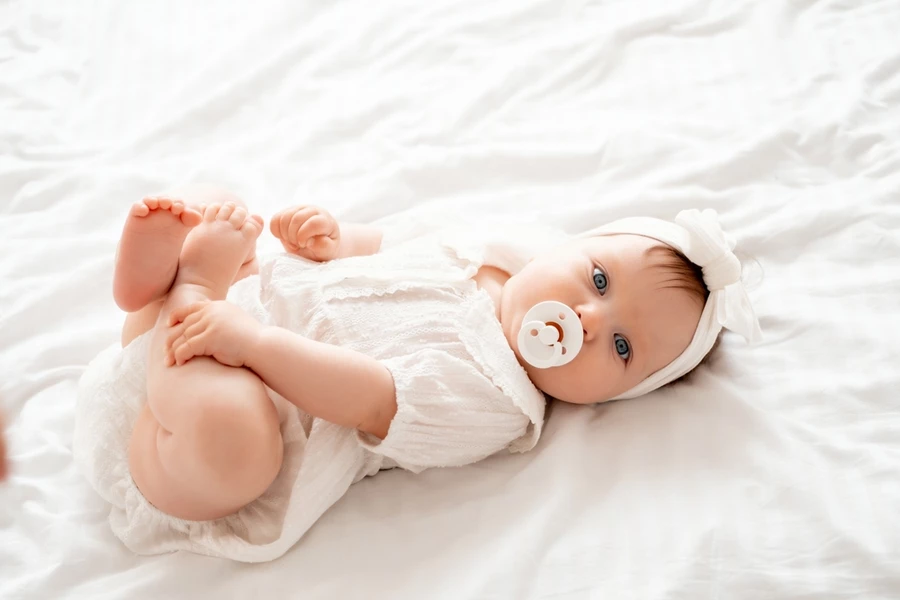
Pacifiers do have their benefits, but long-term pacifier use also carries risks. Learn how and when to take the pacifier away from your little one and why it’s important with The Super Dentists.
Blog highlights include:
- The AAPD recommends stopping pacifier use by age 3 to prevent dental issues
- The AAFP recommends limiting or stopping pacifier use after 6 months to reduce ear infections
- Long term pacifier use can lead to bite changes like open bite or crossbite
- Start reducing use around 6–12 months, especially during the day
- When to take away pacifier at night: after daytime weaning is established
- Use positive reinforcement—not pressure or punishment
- Expect a short adjustment period (aka “pacifier withdrawal”)—but most kids adapt quickly
Pacifiers can provide comfort to your little one during fussy moments, not to mention give you a breather as a parent. They can even help promote improved sleep during infancy. But as your little one begins to grow up, it’s normal to start wondering when to stop using a pacifier and how to do so without causing meltdowns.
Truthfully, pacifiers aren’t “bad”. In fact, as the American Academy of Pediatric Dentistry (AAPD) notes, pacifiers can actually be beneficial early on. The key is that pacifier use should be phased out before your little one’s oral development is adversely affected. The American Academy of Family Physicians (AAFP) echoes this sentiment, noting that while early pacifier use can have benefits, the risks of pacifier use start to outweigh the benefits eventually.
So, when exactly is it the right time to take the pacifier away, when does long-term pacifier use become too much, and how can you wean your little one off the “binky” safely and without unnecessary stress? Below, you’ll learn everything you need to know.
When and Why to Stop Pacifier Use
When Should I Take Away the Pacifier?
Not sure when to stop pacifier use? Here’s a simple, research-backed timeline:
- 0–6 Months: Pacifiers can be helpful for soothing and may reduce sudden infant death syndrome (SIDS) risk during sleep
- 6–12 Months: Begin limiting use (especially daytime) to reduce risk of ear infections
- 12–18 Months: Start actively planning weaning
- By Age 3: Aim to fully stop to prevent dental changes
The AAPD recommends discontinuing pacifier use by 36 months, while noting that adverse effects of pacifier use on the bite can begin much earlier—around 18 months. Read the AAFP’s Policy on Pacifiers here.
The AAFP, meanwhile, recommends weaning your little one off pacifiers in the second six months of life (that is, months 7-12). Specifically, this is to prevent the increased risk of developing otitis media (ear infection).
What Happens with Long-Term Pacifier Use?
Some possible long-term adverse effects include:
- Anterior open bite (front teeth don’t touch)
- Posterior crossbite (misaligned back teeth)
- Changes in jaw growth and alignment
The good news is that most of these changes can improve naturally if you kick the pacifier habit in time.
When Should I Take Away the Pacifier at Night?
Does your kiddo rely on a pacifier to fall asleep? This is common, especially given that pacifier use in early infancy for sleep can offer SIDS protection. But the AAFP notes that limiting pacifier use eventually to only when falling asleep (instead of all night) decreases continuous use. To combat this and start weaning them off the “binky”, try this strategy:
- First, limit pacifier use to sleep only.
- Next, gradually phase it out at bedtime. Start by letting them use the pacifier only to fall asleep, but don’t’ replace it if it falls out.
- Then, slowly stop re-inserting it during night wakings.
- Once your little one can fall asleep and stay asleep without needing the pacifier replaced, you can begin to stop using it altogether.
As the AAPD notes, what matters most in decreasing the risk of dental changes is not frequency of use so much as duration of use. So cutting down on the overall duration of use slowly should be the goal. Abruptly or forcefully taking away pacifier use by adopting a “cold turkey” strategy, on the other hand, usually backfires.
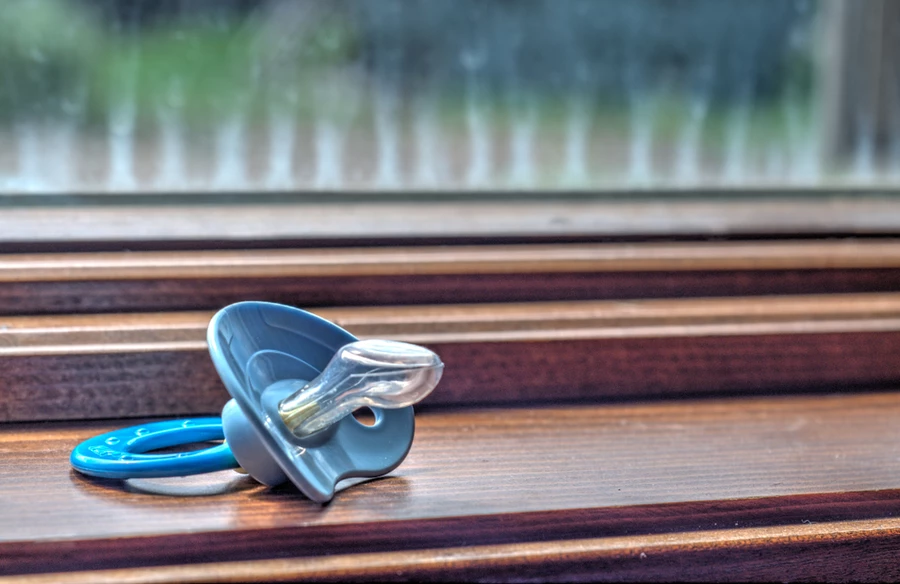
How to Take the Pacifier Away Without the Tantrums
We recommend using gradual weaning with the assistance of positive reinforcement to help your little one feel secure while building new habits. Try this simple step-by-step plan for weaning your kid off long-term pacifier use:
- Step 1: Start small and stay consistent
Begin limiting use to naps and bedtime, then gradually shorten length of use. Setting and reinforcing clear, simple boundaries make the transition smoother. - Step 2: Use positive reinforcement
The AAPD recommends encouragement rather than pressure. Celebrate progress with praise, sticker charts, or small rewards to keep your kiddo motivated. - Step 3: Replace the comfort
Pacifiers soothe, so swap in new comforts like a favorite stuffed animal, extra snuggles, or calming bedtime routines. The AAFP also supports using soothing alternatives like music or rocking. - Step 4: Prepare for a short adjustment phase
Some fussiness, shorter naps, or clinginess is normal. Stay calm and consistent. It can be hard, but know that most kids adjust within a few days to a week, so stick to it and don’t give in! In the long run, it will be worth it.
Super Tip: Skip punishment or shame. This is a big transition, and a positive, supportive approach leads to the best results.
Give Your Child the Dental Care They Deserve
In sum, the your approach to weaning your little one off a pacifier and the timing with which you start making changes matters more than perfection. Start thinking about weaning around 6–12 months, begin limiting pacifier use as your child grows, and aim to fully stop use by age 3 to support healthy oral development.
And remember, the right timing for stopping pacifier use is only one step in your little one’s journey to a lifetime of good oral health. For additional tips and tricks, check out out our Parent’s Checklist for Good Dental Health for Kids.
Need more help weaning your little one off the pacifier, or looking for additional dental care? Schedule an appointment for you and your little one at The Super Dentists today!