
Is It My Fault My Kid Has Cavities? Debunking the Parental Blame Game
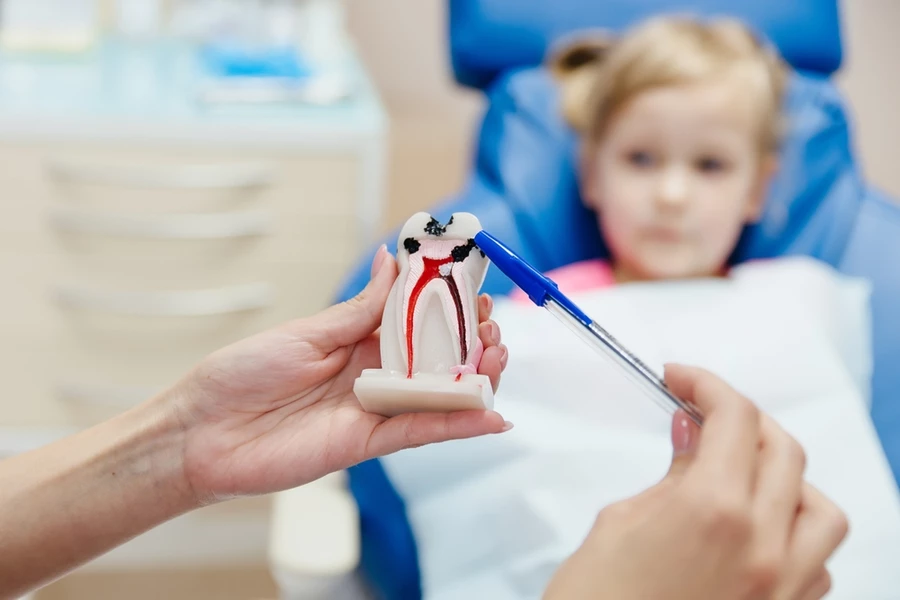
TL;DR:
Is it your fault that your kid has cavities? The short answer is no. Severe cases of child abuse and neglect notwithstanding, the vast majority of cavities in kids are not simply the direct result of bad parenting.
In fact, cavities are the most common chronic disease in kids. They are usually caused by a mix of bacteria, diet, habits, and biology.
With that in mind, this blog explains the science behind why kids get cavities and how to move forward without guilt.
- Cavities in kids are very common, even with good routines
- Cavities form when bacteria feed on sugars and create acids that weaken enamel
- Factors like genetics, enamel strength, and the oral microbiome influence risk
- It’s less about how many cavities is normal, and more about patterns and prevention
- Smart habits (brushing, diet, checkups) can reduce future cavities and build healthier smiles
Why Do Kids Get Cavities?
When a parent hears their child has a cavity (or several), one question almost always follows: “Is this my fault?”
At our Super Dentists offices, we meet parents every day who feel guilt, frustration, and even embarrassment when their child develops cavities. This is especially true for kids who keep having to come back in repeatedly.
So if you keep asking yourself “Why does my kid keep getting cavities?”, you should know that it’s likely not your fault…at least not fully!
Why? It all boils down to the fact that cavities have both preventable causes and non-preventable causes.
Proactive parenting can sometimes be the difference between cavity development and cavity prevention…in fact, it often is. That being said, even the most diligent parents cannot stave off all of their kids’ cavities!
Indeed, while cavities happen when bacteria in the mouth feed on sugars and produce acids that degrade tooth enamel and lead to tooth decay, that isn’t truly the full story.
It’s not always clear-cut the degree to which a cavity might have been preventable once it has developed. Therefore beating yourself up as a parent about what you could’ve done better isn’t constructive.
Instead, what’s important is to be aware of how cavities happen so you can do everything in your power going forward to prevent those cavities that can, in fact, be prevented. The rest is up to fate, science, and the help of a good pediatric dentist.
What Causes Tooth Decay?
In reality, tooth decay is caused by a wide range of factors, including:
- The Oral Microbiome: Each kiddo has a unique mix of bacteria. Some naturally have higher cavity-causing bacteria levels.
- Genetics & Enamel Strength: Some kids are born with softer enamel or deeper grooves in their teeth.
- Diet Habits: Frequent snacking, sticky foods, and sugary drinks do tend to increase cavity risk.
- Oral Hygiene Routines: Brushing and flossing consistency (and technique!) do matter. Establishing a good oral hygiene routine among your family is one of the best ways to prevent cavities.
- Saliva Flow: Saliva helps neutralize acids, and some kids just produce less saliva than others.
- Early Bacterial Exposure: Cavity-causing bacteria can be passed on by caregivers.
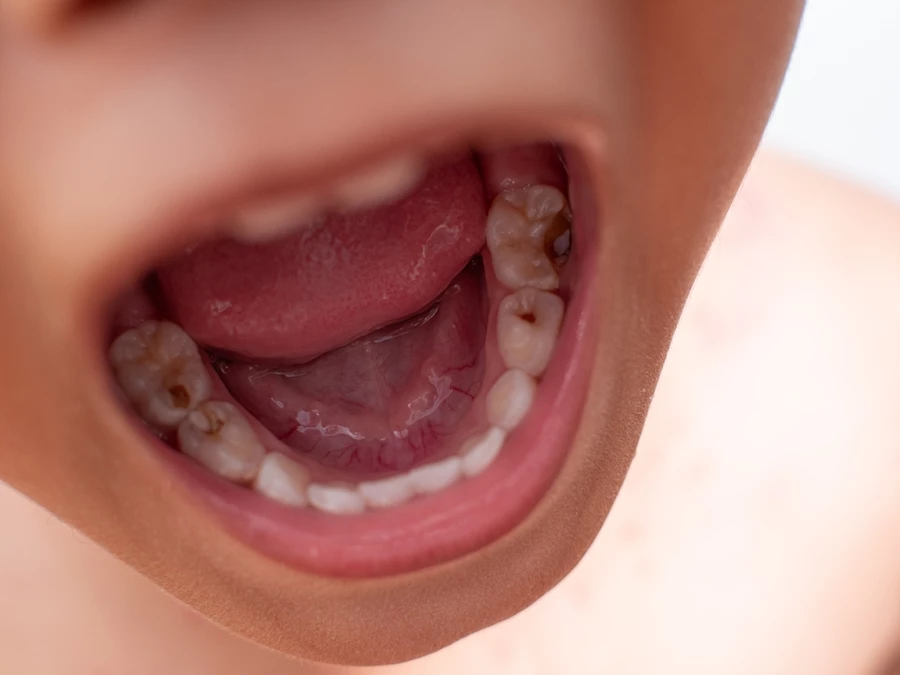
Common Myths About Cavities in Kids, Debunked
Myth #1: Cavities Only Happen Due to Bad Parenting
Fact: Cavities have both preventable and nonpreventable etiologies (that’s a fancy medical word for causes). Bacteria, diet, enamel strength, saliva, and the oral microbiome all play a role, not just parenting habits. Even highly attentive families can have cavity-prone kids.
Myth #2: Sugar Alone Causes Cavities
Fact: Sugar feeds bacteria. But it’s the acid produced by bacteria that actually breaks down enamel. Frequency of eating (i.e., snacking all day), sticky carbs, and oral bacteria imbalance matter just as much as sugar itself.
Myth #3: If My Child Brushes Well They Won’t Get Cavities
Fact: Brushing is essential, but it’s just one piece of the larger oral health puzzle. Factors like mouth pH, saliva flow, enamel quality, and bacterial composition can still lead to cavities—even with good brushing habits. What’s more, actions like flossing, tongue scraping, and rinsing are just as important as brushing when it comes to cavity prevention.
Myth #4: Cavities in Baby Teeth Don’t Matter Because They’ll Fall Out
Fact: Baby teeth are critical for proper development, speech, nutrition, and guiding adult teeth. They’re also more vulnerable to decay, which means cavities can progress faster if not addressed.
Myth #5: What Matters Most About Cavities is How Many You Have
Fact: How many cavities is too many? In truth, it’s less the number of cavities that matters and more the pattern and cause behind them. A child with recurring cavities may have underlying risk factors (diet, bacteria, enamel, habits) that require a personalized prevention plan or specialized products. On a related note, due to the often-overlooked role that the oral microbiome and oral pH play in cavity development, most parents could stand to benefit from choosing oral care products more selectively.
The Bottom Line: Is It My Fault My Kid Has Cavities?
We’ve explored the causes of cavities and some of the science behind why they occur. But what many parents really wonder about when reflecting on how their kids might have developed cavities is whether they’ve been bad parents.
We’d like to provide some reassurance. The fact that you’re even asking yourself whether it’s your fault that your little ones have cavities points to a desire to do what you can to prevent them, and in our book, that makes you a good parent!
The key when it comes to cavity prevention is to shift your mental narrative from one of blame to one of education. Then, once you know what causes cavities and how you can work on prevention, it’s time to focus on the “how” – creating consistency with an oral care routine.
Because let’s face it…even the most caring of parents and diligent of kids can forget to brush or floss in the absence of a good, easily repeatable routine in place. (And even the right routine is of less value without the right products).
How to Prevent Cavities in Your Kids Going Forward
Now that you know the how and why behind cavity development, and you understand that your kids cavities are very likely not your fault, it’s time to jump to solutions and preventative measures to ensure that you prevent future cavities from developing, to the fullest extent possible.
We invite you to check out our blog post on how to prevent cavities in your kids for the full answer, but in the meantime, here are some key actions to take:
- Brush 2x daily with the right amount of fluoride or hydroxyapatite enamel-restoring toothpaste
- Floss daily (PTFE-free floss is best for overall health)
- Limit frequent snacking. Rinse the mouth after snacks and avoid brushing for at least 30 minutes after snacks or meals (or consumption of acidic or sugary beverages)
- Choose tooth-friendly snacks (nuts, crunchy veggies, cheese, etc)
- Schedule regular checkups with your pediatric dental team
- Ask about sealants and risk-based prevention plans
Wondering if your little one might have developed cavities? Learn the warning signs of cavities here.
Concerned your children might be showing signs of cavities, or want to bring them to the dentist to be sure after an extended absence of dental care? Schedule an appointment at a The Super Dentists location near you now.