What Causes Gingivitis in Kids? What to Know About Periodontal Disease in Children
TL;DR: Gingivitis in kids is common. Thankfully, it’s also highly treatable! This guide helps parents understand what causes gingivitis, what to look out for, and most importantly, how to treat gingivitis in toddlers and children before it turns into something more serious.
- Common symptoms include swollen, red, or bleeding gums
- Poor brushing, nutrition, or mouth breathing can trigger it
- Gingivitis won’t go away on its own—early treatment is key
- Brushing twice daily, flossing, and regular dental checkups help
- Choose kid-friendly fluoride or nano-hydroxyapatite products
If you have ever noticed your child’s teeth bleeding during brushing or flossing, or their gums are swollen or painful, your child may have gingivitis. Gingivitis is the first stage of periodontal disease and is, fortunately, easily treatable and reversible.
Symptoms of gingivitis in kids are fairly easy to detect. But is gingivitis common in kids? Yes. Still, even though gingivitis is very common in children, that doesn’t mean it’s good. That’s why taking the necessary measures to help prevent, treat, and cure gum disease before it worsens is essential.
What Is Gingivitis?
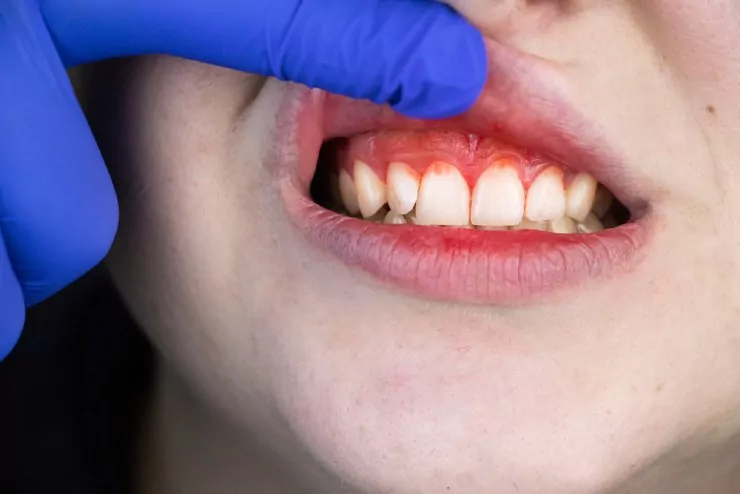
Gingivitis is a mild form of periodontal disease in children. Gingivitis happens when bacteria and plaque build up on the teeth, likely due to a lack of a good oral hygiene routine. It can cause a few uncomfortable symptoms, including:
- Dark red gums
- Gum swelling
- Irritation of the gingiva
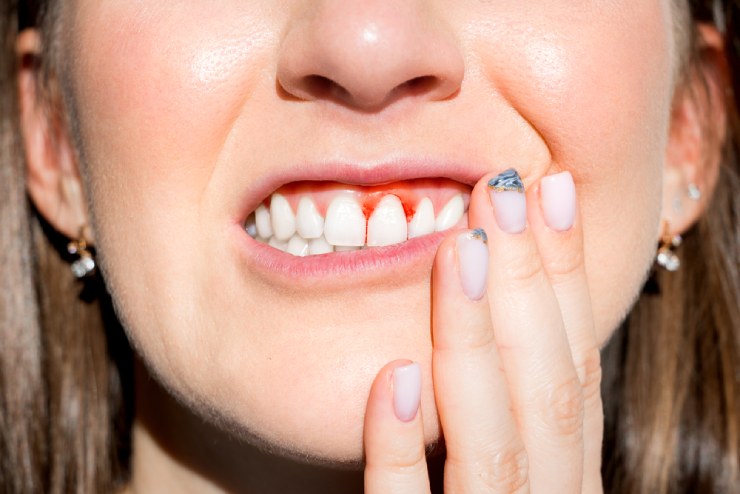
- Bleeding gums
- Bad breath that won’t go away
- Tooth pain or sensitivity to hot or cold foods and drinks
It’s important to take gingivitis in kids seriously. Since it is the earliest stage of gum disease, there are specific steps you can take to help treat gingivitis before it becomes problematic. If gingivitis worsens and is not treated, children can develop periodontitis, a more severe form of gum disease, which typically involves irreversible loss of bones and gums.
Causes of Gingivitis in Kids
Kids can get gingivitis when there is a buildup of plaque and bacteria on their teeth. Plaque contains bacteria, and if the plaque is not removed, it hardens and is considered tartar or calculus.
If children lack a good oral hygiene routine, it causes plaque to build up in the mouth, eventually becoming gingivitis. Children should brush their teeth twice a day, once in the morning and once at night, as well as floss once daily.
Risk Factors
While plaque and bacterial build-up are the most common causes of gingivitis in kids, some risk factors can contribute to gum disease development. Some risk factors include:
- Poor nutrition
- Poor oral care at home
- Mouth breathing
- Teeth grinding
- Vitamin C deficiency
- Medical conditions
Especially in young children, such as toddlers, healthy eating is essential for their growth and development. Children need vitamins such as vitamins C, K2, and D, minerals, and protein to help build strong teeth and prevent gum disease and tooth decay. Poor nutrition can also make it difficult for children to fight off infections, putting them at risk of developing gingivitis.
Can Gingivitis Be Cured on Its Own?
Gingivitis cannot be cured on its own. If a child has gingivitis, it is imperative for them to develop a consistent oral hygiene routine, supported by their parents. In addition, it can be treated with regular dental checkups. Remember that children still need help brushing their teeth until they are around age 7 to 8.
To help cure gingivitis, children may need to brush more frequently if they eat or drink anything sugary throughout the day. Your child should brush their teeth after each sugary snack or drink, as foods and drinks that are high in sugar may attack their tooth enamel and lead to gingivitis.
Before and After Gingivitis in Kids
When you begin treating gingivitis in kids, symptoms should go away within a few days to a few weeks of treatment. The gums should go from irritated and sore to a normal pink and unswollen state. The gums should be less irritable and sensitive overall, as long as the child maintains their oral hygiene routine.
How to Treat Gingivitis in Toddlers & Children
While there isn’t anything that explicitly kills gingivitis, there are ways to cure it. Using a fluoride mouth rinse is an excellent way to help treat gingivitis. Other ways to help treat and prevent gingivitis include:
- Regular dental cleanings with a pediatric dentist
- Avoiding sugary foods and drinks
- Brushing teeth twice a day using a safe and effective toothpaste
- Flossing once a day
If gingivitis turns into moderate gum disease, your child may need scaling and root planing, also known as a deep cleaning.
This type of treatment is designed to eliminate tartar and calculus from beneath the gum line to help reduce inflammation and prevent any further damage. While scaling helps to remove tartar from the teeth, root planing smoothes out the root surfaces and removes any infected tooth structure.
Conclusion
Gingivitis in kids is a common periodontal disease in children. Fortunately, it can be treated with proper care. Suppose you notice symptoms of gum bleeding, swelling, tooth sensitivity, or any type of gum irritation in your child. In that case, it is essential to make an appointment at The Super Dentists to determine if the symptoms are caused by gingivitis.
An oral hygiene routine consisting of brushing twice daily and flossing once daily is essential. Also, attending regular dental checkups can help prevent and treat gingivitis, prevent cavities, and promote good oral health.
Schedule an appointment today at The Super Dentists!
Gingivitis in Kids: FAQs
Can kids get gingivitis?
Yes! Gingivitis is very common in children, especially between the ages of 6–11. Teens are also at risk due to hormonal changes and inconsistent brushing habits.
Is gingivitis in children serious?
While early gingivitis is mild, it can progress to periodontitis, which can damage gums and bone. Catching it early is key to avoiding more serious dental issues.
What’s the best mouthwash for kids with gingivitis?
Look for an alcohol-free fluoride or nano-hydroxyapatite mouthwash designed for kids. These help fight plaque and strengthen enamel without harsh ingredients.
How long does it take to treat gingivitis in kids?
With good brushing, flossing, and a dental cleaning, gingivitis can clear up in 1–2 weeks. If symptoms continue, your dentist may recommend a deeper cleaning.
Can my child brush away gingivitis?
Yes — with help. Brushing and flossing can reverse gingivitis, but young children need adult support and routine dental checkups to fully get rid of plaque and tartar.
Does diet affect gingivitis in children?
Definitely. Kids who lack vitamins C, D, and K2 are more prone to gum inflammation. Too many sugary snacks can also feed the bacteria that cause gingivitis.
Should I worry if my toddler’s gums bleed when brushing?
Occasional bleeding can be normal, but persistent or painful bleeding may be a sign of gingivitis. Schedule a dental visit if symptoms don’t improve in a few days.