Do You Need to Say No to Soft Drinks?: The Truth About How Soda Affects Your Kids’ Teeth
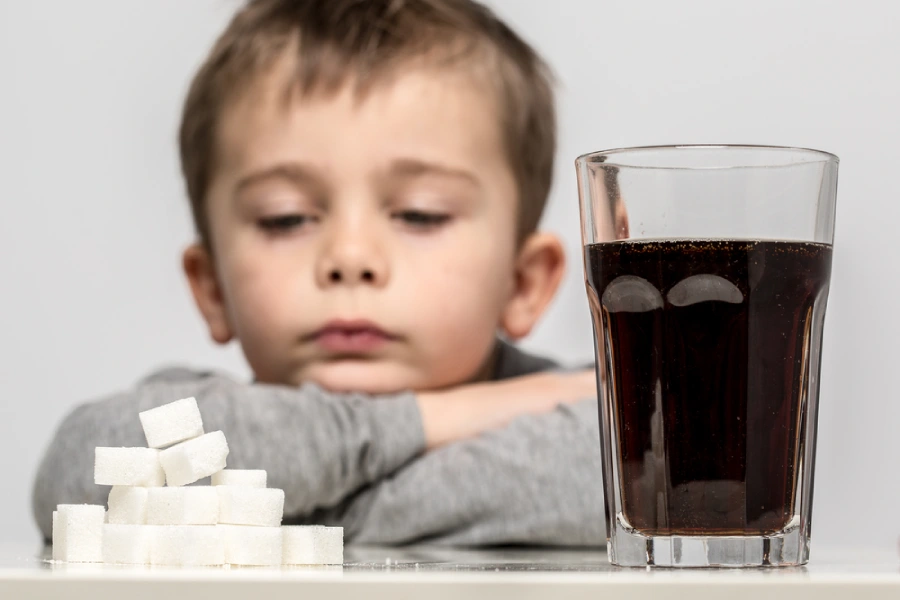
TL;DR: Soda may seem like an innocent treat, but it’s incredibly damaging to your child’s teeth. The acids and sugars erode enamel, cause cavities, and even stain teeth. Limiting soda, drinking it quickly through a straw, and rinsing afterward can reduce harm — but the best choice is always water.
Main Points:
- Soda causes acid attacks that erode enamel and lead to cavities.
- Both regular and diet sodas are harmful due to acidity.
- Sipping slowly over time is worse than drinking quickly.
- Brushing immediately after soda can worsen enamel damage.
- Soda stains teeth — especially brightly colored ones.
- Sports drinks and juices can also harm teeth but soda is typically worse.
- Use straws, rinse with water, and avoid bedtime consumption.
- Soda also contributes to broader health issues like obesity and diabetes.
- Moderation and good oral hygiene can limit soda’s long-term effects.
- Regular dental checkups are key to catching damage early.
As a parent, you’ve probably found yourself in the grocery store with your child looking up at you, begging for you to get them a soda. While it might seem harmless to occasionally give in, understanding the impact of these sugary drinks on your child’s developing teeth can help you make more informed decisions about their oral health.
The Science Behind Soda’s Impact on Teeth
When your child takes that first sip of soda, a complex chemical reaction begins in their mouth. The sugar in the beverage combines with naturally occurring bacteria to form acid, and this acid becomes the primary culprit in tooth damage.
By the way, if you’re asking yourself “Is diet soda bad for kids?”, unfortunately, the answer is yes. Both regular and diet sodas contain their own acids, including citric acid and phosphoric acid, which directly attack teeth. Regular soda may be a little worse due to the combination of both sugar and acid, though neither is great. What’s more, many diet sodas contain aspartame, which has been linked with potential cancer risk.
Each time your child sips either regular or diet soda, the ensuing acid assault continues for about 20 minutes afterward. If they’re slowly nursing that soda throughout the afternoon, their teeth remain under constant attack with little time to recover. Young children and teenagers face even greater risks since their tooth enamel hasn’t fully developed yet, so they are more susceptible to damage.
Why is Soda Bad for Kids’ Teeth?: Understanding the Two Main Types of Dental Damage
The effects of soda on teeth show up in two main ways, erosion and cavities.
1. Erosion
Think of erosion like sandpaper slowly wearing down a piece of wood — that’s what acids do to your child’s tooth enamel.
The protective outer layer gets weaker and thinner, which is why kids might suddenly complain that ice cream or cold drinks hurt their teeth. Diet soda causes this too, even without any sugar.
2. Cavities
Cavities work differently since they’re actual holes that form when bacteria feast on sugar and pump out acid as waste. While erosion stays on the surface, cavities go right through the enamel and can reach the softer dentin underneath.
When cavities are left untreated, your child could experience painful toothaches, expensive procedures, and sometimes even tooth loss in severe cases. What makes this especially troubling for parents is that soda and teeth problems don’t discriminate — even diet sodas pose significant risks due to their high acidity levels.
The Hidden Dangers of Soda That Parents Often Miss
Many parents don’t realize that the timing and method of soda consumption can dramatically affect the damage it causes.
- Soda Before Bed: Drinking soda before bedtime creates an especially dangerous situation because the sugar and acid have all night to attack your child’s teeth while saliva production decreases during sleep.
- Sipping Soda Slowly: The way children typically consume soda — sipping slowly over extended periods — maximizes the exposure time and increases potential damage.
- Brushing Teeth After Drinking Soda: Here’s something that surprises most parents…brushing your child’s teeth right after they drink soda can make things worse. When enamel is soft from acid exposure, scrubbing it with a toothbrush is like rubbing sandpaper on already damaged paint.
- Artificial Dye & Staining: Those bright red and orange sodas don’t just taste artificial — they contain dyes that can permanently stain teeth. That’s true for both diet and regular sodas, by the way. Combined with the acids that rough up the tooth surface, these stains can become stubborn reminders of poor drink choices.
Comparing Soda to Other Drinks
Generally, soda is one of the most harmful drinks for dental health. It’s common to think of sports drinks as healthier alternatives, but they typically have similar levels of sugar and acid.
While fruit juices contain natural sugars and have some nutritional benefits, they’re still highly acidic and can also cause significant tooth damage.
The pH scale can help you see just how acidic these beverages are. With pure water scoring a neutral 7, most sodas range between 2.4 and 4.5, making them highly acidic and capable of causing significant enamel erosion.
Did You Know: Certain types of soda have been used to remove rust off metal objects! Why does this work? Because of the phosphoric acid content of most colas! If soda can do that to rust, imagine what it’s doing to your kids’ teeth…
Practical Strategies for Concerned Parents
Let’s be honest — telling kids they can never have soda again isn’t realistic for most families. Instead, you can teach them smarter ways to drink it that won’t wreck their teeth.
- Drink Faster: When your child does get a soda, encourage them to drink it fast rather than nurse it for an hour. Think of it like ripping off a band-aid — quick exposure causes less damage than prolonged contact. Use Straws: Straws can help if you use them right. Position the straw toward the back of your child’s mouth so the soda bypasses most of their teeth. It’s not perfect protection, but it helps.
- Swish Water: After they finish drinking, have them swish some water around their mouth to rinse away the leftover sugar and acid that’s clinging to their teeth. Avoid Soda Before Bed: Timing matters too and avoiding soda consumption before bedtime gives teeth the best chance to recover overnight.
- Wait 30-60 Minutes to Brush Teeth: When brushing after soda consumption, waiting 30 to 60 minutes allows saliva to naturally neutralize acids and remineralize enamel before introducing the mechanical action of brushing.
The Broader Health Picture
Tooth damage is just the tip of the iceberg when it comes to what soda does to kids’ bodies. The effects of soft drinks on teeth might be what you see first, but regular soda drinking can potentially set your child up for:
- Weight problems
- Diabetes
- Cancer
- …And more
When you teach your children to reach for water instead of soda, you’re not just protecting their teeth, but you’re helping them build habits that’ll keep them healthy for life.
Don’t beat yourself up if your child has had soda before. Instead of panicking every time they ask for a Sprite at a restaurant, use it as a teaching moment about taking care of their teeth afterward.
Kids who drink sugary stuff occasionally need to see their dentist more often, but that’s not necessarily a bad thing, and catching small problems early means avoiding big, expensive fixes later.
In short, while soda is best avoided, this isn’t usually realistic, so the next best thing you can do as a parent is to follow the tips included in this post to reduce damage and, whenever possible!
Worried about what all that soda is doing to your child’s smile? Schedule an appointment with The Super Dentists to talk about what you can do to protect their teeth going forward.
Final Thoughts
Understanding why soda is bad for your teeth helps you to make better choices for your family. While occasional soda consumption won’t necessarily doom your child to a lifetime of dental problems, establishing patterns of moderation and proper oral care creates the foundation for lifelong oral health.
The goal isn’t perfection but it’s helping your children understand the consequences of their choices and giving them the tools to make informed decisions about their health. By explaining why soda is considered bad for your teeth in age-appropriate terms, you’re teaching valuable lessons about cause and effect that extend far beyond dental health.
Remember that preventing dental problems is always easier and less expensive than treating them. Regular dental visits, proper brushing and flossing techniques, and mindful beverage choices work together to protect your child’s smile for years to come.
The Super Dentists in San Diego have been recognized as leading pediatric dentists for over 20 years. Find a location near you and book an appointment for your child today.
Why Is Soda Bad for Your Teeth? FAQs
Why is soda considered bad for your teeth?
Soda contains high levels of sugar and acid that work together to damage teeth in two ways. The sugar feeds harmful bacteria in the mouth, which produce acid that erodes tooth enamel. Additionally, sodas, including diet sodas, contain their own acids (like citric and phosphoric acid) that directly attack teeth, weakening enamel and making teeth more vulnerable to decay and sensitivity.
How can my child drink soda without damaging their teeth?
While no method completely eliminates risk, drinking through a straw, consuming quickly, rinsing with water afterward, and waiting before brushing can reduce potential damage. The most effective approach remains limiting consumption frequency and quantity. In other words, consider soda consumption as a treat!
Is soda worse for your teeth than juice?
Generally, yes — soda typically contains more acid and sugar than most juices, and children tend to consume it more frequently. But both beverages pose significant risks to dental health when consumed regularly.
How much soda is OK for teeth?
Zero soda is the healthiest answer, but this isn’t always realistic. If your kid is going to have soda anyway, save it for birthdays, holidays, or other special treats instead of making it an everyday habit. And when they do indulge, make sure they’re brushing and flossing like they should.