When Should Kids Get Braces? Look for These 7 Telltale Signs
TL;DR:
Wondering if your little one’s smile is on the right track? In this guide, we cover the most common signs your child may need braces and when to schedule an orthodontic evaluation.
You’ll learn what to watch for, the best timing for treatment, and how braces support long-term oral health. Here are some specific highlights:
- Why early or late loss of baby teeth could signal orthodontic issues
- How habits like thumb sucking and mouth breathing impact jaw development
- The difference between cosmetic concerns and medically necessary braces
- When to schedule your child’s first orthodontic evaluation (hint: age 7)
- Treatment options and what to expect at the first ortho visit
Why Braces Matter More Than You Might Think
Think braces are all about creating a picture-perfect smile? Think again!
While getting braces does, of course, straighten your teeth, the benefits of orthodontic care extend far beyond simple appearances. As Delta Dental notes, braces can also correct bite issues, support jaw growth and ensure that it happens normally, improve speech, and even decrease the risk of developing tooth decay or gum disease.
But how do you know it’s time to schedule an orthodontic evaluation for your kid? In other words, how do you know that the signs point to your little one needing braces? Let’s explore the signs. We’ll also discuss the right age for orthodontic treatment and touch upon what to expect at your child’s first orthodontic appointment.
When Should Kids Get Braces?
Truthfully, there’s no one-size-fits-all answer to this question. Every child is unique. That being said, the American Association of Orthodontists (AAO) recommends that every child get their first orthodontic evaluation done by age 7.
This age is ideal because orthodontists can check for subtle or developing issues with everything from tooth eruption to bite alignment and jaw growth. That said, most children will begin orthodontic treatment somewhere between the ages of 9 and 14, depending on their needs.
Read more about why that is in our related blog post “When Do Kids Get Braces and What’s the Best Age for Them?”
NOTE: Your child might need braces even before the age of 9 or even the age of 7. Getting braces before all baby teeth are out is what’s commonly referred to as two-phase orthodontic treatment, a practice that has been growing in popularity in recent years.
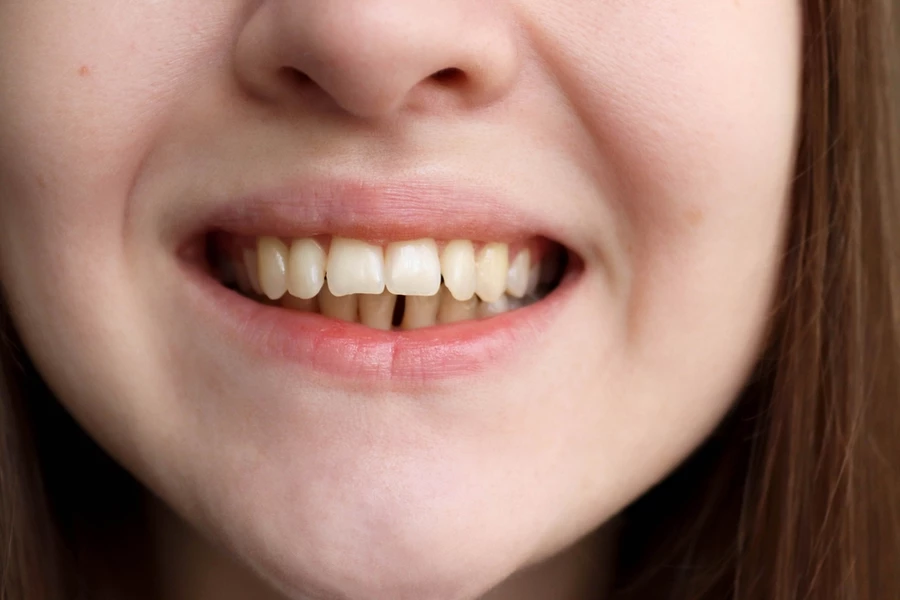
7 Top Signs Your Child May Need Braces
Now that you have a general idea of the age range that kids normally get braces and why they’re important, you’re ready to learn seven common signs of needing braces in kids:
- Early, Late, or Irregular Loss of Baby Teeth: Baby teeth help guide permanent teeth into place. But if they fall out too early, too late, or out of order, then permanent teeth may not have the space they require to grow in properly.
- Thumb-Sucking or Tongue Thrusting: Prolonged thumb-sucking and finger-thrusting can lead to bite issues or adversely affect jaw development.
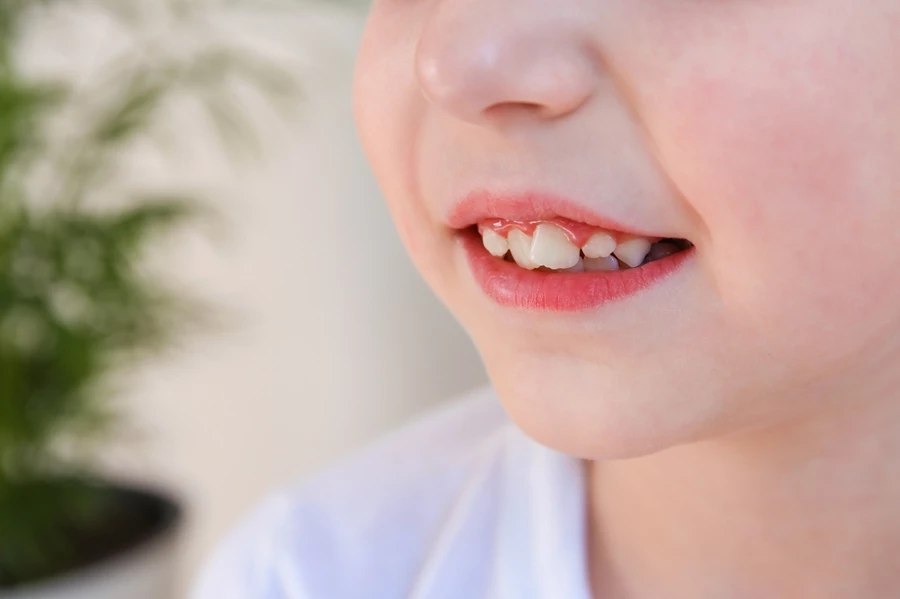
- Crowded Teeth: Crowded teeth in children commonly require braces. So if your child’s teeth overlap, twist, or erupt out of place, these are all clear signs that braces will likely be in their future.
- Difficulty Chewing or Biting: Does your child struggle to eat certain foods? Misaligned bites can cause issues with chewing and can even affect digestion or nutrition over time. For these reasons, getting braces might be in their best interest, if so.
- Overbites, Underbites, Crossbites, or Open Bites: All of these bite problems, which are, as a group, called malocclusions, affect how the teeth and jaws align. The good news? Correcting underbites, crossbites, open bites, or overbites in kids with braces helps to decrease the risk of long-term speech, jaw, and tooth wear problems.
- Mouth Breathing & Jaw Sounds: Mouth breathing, which is especially common during sleep, can impact both overall oral health and facial structure. Meanwhile, clicking, popping, or shifting jaws are other signs that your child may require an orthodontic evaluation.
- Facial Imbalance or Protruding Teeth: Does your child’s jaw appear too far forward or backward? Braces can help balance their facial structure.
What Happens During an Orthodontic Evaluation?
When you visit The Super Dentists for an orthodontic evaluation, our team will:
- Assess your child’s jaw development, facial balance, and emerging teeth.
- Identify and check for specific concerns like tooth crowding, bite irregularities, or excessive spacing.
- Discuss important oral habits, such as grinding or thumb-sucking, that could affect treatment.
- Establish whether this is the ideal moment to begin treatment or if a ‘watch and wait’ approach is best.
The Bottom Line
Braces are about far more than simply straight teeth. They can:
- Improve your child’s ability to chew, bite, and speak
- Lower their risk of cavities and gum disease
- Prevent enamel wear, jaw pain, and injury
- Build confidence in their smile and themselves
- Set the stage for a lifetime of healthy oral habits
What’s more, orthodontic treatment has evolved over the years. Traditional braces, while still one of the most effective options, are hardly the only ones. Kids can now choose from such choices as:
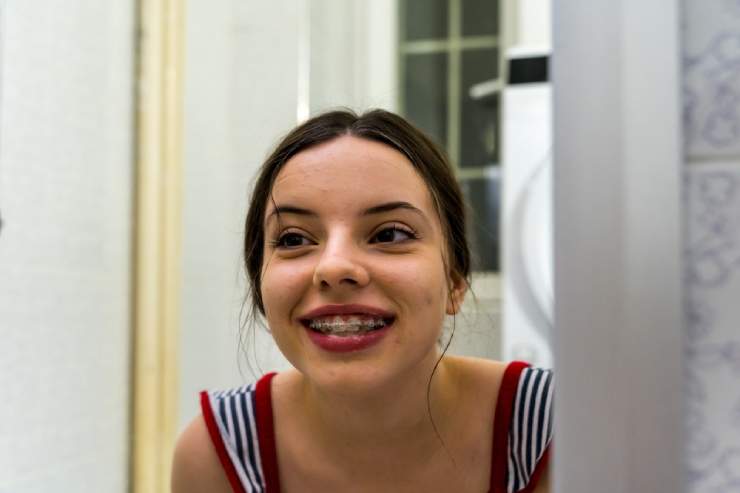
- Traditional metal braces with colorful bands
- Ceramic braces that blend with tooth color
- Clear aligners for older kids and teens
Ready to see if your child could benefit from braces? Take our free Super Smile Personality quiz now or book an appointment online. Healthier smiles are just around the corner!