What is a Tongue Tie? Everything for Parents to Know
TL;DR:
A tongue tie (ankyloglossia) is a common condition babies are born with that can affect feeding, speech, and oral development. Some tongue ties are mild and need monitoring, while others may benefit from a simple procedure.
- Tongue tie types describe where the tissue attaches (anterior vs. posterior tongue tie).
- Grades or classes describe how severe the restriction is (for example, grade 3 tongue tie = severe limitation).
- Signs in babies often include breastfeeding difficulty, poor latch, or long feeding times.
- Not all tongue ties require treatment — function matters more than appearance.
- When needed, treatment is typically a quick, safe procedure like a frenotomy.
The most important step? A functional evaluation by a pediatric dentist or tongue-tie specialist to determine what’s best for your child’s Super smile and healthy development.
A tied tongue is a condition in which the tongue remains attached to the bottom of the mouth, causing potential difficulties with breastfeeding and speech. A tongue tie is common in newborns, infants, and young children, and adults can have it too.
It is considered a congenital condition, as it is something you can be born with, and it is also a hereditary condition. Dentists can diagnose a tongue tie, as can pediatricians or ENTS. A lactation consultant may even notice the tongue tie before a parent since it is common in babies.
What is a Tongue Tie?
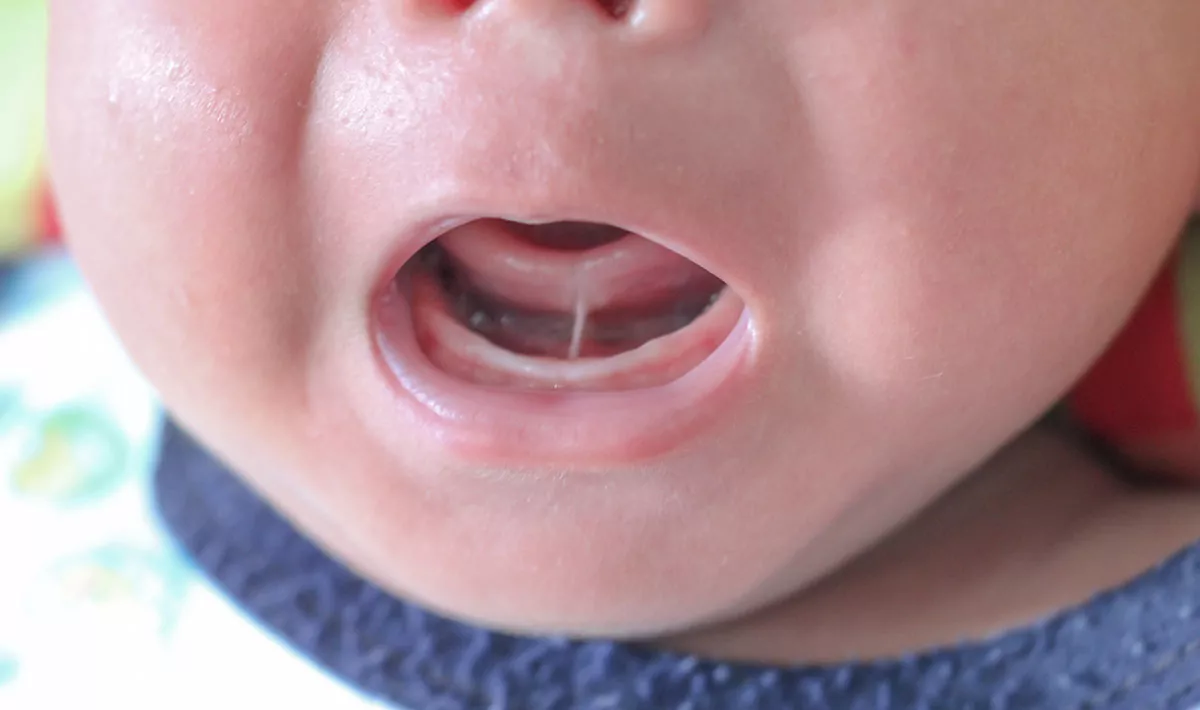
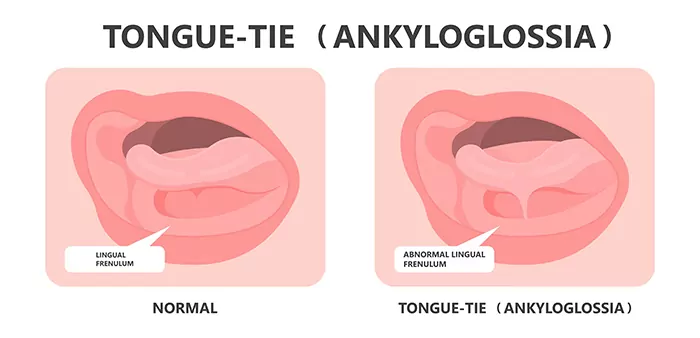
A tongue tie, also known as ankyloglossia, is a condition that presents at birth. It is when a band of tissue connects the underside of the tongue to the bottom of the mouth, restricting the tongue’s motion range.
What Does Tongue Tie Look Like?
Since everybody’s tongues are slightly different, it can be challenging to diagnose a tongue tie based on appearance. However, there are several different types of tongue ties that can help to diagnose the condition properly.
Type 1
With a class 1 tongue tie, the ties are attached to the tip of the tongue. This is what most people think of when they refer to tongue ties. A class 1 tongue tie is also known as an anterior tie.
Type 2
A class 2 tongue tie, also known as an anterior tie, is further behind the tip of the tongue.
Type 3
A class 3 tongue tie is closer to the base of the tongue and is also known as an anterior tie.
Type 4
Class 4 tongue ties are also known as posterior ties. Submucosal, underneath the mucous membrane’s covering, must be felt. Many babies are misdiagnosed with a short tongue.
Understanding Tongue Tie Types vs. Grades
When researching tongue tie types, you will learn about different types, as discussed above. “Type” in relation to tongue ties refers to the Coryllos system, which describes the anatomical location of the frenulum.
On the other hand, “Grade” or “Class” typically refers to the Kotlow system, which measures severity based on how much the tongue can move (a grade 3 tongue tie indicates severe restriction measuring 3–7 mm, while a grade 4 tongue tie is very severe).
How to Tell if a Baby is Tongue Tied?
A tied tongue can affect between 4 and 11 percent of newborns and infants. Parents may be able to tell that their baby has a tongue tie if the tip of their tongue is shaped like a small heart, but that is not always the case in every baby. It can appear to look like a heart because the tissue that attaches the baby’s tongue to the bottom of his mouth is too thick or too short.
It pulls down on the area of the tongue, which can make the tip appear to be heart-shaped. Parents typically notice the first signs that their baby may be tongue-tied while breastfeeding. You can tell what is a tongue tie in a baby, as babies that have a tongue tie might display these signs and symptoms:
- Have trouble latching while breastfeeding
- Does not suck during breastfeeding, but compresses
- Has loud feeding sessions due to swallowing too much air
- Require long feeding times
- Cause pain for their mother while breastfeeding
- Does not produce enough dirty or wet diapers
Some other ways to tell that your baby may be tongue-tied are if your baby cannot do the following:
- Move their tongue from side to side
- Lift their tongue to the mouth’s roof
- Move their tongue past their gum line, where their teeth will grow
- Keep a binky in their mouth (many babies do not like binkies, so this isn’t always a symptom)
Does Tongue Tie Affect Speech?
A tongue tie can affect speech, as the tongue is necessary to form certain sounds. When a child has a tongue tie, their ability to move their tongue to form specific sounds may be impaired. Children with a tongue tie may have trouble enunciating these sounds:
- D
- L
- R
- S
- T
- Th
- Z
These specific sounds require the tongue’s full range of motion. If your child has a tongue tie, they might still be able to pronounce these sounds slightly, but they can sound slurred. However, it is essential to understand that not every child with a tongue tie struggles with speech.
Does Tongue Tie Go Away?
Tongue tie does not go away, but it may not cause any problems for your child as they get older. Sometimes, any tightness can resolve naturally as the child grows older and the mouth develops. However, some children may experience speech difficulties or difficulty chewing their food.
How to Address Tongue Tie
To address a tongue tie, minor surgery is typically required. Two types of surgeries can correct the tongue tie: a frenotomy or a frenuloplasty.
Frenotomy
A frenotomy is a minor surgical procedure to address a tongue tie. It can be performed with or without the use of anesthesia in the doctor’s office. The doctor will examine the lingual frenulum and use sterile surgery scissors to clip the frenulum.
This procedure is minimal and quick since there are few blood vessels or nerve endings in the lingual frenulum. If there is any bleeding, it will most likely be a couple of drops of blood. Babies will be able to breastfeed immediately following the surgery.
While a frenotomy’s complications are rare, some complications can occur. These complications can include tongue damage, damage to the salivary glands, infection, or bleeding.
Frenuloplasty
A frenuloplasty is recommended for those whose lingual frenulum is too thick to perform a frenotomy or if additional repairs are needed. A frenuloplasty requires the use of general anesthesia and surgical tools.
Once the frenulum is freed, the wound will be closed using sutures. The sutures are designed to absorb themselves while the tongue heals itself. Like all minor surgeries, there is a possibility of complications.
While complications are rare, they include infection, bleeding, and damage to the salivary glands and the tongue. Reactions to anesthesia can also concur. Simple exercises for the tongue might be helpful after a frenuloplasty to enhance the full motion of the tongue.
Final Thoughts
While a tongue tie can initially seem scary, it can be addressed by performing minor surgery.
At The Super Dentists, our amazing pediatric dental team takes a balanced, personalized approach, carefully evaluating types of tongue tie, differentiating posterior vs anterior tongue tie, and diagnosing mild vs severe tongue tie to determine the approach that’s truly best for your child’s health and development.
Learn more about our Pediatric Dental Services at The Super Dentists. Schedule an appointment today and bring your family to a Super Dentists location near you!
FAQs
Does a tongue-tie need to be corrected?
Not always. Whether a tongue tie needs correction depends on function, not just appearance. If feeding, speech, oral development, or airway growth is affected, treatment may be recommended. In mild cases, monitoring may be the best approach.
What causes tongue-tie in babies?
Tongue tie is a congenital condition, meaning babies are born with it. The exact cause isn’t fully understood, but genetics may play a role since it can run in families.
Do tongue ties go away?
Tongue ties do not typically disappear, but symptoms may lessen as a child grows. Some children experience no long-term issues, while others may require treatment depending on severity and function.
At what age should a tongue-tie be cut?
If feeding difficulties are present, a frenotomy can be performed in infancy — sometimes within the first weeks of life. If speech or functional issues arise later, treatment may be considered in toddlerhood or childhood. The timing depends on individual needs and symptoms.