When Do Molar Teeth Come In?: Tracking the Arrival of the Mouth’s Chewing Champions
TL;DR:
Molars play a big role in your child’s ability to chew, grow, and thrive—and knowing when they come in can help you feel more confident through every stage. This guide walks you through when baby and adult molars develop, so you understand when kids get their molars, including those important back molars, and what’s normal along the way.
- Baby molars typically come in between 13–33 months, including the “2-year molars” stage
- Yes, kids do lose baby molars—but adult molars are designed to last a lifetime
- Kids get their first permanent molars around age 6–7 (often called 6-year molars)
- Second molars come in around 11–13 years, with wisdom teeth developing later in the teen years
- It’s normal for molars coming in to cause temporary discomfort like sore gums, drooling, and fussiness
Here at The Super Dentists’, we refer to molars as the “chewing champions” of the mouth because they have the largest surface area of any tooth with prominent raised bumps called cusps that interlock with the opposing molars to make grinding food easier.
Molars also have the thickest enamel of any tooth in the human mouth, not to mention multiple long roots and a position in the back of the mouth where jaw muscles are strongest.
Needless to say, eating without molars is not an easy task. But with molars? Piece of cake!
So when do molars come in, exactly, and when specifically do kids get back molars? To better understand the answer to these questions, we’re going to take you on a quick journey through how and when human baby molars fall out and adult molars appear.
Molar Types: Primary Molars vs. Permanent Molars
Molars, like all human teeth, come in two types: primary and permanent (also colloquially called “baby teeth” and “adult teeth” respectively).
Baby molars erupt (“come in” at different times relative to one another and then shed (“fall out”) at other times, making way for adult molars to “come in”, or erupt.
Oral Development 101: A Crash Course in Odontogenesis
Before we talk molars, let’s talk teeth in general. There are two types of teeth, each of which develops in stages. The process of formation, eruption, and integration with surrounding tissues is what’s known as Odontogenesis.
The 4 Types of Teeth
There are also four unique categories of teeth, of which molars are one. These are:
- Molars
- Premolars
- Incisors
- Canines
The 3 Types of Molars
On top of that, molars specifically (not to be confused with premolars) are broken into three subcategories:
- First molar
- Second molar
- Third molar (otherwise known as “wisdom tooth”
The reason we mention this is because both baby and adult molars “come in”, or erupt, in different stages as a child grows & develops, therefore the answer to the question “When do molars come in?” isn’t as simple as it may at first appear. The age second molars erupt is different than the age first molars erupt. And the age adult molars begins to erupt vs when child molars begin to erupt is also different.
In other words, because each type of molar erupts at different times, the question “When do kids get their molars?” has multiple answers depending on age and stage. Below, we will explore when each type of molar erupts in detail.
A Note on Upper vs. Lower Molars
The lower jaw is referred to technically as the mandible. The upper jaw is referred to technically as the maxilla. Therefore, lower molars are technically referred to as mandibular molars, whereas upper molars are technically referred to as maxillary molars.
When Do Baby Molars Come in or Erupt?
Here’s what you need to know, according to the ADA’s Mouthhealthy website:
Upper or Maxillary Baby Molars on Either Side of the Mouth
- First Molar: 13-19 months of age
- Second Molar: 25-33 months of age
Lower or Mandibular Baby Molars on Either Side of the Mouth
- First Molar: 14-18 months of age
- Second Molar: 23-31 months of age
Do Kids Lose Molars?
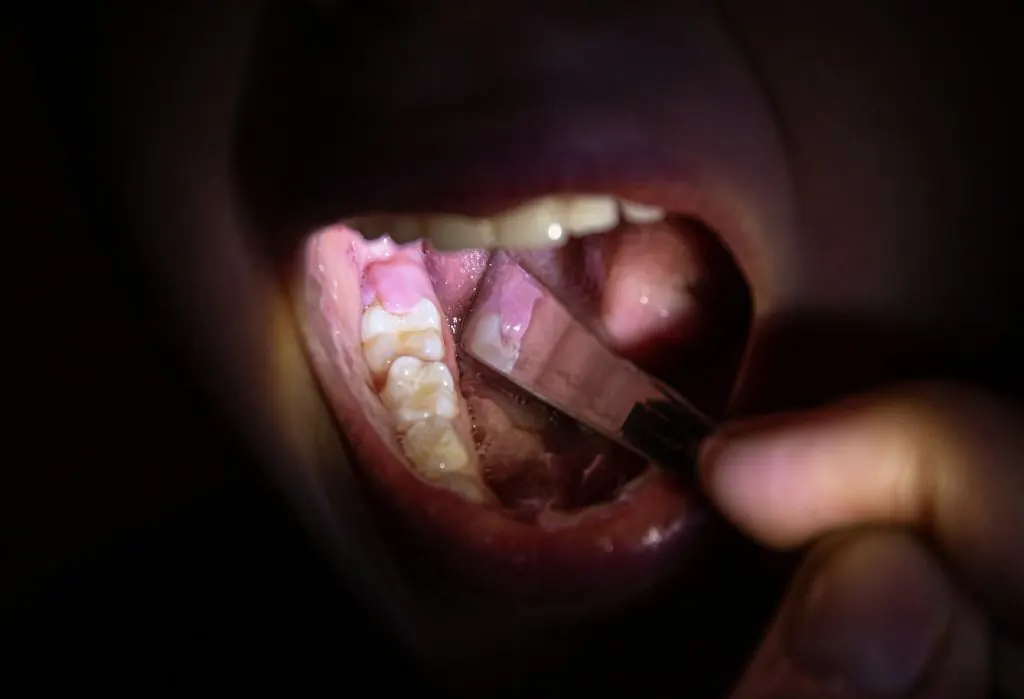
Yes. Kids do lose molars. Primary molars, or baby molars, are shed at different times, making way for adult molars (and the tooth fairy!) It’s important to note, however, that while it’s normal to lose baby molars as part of typical oral development, it’s not normal for kids to lose their adult molars once they have come in. That situation would only occur due to something like trauma, injury, or severe dental decay leading to the loss of teeth.
Common Molar Teething Symptoms
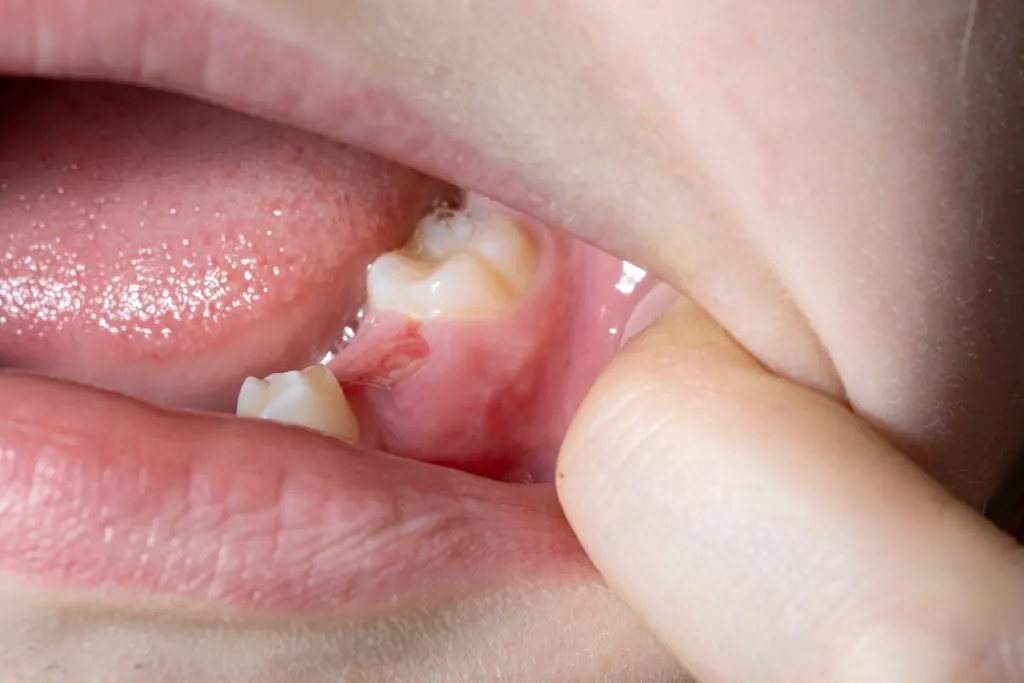
Molars are larger than other teeth, so their eruption often causes more discomfort than incisors or canines. Common molar teething symptoms may include:
- Swollen gums around molars
- Increased drooling
- Chewing on objects
- Mild irritability or fussiness
- Trouble sleeping
- Gum tenderness
- Reduced appetite temporarily
Because molars have a broader chewing surface, they may also take longer to fully erupt through the gums compared to smaller teeth. In teething toddlers especially, this can create pain, irritability, and fussiness.
When Do Adult Molars Come In, or Erupt?
Like other baby teeth, baby molars eventually are lost, or shed. Adult molars take their place. From first molars to second molars (which many people refer to commonly as “back molars”) to wisdom teeth, learn when adult molars erupt.
Upper or Maxillary Adult Molars on Either Side of the Mouth
- First Molar: 6-7 years of age
- Second Molar: 12-13 years of age
- Third Molar (Wisdom Tooth): 17-21 years of age
Lower or Mandibular Adult Molars on Either Side of the Mouth
- First Molar: 6-7 years of age
- Second Molar: 11-13 years of age
- Third Molar (Wisdom Tooth): 17-21 years of age.
Note: not everyone develops third molars, or wisdom teeth. It’s also not unheard of for individuals to have fewer than four wisdom teeth.
Do Adults Lose Molars?
Sometimes. If left unchecked, tooth decay resulting from periodontal disease or bad oral health can lead to the loss of adult teeth. But it’s not considered “normal” for adults to lose their molars like it is for children to lose their baby teeth, including baby molars.
Tooth loss isn’t the only thing to worry about, though. Poor oral health can also result in or contribute to:
- Oral infections
- Cardiovascular disease
- Respiratory infections
- Diabetes
- Pregnancy complications
- …And more!
Is Molar Eruption Painful?
The short answer is yes. Molar eruption/tooth development can be uncomfortable or even, to some individuals, painful. The development of baby teeth in particular is also commonly referred to as “teething” (sound familiar?) This notorious stage of oral development is often marked by:
- Fussiness and crying
- Changes in sleep patterns
- Increased drooling
- Chewing on objects
- Red/swollen gums
The good news? This stage is temporary, and your Super Dentists team is here to help every step of the way!
Learn More: Contact The Super Dentists Today
The human mouth develops based on age and stage of life. So why don’t we treat oral health with an age and stage-based approach? Well, you can with SuperMouth!
Is your child having issues with their baby teeth or abnormal pain due to adult teeth coming in? Schedule an appointment for your child at The Super Dentists! We demystify dentistry for parents while providing a comfortable, fun, and interactive experience for kids.
FAQs About When Kids Get Molars
What age do you grow molar teeth?
Children usually grow their first molars between 13–19 months for baby teeth and around age 6–7 for permanent molars.
What age do the back molars come in?
Back molars (first permanent molars) usually come in around age 6–7, while second molars appear around 11–13 years.
When do 2-year-old molars come in?
“2-year molars” typically erupt between 23–33 months of age.
Do molars come in at age 6?
Yes! The first adult molars—often called 6-year molars—usually come in between ages 6 and 7.
Can a 5-year-old get “6-year molars”?
Yes, some kids may get their first molars slightly early, around age 5. Every child develops at their own pace!
Are molars coming in painful?
They can be uncomfortable, especially for younger children, but symptoms are temporary and manageable.
Are molars more painful for babies?
They can be. Molars are larger teeth with broader surfaces, so their eruption may create more gum pressure and discomfort than smaller teeth.
Do kids lose their back molars?
Kids lose baby molars—but permanent back molars are meant to last a lifetime with proper care.
Do molars take longer to come in than other types of teeth?
Yes. Because molars are larger than other teeth, they may take longer to fully erupt through the gums.